Preview

This is your website preview.

Currently it only shows your basic business info. Start adding relevant business details such as description, images and products or services to gain your customers attention by using Boost 360 android app / iOS App / web portal.

BHARTIYEAYURVEDICPHARMACY 67810fc344772a6a78a797b9 Products https://www.bhartiyaayurvedicpharmacy.com

Manufacturing test

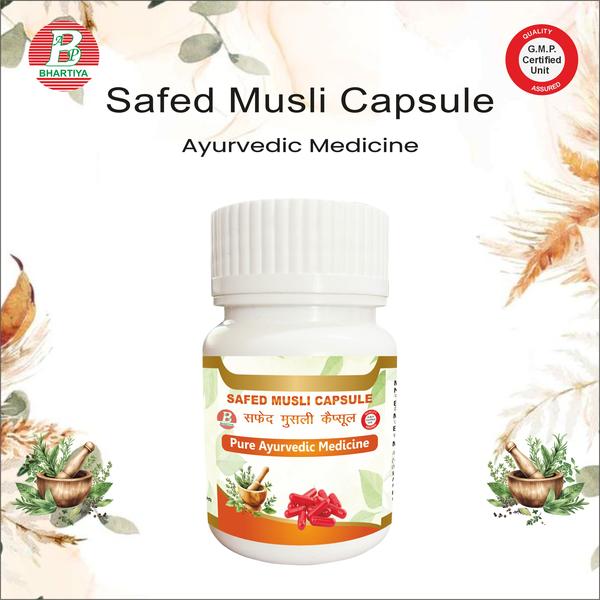
                     Safed Musali Safed Musali (Chlorophytum borivilianum)The “King of Aphrodisiacs” – Root of VitalitySafed Musali, literally meaning “white musli,” is one of the most revered rejuvenative herbs in Ayurveda. Known for enhancing strength, vitality, and reproductive health, it is celebrated as a powerful Rasayana for both men and women. Traditionally, it is considered a Vata-Pitta pacifier, enhancing stamina, immunity, and overall well-being.In Ayurveda, Safed Musali is valued as a Rasayana (rejuvenative), Vajikarana (aphrodisiac), and Balya (strength-promoting) herb, widely recommended for physical weakness, debility, infertility, and age-related decline. Botanical Information of Safed Musali•	Scientific Name: Chlorophytum borivilianum Sant. et Fernand.•	Family: Asparagaceae•	Order: Asparagales•	Genus: Chlorophytum•	Species: borivilianumCommon Names:•	Sanskrit: Musali, Safed Musali, Shweta Musali•	Hindi: Safed Musali•	English: White Musli•	Tamil: Shweta Musali•	Telugu: Shweta Musali•	Kannada: Shweta MusaliAyurvedic Synonyms in Nighantus:•	Bhavaprakasha Nighantu : Musali, Shweta Musali•	Raja Nighantu: Musali•	Dhanvantari Nighantu: Shweta Musali Morphology of Safed Musali•	Plant Type: Perennial, herbaceous, tuberous root•	Stem: Small, slender, sometimes underground rhizome•	Leaves: Long, lanceolate, bright green•	Flowers: Small, white or greenish-white, arranged in racemes•	Roots: Thick, tuberous, white – medicinally used part•	Habit: Low-growing, slow-growing, drought-tolerant Ecological Preferences•	Climate: Tropical and subtropical•	Soil: Well-drained sandy loam, rich in organic matter•	Sunlight: Full sun to partial shade•	Moisture: Moderate; sensitive to waterlogging•	Altitude: Up to 1200 m above sea level•	Habitat: Plains, dry areas, scrublands, herbal gardens Distribution•	India: Maharashtra, Madhya Pradesh, Rajasthan, Karnataka, Andhra Pradesh•	Asia: Endemic to India; also cultivated in tropical regions Classical Ayurvedic PropertiesProperty	DetailsRasa (Taste)	Madhura (sweet), Tikta (bitter)Guna (Qualities)	Guru (heavy), Snigdha (unctuous)Virya (Potency)	Ushna (hot)Vipaka	Madhura (sweet)Dosha Effect	Tridosha-hara, mainly Vata-Pitta pacifyingKarma (Therapeutic Actions)	Rasayana, Vajikarana (aphrodisiac), Balya (strength-giving), Medhya (intellect-supportive), Varnya (skin-enhancing)Therapeutic Actions According to Acharyas:1.	Rejuvenation & Vitality: Enhances strength, stamina, and immunity2.	Reproductive Health: Aphrodisiac; improves sperm count, libido, menstrual health3.	Metabolic Support: Reduces weakness, promotes digestion and nutrition absorption4.	Nervous System: Supports memory, intellect, and nervous system functionStory from Acharya Charaka:Charaka Samhita mentions Musali as a “king among roots” for balya, Vrishya, and Vajikarana effects. It was advised by Acharyas to Raja Harishchandra’s warriors to regain strength after battles. The root was considered so potent that even a small dose was enough to restore vigor and stamina. Modern Phytochemistry•	Saponins: Steroidal saponins – enhance strength, libido, immunity•	Alkaloids: Bioactive compounds for nervous and reproductive health•	Polysaccharides: Immunomodulatory and antioxidant effects•	Other Constituents: Proteins, vitamins, minerals – supports general vitality Cultivation•	Propagation: By seeds or root tubers•	Sowing Time: Early monsoon (June–July)•	Spacing: 30–45 cm between plants•	Watering: Moderate; avoid waterlogging•	Fertilization: Organic manure; compost preferred•	Harvesting: Roots harvested after 18–24 months when tubers mature•	Ecological Note: Conserves soil fertility, drought-tolerant Classical Dosage•	Powdered root: 3–6 g/day•	Decoction (Kwatha): 40–60 ml/day•	Paste with milk or ghee: As per Vajikarana preparationsSafety:•	Generally safe; avoid excessive dose which may cause mild gastric upset•	Pregnant or lactating women should use only under supervision Classical Ayurvedic Formulations1.	Musli Pak / Avaleha: Rejuvenative and aphrodisiac tonic2.	Chyawanprash Variant with Musali: Enhances strength and immunity3.	Vajikarna Rasayana: Root powder combined with milk, ghee, and honey4.	Medhya Formulations: For memory and nervous system support Modern Preparations1.	Safed Musali Capsule / Tablet: Standardized root extract for vitality2.	Safed Musali Powder (Churna): For tonic, Vajikarana, and Rasayana use3.	Safed Musali Milk Decoction: Strengthens muscles, stamina, and immunity4.	Combination Tonics: With Ashwagandha, Shatavari, Gokshura for enhanced rejuvenation Dosage Examples•	Root powder: 3–6 g/day with milk or honey•	Capsules: 1–2 capsules twice daily after meals•	Paste / Avaleha: As per classical guidance for rejuvenation and aphrodisiac effect Safed Musali Formulations by Bhartiya Ayurvedic Pharmacy At Bhartiya Ayurvedic Pharmacy, we prepare a range of Safed Musali (Chlorophytum borivilianum) formulations following classical Ayurvedic methods as described in Charaka Samhita, Sushruta Samhita, Bhavaprakasha Nighantu, and other Ayurvedic Granthas. Each product is crafted to retain the full therapeutic potency, purity, and efficacy of the herb, ensuring benefits for strength, vitality, reproductive health, immunity, and overall rejuvenation.1.Safed Musali Capsule Description:Standardized capsule containing powdered extract of Safed Musali root. Convenient modern formulation for daily use.Key Actions:•	Supports strength, stamina, and vitality•	Acts as a natural aphrodisiac and reproductive tonic•	Enhances immunity and general health•	Tridosha-hara (balances Vata, Pitta, and Kapha)Dosage:•	1–2 capsules twice daily after meals with warm water or as advised by a practitionerPrecautions:•	Avoid overdose – may cause mild digestive upset•	Use under supervision during pregnancy or lactation2.Safed Musali Powder (Churna) Description:Pure dried root powder of Safed Musali for internal use or decoction preparation. Convenient for preparing traditional Ayurvedic tonics or mixing with milk, ghee, or honey.Key Actions:•	Enhances physical strength and stamina•	Supports reproductive and sexual health•	Acts as a general rejuvenative (Rasayana)•	Improves digestion and metabolic functionsDosage:•	3–6 g once or twice daily with warm milk, ghee, or honey•	Can also be used to prepare decoctions (Kwatha)Precautions:•	Excess may lead to mild gastric discomfort•	Avoid in case of severe digestive disorders3. Musali Pak (Safed Musali Avaleha) Description:A classical Ayurvedic tonic (Avaleha) made from Safed Musali root powder, ghee, honey, and other rejuvenative herbs. Highly valued for strength, vitality, and reproductive health.Key Actions:•	Rasayana (rejuvenative) – boosts immunity and longevity•	Balya (strength-giving) – enhances muscle tone and stamina•	Vajikarana (aphrodisiac) – improves libido and reproductive health•	Medhya (intellect-supportive) – enhances memory and nervous system functionDosage:•	5–10 g once or twice daily with warm milk or water•	Can be taken after meals for best absorptionPrecautions:•	Avoid overdose – may cause mild gastric upset•	Pregnant and lactating women should consult an Ayurvedic practitioner
Safed musli capsule

INR 252 INR 504
You Save 50%

VIEW DETAILS
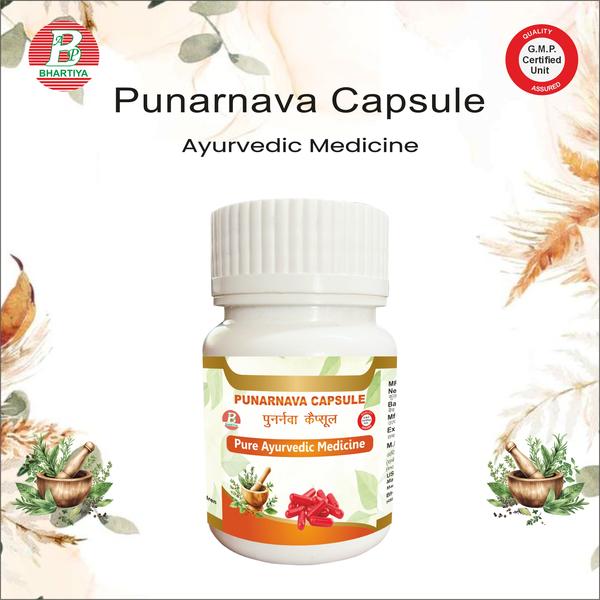
                         Punarnava (Boerhavia diffusa)                                         The Rejuvenating Herb with Healing LeavesPunarnava is one of the most important rejuvenating herbs in Ayurveda, widely valued for its unique ability to revive and renew the body.The name Punarnava literally means “that which becomes new again”, indicating its powerful regenerative and restorative nature.In Ayurveda, Punarnava is classified as a Mutrala (diuretic), Shothahara (anti-inflammatory), and Rasayana (rejuvenative) drug. It is highly beneficial in managing swelling (oedema), kidney disorders, liver weakness, urinary problems, digestive issues, anaemia, and general debility.Botanical Information of PunarnavaScientific Name: Boerhavia diffusa Linn.Family: NyctaginaceaeOrder: CaryophyllalesGenus: BoerhaviaSpecies: diffusaCommon Names:•	Sanskrit: Punarnavā, Shothaghanī, Raktapunarnavā, Śvetapunarnavā, Shreṇī, Shoṭikā•	Hindi: Punarnava•	English: Spreading Hogweed, Red Spiderling•	Tamil: Mookarattai•	Telugu: Atika•	Malayalam: Thazhuthama•	Kannada: Komme beru•	Bengali: PunarnavaSynonyms of Punarnava (Boerhavia diffusa) in Ayurvedic Nighantus:  Bhavaprakasha Nighantu – Shothaghni, Raktapunarnava, Shvetapunarnava, Shoṭikā  Raja Nighantu & Kaiyadeva Nighantu – Panchanga, Jalapushpa, Mochana, Bhujanga Hrudaya Nighantu & Dhanvantari Nighantu – Utkalika, Shreni Morphology of Punarnava (Boerhavia diffusa)Plant Type: Perennial, creeping, and spreading herbStem:•	Prostrate or slightly ascending, creeping along the ground•	Purplish-green, hairy, with swollen nodes•	Roots develop at nodes where the stem touches the soilLeaves:•	Simple, opposite arrangement•	Shape: Ovate, elliptic, or slightly rounded•	Texture: Fleshy and soft•	Color: Dark green on the upper surface, pale green below•	Petiole: ShortFlowers:•	Small, tubular, and bisexual•	Color: Pink, reddish, or white•	Arranged in axillary clusters (cymes)•	Bloom mainly during summer and rainy seasonsRoots:•	Thick, cylindrical, fleshy, and tapering•	Color: White in Shveta Punarnava, reddish in Rakta Punarnava•	Medicinal part, rich in active constituentsFruits:•	Small, ovoid, glandular, and sticky when young•	Dark brown at maturity•	One-seededHabit:•	Creeping, spreading, fast-growing, regenerates easily•	Adapted to drought and poor soil conditions Ecological Preferences of Punarnava•	Climate: Thrives in tropical and subtropical climates; tolerates heat and moderate drought.•	Soil: Prefers sandy, loamy, or well-drained soils; can grow in poor or degraded soils.•	Sunlight: Grows well in full sunlight to partial shade.•	Moisture: Requires moderate moisture; can survive dry periods due to its hardy nature.•	Altitude: Found at low to medium altitudes, commonly in plains and open areas.•	Habitat: Common along roadsides, fields, gardens, wastelands, and riverbanks.•	Growth habit: Creeping, spreading, fast-growing, and regenerates easily after adverse conditions. Distribution of PunarnavaGeographical Distribution:Punarnava is a widely distributed perennial herb found in tropical and subtropical regions across the world.•	India: Found throughout the country in almost all states, particularly in plains, dry regions, roadsides, wastelands, and fields.•	Asia: Occurs in Pakistan, Sri Lanka, Bangladesh, Nepal, and Myanmar.•	Africa: Common in tropical and subtropical Africa.•	Americas: Found in parts of South America and Central America.•	Other Regions: Naturalized in various tropical areas worldwide due to its hardy and fast-growing nature Classical Ayurvedic Properties of Punarnava•	Rasa (Taste): Tikta (bitter), Kashaya (astringent)•	Guna (Qualities): Laghu (light), Ruksha (dry)•	Virya (Potency): Ushna (hot)•	Vipaka (post-digestive effect): Katu (pungent)•	Dosha Effect: Kapha-Vata shamaka (pacifies Kapha and Vata doshas)•	Karma (Actions / Therapeutic Effects):o	Mutrala: Promotes urination, useful in oedema and urinary disorderso	Shothahara: Reduces swelling and inflammationo	Yakrit-Pleeha Shodhaka: Supports liver and spleen healtho	Rasayana: Rejuvenative and revitalizingo	Hridya: Supports heart functionTherapeutic Actions of Punarnava According to Acharyas1.	Mutrala (Diuretic):o	Promotes urine formation, relieves Shotha (edema, ascites, anasarca)o	Useful in kidney and urinary disorders2.	Shothahara (Anti-inflammatory / Anti-edema):o	Reduces Kapha and Vata-related swellingo	Useful in joint swelling, ascites, and edema3.	Yakrit-Pleeha Shodhaka (Hepato-splenic tonic / Detoxifier):o	Supports liver and spleen healtho	Clears stagnation in Rakta and Pitta4.	Rasayana (Rejuvenative / Revitalizing):o	Improves strength, vitality, and general healtho	Enhances immunity and longevity5.	Hridya (Cardio-supportive):o	Supports heart function by reducing fluid overload6.	Medohara / Vatashamaka:o	Helps in reducing excessive fat (Medo Dhatu) and pacifies Vata dosha in the bodyReferences from Acharyas:•	Charaka Samhita: Punarnava is Shothaghni, Mutrala, Rasayana•	Sushruta Samhita: Shveta and Rakta Punarnava described for Shotha, Mutra, and Yakrit-Pleeha disorders•	Bhavaprakasha: Emphasizes anti-edema, diuretic, hepatoprotective, and rejuvenative actions Modern Phytochemistry of PunarnavaPunarnava is rich in bioactive compounds responsible for its therapeutic properties. Key phytochemicals identified include:1. Alkaloids•	Punarnavine – major alkaloid, responsible for diuretic and hepatoprotective activity•	Boeravinones (A–F) – rotenoid compounds with antioxidant, hepatoprotective, and anti-inflammatory properties2. Flavonoids•	Quercetin, Kaempferol – contribute to antioxidant and anti-inflammatory effects3. Glycosides•	Punarnavoside – responsible for diuretic and anti-edema activitySpecies of Punarnava (Genus: Boerhavia)The genus Boerhavia (family Nyctaginaceae) includes several species, but Boerhavia diffusa is the most commonly used in Ayurveda. Other species are also recognized botanically for various regional and medicinal uses:1. Boerhavia diffusa Linn.•	Most widely used in Ayurveda•	Perennial, creeping, and spreading herb•	Known for diuretic, anti-inflammatory, hepatoprotective, and rejuvenative properties2. Boerhavia erecta L.•	Erect or semi-erect habit, less creeping•	Found in tropical regions•	Used in traditional medicine locally, but less common in classical Ayurveda3. Boerhavia repens L.•	Creeping herb, often used as ground cover•	Occasional medicinal use in folk medicine4. Boerhavia coccinea Mill.•	Red-flowered species, creeping habit•	Sometimes used in ethnomedicine for fever and inflammation5. Boerhavia verticillata Willd.•	Found in Africa and Asia•	Limited medicinal use; occasionally cited in ethnobotanical surveysCultivation:•	Propagation: Primarily by seeds; can also propagate via stem cuttings due to its creeping habit.•	Sowing Time: Best sown during the early monsoon or rainy season.•	Spacing: Maintain 30–40 cm between plants to allow spreading.•	Watering: Requires moderate moisture; drought-tolerant once established.•	Fertilization: Responds well to organic manure or compost, though hardy enough to grow in poor soils.•	Harvesting: Roots, stems, and leaves are harvested after 3–4 months of growth, depending on medicinal use.•	Ecological Note: Acts as a pioneer plant, stabilizing soil and growing in degraded lands. Classical Dosage of Punarnava in Granthas1. Charaka SamhitaForm: Root or whole plant powder (Churna), decoction (Kwatha)Dose: 3–6 grams of powder; 40–60 ml of decoction, 2–3 times dailyUses: Shotha (edema), Mutrakriccha (urinary disorders), Rasayana2. Sushruta SamhitaForm: Root, whole plant, or pasteDose: 3–6 grams powder; decoction 40–60 ml; external paste as requiredUses: Shotha, Mutra, Yakrit-Pleeha disorders3. Bhavaprakasha NighantuForm: Churna, Kwatha, Swarasa (juice)Dose: 3–6 grams Churna; 40–60 ml Kwatha; 20–30 ml Swarasa 1–2 times dailyNotes: Shveta Punarnava for urinary issues; Rakta Punarnava for liver and blood disorders4. Raja Nighantu & Kaiyadeva NighantuForm: Panchanga (whole plant), decoction, powderDose: Similar classical dose as above; 3–6 grams for powder, decoction 40–60 mlTherapeutic Use: Shothahara, Mutrala, Rasayana Safety and Precautions of Punarnava  Safe in classical dosage.  Avoid overdose -caution with strong diuretics.   Pregnant Woman- use only under supervision. Classical Ayurvedic Formulations of PunarnavaPunarnava is a key ingredient in many classical Ayurvedic preparations for edema, liver disorders, kidney ailments, and rejuvenation. Common formulations include:1. Punarnavadi Kwatha (Decoction)•	Ingredients: Punarnava, Trikatu (Pippali, Maricha, Shunthi), Musta, Haritaki, and other supporting herbs•	Action: Diuretic, anti-edema, hepatoprotective, rejuvenative•	Indication: Shotha (edema), Ascites, Mutrakriccha (urinary disorders)2. Punarnavadi Churna (Powder)•	Ingredients: Punarnava root, Haritaki, Musta, Chitrak, Shunthi•	Action: Supports kidney and liver health, promotes detoxification, reduces swelling•	Dose: 3–6 g/day with water or honey3. Punarnava Swarasa (Juice)•	Form: Fresh juice of Punarnava root or whole plant•	Action: Diuretic, anti-inflammatory, mild laxative•	Dose: 20–30 ml, 1–2 times daily4. Punarnava Grita or Taila (Medicated Ghee/Oil)•	Usage: External application for swelling, inflammation, and joint disorders•	Action: Shothahara, soothing, and rejuvenative5. Compound Formulations•	Punarnavadi Kashaya, Punarnavadi Gutika, Punarnavadi Avaleha – used in liver disorders, urinary diseases, edema, and general rejuvenation. Punarnava Formulations by Bhartiya Ayurvedic PharmacyAt Bhartiya Ayurvedic Pharmacy, we prepare a range of Punarnava (Boerhavia diffusa) formulations following classical Ayurvedic methods as described in Charaka Samhita, Sushruta Samhita, Bhav Prakash Nighantu, and other Ayurvedic Granthas. Each product is crafted to retain the therapeutic potency, purity, and efficacy of the herb, ensuring benefits for fluid balance, kidney & liver support, detoxification, and rejuvenation.1. Punarnava TabletDescription:Punarnava Tablets contain standardized powdered extract of Boerhavia diffusa, providing a convenient dosage form for daily use.Key Actions:•	Supports normal urinary output and reduces mild water retention•	Promotes liver and kidney health•	Reduces swelling (Edema)•	Beneficial in cough or intestinal colic•	It can help lower the blood pressure•	Provides general detox and rejuvenationDosage:•	1–2 tablets twice daily after meals, or as advised by an Ayurvedic practitionerPrecautions:•	Use under guidance in pregnancy, kidney disorders, or excessive fluid loss•	Maintain recommended dosage2. Punarnava CapsuleDescription:These capsules offer a modern, easy-to-swallow format containing Punarnava extract, ideal for those who prefer capsules over tablets or decoctions.Key Actions:•	Supports diuresis (mutrala) and reduces edema (shothahara)•	Helps maintain healthy liver function•	Acts as a rejuvenative (rasayana)Dosage:•	1 capsule twice daily with warm water after mealsPrecautions:•	Not recommended for patients on strong diuretics without consulting a physician3. Punarnava AsavaDescription:Punarnava Asava is a classical Ayurvedic fermented liquid formulation, prepared from fresh roots/whole plant to preserve bioactive constituents.Key Actions:•	Promotes fluid balance and detoxification•	Supports liver and kidney health•	Easily digestible, suitable for patients with weak digestive fireDosage:•	20–30 ml twice daily after meals, or as advised•	Can be taken with warm water or honey as per taste and constitutionPrecautions:•	Store in a cool, dry place•	Use under supervision during pregnancy or lactation4. Punarnavadi ManduraDescription:A classical Ayurvedic herbo-mineral formulation combining Punarnava with Mandura Bhasma (iron). Designed to support blood health, anemia, spleen function, along with Punarnava’s diuretic and rejuvenative actions.Key Actions:•	Hematinic: Replenishes iron and supports blood formation•	Diuretic & Detox: Reduces edema and fluid retention•	Rejuvenative: Improves vitality and metabolic balanceDosage:•	1–2 tablets twice daily after meals with warm water or milk, as directed by an Ayurvedic practitionerPrecautions:•	Avoid excessive intake; monitor iron levels if used long-term•	Not recommended in cases of iron overload or severe gastric sensitivitypunarnava capsule, punarnava capsule benefits, punarnava capsule company namepunarnava capsule composition, punarnava capsule containspunarnava capsule cost, punarnava capsule gmpunarnava capsule gst, punarnava capsule gst ratepunarnava capsule ke fayde, punarnava capsule kis kaam aata haipunarnava capsule online, punarnava capsule online orderpunarnava capsule online shopping, punarnava capsule originalpunarnava capsule price, punarnava capsule qualitypunarnava capsule quantity, punarnava capsule reviewpunarnava capsule root, punarnava capsule root powderpunarnava capsule root powder benefitspunarnava capsule side effects, punarnava capsule usespunarnava capsule uses in hindi, punarnava capsule videopunarnava capsule video youtube, punarnava capsules benefitspunarnava capsules benefits in hindi, punarnava capsules price in indiapunarnava capsules uses, punarnava capsules uses in hindipunarnava extract capsules, punarnava how to usepunarnava ka juice, punarnava ke capsulepunarnava nutritious capsule, punarnava tablet benefitspunarnava tablet lene ke fayde, punarnava tablets benefitswhat is punarnava, when to take punarnava
Punarnava Capsule

INR 180 INR 360
You Save 50%

VIEW DETAILS
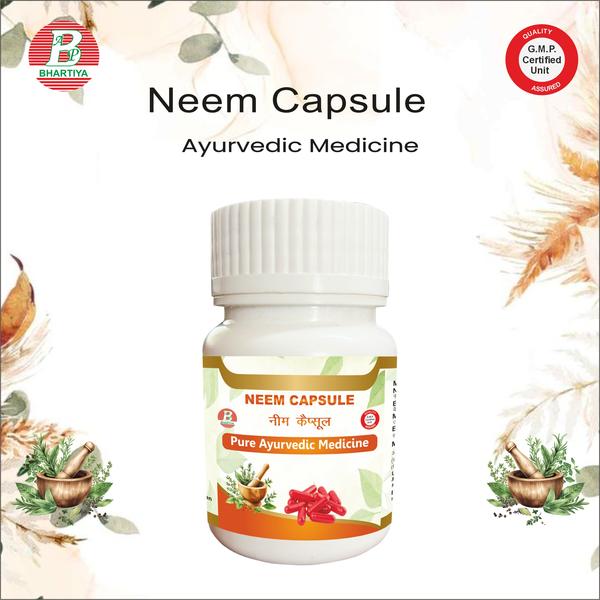
                      NEEM (Azadirachta indica A. Juss.)                                 The Divine Medicinal Tree — “Nimba” (The Bitter Guardian)Neem, known as Nimba in Sanskrit, is one of the most revered medicinal trees in Ayurveda. Celebrated for its antimicrobial, blood-purifying, and detoxifying properties, it has been used since Vedic times for health, hygiene, and longevity. Neem is considered a Pittashamaka and Rasayana, supporting immunity, skin, liver, and overall vitality. Classical texts praise Neem as the “Sarva Roga Nivarini” — capable of preventing or alleviating multiple diseases. BOTANICAL INFORMATION OF NEEM•	Scientific Name: Azadirachta indica A. Juss.•	Synonyms: Melia azadirachta L., Nimba•	Family: Meliaceae•	Order: Sapindales•	Genus: Azadirachta•	Species: indica•	Common Names:o	Sanskrit: Nimba, Nimbaka, Arishta, Sarva Roga Nivarakao	Hindi: Neemo	English: Indian Lilaco	Tamil: Veppam, Vembuo	Telugu: Vepao	Malayalam: Veppu, Vempuo	Kannada: Bevuo	Marathi/Gujarati: Neem SYNONYMS IN CLASSICAL AYURVEDIC TEXTS•	Charaka Samhita: Nimba, Sarvoshadhi•	Sushruta Samhita: Nimb, Raktaprasadaka•	Bhavaprakasha Nighantu: Nimba, Arishta, Sarva Roga Nivaraka•	Dhanvantari Nighantu: Nimba, RaktashodhakaNeem is traditionally associated with blood purification, detoxification, longevity, and prevention of skin and systemic disorders. MORPHOLOGY OF NEEM•	Tree: Medium to large deciduous, height 15–20 m, spreading crown•	Bark: Grey-brown, rough, longitudinal fissures•	Leaves: Pinnate, 20–40 cm long, leaflets 20–30 pairs, ovate-lanceolate, serrated margins•	Flowers: Small, white, fragrant, axillary panicles•	Fruit: Drupe, ovoid, green turning yellow on ripening, 1–2 cm long, bitter-sweet•	Seed: One hard seed per fruit ECOLOGICAL PREFERENCES•	Climate: Tropical and subtropical, drought-resistant•	Soil: Adaptable to a range of soils, grows well in poor, sandy, or rocky soil•	Habitat: Open forests, village groves, roadsides•	Altitude: Sea level to 1,500 m GEOGRAPHICAL DISTRIBUTION•	India: Widely distributed, majorly in Rajasthan, Gujarat, Maharashtra, Tamil Nadu, Karnataka, Andhra Pradesh•	Outside India: Myanmar, Bangladesh, Pakistan, Southeast Asia, tropical Africa CLASSICAL AYURVEDIC PROPERTIES (RASA–GUNA–VIRYA–VIPAKA)•	Rasa (Taste): Tikta (bitter), Kashaya (astringent)•	Guna (Qualities): Laghu (light), Ruksha (dry)•	Virya (Potency): Śīta (cooling)•	Vipaka (post-digestive effect): Katu (pungent)•	Dosha Effects: Tridoshaghna, especially Pittahara and Kapha-shamaka THERAPEUTIC ACTIONS ACCORDING TO AYURVEDA (KARMA)1.	Raktashodhaka: Purifies blood, detoxifying2.	Kushthaghna: Treats skin disorders, eczema, acne, leprosy3.	Jwaraghna: Antipyretic, reduces fever4.	Kaphapittahara: Balances doshas, reduces inflammation5.	Kantya / Keshya: Promotes hair and skin health6.	Dantya: Oral hygiene, treats dental infections and gingivitis7.	Vrishya: Enhances reproductive health and vitality8.	Vishaghna: Anti-parasitic, kills microbes and intestinal worms INDICATIONS•	Skin & Hair: Acne, eczema, psoriasis, dandruff, hair fall•	Digestive System: Dyspepsia, constipation, intestinal worms•	Metabolism & Immunity: Detoxification, immunity enhancement•	Oral Health: Gingivitis, dental caries, halitosis•	Blood Disorders: Purifies blood, improves circulation•	Fever & Infections: Malaria, viral infections, minor fevers MODERN PHARMACOLOGY & PHYTOCHEMISTRY•	Major Constituents: Nimbin, Nimbidin, Azadirachtin, Quercetin, Nimbolide, Flavonoids, Tannins, Vitamins, Minerals•	Pharmacological Actions:o	Antibacterial, Antiviral, Antifungalo	Anti-inflammatoryo	Immunomodulatoryo	Antipyretico	Hepatoprotectiveo	Antidiabetico	Antioxidant CULTIVATION DETAILS•	Propagation: Seeds, stem cuttings•	Sowing Time: June–July (monsoon)•	Spacing: 8–10 m between trees•	Irrigation: Moderate, drought-tolerant once established•	Fertilization: Organic manure preferred•	Harvesting: Leaves and fruits collected as required CLASSICAL DOSAGE (According to Ayurvedic Granthas)•	Churna (Powder): 1–3 g•	Swarasa (Juice): 10–20 ml•	Kwatha (Decoction): 40–60 ml•	Avaleha (Paste/Lehyam): 5–10 g•	Oil (Thaila): Topical for skin and hair CLASSICAL AYURVEDIC FORMULATIONS CONTAINING NEEM1.	Nimbadi Churna – Skin disorders, immunity2.	Nimbadi Kwatha – Blood purification, fever3.	Nimbadi Thaila – Hair and scalp treatment4.	Nimbamrit Rasayana – Rejuvenative, detoxifying5.	Nimbadi Gutika – Digestive and metabolic support6.	Nimba Patra Swarasa – Oral health, dental car HISTORICAL & CLASSICAL SIGNIFICANCE•	Neem is referred to as “Divine Tree” in Charaka, Sushruta, and Bhavaprakasha Nighantu.•	Known as Sarva Roga Nivarini — capable of preventing numerous diseases.•	In ancient Indian texts, neem twigs were used for dental hygiene, and leaves for blood purification.•	Used in Rasayana therapy, especially for skin, blood, and immunity-related disorders.•	In folklore, neem is regarded as sacred and protective, planted near homes for health and well-being. NEEM (Azadirachta indica A. Juss.) FORMULATIONS – BHARTIYA AYURVEDIC PHARMACYBhartiya Ayurvedic Pharmacy prepares a range of Neem formulations following classical Ayurvedic principles described in Charaka Samhita, Sushruta Samhita, Bhavaprakasha Nighantu, and other Ayurvedic texts. Each product is designed to retain the full blood-purifying, antimicrobial, skin-protective, and immunity-enhancing properties of Neem. 1. Neem TabletDescription:Neem Tablet is a modern, convenient dosage form containing standardized Neem (Azadirachta indica) extract. Ideal for daily use, it supports detoxification, immunity, and skin health.Key Actions:•	Tridoshic Rasayana: Balances Vata, Pitta, Kapha•	Blood purifier and detoxifier•	Supports skin health and wound healing•	Digestive and metabolic support•	Immunity enhancerDosage:•	1–2 tablets twice daily after meals with warm water, or as directedPrecautions:•	Avoid excessive use in diarrhea or loose stools•	Pregnant and lactating women should use under supervision•	Monitor blood sugar in diabetics 2. Neem CapsuleDescription:Neem Capsule is a convenient, easy-to-swallow form containing concentrated Neem extract. Suitable for those who prefer capsules over tablets or powders.Key Actions:•	Antimicrobial, antiviral, and antiparasitic•	Anti-inflammatory and antioxidant•	Supports liver function and metabolism•	Boosts immunity and vitalityDosage:•	1–2 capsules twice daily with warm water after mealsPrecautions:•	Avoid overdose•	Use under supervision if pregnant, lactating, or on anti-diabetic medications 3. Neem Oil (Taila)Description:Neem Oil is a classical Ayurvedic topical preparation, cold-pressed from Neem seeds, used for skin and hair disorders.Key Actions:•	Anti-inflammatory and antimicrobial•	Treats acne, eczema, psoriasis, fungal infections•	Promotes hair growth and prevents dandruff•	Soothes itching and skin irritationDosage / Usage:•	Apply externally on affected areas 1–2 times daily•	Can be mixed with coconut or sesame oil for massagePrecautions:•	For external use only•	Avoid contact with eyes•	Test patch for allergic reactions before extensive use 4. Nimbadi ChurnaDescription:Nimbadi Churna is a classical powdered formulation containing Neem leaves and other synergistic herbs. Used traditionally for skin disorders, fever, blood purification, and digestive support.Key Actions:•	Mild laxative and digestive tonic•	Blood purifier and detoxifying•	Anti-inflammatory and antimicrobial•	Supports immunity and metabolic healthDosage:•	1–3 g daily with warm water, honey, or ghee, preferably at bedtime or as advisedPrecautions:•	Avoid excessive use leading to loose stools•	Use under practitioner supervision in elderly, children, or weak patients•	Monitor blood sugar if diabetic SAFETY & PRECAUTIONS•	Safe for long-term use when taken in classical doses•	Avoid excessive consumption in dehydration or diarrhea•	Use cautiously in pregnancy and lactation•	May reduce blood sugar: monitor if diabeticayurveda neem capsule, ayurvedic neem capsulebenefits of neem capsule, best neem capsulebest neem capsules in india, best neem supplementbest organic neem capsules, best time to take neem capsulecan i take neem capsules, can neem be consumed dailycan you take neem capsules everyday, do neem capsules expirehow long can i take neem capsules, how long to take neem capsuleshow to make neem capsules at home, how to take neem capsulesis neem capsules good for acne, is neem capsules good for diabetesis neem capsules good for skin, is neem capsules safeneem capsule amazon, neem capsule ayurvedicneem capsule benefits, neem capsule benefits in hindineem capsule dosage, neem capsule dp priceneem capsule empty stomach, neem capsule for acneneem capsule for men, neem capsule for skinneem capsule hindi, neem capsule hsn codeneem capsule india, neem capsule kab khana chahiyeneem capsule ke fayde, neem capsule khane ke faydeneem capsule kis kaam aata hai, neem capsule near meneem capsule online, neem capsule priceneem capsule uses, neem capsule uses in hindineem capsules acne, neem capsules benefitsneem capsules benefits for men, neem capsules benefits for skinneem capsules benefits in hindi, neem capsules blood purifierneem capsules for acne reviews, neem capsules for hair growthneem capsules health benefits, neem capsules price onlineneem seed capsule
Neem capsule

INR 135 INR 270
You Save 50%

VIEW DETAILS
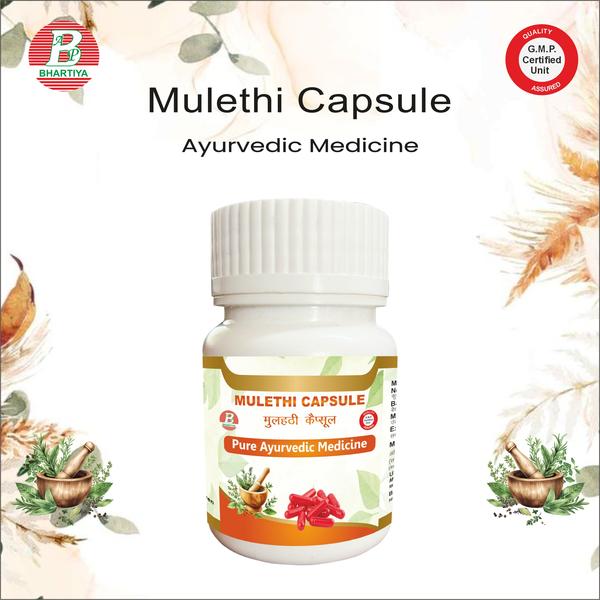
                       MULETHI  MULETHI (Glycyrrhiza glabra L.) The Sweet Root — “Yashtimadhu” (The Compassionate Healer)Mulethi, also known as Yashtimadhu, is a revered herb in Ayurveda, celebrated for its sweetness, cooling properties, and therapeutic versatility. Known as a demulcent, expectorant, and rejuvenative, it is used for respiratory, digestive, endocrine, liver, and skin health. It balances Vata and Pitta, while supporting immunity, vitality, and longevity. ANCIENT STORY & TRADITIONAL SIGNIFICANCE OF MULETHI (Yashtimadhu) Sanskrit Name: Yashtimadhu – “Yashti” means root, “Madhu” means sweet; literally “Sweet Root.”Symbolism: Sweetness, nourishment, healing, and vitality.Mythological & Historical References1.	Vedic References:o	Mulethi finds mention in the Rigveda and Atharvaveda as a medicinal plant with restorative properties.o	It was considered sacred and used in rituals to purify the body and maintain health.o	Sweetness of Mulethi symbolizes Ahimsa (compassion) and Sattva (purity) in Ayurvedic philosophy.2.	Ayurvedic Classics:o	Charaka Samhita: Yashtimadhu is described as Madhura, Shita, Rasayana, suitable for balancing Vata and Pitta, nourishing Ojas, and promoting longevity.o	Sushruta Samhita: Prescribes Mulethi for respiratory disorders, throat diseases, ulcers, and digestive issues.o	Bhavaprakasha Nighantu: Calls it the “sweetest of roots,” a divine healer that restores strength, immunity, and vitality.3.	Legendary Story (Folk & Mythological Tradition):o	Once, during the cosmic churning of the ocean (Samudra Manthan), the gods were seeking nectar for immortality.o	Amongst the divine plants that emerged, Yashtimadhu (Mulethi) was gifted by the gods to humans as a herb of longevity and protection.o	It is said that Sage Agastya, the revered Ayurvedic seer, first discovered its sweet root in the Vindhya forests and prescribed it as a remedy for throat, digestion, and vitality, making it a staple Rasayana in Ayurveda.o	Because of its sweetness and healing power, Mulethi was also offered to deities and kings, symbolizing health, grace, and divine nourishment.Ancient Uses & Cultural Significance•	Royal Medicine: Kings and warriors used Mulethi root as a daily tonic to enhance stamina, strength, and immunity.•	Spiritual Practice: Used in Ayurvedic tonics during meditation and rituals to maintain balance of the doshas and clarity of mind.•	Sacred Offering: In temples, Mulethi was considered sacred and sometimes mixed in honey or ghee as prasadam for devotees.•	Throat and Voice Care: Ancient singers and priests chewed Mulethi root to soothe the throat and strengthen the voice for chanting and recitations.Summary of Ancient Wisdom•	Nature: Sweet, cooling, nourishing, rejuvenative•	Purpose: Promotes longevity, vitality, immunity, and respiratory wellness•	Spiritual Symbolism: Sweetness of life, harmony, and divine health•	Cultural Legacy: From Vedic times to classical Ayurveda, Mulethi has been revered as a miraculous root that protects life and supports human well-being BOTANICAL INFORMATION OF MULETHIScientific Name: Glycyrrhiza glabra L.Synonyms: Glycyrrhiza glandulifera, Glycyrrhiza inflataFamily: Fabaceae (Leguminosae)Order: FabalesGenus: GlycyrrhizaSpecies: glabraCommon Names•	Sanskrit: Yashtimadhu, Mula, Madhura•	Hindi: Mulethi•	English: Licorice•	Tamil: Athimadhuram•	Telugu: Athimadhuram•	Malayalam: Athimadhuram•	Kannada: Athimadhura•	Gujarati/Marathi: Mulethi•	Bengali: Mulethi SYNONYMS IN CLASSICAL AYURVEDIC NIGHANTUS•	Charaka Samhita: Yashtimadhu – Balances Vata & Pitta, Rasayana for throat and digestion•	Sushruta Samhita: Mula, Madhura – Healing, demulcent, and rejuvenative•	Bhavaprakasha Nighantu: Madhura, Rasayana, Hrudya – Enhances strength and longevity•	Dhanvantari Nighantu: Yashtimadhu, Mula – Sweet root for vitality and respiratory wellness MORPHOLOGY OF MULETHI•	Plant Type: Perennial herb or small shrub, Height: 1–2 m•	Stem: Erect, branched, woody at base•	Leaves: Pinnate, 7–17 leaflets, oblong-elliptic•	Flowers: Small, purple to pale violet, in racemes•	Fruit: Legume (pod), oblong, 1–2 cm, containing small seeds•	Root: Long, cylindrical, brown exterior, yellow interior, sweet taste, medicinal ECOLOGICAL PREFERENCES•	Climate: Tropical and subtropical, tolerates semi-arid conditions•	Soil: Well-drained loamy, sandy, or calcareous soils; prefers alkaline soils•	Habitat: Cultivated fields, wastelands, gardens•	Altitude: Sea level to 1,500 m GEOGRAPHICAL DISTRIBUTIONIndia: Punjab, Haryana, Uttar Pradesh, Gujarat, RajasthanOutside India: Afghanistan, Iran, Iraq, Turkey, China, Mediterranean regionNaturalized: Worldwide in temperate and subtropical regions CLASSICAL AYURVEDIC PROPERTIES (RASA–GUNA–VIRYA–VIPAKA)•	Rasa (Taste): Madhura (sweet), Laghu tikta (slightly bitter)•	Guna (Qualities): Snigdha (unctuous), Guru (heavy)•	Virya (Potency): Śīta (cooling)•	Vipaka (post-digestive effect): Madhura (sweet)•	Dosha Effects: Balances Vata & Pitta; reduces dryness, supports Ojas THERAPEUTIC ACTIONS ACCORDING TO AYURVEDA (KARMA)1.	Rasayana (Rejuvenative): Strengthens body, restores vitality2.	Hridya (Cardioprotective): Supports heart and circulation3.	Kashaya / Pranahara (Respiratory Health): Reduces cough, throat irritation, asthma4.	Medhya: Supports intellect and memory indirectly by nourishing tissues5.	Jvarahara: Reduces fever6.	Kledahara / Deepana: Promotes digestion, mucosa soothing7.	Twachya (Skin Health): Anti-inflammatory, promotes healing8.	Mutravirechana (Diuretic): Mild diuretic effect9.	Shukra / Reproductive Health: Enhances vitality INDICATIONS•	Respiratory System: Cough, cold, bronchitis, asthma, sore throat•	Digestive System: Gastritis, heartburn, peptic ulcers, acidity•	Endocrine / Metabolism: Supports adrenal and thyroid function•	Liver & Kidney Health: Hepatoprotective, detoxifying•	Skin & Hair: Anti-inflammatory, wound healing, anti-aging•	Immunity & Vitality: Chronic fatigue, stress, weakness MODERN PHARMACOLOGY & PHYTOCHEMISTRYMajor Constituents:•	Glycyrrhizin (sweet triterpene saponin)•	Flavonoids: Liquiritin, Isoliquiritin•	Polysaccharides, Sterols, Coumarins, Amino acids, MineralsPharmacological Actions:•	Anti-inflammatory, Antioxidant, Immunomodulatory•	Demulcent, Expectorant, Anti-ulcer, Hepatoprotective•	Adaptogenic, Antiviral, Anti-allergic CULTIVATION DETAILS•	Propagation: Seeds, stem cuttings•	Sowing Time: March–May•	Spacing: 30–45 cm between plants•	Irrigation: Moderate; drought-tolerant once established•	Fertilization: Organic manure preferred•	Harvesting: Roots harvested 2–3 years after planting CLASSICAL DOSAGE (According to Ayurvedic Granthas)•	Churna (Powder): 1–3 g twice daily•	Swarasa (Juice): 5–10 ml•	Kwatha (Decoction): 20–40 ml•	Avaleha / Lehyam: 10–15 g•	Oil / Thaila: External use for skin or hair CLASSICAL AYURVEDIC FORMULATIONS CONTAINING MULETHI1.	Yashtimadhu Churna: Respiratory and digestive tonic2.	Dashamoola Kashaya: Anti-inflammatory, stress reduction3.	Sitopaladi Churna: Cough, cold, respiratory wellness4.	Mulethi Avaleha / Lehyam: Rejuvenative, throat and digestive health5.	Herbal Decoctions / Oils: Skin and hair applications SAFETY & PRECAUTIONS•	Generally safe in classical doses•	Excessive consumption may cause water retention, hypertension, or hypokalemia•	Caution in:o	Hypertensive patientso	Pregnant or lactating women (large doses)o	Kidney disease MULETHI (Glycyrrhiza glabra) FORMULATIONS – BHARTIYA AYURVEDIC PHARMACYBhartiya Ayurvedic Pharmacy prepares a range of Mulethi formulations following classical Ayurvedic principles described in Charaka Samhita, Sushruta Samhita, Bhavaprakasha Nighantu, and other Ayurvedic texts. Each product is designed to retain the full therapeutic, rejuvenative, and demulcent properties of Mulethi, supporting respiratory, digestive, liver, and overall vitality. 1. Mulethi CapsuleDescription:Mulethi Capsule contains standardized extract in a convenient, easy-to-swallow form. Ideal for respiratory, digestive, and immune support.Key Actions:•	Demulcent and expectorant•	Antioxidant and anti-inflammatory•	Rejuvenative and immunity-enhancing•	Supports liver, kidney, and digestive healthDosage:•	1–2 capsules twice daily with warm water after mealsPrecautions:•	Avoid overdose•	Monitor blood pressure in hypertensive patients•	Use under supervision if pregnant or lactating 2. Mulethi Powder (Churna)Description:Pure, finely powdered Mulethi root for traditional use. Can be consumed with honey, water, or ghee.Key Actions:•	Rasayana and demulcent•	Supports respiratory and digestive health•	Enhances liver and kidney detoxification•	Promotes throat and skin healthDosage:•	1–3 g daily with warm water, honey, or as advisedPrecautions:•	Avoid excessive intake in hypertension or edema•	Diabetics should consult before usebenefits mulethi, best mulethi powder, best mulethi powder for eatingmulethi capsule amazon, mulethi capsule ayurvedic, mulethi capsule benefitsmulethi capsule benefits in hindi, mulethi capsule compositionmulethi capsule contains, mulethi capsule daily dose, mulethi capsule dosagemulethi capsule dose, mulethi capsule dose per day, mulethi capsule englishmulethi capsule english name, mulethi capsule expiry date, mulethi capsule extractmulethi capsule ghar par kaise banaye, mulethi capsule good for skinmulethi capsule gst rate, mulethi capsule image, mulethi capsule in englishmulethi capsule in hindi, mulethi capsule ingredients, mulethi capsule jan aushadhimulethi capsule jan aushadhi kendra, mulethi capsule jiomart, mulethi capsule ke faydemulethi capsule lagane ke fayde, mulethi capsule lagane se kya hota haimulethi capsule lene ke fayde, mulethi capsule life, mulethi capsule life pharmacymulethi capsule manufacturer, mulethi capsule manufacturers in indiamulethi capsule mrp, mulethi capsule name, mulethi capsule near memulethi capsule nutrition facts, mulethi capsule on amazonmulethi capsule on flipkart, mulethi capsule onlinemulethi capsule online order, mulethi capsule online shoppingmulethi capsule qualification, mulethi capsule qualitymulethi capsule quantity, mulethi capsule ratemulethi capsule result, mulethi capsule reviewmulethi capsule se kya hota hai, mulethi capsule side effectsmulethi capsule side effects in hindi, mulethi capsule vs powdermulethi capsule water, mulethi capsule wholesalemulethi capsule with milk, mulethi capsule with milk benefitsmulethi capsule youtube, mulethi consumptionmulethi expiry date
Mulethi Capsule

INR 150 INR 300
You Save 50%

VIEW DETAILS
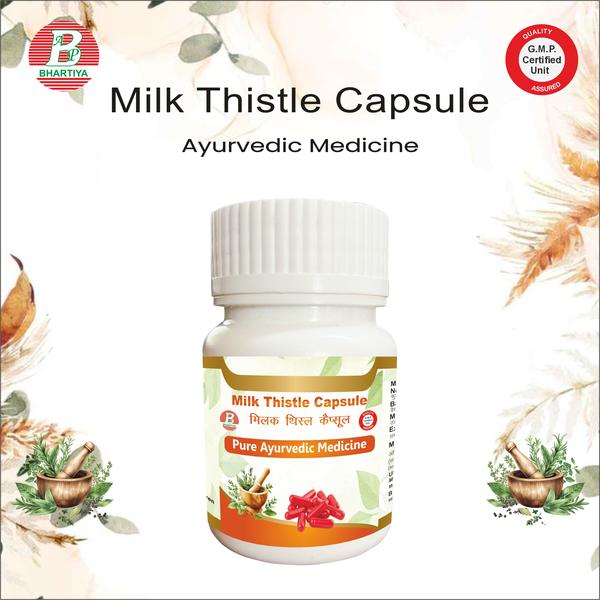
                  MILK THISTLE  MILK THISTLE (Silybum marianum L.) The Liver-Protective Herb — “Marian Thistle”Milk Thistle, known scientifically as Silybum marianum, is a medicinal herb traditionally used for liver protection, detoxification, and rejuvenation. Rich in flavonolignans (silymarin), antioxidants, and phytonutrients, it is considered beneficial for liver health, digestion, metabolism, and overall vitality. CLASSICAL AYURVEDIC REFERENCESWhile Milk Thistle is not mentioned in classical Indian Ayurvedic granthas directly, modern Ayurvedic scholars equate its properties with “Yogavahi, Hridya, Yakrutya” (liver-protective, circulatory supportive, and rejuvenative herbs). Its actions are aligned with Rasayana therapy and digestive tonics described in:1.	Charaka Samhita (Kalpa Sthana) – Herbs with Hepatoprotective and Pitta-hara properties are recommended for liver disorders, digestion, and detoxification.2.	Sushruta Samhita (Chikitsa Sthana) – Herbs with Tikta-Rasa (bitter taste) and Sheeta Virya (cooling potency) are advised to purify the blood and support liver function.3.	Bhavaprakasha Nighantu – Mentions Tikta-Medhya-Virechana herbs, comparable in modern research to Milk Thistle for detoxification, antioxidant, and rejuvenative effects.Classical Story / Analogy:Ayurvedic scholars often compare Milk Thistle to a “guardian herb of the liver”, like a protector of vital channels. Its scientific name “marianum” comes from the legend of the Virgin Mary: the white veins on the leaves were said to represent milk spilled from her breast, symbolizing nourishment and protection. In Ayurveda, it is considered a Rasayana for the Yakrut (liver), Medhya (intellect), and Ojas (vitality). BOTANICAL INFORMATION OF MILK THISTLE•	Scientific Name: Silybum marianum (L.) Gaertn.•	Family: Asteraceae•	Order: Asterales•	Genus: Silybum•	Species: marianum•	Common Names:o	Sanskrit: Kshirakakoli (in modern Ayurvedic texts)o	English: Milk Thistle, Marian Thistleo	Hindi: Kshirakakolio	Tamil: Pappal Thistleo	Telugu: Kshirakakolio	Malayalam: Ksheerakakolio	Kannada: Ksheera Thistleo	Bengali: Kshirakakoli SYNONYMS IN MODERN AYURVEDIC NIGHANTUS•	Bhavaprakasha Nighantu (modern Ayurvedic adaptations): Silybum marianum – Yakrutya, Rasayana, Medhya•	Charaka & Sushruta adaptations: Herbs with Tikta Rasa, Sheeta Virya, and Yakrutya karma MORPHOLOGY OF MILK THISTLE•	Plant Type: Biennial or annual herb•	Height: 1–2 m•	Leaves: Large, spiny, green with white veins•	Flowers: Purple, thistle-like, solitary or clustered•	Fruit / Seeds: Oval, brown to black, contain oil-rich seeds•	Seeds: Rich in silymarin flavonolignans, hepatoprotective compounds ECOLOGICAL PREFERENCES•	Climate: Temperate to Mediterranean•	Soil: Well-drained, fertile, loamy soil•	Habitat: Dry, sunny areas, wastelands, grasslands•	Altitude: Sea level to 1,800 m GEOGRAPHICAL DISTRIBUTION•	India: Himachal Pradesh, Uttarakhand, Jammu & Kashmir•	Outside India: Mediterranean region, Europe, North America CLASSICAL AYURVEDIC PROPERTIES (RASA–GUNA–VIRYA–VIPAKA)•	Rasa (Taste): Tikta (bitter), Katu (pungent)•	Guna (Qualities): Laghu (light), Ruksha (dry)•	Virya (Potency): Sheeta (cooling)•	Vipaka (post-digestive effect): Katu (pungent)•	Dosha Effects: Pitta-Vata hara, supports Kapha balance in moderation THERAPEUTIC ACTIONS (KARMA)1.	Yakrutya / Hepatoprotective: Protects liver cells, supports detoxification2.	Rasayana / Rejuvenative: Supports vitality, Ojas, and metabolic health3.	Medhya: Enhances memory and cognitive function4.	Hridya: Mild circulatory and heart support5.	Virechana / Detoxifying: Promotes gentle bowel movement and purification6.	Kapha-Vata Samana: Reduces digestive sluggishness, supports metabolism INDICATIONS•	Liver disorders, hepatitis, fatty liver, detoxification•	Digestive sluggishness, mild constipation•	Metabolic syndrome, obesity•	Cardiovascular support•	Fatigue, cognitive support MODERN PHARMACOLOGY & PHYTOCHEMISTRY•	Major Constituents: Silymarin (silybin, silychristin, silydianin), flavonoids, polyphenols, fatty acids, vitamins E & C•	Pharmacological Actions: Hepatoprotective, antioxidant, anti-inflammatory, mild hypoglycemic, lipid-lowering, neuroprotective CULTIVATION DETAILS•	Propagation: Seeds•	Sowing Time: Spring (Feb–April)•	Spacing: 30–50 cm between plants•	Irrigation: Moderate; drought-tolerant once mature•	Fertilization: Organic manure preferred•	Harvesting: Seeds harvested when brown and dry CLASSICAL DOSAGE (According to Ayurvedic Adaptation & Modern Herbal Use)•	Powdered Seeds (Churna): 2–5 g/day•	Capsule / Extract: 150–300 mg twice daily•	Decoction / Tea: 1–2 cups/day for liver support MILK THISTLE FORMULATIONS – BHARTIYA AYURVEDIC PHARMACYBhartiya Ayurvedic Pharmacy prepares Milk Thistle Capsules and extracts following Ayurvedic principles adapted for modern use. Each product retains hepatoprotective, antioxidant, and rejuvenative properties, promoting liver health, metabolic balance, and overall vitality.Key Uses of Milk Thistle Formulations:•	Liver support and detoxification•	Digestive health and mild bowel regulation•	Metabolic and cardiovascular support•	Rasayana for vitality, endurance, and rejuvenation MILK THISTLE CAPSULEBhartiya Ayurvedic Pharmacy offers Milk Thistle Capsules prepared from premium quality Silybum marianum seeds or extract, preserving full therapeutic properties.Key Benefits:•	Supports liver detoxification and hepatoprotection•	Enhances metabolism and digestive health•	Provides antioxidant and rejuvenative effects•	Supports cardiovascular and metabolic function•	Acts as a Rasayana for overall vitalityDosage:•	Adults: 1–2 capsules twice daily with warm water•	Can be combined with warm water or milk for enhanced effectSafety & Precautions:•	Safe for long-term use when taken as per dosage•	Mild laxative effect may occur in sensitive individuals•	Avoid in cases of severe bile duct obstruction without consulting a physicianFormulation Highlights:•	100% natural Milk Thistle seed powder/extract•	Free from artificial colours, preservatives, and additives•	Prepared using modern Ayurvedic processing methods to preserve therapeutic qualitiesSuggested Use:•	Ideal for adults seeking liver support, detoxification, and Rasayana effects•	Convenient capsule form for daily Ayurvedic supplementation
Milk Thistel Capsule

INR 240 INR 480
You Save 50%

VIEW DETAILS
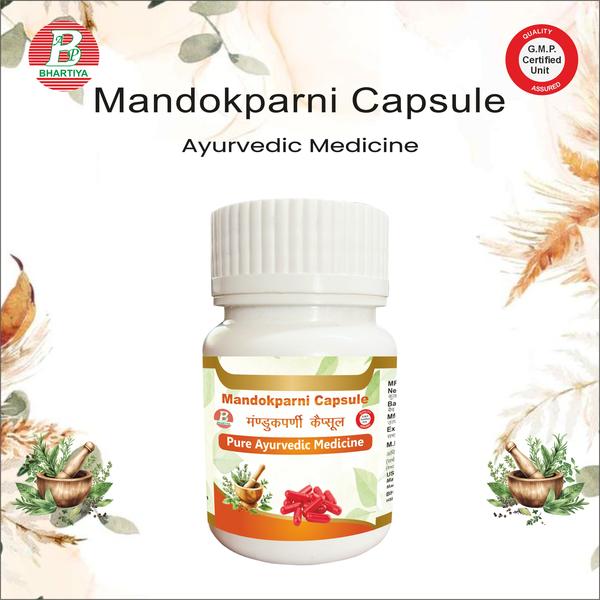
                 MANDUKPARNI  MANDUKPARNI (Centella asiatica L.) The Rejuvenative “Memory Herb” — Leaves and Whole PlantMandukparni, also known as Brahmi in Ayurveda, is a highly valued herb for its brain-boosting, rejuvenative, and adaptogenic properties. Rich in triterpenoids, flavonoids, and essential nutrients, Mandukparni is considered beneficial for cognitive function, nervous system health, skin health, wound healing, and overall vitality. CLASSICAL AYURVEDIC REFERENCES1.	Charaka Samhitao	Mentioned in Kalpa Sthana as a Medhya (intellect-promoting) and Rasayana (rejuvenative) herb.o	Leaves are used to strengthen memory, intellect, and Ojas.2.	Sushruta Samhitao	Recommended for Vata and Pitta disorders, nervous system weakness, and mental fatigue.o	Described as Snigdha (unctuous), Sheeta (cooling), and Balya (strength-giving).3.	Bhavaprakasha Nighantuo	Called Mandukparni / Brahmi.o	Promotes longevity, memory, and cognitive function.o	Used in Medhya, Hridya, and Rasayana formulations. CLASSICAL STORY / ANECDOTEMandukparni is often referred to as the “herb of intellect” in classical texts. It was traditionally consumed by scholars, students, and warriors to enhance memory, focus, and mental stamina. Ayurvedic legends describe it as a herb that balances the mind, improves clarity of thought, and nurtures longevity. BOTANICAL INFORMATION OF MANDUKPARNI•	Scientific Name: Centella asiatica L.•	Family: Apiaceae•	Order: Apiales•	Genus: Centella•	Species: asiaticaCommon Names:•	Sanskrit: Mandukparni, Brahmi•	Hindi: Brahmi, Mandukparni•	English: Gotu Kola, Indian Pennywort•	Tamil: Vallarai•	Telugu: Brahmi•	Malayalam: Thankuni•	Kannada: Brahmi•	Bengali: Bhringraj (sometimes confused with Bacopa) SYNONYMS IN CLASSICAL AYURVEDIC NIGHANTUS•	Charaka Samhita: Mandukparni – Medhya, Rasayana, Balya•	Sushruta Samhita: Mandukparni – Medhya, Sheeta, Balya•	Bhavaprakasha Nighantu: Mandukparni / Brahmi – Enhances memory, longevity, and vitality MORPHOLOGY OF MANDUKPARNI•	Plant Type: Creeping perennial herb•	Height: 10–30 cm•	Leaves: Small, fan-shaped, kidney-shaped, green•	Flowers: Tiny, white to light purple, inconspicuous•	Roots: Thin, fibrous, spreading•	Stem: Creeping, rooting at nodes ECOLOGICAL PREFERENCES•	Climate: Tropical to subtropical; tolerates wet and humid conditions•	Soil: Moist, loamy, or sandy soil, pH 6–7•	Habitat: Marshy fields, near water bodies, gardens•	Altitude: Sea level to 1,500 m GEOGRAPHICAL DISTRIBUTION•	India: Kerala, Tamil Nadu, West Bengal, Maharashtra, Assam•	Outside India: Sri Lanka, Southeast Asia, Africa, Australia, South America CLASSICAL AYURVEDIC PROPERTIES (RASA–GUNA–VIRYA–VIPAKA)•	Rasa (Taste): Tikta (bitter), Madhura (sweet), Katu (pungent)•	Guna (Qualities): Laghu (light), Snigdha (unctuous)•	Virya (Potency): Sheeta (cooling)•	Vipaka (post-digestive effect): Madhura (sweet)•	Dosha Effects: Vata-Pitta hara, Kapha samana in moderation THERAPEUTIC ACTIONS (KARMA)1.	Medhya: Improves memory, concentration, and intellect2.	Hridya: Supports cardiovascular and nervous system health3.	Balya: Enhances strength and immunity4.	Rasayana: Rejuvenates, promotes longevity, and vitality5.	Keshya & Twachya: Nourishes hair and skin6.	Vatahara & Pittahara: Balances Vata and Pitta doshas7.	Vranaropana: Supports wound healing INDICATIONS•	Nervous System: Memory loss, mental fatigue, anxiety, stress•	Digestive System: Poor digestion, liver disorders•	Skin & Hair: Dry skin, eczema, premature greying, hair fall•	Cardiovascular System: Mild hypertension•	General Health: Fatigue, weakness, slow recovery MODERN PHARMACOLOGY & PHYTOCHEMISTRY•	Major Constituents:o	Triterpenoids: Asiaticoside, Madecassosideo	Flavonoids, Phenolicso	Vitamins (A, C), Minerals (Ca, Mg, Fe)o	Alkaloids, Saponins•	Pharmacological Actions:o	Neuroprotective, Cognitive enhancero	Antioxidant, Anti-inflammatoryo	Adaptogenic, Anti-anxietyo	Wound healing, Hepatoprotectiveo	Cardioprotective CULTIVATION DETAILS•	Propagation: Seeds, cuttings, or runners•	Sowing Time: Pre-monsoon or early monsoon•	Spacing: 30–50 cm between plants•	Irrigation: Regular, requires moist soil•	Fertilization: Organic manure preferred•	Harvesting: Leaves – 3–4 times/year; Whole plant for formulations CLASSICAL DOSAGE (According to Ayurvedic Granthas)•	Leaves / Whole Plant: 3–6 g/day (powdered or fresh juice)•	Decoction / Juice: 30–60 ml/day•	Oil (Brahmi Taila): 5–10 ml/day for hair and scalp•	Paste / Topical: As per therapeutic requirement for wounds, skin disorders MANDUKPARNI FORMULATIONS – BHARTIYA AYURVEDIC PHARMACYBhartiya Ayurvedic Pharmacy offers a range of Mandukparni-based products preserving its full rejuvenative and cognitive-supportive properties.Key Uses of Mandukparni Formulations:•	Enhances memory, concentration, and mental clarity•	Reduces stress and nervous system fatigue•	Supports skin and hair health•	Acts as Rasayana for overall vitality and longevity MANDUKPARNI CAPSULE•	Contains premium Mandukparni powder or extract•	Key Benefits:o	Improves memory, intellect, and mental staminao	Supports nervous system and cognitive functiono	Enhances immunity and overall vitality•	Dosage: 1–2 capsules twice daily with warm water or as directed•	Safety & Precautions:o	Safe for long-term useo	May lower blood sugar or blood pressure; monitor if on medications•	Formulation Highlights: 100% natural, no artificial additives MANDUKPARNI POWDER•	Made from premium dried Mandukparni leaves and whole plant•	Key Benefits:o	Supports memory, cognition, and mental alertnesso	Promotes stress relief and nervous system healtho	Nourishes skin and hair•	Dosage: 3–6 g/day with warm water, milk, or ghee•	Safety & Precautions:o	Safe for long-term useo	Mild laxative effect may occur in sensitive individuals•	Suggested Use: Ideal for daily Rasayana and cognitive support
Mandokparni Capsule

INR 150 INR 300
You Save 50%

VIEW DETAILS
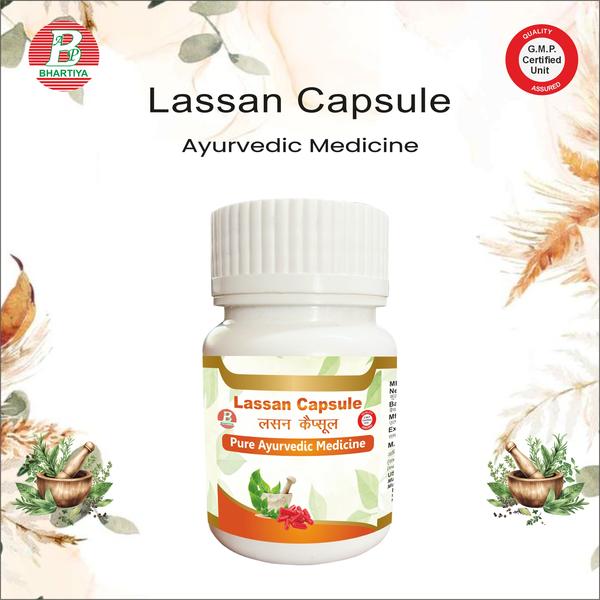
                                    LAHSUN  LASSAN / LAHSUN (Allium sativum Linn.) The Supreme Heart & Immunity Herb — “Lahsun / Garlic”Lahsun is a highly esteemed herb in Ayurveda, celebrated for its Hrudya (heart-supporting), Balya (strength-promoting), Rasayana (rejuvenative), Jwaraghna (febrifuge), and Krimighna (antimicrobial) properties. It is traditionally used to enhance cardiovascular health, immunity, digestive strength, and overall vitality. Lahsun is particularly effective in Kapha–Vata disorders, hypertension, respiratory congestion, digestive weakness, and fatigue.  BOTANICAL INFORMATION OF LASSAN•	Scientific Name: Allium sativum Linn.•	Family: Amaryllidaceae•	Order: Asparagales•	Genus: Allium•	Species: sativumCommon Names•	Sanskrit: Rasuna•	Hindi: Lahsun / Lassan•	English: Garlic•	Tamil: Vellulli•	Telugu: Vellulli•	Kannada: Bellulli•	Malayalam: Poondu•	Bengali: Rosun SYNONYMS IN CLASSICAL AYURVEDIC NIGHANTUSCharaka Samhita•	Rasuna – Cardio-protective, immune-boostingSushruta Samhita•	Lassan – Digestive stimulant, rejuvenativeBhavaprakasha Nighantu•	Hrudya, Balya, Rasayana – Supports heart, strength, and rejuvenationDhanvantari Nighantu•	Krimighna – Anti-parasitic, antimicrobial MORPHOLOGY OF LASSAN•	Plant Type: Herbaceous perennial•	Height: 30–60 cm•	Leaves: Strap-like, green•	Flowers: Umbellate clusters, white or pink•	Bulb: Underground, composed of multiple cloves•	Roots: Fibrous ECOLOGICAL PREFERENCES•	Climate: Temperate to subtropical•	Soil: Well-drained, fertile, loamy soil•	Sunlight: Full sun•	Water Requirement: Moderate•	Altitude: Up to 2,000 m GEOGRAPHICAL DISTRIBUTION•	India: Punjab, Uttar Pradesh, Madhya Pradesh, Rajasthan•	Outside India: China, Mediterranean, USA, Europe CLASSICAL AYURVEDIC PROPERTIES (RASA–GUNA–VIRYA–VIPAKA)•	Rasa (Taste): Katu (pungent), Tikta (bitter)•	Guna (Qualities): Laghu (light), Ruksha (dry)•	Virya (Potency): Ushna (hot)•	Vipaka (post-digestive effect): Katu (pungent)•	Dosha Effects: Kapha–Vata hara; increases Pitta THERAPEUTIC ACTIONS (KARMA)1.	Hrudya – Supports cardiovascular health2.	Balya – Strengthens body and immunity3.	Rasayana – Rejuvenative, anti-aging, restores vitality4.	Pachana – Digestive stimulant5.	Krimighna – Antimicrobial, antiparasitic6.	Shleshma-Kapha Hara – Reduces congestion and mucus7.	Vajikarana – Enhances sexual vitality INDICATIONS•	Hypertension, high cholesterol, heart disorders•	Weak immunity and frequent infections•	Respiratory congestion, cough, cold•	Digestive weakness, bloating, and gas•	Male sexual weakness or low libido•	General fatigue and low vitality MODERN PHYTOCHEMISTRY & PHARMACOLOGYMajor Constituents:•	Allicin (sulphur compound)•	Saponins•	Flavonoids•	Vitamins (C, B6) and minerals (selenium, manganese)Pharmacological Actions:•	Cardioprotective, antihypertensive, lipid-lowering•	Anti-microbial, anti-inflammatory, antioxidant•	Immune-modulatory•	Rejuvenative and anabolic•	Neuroprotective CULTIVATION DETAILS•	Propagation: Cloves / Bulbs•	Sowing Time: October–November•	Spacing: 10–15 cm between plants•	Irrigation: Moderate•	Harvesting: 6–8 months after planting•	Fertilization: Organic manure preferred CLASSICAL DOSAGE (According to Ayurvedic Granthas)•	Fresh Cloves: 2–4 g daily•	Powder (Churna): 1–2 g twice daily•	Juice / Decoction: 5–10 ml with honey or warm water CLASSICAL AYURVEDIC FORMULATIONS CONTAINING LASSAN1.	Lahsun Churna – Digestive and immune support2.	Lahsun Kashaya (Decoction) – Respiratory congestion, cough, and cold3.	Medicated Garlic Oil (Lahsun Taila) – For massage, nerve, and hair health4.	Rasayana with Lahsun – Rejuvenative and vitality-promoting SAFETY & PRECAUTIONS•	Safe under classical doses•	Avoid excessive intake in Pitta disorders (can cause acidity)•	Caution in bleeding disorders or if on anticoagulants•	May irritate stomach in raw form “Lahsun, the pungent bulb, nurtures heart, immunity, digestion, and vitality — a humble yet potent gift of nature for rejuvenation and strength.”  LASSAN / LAHSUN FORMULATIONS – BHARTIYA AYURVEDIC PHARMACY Bhartiya Ayurvedic Pharmacy prepares a range of Lahsun (Allium sativum) formulations following classical Ayurvedic principles, retaining full Hrudya, Balya, Rasayana, Krimighna, and immune-supporting properties. Each product is designed to support cardiovascular health, immunity, digestive strength, vitality, and overall rejuvenation. 1. Lahsun CapsuleDescription:Lahsun Capsule is a convenient, modern dosage form containing standardized Lahsun extract. Ideal for those who prefer capsules over powders, it preserves all rejuvenative, immune-boosting, and cardio-protective properties of the bulb.Key Actions:•	Supports heart and circulatory system health (Hrudya)•	Enhances immunity and overall vitality (Rasayana)•	Promotes digestive strength and energy (Balya Pachana)•	Anti-aging and rejuvenative effectsDosage:•	1–2 capsules twice daily with warm water after mealsPrecautions:•	Avoid overdose•	Use under supervision in bleeding disorders, hypertension, or pregnancy 2. Lahsun Powder (Churna)Description:Pure, finely powdered Lahsun for traditional use. Can be consumed with honey, ghee, warm water, or milk.Key Actions:•	Supports cardiovascular health and lowers cholesterol•	Boosts immunity and fights infections•	Enhances digestive strength and metabolism•	Rejuvenative and anti-aging effectsDosage:•	1–2 g daily, mixed with honey, ghee, or warm water, or as advised by physicianPrecautions:•	Avoid excess intake in Pitta-prone individuals•	Use with caution in bleeding disorders
Lassan Capsule

INR 135 INR 270
You Save 50%

VIEW DETAILS
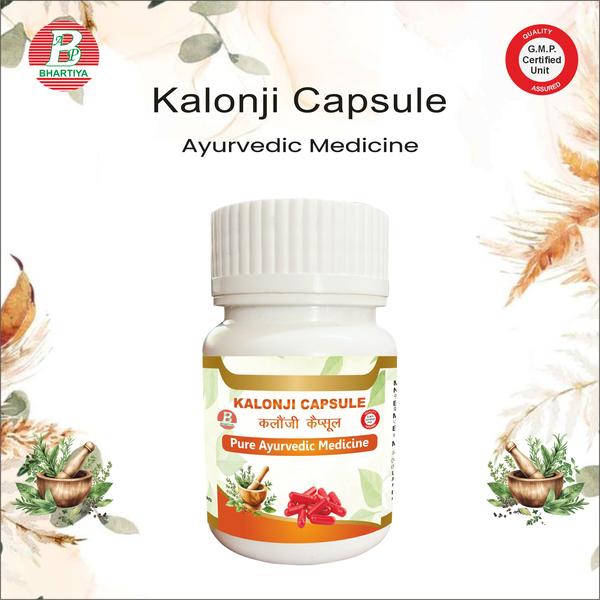
                         KALONJI  The Seed of Healing — “Kalonji / Nigella sativa”Kalonji is a highly revered medicinal seed in Ayurveda, Unani, and traditional healing systems, renowned for its Deepana–Pachana (digestive stimulant), Krimighna (antiparasitic), Shothahara (anti-inflammatory), Rasayana (rejuvenative), and Balya (strength-promoting) properties.Its pungent–bitter nature is considered deeply therapeutic for correcting digestive, metabolic, respiratory, immune, and inflammatory disorders, purifying blood, removing Ama (toxins), and restoring systemic balance.Traditionally, Kalonji is regarded as a Sarva Roga Nashini (destroyer of many diseases), especially effective in Kapha–Vata disorders, metabolic sluggishness, skin diseases, respiratory ailments, and immune weakness. CLASSICAL AYURVEDIC REFERENCESCharaka Samhita• Described under Katu–Tikta Skandha and Deepaniya Dravyas• Indicated in Agnimandya, Krimi, Shwasa, Kasa, and Ama disorders• Enhances digestion, metabolism, and immune resistanceSushruta Samhita• Recommended for Krimi, Shotha (inflammation), and Vata–Kapha disorders• Used in wound healing, respiratory ailments, and digestive cleansingBhavaprakasha Nighantu• Describes Kalonji as Deepana, Pachana, Krimighna, Shothahara, and Rasayana• Especially useful in skin diseases, respiratory disorders, and metabolic imbalanceUnani & Folk MedicineHighly valued as Habbat-ul-Sauda, traditionally used for immunity strengthening, digestive correction, respiratory health, and chronic inflammatory conditions. CLASSICAL STORY / TRADITIONAL ANALOGYAncient wisdom narrates:“Kalonji is small in size but vast in power. As fire hidden in a spark ignites great transformation, so Kalonji ignites Agni and destroys disease from its root.”Vaidyas prescribed Kalonji to:• Rekindle weakened digestive fire• Destroy worms and toxins• Purify blood and channels• Strengthen immunity and vitality• Restore balance in chronic diseases BOTANICAL INFORMATION OF KALONJIScientific Name: Nigella sativa Linn.Family: RanunculaceaeOrder: RanunculalesGenus: NigellaSpecies: sativaCommon NamesSanskrit: Upakunchika, Krishna JirakaHindi: KalonjiEnglish: Black Seed, Black CuminArabic: Habbat-ul-SaudaTamil: KarunjeeragamTelugu: నల్ల జీలకర్ర (Nalla Jeelakarra)Urdu: Kalonji SYNONYMS IN TRADITIONAL TEXTS• Krimighna – Destroyer of parasites• Deepaniya – Digestive stimulant• Shothahara – Anti-inflammatory• Rasayana – Rejuvenative• Balya – Strength promoter MORPHOLOGY OF KALONJIPlant Type: Annual herbStem: Erect, branchedLeaves: Finely divided, linearFlowers: Pale blue or whiteFruit: Capsule with multiple compartmentsSeeds: Small, black, angular, aromaticRoots: Taproot system ECOLOGICAL PREFERENCESClimate: Temperate to subtropicalSoil: Well-drained loamy soilSunlight: Full sunWater Requirement: Low to moderateAltitude: Up to 1,200 m GEOGRAPHICAL DISTRIBUTIONIndia: Cultivated in Rajasthan, Uttar Pradesh, Madhya Pradesh, PunjabWorldwide: Middle East, Mediterranean region, Africa, Europe AYURVEDIC PROPERTIES (RASA–GUNA–VIRYA–VIPAKA)• Rasa: Katu (pungent), Tikta (bitter)• Guna: Laghu (light), Ruksha (dry), Tikshna (sharp)• Virya: Ushna (heating)• Vipaka: Katu (pungent)Dosha Effect:Kapha–Vata haraBalances Ama and Kleda THERAPEUTIC ACTIONS (KARMA)• Deepana–Pachana – Improves digestion• Krimighna – Antiparasitic• Shothahara – Reduces inflammation• Shwasahara – Supports respiratory health• Rasayana – Enhances immunity and vitality• Raktashodhaka – Blood purifier INDICATIONS• Digestive disorders (Agnimandya, Ama)• Worm infestations• Respiratory disorders (asthma, cough)• Skin diseases• Joint inflammation• Metabolic sluggishness• Immune weakness MODERN PHYTOCHEMISTRY & PHARMACOLOGYMajor Constituents:• Thymoquinone• Nigellone• Fixed oils• Volatile oils• Alkaloids• FlavonoidsPharmacological Actions:• Anti-inflammatory• Immunomodulatory• Antioxidant• Antimicrobial• Hepatoprotective• Bronchodilatory CULTIVATION DETAILSPropagation: SeedsSowing Time: October–NovemberHarvesting: When capsules dryIrrigation: Light irrigation CLASSICAL DOSAGEPowder (Churna): 1–3 g dailyOil (Taila): 5–10 dropsCapsule/Extract: As prescribed KALONJI CAPSULE Bhartiya Ayurvedic Pharmacy Kalonji Capsules are prepared using standardized Nigella sativa seed extract, following classical Ayurvedic principles. These capsules preserve the Katu–Tikta Rasa essential for digestive activation, immune strengthening, and inflammatory balance. KEY BENEFITS• Supports digestion and metabolism• Enhances immunity• Reduces inflammation• Supports respiratory health• Purifies blood• Balances Kapha and Vata THERAPEUTIC ACTIONS (KARMA)• Deepana–Pachana – Digestive activation• Krimighna – Worm destruction• Shothahara – Anti-inflammatory• Rasayana – Rejuvenation INDICATIONS• Digestive weakness• Respiratory disorders• Chronic inflammation• Skin disorders• Immune deficiency• Kapha–Vata imbalance DOSAGE• Adults: 1–2 capsules twice daily• With lukewarm water• After meals or as directed SAFETY & PRECAUTIONS• Safe under medical supervision• Avoid excess in Pitta dominance• Use cautiously during pregnancy• Excess may cause gastric irritation FORMULATION HIGHLIGHTS• 100% pure Kalonji extract• Classical Ayurvedic processing• No preservatives or additives• Standardized potency CLASSICAL AYURVEDIC INSIGHT• Described in Charaka Samhita, Sushruta Samhita, and Bhavaprakasha Nighantu for:• Digestive correction• Immune strengthening• Inflammation control• Metabolic balance“Though small in form, Kalonji carries the strength to restore health from the root.” KALONJI POWDER Bhartiya Ayurvedic Pharmacy Kalonji Powder is prepared from carefully cleaned, dried, and finely powdered Kalonji seeds, processed according to classical Ayurvedic methods to preserve its Katu–Tikta Rasa and full therapeutic potency. KEY BENEFITS• Improves digestion and appetite• Strengthens immunity• Acts as blood purifier• Reduces inflammation and Ama• Supports respiratory health THERAPEUTIC ACTIONS (KARMA)• Deepana–Pachana – Digestive stimulant• Krimighna – Antiparasitic• Shothahara – Anti-inflammatory• Rasayana – Rejuvenative INDICATIONS• Digestive disorders• Respiratory ailments• Skin diseases• Joint pain and inflammation• Kapha–Vata imbalance DOSAGE• 1–3 g once or twice daily• With lukewarm water or honey• Preferably after meals SAFETY & PRECAUTIONS• Safe in recommended dosage• Avoid excess use• Monitor in Pitta-prone individuals• Use under supervision during pregnancy
Kalonji Capsule

INR 165 INR 330
You Save 50%

VIEW DETAILS
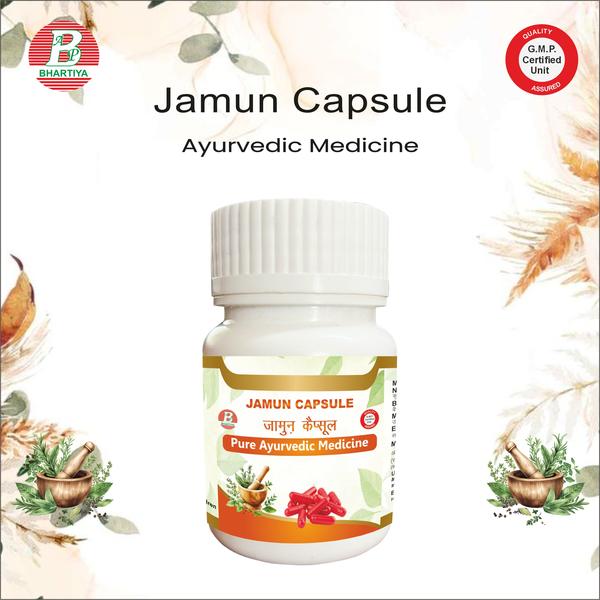
                           JAMUN  The Dark Jewel of Ayurveda — “Jamun / Syzygium cumini”Jamun is a revered fruit in Ayurveda, known for its Raktashodhaka (blood-purifying), Madhumehahara (anti-diabetic), Deepana–Pachana (digestive), Rasayana (rejuvenative), and Vata-Kapha balancing properties. It is highly valued for maintaining healthy blood sugar, supporting digestion, improving immunity, and revitalizing the body. Traditionally, Jamun is considered especially effective in Madhumeha (diabetes), Pitta disorders, and digestive imbalances. CLASSICAL AYURVEDIC REFERENCESCharaka Samhita•	Recommended in Madhumeha, Pitta disorders, and digestive disturbances•	Acts as a Rasayana to improve overall vitality•	Supports blood purification and metabolic balanceSushruta Samhita•	Used for digestive disorders, Pitta imbalances, and urinary issues•	Promotes tissue rejuvenation and detoxificationBhavaprakasha Nighantu•	Highlights Jamun for Raktashodhaka, Madhumehahara, Rasayana, and Vata-Kapha balancing•	Particularly emphasized for blood sugar management, anaemia, and general debilityUnani & Folk Medicine•	Known as “Indian Blackberry”•	Traditionally used to control diabetes, reduce inflammation, improve digestion, and detoxify the body CLASSICAL STORY / TRADITIONAL ANALOGYAncient Ayurvedic texts narrate:“Jamun is the dark-hued gem of the forest, whose seeds, fruit, and bark hold the power to sweeten the imbalance of blood, calm the fire of Pitta, and strengthen the weakened tissues. As the fruit ripens under the summer sun, so does the body regain strength and metabolic balance when nourished by Jamun.”Rishis and Acharyas prescribed Jamun to:•	Control Madhumeha (diabetes) and high blood sugar•	Support digestion and liver function•	Purify blood and enhance tissue metabolism•	Rejuvenate the body and support immunity BOTANICAL INFORMATION OF JAMUNScientific Name: Syzygium cumini (L.) SkeelsFamily: MyrtaceaeOrder: MyrtalesGenus: SyzygiumSpecies: cuminiCommon Names:•	Sanskrit: Jambū, Jambu, Krishnaphala•	Hindi: Jamun•	English: Indian Blackberry•	Tamil: Neredu•	Telugu: Jambhulamu•	Kannada: Neredu•	Bengali: Jam•	Malayalam: NereduSynonyms in Traditional Texts:•	Madhumehahara – Anti-diabetic•	Raktashodhaka – Blood-purifying•	Rasayana – Rejuvenative•	Deepana–Pachana – Improves digestion MORPHOLOGY OF JAMUNPlant Type: Large evergreen treeHeight: 10–30 mLeaves: Simple, opposite, oblong-elliptic, dark greenFlowers: Small, white to pinkish, fragrantFruit: Dark purple to black berry, fleshy, sweet-sour tasteSeeds: Oval, hard, light brownBark: Thick, dark brown, astringent taste ECOLOGICAL PREFERENCES•	Climate: Tropical and subtropical•	Soil: Well-drained loamy, alluvial soil•	Sunlight: Full sun to partial shade•	Water Requirement: Moderate; tolerates drought once established•	Altitude: 0–1500 m•	Distribution: India (all over, especially Madhya Pradesh, Maharashtra, Tamil Nadu, West Bengal), Pakistan, Sri Lanka, Southeast Asia AYURVEDIC PROPERTIES (RASA–GUNA–VIRYA–VIPAKA)•	Rasa: Tikta (bitter), Madhura (sweet), Kashaya (astringent)•	Guna: Laghu (light), Ruksha (dry)•	Virya: Sheeta (cooling)•	Vipaka: Madhura (sweet)•	Dosha Effect: Pitta-Vata pacifying, Kapha balancing THERAPEUTIC ACTIONS (KARMA)•	Madhumehahara: Helps control blood sugar levels•	Raktashodhaka: Purifies blood and detoxifies•	Rasayana: Rejuvenative, strengthens immunity•	Deepana–Pachana: Improves digestion and nutrient assimilation•	Vata-Kapha balancing: Reduces inflammation and metabolic disorders INDICATIONS•	Diabetes / high blood sugar•	Digestive disorders and Pitta imbalances•	Urinary and kidney issues•	Blood impurities / anaemia•	Chronic inflammation•	General debility and weakness MODERN PHYTOCHEMISTRY & PHARMACOLOGYMajor Constituents:•	Anthocyanins (jamunins) – responsible for hypoglycemic effect•	Ellagic acid, Gallic acid – antioxidant•	Flavonoids and Tannins – digestive, anti-inflammatory•	Essential oils and resinsPharmacological Actions:•	Anti-diabetic / hypoglycemic•	Antioxidant and anti-inflammatory•	Hepatoprotective•	Antimicrobial•	Digestive support•	Immunomodulatory CULTIVATION DETAILS•	Propagation: Seeds, grafting, and air-layering•	Sowing Time: Early monsoon•	Harvesting: Fruits harvested in summer; seeds and bark processed for medicinal use•	Irrigation: Moderate; drought-tolerant once established•	Soil Preference: Well-drained loamy soil CLASSICAL DOSAGE•	Powder (Churna): 3–6 grams/day•	Seed Powder: 1–2 grams/day•	Decoction / Extract: As prescribed by Ayurvedic practitioner•	Fruit: 10–20 berries/day for mild metabolic support JAMUN FORMULATIONS BY BHARTIYA AYURVEDIC PHARMACYAt Bhartiya Ayurvedic Pharmacy, we prepare a range of Jamun (Syzygium cumini) formulations following classical Ayurvedic methods as described in Charaka Samhita, Sushruta Samhita, Bhavaprakasha Nighantu, and other Ayurvedic Granthas. Each product is crafted to retain the therapeutic potency, purity, and efficacy of Jamun for blood sugar management, digestive support, detoxification, and rejuvenation. 1. Jamun CapsuleDescription:Bhartiya Ayurvedic Pharmacy Jamun Capsules are prepared using standardized Jamun seed and pulp extract, ensuring convenient daily use while preserving the full therapeutic potential of the herb.Key Actions:•	Supports healthy blood sugar levels•	Promotes digestion and liver function•	Acts as a blood purifier and rejuvenative•	Reduces inflammation and metabolic imbalances•	Enhances immunity and general vitalityDosage:•	1–2 capsules twice daily with warm water after meals, or as advised by an Ayurvedic practitionerPrecautions:•	Monitor blood sugar if taking antidiabetic medications•	Avoid overdose•	Use under supervision in pregnancy and lactation 2. Jamun Powder (Churna)Description:Powdered form of dried Jamun seeds, suitable for internal use or preparation of decoctions. Maintains blood sugar balance, digestive health, and tissue rejuvenation.Key Actions:•	Helps control blood sugar levels (Madhumehahara)•	Purifies blood (Raktashodhaka)•	Supports digestion and metabolic balance•	Acts as a general rejuvenative (Rasayana)•	Balances Pitta and Vata doshasDosage:•	2–4 grams once or twice daily with warm water, honey, or ghee•	Can be taken before or after meals depending on constitutionPrecautions:•	Avoid in cases of low blood sugar without monitoring•	Not recommended for individuals with known hypersensitivity to Jamun CLASSICAL INSIGHT•	Prescribed in Charaka Samhita, Sushruta Samhita, and Bhavaprakasha Nighantu for:o	Diabetes / high blood sugaro	Blood purification and anaemiao	Digestive disorderso	Rejuvenation (Rasayana)Traditional Analogy:“As the dark-hued Jamun ripens under the sun and nourishes all, so does the body regain strength, balance, and vitality when nourished by Jamun.”
Jamun capsule

INR 135 INR 270
You Save 50%

VIEW DETAILS
                         IMLI  IMLI (Tamarindus indica L.) The Digestive & Metabolic Fruit — “Tamarind”Imli, commonly known as Tamarind, is a widely used fruit in Ayurveda and traditional medicine. It is valued for its digestive, cooling, detoxifying, and rejuvenative properties. Rich in organic acids, polyphenols, and dietary fiber, Imli supports digestion, metabolism, liver function, cardiovascular health, and overall vitality. CLASSICAL AYURVEDIC REFERENCES1.	Charaka Samhita•	Mentioned in Sutra Sthana and Kalpa Sthana as a digestive and metabolism-supporting fruit.•	Described as Madhura-Amla-Kashaya in taste, pacifying Vata and Pitta.2.	Sushruta Samhita•	Emphasized in Kalpa Sthana as a natural laxative and liver-supporting herb.•	Used in formulations for Vata-Pitta disorders, constipation, and digestive sluggishness.3.	Bhavaprakasha Nighantu•	Referred to as Imli / Tamarind, supporting Agni (digestive fire), Medha (intellect), and Ojas (vitality).•	Recommended in Rasayana and Hrudya formulations, often combined with honey or ghee. CLASSICAL STORY / ANECDOTEImli is often praised in Ayurvedic texts as the “King of Digestive Fruits” for its ability to restore Agni (digestive fire) and eliminate Ama (toxins).Traditionally, sages recommended Imli to strengthen digestion and metabolism, particularly during hot seasons, by consuming the pulp with water or in churna form to rejuvenate the body and maintain vitality. BOTANICAL INFORMATION OF IMLI•	Scientific Name: Tamarindus indica L.•	Family: Fabaceae•	Order: Fabales•	Genus: Tamarindus•	Species: indica•	Common Names:o	Sanskrit: Imli, Amli, Chintao	Hindi: Imlio	English: Tamarindo	Tamil: Pulio	Telugu: Chintapanduo	Malayalam: Puliyamo	Kannada: Hunase Hannuo	Bengali: Tentul SYNONYMS IN CLASSICAL AYURVEDIC NIGHANTUS•	Charaka Samhita: Imli – Digestive, Vata-Pitta pacifying•	Sushruta Samhita: Imli – Hrudya, Medhya, Vata-Pitta balancing•	Bhavaprakasha Nighantu: Imli, Chinta – Rasayana, Agni vardhaka, Detoxifier MORPHOLOGY OF IMLI•	Plant Type: Large evergreen tree•	Height: 12–18 m•	Leaves: Pinnate, 6–12 pairs of leaflets, small and oblong•	Flowers: Small, yellowish-brown, clustered, fragrant•	Fruit: Leguminous pod, brown, elongated, pulpy, tangy-sweet•	Seeds: Hard, shiny brown, 1–2 cm, embedded in pulp ECOLOGICAL PREFERENCES•	Climate: Tropical and subtropical; tolerates heat and drought•	Soil: Well-drained sandy, loamy, or red soils•	Habitat: Fields, gardens, village premises; native to Indian subcontinent•	Altitude: Sea level to 1,200 m GEOGRAPHICAL DISTRIBUTION•	India: Tamil Nadu, Kerala, Karnataka, Maharashtra, Andhra Pradesh•	Outside India: Sri Lanka, Africa, Southeast Asia, Caribbean, Latin America CLASSICAL AYURVEDIC PROPERTIES (RASA–GUNA–VIRYA–VIPAKA)•	Rasa (Taste): Madhura (sweet), Amla (sour), Kashaya (astringent)•	Guna (Qualities): Snigdha (unctuous), Laghu (light)•	Virya (Potency): Śīta (cooling)•	Vipaka (post-digestive effect): Madhura (sweet)•	Dosha Effects: Vata-Pitta hara, Kapha samana in moderation THERAPEUTIC ACTIONS (KARMA)1.	Dipana & Pachana: Enhances digestive fire, prevents constipation2.	Medhya: Supports memory and intellect3.	Hrudya: Strengthens heart and circulation4.	Rasayana: Promotes overall vitality and rejuvenation5.	Vata-Pittahara: Balances Vata and Pitta disorders6.	Keshya: Supports hair health7.	Lekhana & Raktaprasadana: Detoxifies blood, reduces toxins INDICATIONSWITH AACHARYA AND GRANTHSHere’s a detailed Imli (Tamarindus indica) monograph in the same format as Alsi, including classical Ayurvedic references and acharya/granth citations: IMLI (Tamarindus indica L.) The Digestive and Metabolic Fruit — “Tamarind”Imli, commonly known as Tamarind, is a widely used fruit in Ayurveda and traditional medicine. It is valued for its digestive, metabolism-supporting, cooling, and rejuvenative properties. Rich in organic acids, vitamins (A, C, B), minerals, and antioxidants, Imli supports digestion, liver function, heart health, metabolism, and overall vitality. CLASSICAL AYURVEDIC REFERENCES1.	Charaka Samhitao	Mentioned in Kalpa Sthana (Charaka Kalpa 6/28–30) as a sweet, sour, and nourishing fruit beneficial for digestive fire (Agni) and metabolism.o	Used in formulations for Medhya (intellect) and Rasayana (rejuvenation).2.	Sushruta Samhitao	Listed in Kalpa Sthana (Sushruta 52/18–20) for constipation, digestive sluggishness, and liver support.o	Emphasized as Snigdha (unctuous), Madhura (sweet), and Tikta (bitter) — suitable for Rasayana and mild laxative therapies.3.	Bhavaprakasha Nighantuo	Referred to as Imli / Amli, promoting Ojas, digestion, and rejuvenation.o	Mentioned in Hrudya, Medhya, and Virechana formulations — often used with ghee, honey, or warm water.4.	Other Classical Anecdoteso	Ayurvedic texts describe Imli as a “pachana phala” — the fruit that digests and metabolizes food efficiently.o	Traditionally, sages recommended Imli to warriors and kings as a digestive and metabolism-supporting Rasayana, often combined with other herbs for enhanced rejuvenation. BOTANICAL INFORMATION OF IMLI•	Scientific Name: Tamarindus indica L.•	Family: Fabaceae (Leguminosae)•	Order: Fabales•	Genus: Tamarindus•	Species: indica•	Common Names:o	Sanskrit: Imli, Amli, Chinta Phalao	Hindi: Imlio	English: Tamarindo	Tamil: Pulio	Telugu: Chintapanduo	Malayalam: Pulio	Kannada: Hunase Hannuo	Bengali: Tentul SYNONYMS IN CLASSICAL AYURVEDIC NIGHANTUS•	Charaka Samhita: Imli – Pachana, Medhya•	Sushruta Samhita: Imli – Virechana, Hrudya, Medhya•	Bhavaprakasha Nighantu: Amli, Imli – Rasayana, Pachana, Ojasvardhaka MORPHOLOGY OF IMLI•	Tree Type: Medium to large deciduous tree, 12–18 m height•	Bark: Brown, rough, fibrous•	Leaves: Pinnate, alternate, leaflets small and oblong•	Flowers: Yellowish, small, in clusters•	Fruit: Long, curved pods containing sticky, brown pulp•	Seeds: Hard, glossy, dark brown ECOLOGICAL PREFERENCES•	Climate: Tropical and subtropical, tolerates dry conditions•	Soil: Well-drained loamy, clay, or sandy soils•	Habitat: Fields, gardens, village premises; native to Indian subcontinent•	Altitude: Sea level to 1,200 m GEOGRAPHICAL DISTRIBUTION•	India: Maharashtra, Tamil Nadu, Karnataka, Andhra Pradesh, Gujarat•	Outside India: Sri Lanka, Africa, Southeast Asia, Caribbean CLASSICAL AYURVEDIC PROPERTIES (RASA–GUNA–VIRYA–VIPAKA)•	Rasa (Taste): Madhura (sweet), Amla (sour), Tikta (bitter)•	Guna (Qualities): Snigdha (unctuous), Laghu (light)•	Virya (Potency): Śīta (cooling)•	Vipaka (post-digestive effect): Madhura (sweet)•	Dosha Effects: Tridoshaghna (balances all three); especially Vata-Pitta hara THERAPEUTIC ACTIONS (KARMA)1.	Pachana & Dipana: Enhances digestive fire, prevents acidity2.	Medhya: Supports memory, intellect, and brain tissue3.	Hrudya: Supports heart and circulation4.	Rasayana: Promotes rejuvenation, Ojas, and vitality5.	Vatahara: Relieves constipation, joint stiffness6.	Lekhana: Mild lipid-lowering effect7.	Vrishya: Supports reproductive health and Shukra dhatu INDICATIONS•	Digestive System: Constipation, sluggish digestion, hyperacidity•	Metabolism: Obesity, mild dyslipidemia•	Nervous System: Fatigue, stress•	Reproductive & Urinary System: Supports fertility•	Skin & Hair: Nourishes skin, mild detoxification MODERN PHARMACOLOGY & PHYTOCHEMISTRY•	Major Constituents:o	Organic acids: tartaric, citric, malico	Polyphenols: flavonoids, phenolic acidso	Vitamins: A, C, B-complexo	Minerals: K, Mg, Ca, Fe•	Pharmacological Actions:o	Digestive tonic, mild laxativeo	Antioxidanto	Hepatoprotectiveo	Anti-inflammatoryo	Anti-obesity and metabolic modulator CULTIVATION DETAILS•	Propagation: Seeds (most common), grafting•	Sowing Time: May–June (monsoon)•	Spacing: 10–12 m between plants•	Irrigation: Moderate, drought-tolerant once mature•	Fertilization: Organic manure preferred•	Harvesting: Fruits harvested November–March CLASSICAL DOSAGE (According to Ayurvedic Granthas)•	Pulp / Fresh Fruit: 10–20 g/day, chewed or in decoction•	Powdered Fruit / Churna: 3–6 g/day•	Juice / Paste: As per therapeutic need, especially for digestive support•	Seed / Oil: 1–5 g/day, used in formulations for digestion and skin IMLI FORMULATIONS – BHARTIYA AYURVEDIC PHARMACYBhartiya Ayurvedic Pharmacy prepares Imli formulations following classical Ayurvedic principles described in Charaka Samhita, Sushruta Samhita, Bhavaprakasha Nighantu, and other texts. Each product retains digestive, metabolism-supporting, and rejuvenative properties, promoting overall vitality.Key Uses of Imli Formulations:•	Digestive support: Relieves constipation, enhances Agni•	Metabolic balance: Supports healthy weight and lipid profile•	Liver support: Detoxification and mild hepatoprotection•	Rasayana: Promotes vitality and rejuvenation•	Skin & Hair: Mild detoxification and nourishment IMLI CAPSULEBhartiya Ayurvedic Pharmacy offers Imli Capsules prepared according to classical Ayurvedic principles. Each capsule contains premium quality Tamarind pulp or extract, retaining full digestive, metabolism-supporting, and rejuvenative properties.Key Benefits:•	Supports digestion and bowel regularity•	Promotes metabolic balance and weight management•	Mild liver support and detoxification•	Acts as a Rasayana, enhancing vitality•	Supports healthy skin and hairDosage:•	Adults: 1–2 capsules twice daily with warm water•	Can be combined with warm water or milk for enhanced effectSafety & Precautions:•	Safe for long-term use when taken as per dosage•	May cause mild laxative effect in sensitive individuals•	Monitor if taking antidiabetic or laxative medicationsFormulation Highlights:•	100% natural Imli (Tamarindus indica) pulp/extract•	Free from artificial colors, preservatives, and additives•	Prepared using Ayurvedic-inspired processing methodsSuggested Use:•	Ideal for adults seeking digestive, metabolic, and Rasayana support•	Convenient capsule form for daily use
Imali Capsule

INR 150 INR 300
You Save 50%

VIEW DETAILS
                  HALDI    HALDI (Curcuma longa L.) The Golden Healer — “Haridra”Haldi, commonly known as turmeric, is a revered herb in Ayurveda for its potent anti-inflammatory, antioxidant, and blood-purifying properties. It supports healthy digestion, immunity, skin health, and overall vitality. Traditionally used in inflammatory conditions, skin disorders, liver health, and general wellness. CLASSICAL AYURVEDIC REFERENCES Charaka Samhita•	Described as Raktaprasadaka (blood purifier) and Pittashamaka (Pitta pacifier).•	Recommended in skin diseases, fever, and digestive disorders.Sushruta Samhita•	Used for wound healing, reducing inflammation, and promoting tissue regeneration.•	Recognized for Kapha-Pitta balancing and detoxifying effects.Bhavaprakasha Nighantu•	Called Haridra – Pittashamak, Rasayana (rejuvenator), Krimihara (anti-parasitic).•	Enhances digestion, liver function, and immunity. CLASSICAL STORY / ANECDOTEAncient Ayurvedic lore tells that turmeric emerged from the churning of the cosmic ocean (Samudra Manthan) as a golden gift of the gods, symbolizing purity, protection, and vitality. It was used to heal wounds of warriors and maintain radiant health. Turmeric’s vibrant yellow color is associated with Agni (fire) and symbolizes its purifying and energizing qualities. BOTANICAL INFORMATION OF HALDIScientific Name: Curcuma longa L.Family: ZingiberaceaeOrder: ZingiberalesGenus/Species: Curcuma longaCommon Names:Sanskrit: HaridraHindi: HaldiEnglish: TurmericTamil: ManjalTelugu: PasupuMalayalam: ManjalKannada: ArisinaBengali: Holud SYNONYMS IN CLASSICAL AYURVEDIC NIGHANTUS•	Charaka Samhita: Haridra – Pittashamak, Raktaprasadaka•	Sushruta Samhita: Haridra – Vrana Ropaka (wound healing), Medohara•	Bhavaprakasha Nighantu: Haridra – Rasayana, Krimihara, Sheetapittahara MORPHOLOGY OF HALDIPlant Type: Perennial rhizomatous herbStem/Rhizome: Underground rhizomes, yellow-orange insideLeaves: Oblong-lanceolate, large, smoothFlowers: Pale yellow to light orangeFruit: Small capsuleTaste: Tikta (bitter), Kashaya (astringent), with slight Katu (pungent) aftertaste ECOLOGICAL PREFERENCESClimate: Tropical & subtropicalSoil: Fertile, well-drained loamy soilHabitat: Moist, shaded fields, gardensSunlight: Partial shade to full sunAltitude: Up to 1500 m GEOGRAPHICAL DISTRIBUTIONIndia: Kerala, Tamil Nadu, Karnataka, Odisha, West BengalOutside India: Southeast Asia (Indonesia, Thailand), China CLASSICAL AYURVEDIC PROPERTIES (RASA–GUNA–VIRYA–VIPAKA)Rasa (Taste): Tikta (bitter), Katu (pungent), Kashaya (astringent)Guna (Qualities): Laghu (light), Ruksha (dry)Virya (Potency): Ushna (heating)Vipaka: Katu (pungent)Dosha Effects:Kapha-Pitta haraMay increase Vata if used excessivelyTherapeutic Actions (Karma):•	Raktaprasadaka – purifies blood•	Pittashamak – balances Pitta•	Shothahara – reduces inflammation•	Krimihara – anti-parasitic•	Rasayana – rejuvenatorIndications:•	Skin disorders (eczema, acne, wounds)•	Inflammatory conditions (arthritis, swelling)•	Liver disorders and digestive weakness•	Fever and infections•	Immune support and general wellness MODERN PHARMACOLOGY & PHYTOCHEMISTRYMajor Constituents:•	Curcumin (active polyphenol)•	Volatile oils (turmerone, zingiberene)•	Starch, proteins, resins•	Pharmacological Actions:•	Anti-inflammatory•	Antioxidant•	Hepatoprotective (liver supportive)•	Anti-microbial & wound healing•	Supports immunity and metabolic health CULTIVATION DETAILS•	Propagation: Rhizomes•	Planting Season: Early monsoon•	Spacing: 30–45 cm•	Irrigation: Moderate, keep soil moist•	Harvesting: After 7–10 months CLASSICAL DOSAGE (According to Ayurvedic Practice)Powder (Churna): 1–3 g/dayDecoction (Kwatha): 40–60 ml/dayPaste (Lepa) for topical use: As requiredMilk with turmeric (Ksheerapaka): 100–200 ml/daySafety & Precautions:generally safe in recommended dosesAvoid excess use in Pitta aggravation or acidity HALDI FORMULATIONS – Bhartiya Ayurvedic PharmacyBhartiya Ayurvedic Pharmacy prepares authentic Haldi (Curcuma longa) formulations based on classical Ayurvedic texts, ensuring optimal anti-inflammatory, liver-supportive, and immunity-boosting benefits. HALDI CAPSULE Description:Haldi Capsules are prepared using premium turmeric rhizome powder or standardized curcumin extract, following classical Ayurvedic methods.Key Benefits:•	Supports liver and digestive health•	Reduces inflammation and swelling•	Enhances immunity and overall vitality•	Supports skin health and wound healingDosage:•	Adults: 1–2 capsules twice daily with warm water or milk•	Or as directed by an Ayurvedic physicianSafety & Precautions:•	Safe for long-term use under guidance•	Use cautiously in cases of high Pitta, acidity, or bleeding disordersFormulation Highlights:•	100% pure turmeric or standardized curcumin extract•	No artificial additives or preservatives•	Prepared using classical Ayurvedic principles HALDI POWDER Description:Haldi Powder is prepared from carefully dried and finely powdered turmeric rhizomes, preserving its natural therapeutic properties.Key Benefits:•	Anti-inflammatory and antioxidant support•	Enhances digestion and liver function•	Supports immunity and metabolism•	Promotes healthy skin and wound healingDosage:•	Adults: 1–3 g daily•	Take with warm water, milk, or honey•	Or as advised by an Ayurvedic physicianSafety & Precautions:•	Avoid excessive use in high Pitta conditions•	Store in a cool, dry placeFormulation Highlights:•	100% pure turmeric powder•	No chemicals, fillers, or preservatives•	Traditionally processed following Ayurvedic methodsSuggested Use:•	Ideal for inflammatory conditions, liver support, immune health, skin care, and general wellness
Haldi Capsule

INR 150 INR 300
You Save 50%

VIEW DETAILS
                        HADJOD    HADJOD (Cissus quadrangularis L.) The Bone-Healer & Fracture-Repair Herb — “Asthisamhara / Vajravalli”Hadjod is one of the most renowned bone-strengthening and fracture-healing herbs in Ayurveda. Revered for its powerful Asthi-poshaka (bone-nourishing) and Sandhaniya (tissue-joining) properties, Hadjod accelerates fracture healing, strengthens bones and joints, and supports musculoskeletal integrity. It is widely used in fractures, osteoporosis, ligament injuries, and joint disorders. CLASSICAL AYURVEDIC REFERENCESCharaka Samhita•	Mentioned under Sandhaniya Dravyas for healing fractures and tissue injuries.•	Described as Balya, Bhagna-sandhanakara (fracture uniting), and Vata-shamaka.Sushruta Samhita•	Extensively used in Bhagna Chikitsa (fracture management).•	Recommended in fractures, dislocations, ligament tears, and post-surgical bone healing.Bhavaprakasha Nighantu•	Described as Asthisandhani, Balya, Vatahara, and Shothahara.•	Promoted for strengthening bones, tendons, and muscles. CLASSICAL STORY / ANECDOTEAyurvedic lore describes Hadjod as a plant that “rejoins what is broken.”Traditional Vaidyas observed that even broken stems of Hadjod reattach and grow vigorously, inspiring its name Asthisamhara— “that which unites bones.”Forest healers applied Hadjod paste externally on fractures while administering decoctions internally for rapid healing. BOTANICAL INFORMATION OF HADJOD• Scientific Name: Cissus quadrangularis L.• Family: Vitaceae• Order: Vitales• Genus: Cissus• Species: quadrangularisCommon Names:• Sanskrit: Asthisamhara, Vajravalli• Hindi: Hadjod• English: Bone Setter, Devil’s Backbone• Tamil: Pirandai• Telugu: Nalleru• Malayalam: Changalamparanda• Kannada: Mangarahalli• Bengali: Harjora SYNONYMS IN CLASSICAL AYURVEDIC NIGHANTUS• Charaka Samhita: Asthisamhara – Sandhaniya, Balya• Sushruta Samhita: Vajravalli – Bhagna-sandhanakara• Bhavaprakasha Nighantu: Hadjod – Vatahara, Shothahara MORPHOLOGY OF HADJOD• Plant Type: Perennial climber• Stem: Fleshy, quadrangular, jointed• Leaves: Simple, ovate, fleshy• Flowers: Small, greenish-white• Fruit: Small, red berry• Taste: Astringent, slightly sour ECOLOGICAL PREFERENCES• Climate: Tropical and subtropical• Soil: Well-drained sandy or loamy soil• Habitat: Hedges, dry forests, wastelands• Sunlight: Full sun to partial shade• Altitude: Up to 900 m GEOGRAPHICAL DISTRIBUTION• India: Tamil Nadu, Kerala, Andhra Pradesh, Maharashtra, Rajasthan, Madhya Pradesh• Outside India: Sri Lanka, Africa, Southeast Asia CLASSICAL AYURVEDIC PROPERTIES (RASA–GUNA–VIRYA–VIPAKA)• Rasa (Taste): Kashaya (astringent), Amla (sour)• Guna (Qualities): Laghu (light), Ruksha (dry)• Virya (Potency): Ushna (heating)• Vipaka (post-digestive effect): Katu (pungent)Dosha Effects:• Vata–Kapha hara• May increase Pitta if used excessively THERAPEUTIC ACTIONS (KARMA)• Sandhaniya – Promotes fracture and tissue healing• Asthi-poshaka – Nourishes bones• Shothahara – Reduces inflammation• Vedanasthapana – Relieves pain• Balya – Strengthens muscles and joints• Vranaropana – Supports wound healing INDICATIONS• Bone fractures and hairline cracks• Osteoporosis and osteopenia• Joint pain, arthritis, and ligament injuries• Post-surgical bone recovery• Back pain and cervical/lumbar spondylosis• Sports injuries MODERN PHARMACOLOGY & PHYTOCHEMISTRYMajor Constituents:Calcium, phosphorus Ketosteroidso Flavonoids TriterpenoidsAscorbic acidPharmacological Actions: Accelerates fracture healing Enhances bone mineralization Anti-inflammatory Analgesic Anti-osteoporotic CULTIVATION DETAILS• Propagation: Stem cuttings• Planting Season: Monsoon• Spacing: 1.5–2 m• Irrigation: Low to moderate• Harvesting: After 6–8 months CLASSICAL DOSAGE (According to Ayurvedic Practice)• Powder (Churna): 3–6 g/day• Decoction (Kwatha): 40–80 ml/day• Fresh Stem Juice: 10–20 ml/day• External Paste: As requiredHadjod (Cissus quadrangularis) Formulations – Bhartiya Ayurvedic PharmacyBhartiya Ayurvedic Pharmacy prepares authentic Hadjod formulations based on classical Ayurvedic texts, ensuring optimal bone-healing, Vata-balancing, and musculoskeletal support. HADJOD CAPSULE 🌿Hadjod Capsules are prepared using premium quality Cissus quadrangularis stem powder / standardized extract following classical Ayurvedic processing methods.Key Benefits:• Accelerates fracture healing• Strengthens bones and joints• Reduces pain and inflammation• Supports osteoporosis management• Improves mobility and recoveryDosage:• Adults: 1–2 capsules twice daily with warm water or milk• Or as directed by an Ayurvedic physicianSafety & Precautions:• Safe for long-term use under guidance• Use cautiously in high Pitta conditions• Suitable during fracture recoveryFormulation Highlights:• 100% pure Hadjod stem extract• No artificial additives or preservatives• Prepared using classical Ayurvedic principlesSuggested Use:• Ideal for fractures, weak bones, joint disorders, and post-injury rehabilitation HADJOD POWDER Hadjod Powder is prepared from shade-dried, finely powdered stems of Cissus quadrangularis, preserving its natural bone-healing potency.Key Benefits:• Promotes rapid bone union• Strengthens ligaments and tendons• Reduces swelling and pain• Supports bone densityDosage:• Adults: 3–6 g daily• Take with warm milk, ghee, or water• Or as advised by an Ayurvedic physicianSafety & Precautions:• Excess use may increase Pitta• Store in a cool, dry placeFormulation Highlights:• 100% pure Hadjod stem powder• No chemicals, fillers, or preservatives• Traditionally processedSuggested Use:• Ideal for fractures, osteoporosis, joint pain, and musculoskeletal strength
Hadjod capsule

INR 150 INR 300
You Save 50%

VIEW DETAILS

Filter using tags

Hingul Bhasma

INR 252 INR 504
You Save 50%

INR 180 INR 360
You Save 50%

INR 135 INR 270
You Save 50%

INR 150 INR 300
You Save 50%

INR 240 INR 480
You Save 50%

INR 150 INR 300
You Save 50%

INR 135 INR 270
You Save 50%

INR 165 INR 330
You Save 50%

INR 135 INR 270
You Save 50%

INR 150 INR 300
You Save 50%

INR 150 INR 300
You Save 50%

INR 150 INR 300
You Save 50%

Have any question or need any business consultation?

Have any question or need any business consultation?

Contact Us