

Description
Product details
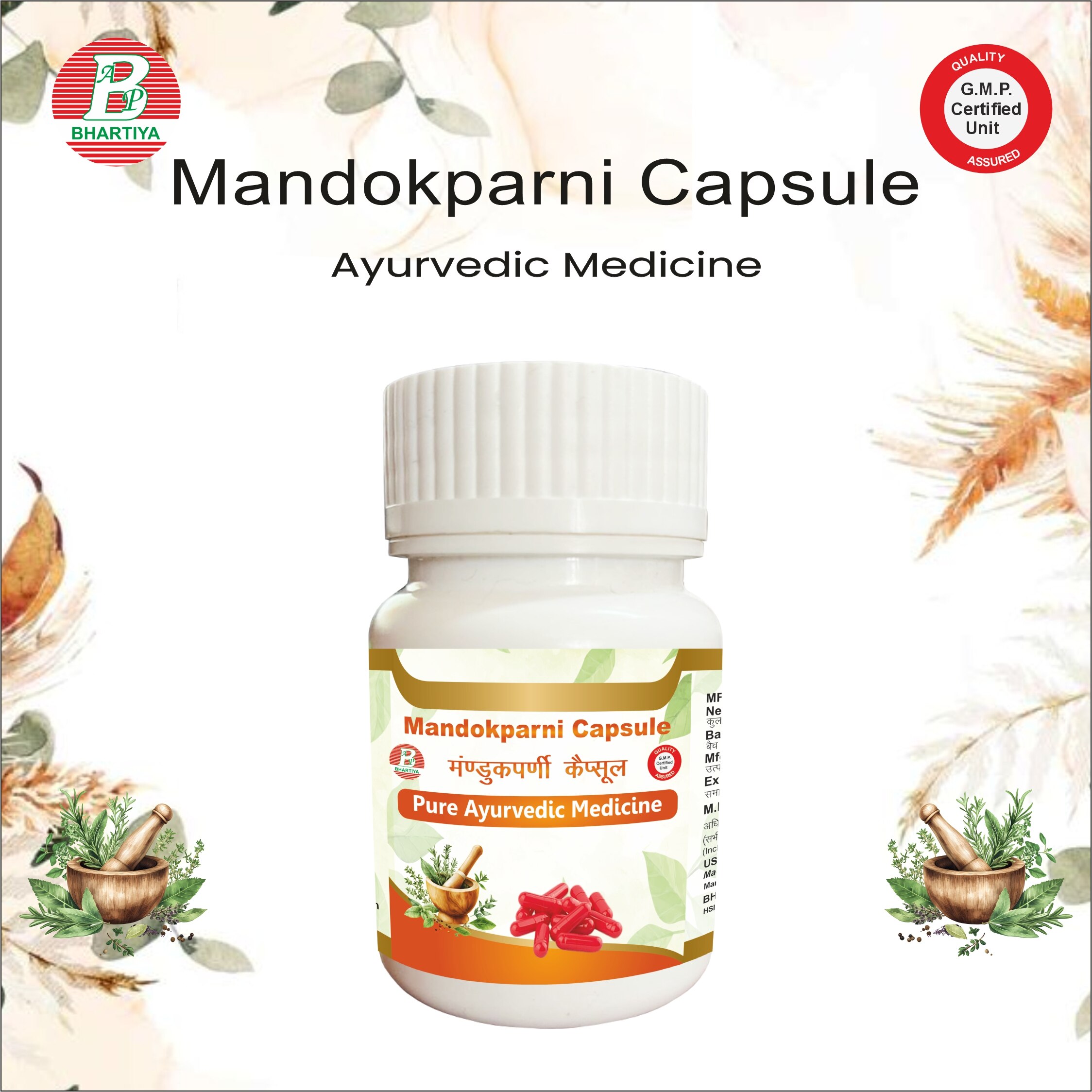
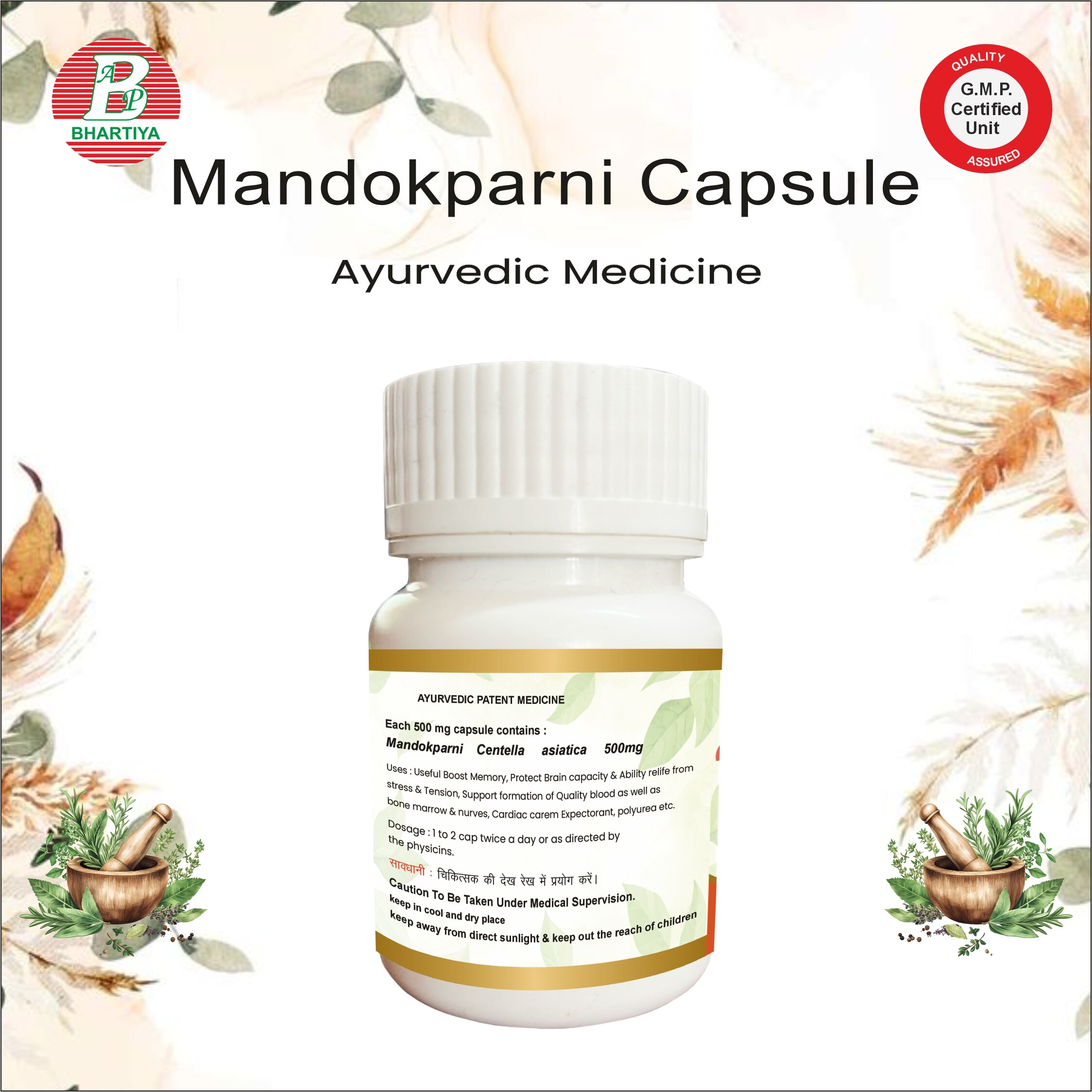
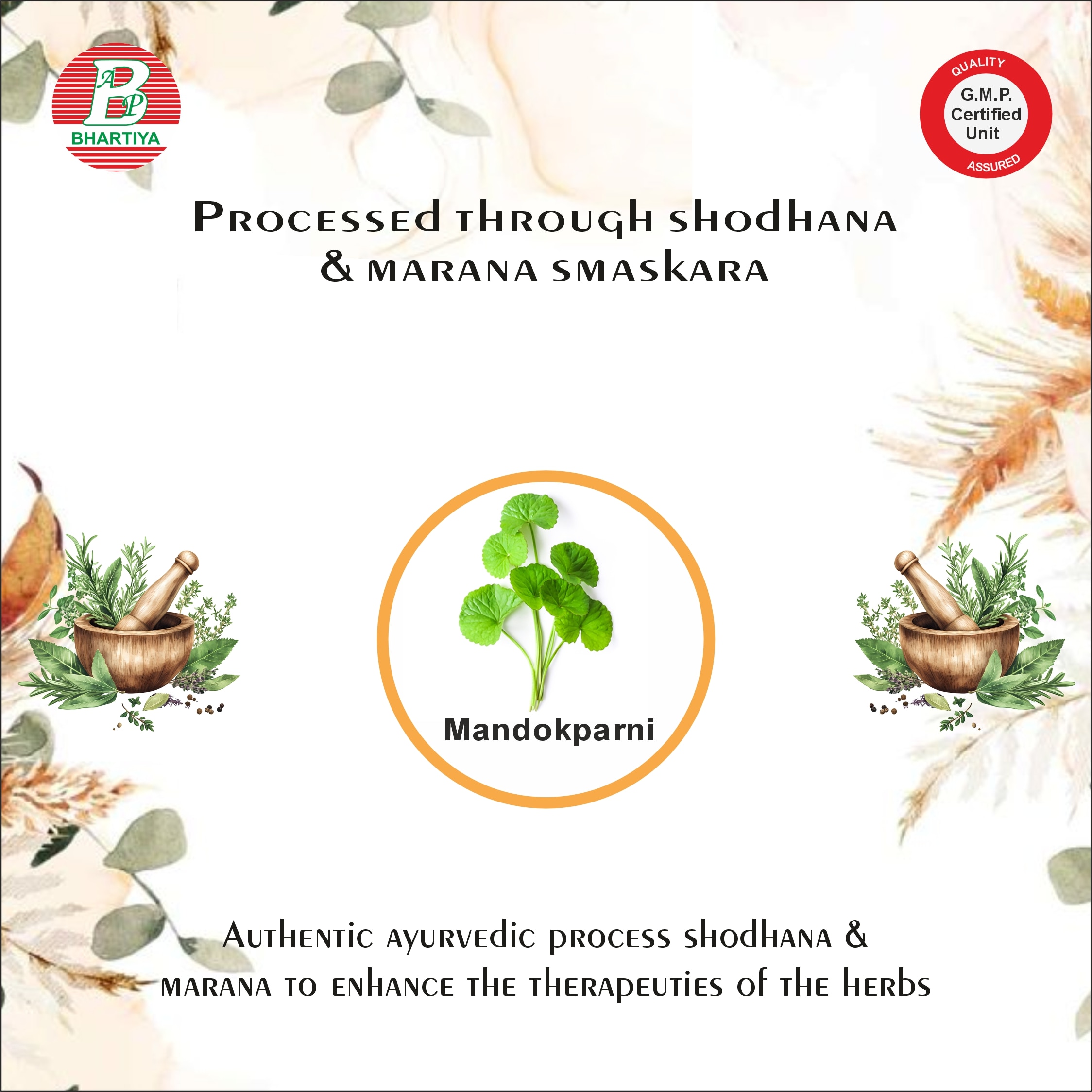
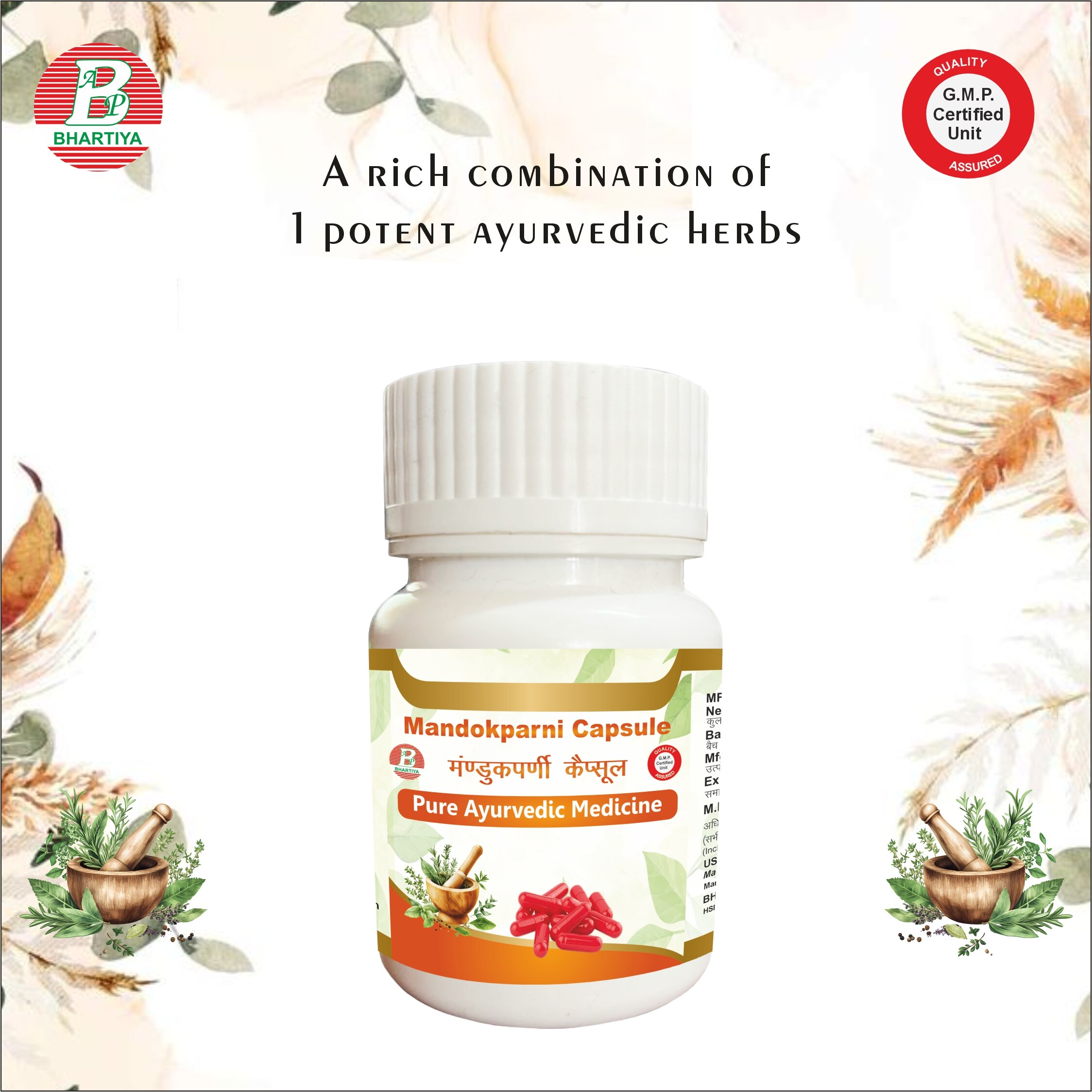
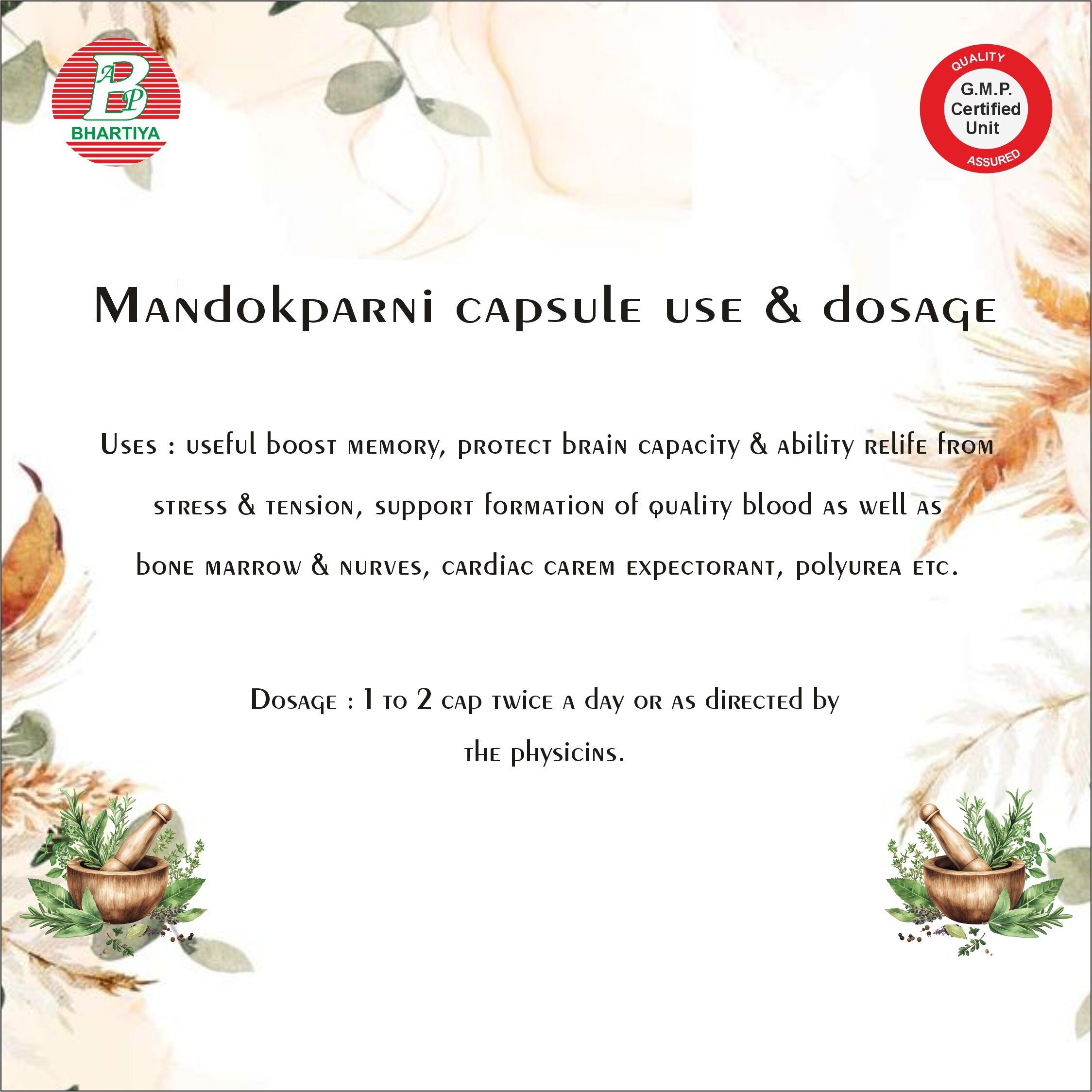
MANDUKPARNI MANDUKPARNI (Centella asiatica L.) The Rejuvenative “Memory Herb” — Leaves and Whole Plant Mandukparni, also known as Brahmi in Ayurveda, is a highly valued herb for its brain-boosting, rejuvenative, and adaptogenic properties. Rich in triterpenoids, flavonoids, and essential nutrients, Mandukparni is considered beneficial for cognitive function, nervous system health, skin health, wound healing, and overall vitality. CLASSICAL AYURVEDIC REFERENCES 1. Charaka Samhita o Mentioned in Kalpa Sthana as a Medhya (intellect-promoting) and Rasayana (rejuvenative) herb. o Leaves are used to strengthen memory, intellect, and Ojas. 2. Sushruta Samhita o Recommended for Vata and Pitta disorders, nervous system weakness, and mental fatigue. o Described as Snigdha (unctuous), Sheeta (cooling), and Balya (strength-giving). 3. Bhavaprakasha Nighantu o Called Mandukparni / Brahmi. o Promotes longevity, memory, and cognitive function. o Used in Medhya, Hridya, and Rasayana formulations. CLASSICAL STORY / ANECDOTE Mandukparni is often referred to as the “herb of intellect” in classical texts. It was traditionally consumed by scholars, students, and warriors to enhance memory, focus, and mental stamina. Ayurvedic legends describe it as a herb that balances the mind, improves clarity of thought, and nurtures longevity. BOTANICAL INFORMATION OF MANDUKPARNI • Scientific Name: Centella asiatica L. • Family: Apiaceae • Order: Apiales • Genus: Centella • Species: asiatica Common Names: • Sanskrit: Mandukparni, Brahmi • Hindi: Brahmi, Mandukparni • English: Gotu Kola, Indian Pennywort • Tamil: Vallarai • Telugu: Brahmi • Malayalam: Thankuni • Kannada: Brahmi • Bengali: Bhringraj (sometimes confused with Bacopa) SYNONYMS IN CLASSICAL AYURVEDIC NIGHANTUS • Charaka Samhita: Mandukparni – Medhya, Rasayana, Balya • Sushruta Samhita: Mandukparni – Medhya, Sheeta, Balya • Bhavaprakasha Nighantu: Mandukparni / Brahmi – Enhances memory, longevity, and vitality MORPHOLOGY OF MANDUKPARNI • Plant Type: Creeping perennial herb • Height: 10–30 cm • Leaves: Small, fan-shaped, kidney-shaped, green • Flowers: Tiny, white to light purple, inconspicuous • Roots: Thin, fibrous, spreading • Stem: Creeping, rooting at nodes ECOLOGICAL PREFERENCES • Climate: Tropical to subtropical; tolerates wet and humid conditions • Soil: Moist, loamy, or sandy soil, pH 6–7 • Habitat: Marshy fields, near water bodies, gardens • Altitude: Sea level to 1,500 m GEOGRAPHICAL DISTRIBUTION • India: Kerala, Tamil Nadu, West Bengal, Maharashtra, Assam • Outside India: Sri Lanka, Southeast Asia, Africa, Australia, South America CLASSICAL AYURVEDIC PROPERTIES (RASA–GUNA–VIRYA–VIPAKA) • Rasa (Taste): Tikta (bitter), Madhura (sweet), Katu (pungent) • Guna (Qualities): Laghu (light), Snigdha (unctuous) • Virya (Potency): Sheeta (cooling) • Vipaka (post-digestive effect): Madhura (sweet) • Dosha Effects: Vata-Pitta hara, Kapha samana in moderation THERAPEUTIC ACTIONS (KARMA) 1. Medhya: Improves memory, concentration, and intellect 2. Hridya: Supports cardiovascular and nervous system health 3. Balya: Enhances strength and immunity 4. Rasayana: Rejuvenates, promotes longevity, and vitality 5. Keshya & Twachya: Nourishes hair and skin 6. Vatahara & Pittahara: Balances Vata and Pitta doshas 7. Vranaropana: Supports wound healing INDICATIONS • Nervous System: Memory loss, mental fatigue, anxiety, stress • Digestive System: Poor digestion, liver disorders • Skin & Hair: Dry skin, eczema, premature greying, hair fall • Cardiovascular System: Mild hypertension • General Health: Fatigue, weakness, slow recovery MODERN PHARMACOLOGY & PHYTOCHEMISTRY • Major Constituents: o Triterpenoids: Asiaticoside, Madecassoside o Flavonoids, Phenolics o Vitamins (A, C), Minerals (Ca, Mg, Fe) o Alkaloids, Saponins • Pharmacological Actions: o Neuroprotective, Cognitive enhancer o Antioxidant, Anti-inflammatory o Adaptogenic, Anti-anxiety o Wound healing, Hepatoprotective o Cardioprotective CULTIVATION DETAILS • Propagation: Seeds, cuttings, or runners • Sowing Time: Pre-monsoon or early monsoon • Spacing: 30–50 cm between plants • Irrigation: Regular, requires moist soil • Fertilization: Organic manure preferred • Harvesting: Leaves – 3–4 times/year; Whole plant for formulations CLASSICAL DOSAGE (According to Ayurvedic Granthas) • Leaves / Whole Plant: 3–6 g/day (powdered or fresh juice) • Decoction / Juice: 30–60 ml/day • Oil (Brahmi Taila): 5–10 ml/day for hair and scalp • Paste / Topical: As per therapeutic requirement for wounds, skin disorders MANDUKPARNI FORMULATIONS – BHARTIYA AYURVEDIC PHARMACY Bhartiya Ayurvedic Pharmacy offers a range of Mandukparni-based products preserving its full rejuvenative and cognitive-supportive properties. Key Uses of Mandukparni Formulations: • Enhances memory, concentration, and mental clarity • Reduces stress and nervous system fatigue • Supports skin and hair health • Acts as Rasayana for overall vitality and longevity MANDUKPARNI CAPSULE • Contains premium Mandukparni powder or extract • Key Benefits: o Improves memory, intellect, and mental stamina o Supports nervous system and cognitive function o Enhances immunity and overall vitality • Dosage: 1–2 capsules twice daily with warm water or as directed • Safety & Precautions: o Safe for long-term use o May lower blood sugar or blood pressure; monitor if on medications • Formulation Highlights: 100% natural, no artificial additives MANDUKPARNI POWDER • Made from premium dried Mandukparni leaves and whole plant • Key Benefits: o Supports memory, cognition, and mental alertness o Promotes stress relief and nervous system health o Nourishes skin and hair • Dosage: 3–6 g/day with warm water, milk, or ghee • Safety & Precautions: o Safe for long-term use o Mild laxative effect may occur in sensitive individuals • Suggested Use: Ideal for daily Rasayana and cognitive support