Preview

This is your website preview.

Currently it only shows your basic business info. Start adding relevant business details such as description, images and products or services to gain your customers attention by using Boost 360 android app / iOS App / web portal.

BHARTIYEAYURVEDICPHARMACY 67810fc344772a6a78a797b9 Products https://www.bhartiyaayurvedicpharmacy.com

Manufacturing test

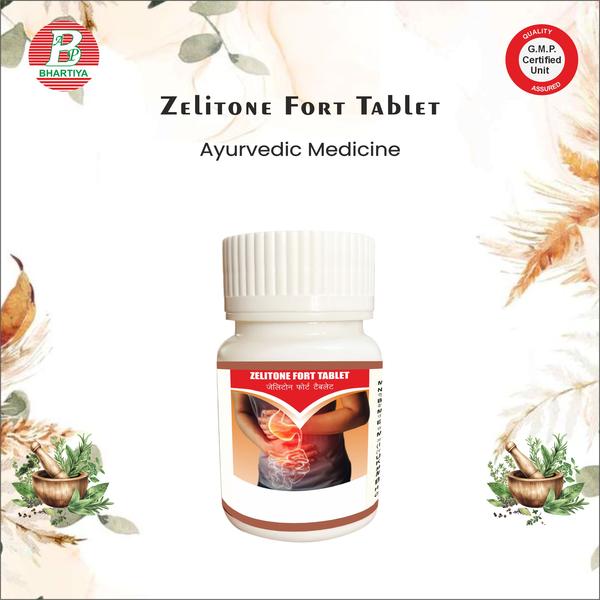
                                💊 ZELITON FORT TABLET 💊Product Identification•	Generic Name: Zeliton Fort Tablet•	Type: Ayurvedic Patent Medicine•	Primary Indication Area: Hyperacidity or Acid reflux, Acidic belchingTherapeutic IndicationsZeliton Fort Tablet is traditionally used for the manage digestive issues caused by excess acid.Key benefits include:Primary Benefit:•	Relieves hyperacidity and acidic belching by balancing stomach acid and improving digestion.Additional Benefits:•	Reduces burning sensation in the stomach and chest (heartburn)•	Helps control sour or acidic burps (Khatte Dakar)•	Supports overall digestive comfort after mealsIngredients:🌿SUTSEKHAR RAS 🍂Type: Ayurvedic herbo-mineral (Ras) medicinePrimary Indication / Use:•	Management of hyperacidity (Amalpita)•	Relief from acidic belching (Khatte Dakar)•	Helps in indigestion, nausea, and digestive discomfortKey Ingredients (Typical Composition):•	Shuddha Shilajeet (Purified Shilajeet) – aids digestion, rejuvenates body tissues•	Abhrak Bhasma (Purified Mica Ash) – strengthens digestive fire (Agni)•	Mukta Shukti Bhasma (Pearl Oyster Shell Ash) – helps reduce acidity and heartburn•	Other herbal/mineral components depending on manufacturerDosage:•	Usually small doses (125–250 mg), as directed by an Ayurvedic practitioner•	Often taken after meals with water or honeyKey Benefits:•	Reduces stomach acidity and sour belching•	Improves digestion and appetite•	Supports overall gastrointestinal comfortPrecautions:•	Take under Ayurvedic practitioner guidance•	Avoid overdose, as it contains mineral-based components•	Not recommended in cases of severe liver or kidney disease without consultation🌿 AVIPATIKAR CHURANA 🍂 Key InformationType:•	Ayurvedic herbal powder (Churan)Primary Indication / Use:•	Management of hyperacidity (Amalpita / Acid Reflux)•	Relief from constipation and indigestion•	Helps in sour belching (Khatte Dkaar) and stomach discomfortKey Ingredients (Typical Composition):•	Trivrit (Operculina turpethum) – acts as a mild laxative and digestive cleanser•	Haritaki (Terminalia chebula) – regulates digestion and bowel movements•	Amla (Emblica officinalis) – rich in Vitamin C, balances stomach acid•	Saindhava Lavana (Rock Salt) – improves digestion and pH balance•	Other herbal ingredients depending on the manufacturerDosage:•	Typically, 1–3 grams (1–2 teaspoons) after meals or as directed by an Ayurvedic practitioner•	Can be taken with warm water or honeyKey Benefits:•	Reduces stomach acidity and heartburn•	Relieves constipation and digestive sluggishness•	Supports overall gastrointestinal healthPrecautions:•	Take under Ayurvedic guidance•	Avoid excessive use in cases of loose stools or diarrhea•	Not recommended for very young children or severe kidney/liver conditions without consultation🌿 KAPARDIKA BHASMA🍂Kapardika Bhasma – Use for HyperacidityPrimary Use:•	Helps reduce excess stomach acid•	Relieves symptoms like:o	Heartburn / Burning sensationo	Acidic belching (Khatte Dakar)o	Indigestion / Gastric discomfortHow it works:•	Being a mineral-based Bhasma, it is thought to balance stomach acid and improve digestion according to Ayurvedic principles.Precautions:•	Take only under Ayurvedic guidance•	Usually taken in small doses after meals with honey, ghee, or water•	Not recommended for overdose, or for individuals with severe kidney or liver problems🌿 MANDUR KSHAR 🍂Mandur Kshar – Ayurvedic Use for HyperacidityType:•	Ayurvedic herbo-mineral alkaline formulationPrimary Use:•	Management of hyperacidity (Amalpita)•	Relief from acidic belching (Khatte Dakar) and heartburn•	Helps in improving digestion and reducing gastric discomfortKey Ingredients:•	Mandur Bhasma (Iron Ash / Purified Iron) – provides alkaline effect to neutralize excess acid•	Herbal alkaline compounds (Kshar) – aid in balancing stomach pH•	Exact formulation may vary depending on the manufacturerDosage:•	Usually small doses (125–250 mg) after meals, as prescribed by an Ayurvedic practitioner•	Can be taken with water or honeyKey Benefits:•	Neutralizes excess stomach acid•	Reduces burning sensation and sour belching•	Supports digestive comfort and gastric balancePrecautions:•	Take only under Ayurvedic supervision•	Avoid overdose due to mineral content•	Not recommended for individuals with severe liver, kidney, or iron-overload conditionsDosage:1.	Dose per intake: 1–3 tablets2.	Frequency: Twice a day (morning & evening)3.	Total daily dose: 2–6 tablets per day-(For 500 mg tablets, this equals 1–3 g/day)4.	How to take: With water, preferably after meals to reduce gastric irritation and improve absorption5.	Precautionso	Do not exceed the prescribed doseo	Monitor for side effectsConsult an Ayurvedic practitioner for:o	Childreno	Elderlyo	Chronic illnesses
Zelitone Fort Tablet

INR 51 INR 102
You Save 50%

VIEW DETAILS
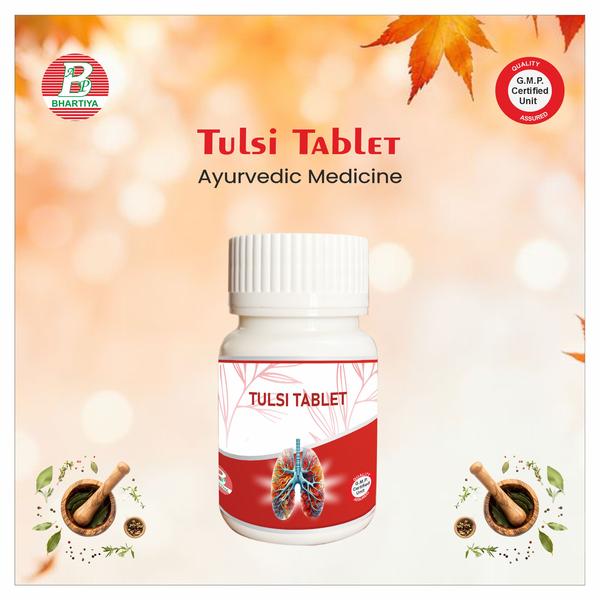
             🌿 TULSI (Ocimum sanctum / Ocimum tenuiflorum) 🌿                                 The Sacred, Divine & Healing Herb of AyurvedaTulsi, also known as Holy Basil, is one of the most revered Ayurvedic herbs, worshipped for thousands of years for its spiritual purity, healing power, and protective energy. The name Tulsi means “the incomparable one,” signifying its unmatched medicinal and spiritual importance. In Ayurveda, Tulsi is described as Kaphahara, Vatahara, Hridya, Kasa-Shwasahara, Krimighna, Jwaraghna, and Rasayana. It is highly beneficial in respiratory infections, fever, cough, cold, asthma, immune weakness, digestive problems, skin disorders, stress, and mental imbalance.🌿 BOTANICAL INFORMATIONScientific Name: Ocimum sanctum / Ocimum tenuiflorumFamily: LamiaceaeOrder: LamialesGenus: OcimumSpecies: sanctum / tenuiflorumCommon Names:Sanskrit – Tulsi, Surasa, Parnasa, Gramya-jirakaHindi – TulsiEnglish – Holy Basil, Sacred BasilTamil – ThulasiTelugu – TulasiMalayalam – TulasiKannada – TulasiBengali – TulshiTypes of Tulsi:1.	Shri (Green) Tulsi2.	Krishna (Purple) Tulsi3.	Van Tulsi (Wild)4.	Kapoor Tulsi (Aromatic)5.	Rama Tulsi🌿 SYNONYMS FROM AYURVEDIC NIGHANTUSBhavaprakasha – Tulasi, Surasa, ParnasaDhanvantari Nighantu – Tulasi, MahoshadhiKaiyadeva Nighantu – Surasa, VishaghniRaja Nighantu – Tulsi, Krishna Tulsi, Shyamala🌿 MORPHOLOGYPlant Type: Aromatic, erect, highly branched perennial herbStem: Quadrangular, purplish or green, soft and slightly hairyLeaves: Simple, opposite, ovate or elliptical, highly aromatic, serrated edgesFlowers: Small, purplish or white, in elongated spikesRoots: Fibrous, branched, aromaticFruits: Tiny nutlets containing small seeds🌿 ECOLOGICAL PREFERENCESClimate – Tropical & subtropicalSoil – Well-drained, loamySunlight – Full sun exposureMoisture – Moderate wateringAltitude – Up to 1800 mHabitat – Courtyards, temples, gardens, wild areas🌿 DISTRIBUTIONWidely found throughout India; also present in Nepal, Sri Lanka, Bangladesh, Indonesia; naturalized worldwide due to religious and medicinal importance.🌿 CLASSICAL AYURVEDIC PROPERTIESRasa: Katu (pungent), Tikta (bitter)Guna: Laghu (light), Ruksha (dry), Tikshna (sharp)Virya: Ushna (hot)Vipaka: Katu (pungent)Dosha Effect: Kapha-Vata shamakaKarma (Therapeutic Actions):Kasa-Shwasahara, Jwaraghna, Krimighna, Hridya, Vishaghna, Rasayana, Balya🌿 HISTORICAL REFERENCES & STORIESVedic Era: Mentioned in Rigveda and Atharva Veda as a herb of purity, protection, and healing.Charaka Samhita: Used for Kasa (cough), Shwasa (asthma), Jwara (fever), Krimi (infection), Hridroga (heart disorders).Sushruta Samhita: Used for skin diseases, poisoning, Kapha disorders, and wound cleansing.Ashtanga Hridaya: Praised for balancing Kapha, enhancing digestion, boosting intelligence and longevity.Story: In ancient texts, a kingdom was protected from epidemic by planting and worshipping Tulsi; it became known as “Vishnu Priya” – beloved of Lord Vishnu, symbolizing purification and protection.Bhavaprakasha Nighantu: Describes Tulsi as Tikshna, Ushna, Vishaghni, Swasahara, Jwarahara, Rasayana.🌿 MODERN PHYTOCHEMISTRYContains Eugenol, Ursolic acid, Rosmarinic acid, Caryophyllene, Ocimarin, Flavonoids (apigenin, luteolin), essential oils (methyl chavicol, linalool).🌿 CULTIVATIONPropagated by seeds, sown in spring or monsoon. Requires sunlight, organic manure; leaves harvested after 2–3 months.🌿 CLASSICAL DOSAGE (ACCORDING TO GRANATHAS)•	Tulsi Churna (Powder): 1–3 g, twice daily•	Tulsi Swarasa (Juice): 10–15 ml, 1–2 times daily•	Tulsi Kwatha (Decoction): 30–50 ml, twice daily•	Tulsi Patra (Leaves): 5–10 fresh leaves daily•	Tulsi Ark: 10–20 ml daily•	Tulsi Tablet: 1–2 tablets, twice daily after meals•	Tulsi Capsule: 1 capsule, twice daily with warm water after meals🌿 THERAPEUTIC INDICATIONSCough, cold, asthma, fever, viral/bacterial infections, respiratory congestion, stress, anxiety, digestion issues, skin diseases, heart support, immunity enhancement, insect bites, poisoning.🌿 SAFETY & PRECAUTIONSSafe in recommended doses. Use cautiously during pregnancy (high doses). Avoid with strong anticoagulant drugs. Suitable for long-term daily use in small doses.Tulsi Compound Formulations (Classical): Tulsi with Sitopaladi, Trikatu, Chyawanprash, Ginger & Black Pepper, or Honey/Jaggery—used for cough, asthma, digestion, immunity, and rejuvenation, prepared as per classical Ayurvedic methods.🌿 Tulsi Formulations by Bhartiya Ayurvedic PharmacyAt Bhartiya Ayurvedic Pharmacy, we prepare a range of Tulsi formulations following classical Ayurvedic methods as described in Charaka Samhita, Sushruta Samhita, Bhavaprakasha Nighantu, and other Ayurvedic Granthas. Each product is crafted to retain the therapeutic potency, purity, and efficacy of the herb, ensuring benefits for immunity, respiratory health, stress relief, and overall vitality🌿 TULSI TABLETDosage:1–2 tablets twice daily after meals.Indications:Cough, cold, throat congestion, asthma, fever, low immunity, stress, digestive weakness, skin infections, Kapha disorders, seasonal allergies.Key Actions (According to Acharya):Kasa-Shwasahara, Jwaraghna, Krimighna, Vishaghna, Rasayana, Kapha-Vata Hara.
Tulsi Tablet

INR 90 INR 180
You Save 50%

VIEW DETAILS
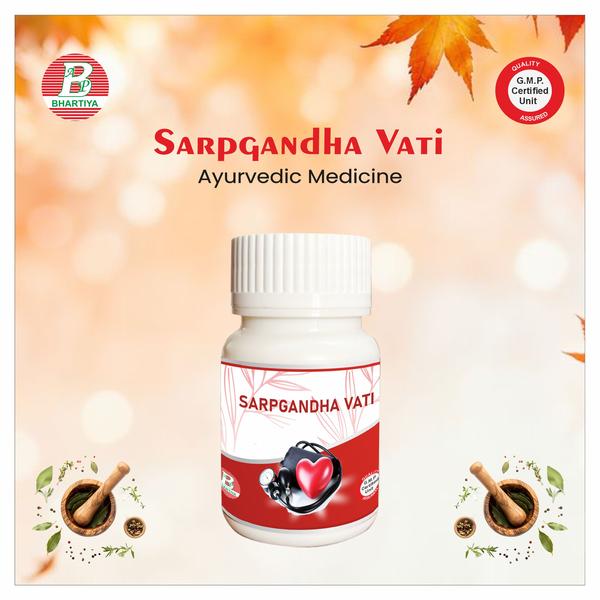
               🌿   Sarpagandha (Rauwolfia serpentina)                       The Serpent Root Herb with Profound Calming & Healing PowerSarpagandha is one of the most potent and revered herbs in Ayurveda, known for its deep action on the nervous system, mind, blood pressure, and toxic conditions.The name Sarpagandha literally means “the plant with a smell like a serpent” or “the herb that can subdue snake-like disorders”, symbolising its legendary power in calming, controlling, and neutralizing deep-rooted imbalances.Ayurveda classifies Sarpagandha as:•	Stambhana (stabilizing, controlling)•	Nidrajanana (induces sleep)•	Vedanasthapana (analgesic)•	Sarpavisha hara (anti-venom / toxic disorders)•	Manas dosha hara (reduces mental disturbances)•	Hṛidya (supports the heart)It is highly beneficial in managing high blood pressure, insomnia, anxiety, restlessness, mental agitation, certain psychotic disorders, and snake-bite toxic conditions (traditionally).🌿 Botanical Information of SarpagandhaScientific Name: Rauwolfia serpentina (Linn.) Family: ApocynaceaeOrder: GentianalesGenus: RauwolfiaSpecies: serpentinaCommon Names•	Sanskrit: Sarpagandha, Chandrabhaga, Kundali, Sarpasandhi, Nakuli•	Hindi: Sarpagandha•	English: Indian Snakeroot, Serpent Root•	Tamil: Sivanar Vembu•	Telugu: Patalagandhi•	Malayalam: Paathalgaruda•	Kannada: Sarpagandhi•	Bengali: SarpagandhaSynonyms from Nighantus•	Bhavaprakasha: Sarpagandha, Chandrika, Kundali•	Dhanvantari Nighantu: Nakuli, Sarpasandhi•	Kaiyadeva Nighantu: Sarpagandha, Ganda Naga•	Raja Nighantu: Sarpagandha, Patalagandhi🌿 Morphology of Sarpagandha (Rauwolfia serpentina)Plant TypePerennial, erect, smooth herbStem•	Slender, erect, slightly woody at the base•	Dark green with smooth textureLeaves•	Simple, opposite or whorled (3–4 in a circle)•	Lanceolate, smooth, shining•	Dark green above, light beneathFlowers•	Small, white or pinkish•	Arranged in terminal or axillary cymesRoots•	Long, slender, cylindrical•	Dark brown externally, white inside•	Medicinally most important part•	Characteristic serpentine smell (hence Sarpagandha)Fruits•	Small, globose drupes•	Purplish-black on ripeningHabit•	Slow-growing but hardy•	Develops best under semi-shade conditions🌿 Ecological Preferences•	Climate: Tropical and subtropical•	Soil: Moist, fertile, well-drained soil (prefers humus-rich loam)•	Sunlight: Partial shade preferred•	Moisture: Requires consistent moisture•	Altitude: Up to 1200 m•	Habitat: Forest edges, moist slopes, shaded plantations🌿 Distribution•	India: Common in the Himalayan foothills, Northeastern states, Bengal, Western Ghats, Odisha, and Central India•	Asia: Nepal, Bhutan, Bangladesh, Myanmar, Sri Lanka, Thailand•	Other Regions: Widely distributed in Southeast Asia🌿 Classical Ayurvedic Properties of Sarpagandha•	Rasa (Taste): Tikta (bitter), Kashaya (astringent), Madhura (slightly sweet)•	Guna (Quality): Laghu (light), Ruksha (dry), Tikshna (penetrating)•	Virya (Potency): Ushna (hot)•	Vipaka: Katu (pungent)•	Dosha Effect: Kapha-Vata hara, pacifies Raja & Tama (mental doshas)Karma (Therapeutic Actions)•	Nidrajanana – induces sleep•	Unmadahara – reduces psychotic symptoms•	Sarpavisha hara – mitigates snake/poison effects (traditional use)•	Raktachapa hara – reduces high blood pressure•	Stambhana – stabilizes nervous system•	Anulomana – improves digestive and nervous coordination🌿 Historical & Grantha-Based Story/References of Sarpagandha📜 1. Mention in Ancient TextsSarpagandha is described in:•	Charaka Samhita (Chikitsa Sthana) under Unmada (psychosis) treatment•	Sushruta Samhita under Sarpavisha Chikitsa (snake poisoning)•	Bhavaprakasha Nighantu elaborates its use for insomnia, hypertension-like symptoms, and mania•	Kaiyadeva Nighantu describes it as a herb that “calms the mind and controls the serpent-like movements of Vata in the nerves.”📜 2. Traditional Story: “The Serpent-Root Legend”Ayurvedic folklore says:“A wandering sage noticed that snakes bitten by other snakes chewed the root of a certain plant and survived.”This plant, believed to be Sarpagandha, was thus discovered in ancient times.The sages concluded that if it could calm a deadly serpent’s venom, it could also calm the “inner serpent” — representing fear, agitation, and disordered nerves in humans.This symbolic meaning led to its name Sarpagandha and its use for toxins, anxiety, agitation, hypertension, and insanity-like states.📜 3. Use by Ancient Physicians•	Acharya Charaka used it in Unmada (psychiatric) conditions.•	Acharya Sushruta prescribed it as a supportive herb for harmful bites and severe agitation.•	Vagbhata considered it “mind-stabilizing and nerve-controlling.”🌿 Modern PhytochemistrySarpagandha contains powerful alkaloids, especially:1. Alkaloids (main bioactive class)•	Reserpine – antihypertensive, sedative•	Ajmaline – antiarrhythmic•	Ajmalicine (raubasine) – circulatory and CNS modulator•	Serpentine, Yohimbine (traces)2. Others•	Sterols•	Carbohydrates•	Glycosides•	Flavonoids🌿 Species of Rauwolfia1.	Rauwolfia serpentina – true Sarpagandha, most potent2.	Rauwolfia tetraphylla – similar but less potent; used in some regions3.	Rauwolfia vomitoria – African species4.	Rauwolfia canescens – mild medicinal use🌿 Cultivation•	Propagation: Seeds, root cuttings•	Planting Season: Monsoon (June–July)•	Spacing: 30–45 cm•	Watering: Regular moisture needed•	Manure: Best with organic compost•	Harvesting: Roots collected after 2–3 years•	Note: Overharvested in the wild → now commercially cultivated🌿 Classical Ayurvedic Dosage (from Granthas)(General, traditional; modern use must be supervised due to potency)•	Root Powder (Churna): 250–500 mg once or twice daily•	Root Decoction (Kwatha): 30–40 ml•	Swarasa (Juice): 5–10 mlUsed in:•	Insomnia•	Mental disorders•	Hypertension-like symptoms•	Agitation•	Toxic disorders (traditional use)🌿 Safety & PrecautionsSarpagandha is highly potent.•	Avoid overdose•	Not suitable during pregnancy•	Not to be combined with other sedatives or antihypertensive drugs without guidance•	Must be used under qualified Ayurvedic supervision🌿 Sarpagandha Compound Formulations (Classical):Sarpagandha with Arjuna, Ashwagandha, Brahmi, Shankhapushpi, or Jatamansi—used for hypertension, anxiety, insomnia, nervous disorders, and cardiovascular support, prepared according to classical Ayurvedic methods to retain Rasayana and Medhya properties.🌿 Sarpagandha Formulations by Bhartiya Ayurvedic PharmacyAt Bhartiya Ayurvedic Pharmacy, we prepare a range of Sarpagandha formulations following classical Ayurvedic methods as described in Charaka Samhita, Sushruta Samhita, Bhavaprakasha Nighantu, and other Ayurvedic Granthas. Each product is crafted to retain the therapeutic potency, purity, and efficacy of the herb, ensuring benefits for stress relief, blood pressure management, nervous system support, and overall mental well-being.1.	Sarpagandha Vati/TabletDose1 tablet (250–500 mg) twice dailyOr 1 tablet at night for sleep disordersAdvanced cases: 1 tablet thrice daily (only under supervision)•	For hypertension-like symptoms, insomnia•	Supports Calmness & Mental Stability•	Useful in: Anxiety, Nervousness, Agitation, Irritability, Restlessness, Racing thoughts•	Helps balance Rajas and Tamas (mental doshas) and calms Vata in the nervous system.Supports Brain & Nerve HealthHelps in:•	Reducing excessive nerve excitability•	Supporting healthy brain signaling•	Promoting alert calmnessUsed traditionally in unmada chikitsa (Ayurvedic mental health management)
Sarpgandha vati / tablet

INR 270 INR 540
You Save 50%

VIEW DETAILS
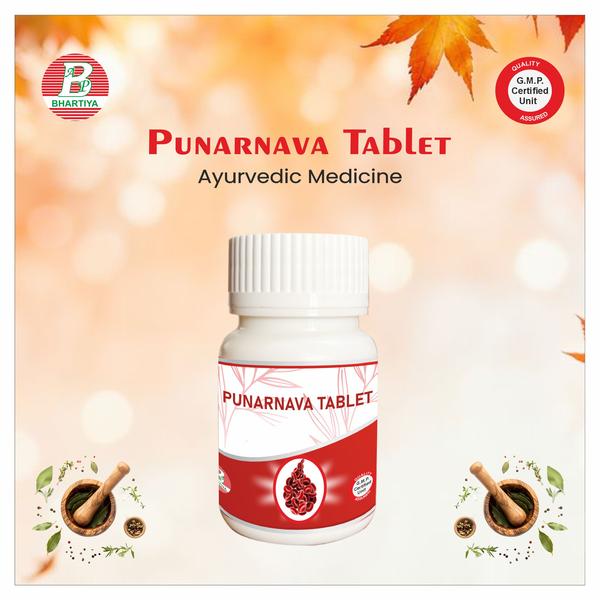
                        🌿 Punarnava (Boerhavia diffusa) 🌿                                        The Rejuvenating Herb with Healing LeavesPunarnava is one of the most important rejuvenating herbs in Ayurveda, widely valued for its unique ability to revive and renew the body.The name Punarnava literally means “that which becomes new again”, indicating its powerful regenerative and restorative nature.In Ayurveda, Punarnava is classified as a Mutrala (diuretic), Shothahara (anti-inflammatory), and Rasayana (rejuvenative) drug. It is highly beneficial in managing swelling (oedema), kidney disorders, liver weakness, urinary problems, digestive issues, anaemia, and general debility.Botanical Information of PunarnavaScientific Name: Boerhavia diffusa Linn.Family: NyctaginaceaeOrder: CaryophyllalesGenus: BoerhaviaSpecies: diffusaCommon Names:•	Sanskrit: Punarnavā, Shothaghanī, Raktapunarnavā, Śvetapunarnavā, Shreṇī, Shoṭikā•	Hindi: Punarnava•	English: Spreading Hogweed, Red Spiderling•	Tamil: Mookarattai•	Telugu: Atika•	Malayalam: Thazhuthama•	Kannada: Komme beru•	Bengali: PunarnavaSynonyms of Punarnava (Boerhavia diffusa) in Ayurvedic Nighantus:  Bhavaprakasha Nighantu – Shothaghni, Raktapunarnava, Shvetapunarnava, Shoṭikā  Raja Nighantu & Kaiyadeva Nighantu – Panchanga, Jalapushpa, Mochana, Bhujanga Hrudaya Nighantu & Dhanvantari Nighantu – Utkalika, Shreni🌿 Morphology of Punarnava (Boerhavia diffusa)Plant Type: Perennial, creeping, and spreading herbStem:•	Prostrate or slightly ascending, creeping along the ground•	Purplish-green, hairy, with swollen nodes•	Roots develop at nodes where the stem touches the soilLeaves:•	Simple, opposite arrangement•	Shape: Ovate, elliptic, or slightly rounded•	Texture: Fleshy and soft•	Color: Dark green on the upper surface, pale green below•	Petiole: ShortFlowers:•	Small, tubular, and bisexual•	Color: Pink, reddish, or white•	Arranged in axillary clusters (cymes)•	Bloom mainly during summer and rainy seasonsRoots:•	Thick, cylindrical, fleshy, and tapering•	Color: White in Shveta Punarnava, reddish in Rakta Punarnava•	Medicinal part, rich in active constituentsFruits:•	Small, ovoid, glandular, and sticky when young•	Dark brown at maturity•	One-seededHabit:•	Creeping, spreading, fast-growing, regenerates easily•	Adapted to drought and poor soil conditions🌿 Ecological Preferences of Punarnava•	Climate: Thrives in tropical and subtropical climates; tolerates heat and moderate drought.•	Soil: Prefers sandy, loamy, or well-drained soils; can grow in poor or degraded soils.•	Sunlight: Grows well in full sunlight to partial shade.•	Moisture: Requires moderate moisture; can survive dry periods due to its hardy nature.•	Altitude: Found at low to medium altitudes, commonly in plains and open areas.•	Habitat: Common along roadsides, fields, gardens, wastelands, and riverbanks.•	Growth habit: Creeping, spreading, fast-growing, and regenerates easily after adverse conditions.🌿 Distribution of PunarnavaGeographical Distribution:Punarnava is a widely distributed perennial herb found in tropical and subtropical regions across the world.•	India: Found throughout the country in almost all states, particularly in plains, dry regions, roadsides, wastelands, and fields.•	Asia: Occurs in Pakistan, Sri Lanka, Bangladesh, Nepal, and Myanmar.•	Africa: Common in tropical and subtropical Africa.•	Americas: Found in parts of South America and Central America.•	Other Regions: Naturalized in various tropical areas worldwide due to its hardy and fast-growing nature🌿 Classical Ayurvedic Properties of Punarnava•	Rasa (Taste): Tikta (bitter), Kashaya (astringent)•	Guna (Qualities): Laghu (light), Ruksha (dry)•	Virya (Potency): Ushna (hot)•	Vipaka (post-digestive effect): Katu (pungent)•	Dosha Effect: Kapha-Vata shamaka (pacifies Kapha and Vata doshas)•	Karma (Actions / Therapeutic Effects):o	Mutrala: Promotes urination, useful in oedema and urinary disorderso	Shothahara: Reduces swelling and inflammationo	Yakrit-Pleeha Shodhaka: Supports liver and spleen healtho	Rasayana: Rejuvenative and revitalizingo	Hridya: Supports heart functionTherapeutic Actions of Punarnava According to Acharyas1.	Mutrala (Diuretic):o	Promotes urine formation, relieves Shotha (edema, ascites, anasarca)o	Useful in kidney and urinary disorders2.	Shothahara (Anti-inflammatory / Anti-edema):o	Reduces Kapha and Vata-related swellingo	Useful in joint swelling, ascites, and edema3.	Yakrit-Pleeha Shodhaka (Hepato-splenic tonic / Detoxifier):o	Supports liver and spleen healtho	Clears stagnation in Rakta and Pitta4.	Rasayana (Rejuvenative / Revitalizing):o	Improves strength, vitality, and general healtho	Enhances immunity and longevity5.	Hridya (Cardio-supportive):o	Supports heart function by reducing fluid overload6.	Medohara / Vatashamaka:o	Helps in reducing excessive fat (Medo Dhatu) and pacifies Vata dosha in the bodyReferences from Acharyas:•	Charaka Samhita: Punarnava is Shothaghni, Mutrala, Rasayana•	Sushruta Samhita: Shveta and Rakta Punarnava described for Shotha, Mutra, and Yakrit-Pleeha disorders•	Bhavaprakasha: Emphasizes anti-edema, diuretic, hepatoprotective, and rejuvenative actions🌿 Modern Phytochemistry of PunarnavaPunarnava is rich in bioactive compounds responsible for its therapeutic properties. Key phytochemicals identified include:1. Alkaloids•	Punarnavine – major alkaloid, responsible for diuretic and hepatoprotective activity•	Boeravinones (A–F) – rotenoid compounds with antioxidant, hepatoprotective, and anti-inflammatory properties2. Flavonoids•	Quercetin, Kaempferol – contribute to antioxidant and anti-inflammatory effects3. Glycosides•	Punarnavoside – responsible for diuretic and anti-edema activitySpecies of Punarnava (Genus: Boerhavia)The genus Boerhavia (family Nyctaginaceae) includes several species, but Boerhavia diffusa is the most commonly used in Ayurveda. Other species are also recognized botanically for various regional and medicinal uses:1. Boerhavia diffusa Linn.•	Most widely used in Ayurveda•	Perennial, creeping, and spreading herb•	Known for diuretic, anti-inflammatory, hepatoprotective, and rejuvenative properties2. Boerhavia erecta L.•	Erect or semi-erect habit, less creeping•	Found in tropical regions•	Used in traditional medicine locally, but less common in classical Ayurveda3. Boerhavia repens L.•	Creeping herb, often used as ground cover•	Occasional medicinal use in folk medicine4. Boerhavia coccinea Mill.•	Red-flowered species, creeping habit•	Sometimes used in ethnomedicine for fever and inflammation5. Boerhavia verticillata Willd.•	Found in Africa and Asia•	Limited medicinal use; occasionally cited in ethnobotanical surveysCultivation:•	Propagation: Primarily by seeds; can also propagate via stem cuttings due to its creeping habit.•	Sowing Time: Best sown during the early monsoon or rainy season.•	Spacing: Maintain 30–40 cm between plants to allow spreading.•	Watering: Requires moderate moisture; drought-tolerant once established.•	Fertilization: Responds well to organic manure or compost, though hardy enough to grow in poor soils.•	Harvesting: Roots, stems, and leaves are harvested after 3–4 months of growth, depending on medicinal use.•	Ecological Note: Acts as a pioneer plant, stabilizing soil and growing in degraded lands.🌿 Classical Dosage of Punarnava in Granthas1. Charaka SamhitaForm: Root or whole plant powder (Churna), decoction (Kwatha)Dose: 3–6 grams of powder; 40–60 ml of decoction, 2–3 times dailyUses: Shotha (edema), Mutrakriccha (urinary disorders), Rasayana2. Sushruta SamhitaForm: Root, whole plant, or pasteDose: 3–6 grams powder; decoction 40–60 ml; external paste as requiredUses: Shotha, Mutra, Yakrit-Pleeha disorders3. Bhavaprakasha NighantuForm: Churna, Kwatha, Swarasa (juice)Dose: 3–6 grams Churna; 40–60 ml Kwatha; 20–30 ml Swarasa 1–2 times dailyNotes: Shveta Punarnava for urinary issues; Rakta Punarnava for liver and blood disorders4. Raja Nighantu & Kaiyadeva NighantuForm: Panchanga (whole plant), decoction, powderDose: Similar classical dose as above; 3–6 grams for powder, decoction 40–60 mlTherapeutic Use: Shothahara, Mutrala, Rasayana🌿 Safety and Precautions of Punarnava  Safe in classical dosage.  Avoid overdose -caution with strong diuretics.   Pregnant Woman- use only under supervision.🌿 Classical Ayurvedic Formulations of PunarnavaPunarnava is a key ingredient in many classical Ayurvedic preparations for edema, liver disorders, kidney ailments, and rejuvenation. Common formulations include:1. Punarnavadi Kwatha (Decoction)•	Ingredients: Punarnava, Trikatu (Pippali, Maricha, Shunthi), Musta, Haritaki, and other supporting herbs•	Action: Diuretic, anti-edema, hepatoprotective, rejuvenative•	Indication: Shotha (edema), Ascites, Mutrakriccha (urinary disorders)2. Punarnavadi Churna (Powder)•	Ingredients: Punarnava root, Haritaki, Musta, Chitrak, Shunthi•	Action: Supports kidney and liver health, promotes detoxification, reduces swelling•	Dose: 3–6 g/day with water or honey3. Punarnava Swarasa (Juice)•	Form: Fresh juice of Punarnava root or whole plant•	Action: Diuretic, anti-inflammatory, mild laxative•	Dose: 20–30 ml, 1–2 times daily4. Punarnava Grita or Taila (Medicated Ghee/Oil)•	Usage: External application for swelling, inflammation, and joint disorders•	Action: Shothahara, soothing, and rejuvenative5. Compound Formulations•	Punarnavadi Kashaya, Punarnavadi Gutika, Punarnavadi Avaleha – used in liver disorders, urinary diseases, edema, and general rejuvenation.🌿 Punarnava Formulations by Bhartiya Ayurvedic PharmacyAt Bhartiya Ayurvedic Pharmacy, we prepare a range of Punarnava (Boerhavia diffusa) formulations following classical Ayurvedic methods as described in Charaka Samhita, Sushruta Samhita, Bhav Prakash Nighantu, and other Ayurvedic Granthas. Each product is crafted to retain the therapeutic potency, purity, and efficacy of the herb, ensuring benefits for fluid balance, kidney & liver support, detoxification, and rejuvenation.1. Punarnava TabletDescription:Punarnava Tablets contain standardized powdered extract of Boerhavia diffusa, providing a convenient dosage form for daily use.Key Actions:•	Supports normal urinary output and reduces mild water retention•	Promotes liver and kidney health•	Reduces swelling (Edema)•	Beneficial in cough or intestinal colic•	It can help lower the blood pressure•	Provides general detox and rejuvenationDosage:•	1–2 tablets twice daily after meals, or as advised by an Ayurvedic practitionerPrecautions:•	Use under guidance in pregnancy, kidney disorders, or excessive fluid loss•	Maintain recommended dosage
Punarnava Tablet

INR 90 INR 180
You Save 50%

VIEW DETAILS
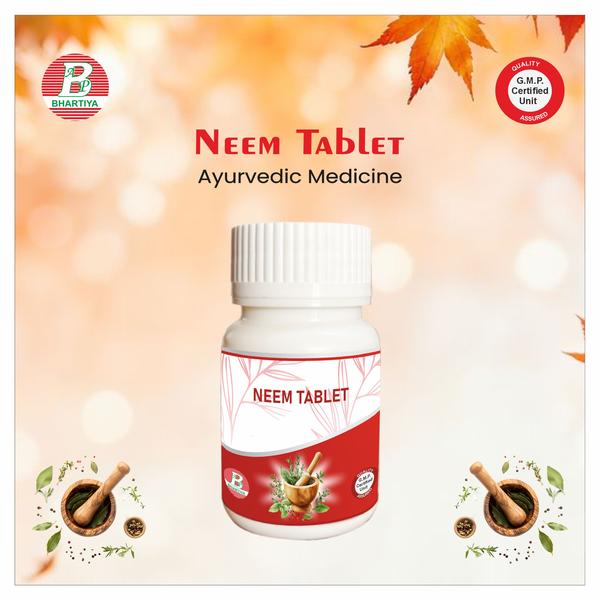
                     🌿 NEEM (Azadirachta indica A. Juss.) 🌿                                The Divine Medicinal Tree — “Nimba” (The Bitter Guardian)Neem, known as Nimba in Sanskrit, is one of the most revered medicinal trees in Ayurveda. Celebrated for its antimicrobial, blood-purifying, and detoxifying properties, it has been used since Vedic times for health, hygiene, and longevity. Neem is considered a Pittashamaka and Rasayana, supporting immunity, skin, liver, and overall vitality. Classical texts praise Neem as the “Sarva Roga Nivarini” — capable of preventing or alleviating multiple diseases.🌿 BOTANICAL INFORMATION OF NEEM•	Scientific Name: Azadirachta indica A. Juss.•	Synonyms: Melia azadirachta L., Nimba•	Family: Meliaceae•	Order: Sapindales•	Genus: Azadirachta•	Species: indica•	Common Names:o	Sanskrit: Nimba, Nimbaka, Arishta, Sarva Roga Nivarakao	Hindi: Neemo	English: Indian Lilaco	Tamil: Veppam, Vembuo	Telugu: Vepao	Malayalam: Veppu, Vempuo	Kannada: Bevuo	Marathi/Gujarati: Neem🌿 SYNONYMS IN CLASSICAL AYURVEDIC TEXTS•	Charaka Samhita: Nimba, Sarvoshadhi•	Sushruta Samhita: Nimb, Raktaprasadaka•	Bhavaprakasha Nighantu: Nimba, Arishta, Sarva Roga Nivaraka•	Dhanvantari Nighantu: Nimba, RaktashodhakaNeem is traditionally associated with blood purification, detoxification, longevity, and prevention of skin and systemic disorders.🌿 MORPHOLOGY OF NEEM•	Tree: Medium to large deciduous, height 15–20 m, spreading crown•	Bark: Grey-brown, rough, longitudinal fissures•	Leaves: Pinnate, 20–40 cm long, leaflets 20–30 pairs, ovate-lanceolate, serrated margins•	Flowers: Small, white, fragrant, axillary panicles•	Fruit: Drupe, ovoid, green turning yellow on ripening, 1–2 cm long, bitter-sweet•	Seed: One hard seed per fruit🌿 ECOLOGICAL PREFERENCES•	Climate: Tropical and subtropical, drought-resistant•	Soil: Adaptable to a range of soils, grows well in poor, sandy, or rocky soil•	Habitat: Open forests, village groves, roadsides•	Altitude: Sea level to 1,500 m🌿 GEOGRAPHICAL DISTRIBUTION•	India: Widely distributed, majorly in Rajasthan, Gujarat, Maharashtra, Tamil Nadu, Karnataka, Andhra Pradesh•	Outside India: Myanmar, Bangladesh, Pakistan, Southeast Asia, tropical Africa🌿 CLASSICAL AYURVEDIC PROPERTIES (RASA–GUNA–VIRYA–VIPAKA)•	Rasa (Taste): Tikta (bitter), Kashaya (astringent)•	Guna (Qualities): Laghu (light), Ruksha (dry)•	Virya (Potency): Śīta (cooling)•	Vipaka (post-digestive effect): Katu (pungent)•	Dosha Effects: Tridoshaghna, especially Pittahara and Kapha-shamaka🌿 THERAPEUTIC ACTIONS ACCORDING TO AYURVEDA (KARMA)1.	Raktashodhaka: Purifies blood, detoxifying2.	Kushthaghna: Treats skin disorders, eczema, acne, leprosy3.	Jwaraghna: Antipyretic, reduces fever4.	Kaphapittahara: Balances doshas, reduces inflammation5.	Kantya / Keshya: Promotes hair and skin health6.	Dantya: Oral hygiene, treats dental infections and gingivitis7.	Vrishya: Enhances reproductive health and vitality8.	Vishaghna: Anti-parasitic, kills microbes and intestinal worms🌿 INDICATIONS•	Skin & Hair: Acne, eczema, psoriasis, dandruff, hair fall•	Digestive System: Dyspepsia, constipation, intestinal worms•	Metabolism & Immunity: Detoxification, immunity enhancement•	Oral Health: Gingivitis, dental caries, halitosis•	Blood Disorders: Purifies blood, improves circulation•	Fever & Infections: Malaria, viral infections, minor fevers🌿 MODERN PHARMACOLOGY & PHYTOCHEMISTRY•	Major Constituents: Nimbin, Nimbidin, Azadirachtin, Quercetin, Nimbolide, Flavonoids, Tannins, Vitamins, Minerals•	Pharmacological Actions:o	Antibacterial, Antiviral, Antifungalo	Anti-inflammatoryo	Immunomodulatoryo	Antipyretico	Hepatoprotectiveo	Antidiabetico	Antioxidant🌿 CULTIVATION DETAILS•	Propagation: Seeds, stem cuttings•	Sowing Time: June–July (monsoon)•	Spacing: 8–10 m between trees•	Irrigation: Moderate, drought-tolerant once established•	Fertilization: Organic manure preferred•	Harvesting: Leaves and fruits collected as required🌿 CLASSICAL DOSAGE (According to Ayurvedic Granthas)•	Churna (Powder): 1–3 g•	Swarasa (Juice): 10–20 ml•	Kwatha (Decoction): 40–60 ml•	Avaleha (Paste/Lehyam): 5–10 g•	Oil (Thaila): Topical for skin and hair🌿 CLASSICAL AYURVEDIC FORMULATIONS CONTAINING NEEM1.	Nimbadi Churna – Skin disorders, immunity2.	Nimbadi Kwatha – Blood purification, fever3.	Nimbadi Thaila – Hair and scalp treatment4.	Nimbamrit Rasayana – Rejuvenative, detoxifying5.	Nimbadi Gutika – Digestive and metabolic support6.	Nimba Patra Swarasa – Oral health, dental car🌿 HISTORICAL & CLASSICAL SIGNIFICANCE•	Neem is referred to as “Divine Tree” in Charaka, Sushruta, and Bhavaprakasha Nighantu.•	Known as Sarva Roga Nivarini — capable of preventing numerous diseases.•	In ancient Indian texts, neem twigs were used for dental hygiene, and leaves for blood purification.•	Used in Rasayana therapy, especially for skin, blood, and immunity-related disorders.•	In folklore, neem is regarded as sacred and protective, planted near homes for health and well-being.🌿 NEEM (Azadirachta indica A. Juss.) FORMULATIONS – BHARTIYA AYURVEDIC PHARMACYBhartiya Ayurvedic Pharmacy prepares a range of Neem formulations following classical Ayurvedic principles described in Charaka Samhita, Sushruta Samhita, Bhavaprakasha Nighantu, and other Ayurvedic texts. Each product is designed to retain the full blood-purifying, antimicrobial, skin-protective, and immunity-enhancing properties of Neem.🌿 1. Neem TabletDescription:Neem Tablet is a modern, convenient dosage form containing standardized Neem (Azadirachta indica) extract. Ideal for daily use, it supports detoxification, immunity, and skin health.Key Actions:•	Tridoshic Rasayana: Balances Vata, Pitta, Kapha•	Blood purifier and detoxifier•	Supports skin health and wound healing•	Digestive and metabolic support•	Immunity enhancerDosage:•	1–2 tablets twice daily after meals with warm water, or as directedPrecautions:•	Avoid excessive use in diarrhea or loose stools•	Pregnant and lactating women should use under supervision•	Monitor blood sugar in diabetics
NEEM TABLET

INR 36 INR 72
You Save 50%

VIEW DETAILS
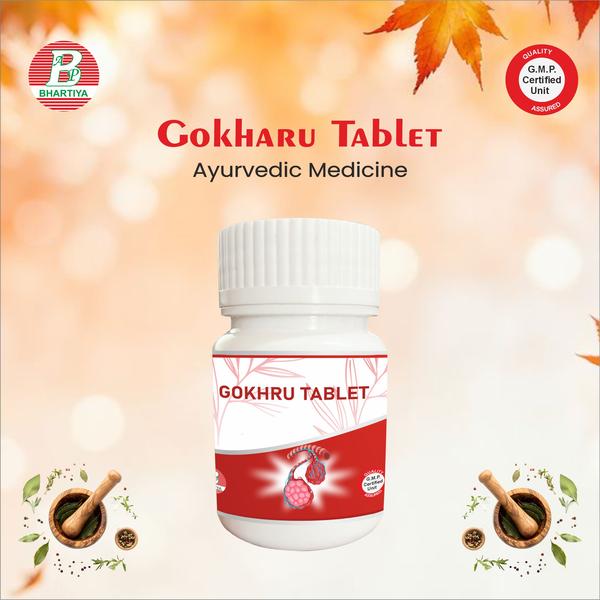
           🌿 GOKHRU (Tribulus terrestris L.) 🌿          The Rejuvenative & Aphrodisiac Herb — “Gokhru” (Cow’s Testicle Plant)Gokhru, known as Gokshura or Pashanabheda in Sanskrit, is a highly revered herb in Ayurveda for urinary, reproductive, and musculoskeletal health. It is considered a Medhya, Vrishya, and Rasayana herb. Classical texts describe Gokhru as a “Mutravirechaka and Shukrala Rasayana,” promoting vitality, reproductive health, and strength.🌿 BOTANICAL INFORMATION OF GOKHRU•	Scientific Name: Tribulus terrestris L.•	Synonyms: Gokhru, Pashanabheda, Gokshura•	Family: Zygophyllaceous•	Order: Zygophyllales•	Genus: Tribulus•	Species: terrestris•	Common Names:o	Sanskrit: Gokshura, Pashanabhedao	Hindi: Gokhruo	English: Caltrop, Tribuluso	Tamil: Kottamalli, Nalla Gokhruo	Telugu: Gokhru   o	Malayalam: Gokhruo	Kannada: Gokhru🌿 SYNONYMS IN CLASSICAL AYURVEDIC TEXTS•	Charaka Samhita: Gokshura, Vrishya, Shukrala•	Sushruta Samhita: Gokhru, Mutravirechaka, Vatahara•	Bhavaprakasha Nighantu: Pashanabheda, Gokshura, Medhya•	Dhanvantari Nighantu: Gokhru, Shukrala, VrishyaGokhru is traditionally associated with urinary tract support, reproductive health, aphrodisiac effects, and Vata-Pitta balancing.🌿 MORPHOLOGY OF GOKHRU•	Plant: Small, trailing, herbaceous annual, 30–60 cm tall•	Stems: Prostrate, branched, with spiny stipules•	Leaves: Opposite, pinnate, small leaflets, oblong•	Flowers: Yellow, small, axillary•	Fruit: Hard, spiny, globular capsule, 4–5 mm diameter•	Seeds: 1–3 per fruit, brown, kidney-shaped🌿 ECOLOGICAL PREFERENCES•	Climate: Tropical and subtropical, drought-resistant•	Soil: Sandy, rocky, dry soils•	Habitat: Fields, wastelands, roadsides•	Altitude: Sea level to 1,500 m🌿 GEOGRAPHICAL DISTRIBUTION•	India: Widely distributed in Rajasthan, Gujarat, Maharashtra, Uttar Pradesh, Madhya Pradesh•	Outside India: Pakistan, China, Middle East, Mediterranean, Africa🌿 CLASSICAL AYURVEDIC PROPERTIES (RASA–GUNA–VIRYA–VIPAKA)•	Rasa (Taste): Tikta (bitter), Kashaya (astringent)•	Guna (Qualities): Laghu (light), Ruksha (dry)•	Virya (Potency): Ushna (hot)•	Vipaka (post-digestive effect): Madhura (sweet)•	Dosha Effects: Tridoshaghna, especially Vata & Kapha-shamaka, Pitta-hara in excess🌿 THERAPEUTIC ACTIONS ACCORDING TO AYURVEDA (KARMA)1.	Vrishya: Aphrodisiac, enhances libido, fertility, and Shukra dhatu2.	Mutravirechaka: Diuretic, supports kidney and urinary tract3.	Vatahara: Relieves joint pain, gout, and musculoskeletal disorders4.	Medhya: Supports cognitive function and vitality5.	Rasayana: Rejuvenative, promotes overall strength and immunity6.	Hridya: Supports cardiovascular health7.	Kantya/Keshya: Improves skin and hair quality🌿 INDICATIONS•	Urinary System: Kidney stones, dysuria, urinary tract infections•	Reproductive System: Low libido, infertility, sperm quality improvement•	Musculoskeletal System: Gout, arthritis, Vata disorders•	Metabolism & Immunity: Rejuvenation, general debility•	Cardiovascular: Hypertension support🌿 MODERN PHARMACOLOGY & PHYTOCHEMISTRY•	Major Constituents: Saponins (Tribulosin, Protodioscin), Flavonoids, Alkaloids, Sterols, Glycosides•	Pharmacological Actions:o	Diuretic and kidney-protectiveo	Aphrodisiac and fertility-enhancingo	Anti-inflammatory and analgesico	Antioxidant and cardioprotectiveo	Hepatoprotective and immunomodulatory🌿 CULTIVATION DETAILS•	Propagation: Seeds, stem cuttings•	Sowing Time: Monsoon (June–July)•	Spacing: 30–40 cm between plants•	Irrigation: Moderate, drought-tolerant•	Fertilization: Organic manure•	Harvesting: Fruits and roots collected during dry season; leaves as required🌿 CLASSICAL DOSAGE (According to Ayurvedic Granthas)•	Churna (Powder): 1–3 g•	Swarasa (Juice): 10–20 ml•	Kwatha (Decoction): 40–60 ml•	Avaleha (Paste/Lehyam): 5–10 g•	Capsules/Tablets: As per preparation🌿 CLASSICAL AYURVEDIC FORMULATIONS CONTAINING GOKHRU1.	Gokhru Churna: Diuretic, urinary tract support, anti-urolithic2.	Gokhru Kwatha: Kidney stone and urinary cleansing3.	Gokhru Avaleha / Rasayana: Rejuvenative, aphrodisiac4.	Gokhru Capsules/Tablets: Standardized modern dosage forms for vitality and urinary health5.	Gokhru Taila: Joint pain, Vata disorders, topical application🌿 SAFETY & PRECAUTIONS•	Generally safe when used in classical doses•	Avoid excessive use in dehydration or severe kidney disorders•	Use cautiously in hypotensive or pregnant patients•	Monitor blood sugar if diabetic🌿 GOKHRU (Tribulus terrestris L.) FORMULATIONS – BHARTIYA AYURVEDIC PHARMACY 🌿Bhartiya Ayurvedic Pharmacy prepares a range of Gokhru formulations following classical Ayurvedic principles described in Charaka Samhita, Sushruta Samhita, Bhavaprakasha Nighantu, and other texts. Each product is designed to retain the full rejuvenative, diuretic, aphrodisiac, and urinary-supportive properties of Gokhru.🌿 1. Gokhru TabletDescription:A modern, convenient dosage form containing standardized Gokhru (Tribulus terrestris) extract. Ideal for daily use to support urinary, reproductive, and vitality health.Key Actions:•	Tridoshic Rasayana: Balances Vata, Pitta, Kapha•	Supports urinary tract and kidney function•	Enhances reproductive health, libido, and fertility•	Strengthens joints and musculoskeletal system•	Improves immunity and vitalityDosage:•	1–2 tablets twice daily after meals with warm water, or as directedPrecautions:•	Avoid excessive use in severe kidney disorders•	Use under supervision during pregnancy•	Monitor blood sugar if diabetic
GOKHRU TABLET

INR 68 INR 135
You Save 49.63%

VIEW DETAILS
                      💊 ASTHONIL TABLET (SUGAR COATED) 💊Product Identification•	Generic Name: Asthonil Tablet•	Type: Ayurvedic Patent Medicine•	Primary Indication Area: Respiratory System Disorders Therapeutic IndicationsAsthonil tablet is marketed as beneficial for diseases related to the lungs and respiration. Key indications include:•	Bronchial Asthma: Chronic disease affecting the airways.•	Chronic Obstructive Pulmonary Disease (COPD): Long-term progressive lung diseases.•	Bronchitis: Inflammation of the bronchial tubes.•	Chronic and Allergic Cough: Persistent coughs or coughs triggered by allergens.•	Cold, Congestion, and Sinusitis: Relief from common upper respiratory symptoms.•	Dyspnoea: Difficulty in breathing or shortness of breath.Ingredients:🌿SOMLATA 🍂Botanical / Common Name: Sarcostemma acidum / SomlataKey Constituents: Alkaloids, Flavonoids, GlycosidesMechanism of Action in Respiratory Disorders (Biochemistry / Pharmacology) 1.  Bronchodilation (Airway Relaxation)•	Alkaloids in Somlata interact with β-adrenergic receptors and/or inhibit cholinergic-mediated bronchoconstriction, leading to relaxation of bronchial smooth muscles.•	Result: Widening of airways, improved airflow, relief in asthma and bronchospasm.2. Expectorant / Mucus Clearance•	Bioactive compounds stimulate the mucociliary apparatus in the respiratory tract.•	Enhance secretion of watery mucus and reduce viscosity of phlegm.•	Biochemical effect: Improves mucus transport and clearance, reducing airway obstruction.Use : useful in acute and chronic bronchitic.Dosage :1 to 2 tablet thrice a day with ark saunfor water or as directed by the physician🌿APAMARG 🍂Botanical / Common Name: Achyranthes aspera / Apamarg Panchang (whole plant)Key Phytoconstituents:•	Saponins – Anti-inflammatory, mucolytic•	Alkaloids – Bronchodilator, antispasmodic•	Tannins – Astringent, reduces irritation•	Flavonoids – Antioxidant, anti-inflammatory•	Polysaccharides – Soothing to mucosaMechanism of Action in Respiratory Disorders (Biochemistry / Pharmacology)1.	Expectorant / Mucolytic Actiono	Stimulates mucociliary activity in the bronchi.o	Loosens thick mucus for easier expulsion.o	Reduces airway obstruction in bronchitis and chronic cough.2.	Anti-inflammatory Effecto	Inhibits pro-inflammatory mediators like histamines, prostaglandins, and leukotrienes.o	Reduces swelling of bronchial mucosa, helpful in asthma, sinusitis, and allergic cough.🌿AAK 🍂Botanical / Common Name: Calotropis gigantea / AakKey Phytoconstituents:•	Cardiac glycosides (e.g., calotropin)•	Flavonoids•	Triterpenoids•	Latex proteins•	AlkaloidsMechanism of Action in Respiratory Disorders (Biochemistry / Pharmacology)1.	Antitussive (Cough Suppression)o	Reduces cough reflex sensitivity by acting on the respiratory tract mucosa.o	Helps in persistent and chronic coughs, including dry coughs.2.	Anti-inflammatory Actiono	Flavonoids and triterpenoids inhibit pro-inflammatory mediators (histamines, prostaglandins, leukotrienes).o	Reduces inflammation of bronchial mucosa, easing symptoms of bronchitis and asthma.🌿KANTKARI 🍂Botanical / Common Name: Solanum xanthocarpum / Kantakari / Yellow-berried NightshadeKey Phytoconstituents:•	Steroidal alkaloids (e.g., solasodine, solanine)•	Saponins•	Flavonoids•	Glycosides•	Volatile oilsMechanism of Action in Respiratory Disorders (Biochemistry / Pharmacology)1.	Bronchodilator / Airway Relaxationo	Alkaloids relax bronchial smooth muscles, widening airways.o	Reduces bronchospasm in asthma and COPD.2.	Expectorant / Mucus Clearanceo	Saponins and glycosides stimulate bronchial glands, increasing secretion of thin mucus.o	Facilitates easy expulsion of phlegm in bronchitis, chronic cough, and sinusitis.🌿SAT PUDINA 🍂Botanical / Common Name: Mentha arvensis / Sat Pudina / Field MintKey Phytoconstituents:•	Menthol•	Menthone•	Flavonoids•	Essential oils (cineole, carvone)Mechanism of Action in Respiratory Disorders (Biochemistry / Pharmacology)1.	Decongestant / Cooling Actiono	Menthol and volatile oils provide a cooling sensation and mild vasodilation in nasal and bronchial mucosa.o	Helps relieve nasal and chest congestion, easing airflow in sinusitis, cold, and bronchitis.2.	Mild Bronchodilatoro	Menthol relaxes smooth muscles of the airways to a small extent.o	Supports ease of breathing in mild bronchospasm.🌿NEELGIRI OIL 🍂Botanical / Common Name: Eucalyptus globulus / Neelgiri OilKey Phytoconstituents:•	1,8-Cineole (Eucalyptol) – major component•	Alpha-pinene•	Limonene•	FlavonoidsMechanism of Action in Respiratory Disorders (Biochemistry / Pharmacology)1.	Expectorant / Mucus Clearanceo	1,8-Cineole stimulates mucociliary activity in the bronchial tract.o	Loosens thick mucus, facilitating easier expulsion of phlegm.o	Beneficial in bronchitis, chronic cough, and sinus congestion.2.	Anti-inflammatory Actiono	Cineole and flavonoids inhibit pro-inflammatory mediators (e.g., histamine, prostaglandins, leukotrienes).o	Reduces swelling of the bronchial and nasal mucosa, easing breathing.✨ABHRAK BHASMA✨Name:•	Abhrak Bhasma (Incinerated Mica) – an Ayurvedic mineral preparationKey Constituents:•	Silica (SiO₂)•	Aluminium compounds•	Iron oxides•	Trace minerals (depending on preparation method)Mechanism of Action in Respiratory Disorders (Biochemistry / Pharmacology)1.	Immunomodulatory / Rasayana Effecto	Abhrak Bhasma is considered a Rasayana in Ayurveda, meaning it supports body strength, immunity, and respiratory vitality.o	Enhances the body’s resistance to recurrent respiratory infections like bronchitis and cold.2.	Bronchodilator / Respiratory Supporto	Traditional use suggests mild relaxation of bronchial smooth muscles, supporting airflow in chronic respiratory conditions.
ASTHONIL TABLET

INR 48 INR 96
You Save 50%

VIEW DETAILS
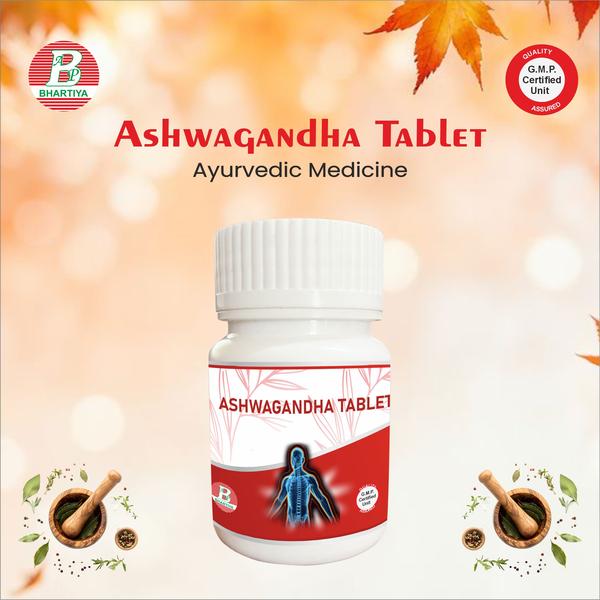
      🌿 ASHWAGANDHA (Withania somnifera / Indian Ginseng) 🌿                     The Rejuvenating, Strength-Giving & Adaptogenic Herb of AyurvedaAshwagandha, also known as Indian Ginseng, is a highly revered herb in Ayurveda, valued for its adaptogenic, rejuvenating, and restorative properties. The name “Ashwagandha” means “smell of horse,” signifying its ability to impart strength, vitality, and stamina. In Ayurveda, it is described as Balya, Rasayana, Medhya, Vajikarana, Jwaraghna, and Chakshushya. It is widely used for stress, anxiety, fatigue, low immunity, sexual weakness, cognitive enhancement, inflammation, and chronic diseases.🌿 BOTANICAL INFORMATION•	Scientific Name: Withania somnifera•	Family: Solanaceae•	Order: Solanales•	Genus: Withania•	Species: somnifera•	Common Names:o	Sanskrit – Ashwagandha, Rasayanao	Hindi – Ashwagandhao	English – Indian Ginseng, Winter Cherryo	Tamil – Amukkarao	Telugu – Ksheeravallario	Malayalam – Amukkarao	Kannada – Aswagandhao	Bengali – Aswagandha•	Types / Varieties:1.	Shweta (White root variety)2.	Raktapushpi (Red-flowered variety)3.	Sita (Medicinal root-rich variety)🌿 SYNONYMS FROM AYURVEDIC NIGHANTUS•	Bhavaprakasha: Ashwagandha, Rasayana, Vajikarana•	Dhanvantari Nighantu: Ashwagandha, Mahashweta•	Kaiyadeva Nighantu: Ashwagandha, Balya, Medhya•	Raja Nighantu: Ashwagandha, Vajikarana🌿 MORPHOLOGY•	Plant Type: Erect, woody perennial shrub•	Stem: Woody, pale green to brown, slightly hairy•	Leaves: Simple, ovate, gray-green, soft, slightly hairy•	Flowers: Small, greenish-yellow, bell-shaped•	Roots: Thick, tuberous, aromatic•	Fruits: Small red berries containing seeds🌿 ECOLOGICAL PREFERENCES•	Climate: Tropical & subtropical•	Soil: Well-drained, sandy-loamy•	Sunlight: Full sun to partial shade•	Moisture: Moderate•	Altitude: Up to 1500 m•	Habitat: Cultivated fields, home gardens, wild areas🌿 DISTRIBUTIONWidely found throughout India, particularly in Madhya Pradesh, Rajasthan, Uttar Pradesh, and southern states. Also present in Nepal, Sri Lanka, and parts of Africa; cultivated worldwide due to medicinal importance.🌿 CLASSICAL AYURVEDIC PROPERTIES•	Rasa: Madhura (sweet), Tikta (bitter)•	Guna: Guru (heavy), Snigdha (unctuous)•	Virya: Ushna (hot)•	Vipaka: Madhura (sweet)•	Dosha Effect: Vata-Kapha shamaka•	Karma (Therapeutic Actions):Balya, Rasayana, Medhya, Vajikarana, Jwaraghna, Chakshushya, Shothahara, Agnivardhana🌿 HISTORICAL REFERENCES & STORIES•	Vedic Era: Mentioned as a strength-giving and rejuvenating herb.•	Charaka Samhita: Used for weakness, Vata disorders, low immunity, cognitive enhancement.•	Sushruta Samhita: Recommended for chronic diseases, wounds, debility, and sexual weakness.•	Bhavaprakasha Nighantu: Praised for Balya, Rasayana, Medhya, Vajikarana effects.•	Story: Traditionally given to warriors before battle to enhance vitality and stamina.🌿 MODERN PHYTOCHEMISTRYContains Withanolides, Withaferin A, Alkaloids (Withanine), Saponins, Flavonoids, Steroidal lactones, Iron, and Amino acids.🌿 CULTIVATION•	Propagated by seeds or root cuttings.•	Requires well-drained soil, sunlight, and moderate irrigation.•	Harvested after 150–180 days for root use.🌿 CLASSICAL DOSAGE (ACCORDING TO GRANATHAS)•	Ashwagandha Churna (Powder): 3–6 g, twice daily•	Ashwagandha Swarasa (Juice): 10–20 ml, 1–2 times daily•	Ashwagandha Kwatha (Decoction): 30–50 ml, twice daily•	Ashwagandha Patra (Leaves): 5–10 fresh leaves daily•	Ashwagandha Ark: 10–20 ml daily•	Ashwagandha Tablet / Capsule: 1–2 tablets/capsules twice daily with warm water after meals🌿 THERAPEUTIC INDICATIONSWeakness, fatigue, stress, anxiety, insomnia, low immunity, sexual debility, arthritis, Vata disorders, cognitive decline, chronic fever, inflammation, heart weakness.🌿 SAFETY & PRECAUTIONS•	Generally safe in recommended doses.•	Avoid high doses during pregnancy and lactation.•	Caution in hyperthyroidism or gastric ulcers.•	Suitable for long-term use in small doses.Classical Formulations: Ashwagandha with Ghee, Milk, Honey, Chyawanprash, Guduchi, Shatavari – used for rejuvenation, immunity, stress relief, and strength.🌿 Ashwagandha Formulations by Bhartiya Ayurvedic PharmacyAt Bhartiya Ayurvedic Pharmacy, we prepare a range of Ashwagandha (Withania somnifera) formulations following classical Ayurvedic methods as described in Charaka Samhita, Sushruta Samhita, Bhavaprakasha Nighantu, and other Ayurvedic Granthas. Each product is crafted to retain the therapeutic potency, purity, and efficacy of the herb, ensuring benefits for stress relief, immunity, sexual and cognitive health, and overall rejuvenation.1. ASHWAGANDHA TABLET•	Dosage: 1–2 tablets twice daily after mealsIndications•	Fatigue and general weakness•	Stress and anxiety•	Low immunity and recurrent infections•	Arthritis and Vata disorders•	Sexual weakness and reproductive health support•	Cognitive enhancement, memory and concentration•	Chronic debility and convalescence after illness
ASHWAGANDHA TABLET

INR 135 INR 270
You Save 50%

VIEW DETAILS
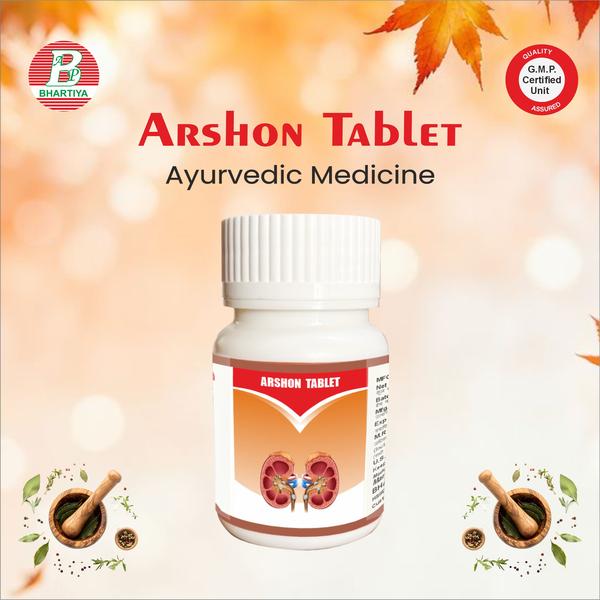
Product Identification•	Generic Name: Arshon Tablet•	Type: Ayurvedic Patent Medicine•	Primary Indication Area: Piles (Babasir / Hemorrhoids)Therapeutic IndicationsArshon Tablet is traditionally used for the management of Babasir (Piles / Hemorrhoids). Key benefits include:•	Pain Relief: Reduces pain and discomfort in swollen hemorrhoids•	Bleeding Control: Helps manage bleeding from hemorrhoids (Raktasrava)•	Anti-inflammatory: Reduces swelling, irritation, and inflammation in the anal region•	Constipation Support: Regulates bowel movements to reduce straining and pressure•	Soothing & Healing: Supports healing of irritated or inflamed anal tissueUse : Piles, canker sores, fistulas, blood purifier and bloodpurifier, soothes burning sensation and dries warts.Dosage:Take 2 to 2 tablets twice a day withlassi or water and as directed by the physicianIngredients:🌿 REETHA 🍂Botanical / Common Name- Sapindus mukorossiKey Phytoconstituents: Saponins (primary active compounds)•	Flavonoids•	Tannins•	Phenolic compoundsMechanism of Action of reetha in Piles / Babasir (Biochemistry / Pharmacology)1.	Anti-inflammatory Action•	Tannins and flavonoids inhibit pro-inflammatory mediators (e.g., prostaglandins, histamines, leukotrienes) in the affected anal tissue.•	Reduces swelling, pain, and local irritation caused by inflamed hemorrhoidal veins.2.	Astringent Effect•	Tannins cause protein precipitation in the mucosa, which tightens tissues and reduces bleeding from hemorrhoids.•	Helps strengthen capillaries and venous walls, preventing further engorgement.🌿 RASONT SHUDH 🍂Botanical / Common Name -Berberis aristata (Rasont / Indian Barberry)  Key Phytoconstituents:•	Alkaloids: Berberine, Palmatine•	Flavonoids•	Tannins•	Phenolic compoundsMechanism of Action of shudh Rasont in Piles / Babasir (Biochemistry / Pharmacology)1.	Anti-inflammatory Actiono	Berberine and flavonoids inhibit pro-inflammatory mediators such as prostaglandins, leukotrienes, and cytokines.o	Reduces swelling, redness, and irritation in hemorrhoidal tissue.2.	Venotonic / Vascular Supporto	Strengthens capillary and venous walls, reducing engorgement and preventing bleeding from hemorrhoids.🌿 NEEM BEEJ 🍂Botanical / Common Name: Azadirachta indica (Neem Seeds)Key Phytoconstituents:•	Limonoids (e.g., Nimbin, Nimbidin, Azadirachtin)•	Flavonoids•	Tannins•	Polyphenols•	Essential fatty acidsMechanism of Action of neem beej in Piles / Babasir (Biochemistry / Pharmacology)1. Anti-inflammatory Actiono	Limonoids (nimbin, nimbidin) suppress prostaglandins, leukotrienes, and cytokines. Reduces swelling, irritation, and inflammatory pain in hemorrhoidal tissue.2. Antimicrobial / Antiseptic Effecto	Limonoids, tannins, and azadirachtin show broad antibacterial & antifungal action. Prevents secondary infection in cracked, bleeding, or irritated hemorrhoids.🌿 SHUDH GUGGUL 🍂Botanical / Common Name: Commiphora mukul (Purified Guggul Resin)Key Phytoconstituents• Guggulsterones (E- & Z-guggulsterone)• Terpenoids (myrrhanol, mukulol)• Resin acids• Flavonoids• Volatile oils• PolysaccharidesMechanism of Action of shudh guggul in Piles / Babasir (Biochemistry / Pharmacology)1.Anti-inflammatory Actiono	Guggulsterones inhibit NF-κB, reducing TNF-α, IL-1β, IL-6, prostaglandins & leukotrienes. Decreases swelling, redness, and inflammatory pain in hemorrhoidal veins.2. Venotonic / Vascular-Strengthening Effecto	Terpenoids improve venous tone, reduce capillary fragility, and enhance microcirculation. Shrinks engorged hemorrhoidal veins and reduces congestion🌿NAGKESAR🍂Botanical / Common Name: Mesua ferrea / Nagkesar / Ironwood TreeKey Phytoconstituents:•	Tannins•	Flavonoids•	Phenolic compounds•	Essential oils•	Xanthones•	CoumarinsMechanism of Action of nagkesar in Piles / Babasir (Biochemistry / Pharmacology)1. Hemostatic / Anti-bleeding Actiono	Tannins in Nagkesar cause protein precipitation, strengthening local capillaries.o	Reduces bleeding in haemorrhagic piles.2. Astringent / Venotonic Effecto	Flavonoids and phenolic compounds tighten tissues and strengthen veins. Shrinks swollen hemorrhoidal veins.🌿HARAD🍂Botanical / Common Name: Terminalia chebula / Harad / Chebulic MyrobalanKey Phytoconstituents (Names Only):•	Tannins•	Chebulinic acid•	Chebulagic acid•	Gallic acid•	Ellagic acid•	Flavonoids•	Glycosides•	SugarsMechanism of Action of harad in Piles / Babasir (Biochemistry / Pharmacology)1. Astringent / Venotonic Effecto	Tannins and polyphenols cause protein precipitation and tissue contraction. Strengthens anal veins and reduces hemorrhoidal swelling2. Hemostatic Actiono	Tannins and chebulinic acid help constrict capillaries.Controls minor bleeding in bleeding piles
ARSHON TABLET

INR 48 INR 96
You Save 50%

VIEW DETAILS
Digestive System-Acidity, Indigestion, Constipation, Hyperacidity, IBS, Loss of appetiteRespiratory System-Cough, Cold, Allergies, Asthma (as part of formulations)Reproductive & Urinary System-Semen quality improvement, Strengthens bladderSkin & Hair-Brightens complexion, Anti-aging, Reduces pigmentation, Promotes hair growthMetabolism-Diabetes, Obesity, High cholesterolNervous System-Memory loss, Fatigue, Stress
AMLA TABLET

INR 48 INR 96
You Save 50%

VIEW DETAILS
Suntex capsule 20-cap

INR 120 INR 240
You Save 50%

VIEW DETAILS
Shakti Pills  Useful in General Physical Weakness. Prostration and Fatigur, AnaemiaAnxiety, Cleeplesness, Neurasthenia.
Shakti Pills 50-Pills

INR 225 INR 450
You Save 50%

VIEW DETAILS

Filter using tags

Hingul Bhasma

INR 51 INR 102
You Save 50%

INR 90 INR 180
You Save 50%

INR 270 INR 540
You Save 50%

INR 90 INR 180
You Save 50%

INR 36 INR 72
You Save 50%

INR 68 INR 135
You Save 49.63%

INR 48 INR 96
You Save 50%

INR 135 INR 270
You Save 50%

INR 48 INR 96
You Save 50%

INR 48 INR 96
You Save 50%

INR 120 INR 240
You Save 50%

INR 225 INR 450
You Save 50%

Have any question or need any business consultation?

Have any question or need any business consultation?

Contact Us