


Description
Product details
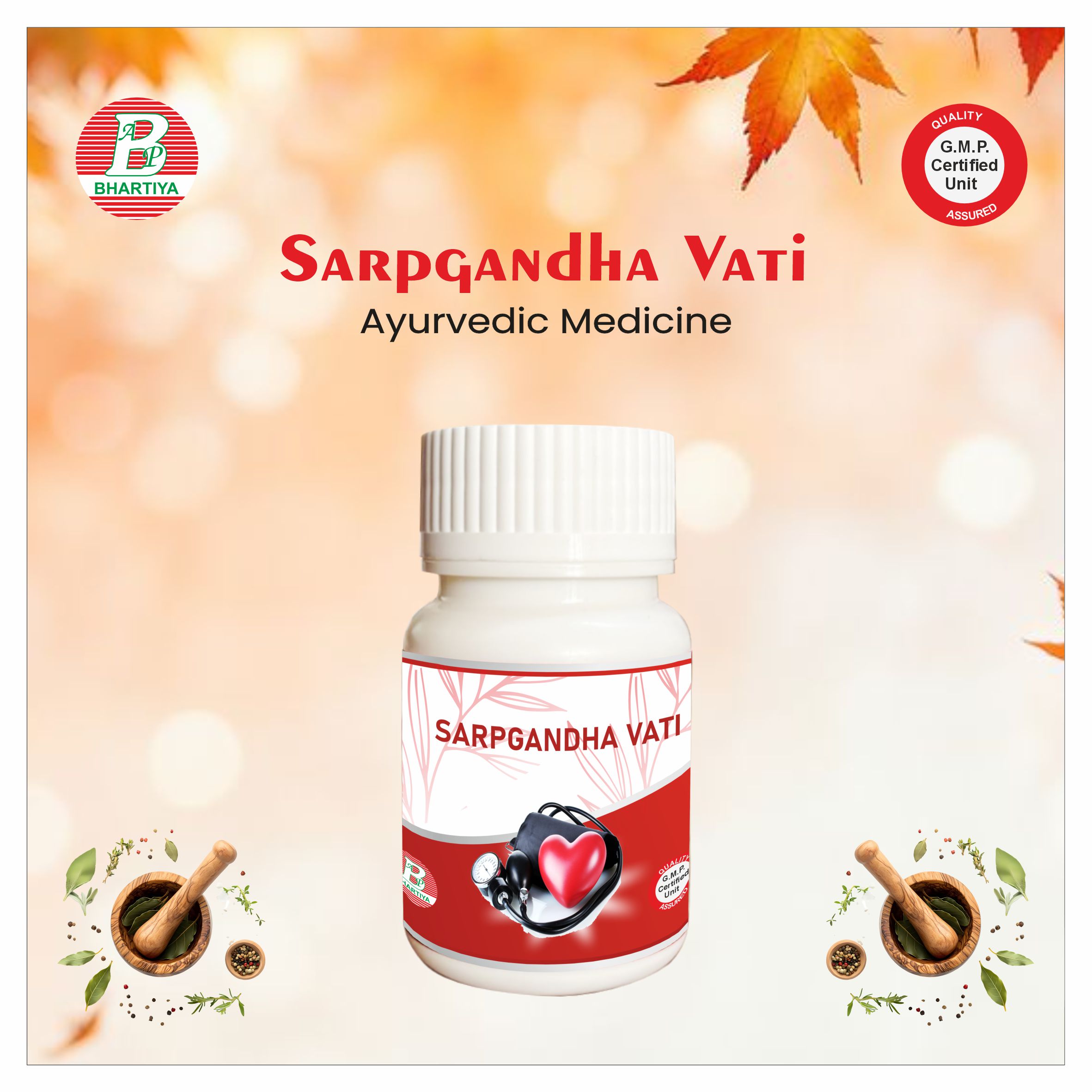
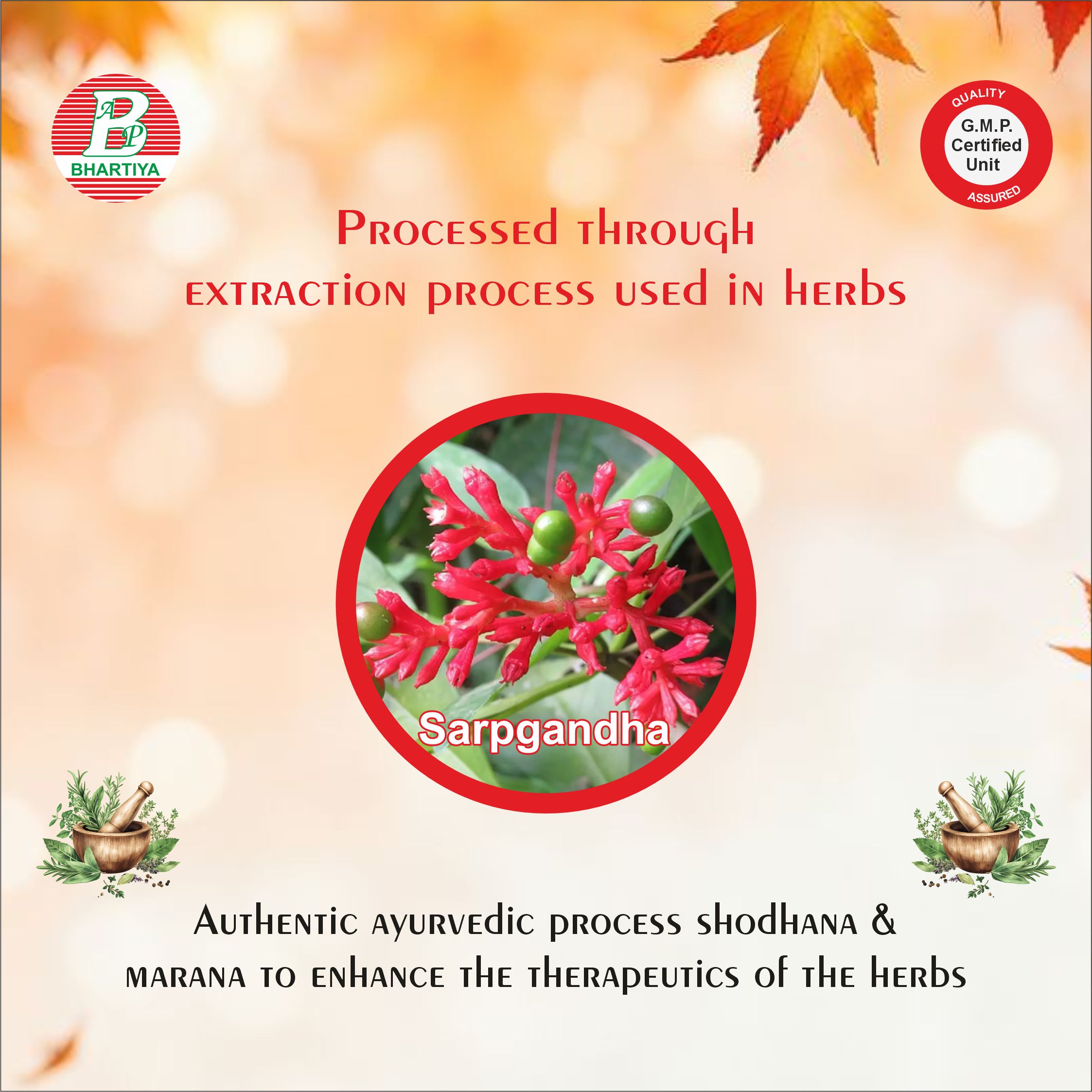
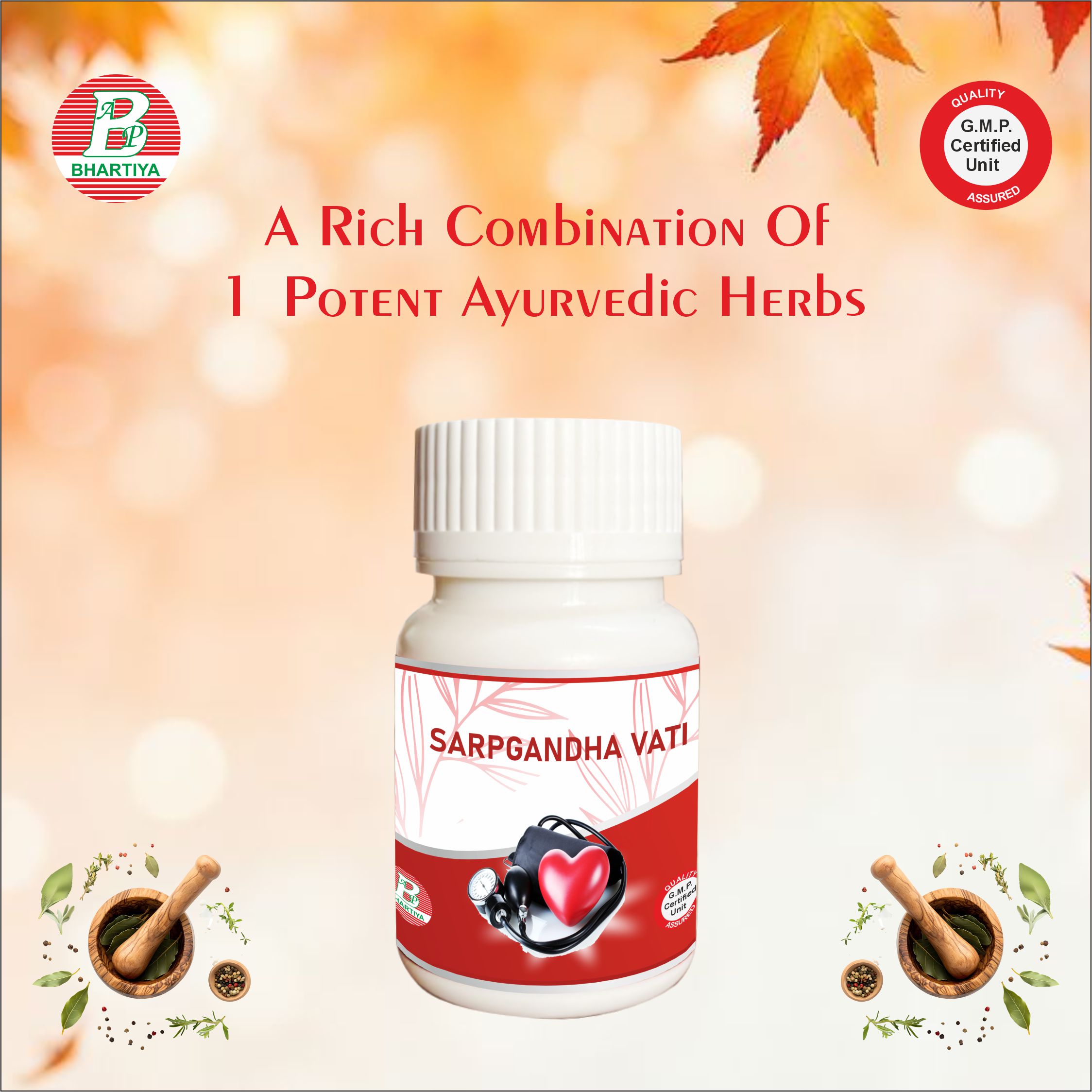
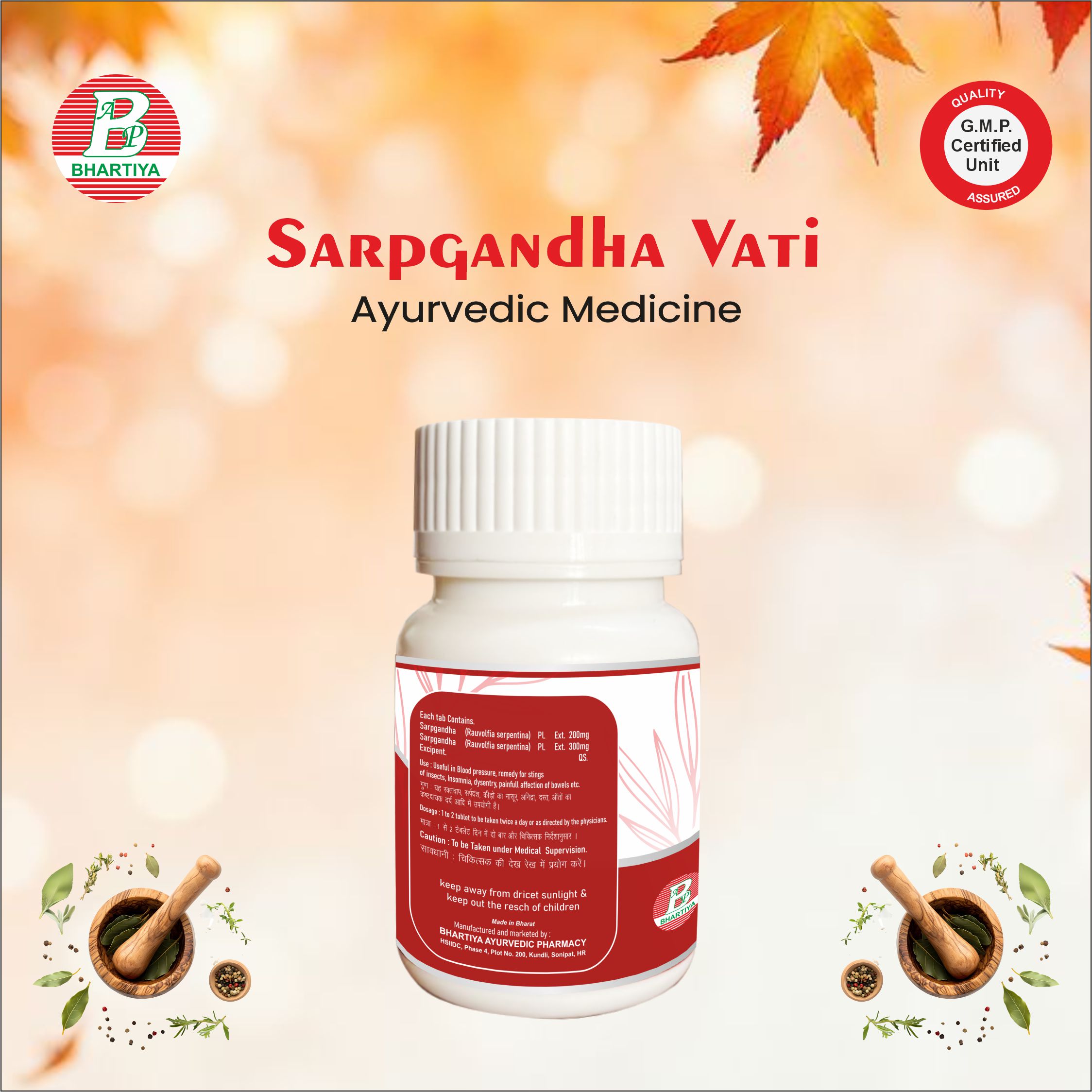
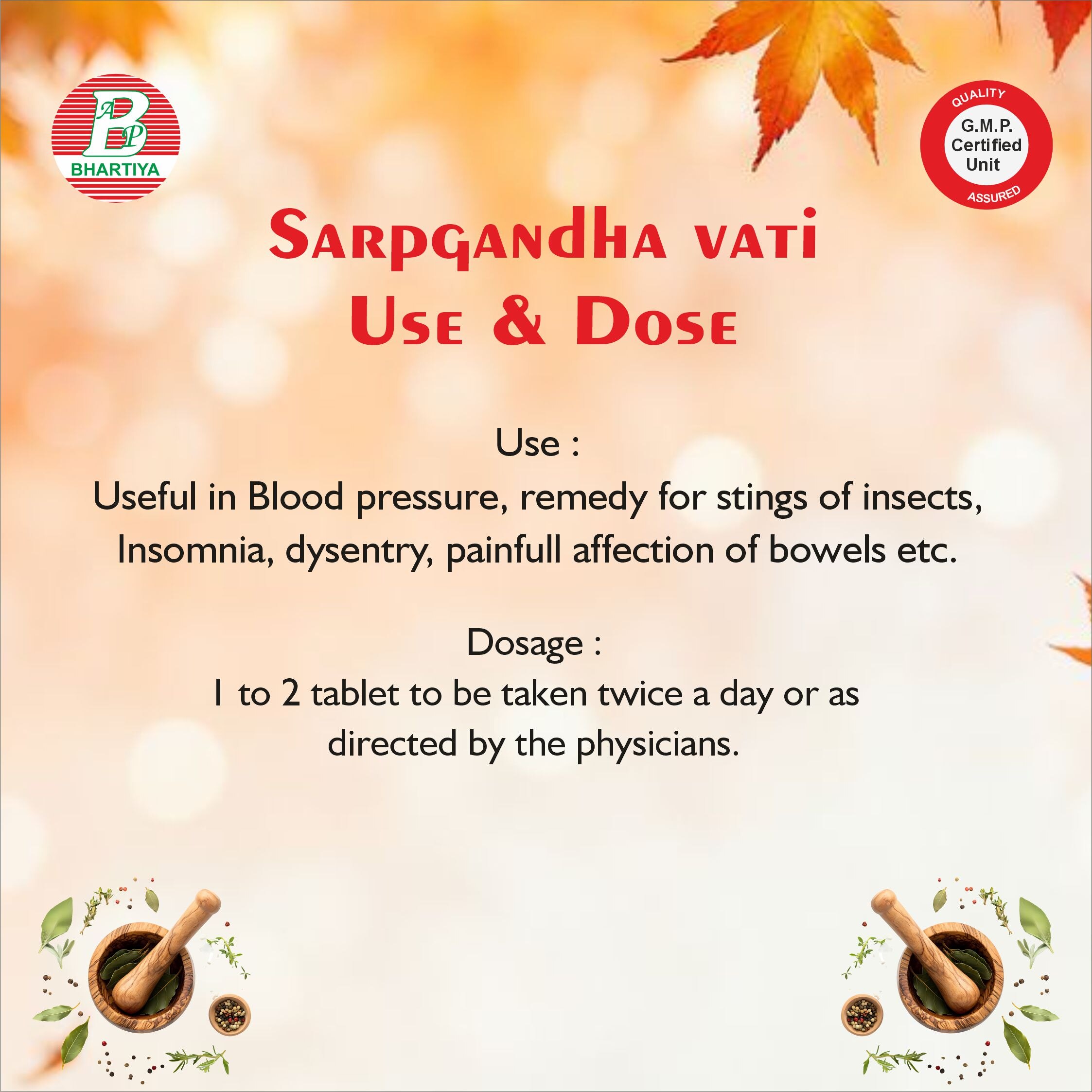
Sarpagandha (Rauwolfia serpentina) The Serpent Root Herb with Profound Calming & Healing Power Sarpagandha is one of the most potent and revered herbs in Ayurveda, known for its deep action on the nervous system, mind, blood pressure, and toxic conditions. The name Sarpagandha literally means “the plant with a smell like a serpent” or “the herb that can subdue snake-like disorders”, symbolising its legendary power in calming, controlling, and neutralizing deep-rooted imbalances. Ayurveda classifies Sarpagandha as: • Stambhana (stabilizing, controlling) • Nidrajanana (induces sleep) • Vedanasthapana (analgesic) • Sarpavisha hara (anti-venom / toxic disorders) • Manas dosha hara (reduces mental disturbances) • Hṛidya (supports the heart) It is highly beneficial in managing high blood pressure, insomnia, anxiety, restlessness, mental agitation, certain psychotic disorders, and snake-bite toxic conditions (traditionally). Botanical Information of Sarpagandha Scientific Name: Rauwolfia serpentina (Linn.) Family: Apocynaceae Order: Gentianales Genus: Rauwolfia Species: serpentina Common Names • Sanskrit: Sarpagandha, Chandrabhaga, Kundali, Sarpasandhi, Nakuli • Hindi: Sarpagandha • English: Indian Snakeroot, Serpent Root • Tamil: Sivanar Vembu • Telugu: Patalagandhi • Malayalam: Paathalgaruda • Kannada: Sarpagandhi • Bengali: Sarpagandha Synonyms from Nighantus • Bhavaprakasha: Sarpagandha, Chandrika, Kundali • Dhanvantari Nighantu: Nakuli, Sarpasandhi • Kaiyadeva Nighantu: Sarpagandha, Ganda Naga • Raja Nighantu: Sarpagandha, Patalagandhi Morphology of Sarpagandha (Rauwolfia serpentina) Plant Type Perennial, erect, smooth herb Stem • Slender, erect, slightly woody at the base • Dark green with smooth texture Leaves • Simple, opposite or whorled (3–4 in a circle) • Lanceolate, smooth, shining • Dark green above, light beneath Flowers • Small, white or pinkish • Arranged in terminal or axillary cymes Roots • Long, slender, cylindrical • Dark brown externally, white inside • Medicinally most important part • Characteristic serpentine smell (hence Sarpagandha) Fruits • Small, globose drupes • Purplish-black on ripening Habit • Slow-growing but hardy • Develops best under semi-shade conditions Ecological Preferences • Climate: Tropical and subtropical • Soil: Moist, fertile, well-drained soil (prefers humus-rich loam) • Sunlight: Partial shade preferred • Moisture: Requires consistent moisture • Altitude: Up to 1200 m • Habitat: Forest edges, moist slopes, shaded plantations Distribution • India: Common in the Himalayan foothills, Northeastern states, Bengal, Western Ghats, Odisha, and Central India • Asia: Nepal, Bhutan, Bangladesh, Myanmar, Sri Lanka, Thailand • Other Regions: Widely distributed in Southeast Asia Classical Ayurvedic Properties of Sarpagandha • Rasa (Taste): Tikta (bitter), Kashaya (astringent), Madhura (slightly sweet) • Guna (Quality): Laghu (light), Ruksha (dry), Tikshna (penetrating) • Virya (Potency): Ushna (hot) • Vipaka: Katu (pungent) • Dosha Effect: Kapha-Vata hara, pacifies Raja & Tama (mental doshas) Karma (Therapeutic Actions) • Nidrajanana – induces sleep • Unmadahara – reduces psychotic symptoms • Sarpavisha hara – mitigates snake/poison effects (traditional use) • Raktachapa hara – reduces high blood pressure • Stambhana – stabilizes nervous system • Anulomana – improves digestive and nervous coordination Historical & Grantha-Based Story/References of Sarpagandha 1. Mention in Ancient Texts Sarpagandha is described in: • Charaka Samhita (Chikitsa Sthana) under Unmada (psychosis) treatment • Sushruta Samhita under Sarpavisha Chikitsa (snake poisoning) • Bhavaprakasha Nighantu elaborates its use for insomnia, hypertension-like symptoms, and mania • Kaiyadeva Nighantu describes it as a herb that “calms the mind and controls the serpent-like movements of Vata in the nerves.” 2. Traditional Story: “The Serpent-Root Legend” Ayurvedic folklore says: “A wandering sage noticed that snakes bitten by other snakes chewed the root of a certain plant and survived.” This plant, believed to be Sarpagandha, was thus discovered in ancient times. The sages concluded that if it could calm a deadly serpent’s venom, it could also calm the “inner serpent” — representing fear, agitation, and disordered nerves in humans. This symbolic meaning led to its name Sarpagandha and its use for toxins, anxiety, agitation, hypertension, and insanity-like states. 3. Use by Ancient Physicians • Acharya Charaka used it in Unmada (psychiatric) conditions. • Acharya Sushruta prescribed it as a supportive herb for harmful bites and severe agitation. • Vagbhata considered it “mind-stabilizing and nerve-controlling.” Modern Phytochemistry Sarpagandha contains powerful alkaloids, especially: 1. Alkaloids (main bioactive class) • Reserpine – antihypertensive, sedative • Ajmaline – antiarrhythmic • Ajmalicine (raubasine) – circulatory and CNS modulator • Serpentine, Yohimbine (traces) 2. Others • Sterols • Carbohydrates • Glycosides • Flavonoids Species of Rauwolfia 1. Rauwolfia serpentina – true Sarpagandha, most potent 2. Rauwolfia tetraphylla – similar but less potent; used in some regions 3. Rauwolfia vomitoria – African species 4. Rauwolfia canescens – mild medicinal use Cultivation • Propagation: Seeds, root cuttings • Planting Season: Monsoon (June–July) • Spacing: 30–45 cm • Watering: Regular moisture needed • Manure: Best with organic compost • Harvesting: Roots collected after 2–3 years • Note: Overharvested in the wild → now commercially cultivated Classical Ayurvedic Dosage (from Granthas) (General, traditional; modern use must be supervised due to potency) • Root Powder (Churna): 250–500 mg once or twice daily • Root Decoction (Kwatha): 30–40 ml • Swarasa (Juice): 5–10 ml Used in: • Insomnia • Mental disorders • Hypertension-like symptoms • Agitation • Toxic disorders (traditional use) Safety & Precautions Sarpagandha is highly potent. • Avoid overdose • Not suitable during pregnancy • Not to be combined with other sedatives or antihypertensive drugs without guidance • Must be used under qualified Ayurvedic supervision Sarpagandha Compound Formulations (Classical): Sarpagandha with Arjuna, Ashwagandha, Brahmi, Shankhapushpi, or Jatamansi—used for hypertension, anxiety, insomnia, nervous disorders, and cardiovascular support, prepared according to classical Ayurvedic methods to retain Rasayana and Medhya properties. Sarpagandha Formulations by Bhartiya Ayurvedic Pharmacy At Bhartiya Ayurvedic Pharmacy, we prepare a range of Sarpagandha formulations following classical Ayurvedic methods as described in Charaka Samhita, Sushruta Samhita, Bhavaprakasha Nighantu, and other Ayurvedic Granthas. Each product is crafted to retain the therapeutic potency, purity, and efficacy of the herb, ensuring benefits for stress relief, blood pressure management, nervous system support, and overall mental well-being. 1. Sarpagandha Vati/Tablet Dose 1 tablet (250–500 mg) twice daily Or 1 tablet at night for sleep disorders Advanced cases: 1 tablet thrice daily (only under supervision) • For hypertension-like symptoms, insomnia • Supports Calmness & Mental Stability • Useful in: Anxiety, Nervousness, Agitation, Irritability, Restlessness, Racing thoughts • Helps balance Rajas and Tamas (mental doshas) and calms Vata in the nervous system. Supports Brain & Nerve Health Helps in: • Reducing excessive nerve excitability • Supporting healthy brain signaling • Promoting alert calmness Used traditionally in unmada chikitsa (Ayurvedic mental health management) benefits of sarpagandha tablet, benefits of sarpagandha tablets best sarpagandha tablet, dosage of sarpagandha tablet how to use sarpagandha, is sarpagandha effective for bp is sarpagandha safe, m sarpagandha mishran m sarpagandha mishran price, m sarpagandha mishran tablet m sarpagandha mishran tablet uses in hindi, m sarpagandha mishran uses m sarpagandha tablet, sarpagandha tablet benefits sarpagandha tablet benefits in hindi, sarpagandha tablet buy online sarpagandha tablet content, sarpagandha tablet dosage sarpagandha tablet dose, sarpagandha tablet fayde sarpagandha tablet flipkart, sarpagandha tablet for sarpagandha tablet hindi, sarpagandha tablet how to use sarpagandha tablet in hindim, sarpagandha tablet india sarpagandha tablet kaise khaye, msarpagandha tablet kaise le sarpagandha tablet ke fayde in hindi, sarpagandha tablet ke side effects sarpagandha tablet kis kaam aata hai, sarpagandha tablet kya kam karti hai sarpagandha tablet near me, sarpagandha tablet online sarpagandha tablet price, sarpagandha tablet price in india sarpagandha tablet review, sarpagandha tablet side effects sarpagandha tablet side effects in hindi, sarpagandha tablet use sarpagandha tablet used for, sarpagandha tablet uses sarpagandha tablet uses and side effects, sarpagandha tablet uses hindi sarpagandha tablet uses in english, sarpagandha tablet uses in hindi sarpagandha tablet when to take, sarpagandha tablets ayurvedic sarpagandha tablets benefits, sarpagandha tablets for blood pressure sarpagandha tablets for blood pressure in hindi, sarpagandha tablets uses sarpagandha use, sarpagandha vati tablet ke fayde sarpagandha vati tablet price, sarpagandha vati tablet side effects sarpagandha vati tablet uses, sarpagandha vati tablet uses in english sarpagandha vati tablet uses in hindi, sarpagandha vati tablet uses in tamil sarpagandha. tablet image, sarpagandhadi tablet uses sarpgandha tablet quality