Preview

This is your website preview.

Currently it only shows your basic business info. Start adding relevant business details such as description, images and products or services to gain your customers attention by using Boost 360 android app / iOS App / web portal.

BHARTIYEAYURVEDICPHARMACY 67810fc344772a6a78a797b9 Products https://www.bhartiyaayurvedicpharmacy.com

Manufacturing test

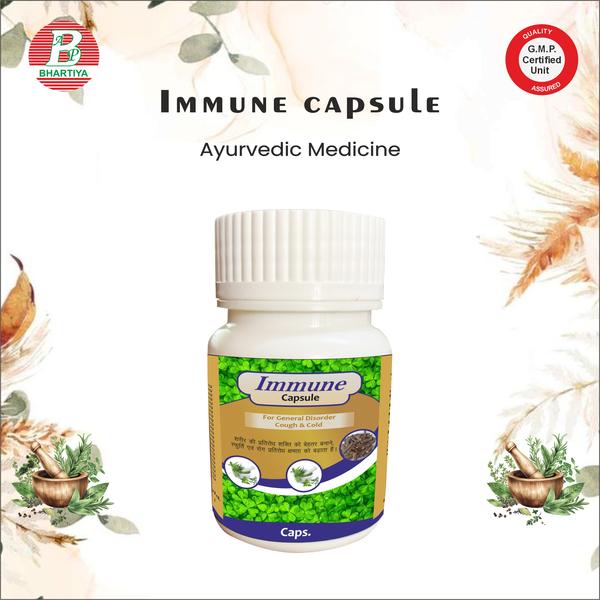
                                       IMMUNE CAPSULE Product Identification•	Generic Name: Immune Capsule•	Type: Ayurvedic Patent Medicine•	Primary Indication Area: Supports Immunity Therapeutic Indications•	Useful in the management of weak immunity and frequent infections.Primary benefits:•	Strengthens the body’s natural defense system•	Supports resistance against common infections like cold, cough, and seasonal illnesses•	Boosts energy and vitality•	Supports respiratory and overall healthOther benefits:•	Rich in Antioxidants: The herbal ingredients in Immune Capsule help neutralize free radicals, protecting cells from oxidative stress and supporting long-term health. This helps slow down cellular damage and boosts overall vitality.•	Supports Digestive Health: A healthy gut is closely linked to strong immunity. The capsule’s herbs help improve digestion, nutrient absorption, and bowel regularity, which indirectly strengthens the immune system.•	Enhances Overall Well-being: By improving energy levels and reducing fatigue, it promotes better physical and mental performance during daily activities.•	Supports Respiratory Health: Certain herbs in the formulation help maintain healthy lungs and respiratory function, reducing susceptibility to infections of the respiratory tract.•	Balances Body Systems: Ayurvedic herbs help maintain harmony in body systems, promoting general wellness and resilience against stress and illness.•	Natural & Gentle: Being herbal and Ayurvedic, it is usually well-tolerated and can be taken regularly as a supportive immunity booster.•	May Reduce Frequency of Infections: Regular use may help lower the risk of recurrent minor infections, supporting long-term immune strength.Ingredients:  Arjun Chhal•	Botanical Name: Terminalia arjuna •	Key Constituents: Key Constituents:•	Tannins•	Flavonoids•	Saponins•	Phenolic compoundsMechanism of action in immunity The antioxidants in Arjun bark fight harmful free radicals.o	This keeps immune cells safe and healthy.2.	Boosts immune cellso	Saponins and flavonoids help immune cells work better.o	They increase antibody production and strengthen the body’s defense.Haldi (Turmeric)Botanical Name: Curcuma longaKey Constituents:•	Curcumin•	Volatile oils (like turmerone)•	Flavonoids•	Phenolic compoundsMechanism of Action in Immunity1.	Protects body cellso	Curcumin is a strong antioxidant that fights free radicals.o	Keeps immune cells healthy and prevents cellular damage.2.	Boosts immune responseo	Stimulates activation of immune cells like T-cells, B-cells, and natural killer (NK) cells.o	Enhances antibody production.Tulsi (Holy Basil) Botanical Name: Ocimum sanctum / Ocimum tenuiflorum Key Constituents: Flavonoids, Phenolic acids, Eugenol, Tannins, Vitamins (C, A)Mechanism of Action as an Antioxidant – Biochemistry / Pharmacology1.	Stops Free Radicals:• Flavonoids and phenolic acids remove harmful molecules called free radicals, protecting cells from damage.2.	Protects Cell Membranes:• Compounds like eugenol prevent damage to cell membranes caused by oxidation.Amla (Indian Gooseberry) Botanical Name: Phyllanthus emblica / Emblica officinalis Key Constituents: Vitamin C, Flavonoids, Tannins, Phenolic compounds, Gallic acidMechanism of Action as an Antioxidant – Biochemistry / Pharmacology1.	Free Radical Scavenging:• Vitamin C and flavonoids remove harmful free radicals, protecting cells from oxidative damage.2.	Protects Cell Membranes:• Phenolic compounds prevent damage to cell membranes and tissues caused by oxidation. Mulethi (Licorice)  Botanical Name: Glycyrrhiza glabraKey Constituents: Glycyrrhizin, Flavonoids, Saponins, Tannins, Phenolic compoundsMechanism of Action in Immunity – Biochemistry / Pharmacology1.	Immune System Modulation:• Glycyrrhizin and flavonoids enhance activity of immune cells like macrophages, natural killer (NK) cells, and T-lymphocytes, helping the body fight infections.2.	Anti-Inflammatory Effect:• Suppresses pro-inflammatory cytokines (TNF-α, IL-1β, IL-6) and inhibits NF-κB signaling, reducing inflammation during infections. Dalchini (Cinnamon) Botanical Name: Cinnamomum verum / Cinnamomum zeylanicumKey Constituents: Cinnamaldehyde, Eugenol, Flavonoids, Tannins, Phenolic acidsMechanism of Action in Immunity – Biochemistry / Pharmacology1.	Immune Modulation:• Flavonoids and cinnamaldehyde enhance activity of immune cells like macrophages and T-lymphocytes, improving the body’s defense against infections.2.	Anti-Inflammatory Effect:• Suppresses pro-inflammatory cytokines (TNF-α, IL-1β, IL-6) and inhibits NF-κB signaling, reducing inflammation.Giloy (Tinospora cordifolia) Botanical Name: Tinospora cordifoliaKey Constituents: Alkaloids (tinosporine), Glycosides, Steroids, Flavonoids, PolysaccharidesMechanism of Action in Immunity – Biochemistry / Pharmacology1.	Immune System Modulation:• Polysaccharides and glycosides enhance the activity of macrophages, T-lymphocytes, and natural killer (NK) cells, boosting the body’s defense against infections.2.	Anti-Inflammatory Effect:• Suppresses pro-inflammatory cytokines (TNF-α, IL-1β, IL-6) and inhibits NF-κB signaling, reducing tissue inflammation.Bhringraj (Eclipta alba) Botanical Name: Eclipta alba / Eclipta prostrata Key Constituents: Wedelolactone, Flavonoids, Alkaloids, Coumestans, TriterpenoidsMechanism of Action in Immunity – Biochemistry / Pharmacology1.	Immune System Modulation:• Flavonoids and wedelolactone enhance macrophage and lymphocyte activity, strengthening the body’s defense mechanisms.2.	Anti-Inflammatory Effect:• Inhibits pro-inflammatory cytokines (TNF-α, IL-1β, IL-6) and NF-κB signaling, reducing tissue inflammation. Punarnava (Boerhavia diffusa)  Botanical Name: Boerhavia diffusaKey Constituents: Alkaloids (boeravinone), Flavonoids, Glycosides, Sterols, Phenolic compoundsMechanism of Action in Immunity – Biochemistry / Pharmacology1.	Immune System Modulation:• Flavonoids and glycosides enhance activity of macrophages and T-lymphocytes, strengthening the body’s defense against infections.2.	Anti-Inflammatory Effect:• Suppresses pro-inflammatory cytokines (TNF-α, IL-1β, IL-6) and inhibits NF-κB signaling, reducing tissue inflammation.Gokharu (Tribulus terrestris)  Botanical Name: Tribulus terrestris Key Constituents: Saponins (protodioscin), Flavonoids, Alkaloids, Glycosides, SterolsMechanism of Action in Immunity – Biochemistry / Pharmacology1.	Immune System Modulation:• Saponins and flavonoids enhance macrophage and lymphocyte activity, improving the body’s defense against infections.2.	Anti-Inflammatory Effect:• Suppresses pro-inflammatory cytokines (TNF-α, IL-1β, IL-6), reducing inflammation in tissues. Daruhaldi (Indian Barberry) Botanical Name: Berberis aristataKey Constituents: Berberine (alkaloid), Flavonoids, Tannins, Phenolic compoundsMechanism of Action in Immunity – Biochemistry / Pharmacology1.	Immune System Modulation:• Berberine and flavonoids enhance the activity of macrophages, natural killer (NK) cells, and lymphocytes, strengthening the body’s defense.2.	Anti-Inflammatory Effect:• Suppresses pro-inflammatory cytokines (TNF-α, IL-1β, IL-6) and inhibits NF-κB signaling, reducing tissue inflammation.3.	Antioxidant Support:• Flavonoids and phenolic compounds neutralize free radicals, protecting immune cells from oxidative stress.Ashwagandha (Indian Ginseng)  Botanical Name: Withania somnifera Key Constituents: Withanolides, Alkaloids, Saponins, Flavonoids, SterolsMechanism of Action in Immunity – Biochemistry / Pharmacology1.	Immune System Modulation:• Withanolides and flavonoids enhance activity of macrophages, natural killer (NK) cells, and T-lymphocytes, boosting the body’s defense.2.	Anti-Inflammatory Effect:• Suppresses pro-inflammatory cytokines (TNF-α, IL-1β, IL-6) and inhibits NF-κB signaling, reducing inflammation. Shatavari (Asparagus racemosus) Botanical Name: Asparagus racemosus Key Constituents: Shatavarins (steroidal saponins), Flavonoids, Alkaloids, Glycosides, PolysaccharidesMechanism of Action in Immunity – Biochemistry / Pharmacology1.	Immune System Modulation:• Shatavarins and polysaccharides enhance macrophage, T-lymphocyte, and natural killer (NK) cell activity, boosting the body’s defense against infections.2.	Anti-Inflammatory Effect:• Suppresses pro-inflammatory cytokines (TNF-α, IL-1β, IL-6) and inhibits NF-κB signaling, reducing tissue inflammation. Brahmi (Bacopa monnieri)  Botanical Name: Bacopa monnieriKey Constituents: Bacosides (A and B), Flavonoids, Alkaloids, Saponins, Phenolic compoundsMechanism of Action in Immunity – Biochemistry / Pharmacology1.	Immune System Modulation:• Bacosides and flavonoids enhance macrophage and lymphocyte activity, strengthening the body’s defense against infections.2.	Anti-Inflammatory Effect:• Suppresses pro-inflammatory cytokines (TNF-α, IL-1β, IL-6) and inhibits NF-κB signaling, reducing tissue inflammation.Safed Musli (Chlorophytum borivilianum)  Botanical Name: Chlorophytum borivilianum Key Constituents: Steroidal saponins, Flavonoids, Polysaccharides, Alkaloids, GlycosidesMechanism of Action in Immunity – Biochemistry / Pharmacology1.	Immune System Modulation:• Steroidal saponins and polysaccharides enhance activity of macrophages, T-lymphocytes, and natural killer (NK) cells, boosting the body’s defense.2.	Anti-Inflammatory Effect:• Suppresses pro-inflammatory cytokines (TNF-α, IL-1β, IL-6) and inhibits NF-κB signaling, reducing inflammation.Saunth (Dry Ginger)  Botanical Name: Zingiber officinale Key Constituents: Gingerols, Shogaols, Flavonoids, Phenolic compounds, Volatile oilsMechanism of Action in Immunity – Biochemistry / Pharmacology1.	Immune System Modulation:• Gingerols and flavonoids enhance macrophage, T-lymphocyte, and natural killer (NK) cell activity, supporting the body’s defense.2.	Anti-Inflammatory Effect:• Inhibits pro-inflammatory cytokines (TNF-α, IL-1β, IL-6) and NF-κB signaling, reducing inflammation in tissues.Kali Mirch (Black Pepper)  Botanical Name: Piper nigrum Key Constituents: Piperine, Alkaloids, Flavonoids, Volatile oils, Phenolic compoundsMechanism of Action in Immunity – Biochemistry / Pharmacology1.	Immune System Modulation:• Piperine and flavonoids enhance macrophage and lymphocyte activity, improving the body’s defense against infections.2.	Anti-Inflammatory Effect:• Inhibits pro-inflammatory cytokines (TNF-α, IL-1β, IL-6) and NF-κB signaling, reducing inflammation.Pippali (Long Pepper)  Botanical Name: Piper longum Key Constituents: Piperine, Alkaloids, Flavonoids, Volatile oils, Phenolic compoundsMechanism of Action in Immunity – Biochemistry / Pharmacology1.	Immune System Modulation:• Piperine and flavonoids enhance macrophage, T-lymphocyte, and natural killer (NK) cell activity, boosting the body’s defense.2.	Anti-Inflammatory Effect:• Suppresses pro-inflammatory cytokines (TNF-α, IL-1β, IL-6) and inhibits NF-κB signaling, reducing inflammation.Mitha Soda (Sodium Bicarbonate)  Chemical Name: Sodium Bicarbonate (NaHCO₃)Key Properties: Alkalinizing agent, buffering agentMechanism of Action in Immunity / Body Defense – Biochemistry / Pharmacology1.	Acid-Base Balance:• Neutralizes excess stomach acid or blood acidity, maintaining pH balance which indirectly supports cellular functions, including immune cells.2.	Antioxidant Support (Indirect):• By maintaining pH, it helps prevent oxidative stress caused by acid-base imbalance in tissues.Shudh Guggul (Indian Bdellium / Commiphora mukul)  Botanical Name: Commiphora mukul Key Constituents: Guggulsterones, Flavonoids, Triterpenoids, ResinMechanism of Action in Immunity – Biochemistry / Pharmacology1.	Immune System Modulation:• Guggulsterones and flavonoids enhance macrophage and lymphocyte activity, boosting the body’s defense against infections.2.	Anti-Inflammatory Effect:• Suppresses pro-inflammatory cytokines (TNF-α, IL-1β, IL-6) and inhibits NF-κB signaling, reducing inflammation. Lahsun (Garlic) Botanical Name: Allium sativum Key Constituents: Allicin, Sulphur compounds, Flavonoids, Phenolic compounds, SaponinsMechanism of Action in Immunity – Biochemistry / Pharmacology1.	Immune System Modulation:• Allicin and sulfur compounds enhance activity of macrophages, natural killer (NK) cells, and lymphocytes, strengthening the body’s defense.2.	Anti-Inflammatory Effect:• Inhibits pro-inflammatory cytokines (TNF-α, IL-1β, IL-6) and NF-κB signaling, reducing tissue inflammation.Hing (Asafoetida)  Botanical Name: Ferula asafoetida Key Constituents: Ferulic acid, Resin, Sulfur compounds, Flavonoids, CoumarinsMechanism of Action in Immunity – Biochemistry / Pharmacology1.	Immune System Modulation:• Sulfur compounds and flavonoids enhance activity of macrophages and lymphocytes, improving the body’s defense against infections.2.	Anti-Inflammatory Effect:• Inhibits pro-inflammatory cytokines (TNF-α, IL-1β, IL-6) and NF-κB signaling, reducing inflammation in tissues.Calastrus paniculatus (Jyotishmati / Clammy Milkweed)  Botanical Name: Calastrus paniculatusKey Constituents: Alkaloids, Flavonoids, Glycosides, Sterols, Phenolic compoundsMechanism of Action in Immunity – Biochemistry / Pharmacology1.	Immune System Modulation:• Alkaloids and flavonoids enhance macrophage and lymphocyte activity, improving the body’s defense against infections.2.	Anti-Inflammatory Effect:• Suppresses pro-inflammatory cytokines (TNF-α, IL-1β, IL-6) and NF-κB signaling, reducing inflammation in tissues.indication :useful in general disorder, cough, cold.Dosage •	Adults: 1–2 capsules twice daily•	How to take: With plain water after meals•	Duration: As directed by a physician•	Precautions:o	Consult a doctor if pregnant, lactating, or having chronic illnesseso	Adjust dose based on age, severity, or individual health conditions
Immune capsule

INR 165 INR 330
You Save 50%

VIEW DETAILS
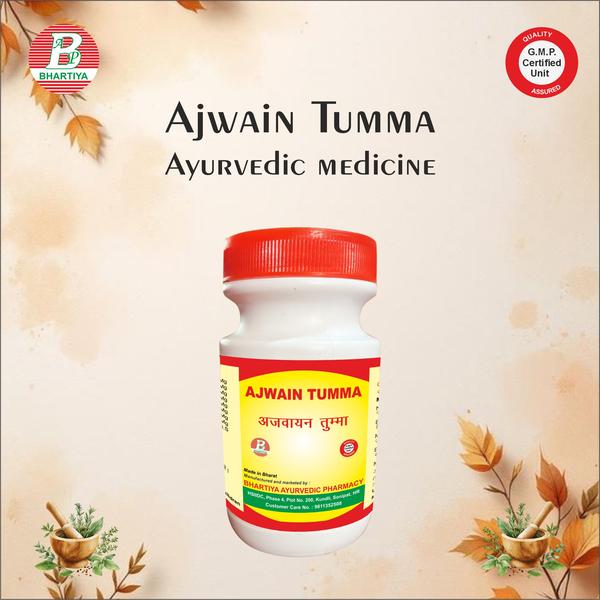
                           AJWAIN TUMMA Product Identification•	Generic Name: Ajwain Tumma•	Type: Ayurvedic Patent Medicine•	Primary Indication Area: Disorders of the digestive system, including indigestion, flatulence, abdominal discomfort, colic, and related gastrointestinal disturbances.•	Therapeutic Indications: Ajwain Tumma is indicated for the management of digestive disorders such as indigestion (Ajeerna), flatulence (Adhmana), abdominal pain (Shoola), colic, bloating, and loss of appetite. It helps in improving digestion, relieving gas, and soothing gastrointestinal discomfort. Key benefits include:•	Supports healthy digestion and helps relieve indigestion•	Reduces gas formation, bloating, and flatulence•	Helps alleviate abdominal pain and colic•	Improves appetite and digestive fire (Agni)•	Assists in easing stomach discomfort and heaviness•	Traditionally used to maintain overall gastrointestinal comfort.Ingredients: Kali Mirch (Black Pepper) Botanical Name: Piper nigrumAyurvedic Name: Maricha / Kali MirchKey PhytoconstituentsPiperine – enhances bioavailability, digestive stimulant, metabolic boosterVolatile oils (β-caryophyllene, limonene) – carminative, anti-inflammatoryFlavonoids – antioxidant supportAlkaloids – thermogenic, digestive tonicMechanism of Action (Ayurvedic & Physiological)Agni Deepana (Digestive Fire Stimulation):•	Enhances secretion of digestive enzymes, improving digestion and nutrient absorption.Bioavailability Enhancer:•	Piperine increases absorption and efficacy of co-administered nutrients and herbs.Metabolic Activation:•	Thermogenic action supports metabolism and helps reduce Ama (toxins).Vata–Kapha Shamana:•	Helps relieve gas, bloating, cough, and congestion.Anti-inflammatory & Antioxidant:•	Reduces oxidative stress and supports overall tissue health. Sonth (Dry Ginger) – Role in Gas, Acidity & Stomach Pain Botanical Name: Zingiber officinale (Rhizome, dried)Ayurvedic Name: Shunthi / SonthKey Active Constituents (Biochemistry)•	Gingerols & Shogaols – digestive stimulant, anti-inflammatory, analgesic•	Zingerone – carminative, anti-spasmodic•	Volatile oils – improve gut motility, reduce gas•	Phenolic compounds – antioxidant, mucosal protectiveMechanism of Action in Gas, Acidity & Stomach Pain1. Agni Deepana & Pachana (Improves Digestion)•	Stimulates gastric enzymes and bile secretion•	Enhances digestion of food, preventing Ama formation2. Carminative & Anti-flatulent Action•	Relaxes intestinal smooth muscles•	Helps expel trapped gas and reduces fermentation3. Anti-spasmodic Effect (Pain Relief)•	Shogaols reduce intestinal spasms•	Decreases gut hypersensitivity4. Acid Regulation & Mucosal Protection•	Improves gastric emptying, preventing acid backflow•	Enhances protective mucus layer of stomach lining5. Anti-inflammatory & Antioxidant•	Inhibits inflammatory mediators (COX, prostaglandins)•	Protects gastric mucosa from irritation Pippali (Long Pepper) – Biochemistry in Gas, Flatulence & Colic Pain Botanical Name: Piper longumKey Bioactive Compounds: Piperine, Piperlongumine, Essential oils, AlkaloidsBiochemical Actions in GI Disorders1. Digestive Enzyme Activation (Anti-gas effect)•	Piperine stimulates gastric juice, pancreatic enzymes, and bile secretion•	Improves digestion of carbohydrates, fats, and proteins•	Prevents intestinal fermentation (major cause of gas & flatulence)2. Carminative Action•	Essential oils relax intestinal smooth muscles•	Facilitates expulsion of trapped gas3. Gut Motility Regulation•	Piperine modulates enteric nervous system signaling•	Normalizes peristalsis (prevents stasis and spasms)4. Anti-spasmodic Action (Colic Pain Relief)•	Piperlongumine inhibits calcium channel–mediated smooth muscle contraction•	Reduces intestinal spasms5. Anti-inflammatory & Analgesic Effect•	Inhibits inflammatory mediators (COX-2, TNF-α)•	Reduces gut wall inflammation and hypersensitivity6. Acid Balance & Mucosal Safety•	Mild stimulant of gastric secretion (gentler than black pepper)•	Supports protective mucus layer at therapeutic doses Namak (Rock Salt / Saindhava Lavana) Botanical Name: Sodium Chloride (NaCl)Ayurvedic Name: Saindhava Lavana / Samudra LavanaKey Phytoconstituents•	Sodium chloride (NaCl) – stimulates gastric secretions, bile, and digestive enzymes•	Trace Minerals (Magnesium, Potassium, Calcium, Iron) – support enzymatic functions, gut motility, and neuromuscular balance•	Lavana Rasa (Salty Taste) – liquefies Ama (undigested toxins) and enhances Agni (digestive fire)Mechanism of Action in Gas, Acidity & Stomach Pain•	Digestive Secretion Stimulation: Sodium ions enhance salivary, gastric, and pancreatic enzymes, improving breakdown of food and preventing gas formation.•	Carminative & Anti-flatulent Effect: Facilitates smooth passage of food and helps expel trapped gas from the intestines.•	Gut Motility & Nerve Function: Electrolytes support enteric nervous system signaling, reducing intestinal spasms and colicky pain.•	Acidity Regulation: Saindhava rock salt buffers excessive gastric acid without irritating the stomach lining.•	Ama Pachana (Ayurvedic Detoxification): Liquefies and mobilizes undigested food/toxins, enhancing absorption and efficacy of co-administered digestive herbs. Amchur (Dried Mango Powder) Botanical Name: Mangifera indica (unripe fruit)Ayurvedic Name: Amchur / Amra Phala ChurnaKey Phytoconstituents•	Organic Acids (Tartaric, Malic, Citric Acid) – digestive stimulant, carminative, mild laxative•	Polyphenols & Flavonoids – antioxidant, anti-inflammatory•	Vitamin C (Ascorbic Acid) – supports tissue health, immunity, and digestion•	Pectin & Fiber – improves gut motility and prevents constipation•	Sugars (Glucose, Fructose) – nutritive, support energyMechanism of Action in Gas, Acidity & Stomach Pain•	Digestive Stimulation: Organic acids stimulate gastric juice and digestive enzymes, improving breakdown of food and preventing stagnation.•	Carminative Action: Helps expel trapped gas and reduces bloating.•	Acidity Regulation: Mildly sour nature helps balance stomach pH and improves appetite.•	Anti-spasmodic Effect: Polyphenols reduce intestinal spasms, alleviating colicky pain.•	Gut Motility Support: Fiber and pectin improve peristalsis, preventing constipation-related gas and discomfort. Sudh Hing (Asafoetida) Botanical Name: Ferula asafoetidaAyurvedic Name: Hing / Sudh HingKey Phytoconstituents•	Resins (Asafoetidin, Ferulic Acid, Umbelliferone) – digestive stimulant, anti-spasmodic, anti-flatulent•	Volatile Oils (Sulfur-containing compounds, Terpenes) – carminative, antimicrobial, smooth muscle relaxant•	Gum & Polysaccharides – demulcent, gut-soothing•	Phenolic Compounds – antioxidant, anti-inflammatoryMechanism of Action in Gas, Acidity & Stomach Pain•	Carminative Action: Relaxes intestinal smooth muscles, helping expel trapped gas and reduce bloating.•	Anti-spasmodic Effect: Volatile oils reduce intestinal spasms and colicky pain.•	Digestive Stimulation: Enhances secretion of gastric juices and digestive enzymes, improving digestion and preventing fermentation.•	Anti-flatulent & Vata-pacifying: Balances Vata in the gut, reducing excessive gas and discomfort.•	Anti-inflammatory & Antioxidant: Protects gut lining from oxidative stress and inflammation, soothing stomach irritation. Ajwain (Carom Seeds) Botanical Name: Trachyspermum ammiAyurvedic Name: Ajwain / AjmodaKey Phytoconstituents•	Thymol – carminative, antimicrobial, digestive stimulant•	Volatile Oils (γ-Terpinene, Para-Cymene) – anti-flatulent, spasmolytic•	Flavonoids – antioxidant, anti-inflammatory•	Saponins & Alkaloids – metabolic support, gut tonicMechanism of Action in Gas, Acidity & Stomach Pain•	Carminative & Anti-flatulent: Relaxes intestinal smooth muscles, expelling trapped gas and reducing bloating.•	Digestive Stimulation: Stimulates gastric juices, bile, and digestive enzymes, improving breakdown of food and preventing fermentation.•	Anti-spasmodic: Reduces intestinal spasms and colicky abdominal pain.•	Antimicrobial: Helps prevent dysbiosis or gas caused by gut microbes.•	Vata-Pacifying: Balances Vata in the gut, aiding digestion and reducing heaviness or discomfort. Geru (Red Ochre / Red Earth) Botanical Name: Iron Oxide (Fe₂O₃)Ayurvedic Name: Geru / Raktapitta ShamakKey Phytoconstituents•	Iron Oxide (Fe₂O₃) – supports haemoglobin synthesis and tissue health•	Trace Minerals (Calcium, Magnesium, Silica) – aid enzymatic and metabolic processes•	Natural Clay Minerals – absorbent, gut-soothingMechanism of Action in Gas, Acidity & Stomach Pain•	Digestive Support: Mildly stimulates digestive enzymes and balances digestive fire (Agni).•	Anti-flatulent & Absorbent Action: Clay minerals help absorb excess gas and toxins from the gut.•	Gut Lining Protection: Forms a protective layer over irritated mucosa, reducing burning sensation from acidity.•	Vata-Kapha Balancing: Reduces colic, heaviness, and bloating.•	Trace Mineral Support: Contributes to enzymatic and metabolic functions important in digestion.Dosage:1.	Dose per intake: 5-10 gm  2.	Frequency: 2 times daily3.	How to take: With waterPrecautions•	Do not exceed the prescribed dose•	Consult an Ayurvedic practitioner before use in:o	Childreno	Elderlyo	Patients with chronic illness•	Monitor for any side effects (e.g., digestive discomfort)•	Maintain proper diet and hydration to support bowel health
Ajwain Tumma

INR 57 INR 114
You Save 50%

VIEW DETAILS
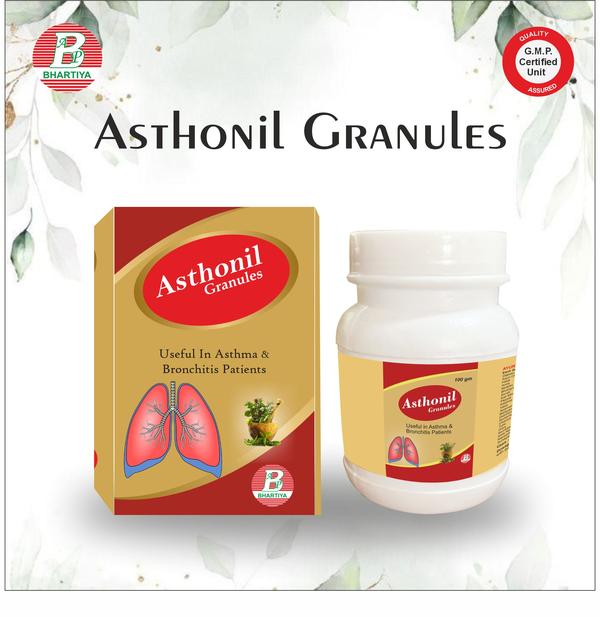
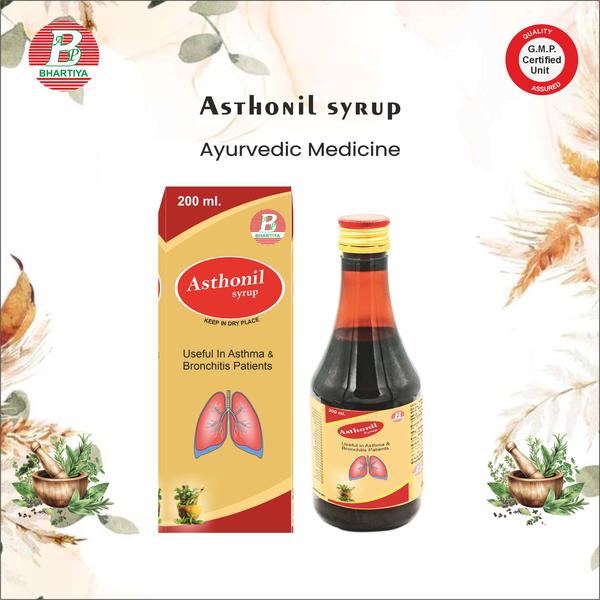
                           ASTHONIL GRANULES Product Identification•	Generic Name: Asthonil Granule •	Type: Ayurvedic Patent Medicine•	Primary Indication Area: Supports respiratory health, particularly useful in bronchitis, cough, and asthma•	Therapeutic Indications: support respiratory function, help in relieving cough, reducing congestion, and promoting lung health naturallyKey benefits include:•	Respiratory Support: Helps maintain healthy lung function and eases breathing.•	Bronchitis & Asthma Relief: Reduces symptoms like cough, congestion, and respiratory discomfort.•	Cough Management: Soothes the throat and reduces persistent coughing.•	Immune Support: Strengthens the body’s natural defenses against infections.•	Anti-inflammatory Action: Helps reduce mild inflammation in the respiratory tract.•	Overall Vitality: Supports energy levels and general wellness..Ingredients: Gajwan (Onosma bracteatum) Botanical Name: Onosma bracteatumAyurvedic Name: Gojihva / GaozabanKey Phytoconstituents:• Flavonoids & Phenolics – antioxidant, anti-inflammatory• Naphthoquinones (shikonins) – antimicrobial, anti-inflammatory• Coumarins & Glycosides – support fluid balance• Tannins & Mucilage – demulcent, soothe mucous membranes• Minerals & Alkaloids – tonic, diureticMechanism / Actions:1.	Anti-inflammatory & antioxidant → reduce airway inflammation2.	Demulcent & expectorant → soothe throat, clear mucus3.	Spasmolytic → relax airway smooth muscles → easier breathing Arjun Chhal (Terminalia arjuna Bark) Botanical Name: Terminalia arjunaAyurvedic Name: Arjuna Chhal / Arjuna BarkKey Phytoconstituents:• Triterpenoid saponins (Arjunic acid, Arjunolic acid) – mild anti-inflammatory• Flavonoids & Polyphenols – antioxidant, anti-inflammatory• Tannins – protect airway and lung tissue• Minerals (Calcium, Magnesium) – support tissue function• Glycosides – improve circulationMechanism / Actions:•	Anti-inflammatory & antioxidant → reduce airway inflammation and oxidative damage•	Tissue protective → prevent chronic airway remodelling•	Mild bronchodilator support → relax airway smooth muscles•	Circulation booster → support oxygen delivery to tissues•	Respiratory support → may aid chronic bronchitis and cough Haldi (Curcuma longa Rhizome) Botanical Name: Curcuma longaAyurvedic Name: Haldi / HaridraKey Phytoconstituents:• Curcuminoids (Curcumin, Desmethoxycurcumin) – anti-inflammatory, antioxidant• Volatile oils (Turmerone, Zingiberene) – antimicrobial, anti-inflammatory• Polysaccharides – immune-modulatory• Minerals (Iron, Manganese) – support tissue repairMechanism / Actions:•	Anti-inflammatory & antioxidant → reduces airway and tissue inflammation•	Immunomodulatory → balances immune response in allergic conditions•	Antimicrobial → protects against respiratory infections•	Tissue protective → prevents oxidative damage in lungs and other organs•	Mild bronchodilator → supports easier breathing Amla (Phyllanthus emblica Fruit) Botanical Name: Phyllanthus emblicaAyurvedic Name: Amla / AmalakiKey Phytoconstituents:• Vitamin C (Ascorbic acid) – antioxidant, immune booster• Flavonoids & Polyphenols – anti-inflammatory, antioxidant• Tannins – astringent, protect tissues• Minerals (Calcium, Phosphorus) – support tissue function• Gallic acid & Ellagic acid – anti-inflammatory, antimicrobialMechanism / Actions:•	Antioxidant → reduces oxidative stress in airways•	Anti-inflammatory → decreases cytokine-driven airway inflammation•	Immunomodulatory → strengthens immune response to infections•	Mucosa protective → soothes airway and respiratory tract•	Supports tissue repair → aids recovery in bronchitis and cough Mulethi (Glycyrrhiza glabra Root) Botanical Name: Glycyrrhiza glabraAyurvedic Name: Mulethi / YashtimadhuKey Phytoconstituents:• Glycyrrhizin – anti-inflammatory, demulcent• Flavonoids & Isoflavonoids – antioxidant, anti-inflammatory• Saponins – expectorant, mild bronchodilator• Polysaccharides – soothe mucous membranes• Minerals (Calcium, Potassium) – support tissue functionMechanism / Actions:•	Demulcent & expectorant → soothes throat, reduces mucus irritation•	Anti-inflammatory → decreases airway inflammation in asthma/bronchitis•	Mild bronchodilator → relaxes smooth muscles of airways•	Antioxidant → protects lung tissue from oxidative stress•	Tissue protective → supports recovery of irritated respiratory mucosa Bhringraj (Eclipta alba Whole Plant / Leaves)  Botanical Name: Eclipta albaAyurvedic Name: Bhringraj / BhringrajaKey Phytoconstituents:• Coumestans (Wedelolactone) – anti-inflammatory, antioxidant• Flavonoids & Phenolics – antioxidant, tissue protective• Alkaloids & Glycosides – liver and tissue support• Essential oils – antimicrobial• Minerals (Iron, Calcium) – support tissue repairMechanism / Actions:•	Anti-inflammatory & antioxidant → reduces airway and tissue inflammation•	Immunomodulatory → supports body’s defense in respiratory infections•	Tissue protective → supports recovery of airway mucosa•	Mild antimicrobial → protects against secondary infections•	Detoxifying → supports liver function and systemic wellness Sonth (Zingiber officinale Rhizome – Dry Ginger) Botanical Name: Zingiber officinaleAyurvedic Name: Sonth / Sukshma ShuntiKey Phytoconstituents:• Gingerols & Shogaols – anti-inflammatory, antioxidant, bronchodilator• Essential oils (Zingiberene, Bisabolene) – antimicrobial, spasmolytic• Polysaccharides – demulcent, soothe mucous membranes• Minerals (Magnesium, Potassium) – support tissue functionMechanism / Actions:•	Anti-inflammatory & antioxidant → reduces airway inflammation and oxidative stress•	Bronchodilator → relaxes smooth muscles of airways → easier breathing•	Expectorant & demulcent → soothes throat, clears mucus•	Antimicrobial → protects against respiratory infections•	Digestive support → improves metabolism and systemic immunity Kali Mirch (Piper nigrum Fruit) Botanical Name: Piper nigrumAyurvedic Name: Kali Mirch / MarichaKey Phytoconstituents:• Piperine – bronchodilator, anti-inflammatory, bioavailability enhancer• Essential oils (Caryophyllene, Pinene) – antimicrobial, spasmolytic• Alkaloids – stimulate digestion and circulation• Minerals (Iron, Manganese) – support tissue and metabolic functionMechanism / Actions:•	Bronchodilator → relaxes airway smooth muscles → easier breathing•	Anti-inflammatory & antioxidant → reduces airway inflammation•	Expectorant → clears mucus from respiratory tract•	Bioavailability enhancer → improves absorption of other herbs and nutrients•	Antimicrobial → protects against respiratory infections Pippali (Piper longum Fruit) Botanical Name: Piper longumAyurvedic Name: Pippali / PippalimulaKey Phytoconstituents:• Piperine – bronchodilator, anti-inflammatory, enhances bioavailability• Essential oils (Caryophyllene, Pinene) – antimicrobial, spasmolytic• Alkaloids & Resins – support respiratory and digestive health• Minerals (Iron, Zinc) – tissue repair and immune supportMechanism / Actions:•	Bronchodilator → relaxes airway smooth muscles → easier breathing•	Anti-inflammatory & antioxidant → reduces airway inflammation•	Expectorant → loosens and clears mucus from respiratory tract•	Bioavailability enhancer → improves absorption and efficacy of other herbs•	Antimicrobial → protects against respiratory infections Myristica malabarica Botanical Name: Myrstica malabaricaAyurvedic Name: Malabar KaiphalKey Phytoconstituents:• Essential oils (Myristicin, Elemicin) – anti-inflammatory, spasmolytic• Lignans & Phenolics – antioxidant, antimicrobial• Alkaloids – support respiratory and digestive health• Minerals (Calcium, Iron) – tissue and metabolic suppor tMechanism / Actions:•	Bronchodilator → relaxes airway smooth muscles → easier breathing•	Anti-inflammatory & antioxidant → reduces airway inflammation•	Expectorant → clears mucus from respiratory tract•	Antimicrobial → protects against respiratory infections•	Digestive & systemic support → improves metabolism and wellness Vasa (Adhatoda vasica Leaves / Whole Plant) Botanical Name: Adhatoda vasicaAyurvedic Name: Vasa / VasakaKey Phytoconstituents:• Vasicine & Vasicinone – bronchodilator, expectorant, antitussive• Alkaloids – anti-inflammatory, antimicrobial• Flavonoids & Phenolics – antioxidant, reduce oxidative stress• Essential oils – antimicrobial• Minerals (Iron, Calcium) – tissue supportMechanism / Actions:•	Bronchodilator → relaxes airway smooth muscles → eases breathing•	Expectorant → loosens and clears mucus from respiratory tract•	Anti-inflammatory & antioxidant → reduces airway inflammation and oxidative damage•	Antitussive → suppresses excessive coughing•	Antimicrobial → protects against respiratory infections Apamarg (Achyranthes aspera Whole Plant / Leaves) Botanical Name: Achyranthes asperaAyurvedic Name: Apamarg / ApamargKey Phytoconstituents:• Saponins – anti-inflammatory, expectorant• Alkaloids – bronchodilator, antimicrobial• Flavonoids & Phenolics – antioxidant, reduce oxidative stress• Minerals (Calcium, Iron) – tissue supportMechanism / Actions:•	Expectorant → helps clear mucus from airways•	Anti-inflammatory & antioxidant → reduces airway inflammation•	Mild bronchodilator → relaxes airway smooth muscles•	Antimicrobial → protects against respiratory infections•	Tissue supportive → aids recovery of irritated respiratory mucosa Illicium verum (Star Anise Fruit) Botanical Name: Illicium verumAyurvedic / Common Name: Star Anise / IlliciumKey Phytoconstituents:• Anethole – antimicrobial, spasmolytic, bronchodilator• Flavonoids & Phenolics – antioxidant, anti-inflammatory• Essential oils – digestive and respiratory support• Minerals (Calcium, Iron) – tissue and metabolic supportMechanism / Actions:•	Bronchodilator → relaxes airway smooth muscles → easier breathing•	Expectorant → helps clear mucus from respiratory tract•	Anti-inflammatory & antioxidant → reduces airway inflammation and oxidative stress•	Antimicrobial → protects against respiratory infections•	Digestive & systemic support → improves metabolism and immunity Dalchini (Cinnamomum verum / Cinnamon Bark) Botanical Name: Cinnamomum verumAyurvedic Name: Dalchini / TwakKey Phytoconstituents:• Cinnamaldehyde – bronchodilator, anti-inflammatory, antimicrobial• Essential oils – spasmolytic, digestive support• Polyphenols – antioxidant, tissue protective• Minerals (Calcium, Manganese) – support tissue and metabolismMechanism / Actions:•	Bronchodilator → relaxes airway smooth muscles → easier breathing•	Anti-inflammatory & antioxidant → reduces airway inflammation and oxidative stress•	Expectorant → helps clear mucus from respiratory tract•	Antimicrobial → protects against respiratory infections•	Digestive support → improves metabolism and systemic immunity
Asthonil Granules

INR 150 INR 300
You Save 50%

VIEW DETAILS
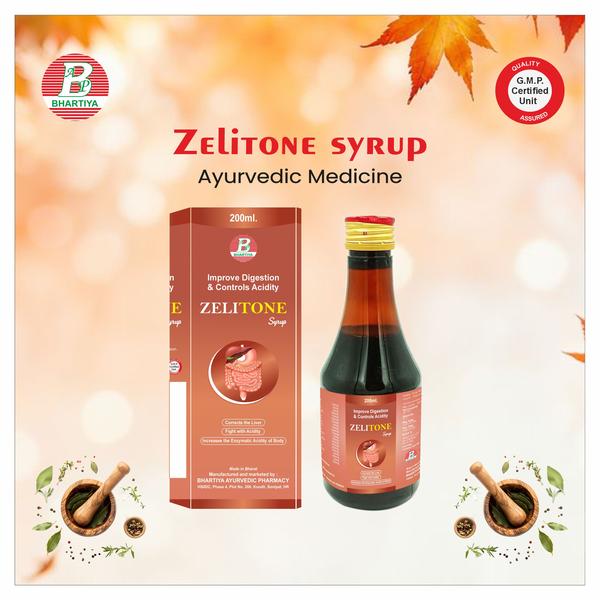
                                      ZELITON SYRUP Product Identification•	Generic Name: Zeliton Syrup•	Type: Ayurvedic Patent Medicine•	Primary Indication Area: Helps relieve indigestion, acidity, gas, and loss of appetite while promoting healthy digestion.Therapeutic IndicationsZeliton Syrup is an Ayurvedic medicine that helps relieve indigestion, acidity, gas, and loss of appetite while promoting healthy digestion.Key benefits:•	Relieves indigestion and acidity•	Reduces gas and bloating•	Stimulates appetite•	Supports healthy digestionIngredient:  Saunth (Dry Ginger)Botanical Name: Zingiber officinale (Dry Ginger)Key Phytoconstituents:•	Gingerols•	Shogaols•	Volatile oils•	FlavonoidsMechanism of Action and Benefits:1.	Digestive Aido	Helps relieve indigestion, bloating, and gas.o	Stimulates digestive enzymes, improving overall digestion.2.	Reduces Acidity & Heartburno	Soothes the stomach lining and balances gastric acid levels.o	Provides relief from acid reflux and heartburn.  Mirch Botanical Name: Piper nigrum (Black Pepper) / Piper longum (Long Pepper)Key Phytoconstituents:•	Piperine – primary active compound•	Essential oils•	Alkaloids•	FlavonoidsMechanism of Action and Benefits:1.	Digestive Stimulanto	Enhances digestive enzyme secretion, aiding digestion.o	Helps relieve indigestion, bloating, and gas.2.	Reduces Acidityo	Balances gastric acid production to relieve heartburn and acidity.Pippali (Long Pepper)Botanical Name: Piper longumKey Phytoconstituents:•	Piperine – main active compound•	Essential oils•	Alkaloids•	ResinsMechanism of Action and Benefits:1.	Digestive Aido	Stimulates digestive enzymes, improving digestion and nutrient absorption.o	Helps relieve indigestion, bloating, and gas.2.	Reduces Acidityo	Balances gastric acid secretion to alleviate heartburn and acidity.Mulethi (Licorice)Botanical Name: Glycyrrhiza glabraKey Phytoconstituents:•	Glycyrrhizin – main active compound•	Flavonoids•	Coumarins•	SaponinsMechanism of Action and Benefits:1.	Digestive Aido	Soothes the gastrointestinal tract and helps relieve indigestion.o	Promotes healthy digestion and reduces gastric irritation.2.	Reduces Acidity & Heartburno	Protects the stomach lining and balances gastric acid, alleviating acidity and heartburn. Lahsun (Garlic)Botanical Name: Allium sativumKey Phytoconstituents:•	Allicin – primary active compound•	Sulfur compounds•	Flavonoids•	Vitamins (C, B6)Mechanism of Action and Benefits:1.	Digestive Aido	Stimulates digestive enzymes, improving digestion and nutrient absorption.o	Helps reduce indigestion and bloating.2.	Carminative Effecto	Promotes the expulsion of intestinal gas, relieving discomfort. Amla (Indian Gooseberry)Botanical Name: Phyllanthus emblica (Emblica officinalis)Key Phytoconstituents:•	Vitamin C – primary active compound•	Tannins•	Flavonoids•	PolyphenolsMechanism of Action and Benefits:1.	Digestive Aido	Stimulates digestion and improves nutrient absorption.o	Helps relieve indigestion and bloating.2.	Reduces Acidityo	Balances gastric acid levels, providing relief from acid reflux and heartburn Haldi (Turmeric)Botanical Name: Curcuma longaKey Phytoconstituents:•	Curcumin – primary active compound•	Volatile oils•	Tannins•	FlavonoidsMechanism of Action and Benefits:1.	Digestive Aido	Stimulates bile production, improving digestion.o	Helps relieve indigestion, bloating, and gas.2.	Reduces Acidity & Heartburno	Balances gastric acid levels and soothes the stomach lining.Dalchini (Cinnamon)Botanical Name: Cinnamomum verum / Cinnamomum zeylanicumKey Phytoconstituents:•	Cinnamaldehyde – primary active compound•	Essential oils•	Polyphenols•	TanninsMechanism of Action and Benefits:1.	Digestive Aido	Stimulates digestive enzymes, improving digestion.o	Helps relieve indigestion, bloating, and gas.2.	Reduces Acidity & Heartburno	Soothes the stomach lining and balances gastric acid levels.Giloy (Tinospora cordifolia)Botanical Name: Tinospora cordifoliaKey Phytoconstituents:•	Alkaloids (e.g., Berberine, Palmatine)•	Diterpenoid lactones•	Glycosides•	PolysaccharidesMechanism of Action and Benefits:1.	Digestive Supporto	Helps in maintaining healthy digestion and improves nutrient absorption.o	Reduces indigestion and bloating.2.	Reduces Acidityo	Balances gastric acid levels, relieving acid reflux and heartburn. Punarnava (Boerhavia diffusa)Botanical Name: Boerhavia diffusaKey Phytoconstituents:•	Alkaloids•	Flavonoids•	Lignans•	SaponinsMechanism of Action and Benefits:1.	Digestive Supporto	Helps maintain healthy digestion and reduces bloating.o	Mildly supports stomach comfort and intestinal health.2.	Reduces Acidity & Gaso	Balances gastric acid levels, relieving acid reflux and heartburn.o	Exhibits carminative properties, aiding in the expulsion of intestinal gas.
Zelitone syrup

INR 105 INR 210
You Save 50%

VIEW DETAILS
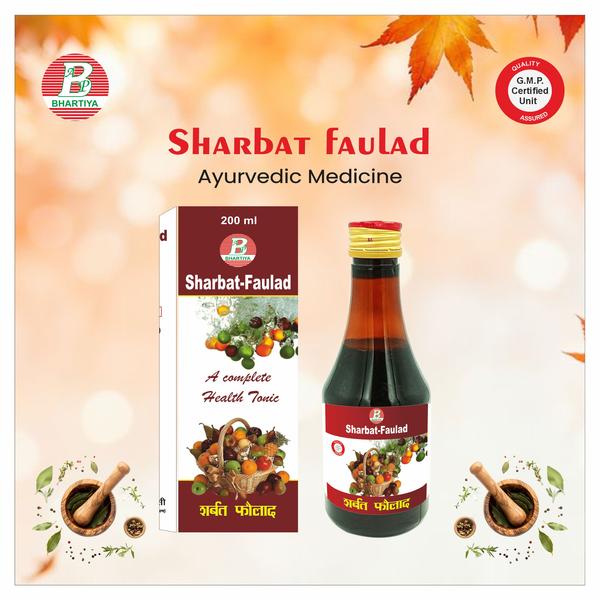
                                        SARBAT - FAULADProduct Identification•	Generic Name: Sarbat Faulad •	Type: Ayurvedic Patent Medicine•	Primary Indication Area: An Ayurvedic medicine used for blood disorders (Rakt Nunta) and liver disorders (Yakrit Vikar).Therapeutic IndicationsUsed to treat blood disorders (anaemia, blood purification) and liver disorders (hepatitis, jaundice, liver dysfunction).Key benefits:•	Supports Blood Health – Helps in improving haemoglobin levels, purifying blood, and managing conditions like anaemia or general weakness.•	Promotes Liver Function – Assists in detoxifying the liver, supporting its normal metabolic and regenerative functions, and managing liver disorders like jaundice or hepatitis.  Enhances Vitality & Energy – By improving blood and liver health, it contributes to better stamina, reduced fatigue, and overall vitality.•	Detoxification & Body Rejuvenation – Helps eliminate toxins from the body, supporting overall wellness and rejuvenation.•	Holistic Ayurvedic Support – Combines herbal and mineral ingredients that work synergistically to strengthen the body’s natural healing mechanisms.Ingredient:  Safed Chandan (White Sandalwood)Botanical Name: Santalum albumKey Phytoconstituents:•	Santalols (α-santalol, β-santalol)•	Flavonoids•	Phenolic compounds•	Essential oilsTherapeutic Action for Blood & Liver Health:1.	Liver Support (Yakrit Vikar):o	Acts as a mild hepatoprotective agent.o	Supports liver detoxification and healthy metabolic function.2.	Blood Purification (Rakt Nunta):o	Helps in purifying blood and reducing inflammatory conditions.o	Supports overall vitality and detoxification.3.	Anti-inflammatory & Antioxidant Effects:o	Reduces oxidative stress in the liver and blood.o	Helps protect cells from damage caused by toxins. Kashni (Chicory)Botanical Name: Cichorium intybusKey Phytoconstituents:•	Inulin•	Phenolic compounds•	Flavonoids•	Tannins•	CoumarinsMechanism of Action and Benefits for Blood & Liver:1.	Liver Health (Yakrit Vikar)o	Hepatoprotective: Supports liver detoxification and regeneration.o	Promotes Bile Flow: Improves digestion and metabolism of fats.o	Reduces Liver Inflammation: Helps in conditions like fatty liver or hepatitis.2.	Blood Purification (Rakt Nunta)o	Detoxifies Blood: Removes toxins and supports healthy circulation.o	Anti-inflammatory & Antioxidant: Protects blood cells from oxidative stress.GajwanBotanical Name: Cissus quadrangularis (commonly called Gajwan in some Ayurvedic texts)Key Phytoconstituents:•	Flavonoids•	Triterpenoids•	Stilbenes•	Ascorbic acid (Vitamin C)•	Calcium and other mineralsMechanism of Action and Benefits for Blood & Liver:1.	Liver Health (Yakrit Vikar)o	Hepatoprotective: Supports liver detoxification and regeneration.o	Reduces Inflammation: Protects liver cells from oxidative stress and toxins.2.	Blood Purification (Rakt Nunta)o	Detoxifying Effect: Helps purify blood and maintain healthy circulation.o	Supports Haematopoiesis: May aid in improving blood quality. Saunf (Fennel Seeds)Botanical Name: Foeniculum vulgareKey Phytoconstituents:•	Volatile oils (Anethole, Fenchone, Estragole)•	Flavonoids•	Phenolic compounds•	Fiber•	Vitamins (A, C) and minerals (Calcium, Iron)Mechanism of Action and Benefits for Blood & Liver:1.	Liver Health (Yakrit Vikar)o	Hepatoprotective: Supports liver detoxification and regeneration.o	Digestive Support: Improves bile flow, aiding metabolism and fat digestion.o	Reduces Liver Inflammation: Antioxidant properties protect liver cells.2.	Blood Purification (Rakt Nunta)o	Detoxifying Effect: Helps eliminate toxins from the blood.o	Supports Circulation: Mildly enhances blood quality and vitality.Nilotpala (Blue Lotus / Water Lily)Botanical Name: Nymphaea nouchali (also Nymphaea caerulea  in some references)Key Phytoconstituents:•	Alkaloids•	Flavonoids•	Tannins•	Glycosides•	Phenolic compoundsMechanism of Action and Benefits (General & Related to Blood & Liver):1.	Liver Support (Yakrit Vikar)o	Hepatoprotective: Traditionally valued for supporting liver health and assisting detoxification.o	Antioxidant Properties: Helps protect liver cells from oxidative stress.2.	Blood Purification (Rakt Nunta)o	Detoxifying & Cooling: Aids in cleansing the bloodstream and reducing inflammatory conditions.o	Supports overall circulation and vitality.Arjun Chhal (Arjuna Bark)Botanical Name: Terminalia arjunaKey Phytoconstituents:•	Tannins (Arjunic acid, Arjungenin)•	Flavonoids•	Glycosides•	Saponins•	Minerals (Calcium, Magnesium, Potassium)Mechanism of Action and Benefits for Blood & Liver:1.	Liver Health (Yakrit Vikar)o	Hepatoprotective: Supports liver detoxification and protects liver cells from oxidative stress.o	Reduces Inflammation: Helps manage liver inflammation and improves metabolic function.2.	Blood & Circulatory Support (Rakt Nunta)o	Blood Purification: Promotes healthy circulation and detoxification of the blood.o	Cardioprotective Effects: Supports heart and vascular health, indirectly benefiting overall blood health.Loh Bhasma (Ash of Iron)Type: Ayurvedic Mineral Preparation (Bhasma)Composition:•	Calcined Iron (Fe₂O₃, Fe₃O₄ depending on preparation)•	Trace minerals from the Ayurvedic preparation processMechanism of Action and Benefits for Blood & Liver:1.	Blood Health (Rakt Nunta / Anemia)o	Hematopoietic Activity: Provides bioavailable iron to support hemoglobin formation and red blood cell production.o	Blood Purification: Traditionally used to improve overall blood quality and vitality.2.	Liver Support (Yakrit Vikar)o	Detoxification: Helps in rejuvenation and metabolic support of the liver.o	Supports Enzyme Function: Improves nutrient assimilation and liver-related metabolic processes.Fitkari (Alum / Potash Alum)Botanical / Mineral Name: Potash Alum – KAl (SO₄) ₂·12H₂OType: Ayurvedic Mineral PreparationMechanism of Action and Benefits for Blood & Liver:1.	Blood Purification (Rakt Nunta)o	Astringent & Antiseptic: Helps purify blood and reduce minor bleeding or inflammation.o	Detoxifying Effect: Traditionally used to cleanse blood and maintain healthy circulation.2.	Liver Support (Yakrit Vikar)o	Mild Hepatoprotective Action: Supports liver detoxification indirectly by reducing toxins in the bloodstream.3.	Additional Benefitso	Digestive Support: Aids in controlling excessive acidity and gut inflammation.o	Anti-inflammatory: Reduces mild internal inflammation, indirectly supporting metabolic organs. Sugar Base (Mishri / Sucrose / Sugar Syrup)Composition:•	Sucrose (Refined or Unrefined Sugar)•	Sometimes combined with water or honey to make a syrup (Sarbat)Mechanism of Action and Benefits:1.	Palatability & Acceptabilityo	Makes the formulation easy to consume, especially for children and elderly patients.2.	Vehicle for Drug Deliveryo	Acts as a medium to carry herbal/mineral ingredients effectively into the body.o	Helps in stabilizing the active ingredients in syrup form.3.	Energy Sourceo	Provides instant energy due to simple carbohydrates.o	Can help improve general vitality, especially in weak or anaemic patients.Dose: •	Dosage: 10–25 ml per dose.•	Frequency: Twice a day.•	How to take: Mix the syrup with a little water or fruit juice to make it easier to take.•	Timing: Usually, morning and evening or as prescribed by a doctor.•	Important: Make sure to follow the exact dose recommended by a doctor or on the label; do not exceed it.Fitkari (Alum / Potash Alum)Botanical / Mineral Name: Potash Alum – KAl (SO₄) ₂·12H₂OType: Ayurvedic Mineral PreparationMechanism of Action and Benefits for Blood & Liver:1.	Blood Purification (Rakt Nunta)o	Astringent & Antiseptic: Helps purify blood and reduce minor bleeding or inflammation.o	Detoxifying Effect: Traditionally used to cleanse blood and maintain healthy circulation.2.	Liver Support (Yakrit Vikar)o	Mild Hepatoprotective Action: Supports liver detoxification indirectly by reducing toxins in the bloodstream.3.	Additional Benefitso	Digestive Support: Aids in controlling excessive acidity and gut inflammation.o	Anti-inflammatory: Reduces mild internal inflammation, indirectly supporting metabolic organs. Sugar Base (Mishri / Sucrose / Sugar Syrup)Composition:•	Sucrose (Refined or Unrefined Sugar)•	Sometimes combined with water or honey to make a syrup (Sarbat)Mechanism of Action and Benefits:1.	Palatability & Acceptabilityo	Makes the formulation easy to consume, especially for children and elderly patients.2.	Vehicle for Drug Deliveryo	Acts as a medium to carry herbal/mineral ingredients effectively into the body.o	Helps in stabilizing the active ingredients in syrup form.3.	Energy Sourceo	Provides instant energy due to simple carbohydrates.o	Can help improve general vitality, especially in weak or anaemic patients.Dose: •	Dosage: 10–25 ml per dose.•	Frequency: Twice a day.•	How to take: Mix the syrup with a little water or fruit juice to make it easier to take.•	Timing: Usually, morning and evening or as prescribed by a doctor.•	Important: Make sure to follow the exact dose recommended by a doctor or on the label; do not exceed it.
Sharbat Faulad

INR 90 INR 180
You Save 50%

VIEW DETAILS
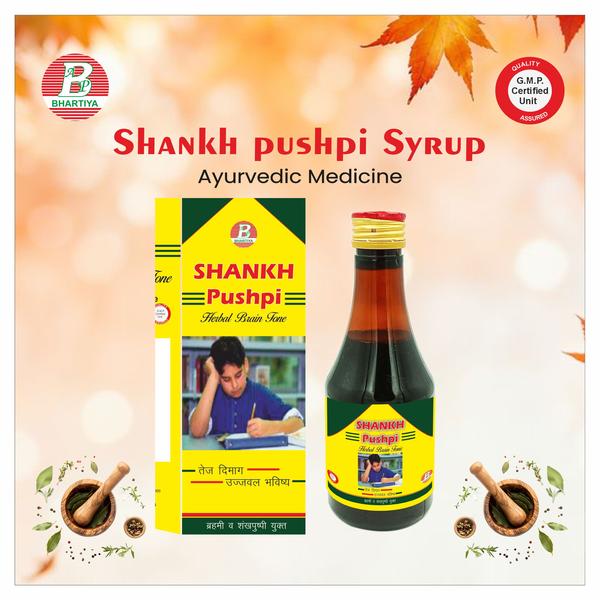
                                      SANKHPUSHPI SYRUP Product Identification•	Generic Name: Sankhpushpi Syrup•	Type: Ayurvedic Patent Medicine•	Primary Indication Area: Cognitive enhancement and nervous system support (memory, concentration, and mental well-being).Therapeutic IndicationsSankhpushpi syrup is used as a brain tonic to improve memory, concentration, reduce stress, and promote restful sleep.Key benefits: Enhances Memory and Cognitive Function•	Acts as a medhya (brain) tonic in Ayurveda.•	Improves memory, learning, and concentration, making it useful for students and professionals with mental fatigue.Reduces Stress and Anxiety•	Has adaptogenic and calming properties that help manage mental tension.•	Can reduce symptoms of anxiety, irritability, and mental fatigue.Promotes Restful Sleep•	Calms the nervous system and mind, aiding in insomnia or disturbed sleep. Supports Nervous System Health•	Strengthens the nervous system, reduces mental exhaustion, and promotes overall brain vitality. Adjunct Benefits•	May help in mild headaches, hyperacidity, or digestive discomfort due to its soothing and calming effects.Ingredient:  Brahmi  Botanical Name: Bacopa monnieriKey Phytoconstituents:•	Bacosides (A & B) – primary active compounds•	Flavonoids•	Alkaloids•	SaponinsMechanism of Action and Benefits1.	Cognitive Enhancemento	Memory Improvement: Bacosides enhance the formation of new nerve endings (dendrites), improving memory and learning ability.o	Concentration & Focus: Supports attention span and mental clarity, useful for students, professionals, and elderly individuals with cognitive decline.2.	Neuroprotective Effectso	Protects neurons from oxidative stress and free radical damage.o	May slow age-related cognitive degeneration and maintain healthy brain function.3.	Anti-Anxiety & Stress Reductiono	Acts as an adaptogen, helping the body cope with mental stress.o	Reduces anxiety, restlessness, and mental fatigue, promoting calmness and emotional balance.4.	Antioxidant Activityo	Scavenges free radicals, preventing oxidative damage in the brain.o	Protects neuronal cells and enhances overall brain vitality.5.	Supports Neurotransmissiono	Modulates acetylcholine levels and improves synaptic communication between neurons.o	Enhances alertness, processing speed, and mental clarity. Sankhpushpi Botanical Name: Convolvulus pluricaulis (most commonly)Key Phytoconstituents:•	Alkaloids•	Flavonoids•	Coumarins•	Steroids•	GlycosidesMechanism of Action and Benefits1.	Cognitive Enhancemento	Improves memory, learning, and concentration.o	Supports overall mental alertness and clarity.2.	Nervous System Supporto	Acts as a mild nervine tonic, calming the nervous system.o	Reduces mental fatigue, restlessness, and nervous tension.3.	Anti-Anxiety & Stress Reductiono	Helps alleviate stress and anxiety by calming the mind.o	Useful in hyperactive or over-stressed individuals.4.	Sleep Supporto	Mild sedative effects promote restful sleep.o	Reduces insomnia associated with stress or mental overactivity.5.	Antioxidant Activityo	Protects neurons from oxidative damage and supports brain cell health.Adult Dose•	2–3 teaspoons (≈10–15 ml) twice daily, preferably with milk or water.•	Duration: 2–4 weeks or as advised by an Ayurvedic practitioner.Precautions1.	Pregnancy & Lactation: Use only under medical supervision.2.	Hypersensitivity: Avoid if allergic to any ingredient of Sankhpushpi.3.	Chronic Illness: Patients with severe liver, kidney, or heart disease should consult a doctor before use.4.	Concurrent Medications: May enhance the sedative effect of CNS depressants; use caution with sleeping pills or anti-anxiety drugs.5.	Children: Use lower doses (typically 1–2 teaspoons twice daily) and under pediatric guidance.6.	Overdose Risk: Excessive intake may cause mild nausea or gastrointestinal discomfort.
Shankhpushpi Syrup

INR 90 INR 180
You Save 50%

VIEW DETAILS
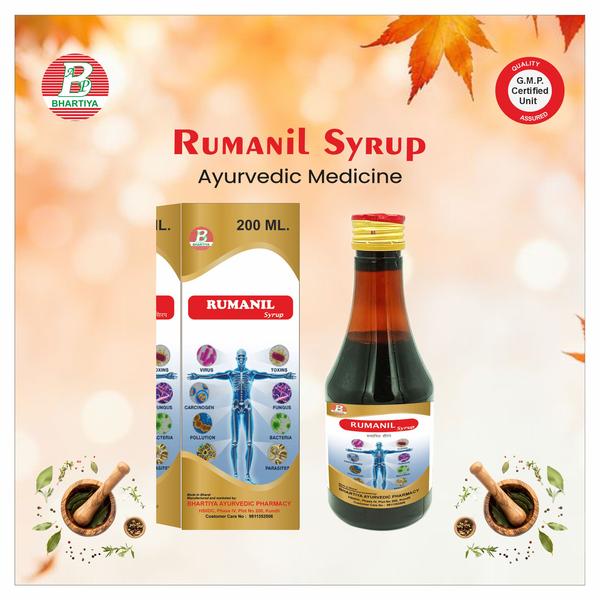
                                       RUMANIL SYRUP Product Identification•	Generic Name: Rumanil Syrup•	Type: Ayurvedic Patent Medicine•	Primary Indication Area: Joint health, musculoskeletal support, and relief from pain and inflammation.  Therapeutic Indications•	Provides relief from joint pain and stiffness.•	Supports mobility and flexibility of joints.•	Reduces inflammation and discomfort associated with arthritis or minor injuries.•	Helps in strengthening bones and muscles.Key benefits:1.	Relieves Joint Pain – Helps reduce discomfort in knees, elbows, shoulders, and other joints.2.	Reduces Inflammation – Herbal ingredients work to calm swelling and tenderness.3.	Improves Flexibility & Mobility – Supports easier movement and reduces stiffness.4.	Strengthens Muscles & Bones – Contributes to overall musculoskeletal health.5.	Supports Arthritis Management – May help with symptoms of osteoarthritis or mild joint disorders.6.	Natural & Ayurvedic – Use traditionally formulations long term use Ingredient:  Guggulu (Commiphora mukul)Key Phytoconstituents:1.	Guggulsterones (E & Z isomers) – main active compounds2.	Sterols & Diterpenoids – anti-inflammatory activity3.	Resins – provide therapeutic effects4.	Essential oils – minor anti-inflammatory and analgesic effectsMechanism of Action in Joint Health1.	Anti-inflammatoryo	Guggulsterones inhibit pro-inflammatory mediators (like TNF-α, IL-1β, and COX enzymes).o	Reduces swelling, stiffness, and tenderness in joints.2.	Analgesic (Pain Relief)o	Reduces pain associated with osteoarthritis, rheumatoid arthritis, and minor joint injuries.Salai Guggul (Boswellia serrata)Botanical Name: Boswellia serrataCommon Name: Indian FrankincenseKey Phytoconstituents:1.	Boswellic Acids (α, β, acetyl-boswellic acids) – main active anti-inflammatory compounds2.	Triterpenoids – support anti-inflammatory activity3.	Essential Oils – minor analgesic and anti-inflammatory effectsMechanism of Action in Joint Health1.	Anti-inflammatoryo	Boswellic acids inhibit 5-lipoxygenase (5-LOX), reducing leukotriene synthesis.o	Helps control inflammation in arthritis, tendinitis, and joint swelling.2.	Analgesic (Pain Relief)o	Reduces pain associated with osteoarthritis and rheumatoid arthritis.Chobchini (Smilax china)Botanical Name: Smilax chinaCommon Name: ChobchiniKey Phytoconstituents:1.	Saponins – main bioactive compounds, contribute to anti-inflammatory and detoxifying effects.2.	Flavonoids – provide antioxidant and anti-inflammatory properties.3.	Steroids & Triterpenoids – support anti-inflammatory and immune-modulatory activity.4.	Polyphenols – help reduce oxidative stress and support joint health.Mechanism of Action in Joint Health:1. Anti-inflammatory Effects•	Saponins and flavonoids inhibit pro-inflammatory mediators, reducing joint inflammation and swelling.•	Helpful in conditions like arthritis and gout.2. Analgesic (Pain Relief)•	Reduces pain and discomfort associated with inflamed jointsAshwagandha (Withania somnifera)Botanical Name: Withania somniferaCommon Name: Ashwagandha, Indian Ginseng, Winter CherryKey Phytoconstituents:1.	Withanolides – steroidal lactones responsible for anti-inflammatory, adaptogenic, and immunomodulatory effects.2.	Alkaloids – contribute to stress reduction and neuroprotective activity.3.	Saponins – support anti-inflammatory and antioxidant actions.4.	Polyphenols – provide antioxidant and tissue-protective effects.Mechanism of Action in Joint Health:1. Anti-inflammatory Effects•	Withanolides and saponins inhibit inflammatory cytokines (e.g., TNF-α, IL-1β) and oxidative stress in joints.•	Helps in arthritis, tendinitis, and joint swelling.2. Analgesic (Pain Relief)•	Reduces pain and discomfort in osteoarthritis and rheumatoid arthritis.Haldi (Curcuma longa)Botanical Name: Curcuma longaCommon Name: Turmeric, HaldiKey Phytoconstituents:1.	Curcuminoids (Curcumin, Desmethoxycurcumin, Bisdemethoxycurcumin) – primary anti-inflammatory and antioxidant compounds.2.	Volatile Oils (Turmerone, Atlantone, Zingiberene) – provide minor analgesic and anti-inflammatory effects.3.	Polysaccharides & Phenolics – support joint health through antioxidant and tissue-protective effects.Mechanism of Action in Joint Health:1. Anti-inflammatory Effects•	Curcumin inhibits NF-κB, COX-2, and 5-LOX pathways, reducing pro-inflammatory cytokines and mediators.•	Helps manage arthritis, joint swelling, and tendinitis.2. Analgesic (Pain Relief)•	Reduces pain and stiffness associated with osteoarthritis and rheumatoid arthritis.Nirgundi (Vitex negundo)Botanical Name: Vitex negundoCommon Name: Nirgundi, Five-leaved Chaste TreeKey Phytoconstituents:1.	Flavonoids (Negundoside, Casticin, Vitexin) – contribute to anti-inflammatory and antioxidant effects.2.	Iridoid glycosides – provide analgesic and anti-inflammatory activity.3.	Essential oils (α-pinene, β-caryophyllene, cineole) – minor analgesic and anti-inflammatory effects.4.	Triterpenoids & Steroids – support joint health by modulating inflammation.Mechanism of Action in Joint Health:1. Anti-inflammatory Effects•	Flavonoids and iridoid glycosides inhibit inflammatory mediators like prostaglandins and leukotrienes.•	Helps manage arthritis, joint swelling, and muscle inflammation.2. Analgesic (Pain Relief)•	Reduces pain associated with osteoarthritis, rheumatoid arthritis, and general joint discomfort.Rasna (Pluchea lanceolata / Pluchea indica)Botanical Name: Pluchea lanceolata (commonly) / Pluchea indicaCommon Name: RasnaKey Phytoconstituents:1.	Flavonoids (Quercetin, Kaempferol derivatives) – provide anti-inflammatory and antioxidant effects.2.	Terpenoids & Essential Oils – contribute analgesic and anti-inflammatory activity.3.	Alkaloids & Phenolics – support anti-inflammatory and tissue-protective functions.Mechanism of Action in Joint Health:1. Anti-inflammatory Effects•	Inhibits pro-inflammatory mediators like prostaglandins and leukotrienes.•	Effective in arthritis, joint swelling, and musculoskeletal inflammation.2. Analgesic (Pain Relief)•	Reduces joint pain and discomfort associated with osteoarthritis and rheumatic conditions.Saunth (Zingiber officinale, dried ginger)Botanical Name: Zingiber officinaleCommon Name: Saunth, Dried GingerKey Phytoconstituents:1.	Gingerols & Shogaols – primary anti-inflammatory and analgesic compounds.2.	Volatile Oils (Zingiberene, β-bisabolene, α-Curcumene) – support pain relief and anti-inflammatory effects.3.	Resins & Phenolic Compounds – provide antioxidant and tissue-protective activity.Mechanism of Action in Joint Health:1. Anti-inflammatory Effects•	Gingerols and shogaols inhibit COX and 5-LOX pathways, reducing pro-inflammatory prostaglandins and leukotrienes.•	Helps manage arthritis, joint swelling, and tendon inflammation.2. Analgesic (Pain Relief)•	Reduces joint pain and stiffness associated with osteoarthritis and rheumatoid arthritis.Erandmool (Ricinus communis)Botanical Name: Ricinus communisCommon Name: Castor Root, ErandmoolKey Phytoconstituents:1.	Ricinoleic Acid – primary anti-inflammatory and analgesic compound.2.	Flavonoids & Phenolic Compounds – provide antioxidant and tissue-protective effects.3.	Triterpenoids & Sterols – support anti-inflammatory activity and joint tissue protection.Mechanism of Action in Joint Health:1. Anti-inflammatory Effects•	Ricinoleic acid and triterpenoids modulate inflammatory mediators like prostaglandins and cytokines.•	Reduces joint swelling and inflammation in arthritis and musculoskeletal conditions.2. Analgesic (Pain Relief)•	Provides pain relief in osteoarthritis, rheumatoid arthritis, and general joint discomfort.Mulethi (Glycyrrhiza glabra)Botanical Name: Glycyrrhiza glabraCommon Name: Mulethi, Licorice RootKey Phytoconstituents:1.	Glycyrrhizin – primary anti-inflammatory and tissue-protective compound.2.	Flavonoids (Liquiritin, Isoliquiritin, Glabridin) – antioxidant and anti-inflammatory effects.3.	Saponins & Phenolics – support cartilage protection and analgesic activity’sMechanism of Action in Joint Health:1. Anti-inflammatory Effects•	Glycyrrhizin and flavonoids modulate inflammatory cytokines and inhibit COX/LOX pathways.•	Helps reduce arthritis-related inflammation, joint swelling, and musculoskeletal pain.2. Analgesic (Pain Relief)•	Reduces pain and discomfort in osteoarthritis and rheumatoid arthritis.Suranjan (Colchicum luteum / Colchicum autumnale)Botanical Name: Colchicum luteum (commonly in Ayurveda) / Colchicum autumnaleCommon Name: SuranjanKey Phytoconstituents:1.	Colchicine – primary anti-inflammatory and anti-gout compound.2.	Alkaloids & Phenolics – support anti-inflammatory and antioxidant effects.3.	Flavonoids & Saponins – provide tissue-protective and mild analgesic effects.Mechanism of Action in Joint Health:1. Anti-inflammatory Effects•	Colchicine inhibits microtubule polymerization, reducing neutrophil migration and inflammatory mediator release.•	Highly effective in gouty arthritis, joint swelling, and acute inflammation.2. Analgesic (Pain Relief)•	Reduces pain in joints, especially in gout and acute inflammatory episodes.
Rumanil Syrup

INR 105 INR 210
You Save 50%

VIEW DETAILS
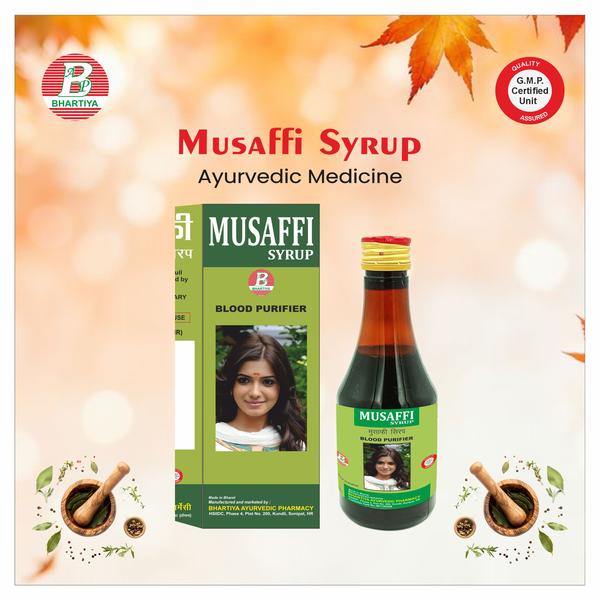
                                         MUSAFFI SYRUP Product Identification•	Generic Name: Musaffi Syrup•	Type: Ayurvedic Patent Medicine•	Primary Indication Area: An Ayurvedic blood purifier that detoxifies the blood and promotes healthy, glowing skin.” Therapeutic Indications1.	Blood purification – Helps detoxify the blood and remove impurities.2.	Skin disorders – Supports treatment of acne, pimples, boils, eczema, and other eruptions caused by blood impurities.3.	Liver and digestive support – Promotes healthy liver function and improves digestion to aid natural detoxification.4.	General wellness – Enhances overall vitality and boosts natural immunity.Key benefits:•	Purifies the Blood: Removes toxins and impurities from the bloodstream.•	Promotes Healthy Skin: Helps reduce acne, pimples, and skin eruptions for clearer, glowing skin.•	Supports Liver Function: Aids natural detoxification and improves metabolism.•	Boosts Immunity: Strengthens the body’s natural defense mechanisms.•	Enhances Overall Wellness: Improves vitality and general health. Ingredient:  Daru Haldi (Berberis aristata)Botanical Name: Berberis aristataCommon Name: Daru Haldi, Indian BarberryKey phytoconstituents:•	Isoquinoline alkaloids (major actives):o	Berberine (principal constituent)o	Berbamineo	Palmatineo	Jatrorrhizineo	Oxyacanthineo	Magnoflorine•	Other constituents:o	Tanninso	Phenolic compoundso	Resinso	Traces of volatile oilTherapeutic Uses / Benefits:•	Blood Purifier: Helps cleanse the blood and remove toxins.•	Supports Liver Health: Promotes liver function and detoxification.•	Skin Health: Aids in reducing acne, pimples, and other skin eruptions caused by impurities.•	Anti-inflammatory & Antimicrobial: Useful in treating minor infections and inflammation.•	Digestive Aid: Supports healthy digestion and metabolism. Haldi (Turmeric)Botanical Name: Curcuma longaCommon Name: Haldi, TurmericKey phytoconstituents:1. Curcuminoids (major actives)•	Curcumin (principal constituent)•	Desmethoxycurcumin•	Bisdemethoxycurcumin2. Volatile (essential) oils•	α-Turmerone•	β-Turmerone•	Ar-turmerone•	Zingiberene•	Curlone3. Other constituents•	Polysaccharides•	Proteins•	Resins•	Sugars•	Minerals (iron, potassium)Therapeutic Uses / Benefits:•	Blood Purification: Helps detoxify blood and supports overall skin health.•	Anti-inflammatory & Antimicrobial: Reduces inflammation and fights infections.•	Supports Liver Function: Promotes liver health and natural detoxification.•	Skin Health: Helps in clearing acne, pimples, and other skin eruptions.•	Digestive Aid: Improves digestion and metabolism. Anantmool (Hemidesmus indicus)Botanical Name: Hemidesmus indicusCommon Names: Anantmool, Indian SarsaparillaKey phytoconstituents:1. Glycosides•	Hemidesmin (major glycoside)•	Saponin glycosides2. Coumarins•	Hemidesmol•	Umbelliferone3. Volatile oil constituents•	2-Hydroxy-4-methoxy benzaldehyde (characteristic aroma compound)•	Vanillin (trace)4. Other constituents•	Tannins•	Resins•	Sugars•	Sterols (β-sitosterol)Therapeutic Uses / Benefits:•	Blood Purification: Helps remove toxins and impurities from the blood.•	Skin Health: Supports healthy, clear skin; reduces pimples, acne, and other skin eruptions.•	Detoxification: Aids in cleansing the liver and urinary system.•	Anti-inflammatory & Antimicrobial: Helps reduce inflammation and combats minor infections.•	Cooling & Soothing: Balances body heat and promotes general wellness. Lal Chandan (Red Sandalwood)Botanical Name: Pterocarpus santalinusCommon Names: Lal Chandan, Red SandalwoodKey phytoconstituents:1. Phenolic compounds•	Santalin A•	Santalin B (red coloring principles)2. Isoflavonoids•	Pterocarpin•	Santal•	Isopterocarpin3. Triterpenoids & sterols•	β-sitosterol•	Lupeol4. Other constituents•	Tannins•	Sugars•	ResinsTherapeutic Uses / Benefits:•	Skin Health: Helps improve complexion, soothe skin irritations, and reduce pimples, acne, and other eruptions.•	Blood Purification: Supports detoxification and removal of impurities from the blood.•	Cooling & Anti-inflammatory: Reduces inflammation, redness, and heat-related skin problems.•	Antimicrobial: Helps protect the skin from minor infections.•	Soothing & Healing: Promotes natural healing of skin conditions and enhances skin texture.Therapeutic Uses / Benefits:•	Blood Purification: Helps detoxify the blood and remove impurities.•	Liver Support: Promotes healthy liver function and aids in detoxification.•	Skin Health: Supports treatment of acne, eczema, and other skin eruptions caused by blood impurities.•	Anti-inflammatory & Antimicrobial: Reduces inflammation and protects against minor infections.•	Digestive Aid: Supports healthy digestion and metabolism. Mimusops hexandra (Mahua / Bakul)Botanical Name: Mimusops hexandraCommon Names: Mahua, Bakul, Indian MimusopsKey phytoconstituents:1. Saponins (major constituents)•	Madhucosides•	Sapogenins2. Sugars & carbohydrates•	Glucose•	Fructose•	SucroseTherapeutic Uses / Benefits:•	Blood Purification: Helps detoxify the blood and remove impurities.•	Skin Health: Supports healthy skin; helps reduce acne, pimples, and skin eruptions caused by blood toxins.•	Anti-inflammatory & Antimicrobial: Reduces inflammation and helps protect against minor infections.•	Digestive & Liver Support: Promotes healthy digestion and liver function, aiding natural detoxification.•	General Wellness: Enhances vitality, stamina, and overall well-being. Vidhara (Dryopteris filix-mas / Indian Fern)Botanical Name: Dryopteris filix-masCommon Names: Vidhara, Indian FernKey phytoconstituents:1. Alkaloids•	Ergoline alkaloids (trace amounts)•	Chanoclavine–type alkaloids2. Flavonoids•	Quercetin•	Kaempferol•	RutinTherapeutic Uses / Benefits:•	Blood Purification: Helps remove toxins and impurities from the blood.•	Skin Health: Supports treatment of acne, pimples, eczema, and other skin eruptions caused by blood impurities.•	Anti-inflammatory & Antimicrobial: Reduces inflammation and protects against minor infections.•	Detoxification: Promotes liver and kidney function to aid natural cleansing.•	Digestive Support: Helps improve digestion and metabolism. Revandchini (Rheum emodi / Himalayan Rhubarb)Botanical Name: Rheum emodiCommon Names: Revandchini, Himalayan RhubarbKey phytoconstituents:1. Anthraquinone derivatives (major actives)•	Emodin•	Chrysophanol•	Aloe-emodin•	Rhein•	Physcion2. Glycosides•	Anthraquinone glycosides•	Tannic glycosidesTherapeutic Uses / Benefits:•	Blood Purification: Helps cleanse the blood and remove toxins.•	Liver & Digestive Support: Promotes healthy liver function, supports digestion, and aids natural detoxification.•	Skin Health: Helps manage acne, pimples, and other skin eruptions caused by blood impurities.•	Anti-inflammatory & Antimicrobial: Reduces inflammation and protects against minor infections.•	Mild Laxative Effect: Supports healthy bowel movements, aiding detoxification Samunder SokhBotanical Name: Argyreia nervosa Common Names: Samunder SokhKey phytoconstituents:1. Thiosugar compounds (major actives)•	Salacinol•	Kotalanol•	Neokotalanol2. Polyphenols & xanthones•	Mangiferin•	Catechins•	Other phenolic compounds
Musaffi Syrup

INR 90 INR 180
You Save 50%

VIEW DETAILS
                                        LIVOFIT SYRUP Product Identification•	Generic Name: Livofit Syrup•	Type: Ayurvedic Patent Medicine•	Primary Indication Area: Management and support of liver disorders, impaired digestion, and loss of appetite.Therapeutic IndicationsIndicated for the management of liver dysfunction, hepatomegaly, fatty liver, loss of appetite, and digestive disturbances.Key benefits:•	Supports healthy liver function and regeneration of liver cells•	Aids in detoxification and elimination of toxins•	Improves appetite and digestion•	Helps manage fatty liver and hepatomegaly•	Protects the liver from damage due to medications or toxins•	Enhances overall metabolism and vitality Ingredient:  Revandchini Botanical Name: Rheum emodiKey Phytoconstituents:•	Anthraquinones (Emodin, Rhein, Chrysophanol)•	Tannins•	Flavonoids•	GlycosidesMechanism of Action for Liver Support:1.	Hepatoprotective Actiono	Emodin and rhein help protect liver cells from toxin-induced damage.o	Supports regeneration and normal functioning of hepatocytes.2.	Detoxification Supporto	Promotes elimination of metabolic wastes and toxins through mild laxative action.o	Reduces toxin load on the liver.Punarnava Botanical Name: Boerhavia diffusaKey Phytoconstituents:•	Punarnavoside•	Boeravinones (A–F)•	Flavonoids•	Alkaloids•	SteroidsMechanism of Action for Liver Health:1.	Hepatoprotective Actiono	Protects liver cells from toxin-induced damage and supports regeneration.o	Useful in liver enlargement and impaired liver function.2.	Diuretic & Detoxifying Effecto	Promotes elimination of excess fluids and metabolic wastes.o	Helps reduce hepatic congestion and edema.Chitrak Botanical Name: Plumbago zeylanica Key Phytoconstituents:•	Plumbagin – main bioactive compound•	Flavonoids – antioxidant and anti-inflammatory effects•	Alkaloids – therapeutic activity•	Tannins – astringent and protective propertiesMechanism of Action for Liver Health:1.	Hepatoprotective Actiono	Plumbagin helps protect liver cells from damage caused by toxins.o	Supports regeneration of hepatocytes and normal liver function.2.	Digestive & Metabolic Supporto	Stimulates digestive enzymes and bile secretion.o	Aids in fat metabolism and improves overall digestion.Giloy (Tinospora cordifolia)Key Phytoconstituents:•	Alkaloids (e.g., Berberine, Magnoflorine) – immunomodulatory and hepatoprotective•	Diterpenoid lactones – anti-inflammatory and antioxidant•	Glycosides – therapeutic activity•	Polysaccharides – immunomodulatory and liver-supportingMechanism of Action for Liver Health:1.	Hepatoprotective Actiono	Protects liver cells from oxidative and toxin-induced damage.o	Supports regeneration of hepatocytes and normal liver function.2.	Detoxification Supporto	Promotes elimination of metabolic waste and toxins, reducing liver burden.Tulsi Botanical Name: Ocimum sanctum Key Phytoconstituents:•	Eugenol – antioxidant and anti-inflammatory•	Ursolic acid – hepatoprotective and anti-inflammatory•	Flavonoids – antioxidant activity•	Tannins – protective and astringent properties•	Rosmarinic acid – anti-inflammatory and detoxifyingMechanism of Action for Liver Health:1.	Hepatoprotective Actiono	Protects liver cells from damage caused by toxins and oxidative stress.o	Supports regeneration of hepatocytes and normal liver function.2.	Antioxidant Activityo	Neutralizes free radicals, reducing oxidative damage in liver tissues.Bhringraj Botanical Name: Eclipta alba Key Phytoconstituents:•	Wedelolactone – hepatoprotective and anti-inflammatory•	Ecliptine – supports liver function•	Flavonoids – antioxidant activity•	Alkaloids – therapeutic effects•	Coumestans – protect liver cells from damageMechanism of Action for Liver Health:1.	Hepatoprotective Actiono	Protects liver cells from toxin-induced damage.o	Supports regeneration of hepatocytes and overall liver function.2.	Antioxidant Activityo	Scavenges free radicals, preventing oxidative stress in liver tissues.Vaividang Botanical Name: Embelia ribesKey Phytoconstituents:•	Embelin – primary bioactive compound with hepatoprotective and antioxidant properties•	Flavonoids – antioxidant and anti-inflammatory activity•	Tannins – protective and astringent effects•	Glycosides – contribute to therapeutic activityMechanism of Action for Liver Health:1.	Hepatoprotective Actiono	Protects liver cells from toxin-induced damage.o	Supports regeneration and normal functioning of hepatocytes.2.	Antioxidant Activityo	Scavenges free radicals and reduces oxidative stress in liver tissues.Kashni Botanical Name: Cichorium intybus Key Phytoconstituents:•	Inulin – prebiotic and liver-supportive•	Phenolic acids (Chlorogenic acid, Caffeic acid) – antioxidant activity•	Flavonoids – hepatoprotective and anti-inflammatory•	Tannins – protective effects on liver cells•	Sesquiterpene lactones – stimulate bile secretionMechanism of Action for Liver Health:1.	Hepatoprotective Actiono	Protects liver cells from toxin-induced and oxidative damage.o	Supports regeneration of hepatocytes and overall liver function.2.	Detoxification & Bile Stimulationo	Stimulates bile production, aiding digestion and toxin elimination.o	Supports liver detoxification processes.Kalmegh Botanical Name: Andrographis paniculataKey Phytoconstituents:•	Andrographolide – main bioactive compound with hepatoprotective and anti-inflammatory properties•	Flavonoids – antioxidant and liver-protective activity•	Diterpenoids – support liver function and reduce inflammation•	Glycosides – therapeutic activityMechanism of Action for Liver Health:1.	Hepatoprotective Actiono	Protects liver cells from toxin-induced damage.o	Supports regeneration of hepatocytes and maintains normal liver function.2.	Detoxification Supporto	Enhances elimination of metabolic wastes and toxins, reducing liver burden.Arjun Botanical Name: Terminalia arjunaKey Phytoconstituents:•	Triterpenoids (Arjunolic acid, Arjunic acid) – cardioprotective and antioxidant•	Flavonoids – antioxidant and anti-inflammatory•	Glycosides – therapeutic activity•	Tannins – protective effects on tissuesMechanism of Action for Liver Health:1.	Hepatoprotective Actiono	Protects liver cells from oxidative and toxin-induced damage.o	Supports regeneration of hepatocytes and overall liver function.2.	Antioxidant Activityo	Neutralizes free radicals, preventing oxidative stress in liver tissues.
Livofit Syrup

INR 90 INR 180
You Save 50%

VIEW DETAILS
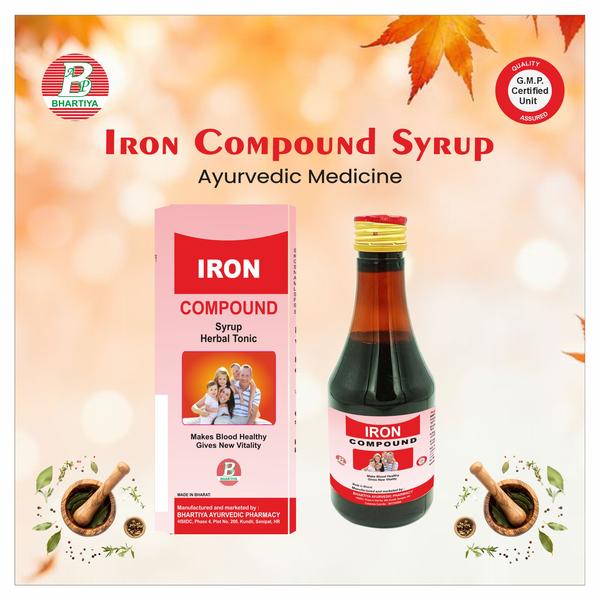
                                        IRON COMPOUND SYRUP Product Identification•	Generic Name: Iron Compound Syrup•	Type: Ayurvedic Patent Medicine•	Primary Indication Area: Management of iron deficiency, anaemia, general debility, and weakness associated with low haemoglobin. Therapeutic Indications  Iron Deficiency Anaemia:•	Treatment and prevention of anaemia due to iron deficiency.Low Hemoglobin / General Weakness:•	Helps in improving haemoglobin levels and reducing fatigue or weakness.  Postpartum Recovery:•	Supports mothers after childbirth to restore iron levels and overall vitality.Growth and Development in Children:•	Supplementary iron for children with nutritional deficiency leading to growth retardation or pallor. Supportive Therapy in Chronic Illness:•	As an adjunct in conditions causing chronic blood loss, malabsorption, or poor appetite. Ayurvedic Perspective:•	Balances Rakta dhatu (blood tissue) and Pitta dosha, supporting overall vitality and strength.Key benefits:1.	Prevents and Treats Iron Deficiency:o	Restores iron levels and combats anaemia effectively.2.	Improves Hemoglobin & Red Blood Cell Count:o	Enhances oxygen-carrying capacity, reducing fatigue and weakness.3.	Boosts Energy & Vitality:o	Helps in overcoming general debility and tiredness.4.	Supports Growth & Development:o	Beneficial for children with nutritional deficiencies and slow growth.5.	Promotes Postpartum Recovery:o	Aids mothers in regaining strength and replenishing iron stores after childbirth.6.	Ayurvedic Wellness Support:o	Strengthens Rakta dhatu (blood tissue) and balances Pitta dosha, promoting overall health.7.	Safe & Gentle on Stomach:o	Formulated to minimize gastrointestinal discomfort often associated with iron supplements.Ingredient: Safed Chandan (Santalum album)Botanical Name: Santalum albumKey Phytoconstituents:•	α- and β-santalol (terpenoids)•	Flavonoids (luteolin, quercetin)•	Tannins / Polyphenols•	Minerals (calcium, potassium, magnesium)Mechanism of Action (Iron Deficiency & Blood Health):1.	Restores Iron Levels: Supplies elemental iron to replenish body stores.2.	Boosts Hemoglobin & RBC Production: Enhances red blood cell formation and oxygen transport.3.	Reduces Fatigue & Weakness: Improves tissue oxygenation, increasing energy.4.	Protects Blood Cells: Antioxidants in supportive herbs prevent oxidative damage.5.	Purifies & Strengthens Blood (Ayurvedic view): Improves Rakta dhatu and balances Pitta.
Iron Compound Syrup

INR 90 INR 180
You Save 50%

VIEW DETAILS
                                      ASTHONIL SYRUP Product Identification•	Generic Name: Asthonil Syrup•	Type: Ayurvedic Patent Medicine•	Primary Indication Area: Respiratory health (cough, cold, throat irritation) Therapeutic Indications•	Relief from dry and productive cough•	Soothing sore throat and throat irritation•	Respiratory congestion due to cold or allergies•	Supports natural immunity of the respiratory tract•	May aid in relieving mild asthma symptoms (as per traditional usage)Key benefits:1.	Relieves Cough: Helps reduce both dry and productive cough naturally.2.	Soothes Throat Irritation: Provides relief from sore and itchy throat.3.	Reduces Respiratory Congestion: Helps clear mucus and eases breathing.4.	Supports Respiratory Health: Strengthens the respiratory system’s natural defenses.5.	Natural & Gentle: Made with Ayurvedic herbal extracts, safe for regular use.6.	Boosts Immunity: Enhances body’s resistance against seasonal respiratory infections. Ingredient:  Arjun chhalKey Phytoconstituents & Actions:•	Triterpenoids (Arjunolic acid, Arjunetin): Anti-inflammatory, antioxidant•	Flavonoids (Luteolin, Quercetin): Reduce airway inflammation, support immune response•	Polyphenols & Tannins: Antioxidant, mucosal protection•	Saponins: Mild Bronchodilatory effect, supports respiratory functionMechanisms of Action in Respiratory Health:1.	Anti-inflammatory: Reduces inflammation in airways, helping relieve bronchial irritation in asthma and bronchitis.2.	Bronchodilator & Smooth Muscle Relaxation: May help relax bronchial muscles, easing airflow and reducing wheezing.3.	Antioxidant: Protects respiratory tissues from oxidative stress caused by infections or environmental pollutants.4.	Mucolytic & Expectorant Support: Helps in loosening mucus for easier clearance from lungs (indirect effect).5.	Immunomodulatory: Supports immune defense, reducing susceptibility to respiratory infections.Solanum xanthocarpum (Yellow-berried Nightshade / Kantakari)Botanical Name: Solanum xanthocarpum (commonly called Kantakari)Key Phytoconstituents:•	Alkaloids (Solasonine, Solamargine) – bronchodilator, anti-inflammatory, antimicrobial•	Saponins – expectorant, mucolytic, mild antimicrobial•	Flavonoids & Phenolic compounds – antioxidant and anti-inflammatory•	Glycosides – contribute to respiratory and anti-inflammatory effects•	Steroidal compounds – support anti-inflammatory and immunomodulatory actionMechanism of Action in Respiratory Health:•	Expectorant & Mucolytic: Saponins and alkaloids loosen mucus and facilitate easier expectoration.•	Bronchodilator: Alkaloids help relax airway smooth muscles, improving airflow in asthma and bronchitis.•	Anti-inflammatory: Reduces inflammation in airways, easing cough and irritation.•	Antimicrobial: Active against bacteria and viruses that cause respiratory infections.•	Antioxidant: Flavonoids and phenolic compounds reduce oxidative stress in respiratory tissues caused by infections or pollutants.Dosage / Administration•	Recommended Dose: 2-10 ml•	Frequency: Twice a day•	Route: Oral•	Notes:o	Take after meals for better absorption.o	Adjust dose according to age, weight, and health condition if needed.o	Consult a physician if symptoms persist or in case of chronic illness.
Asthonil syrup

INR 105 INR 210
You Save 50%

VIEW DETAILS
Ashoka Tone Syrup

INR 90 INR 180
You Save 50%

VIEW DETAILS

Filter using tags

Hingul Bhasma

INR 165 INR 330
You Save 50%

INR 57 INR 114
You Save 50%

INR 150 INR 300
You Save 50%

INR 105 INR 210
You Save 50%

INR 90 INR 180
You Save 50%

INR 90 INR 180
You Save 50%

INR 105 INR 210
You Save 50%

INR 90 INR 180
You Save 50%

INR 90 INR 180
You Save 50%

INR 90 INR 180
You Save 50%

INR 105 INR 210
You Save 50%

INR 90 INR 180
You Save 50%

Have any question or need any business consultation?

Have any question or need any business consultation?

Contact Us