


Description
Product details
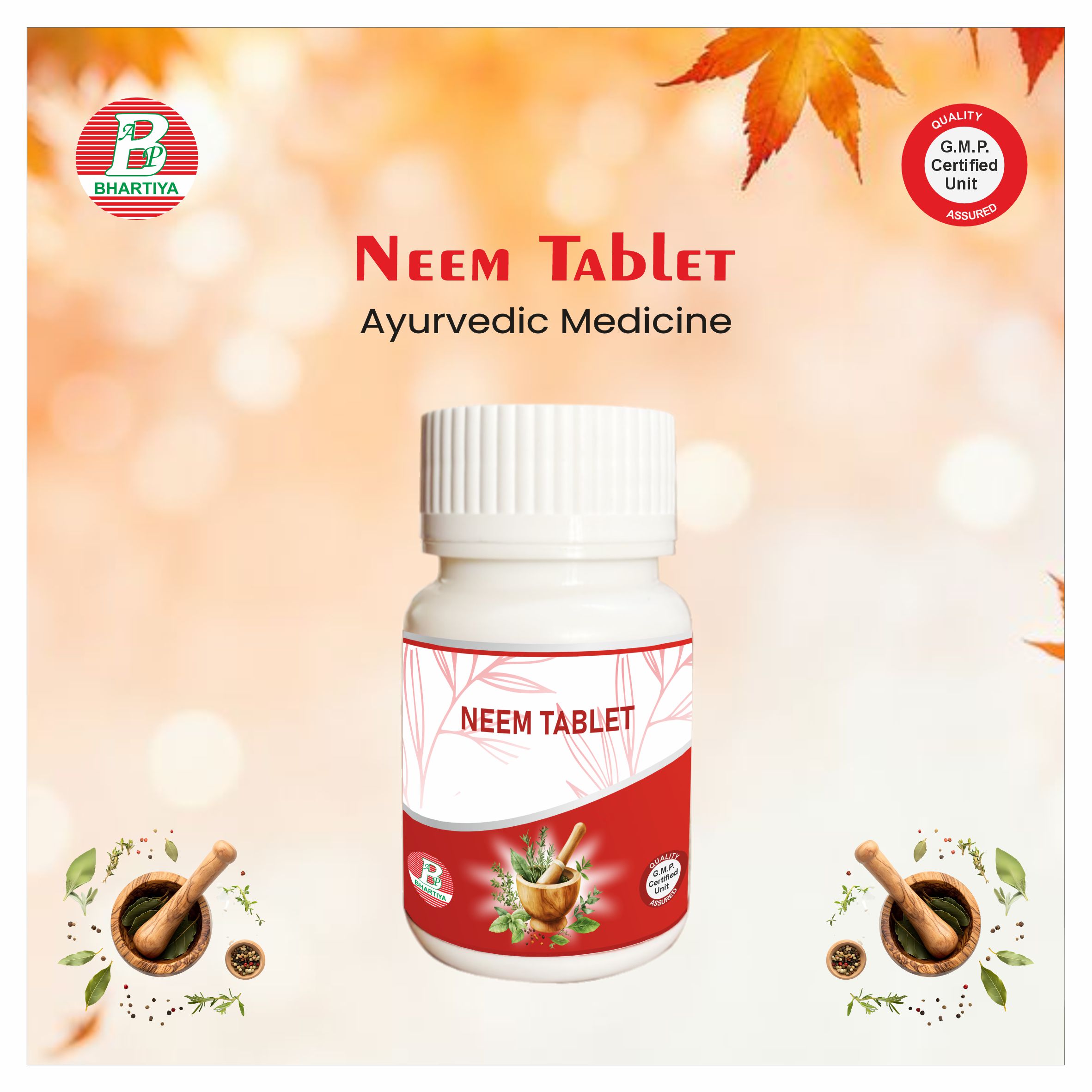
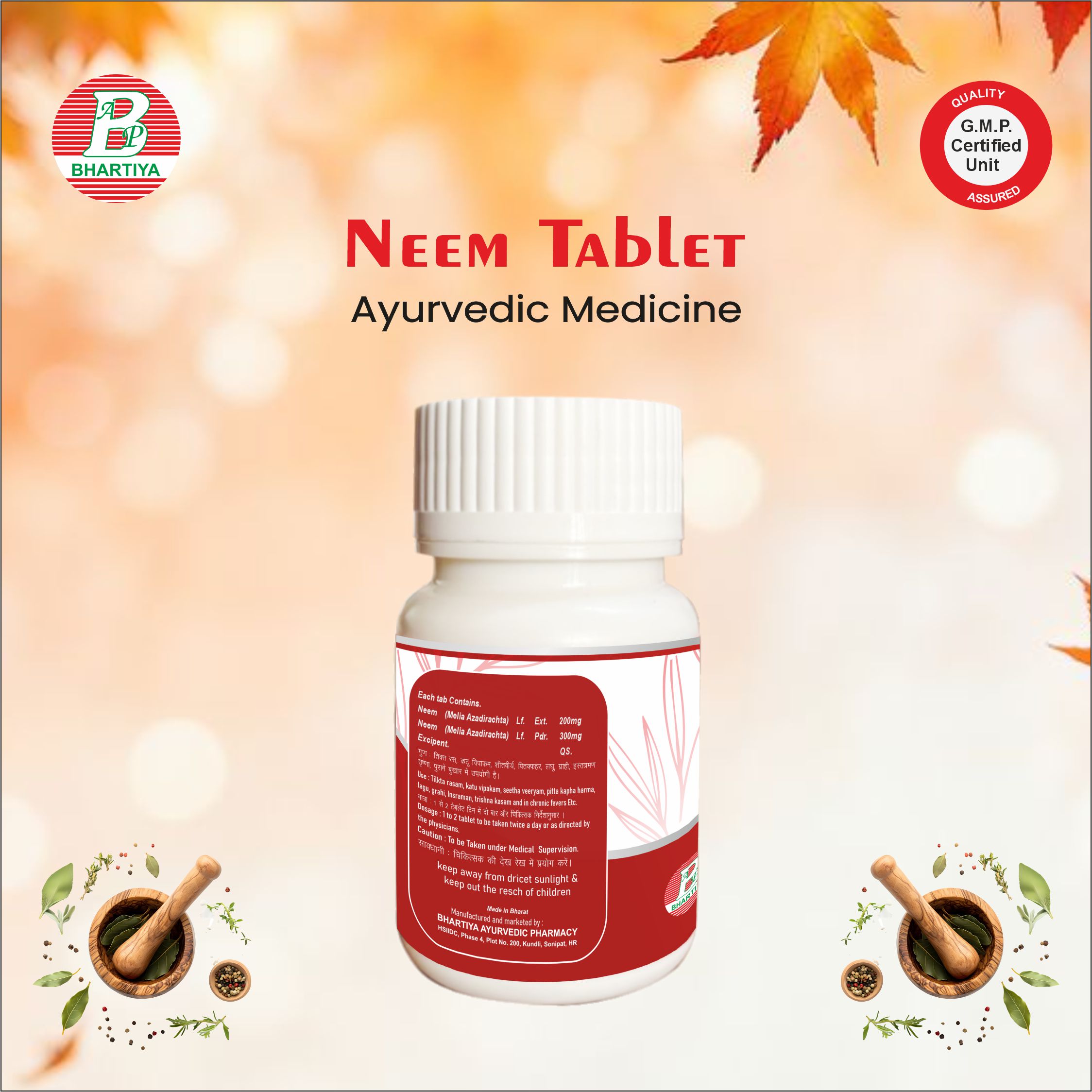
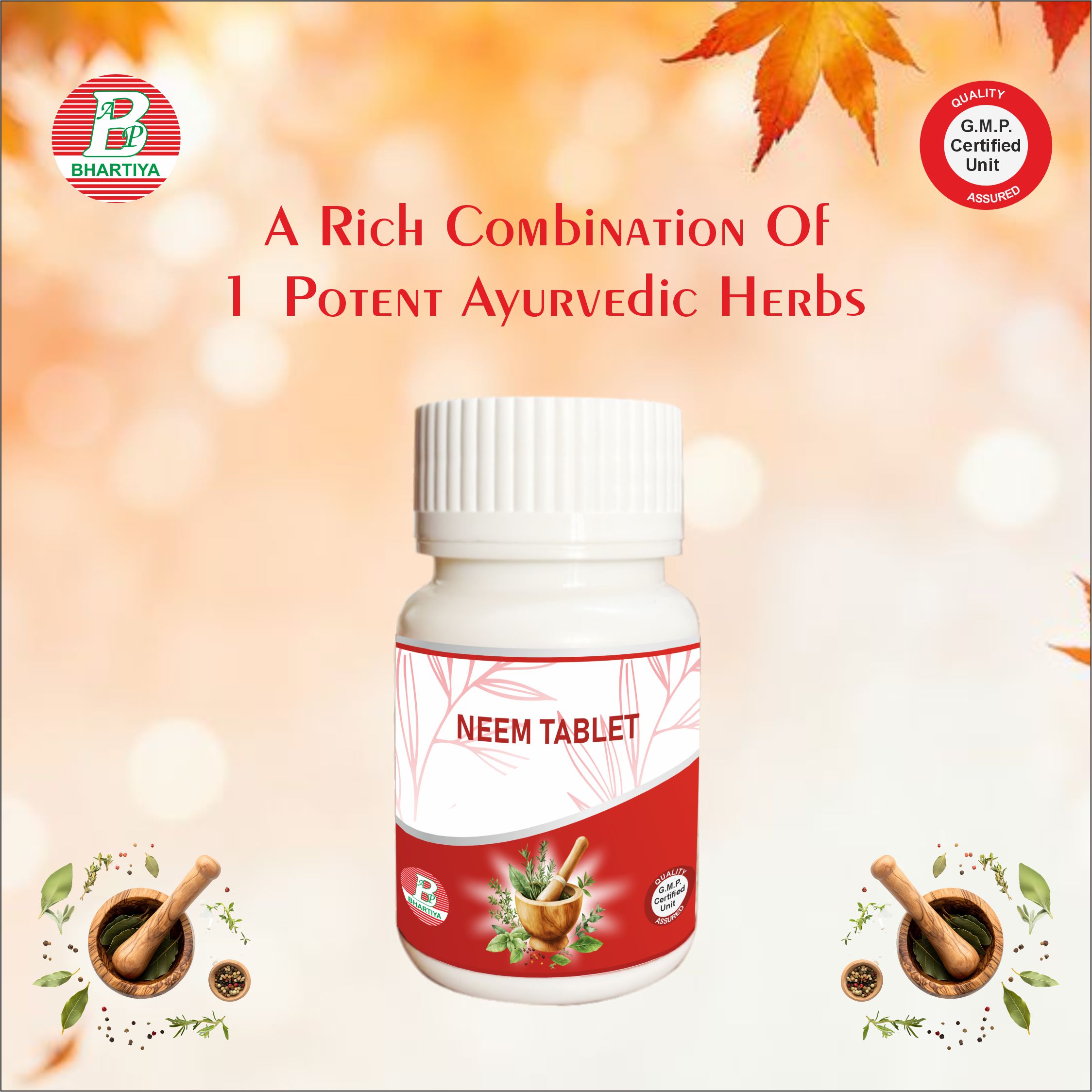
NEEM (Azadirachta indica A. Juss.) The Divine Medicinal Tree — “Nimba” (The Bitter Guardian) Neem, known as Nimba in Sanskrit, is one of the most revered medicinal trees in Ayurveda. Celebrated for its antimicrobial, blood-purifying, and detoxifying properties, it has been used since Vedic times for health, hygiene, and longevity. Neem is considered a Pittashamaka and Rasayana, supporting immunity, skin, liver, and overall vitality. Classical texts praise Neem as the “Sarva Roga Nivarini” — capable of preventing or alleviating multiple diseases. BOTANICAL INFORMATION OF NEEM • Scientific Name: Azadirachta indica A. Juss. • Synonyms: Melia azadirachta L., Nimba • Family: Meliaceae • Order: Sapindales • Genus: Azadirachta • Species: indica • Common Names: o Sanskrit: Nimba, Nimbaka, Arishta, Sarva Roga Nivaraka o Hindi: Neem o English: Indian Lilac o Tamil: Veppam, Vembu o Telugu: Vepa o Malayalam: Veppu, Vempu o Kannada: Bevu o Marathi/Gujarati: Neem SYNONYMS IN CLASSICAL AYURVEDIC TEXTS • Charaka Samhita: Nimba, Sarvoshadhi • Sushruta Samhita: Nimb, Raktaprasadaka • Bhavaprakasha Nighantu: Nimba, Arishta, Sarva Roga Nivaraka • Dhanvantari Nighantu: Nimba, Raktashodhaka Neem is traditionally associated with blood purification, detoxification, longevity, and prevention of skin and systemic disorders. MORPHOLOGY OF NEEM • Tree: Medium to large deciduous, height 15–20 m, spreading crown • Bark: Grey-brown, rough, longitudinal fissures • Leaves: Pinnate, 20–40 cm long, leaflets 20–30 pairs, ovate-lanceolate, serrated margins • Flowers: Small, white, fragrant, axillary panicles • Fruit: Drupe, ovoid, green turning yellow on ripening, 1–2 cm long, bitter-sweet • Seed: One hard seed per fruit ECOLOGICAL PREFERENCES • Climate: Tropical and subtropical, drought-resistant • Soil: Adaptable to a range of soils, grows well in poor, sandy, or rocky soil • Habitat: Open forests, village groves, roadsides • Altitude: Sea level to 1,500 m GEOGRAPHICAL DISTRIBUTION • India: Widely distributed, majorly in Rajasthan, Gujarat, Maharashtra, Tamil Nadu, Karnataka, Andhra Pradesh • Outside India: Myanmar, Bangladesh, Pakistan, Southeast Asia, tropical Africa CLASSICAL AYURVEDIC PROPERTIES (RASA–GUNA–VIRYA–VIPAKA) • Rasa (Taste): Tikta (bitter), Kashaya (astringent) • Guna (Qualities): Laghu (light), Ruksha (dry) • Virya (Potency): Śīta (cooling) • Vipaka (post-digestive effect): Katu (pungent) • Dosha Effects: Tridoshaghna, especially Pittahara and Kapha-shamaka THERAPEUTIC ACTIONS ACCORDING TO AYURVEDA (KARMA) 1. Raktashodhaka: Purifies blood, detoxifying 2. Kushthaghna: Treats skin disorders, eczema, acne, leprosy 3. Jwaraghna: Antipyretic, reduces fever 4. Kaphapittahara: Balances doshas, reduces inflammation 5. Kantya / Keshya: Promotes hair and skin health 6. Dantya: Oral hygiene, treats dental infections and gingivitis 7. Vrishya: Enhances reproductive health and vitality 8. Vishaghna: Anti-parasitic, kills microbes and intestinal worms INDICATIONS • Skin & Hair: Acne, eczema, psoriasis, dandruff, hair fall • Digestive System: Dyspepsia, constipation, intestinal worms • Metabolism & Immunity: Detoxification, immunity enhancement • Oral Health: Gingivitis, dental caries, halitosis • Blood Disorders: Purifies blood, improves circulation • Fever & Infections: Malaria, viral infections, minor fevers MODERN PHARMACOLOGY & PHYTOCHEMISTRY • Major Constituents: Nimbin, Nimbidin, Azadirachtin, Quercetin, Nimbolide, Flavonoids, Tannins, Vitamins, Minerals • Pharmacological Actions: o Antibacterial, Antiviral, Antifungal o Anti-inflammatory o Immunomodulatory o Antipyretic o Hepatoprotective o Antidiabetic o Antioxidant CULTIVATION DETAILS • Propagation: Seeds, stem cuttings • Sowing Time: June–July (monsoon) • Spacing: 8–10 m between trees • Irrigation: Moderate, drought-tolerant once established • Fertilization: Organic manure preferred • Harvesting: Leaves and fruits collected as required CLASSICAL DOSAGE (According to Ayurvedic Granthas) • Churna (Powder): 1–3 g • Swarasa (Juice): 10–20 ml • Kwatha (Decoction): 40–60 ml • Avaleha (Paste/Lehyam): 5–10 g • Oil (Thaila): Topical for skin and hair CLASSICAL AYURVEDIC FORMULATIONS CONTAINING NEEM 1. Nimbadi Churna – Skin disorders, immunity 2. Nimbadi Kwatha – Blood purification, fever 3. Nimbadi Thaila – Hair and scalp treatment 4. Nimbamrit Rasayana – Rejuvenative, detoxifying 5. Nimbadi Gutika – Digestive and metabolic support 6. Nimba Patra Swarasa – Oral health, dental car HISTORICAL & CLASSICAL SIGNIFICANCE • Neem is referred to as “Divine Tree” in Charaka, Sushruta, and Bhavaprakasha Nighantu. • Known as Sarva Roga Nivarini — capable of preventing numerous diseases. • In ancient Indian texts, neem twigs were used for dental hygiene, and leaves for blood purification. • Used in Rasayana therapy, especially for skin, blood, and immunity-related disorders. • In folklore, neem is regarded as sacred and protective, planted near homes for health and well-being. NEEM (Azadirachta indica A. Juss.) FORMULATIONS – BHARTIYA AYURVEDIC PHARMACY Bhartiya Ayurvedic Pharmacy prepares a range of Neem formulations following classical Ayurvedic principles described in Charaka Samhita, Sushruta Samhita, Bhavaprakasha Nighantu, and other Ayurvedic texts. Each product is designed to retain the full blood-purifying, antimicrobial, skin-protective, and immunity-enhancing properties of Neem. 1. Neem Tablet Description: Neem Tablet is a modern, convenient dosage form containing standardized Neem (Azadirachta indica) extract. Ideal for daily use, it supports detoxification, immunity, and skin health. Key Actions: • Tridoshic Rasayana: Balances Vata, Pitta, Kapha • Blood purifier and detoxifier • Supports skin health and wound healing • Digestive and metabolic support • Immunity enhancer Dosage: • 1–2 tablets twice daily after meals with warm water, or as directed Precautions: • Avoid excessive use in diarrhea or loose stools • Pregnant and lactating women should use under supervision • Monitor blood sugar in diabetics ayurveda neem tablet, ayurvedic neem tablet, benefit of neem tablet benefits of eating neem tablet, benefits of taking neem tablet best neem tablet, best neem tablets for skin best neem tablets in india, best time to have neem tablet best time to take neem tablets for acne, best time to.eat neem tablet can i take neem tablet at night, does neem tablets have side effects how to consume neem tablets, how to make neem tablet at home how to take neem tablet, how to use neem tablet, jiva ayurveda neem tablet jiva ayurveda neem tablets, neem ke tablet, neem ki tablet ka naam neem ki tablet ke fayde, neem ki tablet khane ke fayde neem leaf tablet, neem tablet ayurvedic, neem tablet benefits neem tablet daily, neem tablet dosage, neem tablet for acne neem tablet for cold, neem tablet for constipation neem tablet for skin, neem tablet health benefits, neem tablet hindi neem tablet in hindi, neem tablet kab khana chahiye, neem tablet kaise khaye neem tablet ke fayde, neem tablet ke fayde in hindi, neem tablet khane ke fayde neem tablet kis kaam aati hai, neem tablet lene ke fayde, neem tablet near me' neem tablet online, neem tablet price, neem tablet uses in hindi neem tablets best time to take, neem tablets when to take, neem tulsi tablet use of neem tablet, what are the benefits of neem tablets what are the side effects of neem tablets, what does neem tablets do what is neem tablets good for, what is neem tablets used for what is the best time to take neem tablets, what is the use of neem tablet when should i take neem tablets, when to eat neem tablet when to take neem tablet, where is neem tree found in india