

Description
Product details
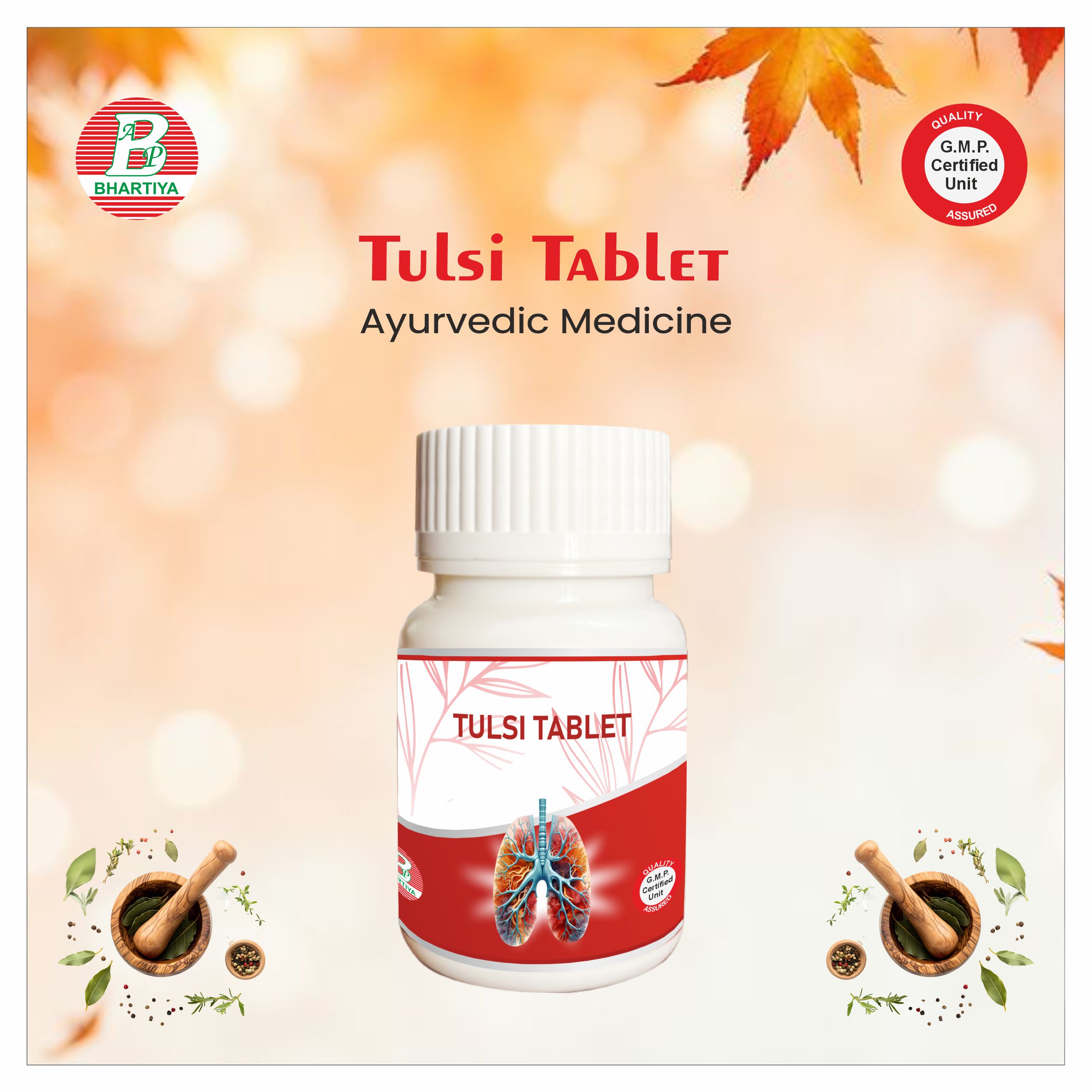
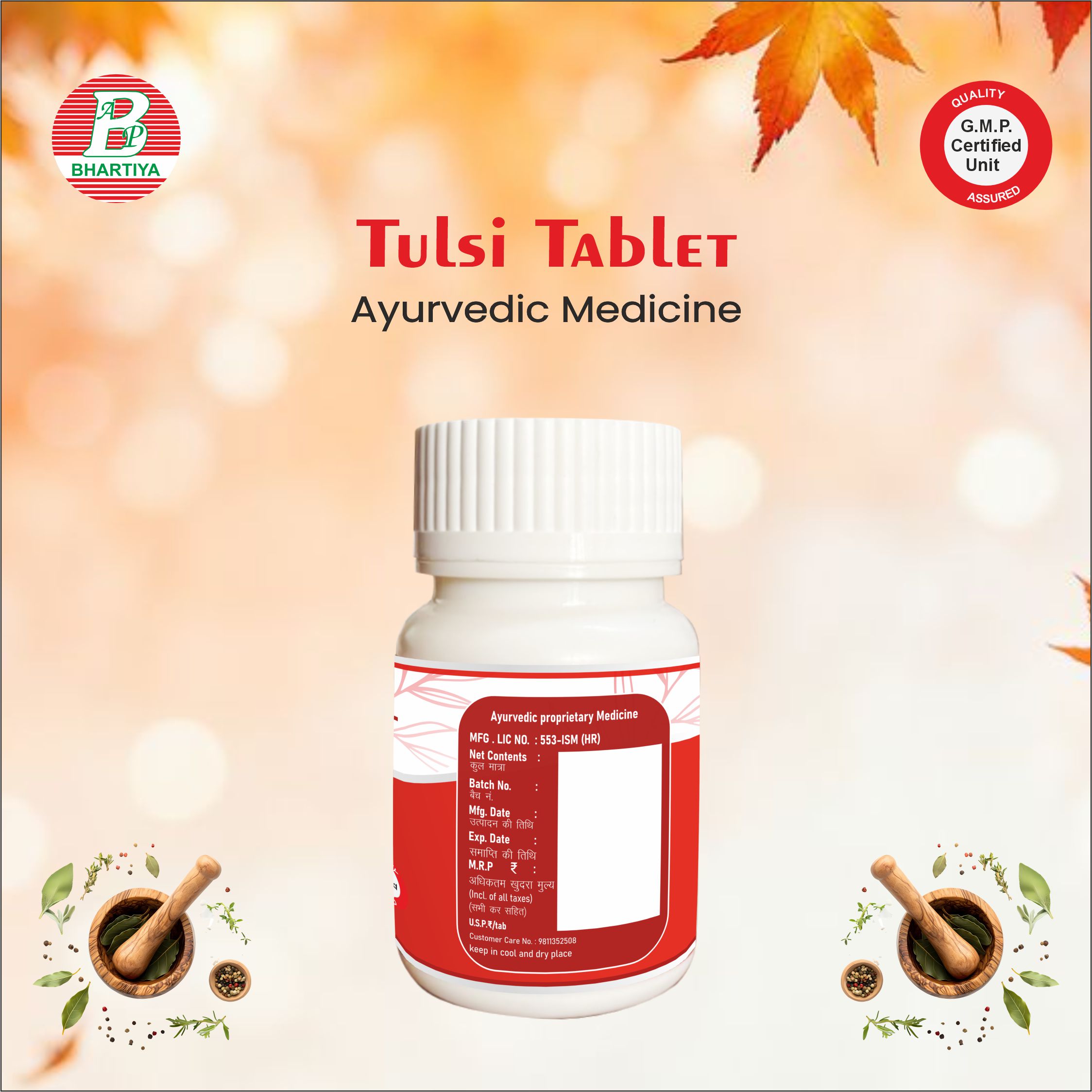
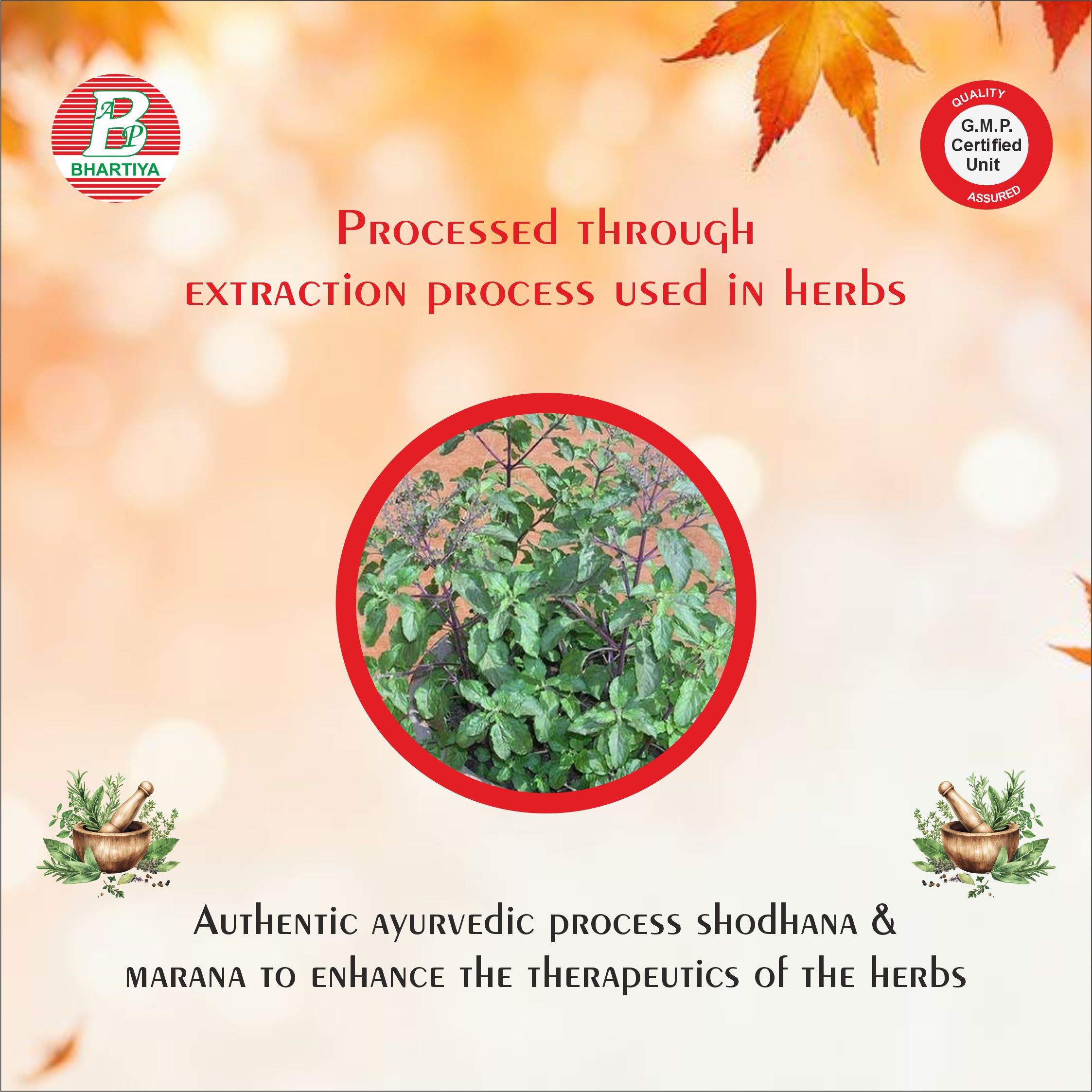
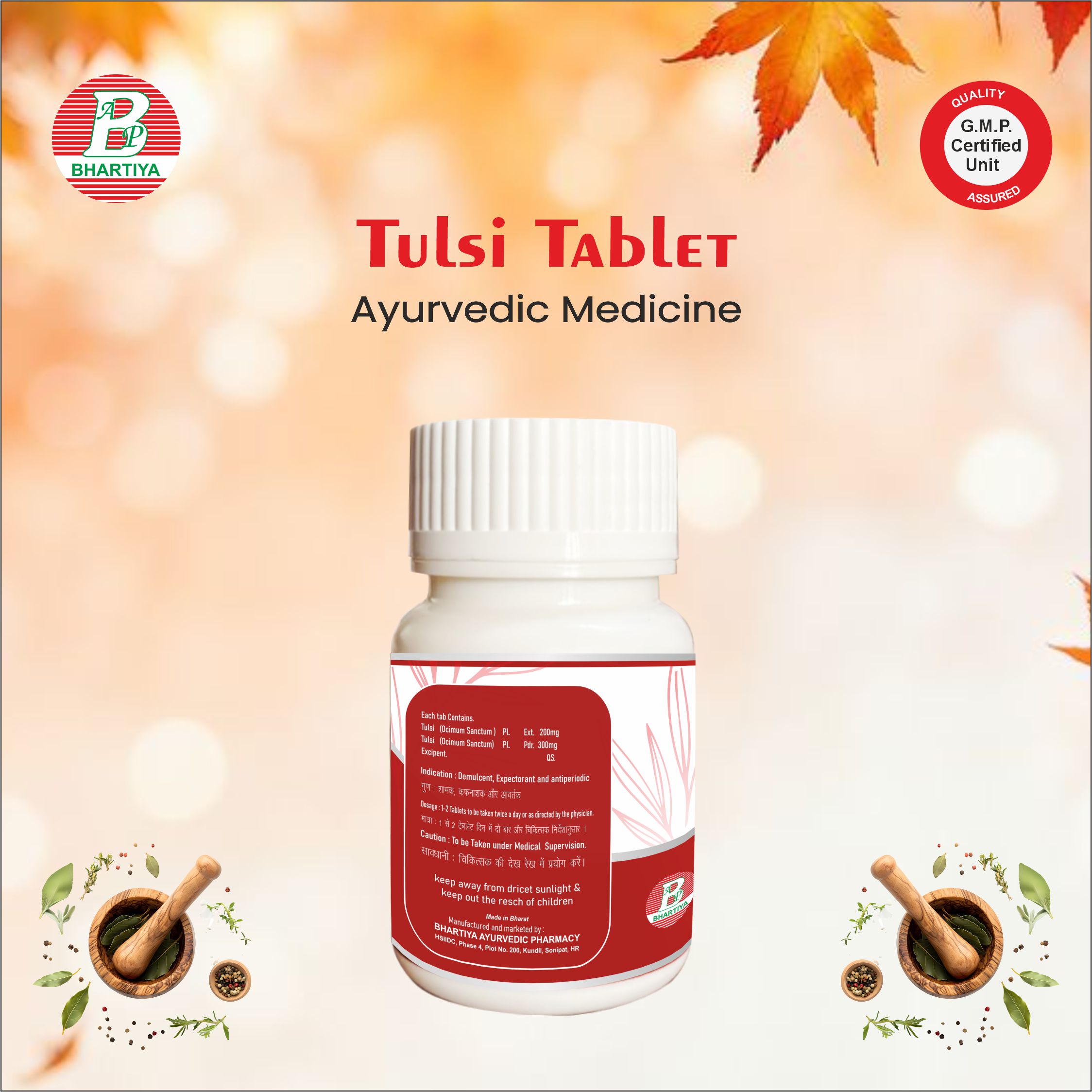
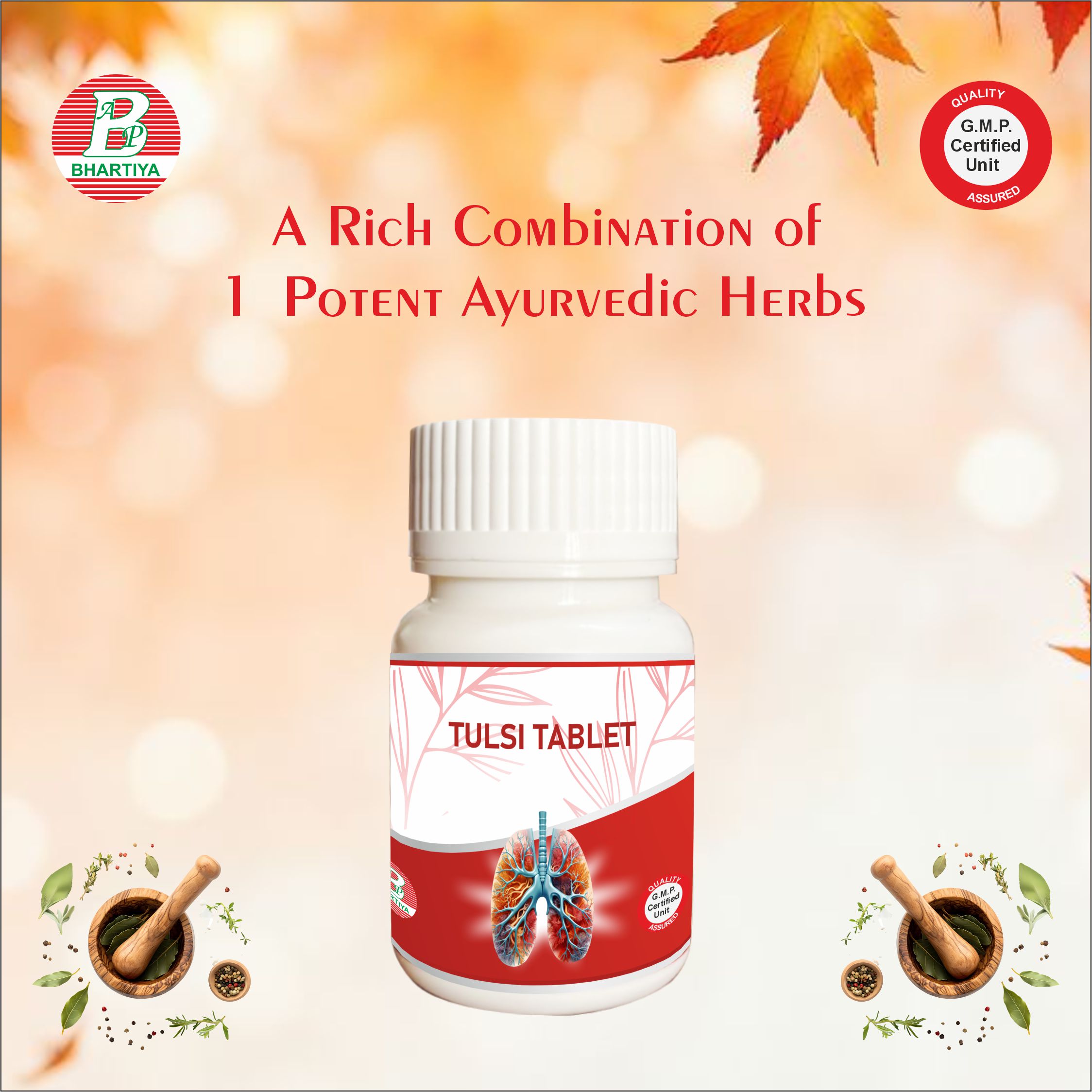
TULSI (Ocimum sanctum / Ocimum tenuiflorum) The Sacred, Divine & Healing Herb of Ayurveda Tulsi, also known as Holy Basil, is one of the most revered Ayurvedic herbs, worshipped for thousands of years for its spiritual purity, healing power, and protective energy. The name Tulsi means “the incomparable one,” signifying its unmatched medicinal and spiritual importance. In Ayurveda, Tulsi is described as Kaphahara, Vatahara, Hridya, Kasa-Shwasahara, Krimighna, Jwaraghna, and Rasayana. It is highly beneficial in respiratory infections, fever, cough, cold, asthma, immune weakness, digestive problems, skin disorders, stress, and mental imbalance. BOTANICAL INFORMATION Scientific Name: Ocimum sanctum / Ocimum tenuiflorum Family: Lamiaceae Order: Lamiales Genus: Ocimum Species: sanctum / tenuiflorum Common Names: Sanskrit – Tulsi, Surasa, Parnasa, Gramya-jiraka Hindi – Tulsi English – Holy Basil, Sacred Basil Tamil – Thulasi Telugu – Tulasi Malayalam – Tulasi Kannada – Tulasi Bengali – Tulshi Types of Tulsi: 1. Shri (Green) Tulsi 2. Krishna (Purple) Tulsi 3. Van Tulsi (Wild) 4. Kapoor Tulsi (Aromatic) 5. Rama Tulsi SYNONYMS FROM AYURVEDIC NIGHANTUS Bhavaprakasha – Tulasi, Surasa, Parnasa Dhanvantari Nighantu – Tulasi, Mahoshadhi Kaiyadeva Nighantu – Surasa, Vishaghni Raja Nighantu – Tulsi, Krishna Tulsi, Shyamala MORPHOLOGY Plant Type: Aromatic, erect, highly branched perennial herb Stem: Quadrangular, purplish or green, soft and slightly hairy Leaves: Simple, opposite, ovate or elliptical, highly aromatic, serrated edges Flowers: Small, purplish or white, in elongated spikes Roots: Fibrous, branched, aromatic Fruits: Tiny nutlets containing small seeds ECOLOGICAL PREFERENCES Climate – Tropical & subtropical Soil – Well-drained, loamy Sunlight – Full sun exposure Moisture – Moderate watering Altitude – Up to 1800 m Habitat – Courtyards, temples, gardens, wild areas DISTRIBUTION Widely found throughout India; also present in Nepal, Sri Lanka, Bangladesh, Indonesia; naturalized worldwide due to religious and medicinal importance. CLASSICAL AYURVEDIC PROPERTIES Rasa: Katu (pungent), Tikta (bitter) Guna: Laghu (light), Ruksha (dry), Tikshna (sharp) Virya: Ushna (hot) Vipaka: Katu (pungent) Dosha Effect: Kapha-Vata shamaka Karma (Therapeutic Actions): Kasa-Shwasahara, Jwaraghna, Krimighna, Hridya, Vishaghna, Rasayana, Balya HISTORICAL REFERENCES & STORIES Vedic Era: Mentioned in Rigveda and Atharva Veda as a herb of purity, protection, and healing. Charaka Samhita: Used for Kasa (cough), Shwasa (asthma), Jwara (fever), Krimi (infection), Hridroga (heart disorders). Sushruta Samhita: Used for skin diseases, poisoning, Kapha disorders, and wound cleansing. Ashtanga Hridaya: Praised for balancing Kapha, enhancing digestion, boosting intelligence and longevity. Story: In ancient texts, a kingdom was protected from epidemic by planting and worshipping Tulsi; it became known as “Vishnu Priya” – beloved of Lord Vishnu, symbolizing purification and protection. Bhavaprakasha Nighantu: Describes Tulsi as Tikshna, Ushna, Vishaghni, Swasahara, Jwarahara, Rasayana. MODERN PHYTOCHEMISTRY Contains Eugenol, Ursolic acid, Rosmarinic acid, Caryophyllene, Ocimarin, Flavonoids (apigenin, luteolin), essential oils (methyl chavicol, linalool). CULTIVATION Propagated by seeds, sown in spring or monsoon. Requires sunlight, organic manure; leaves harvested after 2–3 months. CLASSICAL DOSAGE (ACCORDING TO GRANATHAS) • Tulsi Churna (Powder): 1–3 g, twice daily • Tulsi Swarasa (Juice): 10–15 ml, 1–2 times daily • Tulsi Kwatha (Decoction): 30–50 ml, twice daily • Tulsi Patra (Leaves): 5–10 fresh leaves daily • Tulsi Ark: 10–20 ml daily • Tulsi Tablet: 1–2 tablets, twice daily after meals • Tulsi Capsule: 1 capsule, twice daily with warm water after meals THERAPEUTIC INDICATIONS Cough, cold, asthma, fever, viral/bacterial infections, respiratory congestion, stress, anxiety, digestion issues, skin diseases, heart support, immunity enhancement, insect bites, poisoning. SAFETY & PRECAUTIONS Safe in recommended doses. Use cautiously during pregnancy (high doses). Avoid with strong anticoagulant drugs. Suitable for long-term daily use in small doses. Tulsi Compound Formulations (Classical): Tulsi with Sitopaladi, Trikatu, Chyawanprash, Ginger & Black Pepper, or Honey/Jaggery—used for cough, asthma, digestion, immunity, and rejuvenation, prepared as per classical Ayurvedic methods. Tulsi Formulations by Bhartiya Ayurvedic Pharmacy At Bhartiya Ayurvedic Pharmacy, we prepare a range of Tulsi formulations following classical Ayurvedic methods as described in Charaka Samhita, Sushruta Samhita, Bhavaprakasha Nighantu, and other Ayurvedic Granthas. Each product is crafted to retain the therapeutic potency, purity, and efficacy of the herb, ensuring benefits for immunity, respiratory health, stress relief, and overall vitality TULSI TABLET Dosage: 1–2 tablets twice daily after meals. Indications: Cough, cold, throat congestion, asthma, fever, low immunity, stress, digestive weakness, skin infections, Kapha disorders, seasonal allergies. Key Actions (According to Acharya): Kasa-Shwasahara, Jwaraghna, Krimighna, Vishaghna, Rasayana, Kapha-Vata Hara. arogya tulsi tablet, ayurvedic tulsi tablet benefits of tulsi tablet, best time to take tulsi tablets best tulsi, best tulsi in the world, best tulsi powder best tulsi tablet, best tulsi tablets in india can tulsi be taken daily, can tulsi cure cough can tulsi cure fever, did tulsi kumar, how to take tulsi how to take tulsi tablets, how tulsi is good for health how tulsi is used for medicine, how tulsi is useful tulasi tablet uses, tulasi tablets uses, tulsi ghan extract tablet tulsi mint tablet, tulsi tablet, tulsi tablet amazon tulsi tablet amway, tulsi tablet ayurvedic tulsi tablet benefits, tulsi tablet benefits in hindi tulsi tablet dosage, tulsi tablet for cough, tulsi tablet in hindi tulsi tablet ke fayde, tulsi tablet ke fayde in hindi tulsi tablet khane ke fayde, tulsi tablet kis kaam aati hai tulsi tablet near me, tulsi tablet price, tulsi tablet side effects tulsi tablet uses, tulsi tablet uses in hindi tulsi tablets benefits, tulsi tablets online uses of tulsi tablet