

Description
Product details
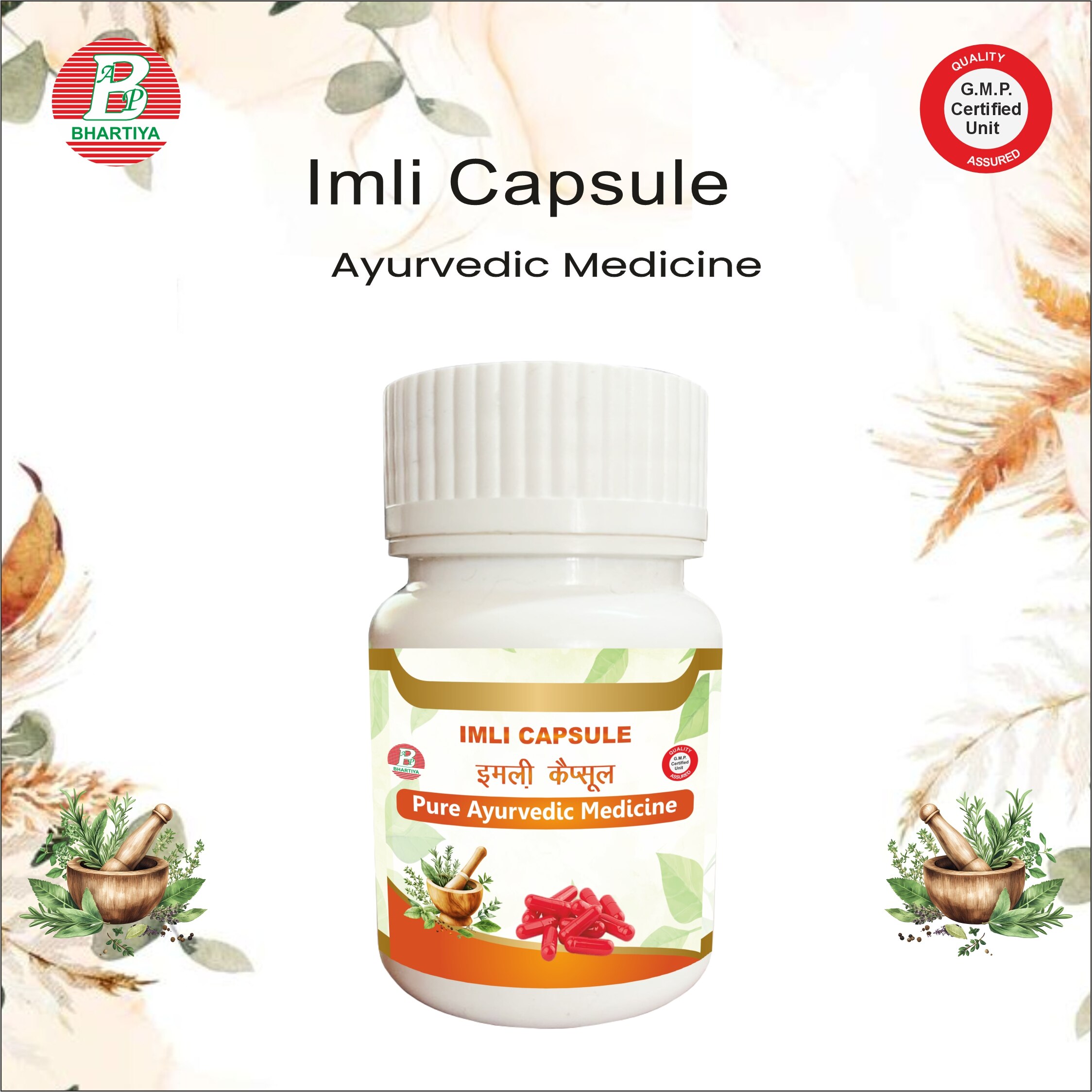
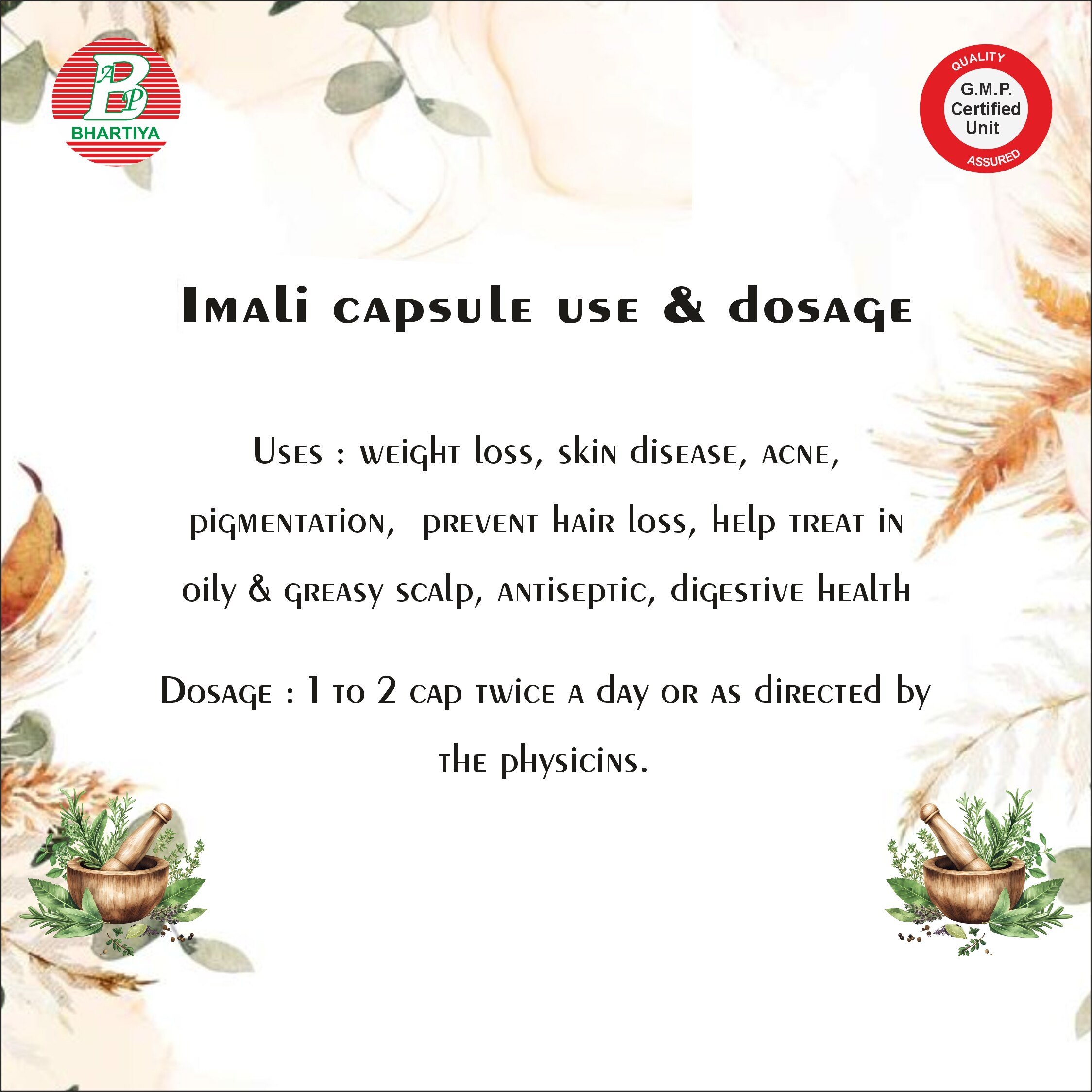
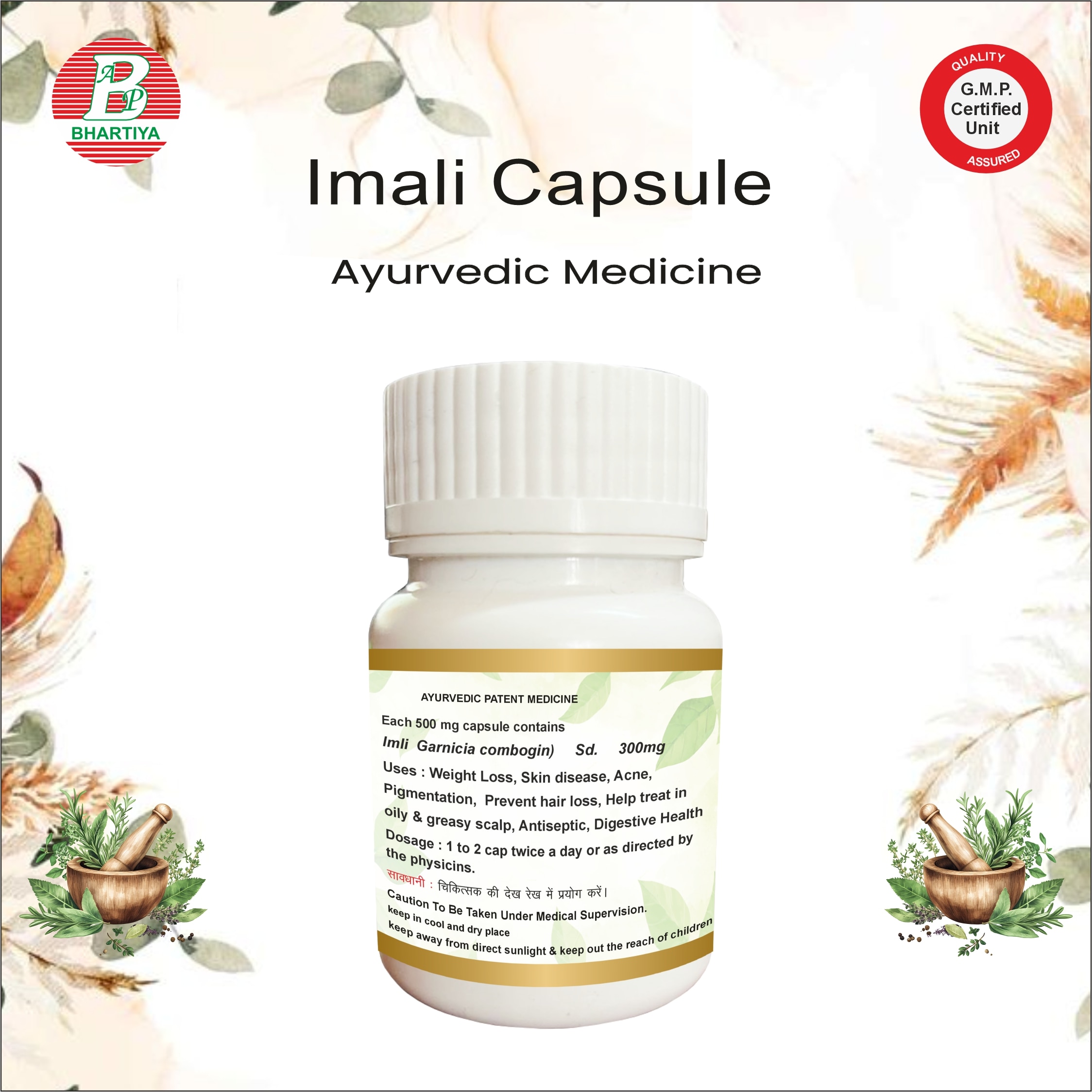
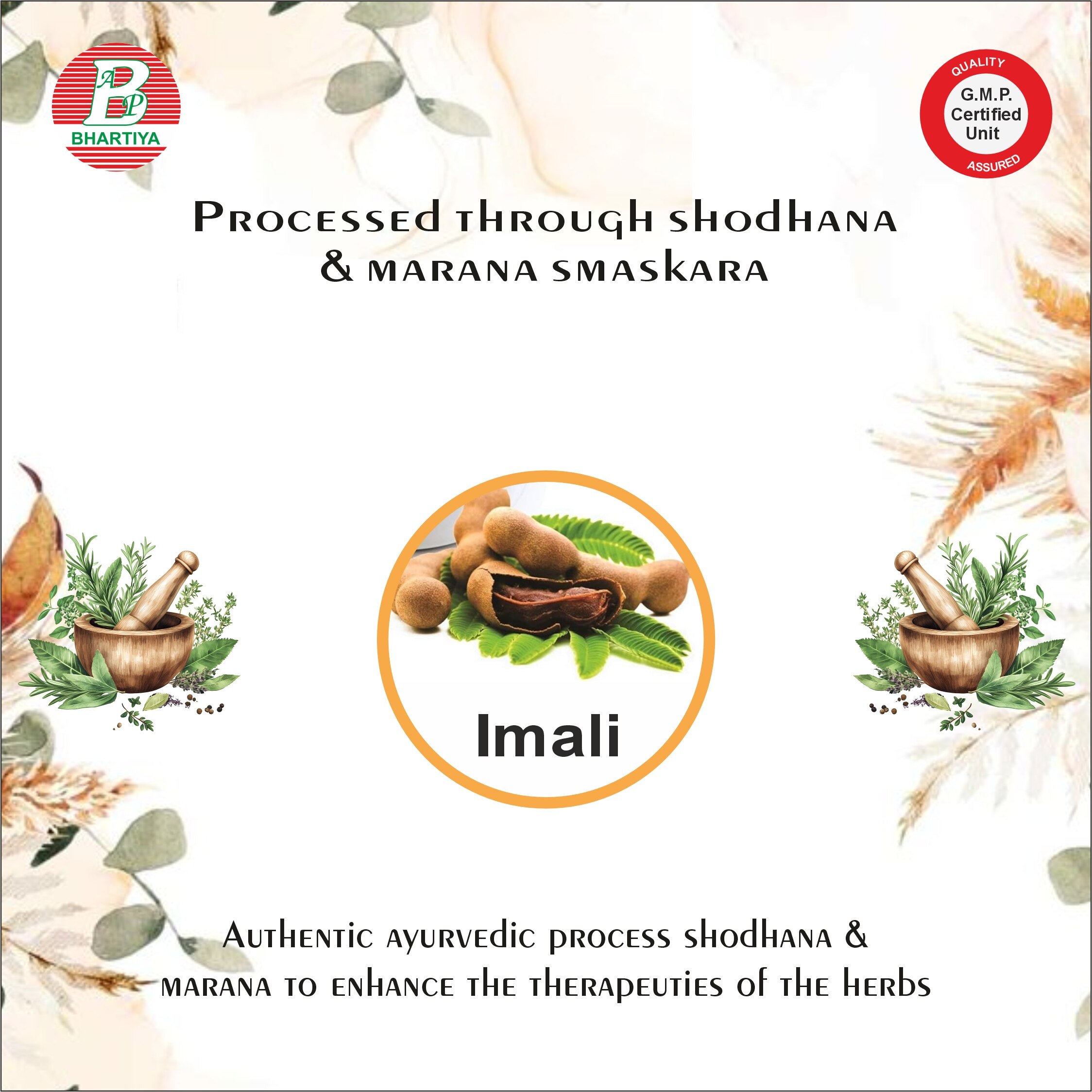
IMLI IMLI (Tamarindus indica L.) The Digestive & Metabolic Fruit — “Tamarind” Imli, commonly known as Tamarind, is a widely used fruit in Ayurveda and traditional medicine. It is valued for its digestive, cooling, detoxifying, and rejuvenative properties. Rich in organic acids, polyphenols, and dietary fiber, Imli supports digestion, metabolism, liver function, cardiovascular health, and overall vitality. CLASSICAL AYURVEDIC REFERENCES 1. Charaka Samhita • Mentioned in Sutra Sthana and Kalpa Sthana as a digestive and metabolism-supporting fruit. • Described as Madhura-Amla-Kashaya in taste, pacifying Vata and Pitta. 2. Sushruta Samhita • Emphasized in Kalpa Sthana as a natural laxative and liver-supporting herb. • Used in formulations for Vata-Pitta disorders, constipation, and digestive sluggishness. 3. Bhavaprakasha Nighantu • Referred to as Imli / Tamarind, supporting Agni (digestive fire), Medha (intellect), and Ojas (vitality). • Recommended in Rasayana and Hrudya formulations, often combined with honey or ghee. CLASSICAL STORY / ANECDOTE Imli is often praised in Ayurvedic texts as the “King of Digestive Fruits” for its ability to restore Agni (digestive fire) and eliminate Ama (toxins). Traditionally, sages recommended Imli to strengthen digestion and metabolism, particularly during hot seasons, by consuming the pulp with water or in churna form to rejuvenate the body and maintain vitality. BOTANICAL INFORMATION OF IMLI • Scientific Name: Tamarindus indica L. • Family: Fabaceae • Order: Fabales • Genus: Tamarindus • Species: indica • Common Names: o Sanskrit: Imli, Amli, Chinta o Hindi: Imli o English: Tamarind o Tamil: Puli o Telugu: Chintapandu o Malayalam: Puliyam o Kannada: Hunase Hannu o Bengali: Tentul SYNONYMS IN CLASSICAL AYURVEDIC NIGHANTUS • Charaka Samhita: Imli – Digestive, Vata-Pitta pacifying • Sushruta Samhita: Imli – Hrudya, Medhya, Vata-Pitta balancing • Bhavaprakasha Nighantu: Imli, Chinta – Rasayana, Agni vardhaka, Detoxifier MORPHOLOGY OF IMLI • Plant Type: Large evergreen tree • Height: 12–18 m • Leaves: Pinnate, 6–12 pairs of leaflets, small and oblong • Flowers: Small, yellowish-brown, clustered, fragrant • Fruit: Leguminous pod, brown, elongated, pulpy, tangy-sweet • Seeds: Hard, shiny brown, 1–2 cm, embedded in pulp ECOLOGICAL PREFERENCES • Climate: Tropical and subtropical; tolerates heat and drought • Soil: Well-drained sandy, loamy, or red soils • Habitat: Fields, gardens, village premises; native to Indian subcontinent • Altitude: Sea level to 1,200 m GEOGRAPHICAL DISTRIBUTION • India: Tamil Nadu, Kerala, Karnataka, Maharashtra, Andhra Pradesh • Outside India: Sri Lanka, Africa, Southeast Asia, Caribbean, Latin America CLASSICAL AYURVEDIC PROPERTIES (RASA–GUNA–VIRYA–VIPAKA) • Rasa (Taste): Madhura (sweet), Amla (sour), Kashaya (astringent) • Guna (Qualities): Snigdha (unctuous), Laghu (light) • Virya (Potency): Śīta (cooling) • Vipaka (post-digestive effect): Madhura (sweet) • Dosha Effects: Vata-Pitta hara, Kapha samana in moderation THERAPEUTIC ACTIONS (KARMA) 1. Dipana & Pachana: Enhances digestive fire, prevents constipation 2. Medhya: Supports memory and intellect 3. Hrudya: Strengthens heart and circulation 4. Rasayana: Promotes overall vitality and rejuvenation 5. Vata-Pittahara: Balances Vata and Pitta disorders 6. Keshya: Supports hair health 7. Lekhana & Raktaprasadana: Detoxifies blood, reduces toxins INDICATIONS WITH AACHARYA AND GRANTHS Here’s a detailed Imli (Tamarindus indica) monograph in the same format as Alsi, including classical Ayurvedic references and acharya/granth citations: IMLI (Tamarindus indica L.) The Digestive and Metabolic Fruit — “Tamarind” Imli, commonly known as Tamarind, is a widely used fruit in Ayurveda and traditional medicine. It is valued for its digestive, metabolism-supporting, cooling, and rejuvenative properties. Rich in organic acids, vitamins (A, C, B), minerals, and antioxidants, Imli supports digestion, liver function, heart health, metabolism, and overall vitality. CLASSICAL AYURVEDIC REFERENCES 1. Charaka Samhita o Mentioned in Kalpa Sthana (Charaka Kalpa 6/28–30) as a sweet, sour, and nourishing fruit beneficial for digestive fire (Agni) and metabolism. o Used in formulations for Medhya (intellect) and Rasayana (rejuvenation). 2. Sushruta Samhita o Listed in Kalpa Sthana (Sushruta 52/18–20) for constipation, digestive sluggishness, and liver support. o Emphasized as Snigdha (unctuous), Madhura (sweet), and Tikta (bitter) — suitable for Rasayana and mild laxative therapies. 3. Bhavaprakasha Nighantu o Referred to as Imli / Amli, promoting Ojas, digestion, and rejuvenation. o Mentioned in Hrudya, Medhya, and Virechana formulations — often used with ghee, honey, or warm water. 4. Other Classical Anecdotes o Ayurvedic texts describe Imli as a “pachana phala” — the fruit that digests and metabolizes food efficiently. o Traditionally, sages recommended Imli to warriors and kings as a digestive and metabolism-supporting Rasayana, often combined with other herbs for enhanced rejuvenation. BOTANICAL INFORMATION OF IMLI • Scientific Name: Tamarindus indica L. • Family: Fabaceae (Leguminosae) • Order: Fabales • Genus: Tamarindus • Species: indica • Common Names: o Sanskrit: Imli, Amli, Chinta Phala o Hindi: Imli o English: Tamarind o Tamil: Puli o Telugu: Chintapandu o Malayalam: Puli o Kannada: Hunase Hannu o Bengali: Tentul SYNONYMS IN CLASSICAL AYURVEDIC NIGHANTUS • Charaka Samhita: Imli – Pachana, Medhya • Sushruta Samhita: Imli – Virechana, Hrudya, Medhya • Bhavaprakasha Nighantu: Amli, Imli – Rasayana, Pachana, Ojasvardhaka MORPHOLOGY OF IMLI • Tree Type: Medium to large deciduous tree, 12–18 m height • Bark: Brown, rough, fibrous • Leaves: Pinnate, alternate, leaflets small and oblong • Flowers: Yellowish, small, in clusters • Fruit: Long, curved pods containing sticky, brown pulp • Seeds: Hard, glossy, dark brown ECOLOGICAL PREFERENCES • Climate: Tropical and subtropical, tolerates dry conditions • Soil: Well-drained loamy, clay, or sandy soils • Habitat: Fields, gardens, village premises; native to Indian subcontinent • Altitude: Sea level to 1,200 m GEOGRAPHICAL DISTRIBUTION • India: Maharashtra, Tamil Nadu, Karnataka, Andhra Pradesh, Gujarat • Outside India: Sri Lanka, Africa, Southeast Asia, Caribbean CLASSICAL AYURVEDIC PROPERTIES (RASA–GUNA–VIRYA–VIPAKA) • Rasa (Taste): Madhura (sweet), Amla (sour), Tikta (bitter) • Guna (Qualities): Snigdha (unctuous), Laghu (light) • Virya (Potency): Śīta (cooling) • Vipaka (post-digestive effect): Madhura (sweet) • Dosha Effects: Tridoshaghna (balances all three); especially Vata-Pitta hara THERAPEUTIC ACTIONS (KARMA) 1. Pachana & Dipana: Enhances digestive fire, prevents acidity 2. Medhya: Supports memory, intellect, and brain tissue 3. Hrudya: Supports heart and circulation 4. Rasayana: Promotes rejuvenation, Ojas, and vitality 5. Vatahara: Relieves constipation, joint stiffness 6. Lekhana: Mild lipid-lowering effect 7. Vrishya: Supports reproductive health and Shukra dhatu INDICATIONS • Digestive System: Constipation, sluggish digestion, hyperacidity • Metabolism: Obesity, mild dyslipidemia • Nervous System: Fatigue, stress • Reproductive & Urinary System: Supports fertility • Skin & Hair: Nourishes skin, mild detoxification MODERN PHARMACOLOGY & PHYTOCHEMISTRY • Major Constituents: o Organic acids: tartaric, citric, malic o Polyphenols: flavonoids, phenolic acids o Vitamins: A, C, B-complex o Minerals: K, Mg, Ca, Fe • Pharmacological Actions: o Digestive tonic, mild laxative o Antioxidant o Hepatoprotective o Anti-inflammatory o Anti-obesity and metabolic modulator CULTIVATION DETAILS • Propagation: Seeds (most common), grafting • Sowing Time: May–June (monsoon) • Spacing: 10–12 m between plants • Irrigation: Moderate, drought-tolerant once mature • Fertilization: Organic manure preferred • Harvesting: Fruits harvested November–March CLASSICAL DOSAGE (According to Ayurvedic Granthas) • Pulp / Fresh Fruit: 10–20 g/day, chewed or in decoction • Powdered Fruit / Churna: 3–6 g/day • Juice / Paste: As per therapeutic need, especially for digestive support • Seed / Oil: 1–5 g/day, used in formulations for digestion and skin IMLI FORMULATIONS – BHARTIYA AYURVEDIC PHARMACY Bhartiya Ayurvedic Pharmacy prepares Imli formulations following classical Ayurvedic principles described in Charaka Samhita, Sushruta Samhita, Bhavaprakasha Nighantu, and other texts. Each product retains digestive, metabolism-supporting, and rejuvenative properties, promoting overall vitality. Key Uses of Imli Formulations: • Digestive support: Relieves constipation, enhances Agni • Metabolic balance: Supports healthy weight and lipid profile • Liver support: Detoxification and mild hepatoprotection • Rasayana: Promotes vitality and rejuvenation • Skin & Hair: Mild detoxification and nourishment IMLI CAPSULE Bhartiya Ayurvedic Pharmacy offers Imli Capsules prepared according to classical Ayurvedic principles. Each capsule contains premium quality Tamarind pulp or extract, retaining full digestive, metabolism-supporting, and rejuvenative properties. Key Benefits: • Supports digestion and bowel regularity • Promotes metabolic balance and weight management • Mild liver support and detoxification • Acts as a Rasayana, enhancing vitality • Supports healthy skin and hair Dosage: • Adults: 1–2 capsules twice daily with warm water • Can be combined with warm water or milk for enhanced effect Safety & Precautions: • Safe for long-term use when taken as per dosage • May cause mild laxative effect in sensitive individuals • Monitor if taking antidiabetic or laxative medications Formulation Highlights: • 100% natural Imli (Tamarindus indica) pulp/extract • Free from artificial colors, preservatives, and additives • Prepared using Ayurvedic-inspired processing methods Suggested Use: • Ideal for adults seeking digestive, metabolic, and Rasayana support • Convenient capsule form for daily use