

Description
Product details
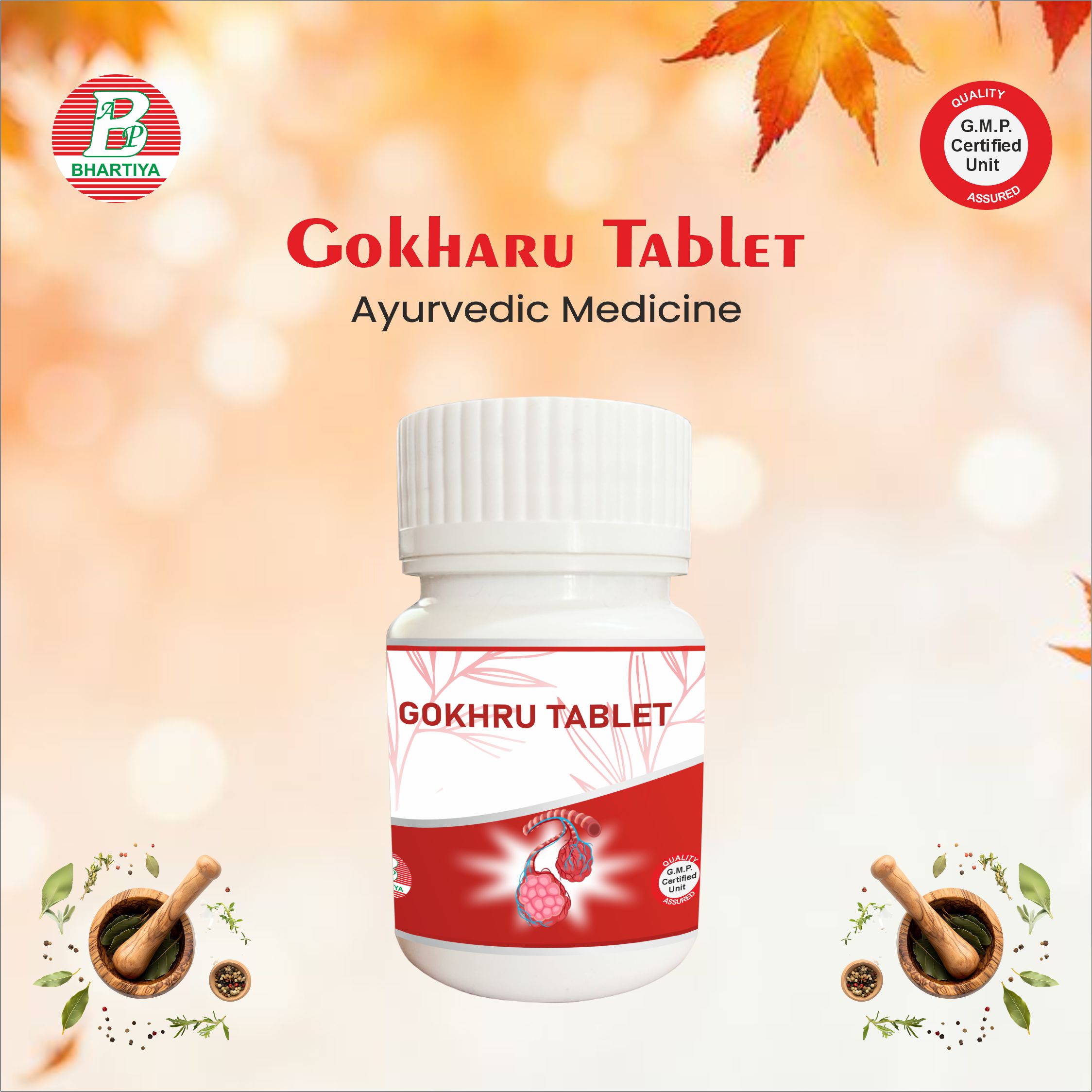
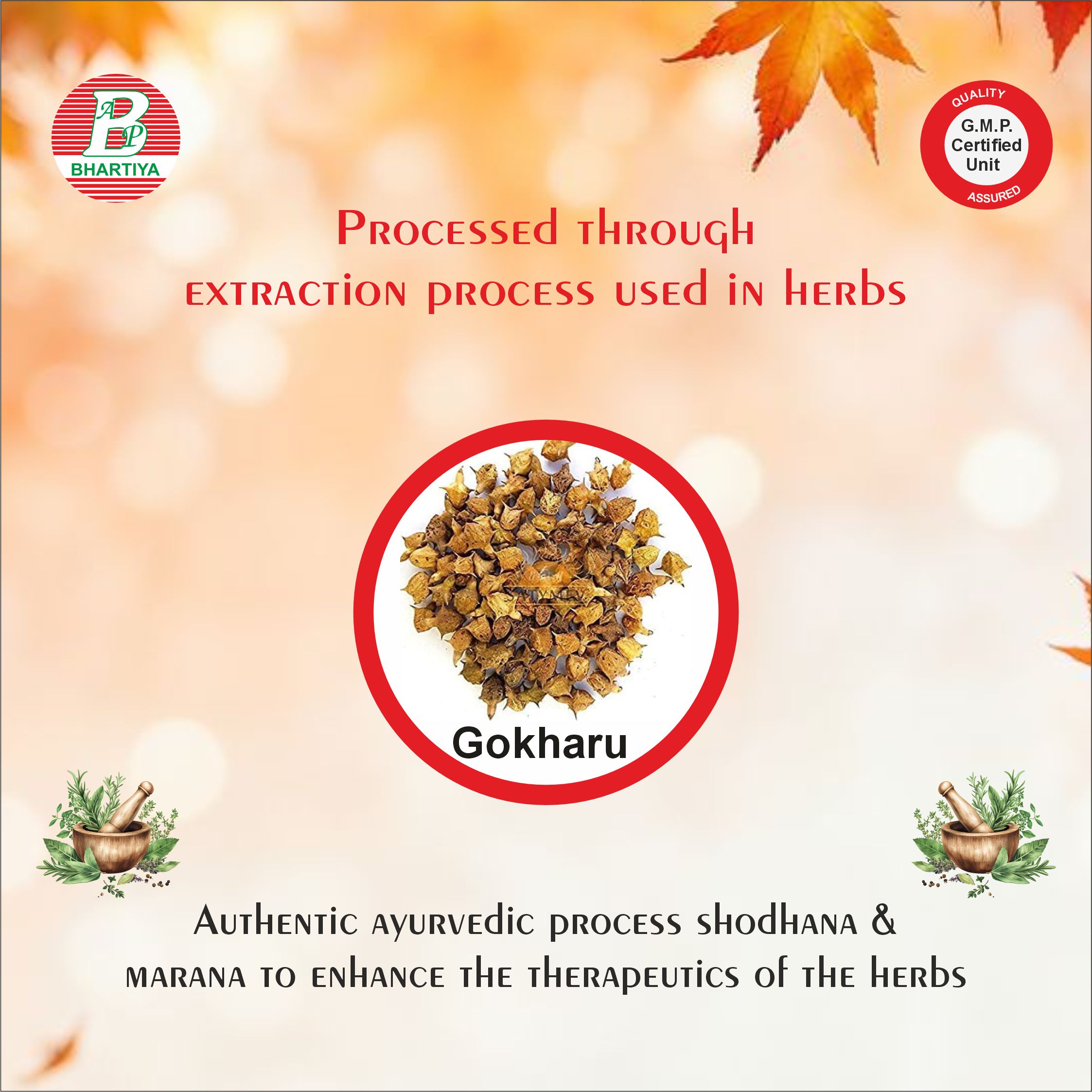
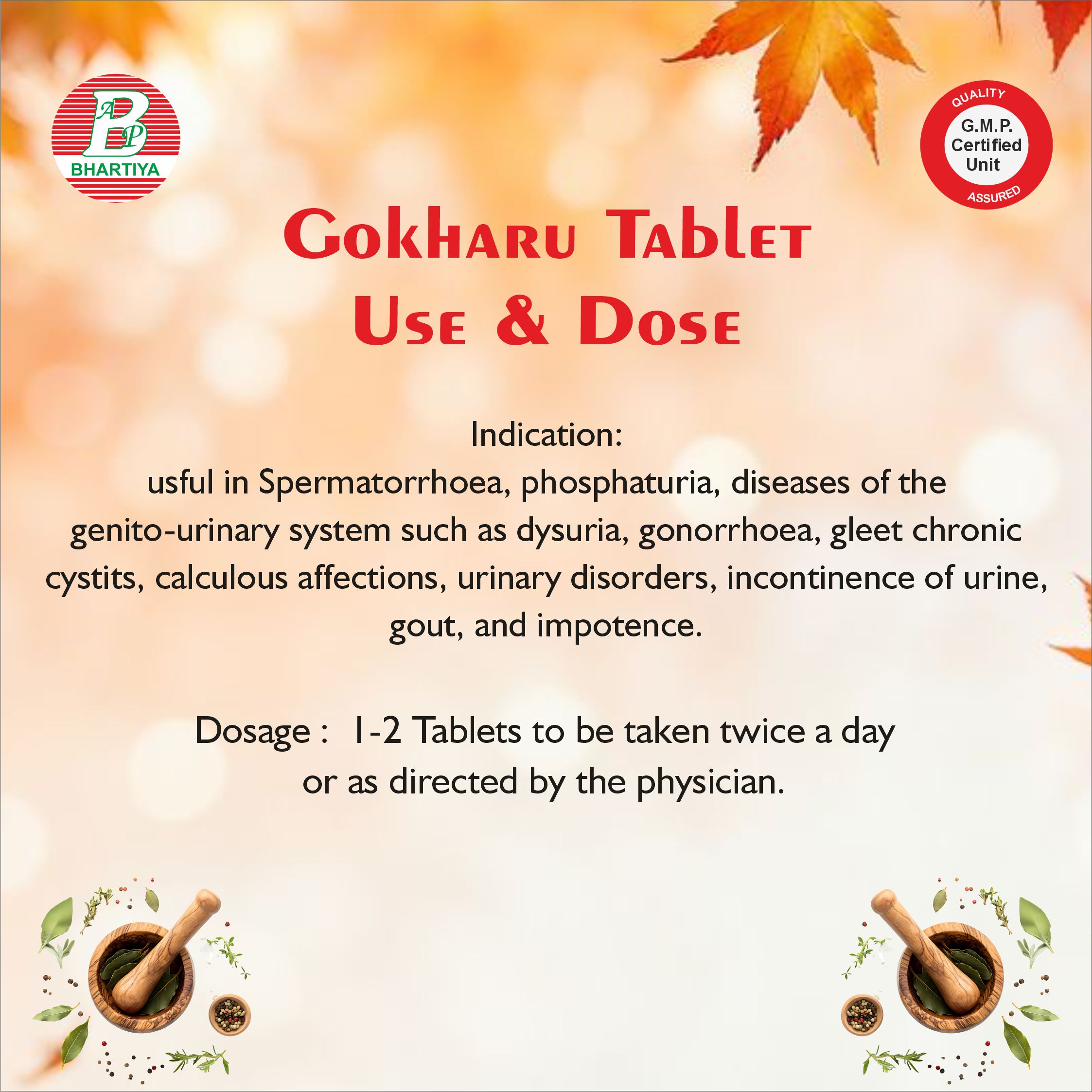
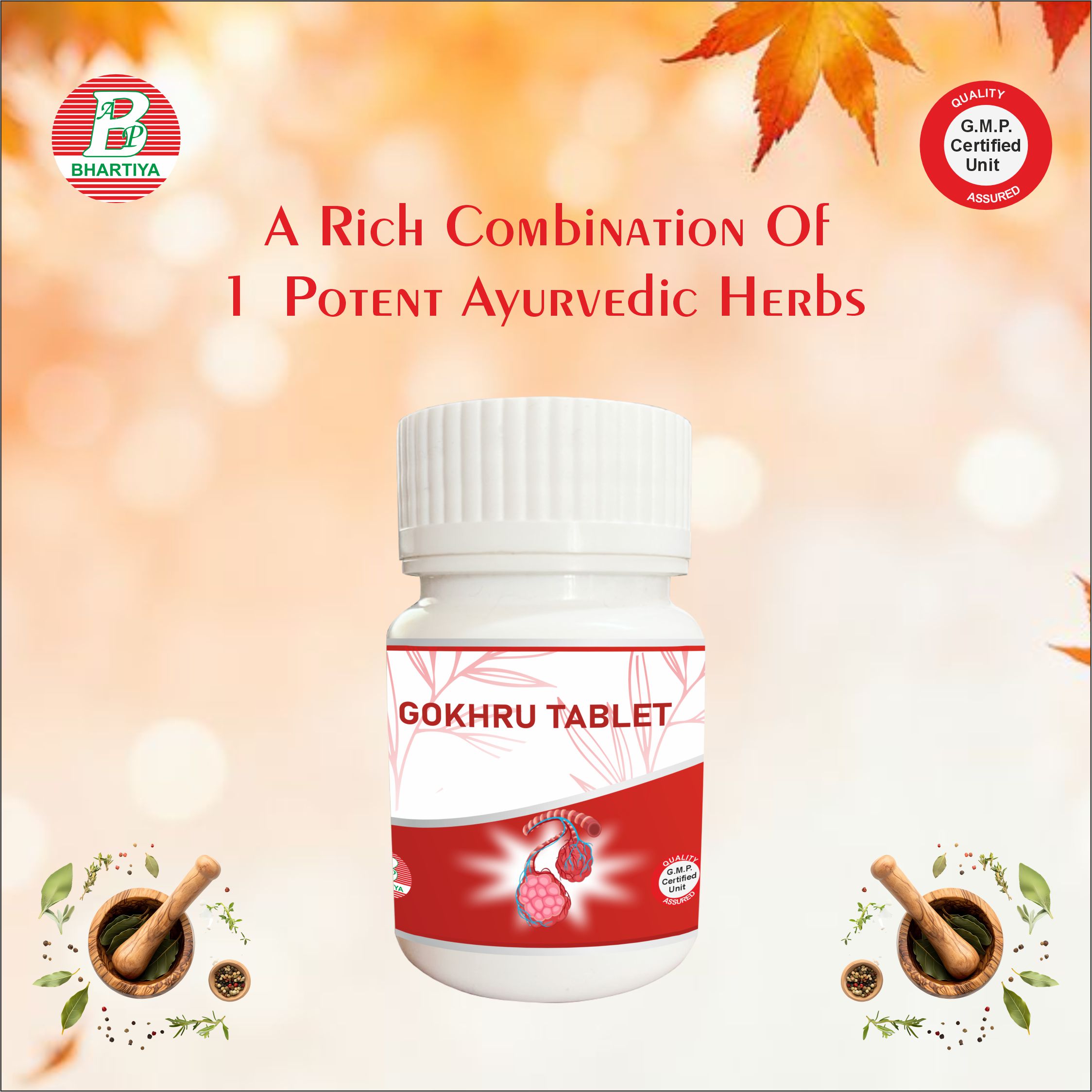
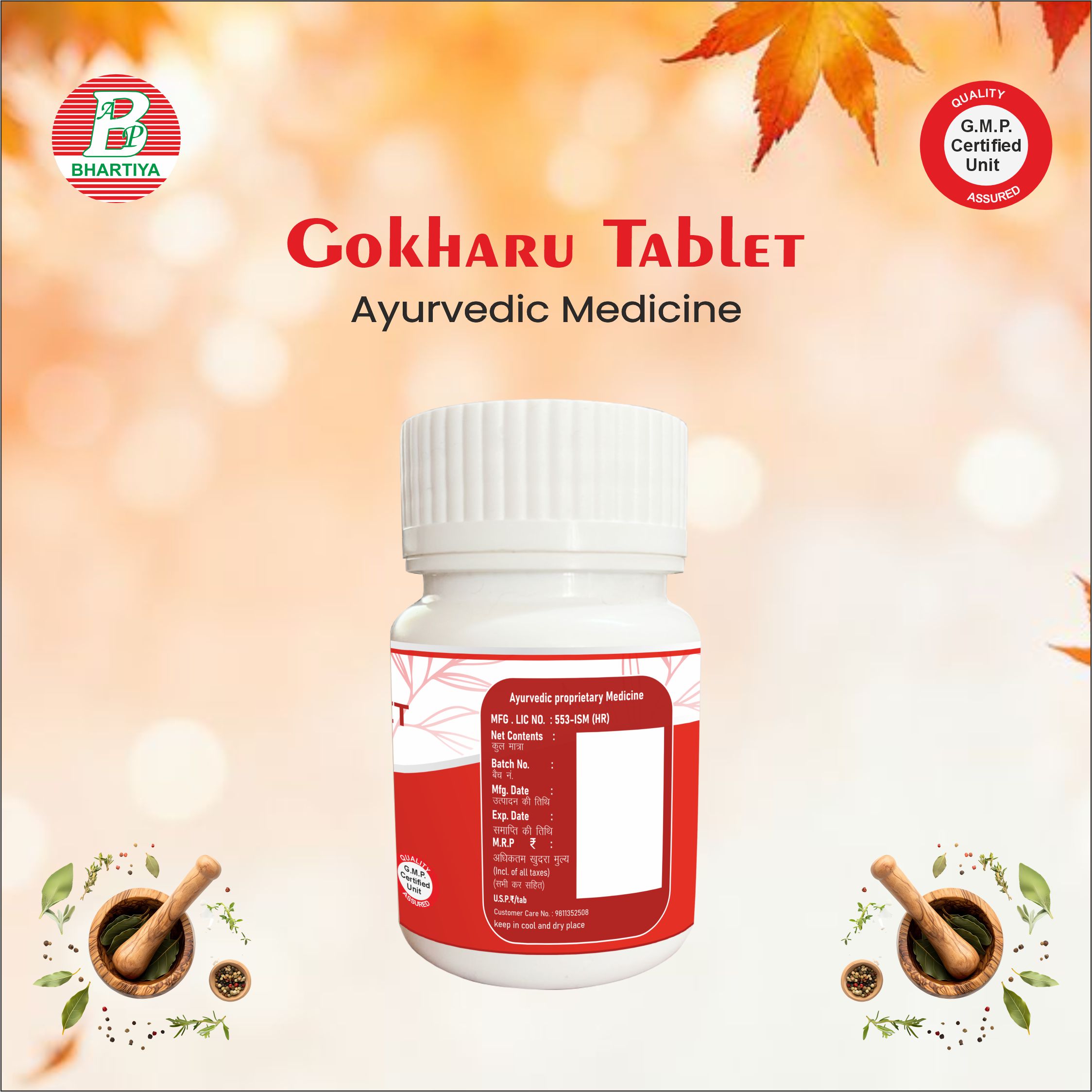
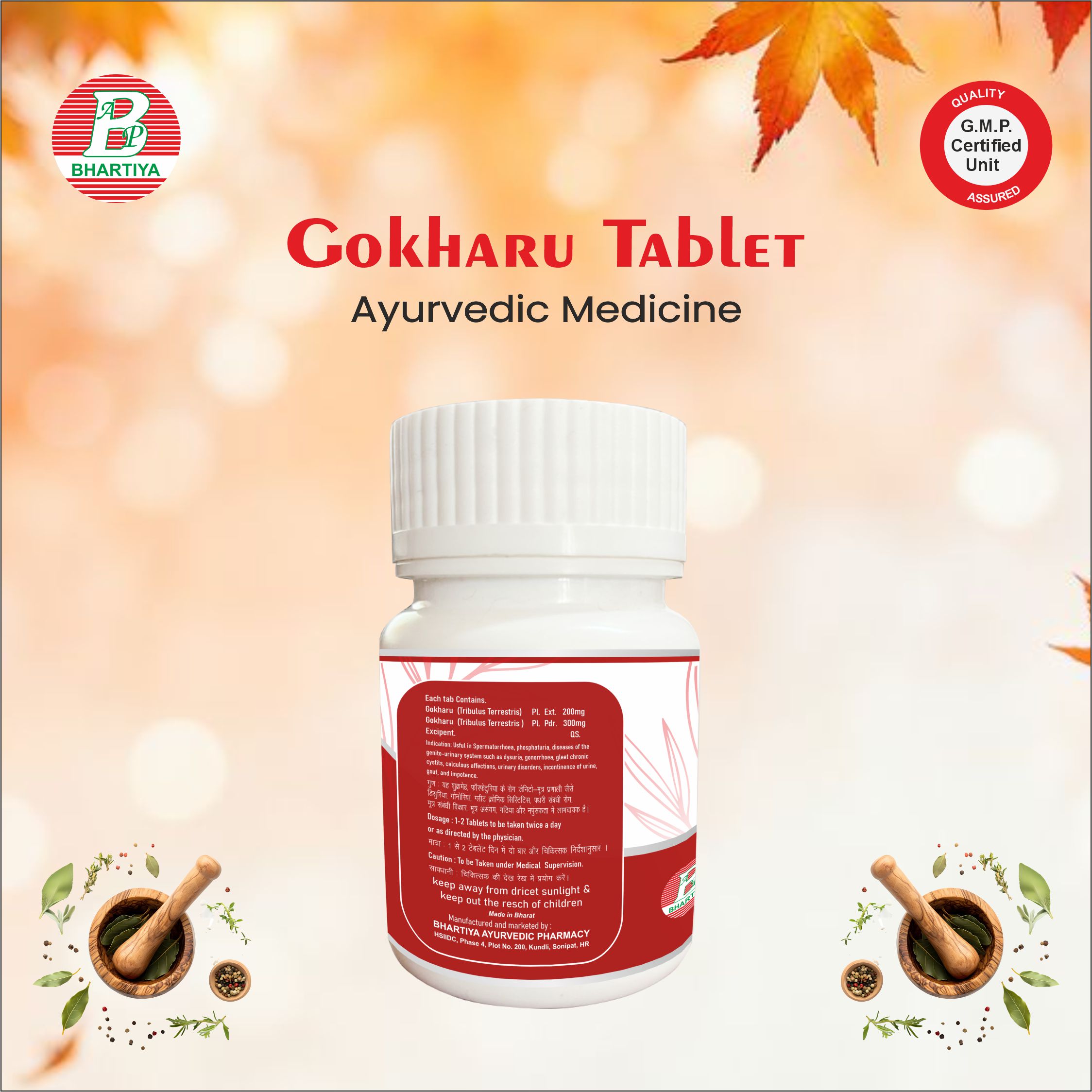
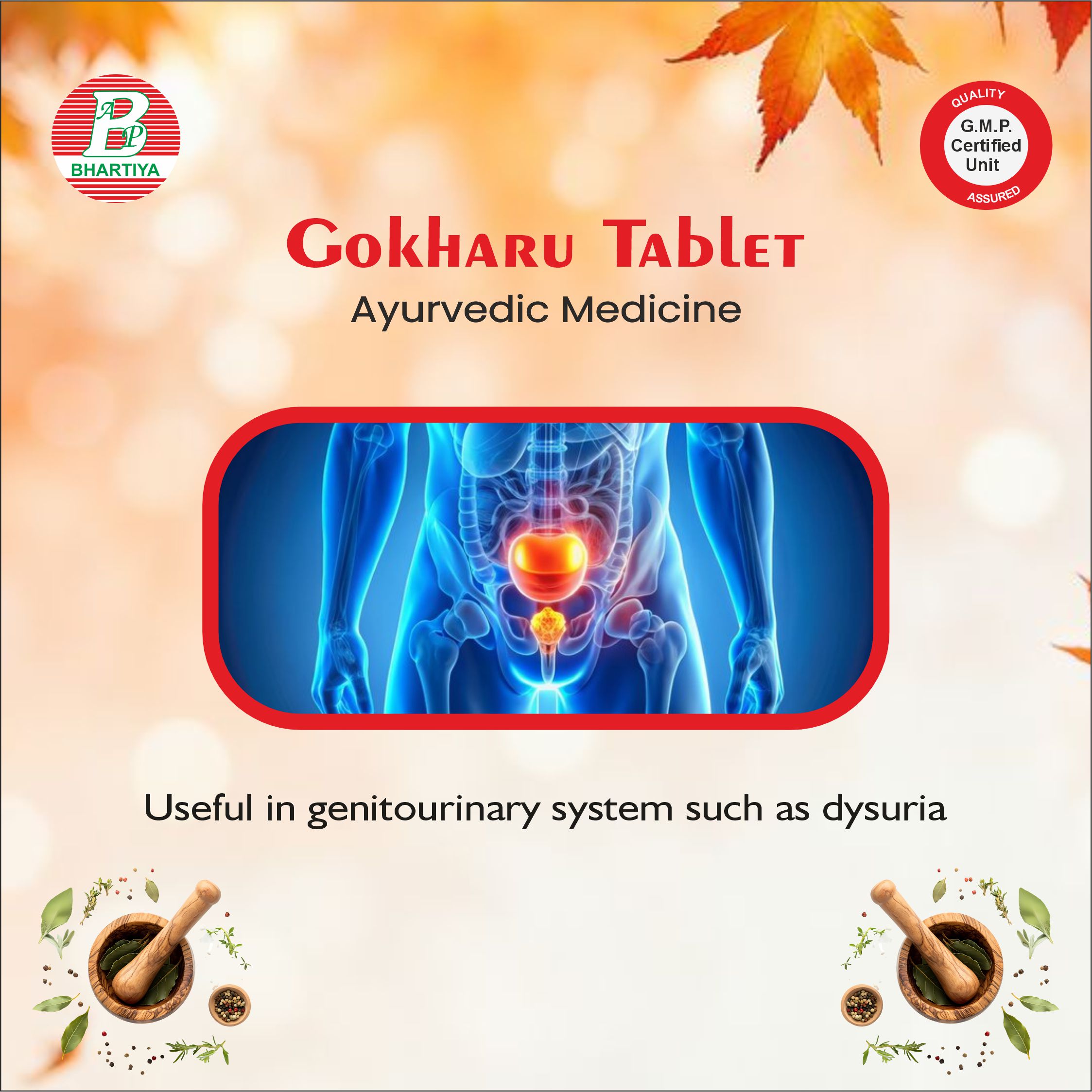
🌿 GOKHRU (Tribulus terrestris L.) 🌿 The Rejuvenative & Aphrodisiac Herb — “Gokhru” (Cow’s Testicle Plant) Gokhru, known as Gokshura or Pashanabheda in Sanskrit, is a highly revered herb in Ayurveda for urinary, reproductive, and musculoskeletal health. It is considered a Medhya, Vrishya, and Rasayana herb. Classical texts describe Gokhru as a “Mutravirechaka and Shukrala Rasayana,” promoting vitality, reproductive health, and strength. 🌿 BOTANICAL INFORMATION OF GOKHRU • Scientific Name: Tribulus terrestris L. • Synonyms: Gokhru, Pashanabheda, Gokshura • Family: Zygophyllaceous • Order: Zygophyllales • Genus: Tribulus • Species: terrestris • Common Names: o Sanskrit: Gokshura, Pashanabheda o Hindi: Gokhru o English: Caltrop, Tribulus o Tamil: Kottamalli, Nalla Gokhru o Telugu: Gokhru o Malayalam: Gokhru o Kannada: Gokhru 🌿 SYNONYMS IN CLASSICAL AYURVEDIC TEXTS • Charaka Samhita: Gokshura, Vrishya, Shukrala • Sushruta Samhita: Gokhru, Mutravirechaka, Vatahara • Bhavaprakasha Nighantu: Pashanabheda, Gokshura, Medhya • Dhanvantari Nighantu: Gokhru, Shukrala, Vrishya Gokhru is traditionally associated with urinary tract support, reproductive health, aphrodisiac effects, and Vata-Pitta balancing. 🌿 MORPHOLOGY OF GOKHRU • Plant: Small, trailing, herbaceous annual, 30–60 cm tall • Stems: Prostrate, branched, with spiny stipules • Leaves: Opposite, pinnate, small leaflets, oblong • Flowers: Yellow, small, axillary • Fruit: Hard, spiny, globular capsule, 4–5 mm diameter • Seeds: 1–3 per fruit, brown, kidney-shaped 🌿 ECOLOGICAL PREFERENCES • Climate: Tropical and subtropical, drought-resistant • Soil: Sandy, rocky, dry soils • Habitat: Fields, wastelands, roadsides • Altitude: Sea level to 1,500 m 🌿 GEOGRAPHICAL DISTRIBUTION • India: Widely distributed in Rajasthan, Gujarat, Maharashtra, Uttar Pradesh, Madhya Pradesh • Outside India: Pakistan, China, Middle East, Mediterranean, Africa 🌿 CLASSICAL AYURVEDIC PROPERTIES (RASA–GUNA–VIRYA–VIPAKA) • Rasa (Taste): Tikta (bitter), Kashaya (astringent) • Guna (Qualities): Laghu (light), Ruksha (dry) • Virya (Potency): Ushna (hot) • Vipaka (post-digestive effect): Madhura (sweet) • Dosha Effects: Tridoshaghna, especially Vata & Kapha-shamaka, Pitta-hara in excess 🌿 THERAPEUTIC ACTIONS ACCORDING TO AYURVEDA (KARMA) 1. Vrishya: Aphrodisiac, enhances libido, fertility, and Shukra dhatu 2. Mutravirechaka: Diuretic, supports kidney and urinary tract 3. Vatahara: Relieves joint pain, gout, and musculoskeletal disorders 4. Medhya: Supports cognitive function and vitality 5. Rasayana: Rejuvenative, promotes overall strength and immunity 6. Hridya: Supports cardiovascular health 7. Kantya/Keshya: Improves skin and hair quality 🌿 INDICATIONS • Urinary System: Kidney stones, dysuria, urinary tract infections • Reproductive System: Low libido, infertility, sperm quality improvement • Musculoskeletal System: Gout, arthritis, Vata disorders • Metabolism & Immunity: Rejuvenation, general debility • Cardiovascular: Hypertension support 🌿 MODERN PHARMACOLOGY & PHYTOCHEMISTRY • Major Constituents: Saponins (Tribulosin, Protodioscin), Flavonoids, Alkaloids, Sterols, Glycosides • Pharmacological Actions: o Diuretic and kidney-protective o Aphrodisiac and fertility-enhancing o Anti-inflammatory and analgesic o Antioxidant and cardioprotective o Hepatoprotective and immunomodulatory 🌿 CULTIVATION DETAILS • Propagation: Seeds, stem cuttings • Sowing Time: Monsoon (June–July) • Spacing: 30–40 cm between plants • Irrigation: Moderate, drought-tolerant • Fertilization: Organic manure • Harvesting: Fruits and roots collected during dry season; leaves as required 🌿 CLASSICAL DOSAGE (According to Ayurvedic Granthas) • Churna (Powder): 1–3 g • Swarasa (Juice): 10–20 ml • Kwatha (Decoction): 40–60 ml • Avaleha (Paste/Lehyam): 5–10 g • Capsules/Tablets: As per preparation 🌿 CLASSICAL AYURVEDIC FORMULATIONS CONTAINING GOKHRU 1. Gokhru Churna: Diuretic, urinary tract support, anti-urolithic 2. Gokhru Kwatha: Kidney stone and urinary cleansing 3. Gokhru Avaleha / Rasayana: Rejuvenative, aphrodisiac 4. Gokhru Capsules/Tablets: Standardized modern dosage forms for vitality and urinary health 5. Gokhru Taila: Joint pain, Vata disorders, topical application 🌿 SAFETY & PRECAUTIONS • Generally safe when used in classical doses • Avoid excessive use in dehydration or severe kidney disorders • Use cautiously in hypotensive or pregnant patients • Monitor blood sugar if diabetic 🌿 GOKHRU (Tribulus terrestris L.) FORMULATIONS – BHARTIYA AYURVEDIC PHARMACY 🌿 Bhartiya Ayurvedic Pharmacy prepares a range of Gokhru formulations following classical Ayurvedic principles described in Charaka Samhita, Sushruta Samhita, Bhavaprakasha Nighantu, and other texts. Each product is designed to retain the full rejuvenative, diuretic, aphrodisiac, and urinary-supportive properties of Gokhru. 🌿 1. Gokhru Tablet Description: A modern, convenient dosage form containing standardized Gokhru (Tribulus terrestris) extract. Ideal for daily use to support urinary, reproductive, and vitality health. Key Actions: • Tridoshic Rasayana: Balances Vata, Pitta, Kapha • Supports urinary tract and kidney function • Enhances reproductive health, libido, and fertility • Strengthens joints and musculoskeletal system • Improves immunity and vitality Dosage: • 1–2 tablets twice daily after meals with warm water, or as directed Precautions: • Avoid excessive use in severe kidney disorders • Use under supervision during pregnancy • Monitor blood sugar if diabetic