

Description
Product details
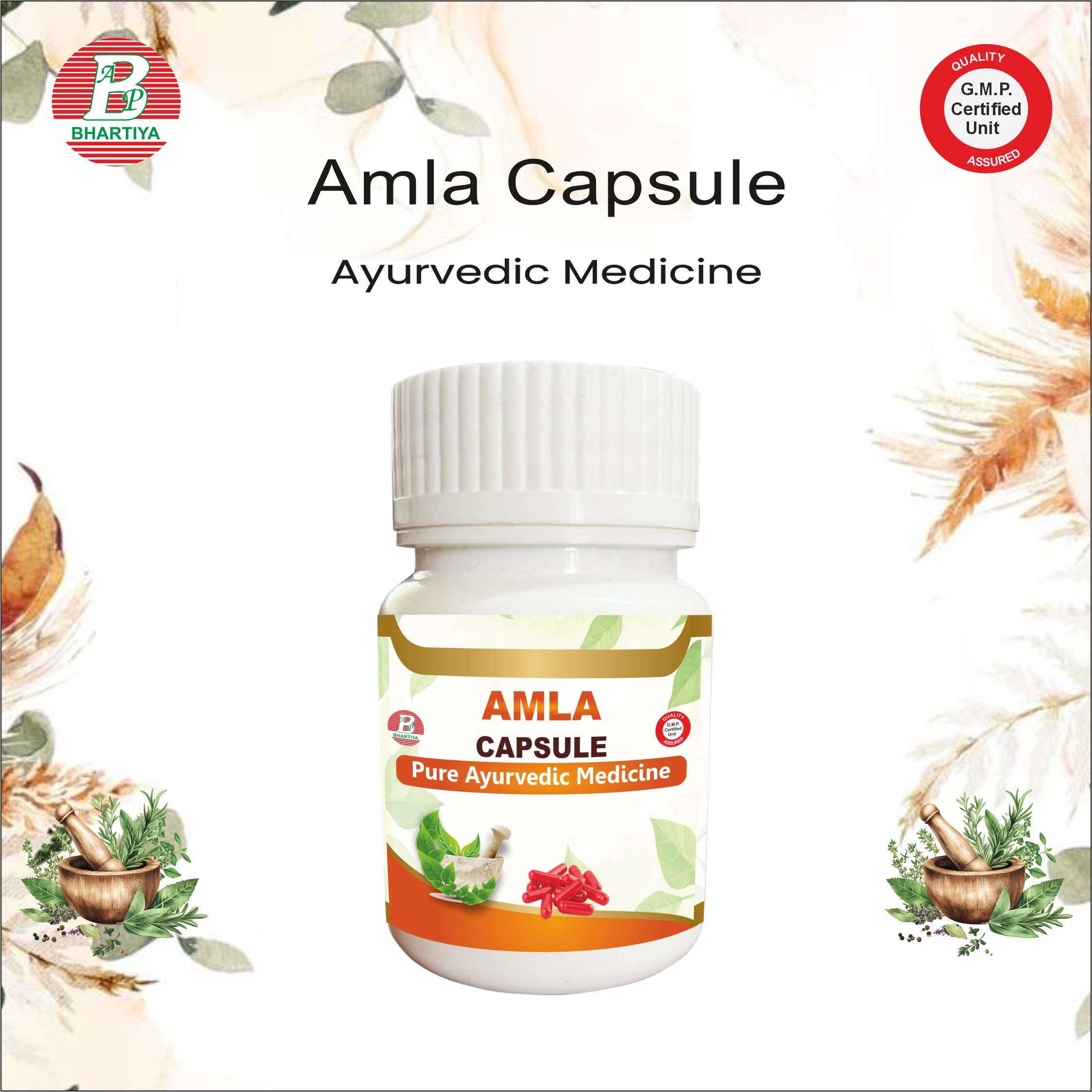
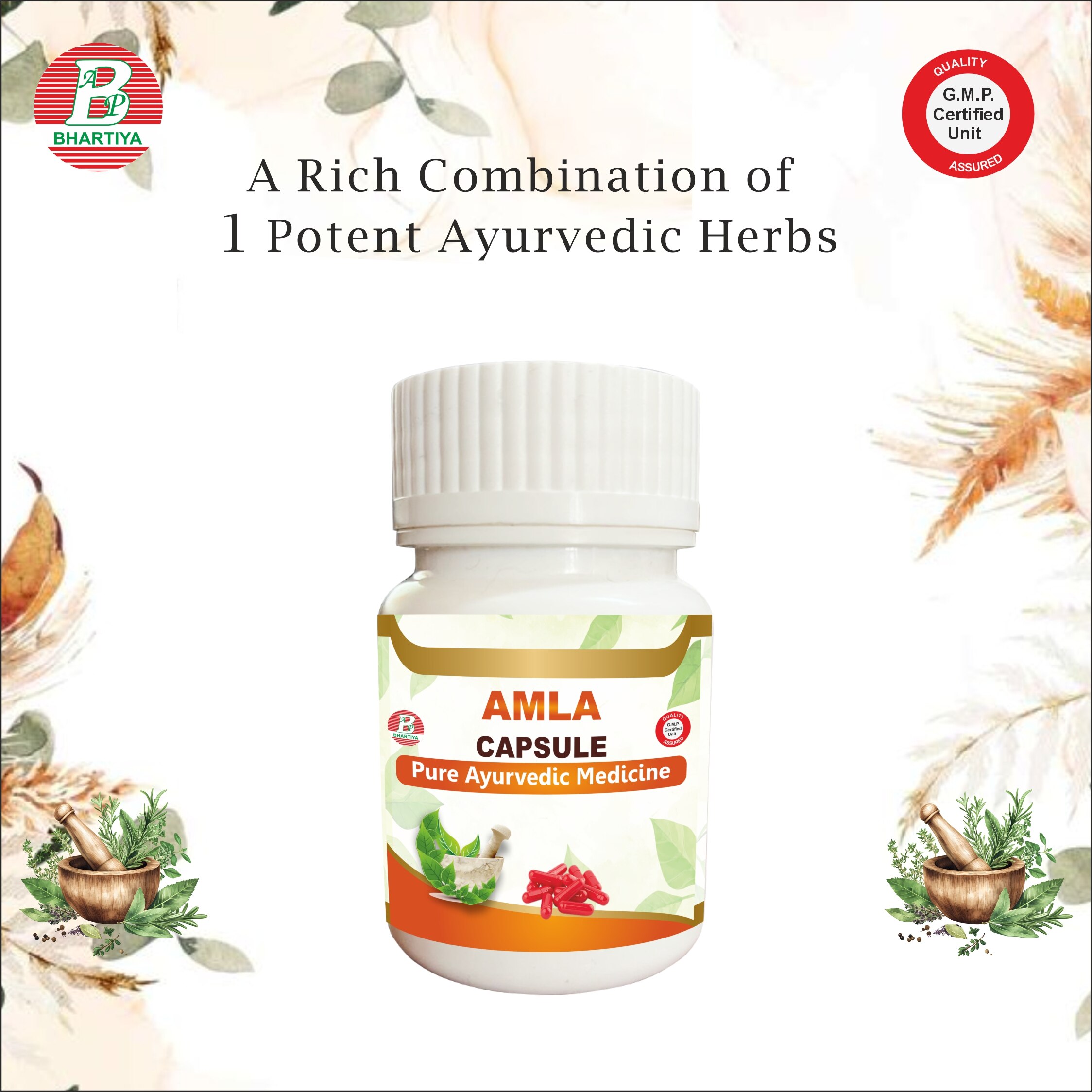
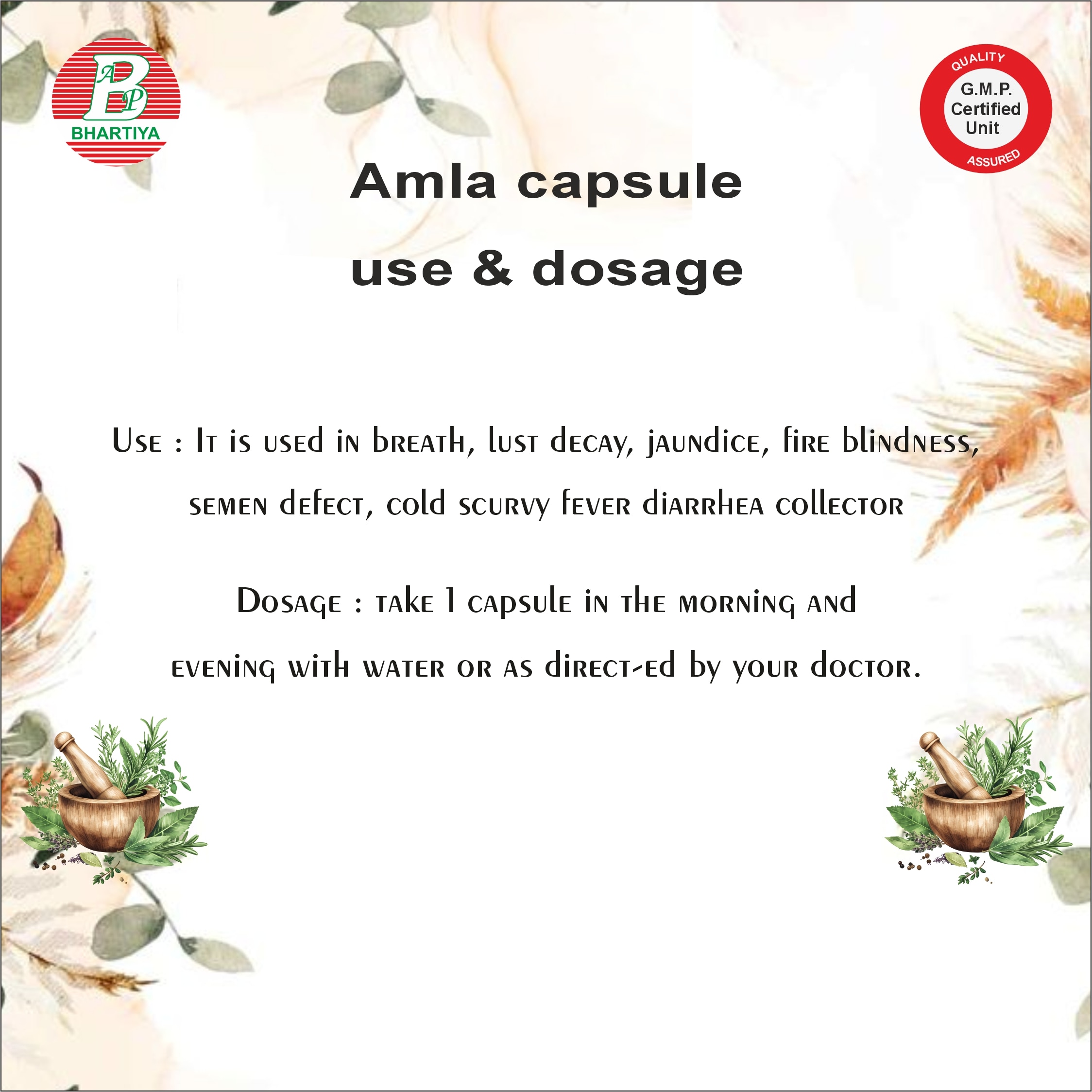
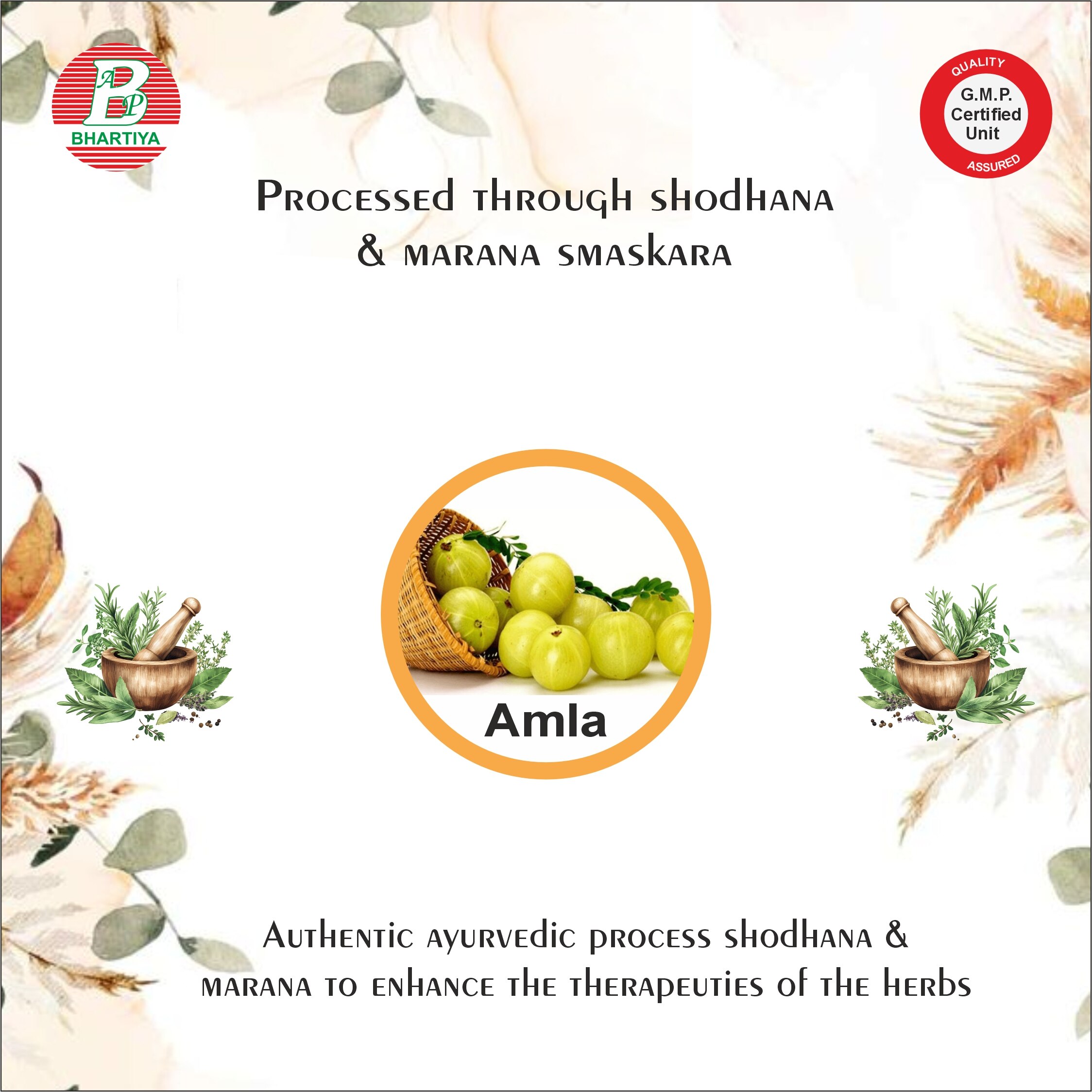
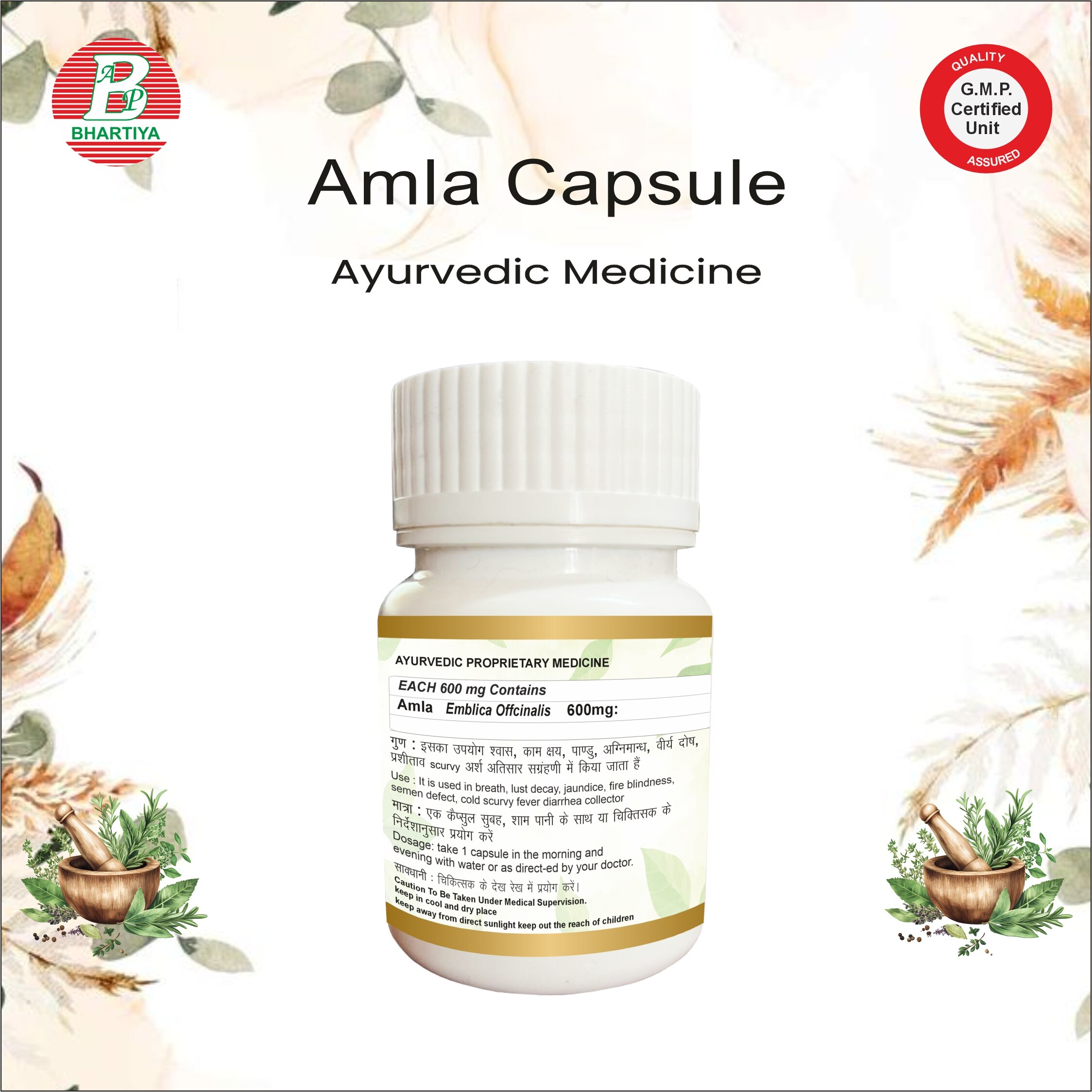
(AMLA (Emblica officinalis Gaertn.) The Supreme Rasayana — “Dhatri Phala” (The Nourishing Mother Fruit) Āmla, also known as Āmalakī, is one of the most celebrated herbs in Ayurveda, recognized as a prime Rasayana (rejuvenative) and Pittashamaka. Considered sacred and synonymous with longevity, it is used for rejuvenation, metabolism, immunity, skin, hair, digestion, eyesight, and vitality. It is among the richest natural sources of Vitamin C, in a unique heat-stable and bioavailable form preserved by tannins such as Emblicanin A & B. Ayurvedic texts describe Amla as a divine herb, equal to nectar, and capable of restoring youth, strength, and Ojas. BOTANICAL INFORMATION OF AMLA Scientific Name: Emblica officinalis Gaertn. Synonyms: Phyllanthus emblica Linn. Family: Phyllanthaceae (formerly Euphorbiaceae) Order: Malpighiales Genus: Phyllanthus Species: emblica Common Names • Sanskrit: Āmalakī, Dhatri, Shiva, Amrutaphala, Vayasya • Hindi: Amla • English: Indian Gooseberry • Tamil: Nellikai • Telugu: Usirikaya • Malayalam: Nellikka • Kannada: Nellikayi • Gujarati/Marathi: Amla • Bengali: Amloki SYNONYMS IN CLASSICAL AYURVEDIC NIGHANTUS Charaka Samhita • Dhatri, Amalaki – Supreme Rasayana for long life Sushruta Samhita • Vayasya, Shreyasi, Kshaya Apaha Bhavaprakasha Nighantu • Amruta, Shiva, Shreyasi, Amalaki Dhanvantari Nighantu • Tishya, Vayasya, Dhatri Phala • These synonyms emphasize longevity, nourishment, rejuvenation, and divine purity. MORPHOLOGY OF AMLA Tree-Medium-sized deciduous tree, Height: 8–20 crooked trunk, spreading crown Bark-Thin, greyish or reddish-brown, Exfoliating in irregular flakes Leaves-Simple, subsessile, linear-oblong, closely arranged along branchlets, resembling compound leaves Flowers-Greenish-yellow, Unisexual, axillary clusters Fruit-Nearly spherical, smooth, light green,6 vertical stripes, extremely sour and astringent, highly nutritious and medicinal. Seed -Hard, six-triangular ECOLOGICAL PREFERENCES Climate: Tropical and subtropical, highly drought-resistant, Tolerates high temperatures Soil: Grows in poor, alkaline, calcareous, or sandy soils, Thrives in well-drained loamy soil Habitat: Dry deciduous forests, Fields, gardens, village premises, Native to Indian subcontinent Altitude-Sea level to 1,500 m GEOGRAPHICAL DISTRIBUTION India • Widely distributed throughout • Major states: UP, MP, Rajasthan, Gujarat, Maharashtra, Tamil Nadu, Kerala Outside India • Sri Lanka, Nepal, Bangladesh, Pakistan • China, Myanmar, Thailand • Naturalized in Southeast Asia and tropical regions worldwide CLASSICAL AYURVEDIC PROPERTIES (RASA–GUNA–VIRYA–VIPAKA) Rasa (Taste): Pancharasa (five tastes): Amla (sour) predominates Madhura (sweet), Kashaya (astringent), Tikta (bitter), Katu (pungent)No Lavana (salty) Guna (Qualities): Laghu (light), Ruksha (dry) Virya (Potency): Śīta (cooling) Vipaka (post-digestive effect): Madhura (sweet) Dosha Effects: Tridoshaghna (balances all three) Especially Pittashamaka Balances Vata & Kapha too THERAPEUTIC ACTIONS ACCORDING TO AYURVEDA (KARMA) 1. Rasayana (Rejuvenative)-Restores youth, vitality, Ojas, Promotes longevity 2. ChakshushyaImproves eyesight, Used in Tripahala for eye therapies 3. Dipana & Pachana-Enhances digestive fire gently, Prevents acidity despite sour taste 4. Medhya-Enhances memory, intellect, Nourishes brain tissues 5. Hridya-Strengthens heart, Improves circulation 6. Vrishya / Reproductive Health-Promotes fertility, Nourishes Shukra dhatu 7. Keshya-Strengthens hair roots, Prevents greying & hair fall 8. Raktaprasadana-Purifies blood, Detoxifying 9. Lekhana & Kapha-pittahara-Reduces excessive Pitta, Clears Kapha from channels INDICATIONS Digestive System-Acidity, Indigestion, Constipation, Hyperacidity, IBS, Loss of appetite Respiratory System-Cough, Cold, Allergies, Asthma (as part of formulations) Reproductive & Urinary System-Semen quality improvement, Strengthens bladder Skin & Hair-Brightens complexion, Anti-aging, reduces pigmentation, Promotes hair growth Metabolism-Diabetes, Obesity, High cholesterol Nervous System-Memory loss, Fatigue, Stress MODERN PHARMACOLOGY & PHYTOCHEMISTRY Major Constituents • Vitamin C (highly stable) • Tannins: Emblicanin A &, Gallotannins, Ellagitannins • Phenolics: Gallic acid, Ellagic acid, Chebulinic acid • Flavonoids: Quercetin, Kaempferol, Amino acids, minerals Pharmacological Actions • Adaptogenic • Antioxidant • Anti-inflammatory • Immunomodulatory • Hepatoprotective • Anti-ulcer • Antidiabetic • Anti-aging CULTIVATION DETAILS Propagation-Seeds (most common), Vegetative cuttings Sowing Time-June–July (monsoon) Spacing-8–10 m between plants Irrigation-Moderate, tolerates drought once mature Fertilization-Organic manure preferred Harvesting-Fruits harvested November–March, Leaves and bark collected as required CLASSICAL DOSAGE (According to Ayurvedic Granthas) Churna (Powder): 2–5 g twice daily Swarasa (Fresh juice): 10–20 ml Kwatha (Decoction): 40–60 ml Avaleha (paste/lehyam): 10–15 g Capsules / Tablets: As per preparation Oil (Thaila): External use Ghrita: Internal rejuvenation CLASSICAL AYURVEDIC FORMULATIONS CONTAINING AMLA 1. Chyawanprash-Primary Rasayana formulation, Rejuvenation, immunity 2. Tripahala Churna-Digestive, detoxifying, eye tonic 3. Amalaki Rasayana-Anti-aging, brain tonic, immunity 4. Dhatri Rasayana-Pitta balance, digestion 5. Brahma Rasayana-Brain and nerve rejuvenative 6. Dhatryarishta-Digestive and hepatoprotective 7. Amla Oil (Thaila) • Used for hair growth, cooling Amla (Phyllanthus emblica/Emblica officinalis) Formulations – Bhartiya Ayurvedic Pharmacy Bhartiya Ayurvedic Pharmacy prepares a range of Amla formulations following classical Ayurvedic principles described in Charaka Samhita, Sushruta Samhita, Bhav Prakash Nighantu, and other Ayurvedic texts. Each product is designed to retain the full rejuvenative, antioxidant, and digestive properties of Amla, supporting immunity, digestion, liver health, and overall vitality. 1. Amla Tablet Description: Amla Tablet is a modern, convenient dosage form containing standardized Amla (Phyllanthus emblica) extract. Ideal for daily use, it retains Amla’s rejuvenative, antioxidant, and digestive properties. Key Actions: • Tridoshic Rasayana: Balances Vata, Pitta, Kapha • Supports immunity and vitality • Enhances digestion and bowel regularity • Improves liver and kidney health • Promotes skin and hair health Dosage: • 1–2 tablets twice daily after meals with warm water, or as directed Precautions: • Avoid excessive use in diarrhea or loose stools • Diabetics should monitor blood sugar 2. Amla Capsule Description: Amla Capsule is a convenient, easy-to-swallow form containing Amla extract. Suitable for those who prefer capsules over tablets or powders. Key Actions: • Rejuvenative and immunity-boosting • Antioxidant properties reduce oxidative stress • Supports digestive health • Promotes liver and kidney function Dosage: • 1–2 capsules twice daily with warm water after meals Precautions: • Avoid overdose • Use under supervision if pregnant or lactating 3. Amlakyadi Loh (Amlakyadi Loh Bhasma) Description: A herbo-mineral Ayurvedic formulation combining Amla and metallic/mineral preparations (Loh Bhasma – iron ash). Traditionally used for blood disorders, anaemia, and general debility. Key Actions: • Hematinic: Supports red blood cell formation • Rejuvenative: Enhances strength, vitality, and metabolism • Improves immunity • Supports liver function Dosage: • 1–2 tablets once or twice daily after meals with warm water or milk, as directed by an Ayurvedic practitioner Precautions: • Monitor iron levels during prolonged use • Avoid in cases of iron overload or gastric sensitivity 4. Amla Powder (Amla Churna) Description: Pure, finely powdered Amla for traditional use. Can be consumed with honey, ghee, or water. Key Actions: • Rasayana and rejuvenative • Supports digestion and bowel movements • Enhances liver and kidney detoxification • Improves immunity, skin, and hair health Dosage: • 1–3 g daily with water, honey, or as advised Precautions: • Avoid excess intake in diarrhea • Diabetics should consult before use Amlaki Rasayana (Semi-Solid / Avaleha Form) Description: Classical semi-solid Rasayana prepared from Amla (Phyllanthus emblica), sometimes with other rejuvenative herbs, preserving full potency and bioactive constituents. Key Actions: • Rejuvenative (Rasayana) and immunity booster • Enhances digestion and nutrient absorption • Detoxifies liver and kidneys • Promotes healthy skin and hair • Supports respiratory health and longevity Dosage: • 5–10 g (1 teaspoon) twice daily with warm milk, water, or honey Precautions: • Avoid in diarrhea or loose stools • Diabetics should monitor sugar if sweetened • Use under supervision during pregnancy or chronic illness Benefits: • Vitality and strength • Digestive, liver, and kidney support • Antioxidant and anti-aging effects • Overall rejuvenation and longevity 6. Tripahala Churna Description: A classical Ayurvedic powder containing Haritaki, Bibhitaki, and Amla, used for digestion, detoxification, and bowel regulation. Key Actions: • Mild laxative: Supports regular bowel movements • Rejuvenative: Improves immunity and vitality • Detoxifying: Cleanses liver, kidneys, and digestive tract • Balances Vata and Pitta doshas Dosage: • 1–3 g daily with warm water, honey, or ghee, preferably at bedtime or as advised Precautions: • Avoid excessive use leading to loose stools • Consult practitioner for prolonged use in elderly or weak patients SAFETY & PRECAUTIONS Safe for long-term use when taken in classical doses Highly safe fruit for children, elderly, and pregnant women (dietary form) Precautions: • Excess consumption may increase dryness (Vata) • Use cautiously in: • Severe hypoglycemia • Chronic diarrhea • Avoid cold Amla juice in Kapha prakriti people during heavy winter