Preview

This is your website preview.

Currently it only shows your basic business info. Start adding relevant business details such as description, images and products or services to gain your customers attention by using Boost 360 android app / iOS App / web portal.

BHARTIYEAYURVEDICPHARMACY 67810fc344772a6a78a797b9 Products https://www.bhartiyaayurvedicpharmacy.com

Manufacturing test

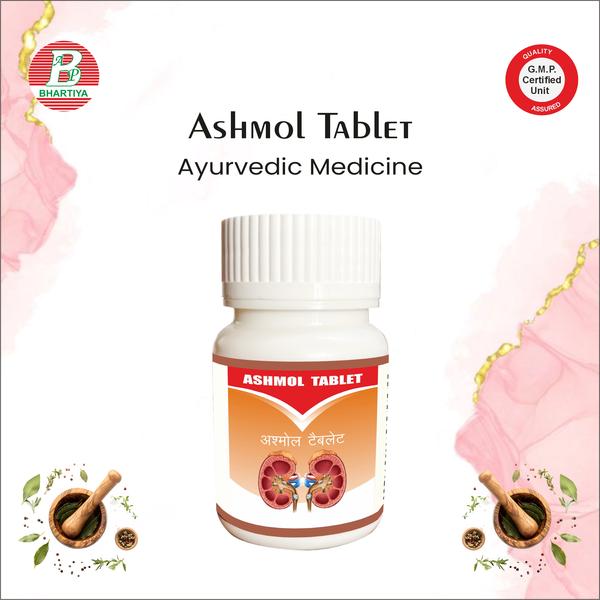
                     ASHMOL TABLET Product Identification•	Generic Name: Ashmol Tablet•	Type: Ayurvedic Patent Medicine•	Primary Indication Area: kidney stone treatment is to relieve pain and help pass or remove stones from the kidneys and urinary tract.Therapeutic Indications:Pain relief, facilitation of stone passage, and prevention of stone recurrence. Primary Benefit:•	Relieves pain and helps pass or remove stones.Other Benefits:•	Prevents recurrence of stones if proper medication or lifestyle changes are followed•	Reduces risk of urinary tract infections caused by stagnant stones•	Protects kidney function by preventing obstruction and damage•	May improve urine flow and general urinary health HARAD Botanical / Common Name: Terminalia chebulaKey Phytoconstituents:•	Tannins•	Flavonoids•	Polyphenols / Phenolic compounds•	Sugars / MucilageMechanism of Action in Kidney Stones – Biochemistry / Pharmacology:1.	Inhibition of Stone Formationo	Tannins and flavonoids bind calcium and oxalate ions, preventing calcium oxalate crystal aggregation.o	Reduces formation of larger stones from small crystals.2.	Diuretic Effect / Stone Flushingo	Increases urine output, helping flush out small stones.o	Reduces crystal retention in kidneys and ureters.3.	Antioxidant / Renal Protective Effecto	Polyphenols and flavonoids scavenge reactive oxygen species (ROS).o	Protects renal tissue from oxidative damage that promotes stone formation.4.	Urinary Alkalinizationo	Mildly increases urine pH, reducing uric acid stone formation.5.	Anti-inflammatory Effecto	Reduces inflammation in the urinary tract caused by stone irritation. BABOOL Botanical / Common Name: Acacia niloticaKey Phytoconstituents:•	Tannins•	Flavonoids •	Saponins•	Glycosides•	Polyphenolic compoundsMechanism of Action – Biochemistry / Pharmacology:1.	Antimicrobial / Oral Health Effecto	Tannins and flavonoids exhibit antibacterial activity, reducing microbial growth in oral and gastrointestinal tract.o	Helps in prevention of infections and inflammation.2.	Astringent Effecto	Tannins precipitate proteins on mucosal surfaces, producing an astringent action.o	Useful in diarrhea, bleeding gums, and wound healing.3.	Anti-inflammatory Effecto	Polyphenolic compounds reduce inflammation by inhibiting inflammatory mediators.o	Protects tissues from irritation and oxidative stress.4.	Antioxidant Effecto	Flavonoids and polyphenols scavenge free radicals, protecting cells from oxidative damage.5.	Gastrointestinal Benefitso	Saponins and tannins strengthen gut mucosa, reduce diarrhea, and help maintain digestive health.SHUDH GUGGAL Botanical / Common Name: Commiphora mukulKey Phytoconstituents:•	Guggulsterones (E- and Z- guggulsterone)•	Resinous compounds•	Essential oils•	SterolsMechanism of Action – Biochemistry / Pharmacology:1.	Lipid-Lowering / Hypolipidemic Effecto	Guggulsterones modulate cholesterol metabolism by activating bile acid synthesis.o	Reduces LDL cholesterol and triglycerides; increases HDL cholesterol.2.	Anti-inflammatory Effecto	Inhibits NF-κB pathway, reducing production of inflammatory mediators.o	Useful in arthritis, joint pain, and inflammatory conditions.3.	Anti-oxidant Effecto	Resin and phytosterols scavenge free radicals, protecting cells from oxidative stress.4.	Thyroid Stimulant / Metabolic Effecto	Guggulsterones may stimulate thyroid activity, enhancing metabolic rate and fat metabolism.5.	Cholagogue / Digestive Supporto	Promotes bile secretion, aiding digestion and fat absorption. HAJRUL YAHOOD BHASMA Botanical / Common Name: mineral based Ayurvedic Bhasma (calcined stone)Key Phytoconstituents / Composition:•	Calcium silicate / Lime silicate (from fossil stone)•	Mineral oxides (post calcination residues)(Hajrul Yahood is processed through purification and heating to form a fine, digestible powder) Mechanism of Action in Kidney Stone / Urinary System – Biochemistry / Pharmacology:1.	Lithontriptic (Stone Dissolving) Actiono	Promotes breakdown and dissolution of urinary calculi (stones), helping them reduce in size or pass through urine.o	Used traditionally to manage kidney stones and assist expulsion along the urinary tract. 2.	Diuretic Effect / Urine Flow Promotiono	Increases urine production and flow, facilitating the flushing out of small crystals or stones.o	Helps reduce urinary retention and complete bladder emptying. 3.	Anodyne / Pain Reducing Effecto	Has properties to alleviate renal colic (stone related pain) and discomfort during urination.o	Minimizes burning sensation and dysuria (painful urination). 4.	Antipruritic / Mucosal Protective Actiono	Traditionally used externally for skin irritation (itching, ringworm) due to its calming effect on tissues.o	Internally, it supports mucosal health in the urinary tract. 5.	Pitta & Kapha Pacification (Ayurvedic property)o	Cooling (sheet) virya and astringent action help balance Pitta and Kapha doshas associated with excess heat and fluid imbalance in the GI and urinary systems.  GHRIT KUMARI Botanical / Common Name: Aloe veraKey Phytoconstituents:•	Anthraquinones (aloin, emodin)•	Polysaccharides (acemannan)•	Saponins•	Glycoproteins•	Vitamins and mineralsMechanism of Action – Biochemistry / Pharmacology:1.	Mild Laxative / Gastrointestinal Effecto	Anthraquinones stimulate intestinal peristalsis, easing bowel movements.o	Polysaccharides increase water content in stools, reducing constipation and straining.2.	Anti-inflammatory Effecto	Glycoproteins and polysaccharides inhibit inflammatory mediators, soothing GI mucosa and reducing irritation.3.	Wound Healing / Tissue Regenerationo	Polysaccharides and glycoproteins promote cell proliferation, collagen synthesis, and tissue repair.o	Helps heal ulcers and minor GI lesions.4.	Antioxidant Effecto	Vitamins (A, C, E) and phenolic compounds scavenge free radicals, protecting tissues from oxidative damage.5.	Immune Modulatory Effecto	Polysaccharides stimulate macrophages and cytokine activity, supporting immune defense in the GI tract.DosageDose: 2–3 tablets, twice a day (morning and evening)•	Anupan: Water, preferably after food•	Precautions:o	Only relieves pain, does not dissolve or remove stoneso	Maintain hydration and follow dietary measureso	Consult a doctor if pain is severe, persistent, or with blood in urine/fever. ashmol tablet amazon, ashmol tablet amazon indiaashmol tablet benefits, ashmol tablet buy onlineashmol tablet buy, ashmol tablet brand nameashmol tablet composition, ashmol tablet companyashmol tablet content, ashmol tablet composition pdfashmol tablet download, ashmol tablet doseashmol tablet dosage, ashmol tablet dose per dayashmol tablet englis, ashmol tablet expiry dateashmol tablet flipkart, ashmol tablet free downloadashmol tablet for hair, ashmol tablet for skinashmol tablet ghaziabad, ashmol tablet googleashmol tablet ghaziabad uttar pradesh, ashmol tablet hindiashmol tablet holder, ashmol tablet how to useashmol tablet hsn code, ashmol tablet hd imagesashmol tablet indiamart, ashmol tablet indiaashmol tablet in hindi , ashmol tablet imageashmol tablet jiomart, ashmol tablet jaipurashmol tablet ke fayde in hindi, ashmol tablet kya haiashmol tablet kis kaam aati hai, ashmol tablet ke faydeashmol tablet kya kam karta hai, ashmol tablet loginashmol tablet list, ashmol tablet list pdfashmol tablet label, ashmolean museum tabletsashmol tablet uses, ashmol tablet nameashmol tablet new, ashmol tablet online shoppingashmol tablet online, ashmol tablet orderashmol tablet order online, ashmol tablet priceashmol tablet price in india, ashmol tablet qualityashmol tablet review, ashmol tablet rateashmol tablet review in hindi, ashmol tablet side effectsashmol tablet supplier, ashmol tablet tabletasmol 500 uses in hindi, ashmol tablet videoashmol tablet website, acimol+tablet+useswhere ashmol tablet manufacturedwhere ashmol tablet found, where ashmol tablet useswhen ashmol tablet will start, when ashmol tablet launchedwhen ashmol tablet uses, how ashmol tablet is usedwhy ashmol tablet uses, who ashmol tabletswho ashmol tablet uses, is ashmol tablet goodcan ashmol tablet uses, will ashmol tablet usesdo ashmol tablet uses, does ashmol tablets workwas ashmol tablet uses, best ashmol tabletsbest ashmol tablet in india, top ashmol tabletstop ashmol tablet in india, top ashmol tablet uses
Ashmol Tablet

INR 55 INR 105
You Save 47.62%

VIEW DETAILS
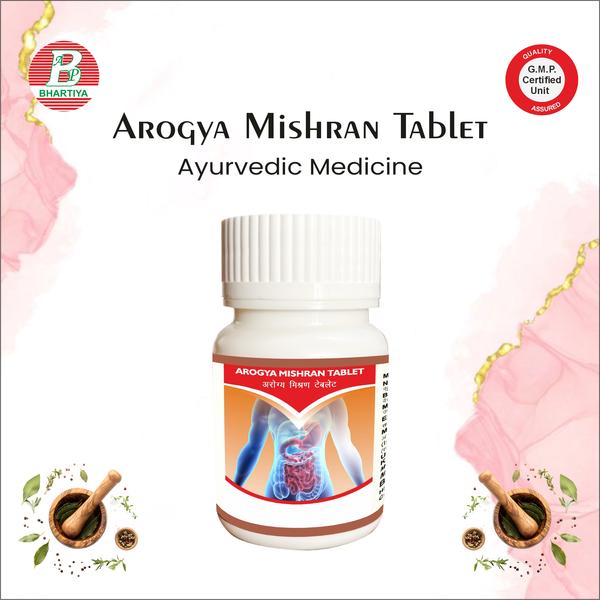
                       AROGYA MISHRAN TABLET Product Identification•	Generic Name: Arogya Mishran Tablet•	Type: Ayurvedic Patent Medicine•	Primary Indication Area: Liver disorders and digestive/metabolic support.Therapeutic Indications:Supports liver function, improves digestion, and provides hepatoprotective effects. Primary Benefit:•	Promotes liver health, supports detoxification, and enhances digestion and metabolism.Other Benefits:1.	Appetite Stimulation: Enhances natural appetite, which helps patients with liver disorders who often experience loss of appetite.2.	Metabolic Regulation: Supports healthy metabolism by improving the efficiency of digestive enzymes and nutrient assimilation, which is often compromised in liver dysfunction.3.	Hepatocyte Protection & Regeneration: Provides antioxidants and bioactive compounds that protect liver cells from oxidative stress, toxins, and inflammation, while supporting tissue repair.4.	Improved Energy & Vitality: By optimizing liver function and digestion, it contributes to better energy levels, reducing fatigue associated with liver disorders.5.	Mild Detoxification: Assists the liver in eliminating metabolic toxins and waste products, supporting overall detoxification pathways.6.	Support for Digestive Health: Helps maintain optimal bile flow and digestive function, which can be impaired in liver disorders.7.	Immune Support: Indirectly strengthens immunity by supporting liver detoxification and metabolic balance, which are critical for overall health.AROGYA VARDHINI VATI Botanical / Common Name: Classical Ayurvedic polyherbal-mineral formulationKey Phytoconstituents / Components:1.	Triphala: Emblica officinalis, Terminalia chebula, Terminalia bellirica – tannins, polyphenols, vitamin C2.	Katuki (Picrorhiza kurroa) – iridoid glycosides (Picroside I & II)3.	Shuddha Parada (Purified Mercury) & Shuddha Gandhak (Purified Sulphur) – bioactive minerals4.	Other supportive herbs – flavonoids, glycosides, saponinsMechanism of Action in Liver Disorders – Biochemistry / Pharmacology:1.Hepatoprotective Effect•	Bioactive compounds protect hepatocytes from oxidative stress and toxins.•	Promotes liver tissue regeneration and function.2. Digestive & Choleretic Support•	Enhances bile secretion and supports fat metabolism.•	Stimulates digestive enzymes, improving nutrient absorption.3.Anti-inflammatory & Antioxidant Activity•	Reduces hepatic inflammation and oxidative damage.•	Polyphenols and flavonoids neutralize free radicals.4.	Detoxification & Metabolic Regulation•	Enhances phase I & II liver detoxification enzymes.•	Supports amino acid and lipid metabolism, stabilizing liver function.5.	Rejuvenation / Rasayana Effect•	Improves overall vitality, energy, and immunity.•	Acts as a rejuvenator for liver and digestive tissues. PUNARNAVADI MANDOOR Botanical / Common Name: Classical Ayurvedic polyherbal-mineral formulationKey Phytoconstituents / Components:•	Punarnava (Boerhavia diffusa) – flavonoids, alkaloids, glycosides•	Mandur Bhasma (Iron oxide) – bioavailable iron•	Trikatu (Zingiber officinale, Piper longum, Piper nigrum) – alkaloids, volatile oils•	Other supporting herbs – tannins, saponins, phenolic compoundsMechanism of Action in Liver / Digestive Disorders – Biochemistry / Pharmacology:1.	Hepatoprotective & Rejuvenative Effecto	Punarnava and iron support hepatocyte regeneration and improve liver function.o	Provides Rasayana (rejuvenation) effect on liver and digestive tissues.2.	Digestive & Metabolic Supporto	Trikatu enhances digestive enzyme activity and stimulates metabolism.o	Supports proper bile flow and fat digestion.3.	Hematinic & Detoxification Effecto	Mandur Bhasma supplies bioavailable iron, improving anaemia associated with liver dysfunction.o	Promotes mild detoxification, aiding in toxin clearance.4.	Anti-inflammatory & Diuretic Actiono	Punarnava reduces hepatic and systemic inflammation.o	Mild diuretic effect supports fluid balance and reduces tissue congestion. LAGHU SUTSHEKHAR RAS Botanical / Common Name: Classical Ayurvedic herbo-mineral formulationKey Phytoconstituents / Components:•	Shuddha Parada (Purified Mercury) – bioactive mineral•	Shuddha Gandhak (Purified Sulphur) – bioactive mineral•	Loha Bhasma (Iron oxide) – hematinic mineral•	Swarna Makshik Bhasma (Copper sulphide) – trace mineral•	Supporting herbs: Pippali (Piper longum), Maricha (Piper nigrum), other carminative and digestive herbsMechanism of Action in Digestive / Liver Disorders – Biochemistry / Pharmacology:1.	Digestive & Carminative Supporto	Enhances digestive fire (Agni) and enzyme activity.o	Reduces bloating, gas, and indigestion.2.	Hepatoprotective Effecto	Supports liver function and protects hepatocytes from oxidative stress.o	Promotes metabolism and bile secretion.3.	Detoxification & Rejuvenation (Rasayana Effect)o	Bioactive minerals and herbs stimulate detoxification pathways in the liver.o	Enhances overall vitality, stamina, and digestive health.4.	Anti-inflammatory & Mild Antimicrobial Activityo	Reduces inflammation in digestive tract.o	Some components provide mild antimicrobial support, improving gut health.Dosage•	2–3 tablets•	Thrice a day•	With lukewarm water or milkPrecautions•	Do not exceed the prescribed dose.•	Take under medical supervision, especially in children, elderly, or patients with chronic illnesses.•	Monitor for any adverse reactionarogya mishran tablet uses, arogya vati uses, arogya mishranarogya mishran tablet amazon, arogya mishran tablet ayurvedicarogya mishran tablet benefits, arogya mishran tablet benefits in hindiarogya mishran tablet buy online, arogya mishran tablet buyarogya mishran tablet book, arogya mishran tablet compositionarogya mishran tablet company, arogya mishran tablet contentarogya mishran tablet cost, arogya mishran tablet composition pdfarogya mishran tablet dose, arogya mishran tablet dose per dayarogya mishran tablet download, arogya mishran tablet detailsarogya mishran tablet english, arogya mishran tablet excelarogya mishran tablet flipkart, arogya mishran tablet formarogya mishran tablet ghaziabad, arogya mishran tablet googlearogya mishran tablet ghaziabad uttar pradesh, arogya mishran tablet governmentarogya mishran tablet uses in hindi, arogya mishran tablet jiarogya mishran tablet jiomart, arogya mishran tablet ke faydearogya mishran tablet ke fayde in hindi, arogya mishran tablet listarogya mishran tablet login, arogya mishran tablet list pdfarogya mishran tablet manufacturer, arogya mishran tablet manufacturers in indiaarogya mishran tablet name, arogya mishran tablet name listarogya mishran tablet ni, arogya mishran tablet onlinearogya mishran tablet online shopping, arogya mishran tablet online purchasearogya mishran tablet online order, arogya mishran tablet pricearogya mishran tablet price in india, arogya mishran tablet price in delhiarogya mishran tablet qualification, arogya mishran tablet qualityarogya mishran tablet rajasthan, arogya mishran tablet review in hindiarogya mishran tablet tata 1mg, arogya mishran tablet tabletarogya mishran tablet time, arogya mishran tablet veterinaryarogya mishran tablet vet, arogya mishran tablet websitearogya mishran tablet work, arogya mishran tablet yojana haryanaarogya mishran tablet zinc, what arogya mishran tablet uses in hindiwhat arogya mishran tablet uses, where arogya mishran tabletswhere arogya mishran tablets available, where arogya mishran tablet useswhere arogya mishran tablet uses in hindi, when arogya mishran tabletswhen arogya mishran tablet uses, how arogya mishran tabletshow arogya mishran tablet works, how arogya mishran tablet useswhy arogya mishran tablets, why arogya mishran tablet useswhy arogya mishran tablet uses in hindi, who arogya mishran tabletswho arogya mishran tablet price, who arogya mishran tablet uses in hindiwho arogya mishran tablet uses, is arogya mishran tablet usesis arogya mishran tablet uses in hindi, can arogya mishran tablets be patientcan arogya mishran tablet uses, can arogya mishran tablet uses in hindiwill arogya mishran tablets, will arogya mishran tablet usesdo arogya mishran tablet uses in hindi, do arogya mishran tablet usesdoes arogya mishran tablets work, does arogya mishran tablet usesdoes arogya mishran tablet uses in hindi, was arogya mishran tabletswas arogya mishran tablet uses, was arogya mishran tablet uses in hindibest arogya mishran tablets, best arogya mishran tablet pricebest arogya mishran tablet uses, best arogya mishran tablet uses in hinditop arogya mishran tablets, top arogya mishran tablet pricetop arogya mishran tablet uses, top arogya mishran tablet uses in hindi
Arogya Mishran Tablet

INR 70 INR 135
You Save 48.15%

VIEW DETAILS
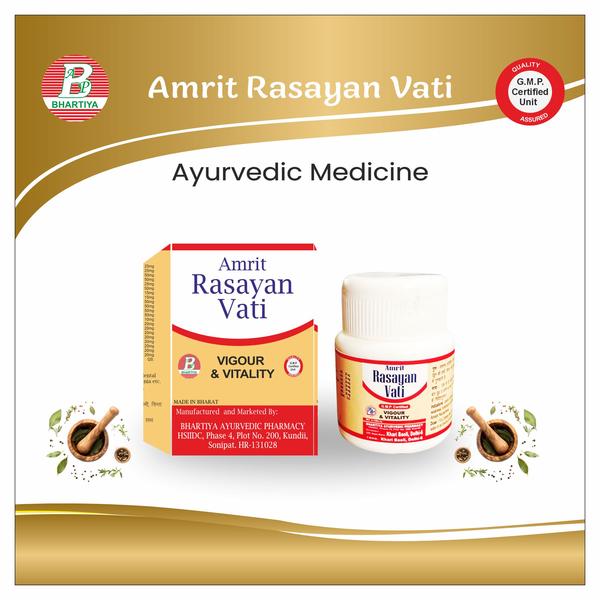
                                  AMRIT RASAYAN VATI Product Identification•	Generic Name: Amrit Rasayan Vati •	Type: Ayurvedic Patent Medicine•	Primary Indication Area: General physical and mental weakness, nervous debility (Nadi Daurbalya), anaemia/low vitality, stress and anxiety, and post-illness weakness.Therapeutic Indications:•	Used as a Rasayana for management of general physical and mental debility, nervous weakness, anxiety and stress, anaemia/low vitality, fatigue, and convalescence after illness. Primary Benefit:•	Enhances overall physical strength and mental vitality by reducing weakness, nervous debility, stress, and fatigue.Other Benefits:•	Nervous system support: Helps strengthen nerves, improves nerve function, and reduces symptoms of nervous debility (Nadi Daurbalya).•	Stress and anxiety relief: Calms the mind, supports emotional balance, and helps reduce mental fatigue and worry.•	Improved stamina and energy: Enhances physical endurance, reduces tiredness, and supports daily activity levels.•	Post-illness recovery: Aids faster recovery by restoring strength and vitality after chronic disease or prolonged weakness.•	Immunity and rejuvenation: Acts as a Rasayana to improve immunity, delay fatigue, and promote overall well-being and longevity. JAVITRI (Mace) Botanical Name: Myristica fragrans (Aril of nutmeg)Key Phytoconstituents•	Essential oils (Myristicin, Elemicin, Safrole – in trace/regulated amounts)•	Lignans•	Flavonoids•	Phenolic compounds•	Fixed oilsMechanism of Action in Mental & Physical Weakness (Biochemistry / Pharmacology)1. Central Nervous System Stimulant & Neuroprotective Action (Mental Weakness)o	Myristicin and elemicin modulate neurotransmitters such as dopamine and serotonin.o	Enhances neuronal signaling, improving alertness, concentration, and cognitive performance.o	Flavonoids provide neuroprotective antioxidant effects, reducing oxidative stress in brain tissue.2. Adaptogenic & Anti-Stress Effecto	Regulates the hypothalamic–pituitary–adrenal (HPA) axis, helping the body adapt to mental and physical stress.o	Reduces cortisol-induced fatigue, thereby improving stress tolerance and mental endurance.JAIPHAL (Nutmeg) Botanical Name: Myristica fragrans (Seed)Key Phytoconstituents:•	Essential oils: Myristicin, Elemicin, Safrole (in trace amounts)•	Lignans•	Flavonoids•	Phenolic compounds•	Fixed oilsMechanism of Action in Mental & Physical Weakness (Biochemistry / Pharmacology)1. CNS Stimulant and Neuroprotective Action•	Myristicin and elemicin modulate dopaminergic and serotonergic neurotransmission.•	Improves cognition, alertness, memory, and focus.•	Flavonoids and lignans act as antioxidants, protecting neurons from oxidative stress.2. Anti-Stress and Adaptogenic Effect•	Modulates HPA axis, reducing stress-induced cortisol elevation.•	Enhances resilience to mental and physical fatigue.SAFED MUSLI Botanical Name: Chlorophytum borivilianumKey Phytoconstituents:•	Saponins (Steroidal saponins)•	Alkaloids•	Polysaccharides•	Glycosides•	Proteins and amino acidsMechanism of Action in Mental & Physical Weakness (Biochemistry / Pharmacology)1. Adaptogenic & Anti-Fatigue Action•	Steroidal saponins enhance stress tolerance by modulating the HPA axis.•	Reduces cortisol-induced fatigue, improving endurance and physical stamina.2. Energy Metabolism Support•	Improves mitochondrial function and ATP production in muscle cells.•	Enhances physical performance and reduces lethargy.SHATAVARI Botanical Name: Asparagus racemosusKey Phytoconstituents:•	Steroidal saponins (Shatavarins I–IV)•	Flavonoids•	Polysaccharides•	Alkaloids•	Vitamins and mineralsMechanism of Action in Mental & Physical Weakness (Biochemistry / Pharmacology)1. Adaptogenic & Anti-Stress Action•	Steroidal saponins modulate the hypothalamic–pituitary–adrenal (HPA) axis.•	Reduces stress-induced cortisol elevation, improving physical stamina and mental resilience.2. Rejuvenative / Rasayana Effect•	Acts as a general tonic, supporting vitality, energy, and immunity.•	Promotes tissue regeneration and recovery from debility or chronic illness.BRAHMI Botanical Name: Bacopa monnieriKey Phytoconstituents:•	Bacosides A and B (saponins)•	Alkaloids (brahmine, herpestine)•	Flavonoids•	Phenolic compoundsMechanism of Action in Mental & Physical Weakness (Biochemistry / Pharmacology)1. Cognitive Enhancer & Neuroprotective Action•	Bacosides enhance synaptic transmission, nerve impulse conduction, and neuroplasticity.•	Protect neurons from oxidative stress, reducing mental fatigue.•	Improves memory, attention, learning, and mental clarity.2. Adaptogenic & Anti-Stress Effect•	Modulates HPA axis, reducing cortisol levels.•	Enhances resistance to stress-induced mental and physical fatigue.SHILAJIT (Shudh / Purified) Botanical / Mineral Source: Exudate from rocks of the Himalayas (organic-mineral complex)Key Phytoconstituents:•	Fulvic acid•	Humic acid•	Dibenzo-alpha-pyrones•	Trace minerals (iron, zinc, magnesium, copper, selenium)•	Amino acidsMechanism of Action in Mental & Physical Weakness (Biochemistry / Pharmacology)1. Energy Metabolism & Anti-Fatigue Action•	Enhances mitochondrial ATP production, increasing cellular energy.•	Improves physical endurance and reduces fatigue, supporting muscle performance.2. Adaptogenic & Anti-Stress Effect•	Modulates the hypothalamic–pituitary–adrenal (HPA) axis.•	Reduces stress-induced cortisol elevation, improving mental alertness and physical stamina. KALI MIRCH (Black Pepper) Botanical Name: Piper nigrumKey Phytoconstituents:•	Piperine (alkaloid)•	Essential oils (pinene, limonene, sabinene)•	Flavonoids•	PolyphenolsMechanism of Action in Mental & Physical Weakness (Biochemistry / Pharmacology)1. Digestive Stimulant / Bioavailability Enhancer•	Piperine stimulates digestive enzyme secretion, improving digestion and nutrient absorption.•	Enhances bioavailability of nutrients and other phytoconstituents, indirectly supporting physical and mental strength.2. Metabolic & Thermogenic Action•	Stimulates thermogenesis, improving energy metabolism.•	Supports fatigue reduction and physical endurance. PIPALI (Long Pepper) Botanical Name: Piper longumKey Phytoconstituents:•	Piperine (alkaloid)•	Volatile oils (limonene, pinene, caryophyllene)•	Polyphenols•	FlavonoidsMechanism of Action in Mental & Physical Weakness (Biochemistry / Pharmacology)1. Digestive Stimulant / Deepana-Pachana•	Piperine and volatile oils stimulate digestive enzyme secretion, improving digestion and nutrient absorption.•	Helps prevent accumulation of undigested food, which can cause lethargy and weakness.2. Bioavailability Enhancer•	Piperine enhances absorption of nutrients and other herbal constituents.•	Indirectly boosts physical strength, energy, and mental function when used in polyherbal formulations.SAUNTH (Dry Ginger) Botanical Name: Zingiber officinale (Dried Rhizome)Key Phytoconstituents:•	Gingerols and Shogaols (phenolic compounds)•	Essential oils (zingiberene, bisabolene)•	Polyphenols•	FlavonoidsMechanism of Action in Mental & Physical Weakness (Biochemistry / Pharmacology)1. Digestive Stimulant / Deepana-Pachana•	Gingerols and shogaols stimulate digestive enzymes, improving digestion and nutrient absorption.•	Prevents accumulation of undigested food, which can cause lethargy and weakness.2. Thermogenic & Metabolic Enhancement•	Increases thermogenesis, enhancing energy metabolism.•	Supports physical stamina and reduces fatigue.ASHWAGANDHA Botanical Name: Withania somniferaKey Phytoconstituents:•	Withanolides (steroidal lactones)•	Alkaloids (somniferine, withanine)•	Saponins•	Iron and amino acidsMechanism of Action in Mental & Physical Weakness (Biochemistry / Pharmacology)1. Adaptogenic & Anti-Stress Action•	Withanolides modulate the hypothalamic–pituitary–adrenal (HPA) axis, reducing cortisol levels.•	Enhances stress resilience, improving both mental and physical endurance.2. Energy Metabolism & Anti-Fatigue•	Supports mitochondrial function and ATP production, increasing cellular energy.•	Reduces physical fatigue and improves stamina.AKARKARA Botanical Name: Anacyclus pyrethrumKey Phytoconstituents:•	Alkylamides (pyrethrins, anacyclin)•	N-alkylamides•	Essential oils•	Starch and mucilageMechanism of Action in Mental & Physical Weakness (Biochemistry / Pharmacology)1. Nervine Tonic & Neuroprotective Action•	Alkylamides stimulate central and peripheral nervous system, enhancing nerve conduction and mental alertness.•	Supports cognitive function, focus, and memory, reducing mental fatigue.2. Adaptogenic & Anti-Fatigue Effects•	Enhances stress resilience by modulating the HPA axis.•	Reduces physical and mental fatigue, improving endurance and stamina.AMLA (AMALAKI / Indian Gooseberry) Botanical Name: Emblica officinalisKey Phytoconstituents:•	Vitamin C (Ascorbic acid)•	Tannins•	Flavonoids•	Polyphenols•	SaponinsMechanism of Action in Mental & Physical Weakness (Biochemistry / Pharmacology)1. Antioxidant & Free Radical Scavenging•	High vitamin C and polyphenol content neutralize free radicals.•	Protects cells, muscles, and neurons from oxidative stress, supporting vitality and cognitive function.2. Adaptogenic & Stress-Modulating Effects•	Reduces oxidative and physiological stress, improving mental resilience.•	Supports stress-induced fatigue reduction and overall endurance.KESAR (Saffron) Botanical Name: Crocus sativusKey Phytoconstituents:•	Crocin (carotenoid)•	Crocetin•	Safranal•	Picrocrocin•	FlavonoidsMechanism of Action in Mental & Physical Weakness (Biochemistry / Pharmacology)1. Cognitive Enhancer & Neuroprotective Action•	Crocin and crocetin protect neurons from oxidative stress and apoptosis.•	Improves memory, learning, attention, and overall cognitive function.2. Mood Modulation / Antidepressant Effect•	Safranal and crocin modulate serotonin, dopamine, and norepinephrine pathways.•	Reduces anxiety, stress, and mental fatigue, supporting mental clarity.LOH BHASMA Composition / Source: Calcined iron (processed iron oxide, Ayurvedic metallic preparation)Key Constituents:•	Iron in bioavailable ferric/ferrihydrite forms•	Trace minerals (depending on preparation and processing)Mechanism of Action in Mental & Physical Weakness (Biochemistry / Pharmacology)1. Hematinic / Hemoglobin Enhancer•	Provides bioavailable iron, supporting hemoglobin synthesis.•	Improves oxygen transport to tissues, reducing fatigue, weakness, and lethargy.2. Energy Metabolism & Anti-Fatigue•	Iron is essential for mitochondrial electron transport chain and ATP production.•	Enhances physical stamina and endurance in states of debility or anemia.ABHRAK BHASMA Composition / Source: Calcined and purified mica (Biotite / Muscovite) processed with herbal juices and ghee (Ayurvedic metallic preparation)Key Constituents:•	Silica and alumino-silicates•	Trace minerals (iron, magnesium, potassium, calcium)•	Nano- or micro-particles of mica enriched with herbal bioactives during preparationMechanism of Action in Mental & Physical Weakness (Biochemistry / Pharmacology)1. Rasayana / Rejuvenative Action•	Acts as a general tonic, improving physical strength, stamina, and vitality.•	Supports post-illness recovery and reduces chronic fatigue.2. Nervine & Cognitive Support•	Trace minerals and bioactive particles support neurotransmitter synthesis, improving memory, focus, and mental clarity.•	Reduces stress-related mental fatigue. VANG BHASMA Composition / Source: Purified and calcined Tin (Vanga) metal, processed with herbal decoctions and ghee (Ayurvedic metallic preparation)Key Constituents:•	Tin in bioavailable form (as oxide / organometallic complex)•	Trace minerals incorporated during classical Ayurvedic processingMechanism of Action in Mental & Physical Weakness (Biochemistry / Pharmacology)1. Rasayana / Rejuvenative Action•	Acts as a general tonic, enhancing physical strength, vitality, and endurance.•	Supports recovery from chronic debility and weakness.2. Nervine & Cognitive Support•	Trace elements and bioactive complexes support neurotransmitter synthesis, improving memory, focus, and mental clarity.•	Reduces mental fatigue and stress-induced cognitive decline.MUKTA SHUKTI PISHTI Composition / Source: Calcined and purified pearl oyster shells (Calcium carbonate-based) processed with herbal juices and milk)Key Constituents:•	Calcium carbonate (CaCO₃) in bioavailable form•	Trace minerals: Magnesium, Zinc, Iron•	Amino acids (from herbal processing)Mechanism of Action in Mental & Physical Weakness (Biochemistry / Pharmacology)1. Calcium & Bone-Muscle Support•	Provides bioavailable calcium, supporting bone density, muscle function, and neuromuscular coordination.•	Improves physical strength and endurance in cases of debility.2. Nervine & Cognitive Support•	Calcium and trace minerals help neurotransmitter release and synaptic function, improving mental clarity, memory, and focus.•	Reduces mental fatigue and weakness.PRAVAL PISHTI Composition / Source: Calcined and purified red coral (calcium carbonate-based) processed with herbal juices and milk)Key Constituents:•	Calcium carbonate (CaCO₃) in bioavailable form•	Trace minerals: Magnesium, Iron, Zinc•	Amino acids (from herbal processing)Mechanism of Action in Mental & Physical Weakness (Biochemistry / Pharmacology)1. Calcium & Bone-Muscle Support•	Provides bioavailable calcium, supporting bone strength, neuromuscular function, and muscle endurance.•	Improves physical stamina and recovery from weakness.2. Nervine & Cognitive Support•	Calcium and trace minerals support neurotransmitter synthesis and synaptic function, improving mental clarity, focus, and memory.•	Reduces mental fatigue and stress-related cognitive weakness. SWARN MAKSHIK BHASMA Composition / Source: Calcined Swarn Makshik (Auriferous Pyrite, FeS₂ with trace gold and iron) processed with herbal decoctions and ghee according to classical Ayurvedic methods.Key Constituents:•	Iron (Fe²⁺/Fe³⁺ forms)•	Sulfur•	Trace gold and other minerals incorporated during processingMechanism of Action in Mental & Physical Weakness (Biochemistry / Pharmacology)1. Hematopoietic / Hematinic Effect•	Provides bioavailable iron, supporting hemoglobin synthesis and oxygen transport to tissues.•	Improves physical stamina, muscle function, and recovery from fatigue.2. Rasayana / Rejuvenative Action•	Acts as a general tonic, enhancing vitality, endurance, and resistance to chronic debility.•	Supports recovery from post-illness weakness and physical exhaustion.RAS SINDOOR Composition / Source: Ayurvedic herbo-mineral preparation of mercury (Parada), sulfur (Gandhaka), and other processed minerals, often purified and triturated with herbal decoctions.Key Constituents:•	Mercury (processed, as mercuric sulfide, HgS)•	Sulfur (Gandhaka)•	Trace minerals incorporated during classical Ayurvedic processingMechanism of Action in Mental & Physical Weakness (Biochemistry / Pharmacology)1. Rasayana / Rejuvenative Action•	Acts as a general tonic, enhancing physical strength, vitality, and endurance.•	Supports recovery from chronic debility, post-illness weakness, and fatigue.2. Nervine & Cognitive Support•	Traditionally believed to enhance neurocognitive functions, improving memory, focus, and mental clarity.•	May indirectly support neurotransmitter balance through trace mineral effects.SWARN BHASMA (Gold Bhasma) Composition / Source: Purified and incinerated gold particles processed with herbal decoctions (Rasayana preparation)Key Constituents:•	Metallic gold (Au) in nano- or micro-particulate bioavailable form•	Trace minerals absorbed during classical processingMechanism of Action in Mental & Physical Weakness (Biochemistry / Pharmacology)1. Rasayana / Rejuvenative Action•	Acts as a general tonic, enhancing vitality, stamina, and physical strength.•	Supports recovery from chronic debility, post-illness weakness, and fatigue.2. Nervine & Cognitive Support•	Traditionally believed to enhance brain function, improving memory, concentration, and mental clarity.•	Supports neuroprotection, possibly through antioxidant and bioactive trace mineral effects.Dosage•	Adults: 1–2 tablets twice daily•	Timing: After meals (dinner or lunch)•	Adjuvant: Take with warm milk or waterPrecautions•	Do not exceed the prescribed dose.•	Consult a doctor before use in children, elderly, or patients with chronic illnesses.•	Maintain hydration and a nutritious diet for optimal results.•	Use as part of a comprehensive Rasayana / rejuvenative regimen.amrit rasayan vati ke fayde, amrit rasayan benefitsamrit rasayan ingredients, amrit rasayan usesamrit rasayan vati amazon, amrit rasayan vati benefitsamrit rasayan vati benefits in hindi, amrit rasayan vati contentamrit rasayan vati composition, amrit rasayan vati capsuleamrit rasayan vati churna, amrit rasayan vati dosageamrit rasayan vati dose, amrit rasayan vati dose per dayamrit rasayan vati easy ayurveda, amrit rasayan vati expiry dateamrit rasayan vati extra power, amrit rasayan vati extraamrit rasayan vati gst rate, amrit rasayan vati generic nameamrit rasayan vati goli, amrit rasayan vati hindiamrit rasayan vati how to use, amrit rasayan vati ingredientsamrit rasayan vati in hindi, amrit rasayan vati ingredients in hindiअमृत रसायन के फायदे, amrit rasayan ke faydeamrit rasayan kya hai, amrit rasayan khane ke faydeamrit rasayan vati lucknow, amrit rasayan vati lucknow uttar pradeshamrit rasayan vati manufacturer, amrit rasayan vati mrpamrit rasayan vati medicine, amrit rasayan vati near meamrit rasayan vati online, amrit rasayan vati online shoppingamrit rasayan vati online purchase, amrit rasayan vati originalamrit rasayan price, amrit rasayan vati quantityamrit rasayan vati quality, amrit rasayan vati reviewamrit rasayan vati review in hindi, amrit rasayan side effectsamrit rasayan syrup, amrit rasayan vati tabletamrit rasayan vati tablet uses in hindiamrit rasayan vati tablet uses, amrit rasayan vati usesamrit rasayan vati vati, amrit rasayan vati vyasamrit rasayan vati website, amrit rasayan vati weight lossamrit rasayan vati with ashwagandha, amrit rasayan vati worksamrit rasayan vati yantra, amrit rasayan vati yogaamrit rasayan vati zepto, amrit rasayan vati zudioamrit rasayan how to use, haridwar amrit vatiamrit rasayan benefits in hindi, rasayan amrit ke faydeamrit rasayan, amrit rasayan reviewrasayan amrit price, what amrit rasayan vati used forwhere amrit rasayan vati available, where amrit rasayan vati manufacturedwhere amrit rasayan vati found, where amrit rasayan vati madehow amrit rasayan vati works, who amrit rasayan vati uses in hindiwho amrit rasayan vati price, who amrit rasayan vati in hindiis amrit rasayan vati good, can amrit rasayan vati workwill amrit rasayan vati work, do amrit rasayan vati uses in hindidoes amrit rasayan vati work, was amrit rasayan vati goodbest amrit rasayan vati in india, best amrit rasayan vati uses in hinditop amrit rasayan vati uses in hindi
Amrit Rasayan Vati

INR 107 INR 207
You Save 48.31%

VIEW DETAILS
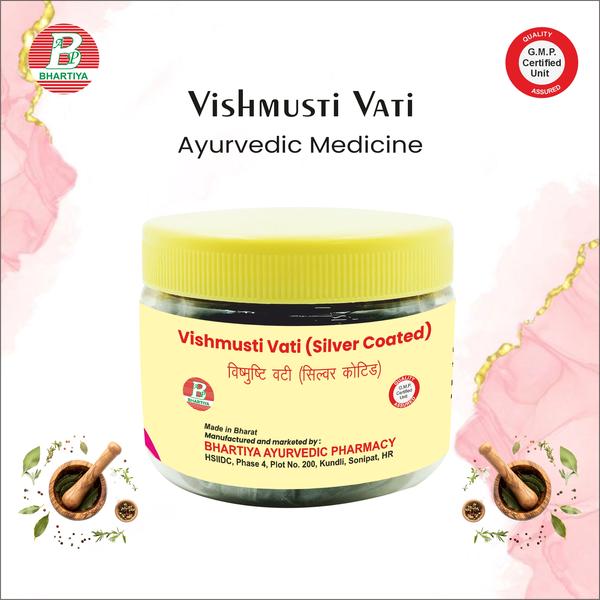
                                   VISHMUSHTI VATI (SILVER COATED) Product Identification•	Generic Name: Vishmushti Vati•	Type: Ayurvedic Patent Medicine•	Primary Indication Area: All Types of Joint Pain (Gathiya / Vat Roga)•	Therapeutic Indications Management of joint pain of all types, including Vata-related disorders (Gathiya / Vat Roga). Key benefits include:1.	Pain Reliefo	Helps reduce joint pain, soreness, and discomfort caused by Vata imbalance.2.	Reduces Stiffness & Swellingo	Improves joint flexibility and eases swelling associated with arthritis or Gathiya.3.	Supports Joint Mobilityo	Enhances ease of movement and overall joint function.4.	Strengthens Muscles & Boneso	Helps improve muscle tone around joints and supports bone health.5.	Anti-fatigue & Vitality Supporto	Reduces weakness and tiredness caused by chronic joint pain.o	Promotes overall strength and rejuvenation.o	Ingredients: SHUDH HINGUL Ayurvedic Name: Shuddha Hingul / Hingula BhasmaMineral Source: Cinnabar (purified mercury sulphide)Primary Use: Vata Roga & Joint Pain (Gathiya) support in classical Ayurvedic formulationsKey Phytoconstituents•	Purified Mercuric Sulphide (HgS) transformed into nano sized bio assimilable particles through classical Shodhana–Marana processes•	 Trace mineral complexes with elements like Zn, Cu, Fe formed during purification and incineration•	Synergistic adjuvants (when processed with herbal decoctions such as Triphala, Guduchi, Nirgundi) to support detoxification and absorptionMechanism of Action(Biochemistry / Pharmacological Basis for Joint Pain — Vata Roga / Gathiya)1.	Nano Particle Bio Assimilation & Immune Modulation•	Properly purified mercuric sulphide (HgS) in Shuddha Hingul Bhasma forms extremely fine particles that cross intestinal mucosa more efficiently and interact with immune cells, stimulating macrophage activity and encouraging a balanced immune response in chronic inflammatory environments. 2.	Anti Inflammatory & Dosha Regulation•	Through traditional Ayurvedic mechanisms, the ushna (heating) potency and deep penetrating action of Hingul help pacify aggravated Vata dosha, which is a major contributor to stiffness, pain, and erratic neural signals in joint disorders. •	 Trace sulfur compounds and other mineral complexes may contribute mild anti inflammatory effects, reducing local discomfort 3.	Detoxification & Metabolic Balance (Ama Clearance)•	Hangul’s classical action includes enhancing agni (metabolic fire) and clearing ama (toxic metabolic by products) from tissues and srotas (channels), which in Ayurveda are thought to exacerbate joint pain and stiffness when accumulated. 4.	Tissue Nourishment & Support•	By harmonizing metabolism and supporting reticuloendothelial system activity, fine bhasma particles may help improve nutrient delivery and tissue nourishment, indirectly supporting joint comfort and resilience. Ingredients: JAYPHAL (Nutmeg) Botanical Name: Myristica fragransAyurvedic Names: Jaiphal, Jatiphala, JatisasyaPrimary Use: Joint pain relief (Vata Roga), anti inflammatory and musculoskeletal supportKey PhytoconstituentsMyristicin – aromatic compound with anti inflammatory and mild analgesic propertiesElemicin – contributes to anti inflammatory and antioxidant effectsTrimyristin & fatty acids – support metabolic functionsEugenol, sabinene, α pinene & other volatile oils – anti inflammatory, analgesic and antioxidant constituents Phenolic compounds & lignans – support free radical neutralization and tissue protectionMechanism of Action(Biochemistry / Pharmacological Basis for Joint Pain — Vata Roga / Gathiya)1.	Anti Inflammatory & Analgesic Action•	Compounds such as myristicin, eugenol, sabinene, β pinene and α pinene exhibit anti inflammatory and pain relieving effects, which help reduce joint swelling, soreness, and discomfort typical of Vata related joint disorders. 2.	Antioxidant & Tissue Protection•	Phenolic compounds and lignans in Jaiphal neutralize free radicals, protecting joint tissues from oxidative stress that can worsen chronic inflammation and joint degeneration. 3.	Vata Pacification & Nervine Modulation•	In Ayurvedic pharmacology, Jayphal’s hot (ushna) potency and pungent taste help balance aggravated Vata dosha, which contributes to pain, stiffness, and erratic neural signals in joint discomfort. 4.	Muscle Relaxation & Circulatory Support•	Nutmeg’s volatile oils may promote local blood flow and muscle relaxation, which can relieve stiffness and improve mobility around affected joints.  JAVITRI (Mace) Botanical Name: Myristica fragrans (aril of nutmeg seed)Ayurvedic Use: Traditionally used as a digestive, anti inflammatory and mild analgesic agent; balances Vata & Kapha doshas in classical systems and used for joint muscle discomfort support. Key Phytoconstituents Myristicin – an aromatic phenylpropene compound responsible for medicinal effects.  Elemicin – contributes to anti inflammatory and antioxidant properties.  Safrole and other volatile oils (terpenes) – support anti inflammatory and circulatory effects.  Phenolic compounds & flavonoids (antioxidant activity).  Minerals such as iron, magnesium and trace nutrients that support metabolic functions. Mechanism of Action(Biochemistry / Pharmacological Basis for Joint Pain — Vata Roga / Gathiya)1.	Anti Inflammatory & Pain Modulating Action•	Constituents such as myristicin, elemicin and other volatile oils exert anti inflammatory and mild analgesic effects, reducing inflammatory mediators that contribute to joint pain and stiffness. 2.	Antioxidant & Tissue Protection•	Phenolic compounds and flavonoids neutralize free radicals and oxidative stress, helping protect joint tissues from damage and degeneration. 3.	Vata Pacifying & Nervine Support•	In Ayurveda, Javitri’s hot (ushna) potency and pungent taste help balance aggravated Vata dosha, which is often implicated in joint stiffness, erratic neural signals, and discomfort. 4.	Circulatory & Muscle Comfort Support•	Volatile oils may enhance local circulation and support muscle relaxation, helping relieve stiffness and improve comfort around joints and connective tissues.  LAVANG (Clove) Botanical Name: Syzygium aromaticumAyurvedic Name: Lavang / LaungPrimary Use: Analgesic & anti inflammatory support; soothing discomfort associated with joint pain and Vata imbalanceKey Phytoconstituents• Eugenol – major active compound with analgesic and anti inflammatory effects• β Caryophyllene, chavibetol, eugenyl acetate – synergistic volatile compounds contributing to anti inflammatory and pain modulating actions• Other phenolic compounds and antioxidants that support tissue protection and oxidative balance Mechanism of Action(Biochemistry / Pharmacological Basis for Joint Pain — Vata Roga / Gathiya)1.	Anti Inflammatory & Pain Relieving Action•	Eugenol inhibits inflammatory mediators (such as prostaglandins via cyclooxygenase pathways) and reduces local inflammation, helping relieve discomfort in stiff or sore joints.• Its mildly anaesthetic action modulates nerve impulses, providing soothing relief in affected areas. 2.	Antioxidant & Tissue Protection•	Phenolic compounds and flavonoid like constituents neutralize free radicals and oxidative stress, which can exacerbate chronic inflammatory conditions like joint pain.• This supports cellular protection and may slow degenerative changes in connective tissues. 3.	Circulation & Vata Balance Support•	Lavang’s warming effect (ushna virya) and pungent aroma help improve local circulation and penetrate tissues, which is believed in Ayurveda to help pacify aggravated Vata dosha, a key factor in joint stiffness and erratic neural signalling. 4.	Muscle Relaxation & Comfort•	The volatile oil components contribute to muscle relaxation and improved microcirculation around joints, aiding in reduced stiffness and enhanced comfort.•	When used topically (e.g., in warm oil massage), these effects are particularly noticeable. KALI MIRCH (Black Pepper) Botanical Name: Piper nigrumAyurvedic Name: Kali Mirch / MaricaPrimary Use: Support for joint discomfort, inflammation and Vata Roga (joint pain)Key Phytoconstituents• Piperine — the principal alkaloid responsible for most pharmacological activity• Essential oils: limonene, α pinene, β pinene, sabinene, caryophyllene• Phenolic compounds & flavonoids — contribute antioxidant activity• Trace nutrients and lignans that support biological actions Mechanism of Action(Biochemistry / Pharmacological Basis for Joint Pain — Vata Roga / Gathiya)1.	Anti Inflammatory & Pain Modulation•	Piperine and related alkaloids inhibit pro inflammatory pathways (e.g., NF κB, COX, and inflammatory cytokines) that drive joint inflammation and pain in arthritis models.• In cell studies, piperine reduced production of inflammatory mediators such as NO, PGE₂ and cytokines (IL 6, TNF α) and inhibited enzymes that break down cartilage matrix. 2.	Anti Oxidant & Tissue Protection•	Phenolic compounds and flavonoids in black pepper neutralize free radicals that can exacerbate chronic joint degeneration and inflammatory tissue damage.• This helps protect joint connective tissues and supports cellular resilience. 3.	Vata Pacifying & Circulation Enhancement•	In Ayurvedic terms, the ushna (warming) and Tikshna (penetrating) qualities of Kali Mirch help pacify aggravated Vata dosha, improving comfort, reducing stiffness, and enhancing micro circulation around joints.• Topical preparations (oil or paste with carrier oil) are traditionally used to ease soreness and warmth in joint areas. 4.	Bioavailability & Synergistic Support•	Piperine enhances the bioavailability of other compounds (e.g., curcumin, phenolics) by inhibiting certain metabolic enzymes, which may increase effectiveness of joint support herbs SUDH KUCHLA Ayurvedic Name: Shuddha Kuchla (Purified Strychnos nux vomica)Botanical Source: Seeds of Strychnos nux vomica (detoxified via classical Shodhana processes)Primary Use: Supports Vata Roga & Joint Pain (Gathiya) through metabolic balance, neuromuscular stimulation, and Vata pacificationKey Phytoconstituents• Alkaloids (notably strychnine and brucine) — the primary bioactive compounds remaining after purification that influence nervous and muscular responses. • Other trace constituents influenced by processing — contributing to digestion, metabolic fire (agni) enhancement, and detoxification support.Mechanism of Action(Biochemistry / Pharmacological Basis for Joint Pain — Vata Roga / Gathiya /)1.	Neuromuscular Stimulation & Pain Modulation•	Purified alkaloids in Sudh Kuchla act on the central and peripheral nervous system, stimulating nerve activity in a controlled manner to improve nerve muscle coordination and reduce erratic Vata related neural signals that contribute to joint discomfort. •	 This neuromodulation can indirectly help reduce sensations of stiffness and weakness in chronic joint conditions.2.	Anti Inflammatory & Vata Balance•	Through classical Ayurvedic properties (bitter, pungent taste with warming potency), Sudh Kuchla pacifies aggravated Vata dosha, a key driver of joint pain and stiffness in Vata dominant disorders like Gathiya.3.	Digestive Fire (Agni) & Detoxification Support•	Warming virya (ushna potency) of Sudh Kuchla supports metabolic fire (agni), which aids in digestion and clears metabolic by products (ama) that are believed in Ayurveda to worsen joint pain and tissue congestion. 4.	Muscle & Tissue Support•	By stimulating metabolic activity and nervous regulation, Sudh Kuchla may contribute to improved nutrient delivery and deep tissue nourishment, indirectly supporting resilience in musculoskeletal structures during joint stress. Dosage:1.	Dose per intake: 1–2 pills2.	Frequency: 2 times daily3.	Total daily dose: 2–4 pills (depending on physician advice)4.	How to take: With milk, preferably after mealsPrecautions•	Do not exceed the prescribed dose•	Consult an Ayurvedic practitioner before use in:o	Childreno	Elderlyo	Patients with chronic illness•	Monitor for any side effects (e.g., digestive discomfort)•	Maintain proper diet and hydration to support bowel healthvishamushti vati uses, vishamushti vativishamushti vati ingredients, vishamushti vati benefitsvishamushti vati price, vishamushti vati tabletvishamushti vati uses in hindi, vishamushti vati benefits in hindivishamushti vati in hindi, vishamushti vati easy ayurvedavishamushti vati use, vishamushti vati compositionvishmusti vati flipkart, vishmusti vati golivishmusti vati jankari in hindi, vishmusti vati jankarivishmusti vati ke fayde, vishmusti vati ke fayde in hindivishmusti vati khane ke fayde, vishmusti vati kya kam karta haivishmusti vati manufacturer, vishmusti vati mrpvishmusti vati near me, use of vishamushti vativishmusti vati quality, vishmusti vati quantityvishamushti vati side effects, vishmusti vati websitevishmusti vati works, uses of vishamushti vatiwhat vishmusti vati uses in hindi, what vishmusti vati useswhere vishmusti vati manufactured, where vishmusti vati availablewhen vishmusti vati uses in hindi, when vishmusti vati useswho vishmusti vati uses in hindi, can vishmusti vati uses in hindiwill vishmusti vati uses in hindi, was vishmusti vati uses in hindibest vishamushti vati in hindi, best vishamushti vati uses
Vashmusti Vati

INR 495 INR 990
You Save 50%

VIEW DETAILS
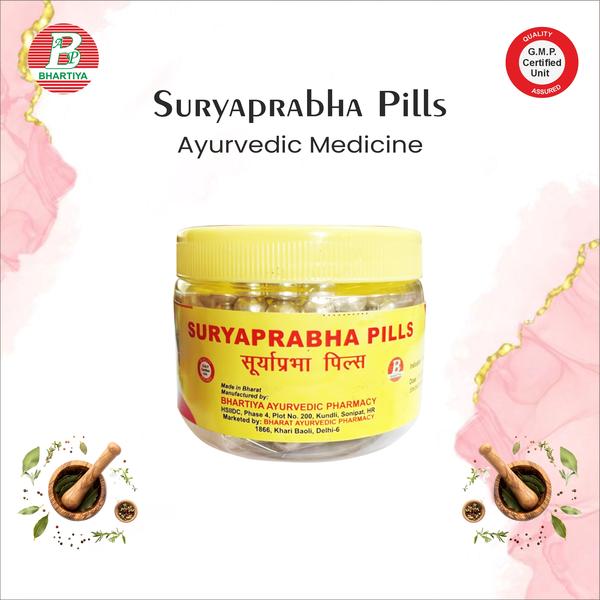
                       SURYAPRABHA PILLS (SILVER COATED) Product Identification•	Generic Name: Suryaprabha Pills•	Type: Ayurvedic Patent Medicine•	Primary Indication Area: Diabetes (Prameha / Blood Sugar Imbalance)Therapeutic Indications: The management of diabetes (Prameha / high blood sugar) and to support metabolic health, digestive strength, and overall vitality.Key benefits include:•	Blood Sugar Support: Helps maintain healthy glucose levels.•	Digestive & Metabolic Support: Enhances digestion, nutrient absorption, and metabolism.•	Pancreatic & Liver Health: Supports proper insulin function and detoxification.•	Stamina & Vitality: Helps combat fatigue and weakness associated with diabetes.•	Rasayana (Rejuvenation): Supports overall tissue nourishment and long-term health.Ingredients: Giloy (Tinospora cordifolia) Ayurvedic Name: Giloy / GuduchiPrimary Uses in Diabetes: Helps regulate blood glucose, improves insulin sensitivity, and protects organs from diabetic complications.Key Phytoconstituents•	Alkaloids (e.g., berberine, magnoflorine)•	Diterpenoid lactones (e.g., Tinosporide)•	Glycosides•	Flavonoids•	Steroids•	PolysaccharidesThese compounds contribute to its antidiabetic, antioxidant, and immunomodulatory effects.Mechanism of Action in Diabetes1. Insulin Sensitization & Secretion•	Giloy stimulates pancreatic beta cells → increases insulin secretion.•	Improves insulin receptor sensitivity on target tissues (muscle and adipose), enhancing glucose uptake.•	Alkaloids like berberine mimic insulin action by activating AMPK pathway, which helps lower blood glucose.2. Carbohydrate Metabolism Regulation•	Modulates key enzymes:o	Increases glucokinase activity → promotes glucose utilization in the liver.o	Inhibits glucose-6-phosphatase & fructose-1,6-bisphosphatase → reduces hepatic gluconeogenesis.•	This leads to lower fasting and postprandial blood glucose.Haldi / Turmeric (Curcuma longa) Ayurvedic Name: Haridra / HaldiPrimary Uses: Anti-inflammatory, antioxidant, digestive support, liver protection, and metabolic health (including blood sugar support).Key Phytoconstituents•	Curcuminoids: Curcumin (major active compound), desmethoxycurcumin, bisdemethoxycurcumin•	Volatile oils: Turmerone, zingiberene, atlantone•	Proteins & sugars•	Minerals: Iron, calciumBiochemical & Pharmacological Actions1. Anti-inflammatory•	Curcumin inhibits NF-κB pathway, reducing pro-inflammatory cytokines: TNF-α, IL-1β, IL-6.•	Suppresses COX-2 and LOX enzymes, reducing prostaglandin and leukotriene production.•	Helps in arthritis, inflammation, and chronic metabolic inflammation.2. Antioxidant•	Curcumin neutralizes free radicals (ROS and RNS).•	Upregulates endogenous antioxidant enzymes: SOD, catalase, glutathione peroxidase.•	Protects tissues (liver, pancreas, kidneys, and heart) from oxidative stress.Atis (Aconitum heterophyllum) Primary Role in Diabetes (Ayurvedic / Biochemical Basis):Atis is considered a mild hypoglycaemic and metabolism-supportive herb in traditional use, mainly through digestive and metabolic regulation. Modern research is limited, but biochemical mechanisms can be inferred.Key Phytochemicals Relevant to Diabetes•	Non-toxic alkaloids (stimulatory to metabolism)•	Phenolic compounds (antioxidant effects)•	Carbohydrates and starch (support energy metabolism)•	Tannins (reduce oxidative gut stress)Mechanisms of Action – Biochemical Basis1. Digestive & Metabolic Support•	Enhances Agni (digestive fire) → indirectly supports carbohydrate digestion and absorption.•	Better digestion → improved glucose homeostasis because nutrients are metabolized efficiently.2. Antioxidant Action•	Phenolic compounds neutralize free radicals generated by high blood sugar.•	Protects pancreatic β-cells from oxidative damage → maintains insulin production.Daru Haldi (Berberis aristata) Ayurvedic Name: Daruharidra / DaruhaldiPrimary Uses: Diabetes (Madhumeha), metabolic disorders, liver protection, antioxidant supportKey Phytochemicals•	Alkaloids: Berberine (major active compound), palmatine, jatrorrhizine•	Polyphenols and flavonoids•	Tannins•	Organic acidsBerberine is the primary active compound responsible for most antidiabetic effects.Biochemical Mechanisms in Diabetes1. Insulin Sensitization•	Berberine activates AMPK (AMP-activated protein kinase) → acts like an “energy sensor” in cells.•	Increases glucose uptake in muscle and adipose tissue → lowers blood sugar.•	Improves insulin receptor expression and sensitivity.2. Inhibition of Gluconeogenesis•	Reduces hepatic glucose production by inhibiting gluconeogenic enzymes:o	Glucose-6-phosphataseo	Phosphoenolpyruvate carboxykinase (PEPCK)•	Leads to lower fasting blood glucose.Pippali (Piper longum) Ayurvedic Name: PippaliPrimary Uses: Diabetes (Madhumeha), digestive support, respiratory support, metabolism boosterKey Phytochemicals•	Alkaloids: Piperine (main active compound)•	Essential oils: Caryophyllene, Pinene•	Flavonoids, phenolic compounds•	LignansPiperine is the primary bioactive compound responsible for most pharmacological effects.Biochemical Mechanisms in Diabetes1. Improves Insulin Sensitivity•	Piperine enhances insulin receptor activity → increases glucose uptake in muscles and adipose tissue.•	Acts as a cellular sensitizer, making tissues respond better to insulin.2. Enhances Glucose Metabolism•	Stimulates glycolytic enzymes → promotes breakdown of glucose for energy.•	Reduces hepatic gluconeogenesis → less glucose is released into blood by the liver.Chitrak (Plumbago zeylanica) Ayurvedic Name: ChitrakaPrimary Uses in Diabetes (Madhumeha): Digestive and metabolic support, improving glucose utilization, stimulating pancreatic function, and enhancing fat metabolism.Key Phytochemicals•	Plumbagin (primary bioactive naphthoquinone)•	Alkaloids•	Flavonoids and phenolic compounds•	Essential oilsPlumbagin is the main compound responsible for antidiabetic effects.Biochemical Mechanisms in Diabetes1. Enhances Glucose Uptake•	Plumbagin stimulates glucose transporter (GLUT4) translocation in muscle and adipose tissue.•	Improves peripheral glucose utilization, lowering blood sugar.2. Stimulates Pancreatic Function•	Mildly supports pancreatic β-cell activity → helps maintain insulin secretion.•	Protects β-cells from oxidative stress-induced damage.Harad (Terminalia chebula) Ayurvedic Name: Haritaki / HaradPrimary Uses in Diabetes (Madhumeha): Blood sugar regulation, antioxidant support, lipid metabolism improvement, and digestive/metabolic balance.Key Phytochemicals•	Tannins: Chebulinic acid, chebulagic acid, gallic acid•	Flavonoids and phenolic compounds•	Organic acids•	PolysaccharidesMost antidiabetic effects are attributed to tannins and polyphenols.Biochemical Mechanisms in Diabetes1. Improves Insulin Sensitivity•	Polyphenols and tannins enhance insulin receptor activity on muscle and adipose tissues.•	Promotes glucose uptake by cells → lowers blood sugar.2. Reduces Hepatic Glucose Production•	Inhibits gluconeogenic enzymes (glucose-6-phosphatase, PEPCK) → reduces fasting blood glucose.•	Helps regulate hepatic glucose output.Amla (Phyllanthus emblica) Ayurvedic Name: Amla / AmalakiPrimary Uses in Diabetes (Madhumeha): Blood sugar regulation, antioxidant protection, lipid metabolism improvement, and pancreatic β-cell protection.Key Phytochemicals•	Vitamin C (Ascorbic acid) – very high content•	Tannins: Emblicanin A & B, punigluconin, pedunculagin•	Flavonoids and polyphenols•	Gallic acid and ellagic acidThe antioxidant compounds and tannins are responsible for most antidiabetic effects.Biochemical Mechanisms in Diabetes1. Enhances Insulin Secretion & β-Cell Protection•	Antioxidants in Amla protect pancreatic β-cells from oxidative stress.•	Supports insulin secretion in mild diabetes.2. Improves Insulin Sensitivity•	Polyphenols improve insulin receptor activity on muscle and adipose tissues.•	Enhances peripheral glucose uptake → lowers blood sugar.Chavya (Piper chaba) Ayurvedic Name: ChavyaPrimary Uses in Diabetes (Madhumeha): Blood sugar regulation, digestive/metabolic support, and insulin sensitization.Key Phytochemicals•	Alkaloids: Piperine (main active compound)•	Essential oils: Caryophyllene, pinene•	Flavonoids and polyphenols•	LignansPiperine is the main bioactive compound responsible for most antidiabetic effectsBiochemical Mechanisms in Diabetes1. Enhances Insulin Sensitivity•	Piperine improves insulin receptor activity in muscle and adipose tissue.•	Increases glucose uptake → lowers blood sugar.2. Stimulates Glucose Metabolism•	Enhances glycolytic enzyme activity → better glucose utilization by cells.•	Reduces hepatic gluconeogenesis → less glucose released into blood.Vaividang (Embelia ribes) Ayurvedic Name: Vaividang / VidangaPrimary Uses in Diabetes (Madhumeha): Blood sugar regulation, antioxidant protection, lipid metabolism improvement, and digestive/metabolic support.Key Phytochemicals•	Alkaloids: Embelin (main active compound)•	Flavonoids and phenolic compounds•	Tannins and glycosides•	Essential oilsEmbelin is the major bioactive molecule responsible for antidiabetic effects.Biochemical Mechanisms in Diabetes1. Enhances Insulin Sensitivity•	Embelin improves insulin receptor activity in peripheral tissues (muscle and adipose).•	Increases glucose uptake, lowering blood sugar.2. Stimulates Glucose Metabolism•	Promotes glycolytic enzyme activity → better glucose utilization in tissues.•	Reduces hepatic gluconeogenesis → decreases blood glucose release from liver.Saunth / Shunthi (Zingiber officinale, dry ginger) Ayurvedic Name: Saunth / ShunthiPrimary Uses in Diabetes (Madhumeha): Blood sugar regulation, insulin sensitization, antioxidant protection, and metabolic support.Key Phytochemicals•	Gingerols and Shogaols (major bioactive compounds)•	Polyphenols and flavonoids•	Essential oils (zingiberene, bisabolene)•	DiarylheptanoidsGingerols and Shogaols are mainly responsible for antidiabetic effects.Biochemical Mechanisms in Diabetes1. Enhances Insulin Sensitivity•	Gingerol and shogaol improve insulin receptor signaling in muscle and adipose tissue.•	Enhances glucose uptake by cells, reducing blood sugar.2. Reduces Hepatic Glucose Production•	Inhibits gluconeogenic enzymes like glucose-6-phosphatase and PEPCK.•	Leads to lower fasting blood glucose.Sajji kshar (Alkaline Salt / Kshara) Ayurvedic Name: Sajji kshar / KsharaPrimary Uses in Diabetes (Madhumeha):•	Digestive support and enhancing metabolism•	Blood sugar balance•	Acid-base regulation in the bodyKey Biochemical Properties•	Alkaline nature (basic pH)•	Sodium ions and carbonate ions•	No direct organic phytochemicals (inorganic compound)Sajji kshar is not a herb but an alkaline mineral-based therapeutic agent used in Ayurveda to correct metabolic imbalances.Biochemical Mechanisms Relevant to Diabetes1. Supports Digestive Enzymes & Metabolism•	Alkaline environment improves digestive enzyme activity → better breakdown and absorption of nutrients.•	Helps regulate glucose metabolism indirectly by improving digestion (Agni).2. Neutralizes Excess Acidity•	In diabetes, acid-base imbalance and metabolic acidosis may occur in uncontrolled cases.•	Sajji kshar helps maintain systemic pH balance, which supports enzymatic reactions for carbohydrate metabolism.Saindha Namak (Rock Salt / Himalayan Salt) Ayurvedic Name: Saindha Namak / LavanaPrimary Uses in Diabetes (Madhumeha):•	Supports digestion and metabolism•	Enhances nutrient absorption•	Electrolyte and mineral balanceKey Biochemical Properties•	Sodium chloride – primary component•	Trace minerals: potassium, magnesium, calcium, iron•	Alkaline-forming salts (helps balance pH in tissues)Saindha Namak is not an organic herb, but a mineral salt used in Ayurveda to improve digestion and metabolic balance, which is important in diabetes management.Biochemical Mechanisms Relevant to Diabetes1. Digestive & Metabolic Support•	Enhances Agni (digestive fire) → improves enzymatic breakdown of carbohydrates.•	Better digestion → improved glucose absorption and utilization.2. Electrolyte & Mineral Balance•	Provides sodium, potassium, and trace minerals → helps maintain cellular osmolarity and enzyme function.•	Proper electrolyte balance supports insulin signaling and glucose transport in tissues.Kala Namak (Black Salt) Ayurvedic Name: Kala Namak / Black SaltPrimary Uses in Diabetes (Madhumeha):•	Digestive and metabolic support•	Electrolyte and mineral balance•	Mild alkalizing effect → helps in metabolic homeostasisKey Biochemical Properties•	Main components: Sodium chloride, sodium sulphate, trace minerals (iron, magnesium, potassium)•	Contains sulfur compounds → gives characteristic taste and mild therapeutic action•	Mildly alkaline → supports acid-base balanceKala Namak is a mineral-based adjunct in Ayurveda, not a direct herb, but plays an important role in metabolic regulation and diabetes support.Biochemical Mechanisms Relevant to Diabetes1. Digestive & Metabolic Support•	Improves Agni (digestive fire) → enhances carbohydrate breakdown and absorption.•	Proper digestion → more stable blood glucose levels.2. Electrolyte & Mineral Balance•	Provides sodium, potassium, and magnesium → supports cellular osmolarity, insulin signaling, and enzyme activity.Dantimool (Baliospermum montanum) Ayurvedic Name: Dantimool / DantiPrimary Uses in Diabetes (Madhumeha):•	Blood sugar regulation•	Digestive and metabolic support•	Lipid metabolism improvement•	Mild detoxification of bloodKey Phytochemicals•	Alkaloids: Baliospermin, solanifolamine•	Flavonoids and phenolic compounds•	Glycosides•	Fatty acidsThe alkaloids and flavonoids are mainly responsible for metabolic and antidiabetic effects.Biochemical Mechanisms in Diabetes1. Digestive & Metabolic Support•	Improves Agni (digestive fire) → enhances carbohydrate breakdown and nutrient absorption.•	Better digestion → improves glucose metabolism and stabilizes blood sugar levels.2. Enhances Glucose Utilization•	Stimulates glycolytic enzymes → promotes cellular glucose utilization.•	Reduces hepatic gluconeogenesis, lowering fasting blood sugar.Tejpatra (Cinnamomum tamala) Ayurvedic Name: Tejpatra / Indian Bay LeafPrimary Uses in Diabetes (Madhumeha):•	Blood sugar regulation•	Insulin sensitization•	Antioxidant protection•	Lipid metabolism supportKey Phytochemicals•	Essential oils: Eugenol, cinnamaldehyde, linalool•	Polyphenols•	Flavonoids•	TanninsThe cinnamaldehyde and polyphenols are mainly responsible for antidiabetic effects.Biochemical Mechanisms in Diabetes1. Enhances Insulin Sensitivity•	Polyphenols and cinnamaldehyde improve insulin receptor activity in muscle and adipose tissue.•	Enhances glucose uptake by cells, reducing postprandial blood sugar.2. Reduces Hepatic Glucose Production•	Inhibits gluconeogenic enzymes (glucose-6-phosphatase, PEPCK) → lowers fasting blood glucose.Nagarmotha (Cyperus rotundus) Ayurvedic Name: Nagarmotha / Musta-moolaPrimary Uses in Diabetes (Madhumeha):•	Blood sugar regulation•	Insulin sensitization•	Digestive and metabolic support•	Lipid metabolism improvementKey Phytochemicals•	Essential oils: Cyperene, α-cyperone, β-selinene•	Flavonoids and phenolic compounds•	Tannins•	Alkaloids and glycosidesThe α-cyperone, flavonoids, and phenolic compounds are mainly responsible for antidiabetic effects.Biochemical Mechanisms in Diabetes1. Enhances Insulin Sensitivity•	Flavonoids and α-cyperone improve insulin receptor activity in muscle and adipose tissue.•	Enhances glucose uptake by peripheral tissues, reducing postprandial blood sugar.2. Reduces Hepatic Glucose Production•	Inhibits gluconeogenic enzymes (glucose-6-phosphatase, PEPCK) → lowers fasting blood glucose.Shudh Guggul (Commiphora mukul) Ayurvedic Name: Guggul / Shudh GuggulPrimary Uses in Diabetes (Madhumeha):•	Blood sugar regulation•	Lipid metabolism improvement•	Insulin sensitization•	Anti-inflammatory and antioxidant effectsKey Phytochemicals•	Guggulsterones (E & Z) – primary active compounds•	Flavonoids and polyphenols•	Terpenoids and volatile oils•	Resin compoundsGuggulsterones are mainly responsible for antidiabetic and lipid-lowering effects.Biochemical Mechanisms in Diabetes1. Enhances Insulin Sensitivity•	Guggulsterones improve insulin receptor signaling in peripheral tissues (muscle and adipose).•	Enhances glucose uptake, lowering postprandial blood sugar.2. Regulates Hepatic Glucose Metabolism•	Modulates gluconeogenic enzymes in the liver → reduces fasting blood glucose.•	Supports glycolysis, promoting cellular glucose utilization.Shudh Shilajeet (Purified Shilajit) Ayurvedic Name: Shilajeet / ShilajitPrimary Uses in Diabetes (Madhumeha):•	Blood sugar regulation•	Insulin sensitization•	Antioxidant and anti-inflammatory support•	Energy metabolism enhancementKey Biochemical Constituents•	Fulvic acid – major bioactive compound•	Humic acids•	Trace minerals: zinc, iron, magnesium, copper•	Dibenzo-α-pyrones (antioxidant compounds)•	Amino acids and phenolic compoundsFulvic acid and dibenzo-α-pyrones are mainly responsible for antidiabetic effects.Biochemical Mechanisms in Diabetes1. Enhances Insulin Sensitivity•	Fulvic acid improves insulin receptor activity in muscle and adipose tissue.•	Enhances glucose uptake, lowering blood sugar.2. Regulates Hepatic Glucose Metabolism•	Inhibits gluconeogenic enzymes (glucose-6-phosphatase, PEPCK) → reduces fasting blood glucose.•	Stimulates glycolysis → improves cellular glucose utilization.Loh Bhasma (Iron Ash) Ayurvedic Name: Loh BhasmaPrimary Uses in Diabetes (Madhumeha):•	Supports Hemoglobin and iron metabolism•	Enhances energy and stamina•	Improves glucose metabolism indirectly•	Antioxidant and tissue-protective effectsKey Biochemical Properties•	Inorganic Iron (Fe³⁺/Fe²⁺) – main active component•	Trace minerals retained during preparation•	Highly bioavailable form after Ayurvedic calcination (Bhasmikarana)Loh Bhasma is a mineral-based Ayurvedic preparation that primarily improves haematological and metabolic functions, indirectly supporting glucose homeostasis.Biochemical Mechanisms Relevant to Diabetes1. Supports Red Blood Cells & Oxygen Transport•	Increases Hemoglobin synthesis → better oxygen delivery to tissues.•	Enhanced tissue oxygenation improves glucose utilization in muscles and organs.2. Energy & Metabolic Support•	Iron is a cofactor for enzymes in the electron transport chain and oxidative phosphorylation.•	Improves ATP production, which enhances glucose metabolism and cellular energy.Dosage & Administration•	Dose per intake: 1–2 pills•	Frequency: 2–3 times daily•	Total daily dose: 2–6 pills (as per physician advice)•	How to take: With warm water, preferably after mealsPrecautions•	Do not exceed prescribed dose•	Consult Ayurvedic practitioner before use in:o	Childreno	Elderlyo	Chronic illness patients•	Monitor for digestive discomfort•	Maintain proper diet, hydration, and lifestyle for diabetes managementsuryaprabha tablet, suryaprabha tablet uses, suryaprabha pills amazonsuryaprabha pills buy, suryaprabha pills buy online, suryaprabha pills benefitssuryaprabha pills brand, suryaprabha pills benefits in hindisuryaprabha pills bibwewadi pune, suryaprabha pills companysuryaprabha pills contact number, suryaprabha pills contentsuryaprabha pills chemist, suryaprabha pills contact detailssuryaprabha pills contact no, suryaprabha pills channelsuryaprabha pills delhi, suryaprabha pills detailssuryaprabha pills distributor, suryaprabha pills email idsuryaprabha pills energy, suryaprabha pills enterprisessuryaprabha pills education, suryaprabha pills energy private limitedsuryaprabha pills effects, suryaprabha pills editsuryaprabha pills for hair, suryaprabha pills for skinsuryaprabha pills for weight loss, suryaprabha pills groupsuryaprabha pills gst number, suryaprabha pills granulessuryaprabha pills gulika uses, suryaprabha pills gulikasuryaprabha pills gulika benefits, suryaprabha pills gulika side effectssuryaprabha pills hyderabad, suryaprabha pills hindisuryaprabha pills himachal pradesh, suryaprabha pills hospitalsuryaprabha pills holidays, suryaprabha pills homesuryaprabha pills hospital pune, suryaprabha pills hot latestsuryaprabha pills in hindi, suryaprabha pills industriessuryaprabha pills indiamart, suryaprabha pills ingredientssuryaprabha pills in malayalam, suryaprabha pills instagramsuryaprabha pills in tamil, suryaprabha pills in perambalursuryaprabha pills jee advanced, suryaprabha pills ke faydesuryaprabha pills ke fayde in hindi, suryaprabha pills khannasuryaprabha pills limited, suryaprabha pills linkedinsuryaprabha pills login, suryaprabha pills latestsuryaprabha pills manufacturer, suryaprabha pills manufacturing companysuryaprabha pills malayalam, suryaprabha pills matrimonysuryaprabha pills model, suryaprabha pills newssuryaprabha pills name, suryaprabha pills net worthsuryaprabha pills network, suryaprabha pills new delhisuryaprabha pills nursing home, suryaprabha pills ownersuryaprabha pills online, suryaprabha pills online shoppingsuryaprabha pills owner name, suryaprabha pills online ordersuryaprabha pills oil, suryaprabha pills officialsuryaprabha pills photography, suryaprabha pills photoshootsuryaprabha pills pune, suryaprabha pills reviewsuryaprabha pills research, suryaprabha pills reelssuryaprabha pills supplier, suryaprabha pills share pricesuryaprabha pills today, suryaprabha vati usessuryaprabha pills veterinary, suryaprabha pills vssuryaprabha pills vati uses, suryaprabha pills vatisuryaprabha pills vlogs, suryaprabha pills vahanamsuryaprabha pills vahanam images, suryaprabha pills websitesuryaprabha pills wholesale, suryaprabha pills zeptoayurvedic medicine suryaprabha, sooryaprabha tabletdoes suryaprabha pills work, does suryaprabha pills useswas suryaprabha pills good, was suryaprabha pills useswas suryaprabha pills uses in malayalambest suryaprabha pills in india, best suryaprabha pills usesbest suryaprabha pills uses in malayalam
SURYAPRABHA PILLS

INR 225 INR 450
You Save 50%

VIEW DETAILS
                                        R-VITA PILLS (GOLD COATED) Product Identification•	Generic Name: R-Vita Pills•	Type: Ayurvedic Patent Medicine•	Primary Indication Area: Supportive management of blood sugar in diabetes•	Therapeutic Indications: Helps in general wellness, vitality, and may support metabolic balance in individuals with diabetesKey benefits include:•	Supports general health and vitality•	May help in metabolic balance and energy levels•	Provides nutritional and herbal support (Ayurvedic formulation)•	Can act as a supplementary aid in diabetes management (not a replacement for prescribed medication)Ingredients: GILOY (Guduchi) Botanical Name: Tinospora cordifoliaAyurvedic Name: Guduchi / AmritaPrimary Use: Blood Sugar (Diabetes) Support & Metabolic HealthKey Phytoconstituents•	Alkaloids (e.g., berberine, magnoflorine)•	Tannins & Glycosides•	Flavonoids & Polyphenols•	Terpenoids (e.g., diterpenoid lactones)•	PolysaccharidesMechanism of Action(Biochemistry / Pharmacological Basis for Blood Sugar Support)1. Blood Sugar Regulation•	Enhances insulin secretion from pancreatic beta cells.•	Improves insulin sensitivity, helping glucose enter cells efficiently.•	Reduces hepatic glucose production, preventing high blood sugar spikes.2.Antioxidant & Tissue Protection•	Protects pancreatic cells from oxidative stress caused by high glucose.•	Reduces inflammation in tissues and blood vessels, lowering complications of diabetes.3.Metabolic & Vitality Support•	Supports carbohydrate metabolism for steady energy release.•	Acts as a Rasayana, improving overall vitality and resilience under metabolic stress. HALDI (Turmeric) Botanical Name: Curcuma longaAyurvedic Name: HaridraPrimary Use: Blood Sugar (Diabetes) Support & Anti-Inflammatory HealthKey Phytoconstituents• Curcuminoids (Curcumin, Desmethoxycurcumin, Bisdemethoxycurcumin)• Volatile oils (Turmerone, Zingiberene)• Polyphenols• Tannins• MineralsMechanism of Action(Biochemistry / Pharmacological Basis for Blood Sugar Support1.  Blood Sugar Regulation•	Improves insulin sensitivity, helping cells utilize glucose efficiently.•	Helps reduce insulin resistance, a key factor in type-2 diabetes.•	Supports balanced glucose metabolism, preventing sudden sugar spikes.2. Anti-Inflammatory Action•	Curcumin reduces chronic inflammation, which contributes to insulin resistance.•	Inhibits inflammatory mediators, supporting metabolic health.ATIS (Ativisha) Botanical Name: Aconitum heterophyllumAyurvedic Name: AtivishaPrimary Use: Blood Sugar (Diabetes) Support & Digestive BalanceKey Phytoconstituents• Alkaloids (Atisine, Heterophylline)• Glycosides• Flavonoids• Bitter principles• Trace mineralsMechanism of Action(Biochemistry / Pharmacological Basis for Blood Sugar Support)1. Blood Sugar Regulation•	Helps improve glucose metabolism, supporting balanced blood sugar levels.•	Reduces post-meal glucose spikes by improving metabolic efficiency.2. Digestive & Agni Support•	Stimulates digestive fire (Agni), improving digestion and absorption.•	Helps correct Ama (metabolic toxins), which Ayurveda links to diabetes (Prameha).DARUHALDI (Daruharidra) Botanical Name: Berberis aristataAyurvedic Name: DaruharidraPrimary Use: Blood Sugar (Diabetes) Support & Liver–Metabolic HealthKey Phytoconstituents• Alkaloids (Berberine – major active compound)• Tannins• Flavonoids• Phenolic compounds• Bitter principlesMechanism of Action(Biochemistry / Pharmacological Basis for Blood Sugar Support)1. Blood Sugar Regulation•	Berberine helps improve insulin sensitivity, allowing better glucose uptake by cells.•	 Reduces hepatic glucose production, helping control fasting blood sugar levels.•	Supports regulation of carbohydrate metabolism.2. Liver & Metabolic Support•	Improves liver function, which plays a key role in glucose storage and release.•	 Helps correct metabolic imbalance associated with diabetes (Prameha).PIPPALI (Long Pepper) Botanical Name: Piper longumAyurvedic Name: PippaliPrimary Use: Blood Sugar (Diabetes) Support & Metabolic EnhancementKey Phytoconstituents• Alkaloids (Piperine – major active compound)• Volatile oils• Lignans• Flavonoids• Resinous compoundsMechanism of Action(Biochemistry / Pharmacological Basis for Blood Sugar Support)1. Insulin Sensitivity & Glucose Utilization•	Enhances insulin sensitivity, improving cellular glucose uptake.•	Helps regulate glucose metabolism, supporting stable blood sugar levels.2. Digestive & Agni Enhancement•	Strongly stimulates Agni (digestive fire), improving digestion and metabolism.•	Helps reduce Ama (metabolic toxins), which Ayurveda associates with diabetes (Prameha). CHITRAK (Chitraka) Botanical Name: Plumbago zeylanicaAyurvedic Name: ChitrakaPrimary Use: Blood Sugar (Diabetes) Support & Digestive–Metabolic BalanceKey Phytoconstituents• Naphthoquinones (Plumbagin – major active compound)• Alkaloids• Glycosides• Tannins• Bitter principlesMechanism of Action(Biochemistry / Pharmacological Basis for Blood Sugar Support)1. Metabolic Activation & Glucose Regulation•	Enhances glucose metabolism by improving metabolic efficiency.•	Helps reduce insulin resistance through improved cellular energy utilization.2. Agni Deepana & Ama Pachana•	Strongly stimulates digestive fire (Agni), correcting metabolic sluggishness.•	Helps eliminate Ama (metabolic toxins), a key pathological factor in Prameha (diabetes).HARAD (Haritaki) Botanical Name: Terminalia chebulaAyurvedic Name: HaritakiPrimary Use: Blood Sugar (Diabetes) Support & Digestive DetoxificationKey Phytoconstituents• Tannins (Chebulinic acid, Chebulagic acid)• Gallic acid & Ellagic acid• Flavonoids• Polyphenols• GlycosidesMechanism of Action(Biochemistry / Pharmacological Basis for Blood Sugar Support)1. Blood Sugar Regulation•	Helps regulate glucose absorption from the intestine.•	 Supports balanced blood sugar levels by improving metabolic control.2. Digestive Cleansing & Ama Removal•	Promotes elimination of Ama (metabolic toxins), a major factor in Prameha (diabetes).•	 Improves digestion and bowel regulation, supporting metabolic health. AMLA (Amalaki) Botanical Name: Emblica officinalisAyurvedic Name: AmalakiPrimary Use: Blood Sugar (Diabetes) Support, Antioxidant & Metabolic BalanceKey Phytoconstituents• Ascorbic acid (Natural Vitamin C)• Tannins (Emblicanin A & B)• Flavonoids• Polyphenols• Gallic acid & Ellagic acid• Minerals & amino acidsMechanism of Action(Biochemistry / Pharmacological Basis for Blood Sugar Support)1. Blood Sugar Regulation•	Improves insulin sensitivity, helping better glucose utilization by cells.•	 Helps reduce post-meal blood sugar spikes.•	 Supports balanced carbohydrate metabolism.2. Antioxidant & Pancreatic Protection•	Strong antioxidant activity protects pancreatic beta cells from oxidative stress.•	 Reduces cellular damage caused by chronic hyperglycaemia.CHAVYA Botanical Name: Piper chaba (syn. Piper retrofractum)Ayurvedic Name: ChavyaPrimary Use: Blood Sugar (Diabetes) Support & Digestive–Metabolic ActivationKey Phytoconstituents• Alkaloids (Piperine and related compounds)• Volatile oils• Lignans• Resinous compounds• Bitter principlesMechanism of Action(Biochemistry / Pharmacological Basis for Blood Sugar Support)1. Metabolic Activation & Glucose Utilization•	Improves glucose metabolism by enhancing metabolic efficiency.•	 Helps reduce insulin resistance through better cellular energy use.2. Agni Deepana & Ama Pachana•	Strongly stimulates digestive fire (Agni), correcting metabolic sluggishness.•	Helps digest and eliminate Ama (metabolic toxins), a key factor in Prameha (diabetes).VAIVIDANG (Vidanga) Botanical Name: Embelia ribesAyurvedic Name: Vidanga / VaividangPrimary Use: Blood Sugar (Diabetes) Support & Metabolic DetoxificationKey Phytoconstituents• Quinones (Embelin – major active compound)• Alkaloids• Flavonoids• Tannins• Volatile oilsMechanism of Action(Biochemistry / Pharmacological Basis for Blood Sugar Support)1. Blood Sugar Regulation•	Helps improve glucose metabolism, supporting balanced blood sugar levels.•	 Assists in reducing insulin resistance through metabolic correction.2. Ama Pachana & Metabolic Cleansing•	Strong Ama-pachana action helps remove metabolic toxins associated with Prameha (diabetes)•	 Supports proper digestion and nutrient assimilation.SAUNTH (Dry Ginger) Botanical Name: Zingiber officinale (Dried rhizome)Ayurvedic Name: Shunthi / SaunthPrimary Use: Blood Sugar (Diabetes) Support & Digestive–Metabolic HealthKey Phytoconstituents• Gingerols & Shogaols (major bioactive compounds)• Volatile oils (Zingiberene, Camphene)• Polyphenols• Flavonoids• Starch & carbohydratesMechanism of Action(Biochemistry / Pharmacological Basis for Blood Sugar Support)1. Blood Sugar Regulation•	Improves insulin sensitivity, supporting better glucose uptake by cells.•	 Helps reduce postprandial blood sugar spikes.•	 Supports overall carbohydrate metabolism.2. Digestive & Agni Support•	Strong Agni Deepana (digestive fire stimulant), improving digestion and nutrient absorption. •	Helps reduce Ama (metabolic toxins), which are associated with Prameha (diabetes).SAJJIKSHAR (Sodium Kshara / Shuddha Kshar) Ayurvedic Name: Sajji kshar / KsharaPrimary Use: Blood Sugar (Diabetes) Support & Digestive–Metabolic BalanceKey Phytoconstituents / Composition• Alkali salts (mainly Sodium Bicarbonate)• Mineral base (from plant ash processing in Ayurveda)• Trace minerals (depending on source)Mechanism of Action(Biochemistry / Pharmacological Basis for Blood Sugar Support)1. Digestive & Metabolic Support•	Acts as a mild alkaline agent, improving digestion and metabolic fire (Agni).•	 Helps reduce Ama (metabolic toxins) that accumulate due to weak digestion in Prameha (diabetes).2. Blood Sugar Modulation•	By improving digestion and reducing acidic overload, it supports better carbohydrate metabolism•	 Helps in maintaining steady glucose levels indirectly through digestive regulation.SAINDHAV NAMAK (Sendha Namak / Rock Salt) Ayurvedic Name: Saindhav NamakPrimary Use: Blood Sugar (Diabetes) Support & Digestive–Metabolic HealthKey Phytoconstituents / Composition• Sodium chloride (NaCl) – major component• Trace minerals (Potassium, Calcium, Magnesium, Iron, Zinc, etc.)• Electrolytes for metabolic balanceMechanism of Action(Biochemistry / Pharmacological Basis for Blood Sugar Support)1. Digestive & Agni Support•	Stimulates digestive fire (Agni), improving nutrient absorption and metabolism.•	Helps reduce Ama (metabolic toxins) that contribute to Prameha (diabetes).2. Electrolyte & Metabolic Balance•	Provides essential trace minerals and electrolytes that support metabolic reactions.•	Helps maintain acid-base balance, indirectly supporting carbohydrate metabolism.KALA NAMAK (Black Salt / Himalayan Black Salt) Ayurvedic Name: Kala Namak / Saindhava KalaPrimary Use: Blood Sugar (Diabetes) Support & Digestive–Metabolic HealthKey Phytoconstituents / Composition• Sodium chloride (NaCl) – major component• Iron sulfide & trace minerals (Iron, Potassium, Magnesium, Calcium, Sulfates)• Electrolytes for metabolic balanceMechanism of Action(Biochemistry / Pharmacological Basis for Blood Sugar Support)1. Digestive & Agni Support•	Stimulates digestive fire (Agni), aiding digestion and nutrient absorption.•	Helps reduce Ama (metabolic toxins), a key contributor in Prameha (diabetes).2. Electrolyte & Metabolic Balance•	Provides essential trace minerals and electrolytes, supporting metabolic reactions and energy balance.•	 Improves acid-base balance, which indirectly helps carbohydrate metabolism.DANTIMOOL (Indian Toothroot) Botanical Name: Baliospermum montanumAyurvedic Name: Dantimool / Danti MoolPrimary Use: Blood Sugar (Diabetes) Support & Digestive–Metabolic HealthKey Phytoconstituents• Alkaloids• Flavonoids• Glycosides• Starch & carbohydrates• Bitter principlesMechanism of Action(Biochemistry / Pharmacological Basis for Blood Sugar Support)1. Blood Sugar Regulation•	Supports glucose metabolism, helping maintain steady blood sugar levels. Improves insulin sensitivity and helps in better glucose utilization by cells.2. Digestive & Agni Support•	Stimulates digestive fire (Agni), improving nutrient assimilation.•	Helps reduce Ama (metabolic toxins) associated with Prameha (diabetes).TEJPATRA (Indian Bay Leaf) Botanical Name: Cinnamomum tamalaAyurvedic Name: TejpatraPrimary Use: Blood Sugar (Diabetes) Support & Digestive–Metabolic HealthKey Phytoconstituents• Essential oils (Cinnamaldehyde, Eugenol, Linalool)• Tannins• Flavonoids• Polyphenols• Trace mineralsMechanism of Action(Biochemistry / Pharmacological Basis for Blood Sugar Support)1. Blood Sugar Regulation•	Enhances insulin sensitivity, improving glucose uptake by cells.•	 Helps reduce postprandial blood sugar spikes.•	 Supports balanced carbohydrate metabolism.2. Digestive & Agni Support•	Stimulates digestive fire (Agni), improving digestion and nutrient absorption.•	Helps reduce Ama (metabolic toxins) associated with Prameha (diabetes).NAGARMOTHA (Cyperus rotundus) Botanical Name: Cyperus rotundusAyurvedic Name: Nagarmotha / MustaPrimary Use: Blood Sugar (Diabetes) Support & Digestive–Metabolic HealthKey Phytoconstituents• Essential oils (Cyperene, Rotundene)• Flavonoids• Alkaloids• Tannins• Starch & carbohydratesMechanism of Action(Biochemistry / Pharmacological Basis for Blood Sugar Support)1. Blood Sugar Regulation•	Enhances glucose metabolism, supporting steady blood sugar levels.•	 Improves insulin sensitivity for better glucose uptake by cells.2. Digestive & Agni Support•	Strong Agni Deepana (digestive fire stimulant), improving digestion and nutrient absorption.•	 Helps eliminate Ama (metabolic toxins) associated with Prameha (diabetes).KESAR (Saffron) Botanical Name: Crocus sativusAyurvedic Name: Kesar / KumkumaPrimary Use: Blood Sugar (Diabetes) Support, Antioxidant & Metabolic HealthKey Phytoconstituents• Crocin (major antioxidant compound)• Safranal (aromatic volatile oil)• Picrocrocin• Flavonoids & Polyphenols• Trace mineralsMechanism of Action(Biochemistry / Pharmacological Basis for Blood Sugar Support)1. Blood Sugar Regulation•	Helps improve insulin sensitivity, supporting better glucose uptake by cells.•	 Assists in reducing postprandial blood sugar spikes.•	 Supports balanced carbohydrate metabolism and energy release.2. Antioxidant & Tissue Protection•	Crocin and safranal provide strong antioxidant protection to pancreatic and vascular tissues.•	Reduces oxidative stress, lowering the risk of diabetes-related tissue damage. JAIPHAL (Nutmeg) Botanical Name: Myristica fragransAyurvedic Name: JaiphalPrimary Use: Blood Sugar (Diabetes) Support & Digestive–Metabolic HealthKey Phytoconstituents• Essential oils (Myristicin, Safrole, Eugenol)• Lignans• Flavonoids & Polyphenols• Starch & carbohydrates• Resinous compoundsMechanism of Action(Biochemistry / Pharmacological Basis for Blood Sugar Support)1. Blood Sugar Regulation•	Supports glucose metabolism, helping maintain steady blood sugar levels.•	May improve insulin sensitivity, aiding glucose uptake by cells.•	 Helps modulate carbohydrate digestion, reducing postprandial sugar spikes.2. Digestive & Agni Support•	Stimulates digestive fire (Agni), enhancing digestion and nutrient absorption.•	 Reduces accumulation of Ama (metabolic toxins) linked to Prameha (diabetes).JAVITRI (Mace) Botanical Name: Myristica fragransAyurvedic Name: JavitriPrimary Use: Blood Sugar (Diabetes) Support & Digestive–Metabolic HealthKey Phytoconstituents• Essential oils (Myristicin, Elemicin, Safrole)• Flavonoids & Polyphenols• Lignans• Starch & carbohydrates• Resinous compoundsMechanism of Action(Biochemistry / Pharmacological Basis for Blood Sugar Support)1. Blood Sugar Regulation•	Supports glucose metabolism, helping maintain stable blood sugar levels.•	 Improves insulin sensitivity, aiding cellular glucose uptake.•	 Helps regulate carbohydrate digestion, reducing postprandial sugar spikes.2. Digestive & Agni Support•	Stimulates digestive fire (Agni), improving digestion and nutrient assimilation.•	Helps eliminate Ama (metabolic toxins) that contribute to Prameha (diabetes). LAVANG (Clove) Botanical Name: Syzygium aromaticumAyurvedic Name: LavangPrimary Use: Blood Sugar (Diabetes) Support & Digestive–Metabolic HealthKey Phytoconstituents• Essential oils (Eugenol – major bioactive compound)• Tannins• Flavonoids & Polyphenols• Glycosides• Volatile oilsMechanism of Action(Biochemistry / Pharmacological Basis for Blood Sugar Support)1. Blood Sugar Regulation•	Improves insulin sensitivity, supporting glucose uptake by cells.•	Helps modulate carbohydrate metabolism, reducing postprandial sugar spikes.•	Supports balanced glucose levels in the bloodstream.2. Digestive & Agni Support•	Stimulates digestive fire (Agni), improving digestion and nutrient absorption.•	Helps reduce Ama (metabolic toxins) linked to Prameha (diabetes).AKARKARA Botanical Name: Anacyclus pyrethrumAyurvedic Name: Akarkara / MushkakshaPrimary Use: Blood Sugar (Diabetes) Support & Digestive–Metabolic HealthKey Phytoconstituents• Alkylamides (Pyrethrins)• Flavonoids• Tannins• Essential oils• Resinous compoundsMechanism of Action(Biochemistry / Pharmacological Basis for Blood Sugar Support)1. Blood Sugar Regulation•	Supports glucose metabolism, aiding steady blood sugar levels.•	May improve insulin sensitivity, promoting better cellular glucose uptake.•	 Helps regulate carbohydrate digestion, reducing post-meal sugar spikes.2. Digestive & Agni Support•	Stimulates digestive fire (Agni), improving nutrient absorption.•	Helps eliminate Ama (metabolic toxins) associated with Prameha (diabetes).SHUDH GUGGUL (Purified Guggul) Botanical Name: Commiphora mukulAyurvedic Name: Shuddha GuggulPrimary Use: Blood Sugar (Diabetes) Support & Lipid–Metabolic HealthKey Phytoconstituents• Guggulsterones (E & Z) – major bioactive compounds• Resins & Gum compounds• Flavonoids & Polyphenols• Tannins• Essential oilsMechanism of Action(Biochemistry / Pharmacological Basis for Blood Sugar Support)1. Blood Sugar Regulation•	Improves insulin sensitivity, aiding glucose uptake by cells.•	 Supports carbohydrate and lipid metabolism, reducing postprandial sugar spikes. Helps modulate hepatic glucose production.2. Metabolic & Lipid Support•	Reduces cholesterol and triglycerides, supporting metabolic health in diabetic conditions.•	 Enhances fat and carbohydrate metabolism, improving overall energy balance.SHUDH SHILAJIT (Purified Shilajit) Ayurvedic Name: Shudh Shilajit / AsphaltumPrimary Use: Blood Sugar (Diabetes) Support, Energy & Metabolic HealthKey Phytoconstituents• Fulvic acid & Humic acid – major bioactive compounds• Trace minerals (Iron, Magnesium, Zinc, Copper)• Dibenzo-alpha-pyrones• Amino acids & Vitamins• PolyphenolsMechanism of Action(Biochemistry / Pharmacological Basis for Blood Sugar Support)1. Blood Sugar Regulation•	Enhances insulin sensitivity, supporting better glucose uptake by cells.•	 Modulates hepatic glucose metabolism, helping maintain steady blood sugar levels.•	 Supports carbohydrate and energy metabolism.2. Antioxidant & Tissue Protection•	Fulvic acid and polyphenols provide strong antioxidant protection to pancreatic and vascular tissues. Reduces oxidative stress and inflammation linked to chronic hyperglycaemia.LOH BHASMA (Iron Bhasma) Ayurvedic Name: Loh Bhasma / Lauha BhasmaPrimary Use: Blood Sugar (Diabetes) Support, Hematopoietic & Metabolic HealthKey Phytoconstituents / Composition• Iron oxide (Fe₂O₃) – main active mineral• Trace minerals (depending on preparation method)• Ayurvedic processed constituents for enhanced bioavailabilityMechanism of Action(Biochemistry / Pharmacological Basis for Blood Sugar Support)1. Blood Sugar & Metabolic Support•	Supports haemoglobin synthesis and overall blood quality, indirectly aiding glucose utilization•	Enhances cellular energy metabolism, improving tissue function in diabetic conditions.•	 Helps maintain steady glucose levels through better oxygen delivery and nutrient utilization.2. Digestive & Agni Support•	Mildly stimulates digestive fire (Agni), improving nutrient absorption and metabolism.•	Helps reduce Ama (metabolic toxins) that accumulate in Prameha (diabetes). SWARN BANG (Gold Bhasma) Ayurvedic Name: Swarn Bhasma / Suvarna BhasmaPrimary Use: Blood Sugar (Diabetes) Support, Metabolic & Rasayana HealthKey Phytoconstituents / Composition•	Pure gold particles (processed to Bhasma form)•	 Trace minerals depending on processing•	 Ayurvedic processed constituents to enhance bioavailabilityMechanism of Action(Biochemistry / Pharmacological Basis for Blood Sugar Support)1. Blood Sugar & Metabolic Support•	Supports cellular energy metabolism and glucose utilization.•	 Helps maintain steady blood sugar levels by improving tissue nourishment.•	 Enhances overall metabolic efficiency.2. Digestive & Agni Support•	Mildly stimulates digestive fire (Agni), improving nutrient absorption.•	Helps reduce Ama (metabolic toxins) linked to Prameha (diabetes).Dosage:1.	Dose per intake: 2–3 tablets2.	Frequency: 2–3 times daily3.	Total daily dose: 4–6 tablets (depending on physician advice)4.	How to take: With plain water, preferably after mealsPrecautions•	Do not exceed the prescribed dose•	Consult an Ayurvedic practitioner before use in:o	Childreno	Elderlyo	Patients with chronic illness•	Monitor for any side effects (e.g., digestive discomfort)•	Maintain proper diet and hydration to support bowel healthr vita pillsr vital tabletr-vit tabletr-vita pills amazonr-vita pills benefitsr-vita pills benefits in hindir-vita pills buy onliner-vita pills compositionr-vita pills contentr-vita pills companyr-vita pills detailsr-vita pills doser-vita pills dosager-vita pills dose per dayr-vita pills dosage per dayr-vita pills easy ayurvedar-vita pills generic namer-vita pills good or badr-vita pills hindir-vita pills how to user-vita pills healthcarer-vita pills herbalr-vita pills how to use in hindir-vita pills ingredientsr-vita pills in hindir-vita pills indiamartr-vita pills jan aushadhir-vita pills kya kam karta hair-vita pills ke fayde in hindir-vita pills labr-vita pills lab reportr-vita pills manufacturerr-vita pills manufacturing companyr-vita pills manufacturers in indiar-vita pills mrpr-vita pills near mer-vita pills namer-vita pills nutritionr-vita pills nutrition factsr-vita pills onliner-vita pills online shoppingr-vita pills originalr-vita pills online orderr-vita pills pricer-vita pills price in indiar-vita pills quantityr-vita pills qualityr-vita pills reviewr-vita pills review in hindir-vita pills side effectsr-vita pills substituter-vita pills side effects in hindir-vita pills tabletr-vita pills tabr-vita pills uses in hindir-vita pills usesr-vita pills ukr-vita pills vs
R-Vita Pills

INR 90 INR 180
You Save 50%

VIEW DETAILS
                                              KAS VATI Product Identification•	Generic Name: Kas Vati•	Type: Ayurvedic Patent Medicine•	Primary Indication Area:  Treatment of cough (Kasa), the common cold, and various throat problems. •	Therapeutic Indications: treatment of various respiratory ailments, particularly cough and the common coldKey benefits include:1.	Cough Relief: Effective in managing various types of coughs, including dry cough, allergic cough, and productive cough.2.	Soothes Throat Irritation: Helps in calming a scratchy throat, reducing soreness, and alleviating hoarseness of voice.3.	Respiratory Support: Aids in clearing mucus and phlegm, relieving chest and respiratory congestion, and improving breathing comfort.4.	Expectorant Properties: Works as an expectorant to help expel accumulated phlegm and mucus from the lungs and respiratory tract.5.	Reduces Inflammation: Helps in reducing inflammation in the lungs and bronchial passages.6.	Immunity Boosting: Supports the immune system against seasonal infections and helps maintain overall respiratory health.Ingredients: DATURA BEEJ (Datura Seeds) Ayurvedic Name: Dhatura BeejPrimary Use: Respiratory support, especially for Kaphaja disorders (excess mucus, congestion), asthma, bronchitis, and coughs. Key Phytoconstituents1.	Alkaloids (Atropine, Hyoscyamine, Scopolamine)o	Major active compounds in seeds.o	Responsible for bronchodilation and anticholinergic effects.2.	Flavonoids & Phenolic Compoundso	Mild anti-inflammatory and antioxidant effects.3.	Other trace nutrientso	Minor minerals and compounds may support general tissue health. Mechanism of Action (Respiratory Health)1.	Bronchodilationo	Alkaloids like atropine and hyoscyamine block muscarinic receptors in bronchial smooth muscles.o	This relaxes airway muscles, reducing bronchospasm and easing airflow in conditions like asthma.2.	Anticholinergic Action → Reduced Secretionso	Blocks parasympathetic stimulation → reduces mucus secretion in lungs and nasal passages.o	Helps in cough, congestion, and excess phlegm.3.	Anti-inflammatory & Antioxidant Effectso	Flavonoids and phenolics reduce oxidative stress and mild airway inflammation.o	In Ayurveda, this is interpreted as Kapha pacification and clearing Srotas (channels).4.	Immune Support / Modulationo	Some evidence suggests alkaloids can modulate immune response, helping reduce inflammatory reactions in chronic respiratory conditions. ACACIA ARABICA (Babool) for Kasa & SwasaAyurvedic Name: Babool (Acacia arabica)Primary Use: Respiratory support for Kaphaja cough (Kasa) and Swasa (asthma/bronchospasm)Plant Parts Used: Bark, gum, leaves Key Phytoconstituents1.	Tannins – astringent, anti-inflammatory, antimicrobial2.	Flavonoids & Polyphenols – antioxidant, mild anti-inflammatory3.	Mucilage / Polysaccharides (from gum) – demulcent, soothing for throat4.	Essential oils & alkaloids (minor) – mild bronchodilator and antimicrobial Mechanism of Action1. Soothes Respiratory Mucosa (Demulcent Action)•	Mucilage / gum polysaccharides coat the throat and airways → reduces irritation and tickling cough reflex•	Helps ease dry coughs and inflammation2. Anti-inflammatory Effect•	Tannins and flavonoids → reduce airway inflammation•	Helps in Swasa (asthma) and Kaphaja cough, where inflammation and mucus accumulation worsen breathing3. Antimicrobial Action•	Tannins and flavonoids can inhibit growth of microbes in respiratory tract•	Reduces secondary infections that trigger cough4. Kapha Pacification•	Cooling and astringent properties → balances Kapha dosha•	Reduces excess mucus, congestion, and heaviness in chest5. Bronchodilator / Respiratory Relief (Minor Effect)•	Some essential oils/alkaloids may mildly relax bronchial muscles → eases airflow in Swasa SONTH (Dry Ginger)Botanical Name: Zingiber officinale (dry rhizome)Common Names: Sonth (Hindi), Shunti (Sanskrit), Dried GingerPlant Part Used: Rhizome (dry)Primary Uses:•	Respiratory support (cough, cold, asthma)•	Digestive aid•	Anti-inflammatory, joint support Key Phytoconstituents1.	Gingerols and Shogaols – pungent compounds, responsible for warming and digestive effect2.	Volatile oils – mild bronchodilator, expectorant3.	Flavonoids & Phenolics – antioxidant, anti-inflammatory4.	Starch and minerals – nutritive support Mechanism of Action (Respiratory Health / Kasa & Swasa)1. Bronchodilation•	Pungent compounds in Sonth may relax bronchial smooth muscles•	Helps in Swasa (asthma) and bronchial constriction2. Expectorant Action•	Stimulates mucus clearance → helps in productive cough•	Reduces Kapha congestion in chest3. Anti-inflammatory•	Gingerols and shogaols → reduce airway inflammation•	Useful in Kaphaja and Vataja coughs, wheezing, and mild bronchitis4. Digestive & Metabolic Support•	Ushna (heating) potency → improves Agni (digestive fire)•	Helps reduce Ama (toxins/metabolic waste) that can worsen cough and congestion5. Kapha Pacification•	Dry ginger → drying, warming effect reduces Kapha accumulation in respiratory channels REVANDCHINI FOR RESPIRATORY HEALTHAyurvedic Name: Revand chiniBotanical Name: Rheum emodiPlant Part Used: Root (dried rhizome)Primary Use:•	Kaphaja Kasa (cough with mucus)•	Swasa (asthma / bronchial constriction)•	Chest congestion Key Phytoconstituents for Respiratory Action1.	Tannins – astringent, antimicrobial, anti-inflammatory2.	Anthraquinones (Emodin, Rhein) – mild stimulant for metabolism, clears Ama3.	Flavonoids & Polyphenols – antioxidant, anti-inflammatory4.	Resins & Starch – demulcent, soothing for tissues Mechanism of Action in Respiratory Health1. Kapha Pacification & Mucus Reduction•	Astringent tannins → reduce excess mucus secretion•	Helps clear thick phlegm in chest → eases Kaphaja cough2. Anti-inflammatory Action•	Flavonoids and tannins → reduce airway inflammation•	Supports Swasa (asthma) management by reducing bronchial irritation3. Ama Clearance & Metabolic Support•	Anthraquinones stimulate digestion → reduce Ama accumulation•	In Ayurveda, Ama in chest and Srotas worsens cough and congestion, so clearing it supports respiratory health4. Tissue Soothing / Demulcent Action•	Resins and starch → coat respiratory mucosa → reduce throat irritation and tickling cough5. Indirect Immune & Tissue Support•	Antioxidant polyphenols → protect respiratory tissues from oxidative stress•	Supports overall resilience of bronchial mucosaDosage:1.	Dose per intake: 1 pill2.	Frequency: 3 times daily3.	Total daily dose: 1–2 pills (depending on physician advice)4.	How to take: With water, preferably after mealsPrecautions•	Do not exceed the prescribed dose•	Consult an Ayurvedic practitioner before use in:o	Childreno	Elderlyo	Patients with chronic illness•	Monitor for any side effects (e.g., digestive discomfort)•	Maintain proper diet and hydration to support bowel healthkas vati pricekas vati uses in hindikas vati machinekas vati massagekas vati advancekas vati ayurvedakas vati ayurvedickaas vatikas vati dosekas vati designkas vati dose per daykas vati full formkas vati formulakas vati golikas vati gold pricekati vasti in ayurvedakas vati jikas vati ke faydekas vati ke fayde in hindikas vati khane ke faydekas vati logokas vati live pricekas vati qualitykas vati questionskas vati questions and answerskas vati ratekas vati reviewkas vati raw materialkas vati tablet pricekasturi vati useskas vati vatikas vati websitekas vati weightkas vati wholesalekas vati workskas vati zinc
KAS VATI

INR 81 INR 162
You Save 50%

VIEW DETAILS
                                        KAMEX FORT PILLS Product Identification•	Generic Name: Kamex Vita Pills•	Type: Ayurvedic Patent MedicinePrimary Indication Area: General Health and Nutritional Supplement / Immunity SupportTherapeutic Indications:  •	Acts as a general health tonic•	Supports immunity and helps enhance vitality•	Replenishes essential vitamins and minerals•	May help reduce fatigue and improve overall well-beingKey benefits include:•	Boosts Energy & Vitality – Helps reduce fatigue and supports an active lifestyle.•	Enhances Immunity – Strengthens the body’s natural defense mechanisms.•	Supports Overall Health – Provides essential vitamins and minerals for general wellness.•	Improves Nutritional Balance – Helps replenish nutrients that may be lacking in daily diet.•	Promotes Well-being – Supports physical and mental wellness, contributing to better health.Ingredients: Arjun Chhal Botanical Name: Terminalia arjunaPrimary Use:•	Traditionally used in Ayurveda as a rejuvenating tonic to combat general weakness, fatigue, and low vitality.Key Phytochemicals & Actions:•	Triterpenoid Saponins: Enhance energy metabolism → reduce fatigue and improve stamina.•	Flavonoids (Quercetin, Kaempferol): Antioxidant → protect cells from oxidative stress that contributes to weakness.•	Tannins: Anti-inflammatory → support muscle and tissue recovery.•	Polyphenols & Glycosides: Nutritional support → improve nutrient absorption and overall strength.Mechanism of Action in General Weakness:1.	Energy & Stamina Support: Boosts cellular metabolism → reduces tiredness and improves endurance.2.	Cardio-supportive: Strengthens heart function → improves blood circulation → more oxygen and nutrients reach tissues.3.	Antioxidant Protection: Scavenges free radicals → prevents oxidative damage that causes fatigue.4.	Nutritional & Tonic Effect: Replenishes essential nutrients → aids recovery from prolonged weakness or post-illness fatigue.5.	Adaptogenic Effect: Enhances resilience to physical and mental stress → promotes overall vitality. Bhringraj Botanical Name: Eclipta albaPrimary Use:•	Traditionally used in Ayurveda for hair health, liver support, and rejuvenation (Rasayana).Key Phytochemicals & Actions:•	Wedelolactone & Ecliptin: Hepatoprotective → support liver detoxification and regeneration.•	Flavonoids (Luteolin, Apigenin): Antioxidant → protect cells from oxidative stress.•	Alkaloids & Coumestans: Anti-inflammatory → reduce tissue inflammation.•	Triterpenoids: Support hair growth → nourish hair follicles and scalp.Mechanism of Action:1.	Hepatoprotective: Enhances antioxidant enzymes (SOD, catalase, glutathione peroxidase) → protects hepatocytes from toxins.2.	Hair Health Support: Stimulates hair follicle growth → reduces hair fall and premature greying.3.	Anti-inflammatory: Reduces inflammation → protects liver and other tissues.4.	Antioxidant: Scavenges free radicals → prevents oxidative damage to liver cells and hair follicles.5.	Rejuvenation (Rasayana): Supports overall vitality, stamina, and tissue regeneration. Daru Haldi Botanical Name: Berberis aristataPrimary Use:•	Traditionally used in Ayurveda for liver support, digestive health, and blood purification.Key Phytochemicals & Actions:•	Berberine (Alkaloid): Hepatoprotective and antimicrobial → supports liver function and fights infections.•	Tannins: Anti-inflammatory → reduce tissue inflammation.•	Phenolic Compounds: Antioxidant → protect liver and other organs from oxidative stress.•	Berberrubine & Oxyacanthine: Support detoxification → aid in metabolic balance and toxin clearance.Mechanism of Action:1.	Hepatoprotective: Enhances antioxidant enzymes (SOD, catalase, glutathione peroxidase) → protects liver cells.2.	Anti-inflammatory: Reduces pro-inflammatory markers → prevents liver and tissue inflammation.3.	Digestive Support: Stimulates bile secretion → improves digestion and nutrient absorption.4.	Antioxidant Action: Neutralizes free radicals → prevents oxidative damage in liver and other tissues.5.	Detoxification Support: Enhances liver detox enzymes → aids in toxin metabolism and elimination. Alsi (Flaxseed) Botanical Name: Linum usitatissimumPrimary Use:•	Traditionally used in Ayurveda for digestion, heart health, and general vitality.Key Phytochemicals & Actions:•	Alpha-linolenic acid (ALA): Omega-3 fatty acid → supports cardiovascular health and reduces inflammation.•	Lignans: Antioxidant → neutralize free radicals and support hormonal balance.•	Dietary Fiber: Improves digestion → supports bowel regularity and nutrient absorption.•	Proteins & Minerals: Nutritional support → strengthens tissues and improves stamina.Mechanism of Action:1.	Cardiovascular Support: Omega-3 fatty acids → help maintain healthy blood circulation and heart function.2.	Digestive Support: High fiber content → promotes healthy digestion and prevents constipation.3.	Antioxidant Action: Lignans → reduce oxidative stress in cells and tissues.4.	Nutritional Tonic: Proteins, minerals, and healthy fats → replenish energy and combat weakness.5.	Anti-inflammatory: Reduces tissue inflammation → supports overall wellness and vitality. Haldi Botanical Name: Curcuma longaPrimary Use:•	Traditionally used in Ayurveda for anti-inflammatory, antioxidant, liver support, and immunity enhancement.Key Phytochemicals & Actions:•	Curcumin: Antioxidant and anti-inflammatory → protect cells from oxidative stress and reduces inflammation.•	Volatile Oils (Turmerone, Atlantone): Support digestive health → improve metabolism and nutrient absorption.•	Polysaccharides: Immunomodulatory → enhance body’s natural defense mechanisms.•	Proteins & Minerals: Nutritional support → aid tissue repair and overall vitality.Mechanism of Action:1.	Anti-inflammatory: Inhibits pro-inflammatory cytokines (TNF-α, IL-6) → reduces tissue inflammation.2.	Antioxidant: Scavenges free radicals → protects liver, heart, and other cells from oxidative damage.3.	Hepatoprotective: Enhances liver detox enzymes → supports liver function and detoxification.4.	Immune Support: Modulates immune responses → strengthens resistance against infections and stress.5.	Digestive Support: Improves bile secretion and nutrient absorption → promotes digestive wellness. Harad Botanical Name: Terminalia chebulaPrimary Use:•	Traditionally used in Ayurveda for digestive health, detoxification, and overall vitality.Key Phytochemicals & Actions:•	Tannins & Chebulagic Acid: Antioxidant and anti-inflammatory → protect cells from oxidative stress and tissue inflammation.•	Gallic Acid & Ellagic Acid: Hepatoprotective → support liver function and detoxification.•	Polysaccharides & Glycosides: Nutritional support → aid in tissue repair and general strength.•	Flavonoids: Antioxidant → reduce free radical damage and support immunity.Mechanism of Action:1.	Digestive Support: Stimulates digestion → improves nutrient absorption and relieves constipation.2.	Hepatoprotective: Enhances liver detox enzymes → supports toxin metabolism and liver health.3.	Antioxidant: Neutralizes free radicals → protects tissues and organs from oxidative damage.4.	Anti-inflammatory: Reduces tissue inflammation → promotes healing and overall wellness.5.	Detoxification Support: Supports body’s natural cleansing → maintains metabolic balance and vitality. Baheda Botanical Name: Terminalia belliricaPrimary Use:•	Traditionally used in Ayurveda for respiratory health, digestion, detoxification, and overall vitality.Key Phytochemicals & Actions:•	Tannins & Gallic Acid: Antioxidant → protect cells from oxidative stress and tissue damage.•	Ellagic Acid & Chebulagic Acid: Anti-inflammatory → reduce inflammation in tissues and organs.•	Polysaccharides & Glycosides: Nutritional support → aid tissue repair and general strength.•	Flavonoids: Antioxidant → help in detoxification and immune support.Mechanism of Action:1.	Digestive Support: Enhances digestion → improves nutrient absorption and gut health.2.	Hepatoprotective: Supports liver detox enzymes → aids toxin metabolism and liver function.3.	Respiratory Support: Reduces inflammation in respiratory tract → promotes healthy breathing.4.	Antioxidant & Anti-inflammatory: Protects tissues from oxidative stress and inflammation.5.	Detoxification & Rejuvenation: Supports natural cleansing processes → improves overall vitality and wellness. Tulsi Botanical Name: Ocimum sanctumPrimary Use:•	Traditionally used in Ayurveda for immunity support, respiratory health, stress management, and overall vitality.Key Phytochemicals & Actions:•	Eugenol: Anti-inflammatory and antimicrobial → protects against infections and reduces tissue inflammation.•	Ursolic Acid: Antioxidant → neutralizes free radicals and protects cells from oxidative stress.•	Oleanolic Acid & Flavonoids: Adaptogenic → helps the body cope with stress and supports overall resilience.•	Polysaccharides & Volatile Oils: Immunomodulatory → enhance natural defense mechanisms.Mechanism of Action:1.	Immunity Support: Enhances activity of immune cells → strengthens the body’s natural defenses.2.	Respiratory Support: Reduces inflammation and clears mucus → promotes healthy breathing.3.	Antioxidant Action: Scavenges free radicals → protects organs and tissues from oxidative damage.4.	Adaptogenic Effect: Reduces stress-induced fatigue → improves energy, stamina, and mental well-being.5.	Detoxification Support: Supports liver and kidney function → aids in toxin clearance and overall vitality. Swarn Geru Botanical/Traditional Name: Swarn Geru (Red Ochre)Primary Use:•	Traditionally used in Ayurveda for strengthening bones, improving vitality, and supporting overall health.Key Phytochemicals & Actions:•	Iron Oxide (Fe₂O₃): Nutritional mineral → supports haemoglobin formation and red blood cell health.•	Calcium Compounds: Bone tonic → strengthens bones and teeth.•	Trace Minerals (Mg, Zn, Mn): Support metabolic functions and tissue repair.•	Anti-inflammatory Properties: Helps reduce minor tissue inflammation and support healing.Mechanism of Action:1.	Hematopoietic Support: Provides iron → boosts haemoglobin and prevents anaemia → reduces fatigue and weakness.2.	Bone Health: Calcium and minerals → strengthen bones and joints → enhance physical vitality.3.	Nutritional Tonic: Replenishes essential minerals → improves energy and stamina.4.	Detoxification & Tissue Support: Trace minerals → aid tissue repair and overall wellness.5.	Rejuvenation: Acts as a Rasayana → improves vitality, endurance, and general strength.Dosage:•	Dose per intake: 1–2 pills•	Frequency: Twice daily•	Total daily dose: 2–4 pills, preferably after meals•	How to take: With lukewarm water, preferably after breakfast and dinnerPrecautions:•	Do not exceed the prescribed dose.•	Take with meals to reduce digestive discomfort.•	Consult an Ayurvedic practitioner before use in:o	Childreno	Elderlyo	Patients with chronic illness.kamex vita pills pricekamex vita pills amazonkamex vita pills amazon indiakamex vita pills available in indiakamex vita pills amazon pricekamex vita pills buy onlinekamex vita pills buykamex vita pills benefitskamex vita pills bottlekamex vita pills boxkamex vita pills contentkamex vita pills compositionkamex vita pills capsulekamex vita pills capkamex vita pills companykamex vita pills delhikamex vita pills dosekamex vita pills detailskamex vita pills dose per daykamex vita pills email idkamex vita pills for dogskamex vita pills for catskamex vita pills for salekamex vita pills gst numberkamex vita pills gmpkamex vita pills hindikamex vita pills hsn codekamex vita pills how to usekamex vita pills healthcarekamex vita pills in hindikamex vita pills indiamartkamex vita pills ingredientskamex vita pills in indiakamex vita pills ke fayde in hindikamex vita pills manufacturerkamex vita pills mrpkamex vita pills manufacturing companykamex vita pills manufacturers in indiakamex vita pills namekamex vita pills noidakamex vita pills newkamex vita pills new packagingkamex vita pills onlinekamex vita pills online shoppingkamex vita pills online orderkamex vita pills online purchasekamex vita pills price in indiakamex vita pills pvt ltdkamex vita pills quantitykamex vita pills qatarkamex vita pills reviewkamex vita pills ratekamex vita pills syrupkamex vita pills supplier in delhikamex vita pills supplier in indiakamex vita pills tabletkamex vita pills tabkamex vita pills uses in hindikamex vita pills useskamex vita pills ukkamex vita pills veterinarykamex vita pills vskamex vita pills websitekamex vita pills which country brandkamex vita pills where to buykamex vita pills zepto
Kamex Vita Pills

INR 90 INR 180
You Save 50%

VIEW DETAILS
                                         KAMEX PILLS Product Identification•	Generic Name: Kamex Pills•	Type: Ayurvedic Patent MedicinePrimary Indication Area: •	General weakness•	Erectile dysfunction•	Debility•	Increase in sperm volume or sperm countTherapeutic Indications:  •	Management of general weakness and debility•	Treatment of erectile dysfunction•	Improvement of sexual health and reproductive function by increasing sperm volume and sperm countKey benefits include:•	Reduces general weakness – Helps improve overall stamina and vitality.•	Supports male sexual health – Aids in managing erectile dysfunction.•	Boosts energy and reduces debility – Enhances physical and mental strength.•	Improves reproductive health – Increases sperm count and sperm volume, supporting fertility.•	Promotes overall well-being – Supports better performance and endurance in daily life.Ingredients: Safed Musli Botanical Name: Chlorophytum borivilianumKey Phytochemicals & Actions:•	Saponins: Act as natural adaptogens → improve stamina, energy, and vitality.•	Alkaloids & Steroidal Saponins: Support hormone balance → enhance testosterone levels naturally.•	Polysaccharides: Promote tissue repair and overall strength → reduce fatigue and debility.Mechanism of Action in Sexual Health:1.	Enhances Libido & Sexual Performance:o	Improves sexual desire and stamina by boosting hormone levels and energy.2.	Supports Erectile Function:o	Improves blood circulation to reproductive organs → helps in managing erectile dysfunction.3.	Increases Sperm Count & Quality:o	Nutrients and saponins improve spermatogenesis → increases sperm volume, motility, and overall reproductive health.4.	Reduces General Weakness & Fatigue:o	Adaptogenic effect → strengthens body and reduces physical and mental fatigue.5.	Boosts Overall Vitality & Immunity:o	Enhances resistance to stress and improves general well-being. Shatavari Botanical Name: Asparagus racemosusKey Phytochemicals & Actions:•	Saponins (Shatavarins): Adaptogenic and rejuvenating → boost energy, stamina, and vitality.•	Flavonoids & Steroids: Support hormonal balance → enhance reproductive health.•	Polysaccharides: Promote tissue repair and strengthen the body → reduce debility and fatigue.Mechanism of Action in Sexual & Reproductive Health:1.	Enhances Libido & Sexual Vitality:o	Improves sexual desire and performance by supporting hormone balance.2.	Supports Fertility & Sperm Health:o	Helps increase sperm count, motility, and quality → improves reproductive function.3.	Reduces General Weakness & Debility:o	Adaptogenic properties restore energy, reduce fatigue, and strengthen the body.4.	Promotes Hormonal Balance:o	Supports healthy endocrine function, which indirectly aids sexual health.5.	Boosts Overall Vitality & Immunity:o	Strengthens the body’s resistance to stress and enhances overall well-being. Arjuna Botanical Name: Terminalia arjunaKey Phytochemicals & Actions:•	Triterpenoids & Flavonoids: Antioxidant and cardioprotective → support heart health and circulation.•	Polyphenols & Saponins: Strengthen tissues and improve stamina → reduce fatigue and debility.•	Bark Alkaloids & Glycosides: Help in improving cardiac function and blood flow.Mechanism of Action in Sexual & General Health:1.	Cardioprotective & Circulatory Support:o	Improves heart function → better blood flow to all organs, including reproductive organs → supports erectile function.2.	Enhances Stamina & Reduces Weakness:o	Strengthens muscles and tissues → reduces fatigue and general debility.3.	Antioxidant Effect:o	Reduces oxidative stress → supports tissue health and vitality.4.	Supports Sexual & Reproductive Health:o	Improved circulation and stamina indirectly enhance sexual performance and energy.5.	Overall Rejuvenation:o	Acts as a tonic → boosts endurance, vitality, and general well-being. Mulethi Botanical Name: Glycyrrhiza glabraKey Phytochemicals & Actions:•	Glycyrrhizin & Flavonoids: Anti-inflammatory and adaptogenic → reduce fatigue, improve endurance, and support overall vitality.•	Isoflavonoids & Coumarins: Hormone-modulating → support reproductive health and sexual function.•	Polysaccharides: Rejuvenating and nourishing → improve strength and stamina.Mechanism of Action in Sexual & Reproductive Health:1.	Supports Hormonal Balance:o	Helps regulate testosterone and other sex-related hormones → improves libido and sexual function.2.	Reduces Fatigue & Weakness:o	Adaptogenic effect boosts energy and endurance → reduces physical and mental fatigue.3.	Improves Circulation:o	Enhances blood flow to reproductive organs → supports erectile function.4.	Enhances Stamina & Vitality:o	Acts as a general rejuvenator → improves overall performance and endurance.5.	Anti-inflammatory & Rejuvenating:o	Protects tissues from oxidative stress and inflammation → maintains sexual and general health. Gokhru Botanical Name: Tribulus terrestrisKey Phytochemicals & Actions:•	Saponins (Protodioscin): Natural adaptogens → improve stamina, strength, and sexual performance.•	Flavonoids & Alkaloids: Antioxidant and hormone-modulating → support testosterone levels and reproductive health.•	Steroidal Glycosides: Enhance libido and sexual vitality naturally.Mechanism of Action in Sexual & Reproductive Health:1.	Enhances Libido & Sexual Performance:o	Boosts testosterone and sexual drive → supports sexual desire and stamina.2.	Supports Erectile Function:o	Improves blood circulation to reproductive organs → aids in managing erectile dysfunction.3.	Increases Sperm Count & Quality:o	Promotes spermatogenesis → improves sperm volume, motility, and fertility.4.	Reduces Weakness & Fatigue:o	Adaptogenic properties restore energy and improve physical strength.5.	Improves Overall Vitality:o	Acts as a rejuvenator → enhances endurance, resilience, and general well-being. Amla Botanical Name: Phyllanthus emblicaKey Phytochemicals & Actions:•	Vitamin C & Ascorbic Acid: Strong antioxidant → protects cells from oxidative stress, boosts immunity, and improves tissue repair.•	Polyphenols & Flavonoids: Antioxidants and anti-inflammatory → reduce inflammation and support overall vitality.•	Tannins & Organic Acids: Digestive support → improve nutrient absorption and gut health.Mechanism of Action in Sexual & General Health:1.	Boosts Immunity & Overall Vitality:o	Strengthens the body and reduces fatigue → improves energy levels and endurance.2.	Supports Reproductive Health:o	Antioxidant action protects sperm and reproductive tissues → supports fertility and sexual health.3.	Reduces Oxidative Stress:o	Protects cells and tissues from damage → maintains vitality and performance.4.	Enhances Digestion & Nutrient Absorption:o	Improves digestion → ensures better utilization of nutrients needed for stamina and strength.5.	Rejuvenates & Acts as a Tonic:o	Overall revitalizing effect → supports physical and mental well-being. Haldi Botanical Name:  Curcuma longaKey Phytochemicals & Actions:•	Curcumin: Powerful antioxidant and anti-inflammatory → protect tissues, reduces oxidative stress, and supports overall vitality.•	Volatile Oils (Turmerone, Zingiberene): Anti-inflammatory and circulatory support → improve blood flow and tissue health.•	Polyphenols: Support immune health and reduce chronic inflammation → maintain energy and endurance.Mechanism of Action in Sexual & General Health:1.	Anti-inflammatory & Antioxidant:o	Protects tissues from oxidative damage → improves endurance, vitality, and reproductive tissue health.2.	Supports Circulation:o	Enhances blood flow → indirectly supports erectile function and sexual performance.3.	Boosts Immunity & General Health:o	Strengthens the body → reduces fatigue and improves energy levels.4.	Tissue Rejuvenation & Detoxification:o	Helps maintain healthy organs and tissues → overall rejuvenating effect.5.	Supports Hormonal & Sexual Health:o	Anti-inflammatory and circulatory effects help maintain reproductive health and stamina. Kaunch Beej Botanical Name: Mucuna pruriensKey Phytochemicals & Actions:•	L-Dopa (Levodopa): Precursor to dopamine → improves mood, libido, and sexual desire.•	Alkaloids & Saponins: Adaptogenic and rejuvenating → enhance energy, strength, and endurance.•	Proteins & Amino Acids: Support tissue repair and reproductive health → improve sperm quality and vitality.Mechanism of Action in Sexual & Reproductive Health:1.	Enhances Libido & Sexual Performance:o	L-Dopa boosts dopamine → improves sexual desire and performance.2.	Supports Erectile Function:o	Improves blood flow and neurotransmitter function → aids in erectile dysfunction.3.	Improves Sperm Count & Quality:o	Nutrients and saponins promote healthy spermatogenesis → increases sperm volume, motility, and fertility.4.	Reduces Weakness & Fatigue:o	Adaptogenic properties → increase physical strength, stamina, and endurance.5.	Boosts Overall Vitality & Mental Health:o	Enhances energy levels, reduces stress, and supports general well-being. Vidhara Mool Botanical Name: Acorus calamus Key Phytochemicals & Actions:•	Essential Oils (β-Asarone, α-Asarone): Neuroprotective and adaptogenic → enhance stamina, energy, and cognitive function.•	Alkaloids & Tannins: Rejuvenating and mild anti-inflammatory → support tissue health and vitality.•	Resins & Glycosides: Promote overall strength and endurance → reduce fatigue and debility.Mechanism of Action in Sexual & Reproductive Health:1.	Enhances Libido & Sexual Performance:o	Supports nervous system function and energy → improves sexual desire and stamina.2.	Reduces Weakness & Fatigue:o	Adaptogenic effect → increases physical and mental strength.3.	Supports Reproductive Health:o	Helps maintain vitality of reproductive organs → indirectly supports fertility and sexual health.4.	Improves Stamina & Overall Vitality:o	Acts as a rejuvenator → enhances endurance and resilience.5.	Supports Cognitive Function & Stress Resistance:o	Promotes mental clarity and reduces stress → indirectly improves sexual performance.Dosage:1.	Dose per intake: 1-2 pills 2.	Frequency: 2 times daily3.	Total daily dose: 2-4 pills (depending on physician advice)4.	How to take: With plain water, preferably after mealsPrecautions•	Do not exceed the prescribed dose•	Consult an Ayurvedic practitioner before use in:o	Childreno	Elderlyo	Patients with chronic illness•	Monitor for any side effects (e.g., digestive discomfort)•	Maintain proper diet and hydration to support bowel healthkamex pills price, kamex pills price in indiakamex pills amazon, kamex pills antibodykamex pills brochure pdf, ekamex pills buy onlinekamex pills box, kamex pills brandkamex pills company, kamex pills contentkamex pills cost, kamex pills company detailskamex pills delhi, kamex pills data sheetkamex pills for sale, kamex pills germanykamex pills gst number, kamex pills gst ratekamex pills hindi, kamex pills healthcarekamex pills hsn code, kamex pills in indiakamex pills in hindi, kamex pills indiamartkamex pills japan, kamex pills koreakamex pills ke fayde in hindi, kamex pills loginkamex pills list, kamex pills logokamex pills manufacturer, kamex pills manufacturing companykamex pills manufacturers in india, kamex pills namekamex pills new, kamex pills new delhikamex pills no, kamex pills name in hindikamex pills online, kamex pills online shoppingkamex pills owner, kamex pills online orderkamex pills on amazon, kamex pills parkingkamex pills qatar, kamex pills quantitykamex pills review, kamex pills ratekamex pills supplier, kamex pills supplier in indiakamex pills supplier in delhi, kamex pills solutionskamex pills tablet, kamex pills tabkamex pills uses in hindim, kamex pills ukkamex pills video, kamex pills video youtubekamex pills website, kamex pills which country brandkamex pills wheeler price, kamex pills youtubekamex pills youtube channel, kamex pills youtube videokamex pills yellow, kamex pills zepto
Kamex Pills

INR 90 INR 180
You Save 50%

VIEW DETAILS
                                         KAMEX FORT PILLS Product Identification•	Generic Name: Kamex Fort Pills•	Type: Ayurvedic Patent MedicinePrimary Indication Area: Treatment of liver disordersTherapeutic Indications:  Used in the management and treatment of liver disorders, such as liver function imbalance, jaundice, or general liver health support.Key benefits include:•	Supports Liver Health – Helps maintain normal liver function.•	Promotes Detoxification – Aids the liver in flushing out toxins from the body.•	Improves Digestion – Supports healthy digestion and metabolism.•	Helps in Liver Disorders – May assist in conditions like jaundice and liver function imbalance.•	Natural & Herbal Formulation – Ayurvedic preparation with herbal ingredients for gentle, long-term support.Ingredients: Arjun Chhal Botanical Name: Terminalia arjuna Primary Use:•	Traditionally used in Ayurveda for liver disorders, heart health, and antioxidant protection.Key Phytochemicals & Actions:•	Triterpenoid Saponins: Antioxidant → protect liver and heart cells from oxidative stress.•	Flavonoids (Quercetin, Kaempferol): Scavenge free radicals → stabilize cell membranes and prevent lipid peroxidation.•	Tannins: Anti-inflammatory → reduce tissue inflammation and prevent fibrosis.•	Polyphenols & Glycosides: Support detoxification enzymes → aid liver detox and tissue regeneration.Mechanism of Action in Liver Disorders:1.	Hepatoprotective: Boosts antioxidant enzymes (SOD, catalase, glutathione peroxidase) → protects hepatocytes.2.	Anti-inflammatory: Reduces pro-inflammatory cytokines (TNF-α, IL-6) → decreases liver inflammation.3.	Detoxification Support: Enhances phase I & II liver detox enzymes → aids toxin metabolism.4.	Anti-fibrotic: Prevents excessive extracellular matrix deposition → protects liver structure.5.	Improves Circulation: Supports blood flow → indirectly enhances liver function. Bhringraj Botanical Name: Eclipta alba Primary Use:•	Traditionally used in Ayurveda for liver disorders, hair health, and skin care.•	Known as a hepatoprotective and rejuvenating herb.Key Phytochemicals & Actions:•	Coumestans (Wedelolactone): Antioxidant → protects liver cells from oxidative stress.•	Alkaloids (Ecliptine): Support liver function and detoxification.•	Flavonoids: Anti-inflammatory → reduce liver inflammation and tissue damage.•	Saponins & Polysaccharides: Promote tissue regeneration → aid liver repair and overall vitality.Mechanism of Action in Liver Disorders:1.	Hepatoprotective: Enhances liver enzyme activity → prevents hepatocyte damage.2.	Antioxidant: Reduces oxidative stress → protects liver from free radical damage.3.	Anti-inflammatory: Modulates pro-inflammatory cytokines → reduces liver inflammation.4.	Detoxification Support: Stimulates phase I & II liver detox enzymes → aids in metabolism of toxins.5.	Regenerative Effect: Supports hepatocyte regeneration → helps restore liver function. Giloy Botanical Name: Tinospora cordifoliaPrimary Use:•	Traditionally used in Ayurveda for immunity enhancement, fever reduction, liver support, and detoxification.•	Known as a hepatoprotective, immunomodulatory, and rejuvenating herb.Key Phytochemicals & Actions:•	Alkaloids (Tinosporine, Berberine): Immunomodulatory → strengthens immune response and supports liver detox.•	Glycosides (Cordifolioside): Antioxidant → protects liver and other cells from oxidative stress.•	Terpenoids & Steroids: Anti-inflammatory → reduces liver inflammation and tissue damage.•	Polysaccharides: Immunostimulant → enhances activity of macrophages and natural killer cells, supporting overall vitality.Mechanism of Action in Liver & Immunity:1.	Hepatoprotective: Protects hepatocytes and supports detoxification pathways.2.	Antioxidant: Reduces oxidative stress → prevents liver and cellular damage.3.	Anti-inflammatory: Modulates pro-inflammatory cytokines → lowers liver and systemic inflammation.4.	Immunomodulatory: Stimulates immune cells → improves resistance to infections.5.	Metabolic Support: Helps regulate blood sugar and fat metabolism → reduces liver stress. Sarpokha Botanical Name: Cassia sopheraPrimary Use:•	Traditionally used in Ayurveda for liver disorders, digestive issues, and skin problems.•	Known as a hepatoprotective, mild laxative, and anti-inflammatory herb.Key Phytochemicals & Actions:•	Anthraquinones: Mild laxative → improves bowel movement and supports detoxification.•	Flavonoids: Antioxidant & anti-inflammatory → protects liver cells and reduces tissue inflammation.•	Saponins: Hepatoprotective → supports liver regeneration and function.•	Tannins: Antimicrobial & anti-inflammatory → helps reduce infections and inflammation.Mechanism of Action in Liver & Digestive Health:1.	Hepatoprotective: Protects hepatocytes and improves liver enzyme activity.2.	Detoxification Support: Stimulates elimination of toxins via improved digestion and mild laxative action.3.	Antioxidant: Reduces oxidative stress → prevents liver and tissue damage.4.	Anti-inflammatory: Modulates inflammatory pathways → protects liver and digestive tissues.5.	Digestive Support: Improves bowel movement and overall gastrointestinal health. Nirgundi Botanical Name: Vitex negundoPrimary Use:•	Traditionally used in Ayurveda for joint pain, inflammation, liver support, and respiratory health.•	Known as an anti-inflammatory, analgesic, hepatoprotective, and rejuvenating herb.Key Phytochemicals & Actions:•	Flavonoids (Vitexin, Negundo side): Anti-inflammatory → reduces tissue inflammation and liver stress.•	Iridoid Glycosides & Alkaloids: Analgesic & hepatoprotective → supports liver function and reduces pain.•	Essential Oils (α-Pinene, Limonene): Antimicrobial & antioxidant → protects liver cells and tissues.•	Tannins & Saponins: Tissue healing & detoxification → promotes liver regeneration and overall vitality.Mechanism of Action in Liver & Inflammation:1.	Hepatoprotective: Protects hepatocytes and improves liver enzyme activity.2.	Anti-inflammatory: Modulates pro-inflammatory cytokines → reduces inflammation in liver and joints.3.	Antioxidant: Neutralizes free radicals → protects liver and other organs from oxidative stress.4.	Analgesic & Tissue Support: Reduces pain and supports tissue repair.5.	Detoxification Support: Promotes elimination of toxins → aids liver and systemic detoxification Harad Botanical Name: Terminalia chebulaPrimary Use:•	Traditionally used in Ayurveda for digestive health, liver support, detoxification, and rejuvenation.•	Known as a hepatoprotective, antioxidant, and digestive tonic.Key Phytochemicals & Actions:•	Tannins (Chebulinic acid, Chebulagic acid): Antioxidant & antimicrobial → protects liver cells and gut lining.•	Phenolic Compounds: Anti-inflammatory → reduces tissue and liver inflammation.•	Glycosides & Flavonoids: Hepatoprotective → supports liver function and detoxification.•	Anthraquinones: Mild laxative → aids digestion and elimination of toxins.Mechanism of Action in Liver & Digestive Health:1.	Hepatoprotective: Protects hepatocytes and improves liver enzyme activity.2.	Antioxidant: Neutralizes free radicals → prevents oxidative stress in liver and tissues.3.	Anti-inflammatory: Reduces pro-inflammatory cytokines → protects liver and gut.4.	Digestive & Detox Support: Improves bowel movement → aids detoxification.5.	Rejuvenating: Promotes overall vitality and tissue health. Baheda Botanical Name: Terminalia belliricaPrimary Use:•	Traditionally used in Ayurveda for respiratory health, digestive support, liver protection, and detoxification.•	Known as a hepatoprotective, antioxidant, and rejuvenating herb.Key Phytochemicals & Actions:•	Tannins (Gallic acid, Ellagic acid): Antioxidant → protects liver cells and tissues from oxidative stress.•	Glycosides & Flavonoids: Hepatoprotective → supports liver function and detoxification.•	Phenolic Compounds: Anti-inflammatory → reduces liver and tissue inflammation.•	Essential Oils & Fatty Acids: Antimicrobial & detoxifying → promotes overall systemic health.Mechanism of Action in Liver & Detoxification:1.	Hepatoprotective: Protects hepatocytes and supports liver enzyme activity.2.	Antioxidant: Reduces oxidative stress → prevents cellular and liver damage.3.	Anti-inflammatory: Modulates inflammatory pathways → protects liver and tissues.4.	Digestive & Detox Support: Improves metabolism and toxin elimination.5.	Rejuvenating: Promotes vitality, tissue repair, and overall health. Kalmegh Botanical Name: Andrographis paniculataPrimary Use:•	Traditionally used in Ayurveda for liver disorders, fever, infections, and detoxification.•	Known as a hepatoprotective, immune-boosting, and anti-inflammatory herb.Key Phytochemicals & Actions:•	Andrographolides (Diterpenoids): Hepatoprotective & anti-inflammatory → protects liver cells and reduces inflammation.•	Flavonoids: Antioxidant → neutralizes free radicals and prevents oxidative stress.•	Alkaloids & Glycosides: Immune-modulatory → enhances body’s defense mechanisms.•	Saponins: Tissue repair → supports liver regeneration and overall vitality.Mechanism of Action in Liver & Immunity:1.	Hepatoprotective: Protects hepatocytes, supports liver enzyme function, and reduces liver damage.2.	Antioxidant: Reduces oxidative stress → prevents free radical damage to liver and tissues.3.	Anti-inflammatory: Modulates inflammatory cytokines → lowers liver and systemic inflammation.4.	Immune-boosting: Enhances immune response → improves resistance to infections.5.	Detoxification Support: Promotes elimination of toxins and supports liver metabolism.Dosage:1.	Dose per intake: 1-2 pills 2.	Frequency: 3 times daily3.	Total daily dose: 2-4 pills (depending on physician advice)4.	How to take: With leukwarm water, preferably after mealsPrecautions•	Do not exceed the prescribed dose•	Consult an Ayurvedic practitioner before use in:o	Childreno	Elderlyo	Patients with chronic illness•	Monitor for any side effects (e.g., digestive discomfort)•	Maintain proper diet and hydration to support bowel healthkamex fort pills price, kamex fort pills price in indiakamex fort pills amazon, kamex fort pills available in indiakamex fort pills amazon india, kamex fort pills availablekamex fort pills benefits, kamex fort pills buy onlinekamex fort pills benefits in hindi, kamex fort pills buykamex fort pills box, kamex fort pills companykamex fort pills content, kamex fort pills contact numberkamex fort pills company details, kamex fort pills costkamex fort pills dosage, kamex fort pills dosekamex fort pills details, kamex fort pills dose per daykamex fort pills email id, kamex fort pills email addresskamex fort pills for sale, kamex fort pills gst numberkamex fort pills germany, kamex fort pills granuleskamex fort pills ghaziabad, kamex fort pills good or badkamex fort pills healthcare, kamex fort pills hsn codekamex fort pills hindi, kamex fort pills in hindikamex fort pills indiamart, kamex fort pills in indiakamex fort pills jar, kamex fort pills jan aushadhikamex fort pills ke fayde in hindi, kamex fort pills kakamex fort pills ke fayde, kamex fort pills listkamex fort pills limited, kamex fort pills logokamex fort pills manufacturerkamex fort pills manufacturing companykamex fort pills name, kamex fort pills new delhikamex fort pills online, kamex fort pills online shoppingkamex fort pills online order, kamex fort pills ownerkamex fort pills online purchase, kamex fort pills quantitykamex fort pills quality, kamex fort pills reviewkamex fort pills rate, kamex fort pills supplierkamex fort pills supplier in delhi, kamex fort pills tabletkamex fort pills tab, kamex fort pills technical namekamex fort pills uses in hindi, kamex fort pills useskamex fort pills video, kamex fort pills video youtubekamex fort pills vs, kamex fort pills websitekamex fort pills wholesale, kamex fort pills which country brandkamex fort pills xl, kamex fort pills youtubekamex fort pills zepto, top kamex fort pills pricetop kamex fort pills price in india
Kamex Fort Pills

INR 90 INR 180
You Save 50%

VIEW DETAILS
                                          KAMDHENU GOLIAN Product Identification•	Generic Name: Kamdhenu Golian•	Type: Ayurvedic Patent Medicine•	Primary Indication Area: Night Fall (Swapnadosh), General Weakness & Vitality SupportTherapeutic Indications: The management of Swapnadosh (Night Fall) and to support physical strength, stamina, and overall vitality. Key benefits include:•	Night Fall Management (Swapnadosh): Helps reduce the frequency of involuntary seminal discharge and supports reproductive system balance.•	Stamina & Strength Support: Helps improve physical endurance, energy levels, and resistance to fatigue.•	Nervine Tonic Action: Supports nervous system strength, helping reduce stress, anxiety, and weakness associated with night fall.•	General Weakness: Helps combat debility, lethargy, and loss of strength due to excessive exertion or stress.•	Vitality & Rejuvenation: Supports overall vitality, confidence, and healthy body function as per Ayurvedic principles.Ingredients:TALMAKHANA (Talmakhana / Kokilaksha) Botanical Name: Hygrophila spinosa (Syn. Asteracantha longifolia)Ayurvedic Name: Talmakhana / KokilakshaPrimary Use: Stamina, Vitality & Night Fall (Swapnadosh) SupportKey Phytoconstituents•	Steroidal saponins (major active constituents)•	Alkaloids•	Flavonoids•	Triterpenoids•	Phenolic compounds•	Mucilage & polysaccharidesMechanism of Action(Biochemistry / Pharmacological Basis for Stamina, Vitality & Night Fall)1. Aphrodisiac & Vitality-Enhancing Action•	Steroidal saponins support endogenous androgenic activity and help improve reproductive tissue nourishment.•	Enhances Dhatu poshana, particularly Shukra Dhatu, improving vitality and physical strength.•	Supports improved energy metabolism and endurance.2. Night Fall (Swapnadosh) Management•	Acts as a nervine tonic, helping stabilize over-excited nerve impulses linked with involuntary discharge.•	Helps regulate neuro-hormonal balance, reducing frequency of night fall episodes.•	Calms Vata imbalance, which is a primary Ayurvedic cause of Swapnadosh.3. Adaptogenic & Anti-Stress Effect•	Flavonoids and phenolic compounds reduce oxidative stress and cortisol-induced fatigue.•	Improves stress tolerance, mental calmness, and sleep quality—important factors in night fall control.4. General Stamina & Strength Support•	Improves muscle tone and recovery by enhancing protein utilization.•	Supports sustained physical performance and reduces weakness caused by fatigue or stress.•	Helps restore strength during convalescence or chronic debility.5. Antioxidant & Tissue-Protective Action•	Neutralizes free radicals, protecting reproductive and nervous tissues from oxidative damage.•	Supports long-term vitality and cellular health. AMLA (Amalaki) Botanical Name: Emblica officinalisAyurvedic Name: AmalakiPrimary Use: Stamina, Vitality & Night Fall (Swapnadosh) SupportKey Phytoconstituents•	Ascorbic acid (Natural Vitamin C)•	Tannins (Emblicanin A & B)•	Flavonoids•	Polyphenols•	Gallic acid & Ellagic acid•	Minerals & amino acidsMechanism of Action(Biochemistry / Pharmacological Basis for Stamina, Vitality & Night Fall)1. Rasayana & Vitality-Enhancing Action•	Rich antioxidant compounds support Dhatu poshana, especially Shukra and Ojas, improving vitality and overall strength.•	Enhances cellular energy metabolism and helps reduce physical weakness.2. Night Fall (Swapnadosh) Management•	Acts as a cooling and stabilizing agent, helping control excessive nervous excitation linked to night fall.•	Supports neuro-hormonal balance, reducing stress-related involuntary discharge.•	Pacifies Pitta and Vata, which are commonly involved in Swapnadosh.3. Adaptogenic & Anti-Stress Effect•	Polyphenols and flavonoids reduce oxidative stress and help regulate cortisol levels.•	Improves mental calmness, sleep quality, and stress tolerance—important for night fall control.4. General Stamina & Strength Support•	Improves nutrient absorption and tissue nourishment, helping combat fatigue and debility.•	Supports sustained physical endurance and faster recovery from weakness.5. Antioxidant & Tissue-Protective Action•	Neutralizes free radicals, protecting reproductive, nervous, and muscular tissues from oxidative damage.•	Supports long-term vitality, immunity, and cellular health. GILOY(Guduchi) Botanical Name: Tinospora cordifoliaAyurvedic Name: GuduchiPrimary Use: Stamina, Vitality & Night Fall (Swapnadosh) SupportKey Phytoconstituents•	Diterpenoid lactones (Tinosporine, Tinosporide)•	Alkaloids (Magnoflorine, Berberine)•	Glycosides•	Flavonoids•	Phenolic compounds•	PolysaccharidesMechanism of Action(Biochemistry / Pharmacological Basis for Stamina, Vitality & Night Fall)1. Rasayana & Vitality-Enhancing Action•	Acts as a Rasayana, supporting Dhatu poshana and enhancing overall strength and endurance.•	Improves metabolic efficiency and helps combat physical weakness.2. Night Fall (Swapnadosh) Management•	Helps stabilize neuro-endocrine functions, reducing stress-induced involuntary discharge.•	Pacifies Pitta and Vata, which are commonly associated with night fall in Ayurveda.3. Adaptogenic & Anti-Stress Effect•	Alkaloids and flavonoids reduce oxidative stress and regulate stress hormones.•	Enhances mental calmness and improves sleep quality, supporting night fall control.4. Immunomodulatory & Strength Support•	Polysaccharides enhance immune response, aiding recovery from fatigue and chronic debility.•	Supports sustained physical stamina and resistance to exhaustion.5. Antioxidant & Tissue-Protective Action•	Protects nervous and reproductive tissues from oxidative damage.•	Supports long-term vitality, resilience, and cellular health. KAUNCH BEEJ (Kapikacchu) Botanical Name: Mucuna pruriensAyurvedic Name: Kaunch BeejPrimary Use: Stamina, Vitality & Strength SupportKey Phytoconstituents•	L-DOPA (Levodopa) – precursor of dopamine, supports neuro-endocrine function•	Alkaloids – enhance nervous system activity and hormonal balance•	Flavonoids – antioxidant and anti-stress support•	Tannins & Saponins – tissue toning and adaptogenic effects•	Proteins & Amino acids – muscle building and endurance supportMechanism of Action(Stamina & Vitality – Pharmacological Perspective)•	Neuro-endocrine activation: L-DOPA and alkaloids improve dopamine levels, enhancing hormonal balance, motivation, and energy.•	Vitality & strength enhancement: Supports Shukra Dhatu nourishment, overall tissue strength, stamina, and physical endurance.•	Adaptogenic effect: Helps the body cope with stress and fatigue, improving mental and physical resilience.•	Muscle tone & recovery: Amino acids and proteins aid muscle strength, endurance, and faster recovery from weakness.•	Antioxidant protection: Flavonoids and tannins neutralize free radicals, protecting nervous and reproductive tissues for long-term vitality. MULETHI (Licorice) Botanical Name: Glycyrrhiza glabraAyurvedic Name: Mulethi / YashtimadhuPrimary Use: Stamina, Vitality & General Well-Being SupportKey Phytoconstituents•	Glycyrrhizin – main active saponin•	Flavonoids – liquiritin, isoliquiritin•	Triterpenoids – glabridin, glycyrrhetinic acid•	Polysaccharides – mucilage content•	Phenolic compoundsMechanism of Action(Stamina, Vitality & Adaptogenic Support – Biochemical/Pharmacological Perspective)•	Energy & Vitality Support: Glycyrrhizin and flavonoids enhance energy metabolism and tissue nourishment, supporting physical strength and endurance.•	Adaptogenic & Anti-Stress: Helps regulate cortisol levels and supports the nervous system, reducing fatigue and stress-related weakness.•	Respiratory & Digestive Support: Mucilage and saponins soothe mucosal tissues, improving nutrient absorption and overall stamina.•	Antioxidant & Tissue Protection: Flavonoids and phenolic compounds protect cells from oxidative damage, supporting long-term vitality and resilience.•	Rejuvenating Action: Acts as a Rasayana, promoting overall health, vitality, and Ojas (vital energy) balance.ASHWAGANDHABotanical Name: Withania somniferaAyurvedic Name: Ashwagandha / Indian GinsengPrimary Use: Stamina, Vitality & Stress Adaptation SupportKey Phytoconstituents•	Withanolides – steroidal lactones (main active constituents)•	Alkaloids – withanine, somniferine•	Saponins – support tissue nourishment and immunity•	Flavonoids & Phenolic compounds – antioxidant and adaptogenic effects•	Iron, amino acids, and other minerals – support energy metabolismMechanism of Action(Stamina, Vitality & Adaptogenic Support – Biochemical/Pharmacological Perspective)•	Adaptogenic & Anti-Stress: Withanolides and flavonoids modulate cortisol and stress hormones, reducing fatigue and mental exhaustion.•	Vitality & Strength Enhancement: Supports Shukra and Ojas Dhatu, enhancing stamina, physical endurance, and overall strength.•	Nervine Tonic & Rejuvenating Action: Improves nervous system function, cognitive clarity, and reduces weakness caused by stress or overexertion.•	Muscle Recovery & Energy Metabolism: Supports protein utilization, muscle strength, and faster recovery from physical fatigue.•	Antioxidant & Tissue Protection: Protects cells from oxidative stress, supporting long-term vitality and immune resilience. VIDHARABotanical Name: Argyreia speciosaAyurvedic Name: Vidari / MahatriphalaPrimary Use: Stamina, Vitality & Reproductive Health SupportKey Phytoconstituents•	Alkaloids – support nervous and hormonal function•	Flavonoids – antioxidant and anti-stress•	Steroidal saponins – tissue nourishment and strength•	Tannins & Glycosides – rejuvenating and tonic effect•	Polysaccharides & Proteins – energy and nutritive supportMechanism of Action(Stamina, Vitality & Reproductive Health – Biochemical/Pharmacological Perspective)•	Reproductive Vitality: Steroidal saponins and alkaloids nourish Shukra Dhatu and support reproductive tissue health.•	Physical Strength & Stamina: Enhances endurance, physical energy, and overall vitality by improving tissue nutrition and metabolic efficiency.•	Adaptogenic & Anti-Fatigue: Flavonoids reduce oxidative stress and improve resistance to physical and mental fatigue.•	Muscle & Tissue Recovery: Proteins and polysaccharides aid in muscle tone, strength, and post-exertion recovery.•	Antioxidant & Tissue Protection: Protects nervous, muscular, and reproductive tissues from oxidative damage, supporting long-term vitality. Dalchini (Cinnamon) Botanical Name: Cinnamomum verum / C. zeylanicumAyurvedic Name: DalchiniPrimary Use: Stamina, Vitality & Metabolic SupportKey Phytoconstituents•	Cinnamaldehyde – main active compound, supports metabolic and circulatory function•	Eugenol – antioxidant and antimicrobial•	Tannins – astringent and tissue-supporting properties•	Flavonoids & Phenolic compounds – anti-inflammatory and antioxidant effects•	Essential oils – stimulate circulation and digestionMechanism of Action(Stamina, Vitality & Energy Support – Biochemical/Pharmacological Perspective)•	Energy & Metabolic Support: Cinnamaldehyde and essential oils enhance blood circulation and glucose metabolism, supporting sustained energy levels.•	Vitality & Endurance: Tannins and flavonoids improve tissue nourishment, aiding physical stamina and strength.•	Adaptogenic & Anti-Fatigue: Phenolic compounds reduce oxidative stress and help the body cope with physical and mental fatigue.•	Digestive & Nutrient Support: Stimulates digestive enzymes and nutrient absorption, indirectly supporting overall vitality.•	Antioxidant & Tissue Protection: Protects cells from oxidative damage, supporting long-term resilience and health. GOKHRU (Tribulus) Botanical Name: Tribulus terrestrisAyurvedic Name: GokhruPrimary Use: Stamina, Vitality & Reproductive Health SupportKey Phytoconstituents•	Steroidal saponins – protodioscin, diosgenin (main active compounds)•	Flavonoids – antioxidant and anti-stress•	Alkaloids – support nervous and hormonal function•	Tannins & glycosides – tissue strengthening and tonic effect•	Polysaccharides – energy and nutritive supportMechanism of Action(Stamina, Vitality & Reproductive Health – Biochemical/Pharmacological Perspective)•	Reproductive Vitality: Steroidal saponins support Shukra Dhatu nourishment, hormonal balance, and reproductive tissue health.•	Stamina & Strength: Improves physical endurance, energy levels, and overall vitality by supporting muscle and tissue function.•	Adaptogenic & Anti-Fatigue: Flavonoids and alkaloids reduce oxidative stress and enhance resistance to physical and mental fatigue.•	Nervine & Tissue Protection: Protects nervous and reproductive tissues from oxidative damage, supporting long-term stamina and health.•	Rasayana & Rejuvenation: Acts as a tonic, promoting overall strength, endurance, and resilience. VIDARIKAND Botanical Name: Pueraria tuberosaAyurvedic Name: Vidarikand / Vidharī KandaPrimary Use: Stamina, Vitality & Strength SupportKey Phytoconstituents•	Isoflavonoids – puerarin, daidzein, genistein (support vitality)•	Steroidal saponins – nourish tissues and enhance strength•	Flavonoids & Phenolic compounds – antioxidant and anti-stress activity•	Proteins & amino acids – aid muscle tone and endurance•	Polysaccharides & starch – energy and nutritive supportMechanism of Action(Stamina, Vitality & Strength – Biochemical/Pharmacological Perspective)•	Physical Vitality: Isoflavonoids and saponins support Dhatu nourishment, especially Shukra and Mamsa Dhatu, improving endurance and physical strength.•	Anti-Fatigue & Adaptogenic: Flavonoids reduce oxidative stress, improve energy metabolism, and help the body cope with mental and physical fatigue.•	Muscle Recovery & Strength: Proteins and amino acids enhance muscle repair, strength, and recovery after exertion.•	Antioxidant & Tissue Protection: Protects reproductive, muscular, and nervous tissues from oxidative damage.•	Rejuvenating Action (Rasayana): Supports long-term vitality, stamina, and resilience. KALI MUSALIBotanical Name: Chlorophytum borivilianumAyurvedic Name: Safed Musli / Shwet MusliPrimary Use: Stamina, Vitality & Reproductive Health SupportKey Phytoconstituents•	Saponins (Steroidal saponins) – main active compounds, support tissue nourishment•	Polysaccharides & Mucilage – energy and nutritive support•	Alkaloids – nervous system and hormonal support•	Proteins & Amino acids – muscle strength and recovery•	Flavonoids & Phenolic compounds – antioxidant and adaptogenic effectsMechanism of Action(Stamina, Vitality & Reproductive Health – Biochemical/Pharmacological Perspective)•	Reproductive Vitality: Steroidal saponins and alkaloids nourish Shukra Dhatu, supporting reproductive tissue health and sexual stamina.•	Physical Strength & Endurance: Proteins and saponins enhance muscle tone, energy levels, and overall stamina.•	Adaptogenic & Anti-Fatigue: Flavonoids and phenolics reduce oxidative stress and improve resistance to physical and mental fatigue.•	Nervine & Tissue Protection: Protects nervous, muscular, and reproductive tissues from oxidative damage.•	Rasayana & Rejuvenation: Acts as a rejuvenating tonic, promoting long-term vitality, strength, and resilience. TULSI (Holy Basil) Botanical Name: Ocimum sanctum / Ocimum tenuiflorumAyurvedic Name: TulsiPrimary Use: Stamina, Vitality & Stress Adaptation SupportKey Phytoconstituents•	Eugenol & Essential oils – antioxidant and adaptogenic•	Ursolic acid & Triterpenoids – tissue protection and anti-inflammatory•	Flavonoids – anti-stress and antioxidant effects•	Phenolic compounds – reduce oxidative damage•	Polysaccharides – immune and nutritive supportMechanism of Action(Stamina, Vitality & Stress Adaptation – Biochemical/Pharmacological Perspective)•	Adaptogenic & Anti-Stress: Eugenol, flavonoids, and triterpenoids help regulate cortisol and stress hormones, reducing fatigue and mental exhaustion.•	Energy & Vitality Support: Enhances metabolic efficiency, tissue nourishment, and physical stamina.•	Antioxidant & Tissue Protection: Protects nervous, muscular, and reproductive tissues from oxidative stress, supporting long-term vitality.•	Immune & Rejuvenating Action: Polysaccharides and phenolics strengthen immunity and overall resilience, promoting balanced Ojas.•	Respiratory & Digestive Support: Essential oils and flavonoids support healthy digestion and respiratory function, indirectly aiding stamina. SWARNA BHASMA(Gold Bhasma) Ayurvedic Name: Swarna BhasmaPrimary Use: Stamina, Vitality & Rejuvenation (Rasayana)Key Phytoconstituents / Composition•	Purified Gold (Au) – fine micronized particles, bioavailable•	Trace minerals – often present due to traditional preparation methods•	Herbal excipients – from classical Bhasma preparation (for bio-enhancement)Mechanism of Action(Stamina, Vitality & Rejuvenation – Biochemical / Pharmacological Perspective)•	Rasayana & Rejuvenation: Gold particles support Ojas and Dhatu nourishment, enhancing overall vitality and strength.•	Stamina & Endurance: Improves physical performance, energy metabolism, and recovery from debility.•	Nervine & Cognitive Support: Supports nervous system function, improving mental clarity, alertness, and stress resilience.•	Immunity & Tissue Protection: Exhibits adaptogenic effects, reducing oxidative stress and supporting long-term tissue health.•	Reproductive Vitality: Traditional texts indicate support for Shukra Dhatu, improving reproductive strength and vitality.Dosage:1.	Dose per intake: 2–3 tablets2.	Frequency: 2–3 times daily3.	Total daily dose: 4–6 tablets (depending on physician advice)4.	How to take: With plain water, preferably after mealsPrecautions•	Do not exceed the prescribed dose•	Consult an Ayurvedic practitioner before use in:o	Childreno	Elderlyo	Patients with chronic illness•	Monitor for any side effects (e.g., digestive discomfort)•	Maintain proper diet and hydration to support bowel healthkamdhenu golianan, kamdhenu golian applekamdhenu golian agro, kamdhenu golian agekamdhenu bar price, kamdhenu colour pricekamdhenu food colour price, kamdhenu pricekamdhenu gold, kamdhenu golian granitekamdhenu god, kamdhenu golian industrieskamdhenu golian iron, kamdhenu golian ke faydekamdhenu golian ka price, kamdhenu golian leafkamdhenu golian line, kamdhenu golian labelkamdhenu golian landmark, kamdhenu golian mineralkamdhenu golian narela, kamdhenu golian namekamdhenu golian name style, kamdhenu price listkamdhenu golian quality, kamdhenu golian qr codekamdhenu golian quantity, kamdhenu golian ricekamdhenu golian roof, kamdhenu golian texturekamdhenu golian touch, kamdhenu golian visakamdhenu golian vac, kamdhenu golian wire price listkamdhenu golian xl, kamdhenu golian xtrakamdhenu golian yellow, kamdhenu golian zinckamdhenu golian zinc price, kamdhenu gheekamdhenu cow ghee, kamdhenu locationwhat kamdhenu goliyan, what kamdhenu goliyan is used forwhere kamdhenu golianan, how kamdhenu goliyan workswhy kamdhenu goliyan, is kamdhenu goliyanis kamdhenu goliyan good, will kamdhenu goliyan pricedoes kamdhenu goliyan contain alcoholwas kamdhenu goliyan, was kamdhenu goliyan goodbest kamdhenu goliyan, best kamdhenu goliyan pricebest kamdhenu goliyan in india, top kamdhenu goliyantop kamdhenu goliyan price
Kamdhenu Golian

INR 36 INR 72
You Save 50%

VIEW DETAILS
                                            HING GOLI Product Identification•	Generic Name: Hing Goli•	Type: Ayurvedic Patent Medicine•	Primary Indication Area: Indicated for apachan (indigestion) and badhajmi; helps improve digestion and stimulate appetite.•	Therapeutic Indications: Helps improve digestion, increase appetite, enhance vitality, and reduce general weakness.Key benefits include:1.	 Relieves Apachan and Badhajmi: Helps in the management of apachan (indigestion) and badhajmi by supporting proper digestion and reducing digestive discomfort such as heaviness and bloating.2.	Improves Digestive Function: Enhances digestive capacity by promoting efficient breakdown and absorption of food.3.	Stimulates Appetite: Encourages healthy appetite, especially in individuals experiencing loss of appetite due to weak digestion.4.	Enhances Vitality: By improving digestion and nutrient absorption, it helps support overall strength and vitality.5.	 Reduces General Weakness: Aids in reducing weakness associated with poor digestion and inadequate nutrient assimilation.Ingredients: Dry Ginger)Botanical name: Zingiber officinale (rhizome, dried) Key Biochemical Constituents•	Gingerols (reduced in drying)•	Shogaols (increase after drying – more potent)•	Zingerone•	Volatile oils (zingiberene, bisabolene) Shogaols are mainly responsible for strong digestive action. Biochemistry of Action in Indigestion (Apāchan)1. Stimulation of Digestive Enzymes•	Shogaols stimulate secretion of:o	Salivary amylaseo	Gastric acid (HCl)o	Pancreatic enzymes (proteases, lipase)•	Improves breakdown of carbohydrates, proteins, and fats2. Enhancement of Gastrointestinal Motility•	Activates cholinergic receptors in the gut•	Improves gastric emptying•	Reduces food stagnation → prevents heaviness and bloating3. Carminative Action•	Volatile oils reduce intestinal gas formation•	Decreases fermentation by gut microbes•	Relieves abdominal distension and discomfort4. Anti-inflammatory & Antioxidant Effect•	Inhibits COX and LOX pathways•	Reduces mild gastric inflammation•	Protects gastric mucosa during indigestion Kali Mirch (Black Pepper) Botanical name: Piper nigrum (fruit, dried)Indication: Indigestion, loss of appetite, bloating Key Biochemical Constituents•	Piperine – main active alkaloid•	Volatile oils – e.g., limonene, pinene, caryophyllene•	Resins and minor alkaloids Biochemistry of Action in Indigestion (Apachan / Ajīrṇa)1.	Stimulation of Digestive Secretions•	Piperine enhances secretion of:o	Salivary amylaseo	Gastric acid (HCl)o	Pancreatic enzymes (proteases, lipase)• Improves breakdown of carbohydrates, proteins, and fats2.	Enhancement of Gastrointestinal Motility•	Stimulates gut smooth muscles via cholinergic pathways•	 Improves gastric emptying → reduces heaviness and bloating3.	Carminative Action•	Volatile oils reduce gas formation in intestines•	 Decreases fermentation by gut microbes → relieves flatulence4.	Thermogenic & Bioavailability Effect •	Piperine increases absorption of other nutrients and herbal compounds•	 Mildly increases metabolic heat, aiding digestion5.	Anti-inflammatory & Antioxidant Effect••	Inhibits oxidative stress in gut tissues•	Helps reduce mild inflammation of the digestive tract Dhaniya (Coriander seeds)Botanical name: Coriandrum sativum (dried seeds)Indication: Indigestion, bloating, loss of appetite, nausea Key Biochemical Constituents•	Essential oils – linalool, geraniol, borneol•	Flavonoids – quercetin, kaempferol•	Fatty acids – petroselinic acid•	Resins and tannins Biochemistry of Action in Indigestion (Apāchan / Ajīrṇa)1. Stimulation of Digestive Secretions•	Enhances secretion of:o	Salivary amylaseo	Gastric acid (HCl)o	Pancreatic enzymes• Improves breakdown of food, especially fats2.Carminative & Anti-flatulent Action•	Reduces gas formation in intestines•	Relieves bloating and abdominal discomfort•	Volatile oils help in smooth expulsion of intestinal gas3.Gastroprotective & Anti-inflammatory Effect•	Protects gastric mucosa•	Reduces mild inflammation in the gut4.Appetizer & Mild Spasmolytic•	Stimulates appetite•	Relaxes gut muscles mildly → helps with cramps and colic5.Antioxidant Effect•	Flavonoids and essential oils reduce oxidative stress in the digestive tract Jeera (Cumin seeds)Botanical name: Cuminum cyminum (dried seeds)Indication: Indigestion, bloating, loss of appetite, nausea Key Biochemical Constituents•	Essential oils – cuminaldehyde, cymene, terpenes•	Flavonoids – apigenin, luteolin•	Fatty acids – linoleic acid, oleic acid•	Resins and tannins Biochemistry of Action in Indigestion (Apāchan / Ajīrṇa)1.	Stimulation of Digestive Secretions•	Increases:o	Salivary amylaseo	Gastric acid (HCl)o	Pancreatic enzymes• Improves digestion of carbohydrates, proteins, and fats2.	Carminative & Anti-flatulent Action•	Reduces gas formation in intestines •	Relieves bloating and abdominal discomfort•	 Volatile oils facilitate smooth expulsion of intestinal gas3.	Gastrointestinal Motility Enhancement•	Mildly stimulates gut smooth muscles → aids gastric emptying•	 Helps prevent food stagnation4.	Appetizer & Mild Spasmolytic•	Stimulates appetite•	 Relaxes gut muscles → helps with cramps5.	Antioxidant & Anti-inflammatory Effect•	Protects gastric mucosa•	 Reduces oxidative stress in digestive tract Namak (Common Salt / Rock Salt)Botanical/chemical name: Sodium chloride (NaCl)Indication: Indigestion, loss of appetite, bloating, nausea Key Biochemical Constituents•	Sodium (Na⁺)•	Chloride (Cl⁻)•	Trace minerals in natural rock salts (iodine, potassium, magnesium) Biochemistry of Action in Indigestion (Apāchan / Ajīrṇa)1.	Stimulation of Digestive Secretions•	Enhances secretion of:o	Salivary amylase → aids carbohydrate digestiono	Gastric acid (HCl) → improves protein digestion• Helps maintain proper pH in the stomach for enzymatic activity2.	Appetizer Effect•	Mildly stimulates taste receptors → improves appetite3.	Electrolyte & Fluid Balance•	Maintains osmotic balance in the gut•	Supports smooth muscle contraction → aids peristalsis4.	Carminative Support (with other herbs)• Often combined with cumin, black pepper, or ginger to relieve bloating and gas5.	Cautions• Excess salt can cause water retention and high blood pressure• Best used in moderation, especially in digestive formulations Nausāra / NausadarType: Mineral preparation (Rasayana / Ayurvedic digestive mineral)Indication: Indigestion (Apāchan), loss of appetite, bloating🔬 Key Biochemical/Active Components•	Primarily contains Sodium carbonate / Sodium bicarbonate•	Sometimes processed with herbs to enhance digestion•	Classically prepared to reduce toxicity of raw minerals Mechanism of Action in Digestion (Apāchan / Ajīrṇa)1.	Antacid Effect •	Neutralizes excess stomach acid (HCl)•	Provides quick relief from acidity, heartburn, and heaviness2.	Appetizer & Digestive Enhancer•	Mildly stimulates digestive enzymes•	Improves breakdown of carbohydrates, proteins, and fats3.	Carminative Support•	Often combined with Jeera, Dhaniya, or Dry Ginger•	 Reduces bloating, gas, and fermentation4.	Gastroprotective Effect•	Protects stomach lining from mild acid irritation•	Supports overall gut health Nimbusar / Nimbu-Sara (sometimes “Lemon Juice” in formulations)Type: Herbal/mineral digestive aid (acidic preparation)Indication: Indigestion (apachan), heaviness, bloating, loss of appetite Key Biochemical/Active Components•	Citric acid (from lemon juice or citrus component)•	Organic acids and flavonoids•	Sometimes combined with rock salt or other digestive minerals Mechanism of Action in Digestion1.	Mild Acidic Stimulation •	Stimulates salivary and gastric secretions•	 Improves breakdown of food → supports digestion2.	Appetizer Effect•	Enhances appetite•	 Reduces nausea3.	Carminative Support•	Reduces bloating and gas•	 Often combined with cumin, dry ginger, or coriander4.	Digestive Balancing•	Helps restore proper stomach pH (mildly acidic)•	Aids in proper enzyme activity Aam Churan (Amchur / Dried Unripe Mango Powder)Botanical name: Mangifera indica (unripe fruit, dried and powdered)Indication: Indigestion (Apāchan), loss of appetite, heaviness, nausea Key Biochemical Constituents•	Organic acids – citric acid, malic acid, tartaric acid•	Vitamin C (ascorbic acid)•	Tannins – mild astringent effect•	Flavonoids – antioxidant activity Mechanism of Action in Digestion (Apāchan / Ajīrṇa)1.	Appetizer & Digestive Stimulant•	Organic acids stimulate salivary and gastric secretions•	 Enhances breakdown of carbohydrates and proteins•	 Improves appetite2.	Carminative & Anti-fermentation•	Reduces gas formation and bloating•	 Mildly astringent tannins help control intestinal fermentation3.	Gastroprotective & Antioxidant•	Protects stomach lining•	 Reduces oxidative stress in gut tissues4.	Balancing Digestive Pitta (Ayurvedic perspective)•	Reduces acidity-related discomfort•	 Supports healthy digestion Hing (Asafoetida)Botanical name: Ferula asafoetida (resin from rhizome/stem)Indication: Indigestion (Apāchan), bloating, flatulence, colic Key Biochemical Constituents•	Volatile oils – e.g., ferulic acid, asaresinotannols•	Resins – asaresinotannol•	Sulfur compounds – responsible for pungent smell and digestive action Mechanism of Action in Digestion (Apāchan / Ajīrṇa)1.	Carminative Action•	Reduces gas formation in intestines•	 Relieves bloating, heaviness, and abdominal discomfort2.	Stimulation of Digestive Secretions•	Increases salivary, gastric, and pancreatic enzymes•	 Improves digestion of carbohydrates, proteins, and fats3.	Gut Motility Enhancement•	Mild spasmolytic → relaxes gut muscles•	Reduces colic and smoothens bowel movements4.	Anti-inflammatory & Antioxidant•	Reduces mild inflammation in the gut•	 Protects gastric mucosa during digestion5.	Appetizer Effect•	Enhances taste and stimulates appetite•	Often used in very small amounts due to pungent taste Kala Namak (Black Salt / Himalayan Black Salt)Chemical/Traditional name: Sodium chloride with trace minerals (NaCl + iron sulphide)Indication: Indigestion (Apāchan), bloating, loss of appetite, heartburn Key Biochemical/Active Components•	Sodium chloride (main component)•	Trace minerals: iron, sulfur compounds•	Mildly acidic sulphide compounds → give its characteristic smell Mechanism of Action in Digestion (Apāchan / Ajīrṇa)1.	Stimulation of Digestive Secretions•	Enhances salivary, gastric, and pancreatic enzymes•	Improves breakdown of food → aids digestion2.	Appetizer Effect•	Stimulates appetite by acting on taste receptors•	Mild digestive stimulant3.	Carminative / Gas Reliever•	Sulfur compounds reduce intestinal gas formation•	Relieves bloating and heaviness4.	Alkaline & Electrolyte Balance•	Supports proper gut pH•	 Maintains electrolyte balance in digestive tract1.	Dose:o	1–2goli (tablets/lozenges) two times a day.2.	Timing:o	Take after meals (breakfast, lunch, and dinner).3.	Mode of Intake:o	Chew or slowly suck the goli for better digestive effect.o	Can be taken with lukewarm water if needed.4.	Purpose:o	Improves digestion.o	Reduces bloating, gas, and mild acidity.5.	Precautions:o	Do not take on an empty stomach.o	People with diabetes should monitor blood sugar.o	Avoid excessive intake to prevent loose stools or acidity.6.	Duration:o	Can be used safely for 1–2 months or as advised by an Ayurvedic practitioner.hing goli benefits, hing goli blue packet, hing goli pouchhing goli ke fayde in hindi, hing goli khane ke faydehing goli ayurvedic, hing goli amazon, hing goli adhing goli after meal, hing goli advantagehing goli for acidity, hing goli kis kaam aati haihing goli benefits in hindi, hing goli bottlehing goli buy online, hing goli box, hing goli buyhing goli bajaj, hing goli dibbi, hing goli dosagehing goli dabbi, hing goli digestive, hing goli empty stomachhing goli in english. does hing goli expire, hing goli for digestionhing goli for gas, hing goli for constipation, hing goli for kidshing goli for baby, hing goli fayde, hing goli flipkart, hing goli for stomachis hing goli good for health, is hing goli good for digestionis hing goli good for acidity, is hing goli good for gasis hing goli good for constipation, is hing goli goodhing goli hajmola, hing goli hindi, hing goli how to makehing goli helps in, hing goli hsn, hing goli ingredientshing goli india, hing goli in tamil, hing goli in hindihing goli instant delivery, hing goli in teluguhing goli jyada khane ke nuksan, hing goli jarhing goli jiomart, hing goli jaipur, hing jeera golibenefits of hing goli, hing goli price, hing goli useshing goli khane ke fayde or nuksan, hing goli kab khana chahiyehing goli kaise banti hai, hing goli ke fayde, hing goli kaise khayewhat is hing goli, hing goli in loose motion, side effects of hing golihing goli manufacturer in delhi, hing goli means, hing goli making machinehing goli making, hing goli manufacturer in india, hing goli near mehing goli khatti meethi, hing ki goli, hing goli shop near mehing goli online, hing goli old packet, hing goli old, hing goli old packaginghing goli original, chamria hing goli online, hing goli pachakhing goli quantity, hing goli quality, hing goli question answerhing goli qr code, hing goli recipe, hing goli se kya hota haihing goli small, hing goli satmola, hing goli taste, hing goli uses in hindihing goli uses in marathi, pachak hing goli uses in hindipachak hing goli uses, hing goli for vomiting, ayurvedic hing goliamazon hing goli, how to make hing goli at homedoes hing goli cause acidity, indian kitchen hing goliingredients of hing goli, benefits of hing ki goli
Hing Goli

INR 46 INR 90
You Save 48.89%

VIEW DETAILS

Filter using tags

INR 55 INR 105
You Save 47.62%

INR 70 INR 135
You Save 48.15%

INR 107 INR 207
You Save 48.31%

INR 495 INR 990
You Save 50%

INR 225 INR 450
You Save 50%

INR 90 INR 180
You Save 50%

INR 81 INR 162
You Save 50%

INR 90 INR 180
You Save 50%

INR 90 INR 180
You Save 50%

INR 90 INR 180
You Save 50%

INR 36 INR 72
You Save 50%

INR 46 INR 90
You Save 48.89%

Have any question or need any business consultation?

Have any question or need any business consultation?

Contact Us