

Description
Product details
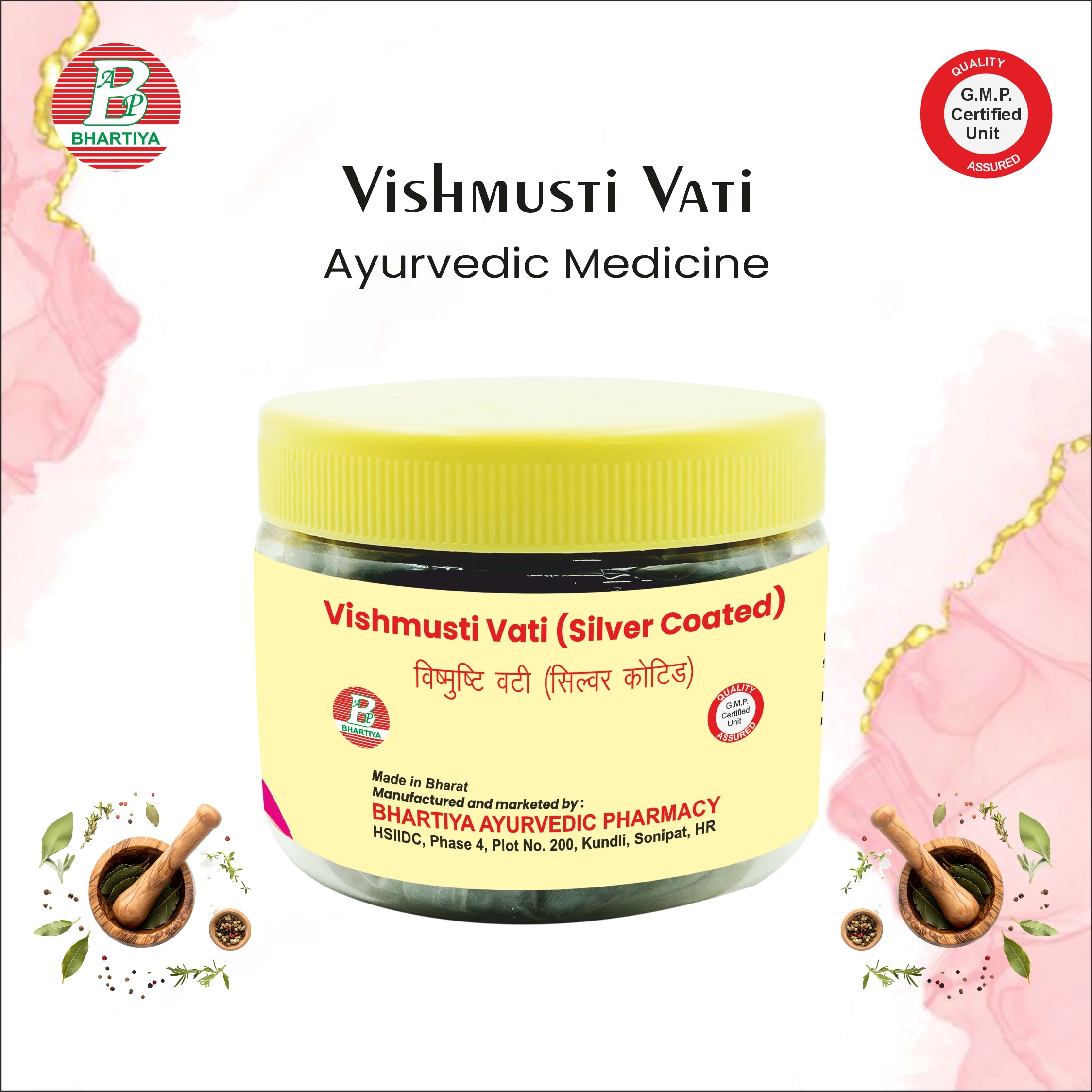
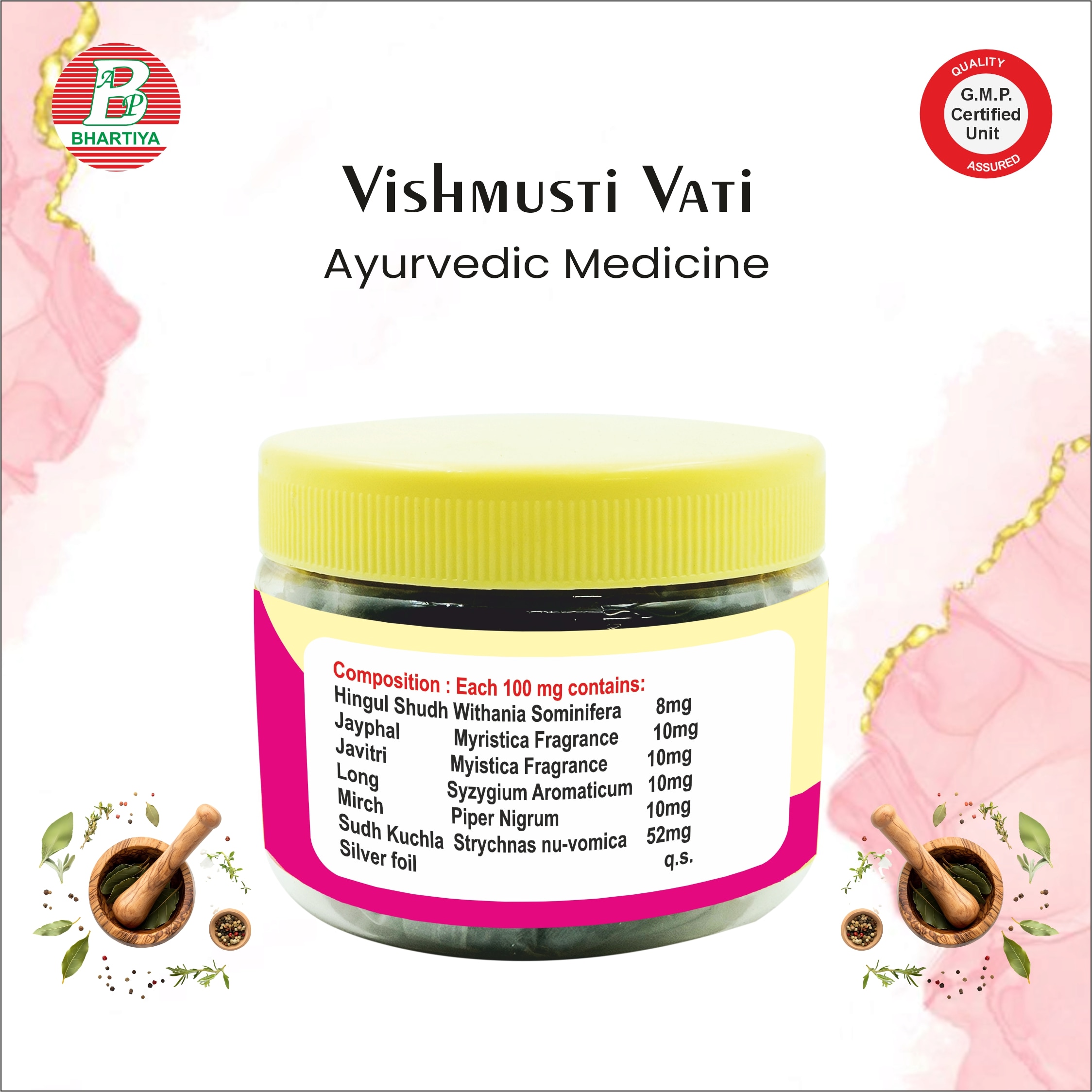
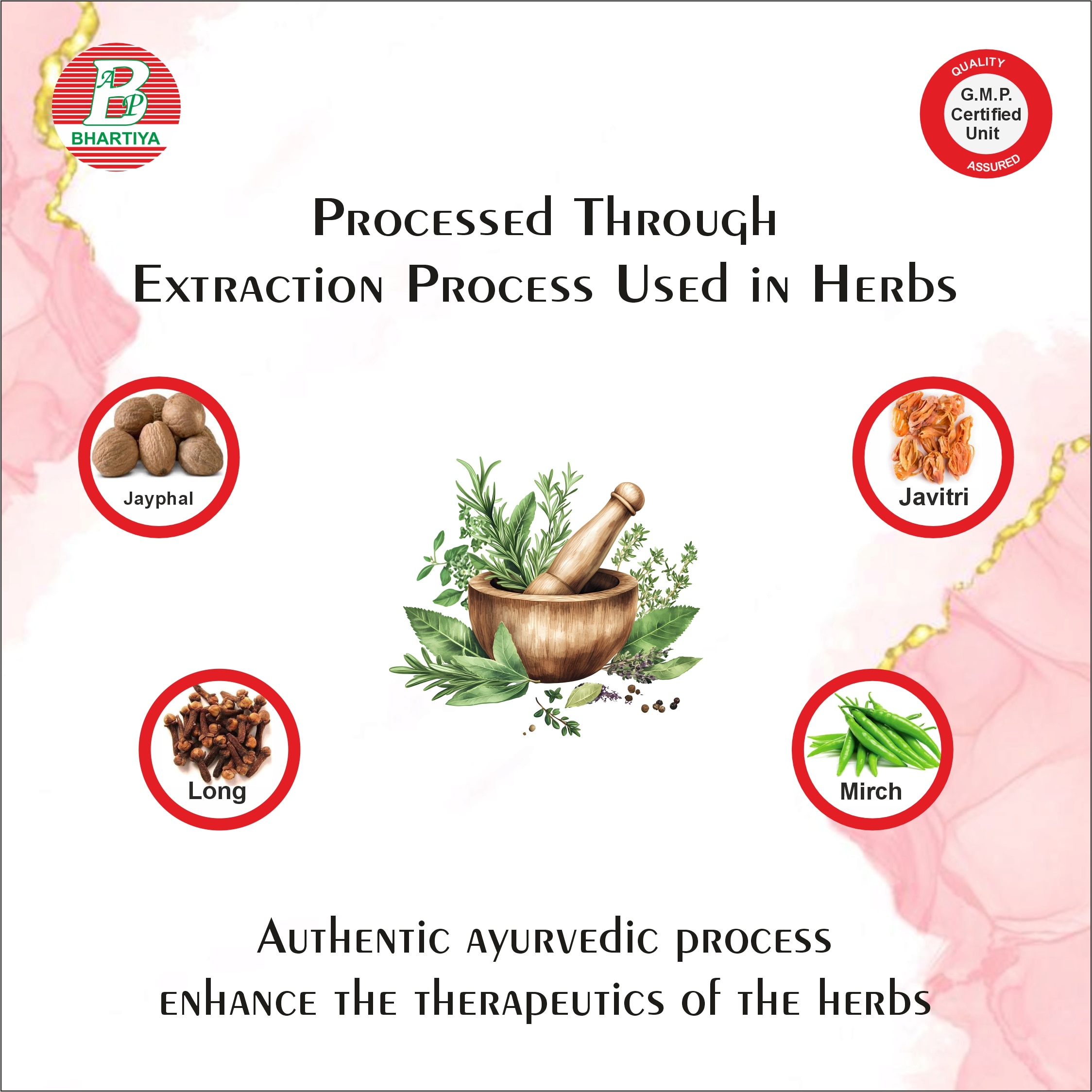
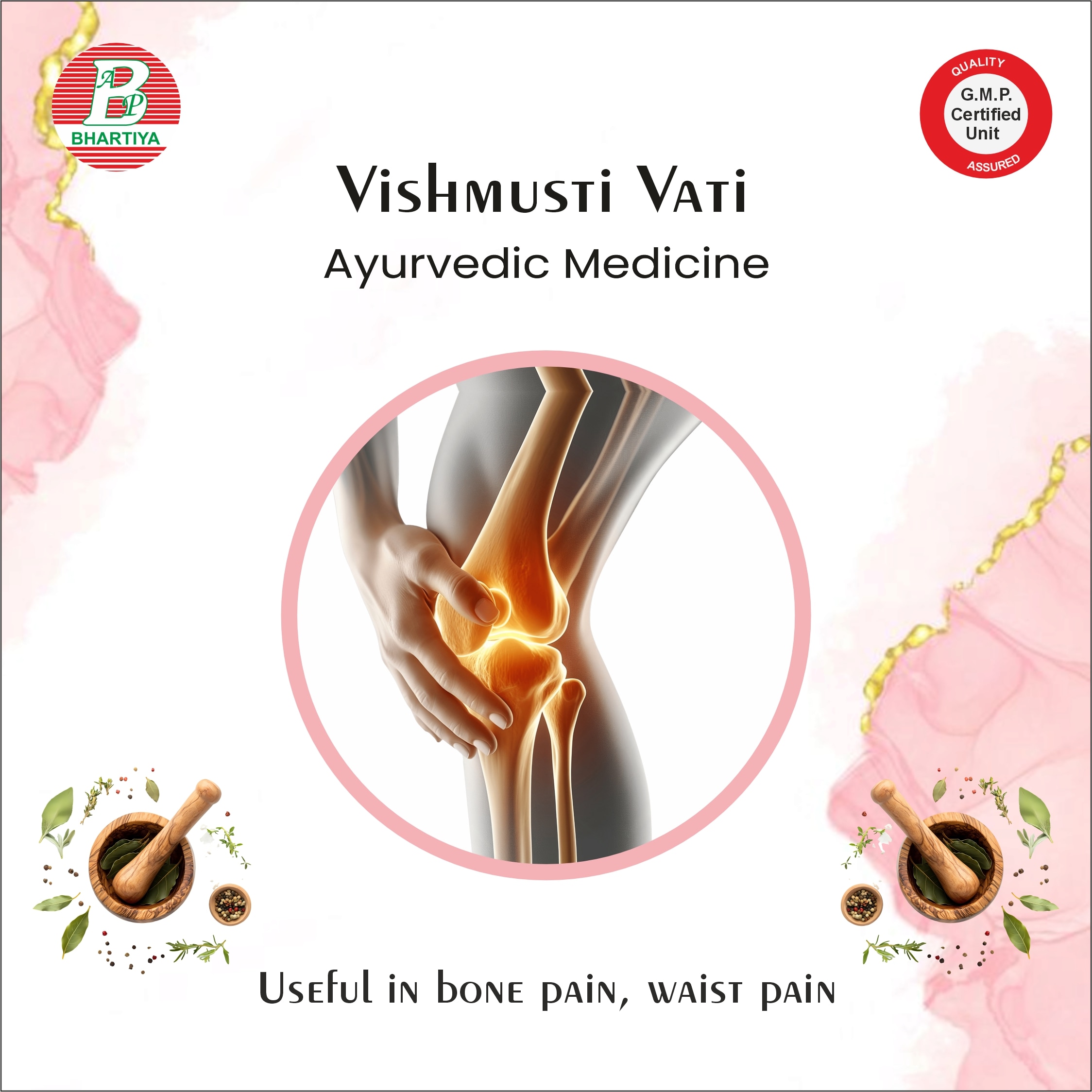
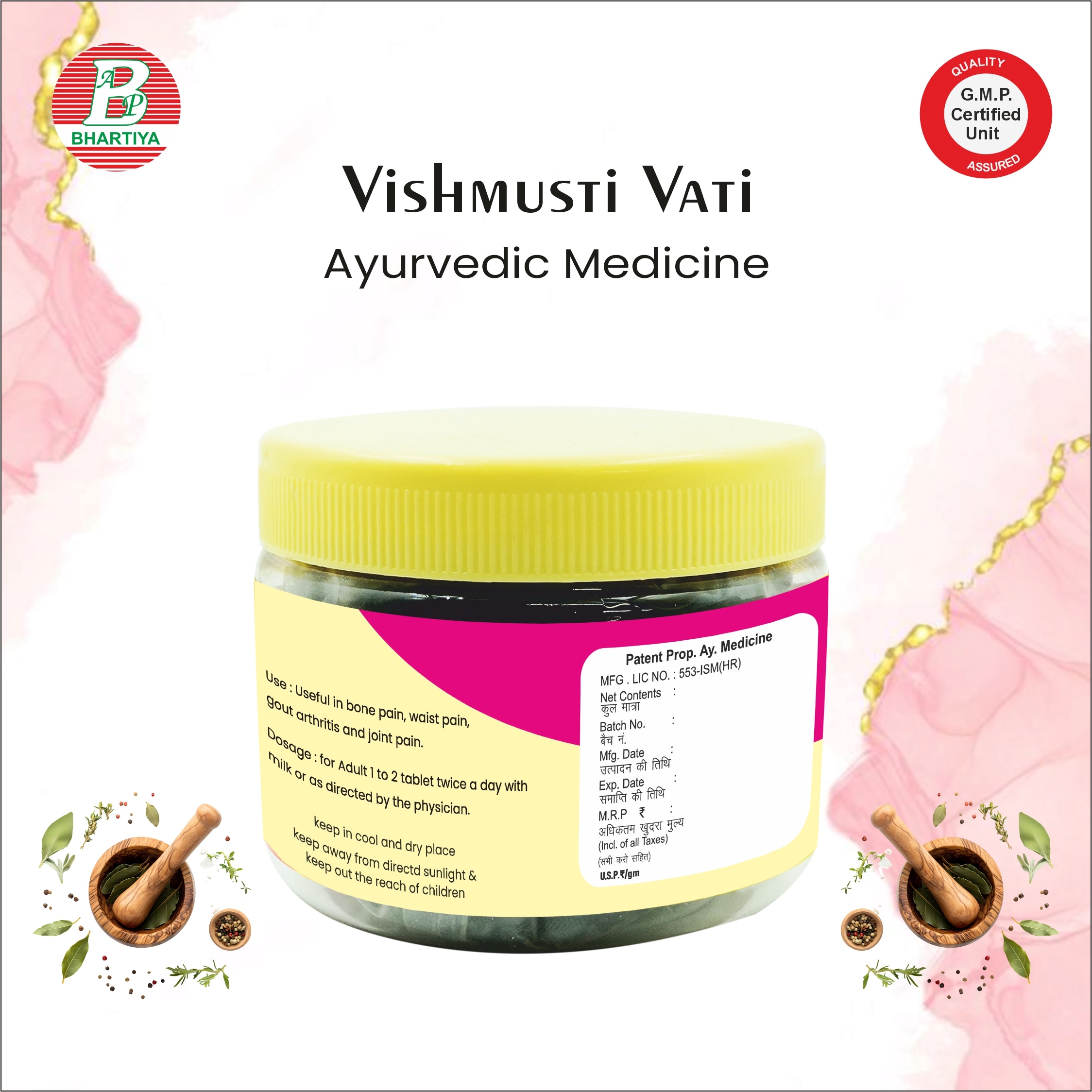
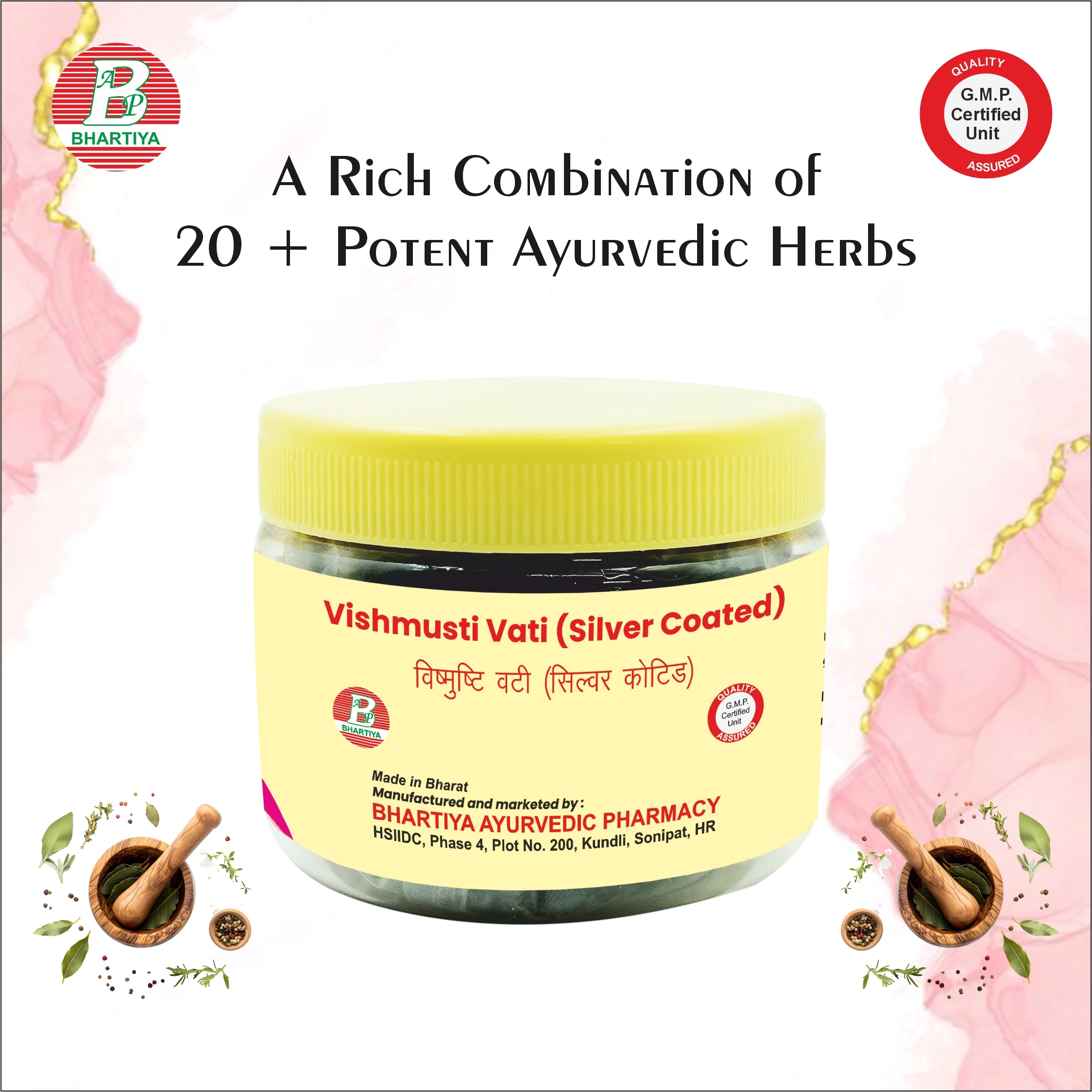
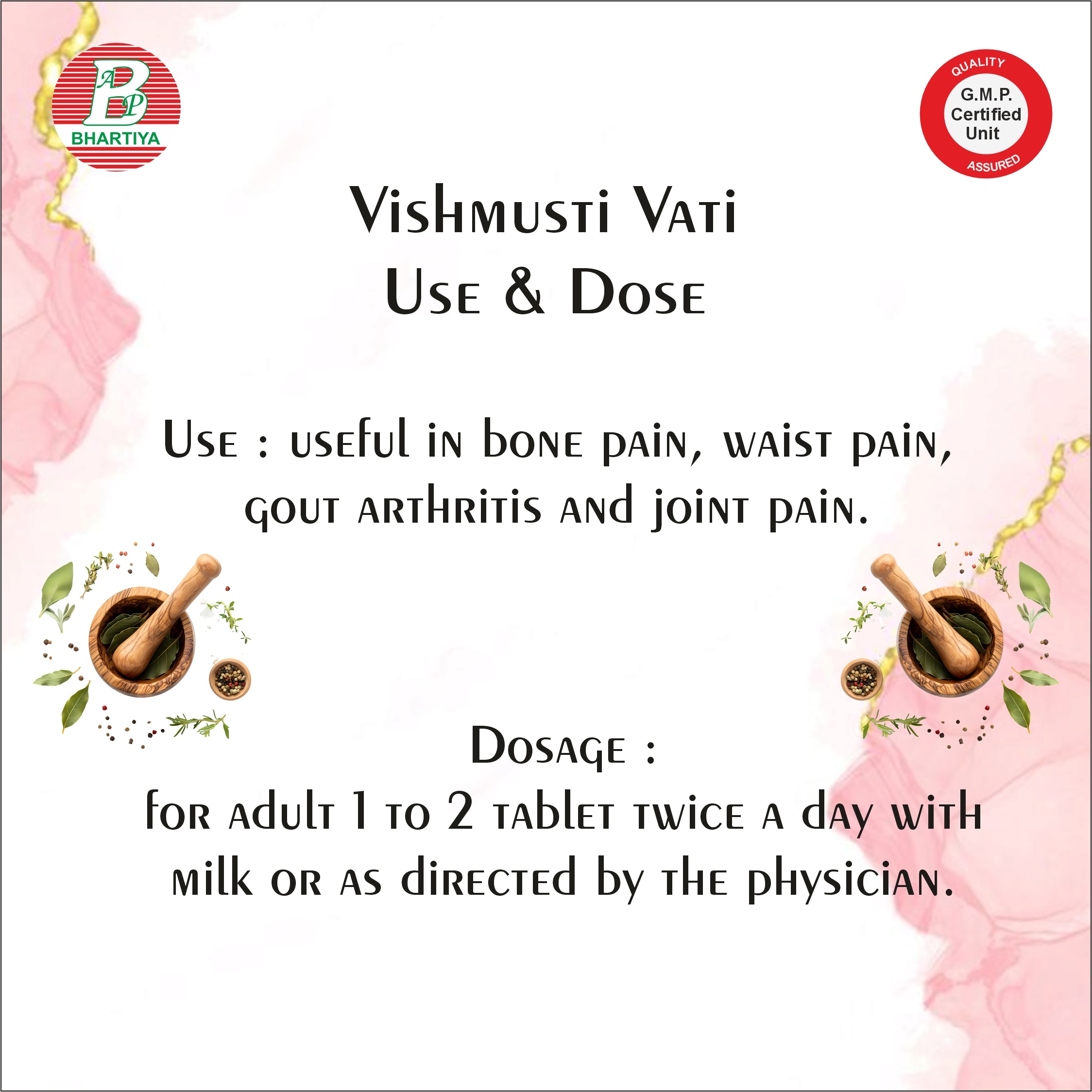
VISHMUSHTI VATI (SILVER COATED) Product Identification • Generic Name: Vishmushti Vati • Type: Ayurvedic Patent Medicine • Primary Indication Area: All Types of Joint Pain (Gathiya / Vat Roga) • Therapeutic Indications Management of joint pain of all types, including Vata-related disorders (Gathiya / Vat Roga). Key benefits include: 1. Pain Relief o Helps reduce joint pain, soreness, and discomfort caused by Vata imbalance. 2. Reduces Stiffness & Swelling o Improves joint flexibility and eases swelling associated with arthritis or Gathiya. 3. Supports Joint Mobility o Enhances ease of movement and overall joint function. 4. Strengthens Muscles & Bones o Helps improve muscle tone around joints and supports bone health. 5. Anti-fatigue & Vitality Support o Reduces weakness and tiredness caused by chronic joint pain. o Promotes overall strength and rejuvenation. o Ingredients: SHUDH HINGUL Ayurvedic Name: Shuddha Hingul / Hingula Bhasma Mineral Source: Cinnabar (purified mercury sulphide) Primary Use: Vata Roga & Joint Pain (Gathiya) support in classical Ayurvedic formulations Key Phytoconstituents • Purified Mercuric Sulphide (HgS) transformed into nano sized bio assimilable particles through classical Shodhana–Marana processes • Trace mineral complexes with elements like Zn, Cu, Fe formed during purification and incineration • Synergistic adjuvants (when processed with herbal decoctions such as Triphala, Guduchi, Nirgundi) to support detoxification and absorption Mechanism of Action (Biochemistry / Pharmacological Basis for Joint Pain — Vata Roga / Gathiya) 1. Nano Particle Bio Assimilation & Immune Modulation • Properly purified mercuric sulphide (HgS) in Shuddha Hingul Bhasma forms extremely fine particles that cross intestinal mucosa more efficiently and interact with immune cells, stimulating macrophage activity and encouraging a balanced immune response in chronic inflammatory environments. 2. Anti Inflammatory & Dosha Regulation • Through traditional Ayurvedic mechanisms, the ushna (heating) potency and deep penetrating action of Hingul help pacify aggravated Vata dosha, which is a major contributor to stiffness, pain, and erratic neural signals in joint disorders. • Trace sulfur compounds and other mineral complexes may contribute mild anti inflammatory effects, reducing local discomfort 3. Detoxification & Metabolic Balance (Ama Clearance) • Hangul’s classical action includes enhancing agni (metabolic fire) and clearing ama (toxic metabolic by products) from tissues and srotas (channels), which in Ayurveda are thought to exacerbate joint pain and stiffness when accumulated. 4. Tissue Nourishment & Support • By harmonizing metabolism and supporting reticuloendothelial system activity, fine bhasma particles may help improve nutrient delivery and tissue nourishment, indirectly supporting joint comfort and resilience. Ingredients: JAYPHAL (Nutmeg) Botanical Name: Myristica fragrans Ayurvedic Names: Jaiphal, Jatiphala, Jatisasya Primary Use: Joint pain relief (Vata Roga), anti inflammatory and musculoskeletal support Key Phytoconstituents Myristicin – aromatic compound with anti inflammatory and mild analgesic properties Elemicin – contributes to anti inflammatory and antioxidant effects Trimyristin & fatty acids – support metabolic functions Eugenol, sabinene, α pinene & other volatile oils – anti inflammatory, analgesic and antioxidant constituents Phenolic compounds & lignans – support free radical neutralization and tissue protection Mechanism of Action (Biochemistry / Pharmacological Basis for Joint Pain — Vata Roga / Gathiya) 1. Anti Inflammatory & Analgesic Action • Compounds such as myristicin, eugenol, sabinene, β pinene and α pinene exhibit anti inflammatory and pain relieving effects, which help reduce joint swelling, soreness, and discomfort typical of Vata related joint disorders. 2. Antioxidant & Tissue Protection • Phenolic compounds and lignans in Jaiphal neutralize free radicals, protecting joint tissues from oxidative stress that can worsen chronic inflammation and joint degeneration. 3. Vata Pacification & Nervine Modulation • In Ayurvedic pharmacology, Jayphal’s hot (ushna) potency and pungent taste help balance aggravated Vata dosha, which contributes to pain, stiffness, and erratic neural signals in joint discomfort. 4. Muscle Relaxation & Circulatory Support • Nutmeg’s volatile oils may promote local blood flow and muscle relaxation, which can relieve stiffness and improve mobility around affected joints. JAVITRI (Mace) Botanical Name: Myristica fragrans (aril of nutmeg seed) Ayurvedic Use: Traditionally used as a digestive, anti inflammatory and mild analgesic agent; balances Vata & Kapha doshas in classical systems and used for joint muscle discomfort support. Key Phytoconstituents Myristicin – an aromatic phenylpropene compound responsible for medicinal effects. Elemicin – contributes to anti inflammatory and antioxidant properties. Safrole and other volatile oils (terpenes) – support anti inflammatory and circulatory effects. Phenolic compounds & flavonoids (antioxidant activity). Minerals such as iron, magnesium and trace nutrients that support metabolic functions. Mechanism of Action (Biochemistry / Pharmacological Basis for Joint Pain — Vata Roga / Gathiya) 1. Anti Inflammatory & Pain Modulating Action • Constituents such as myristicin, elemicin and other volatile oils exert anti inflammatory and mild analgesic effects, reducing inflammatory mediators that contribute to joint pain and stiffness. 2. Antioxidant & Tissue Protection • Phenolic compounds and flavonoids neutralize free radicals and oxidative stress, helping protect joint tissues from damage and degeneration. 3. Vata Pacifying & Nervine Support • In Ayurveda, Javitri’s hot (ushna) potency and pungent taste help balance aggravated Vata dosha, which is often implicated in joint stiffness, erratic neural signals, and discomfort. 4. Circulatory & Muscle Comfort Support • Volatile oils may enhance local circulation and support muscle relaxation, helping relieve stiffness and improve comfort around joints and connective tissues. LAVANG (Clove) Botanical Name: Syzygium aromaticum Ayurvedic Name: Lavang / Laung Primary Use: Analgesic & anti inflammatory support; soothing discomfort associated with joint pain and Vata imbalance Key Phytoconstituents • Eugenol – major active compound with analgesic and anti inflammatory effects • β Caryophyllene, chavibetol, eugenyl acetate – synergistic volatile compounds contributing to anti inflammatory and pain modulating actions • Other phenolic compounds and antioxidants that support tissue protection and oxidative balance Mechanism of Action (Biochemistry / Pharmacological Basis for Joint Pain — Vata Roga / Gathiya) 1. Anti Inflammatory & Pain Relieving Action • Eugenol inhibits inflammatory mediators (such as prostaglandins via cyclooxygenase pathways) and reduces local inflammation, helping relieve discomfort in stiff or sore joints. • Its mildly anaesthetic action modulates nerve impulses, providing soothing relief in affected areas. 2. Antioxidant & Tissue Protection • Phenolic compounds and flavonoid like constituents neutralize free radicals and oxidative stress, which can exacerbate chronic inflammatory conditions like joint pain. • This supports cellular protection and may slow degenerative changes in connective tissues. 3. Circulation & Vata Balance Support • Lavang’s warming effect (ushna virya) and pungent aroma help improve local circulation and penetrate tissues, which is believed in Ayurveda to help pacify aggravated Vata dosha, a key factor in joint stiffness and erratic neural signalling. 4. Muscle Relaxation & Comfort • The volatile oil components contribute to muscle relaxation and improved microcirculation around joints, aiding in reduced stiffness and enhanced comfort. • When used topically (e.g., in warm oil massage), these effects are particularly noticeable. KALI MIRCH (Black Pepper) Botanical Name: Piper nigrum Ayurvedic Name: Kali Mirch / Marica Primary Use: Support for joint discomfort, inflammation and Vata Roga (joint pain) Key Phytoconstituents • Piperine — the principal alkaloid responsible for most pharmacological activity • Essential oils: limonene, α pinene, β pinene, sabinene, caryophyllene • Phenolic compounds & flavonoids — contribute antioxidant activity • Trace nutrients and lignans that support biological actions Mechanism of Action (Biochemistry / Pharmacological Basis for Joint Pain — Vata Roga / Gathiya) 1. Anti Inflammatory & Pain Modulation • Piperine and related alkaloids inhibit pro inflammatory pathways (e.g., NF κB, COX, and inflammatory cytokines) that drive joint inflammation and pain in arthritis models. • In cell studies, piperine reduced production of inflammatory mediators such as NO, PGE₂ and cytokines (IL 6, TNF α) and inhibited enzymes that break down cartilage matrix. 2. Anti Oxidant & Tissue Protection • Phenolic compounds and flavonoids in black pepper neutralize free radicals that can exacerbate chronic joint degeneration and inflammatory tissue damage. • This helps protect joint connective tissues and supports cellular resilience. 3. Vata Pacifying & Circulation Enhancement • In Ayurvedic terms, the ushna (warming) and Tikshna (penetrating) qualities of Kali Mirch help pacify aggravated Vata dosha, improving comfort, reducing stiffness, and enhancing micro circulation around joints. • Topical preparations (oil or paste with carrier oil) are traditionally used to ease soreness and warmth in joint areas. 4. Bioavailability & Synergistic Support • Piperine enhances the bioavailability of other compounds (e.g., curcumin, phenolics) by inhibiting certain metabolic enzymes, which may increase effectiveness of joint support herbs SUDH KUCHLA Ayurvedic Name: Shuddha Kuchla (Purified Strychnos nux vomica) Botanical Source: Seeds of Strychnos nux vomica (detoxified via classical Shodhana processes) Primary Use: Supports Vata Roga & Joint Pain (Gathiya) through metabolic balance, neuromuscular stimulation, and Vata pacification Key Phytoconstituents • Alkaloids (notably strychnine and brucine) — the primary bioactive compounds remaining after purification that influence nervous and muscular responses. • Other trace constituents influenced by processing — contributing to digestion, metabolic fire (agni) enhancement, and detoxification support. Mechanism of Action (Biochemistry / Pharmacological Basis for Joint Pain — Vata Roga / Gathiya /) 1. Neuromuscular Stimulation & Pain Modulation • Purified alkaloids in Sudh Kuchla act on the central and peripheral nervous system, stimulating nerve activity in a controlled manner to improve nerve muscle coordination and reduce erratic Vata related neural signals that contribute to joint discomfort. • This neuromodulation can indirectly help reduce sensations of stiffness and weakness in chronic joint conditions. 2. Anti Inflammatory & Vata Balance • Through classical Ayurvedic properties (bitter, pungent taste with warming potency), Sudh Kuchla pacifies aggravated Vata dosha, a key driver of joint pain and stiffness in Vata dominant disorders like Gathiya. 3. Digestive Fire (Agni) & Detoxification Support • Warming virya (ushna potency) of Sudh Kuchla supports metabolic fire (agni), which aids in digestion and clears metabolic by products (ama) that are believed in Ayurveda to worsen joint pain and tissue congestion. 4. Muscle & Tissue Support • By stimulating metabolic activity and nervous regulation, Sudh Kuchla may contribute to improved nutrient delivery and deep tissue nourishment, indirectly supporting resilience in musculoskeletal structures during joint stress. Dosage: 1. Dose per intake: 1–2 pills 2. Frequency: 2 times daily 3. Total daily dose: 2–4 pills (depending on physician advice) 4. How to take: With milk, preferably after meals Precautions • Do not exceed the prescribed dose • Consult an Ayurvedic practitioner before use in: o Children o Elderly o Patients with chronic illness • Monitor for any side effects (e.g., digestive discomfort) • Maintain proper diet and hydration to support bowel health vishamushti vati uses, vishamushti vati vishamushti vati ingredients, vishamushti vati benefits vishamushti vati price, vishamushti vati tablet vishamushti vati uses in hindi, vishamushti vati benefits in hindi vishamushti vati in hindi, vishamushti vati easy ayurveda vishamushti vati use, vishamushti vati composition vishmusti vati flipkart, vishmusti vati goli vishmusti vati jankari in hindi, vishmusti vati jankari vishmusti vati ke fayde, vishmusti vati ke fayde in hindi vishmusti vati khane ke fayde, vishmusti vati kya kam karta hai vishmusti vati manufacturer, vishmusti vati mrp vishmusti vati near me, use of vishamushti vati vishmusti vati quality, vishmusti vati quantity vishamushti vati side effects, vishmusti vati website vishmusti vati works, uses of vishamushti vati what vishmusti vati uses in hindi, what vishmusti vati uses where vishmusti vati manufactured, where vishmusti vati available when vishmusti vati uses in hindi, when vishmusti vati uses who vishmusti vati uses in hindi, can vishmusti vati uses in hindi will vishmusti vati uses in hindi, was vishmusti vati uses in hindi best vishamushti vati in hindi, best vishamushti vati uses