

Description
Product details
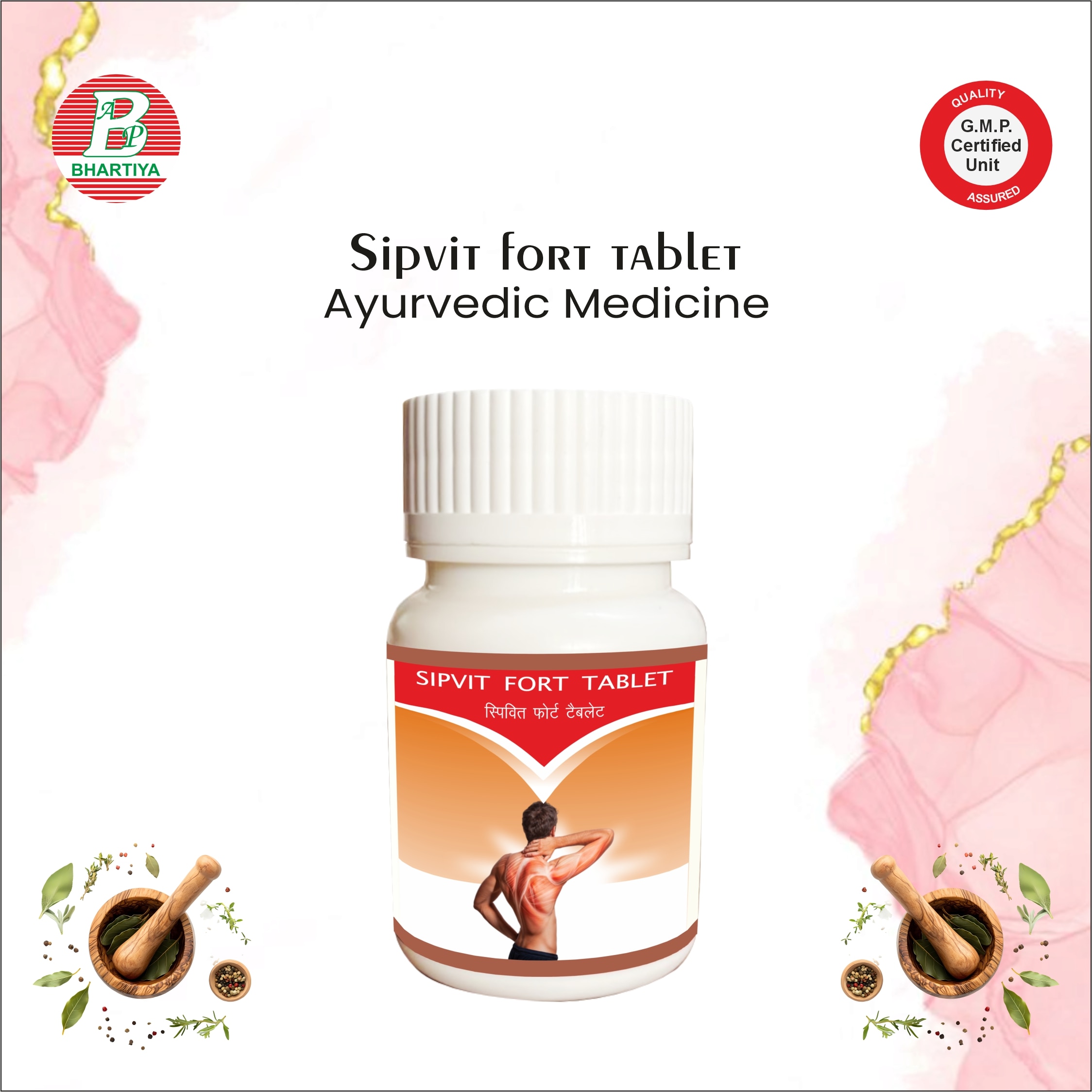
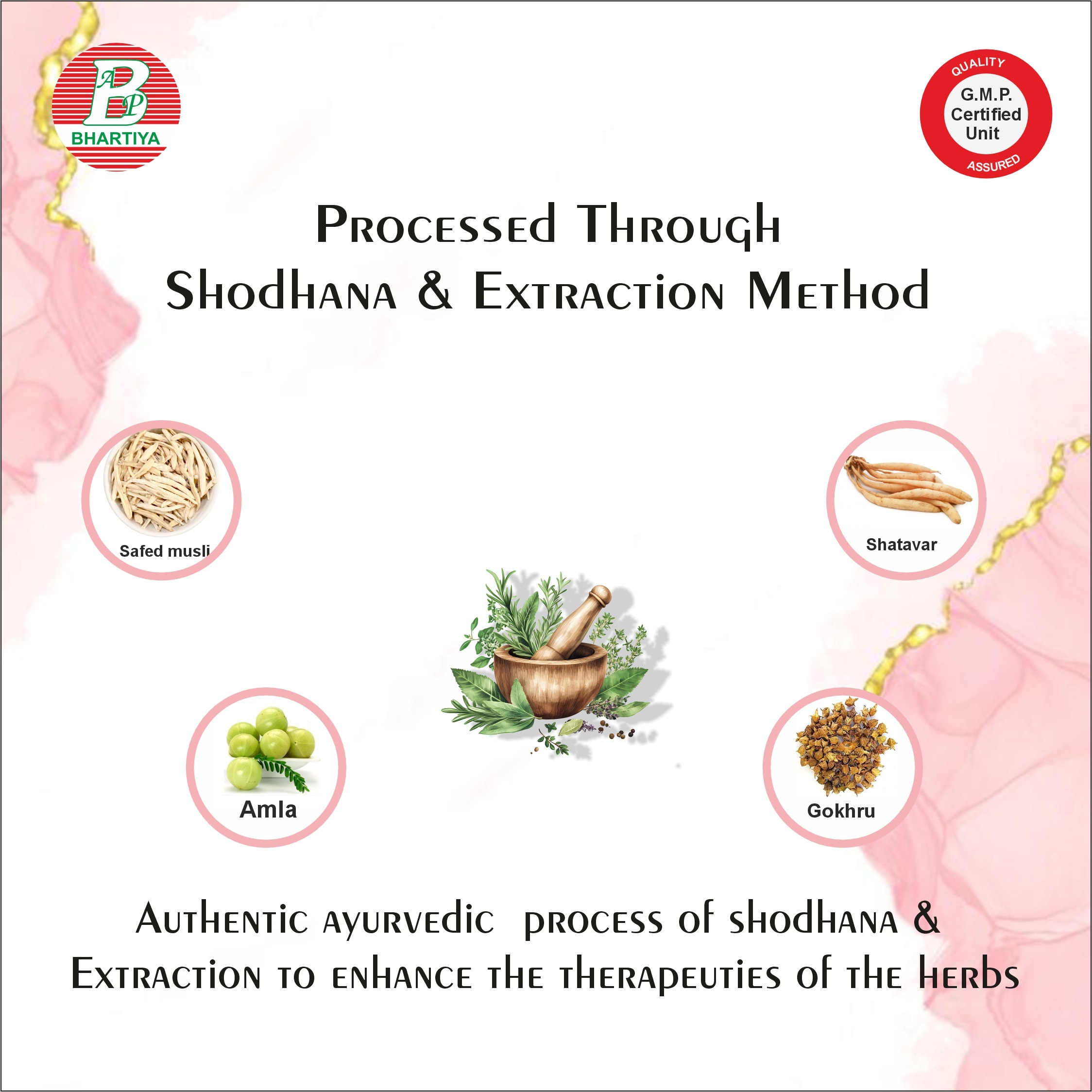
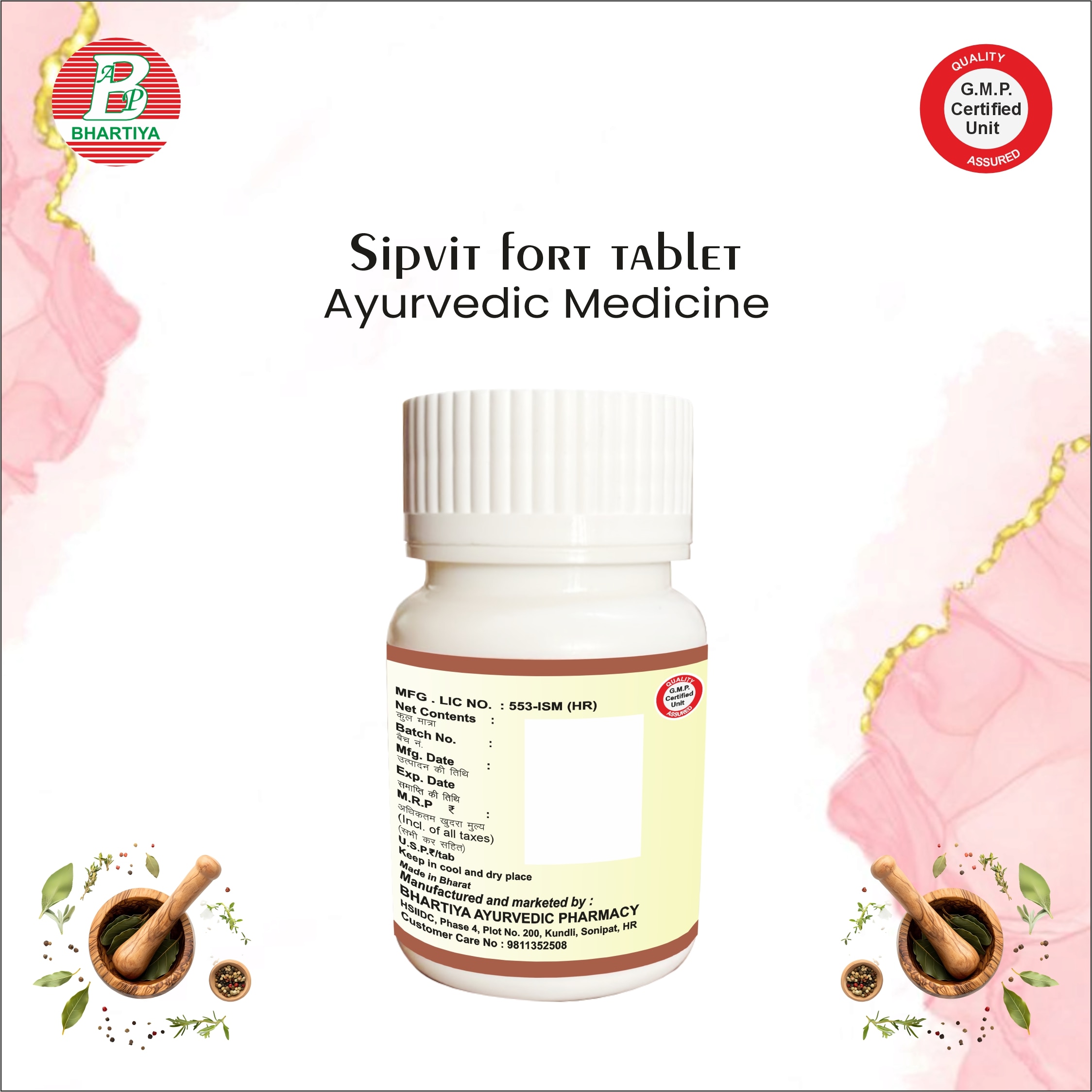
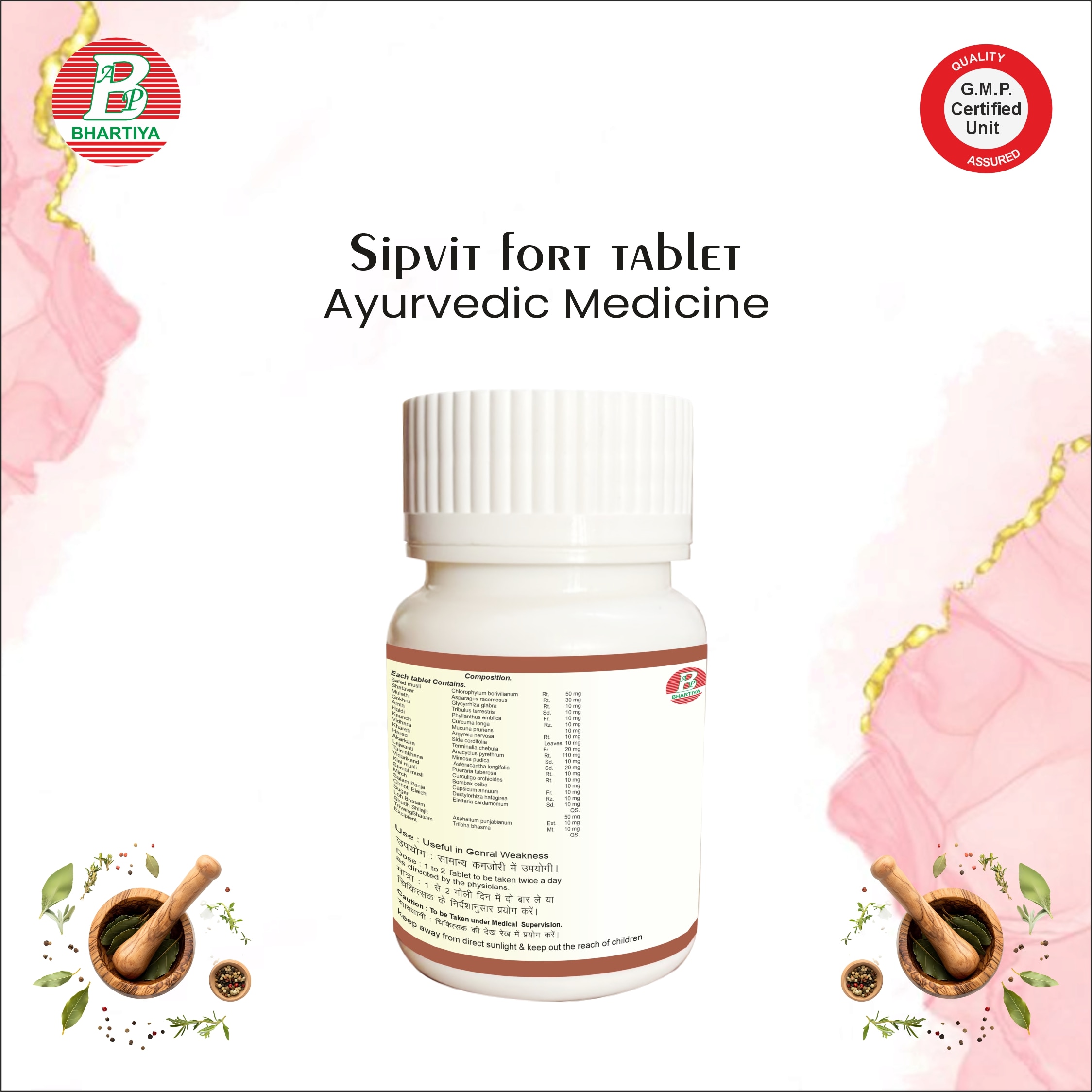
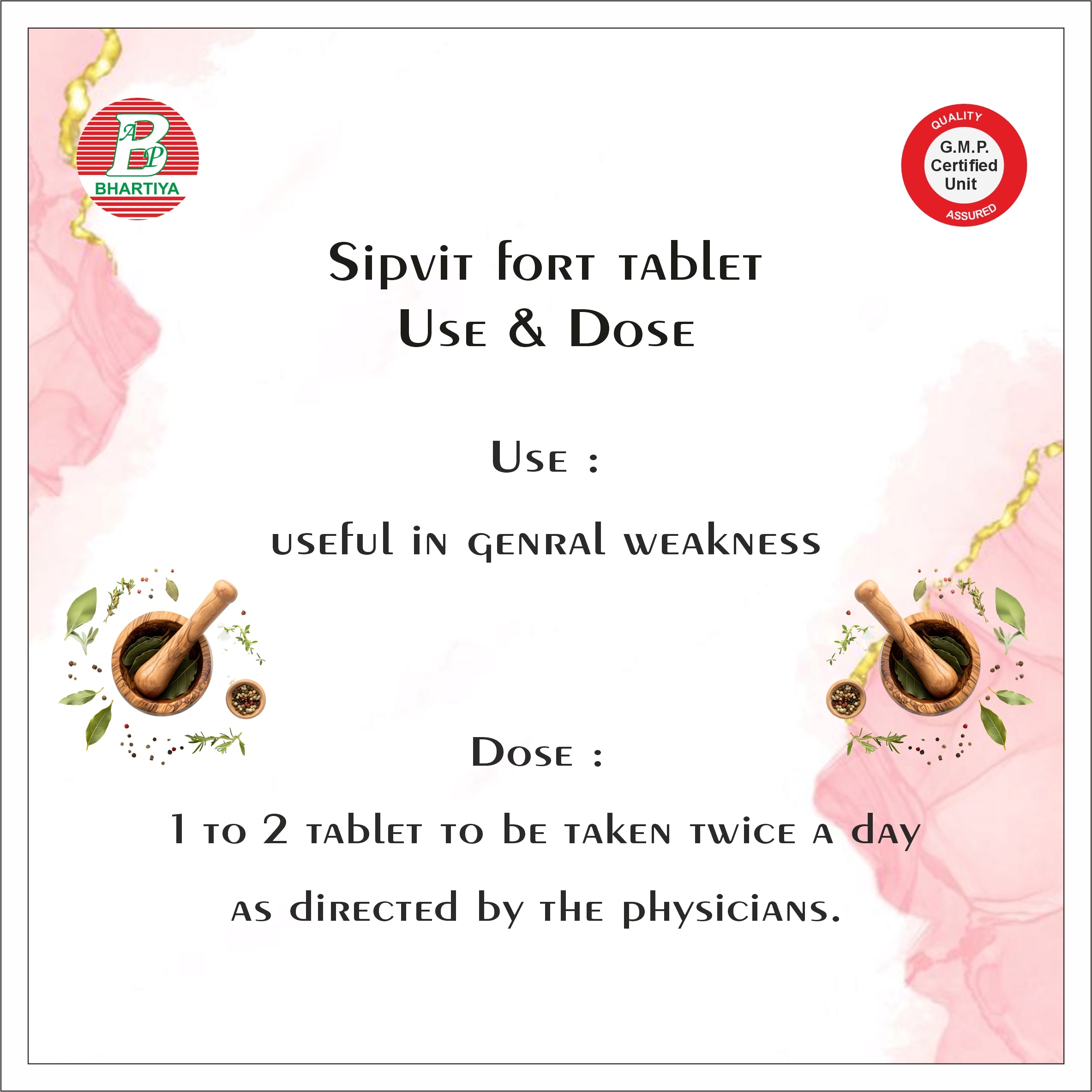
SIPVIT FORT TABLET Product Identification • Generic Name: Sipvit Fort Tablet • Type: Ayurvedic Patent Medicine • Primary Indication Area: Supports male sexual health by improving erectile function, libido, stamina, and overall reproductive performance. Therapeutic Indications • Supports improvement of male sexual function by enhancing erectile performance, libido, stamina, and overall reproductive wellness Key benefits include: • Supports male sexual health by improving libido, erection quality, stamina, and overall sexual performance. Primary Benefit: • Supports male sexual health by enhancing libido, erectile function, stamina, and overall reproductive vitality. Additional Benefits: • Improve sperm production and quality — supporting fertility and reproductive outcomes. • Enhance libido and sexual desire — increasing interest in sexual activity. • Support hormonal balance (e.g., testosterone) — important for energy, stamina, and erectile function. • Boost overall vitality and endurance during sexual activity Ingredients: SAFED MUSLI (Chlorophytum borivilianum) Botanical Name: Chlorophytum borivilianum Part Used: Root (commonly used in Ayurvedic Vajikaran Rasayana) Traditional Use: Rejuvenator, aphrodisiac, strength & stamina tonic Mechanism of Action in Male Sexual Health (Biochemistry / Pharmacology) 1. Spermatogenic Support & Sperm Quality • Root extracts have been shown to increase sperm count and motility in experimental models, indicating support for spermatogenesis and semen quality. 2. Antioxidant Protection of Reproductive Cells • Phenolic compounds and antioxidants help reduce oxidative stress in sperm cells, protecting membranes and DNA, which promotes healthier sperm characteristics. SHATAVARI (Asparagus racemosus) Botanical Name: Asparagus racemosus Family: Asparagaceae Part Used: Root Traditional Use: Rejuvenative tonic (Rasāyana), adaptogen, aphrodisiac, reproductive support Phytoconstituents Relevant to Sexual Health Shatavari root contains: 1. Steroidal saponins (Shatavarins I–IV) – major bioactives linked with hormonal and antioxidant actions. 2. Flavonoids & polyphenols – antioxidant effects. 3. Alkaloids & mucilage – tissue nourishment and soothing. Mechanism of Action in Male Sexual Health (Biochemistry / Pharmacology) 1. Antioxidant Support & Sperm Protection • Shatavari’s saponins and flavonoids neutralize free radicals, protecting sperm from oxidative damage, which is crucial for healthy sperm count, motility, and morphology. 2. Spermatogenic Enhancement • Experimental evidence suggests Shatavari may improve sperm count, motility, and seminal quality by reducing oxidative stress and nourishing reproductive tissues. MULETHI (Licorice) Botanical Name: Glycyrrhiza glabra Part Used: Root (Yashtimadhu) Traditional Use: Ayurvedic rasāyana for anti inflammatory, antioxidant, digestive support; also used in reproductive tonics in some formulations. Phytoconstituents Relevant to Male Sexual Health • Glycyrrhizin & Glycyrrhizic acid – saponin glycosides • Flavonoids (e.g., glabridin) and phenolic compounds – antioxidant effects Mechanism of Action in Male Sexual Health (Biochemistry / Pharmacology) 1. Antioxidant Protection of Sperm & Testicular Tissue • Flavonoids like glabridin and other phenolics exert antioxidant effects, scavenging reactive oxygen species (ROS) that damage sperm DNA, cell membranes, and reduce sperm motility and quality. 2. Anti Inflammatory Action • Licorice compounds can inhibit pro inflammatory pathways (e.g., NF κB), reducing testicular or reproductive inflammation, which may otherwise impair spermatogenesis and tissue health. GOKHARU / GOKSHURA (Tribulus terrestris) Botanical Name: Tribulus terrestris Part Used: Fruit / Herb Traditional Use: Ayurvedic aphrodisiac (Vrishya), reproductive tonic, urinary support Phytoconstituents Relevant to Male Sexual Health • Saponins (e.g., protodioscin) — thought to influence hormonal pathways. • Flavonoids and phenolic compounds — antioxidant effects. Mechanism of Action in Male Sexual Health (Biochemistry / Pharmacology) 1. Nitric Oxide Mediated Erectile Support • Gokshura extracts can promote relaxation of penile smooth muscle via NO related pathways, aiding blood flow and erection quality. 2. Aphrodisiac & Libido Enhancement • Human and experimental evidence shows increased sexual desire and function, likely via nervous endocrine modulation and local vascular effects. AMLA (Indian Gooseberry) Botanical Name: Phyllanthus emblica (syn. Emblica officinalis) Part Used: Fruit Traditional Use: Ayurvedic Rasayana (rejuvenator), general tonic for vitality and strength Phytoconstituents Relevant to Male Sexual Health Amla is rich in nutrients and bioactive compounds including: 1. Vitamin C (Ascorbic acid) – very high antioxidant content. 2. Polyphenols & Tannins (emblicanin A/B, gallic acid, ellagic acid) – potent antioxidants. 3. Flavonoids (quercetin, kaempferol) – antioxidant and anti inflammatory. 4. Minerals including Zinc and amino acids – important for reproductive biochemistry. Mechanism of Action in Male Sexual Health (Biochemistry / Pharmacology) 1. Antioxidant Protection of Reproductive Tissues • Amla’s vitamin C and polyphenols neutralize free radicals (ROS) and reduce oxidative stress, which is crucial for protecting sperm cells and testicular tissue from biochemical damage. 2. Support for Testosterone Production • By reducing oxidative damage in Leydig cells (testosterone producing cells), amla may help maintain testosterone levels, which are fundamental for libido and sexual function. HALDI (Turmeric) Botanical Name: Curcuma longa Part Used: Rhizome (root Mechanism of Action in Male Sexual Health (Biochemistry / Pharmacology) 1. Antioxidant Protection of Reproductive Tissues • Curcumin, the main active compound in turmeric, is a powerful antioxidant that scavenges free radicals (ROS) and reduces oxidative stress in testicular and sperm cells — protecting sperm DNA and membranes from damage. 2. Supports Sperm Quality & Protection • Curcumin helps improve sperm motility and density in animal studies and protects sperm structure by reducing lipid peroxidation and preserving membrane integrity. 3. Anti Inflammatory & Cell Protective Actions • Curcumin’s anti inflammatory effect reduces inflammation in reproductive tissues and mitigates testicular damage from stress, toxins, or adverse conditions, helping maintain reproductive function. KAUNCH / KAUNCH BEEJ (Mucuna pruriens) Botanical Name: Mucuna pruriens Part Used: Seeds (Beej) Mechanism of Action in Male Sexual Health (Biochemistry / Pharmacology) 1. Dopamine Precursor (L DOPA) Boost • Kaunch seeds contain L DOPA, a biochemical precursor to dopamine — increasing dopamine levels in the brain helps enhance libido, arousal, and sexual desire. Higher dopamine can also support testosterone synthesis through the hypothalamic pituitary gonadal axis 2. Testosterone & Hormonal Support • By modulating neurotransmitters and supporting luteinizing hormone (LH) release, Kaunch may help support natural testosterone production — the key hormone for male libido, energy, and reproductive function. VIDHARA (Elephant Creeper) Botanical Name: Argyreia speciosa (syn. Argyreia nervosa) Family: Convolvulaceae Part Used: Roots, seeds, leaves (roots most commonly) Traditional Use: Ayurvedic Vajikarana (aphrodisiac) and rejuvenative tonic, used to support male sexual health, sperm quality, and vitality. Mechanism of Action in Male Sexual Health (Biochemistry / Pharmacology) 1. Aphrodisiac & Reproductive Stimulation • Vidhara is traditionally considered aphrodisiac (Vajikarana), and its root extracts are used to enhance libido, sexual vigor, and reproductive function in Ayurveda. 2. Support for Sperm Count & Quality • Ayurvedic uses include improving sperm count and supporting semen quality, likely through antioxidant and tissue nourishing effects on reproductive organs. KHARETI (Khareti / Atibala / Bala) Botanical Name: Sida cordifolia Sanskrit Name: Balā (Bala) Common English Name: Country Mallow Parts Used: Roots, leaves, seeds, stems (traditional use) Mechanism of Action in Male Sexual Health (Biochemistry / Pharmacology) 1. Vajikarana (Aphrodisiac) & Reproductive Support • Khareti (Bala) is traditionally classified as a Vajikarana herb — meaning it supports libido, sexual desire, and reproductive vigor in males 2. Testosterone & Hormone Related Support • By helping balance male hormones and nerve tone, it may enhance sexual drive and reproductive function. HARAD (Haritaki / Terminalia chebula) Botanical Name: Terminalia chebula Part Used: Fruit Mechanism of Action in Male Sexual Health (Biochemistry / Pharmacology) 1. Astringent & Antioxidant Phytochemicals • Harad contains tannins (chebulinic acid, chebulagic acid), gallic acid, ellagic acid, and flavonoids — all strong antioxidants that protect cells from oxidative stress. These biochemical antioxidants help maintain general reproductive tissue health by neutralizing free radicals. 2. Traditional Rasayana & Aphrodisiac Action (Short Term Use) • In classical Ayurvedic texts, Harad is described as Rasayana (rejuvenative) and in small doses can increase sexual energy and address premature ejaculation or nocturnal emissions due to its astringent and balancing effect on tissues. AKARKARA (Anacyclus pyrethrum) Botanical Name: Anacyclus pyrethrum Part Used: Root Traditional Use: Ayurvedic Vajikarana (aphrodisiac), reproductive tonic Mechanism of Action in Male Sexual Health (Biochemistry / Pharmacology) 1. Libido & Aphrodisiac Stimulation • Contains Alkylamides and Anacyclin, which stimulate nerve centres and sexual desire, traditionally increasing libido and willingness for sexual activity. 2. Spermatogenic & Testosterone Support • In experimental studies, extracts increased testosterone and androgen levels, and enhanced sperm count, motility, and viability by influencing hormone pathways and testicular function. LAJWANTI (Sensitive Plant / Mimosa pudica) Botanical Name: Mimosa pudica Family: Fabaceae Parts Used: Whole plant / seeds (traditionally) Mechanism of Action in Male Sexual Health (Biochemistry / Pharmacology) 1. Strengthening & Nourishing Action • Traditionally, Lajwanti seed powder is regarded as balya (strength promoting) — believed to nourish reproductive tissues, support stamina, and help improve male reproductive vitality. 2. Antioxidant & Anti Inflammatory Effects • Contains alkaloids, flavonoids, tannins, saponins, glycosides, phenolic acids, and sterols, which provide antioxidant and anti inflammatory actions — these helps protect cells from oxidative stress and may support general tissue health relevant to reproductive function. TALMAKHANA (Kokilaksha) Botanical Name: Hygrophila auriculata (syn. Hygrophila spinosa, Asteracantha longifolia) Family: Acanthaceae Part Used: Seeds (primarily) / Roots & leaves also used traditionally Mechanism of Action in Male Sexual Health (Biochemistry / Pharmacology) 1. Aphrodisiac & Reproductive Support • Talmakhana is traditionally considered a Vrishya (aphrodisiac) herb in Ayurveda, used to enhance libido, sexual drive, and stamina in men. 2. Support for Sperm Quality & Hormonal Balance • In traditional practice, it is believed to improve sperm quality, semen strength, and reproductive function, possibly by supporting hormonal balance. VIDARIKAND (Indian Kudzu) Botanical Name: Pueraria tuberosa Part Used: Tuberous root Traditional Use: Rasayana (rejuvenator), Balya (strength promoting), Vrishya (aphrodisiac) herb in Ayurveda, used to support reproductive health and vitality. Mechanism of Action in Male Sexual Health (Biochemistry / Pharmacology) 1. Spermatogenic & Reproductive Tissue Support • Vidarikand bioactive compounds nourish Shukra dhatu (semen) and reproductive tissues, traditionally increasing sperm count, motility, and semen quality. 2. Androgenic & Hormonal Modulation • Phytoestrogens and Isoflavonoids like puerarin, daidzein, genistein, and biochanin A may influence the hypothalamic–pituitary–gonadal axis, supporting release of FSH, LH, and testosterone, which are essential for libido and sexual performance. KALI MUSLI (Black Musli) Botanical Name: Curculigo orchioides Part Used: Rhizome / Root Mechanism of Action in Male Sexual Health (Biochemistry / Pharmacology) 1. Aphrodisiac (Vrishya) & Libido Support • Kali Musli is traditionally used in Ayurveda as a natural aphrodisiac that helps increase sexual desire and drive. 2. Spermatogenic & Reproductive Function • It is associated with spermatogenic activity, helping improve sperm count, motility, and seminal quality, supporting male fertility. SEMAL MUSALI (Semal Root / Bombax ceiba) Botanical Equivalent: Bombax ceiba / Bombax mulabaricum Parts Used: Root (musli), sometimes flower or bark used in formulations Mechanism of Action & Uses (Traditional / Ayurvedic Context) 1. Balya (Strength Promoting) & Rejuvenative Action • Semal musali (root) is traditionally used as a balya (body strengthening) and nutritive tonic to support overall energy and vitality, similar to other Musali herbs. 2. Vrishya (Aphrodisiac / Reproductive Support) • In Ayurveda, Semal musali is considered to have vrishya (aphrodisiac) and balya effects that help with sexual weakness, seminal depletion, and reproductive debility — often used in shukrakshaya (semen loss) and weakness. KALI MIRCH (Black Pepper) Botanical Name: Piper nigrum Part Used: Dried fruit (peppercorn) Mechanism of Action in Male Sexual Health (Biochemistry / Pharmacology) 1. Improves Blood Flow & Erections • Black pepper contains piperine, which can enhance circulation and vasodilation, supporting better blood flow — key for strong and sustained erections. 2. Supports Testosterone & Hormonal Balance • Piperine may help boost natural testosterone levels and testicular function, which supports libido, sexual desire, and reproductive health. SALAM PANJA (Marsh Orchid / Dactylorhiza hatagirea) Botanical Name: Dactylorhiza hatagirea Common Names: Salam Panja, Salab Panja, Hatta Haddi, Panchaule, Marsh Orchid Part Used: Tuberous roots (resembling hand/fingers) Mechanism of Action in Male Sexual Health (Biochemistry / Pharmacology) 1. Aphrodisiac & Libido Enhancing Action • Traditionally classified as a strong Vrishya (aphrodisiac) in Ayurvedic and Unani systems, the root extract is believed to enhance sexual desire and vigor. 2. Supports Sperm Quality & Reproductive Function • Used to improve sperm count, motility, and semen quality, making it a traditional shukra dhatu (semen) nourishing herb. CHOTI ELAICHI (Cardamom) Botanical Name: Elettaria cardamomum Part Used: Seeds / pods Biochemistry / Mechanism of Action in Male Sexual Health 1. Improved Blood Circulation • Cardamom contains essential oils that can improve blood circulation, which is important for delivering nutrients and oxygen to reproductive organs. Better circulation supports overall vitality and reproductive tissue health. 2. Antioxidant Protection • Rich in antioxidants (e.g., cineole, terpenes, flavonoids), cardamom helps reduce oxidative stress, which can protect sperm cells and reproductive tissues from free radical damage. CHINI (Sugar – Dietary Sucrose) Common Source: Table sugar, sweets, desserts, sugary drinks Botanical Equivalent: Derived from Saccharum officinarum (sugarcane) sugar Biochemistry / Mechanism of Action in Male Sexual Health 1. Negative Impact on Sperm Quality • Higher dietary sugar intake is associated with lower sperm concentration and poorer semen quality, likely due to metabolic and oxidative effects of excess sugar. 2. Metabolic Dysregulation & Sexual Function • Even slight elevations in blood sugar (below diabetes thresholds) can correlate with reduced sperm motility and impaired erectile function, indicating blood glucose regulation affects sexual physiology. LOHA BHASMA (Lauha Bhasma / Iron Bhasma) Source: Purified and calcined iron processed through Rasashastra methods in Ayurveda. Therapeutic Indication Iron supplement to treat anaemia, improve energy, strength, and support male sexual health (via aphrodisiac and stamina enhancing properties). Primary Benefit Improves iron status, reduces weakness/anaemia, and supports strength and libido. Other Benefits • Boosts haemoglobin and energy levels • Enhances overall vitality and stamina • Acts as a rejuvenative (Rasayana) • May improve male sexual function and stamina due to Vrishya and Balya properties • Supports digestion and immunity Shudh Shilajit (Pure Shilajit) Source: Natural mineral resin obtained from high-altitude Himalayan rocks, purified using classical Ayurvedic methods. Therapeutic Indication (Short): Natural rejuvenator that enhances energy, strength, immunity, and male vitality. Primary Benefit: Boosts physical stamina, mental clarity, and overall vitality, while supporting sexual health. Other Benefits: • Improves energy levels and reduces fatigue • Enhances endurance and strength • Acts as a Rasayana (rejuvenative tonic) • Supports male sexual health and fertility • Promotes cognitive function and immunity Trivang Bhasma Source: Calcined preparation of Tin (Vanga), Lead (Naga), and Zinc (Yashada) processed through classical Rasashastra methods in Ayurveda. Therapeutic Indication (Short): Natural mineral formulation used to support digestion, metabolism, reproductive health, and overall strength. Primary Benefit: Enhances digestive power, metabolic balance, and sexual vitality. Other Benefits: • Supports male sexual health and fertility • Improves energy, stamina, and strength • Acts as a rejuvenative (Rasayana) • Helps maintain healthy digestion and nutrient absorption • Supports immunity and overall well-being Dosage: 1. Dose per intake: 2–3 tablets 2. Frequency: Twice a day (morning & evening) 3. Total daily dose: 2–6 tablets per day-(For 500 mg tablets, this equals 1–3 g/day) 4. How to take: With water, preferably after meals to reduce gastric irritation and improve absorption 5. Precautions o Do not exceed the prescribed dose o Monitor for side effects Consult an Ayurvedic practitioner for: o Children o Elderly o Chronic illnesses sipvit fort tablet uses, sipvit fort tablets sipvit fort tablet uses in hindi, sipvit fort tablet price sipvit fort tablet amazon, sipvit fort tablet benefits sipvit fort tablet benefits in hindi, sipvit fort tablet brand name sipvit fort tablet buy online, sipvit fort tablet composition sipvit fort tablet content, sipvit fort tablet dosage sipvit fort tablet dose, sipvit fort tablet details sipvit fort tablet english, sipvit fort tablet expiry date sipvit fort tablet generic name, sipvit fort tablet gst rate sipvit fort tablet gst, sipvit fort tablet hindi sipvit fort tablet how to use, sipvit fort tablet how to take sipvit fort tablet in hindi, sipvit fort tablet ingredients sipvit fort tablet image, sipvit fort tablet india sipvit fort tablet ke fayde in hindi, sipvit fort tablet kis kaam aati hai sipvit fort tablet manufacturer, sipvit fort tablet mrp sipvit fort tablet manufacturers in india, sipvit fort tablet online sipvit fort tablet online shopping, sipvit fort tablet price in india sipvit fort tablet q10, sipvit fort tablet quantity sipvit fort tablet quality, sipvit fort tablet review sipvit fort tablet rate, sipvit fort tablet review in hindi sipvit fort tablet supplier