

Description
Product details
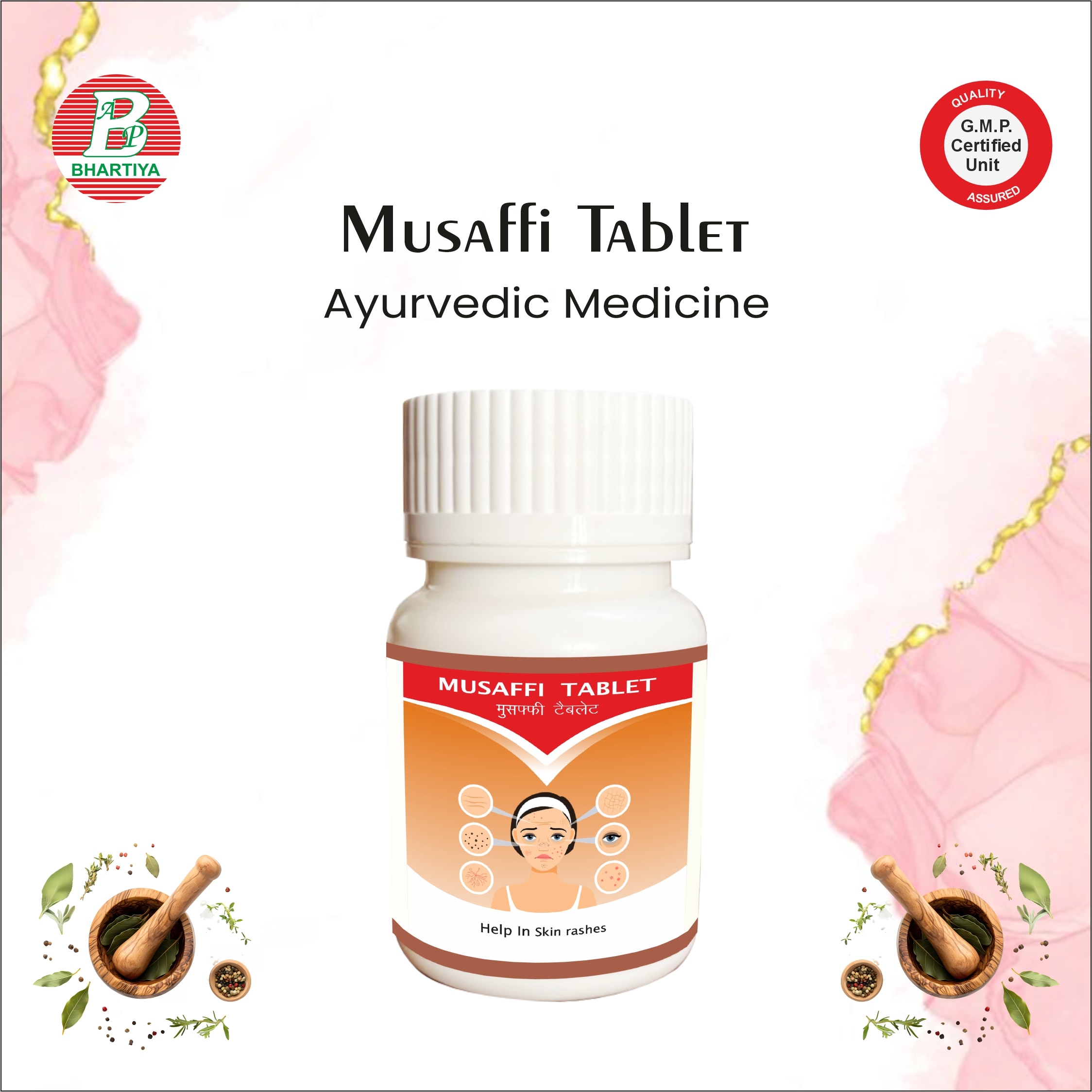
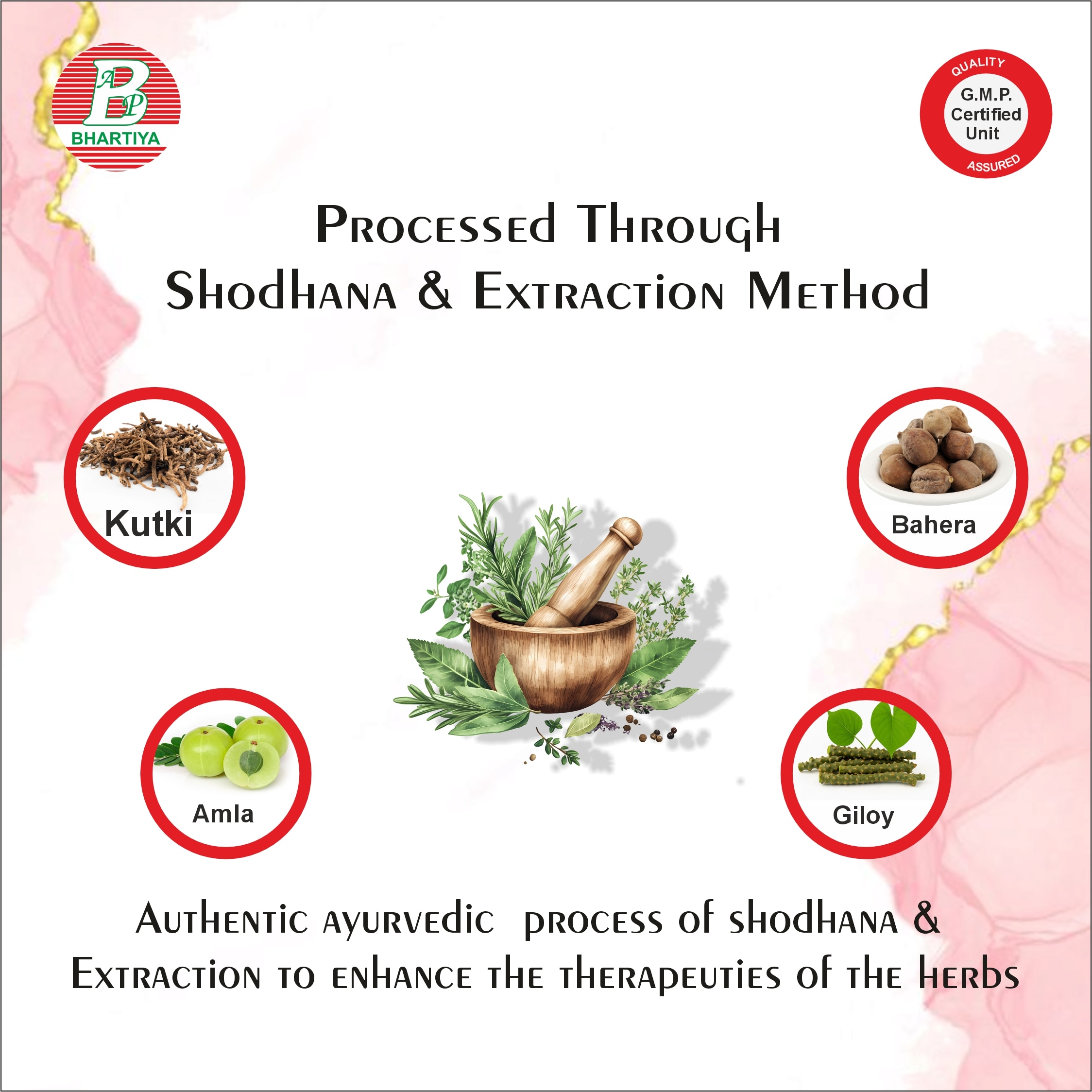
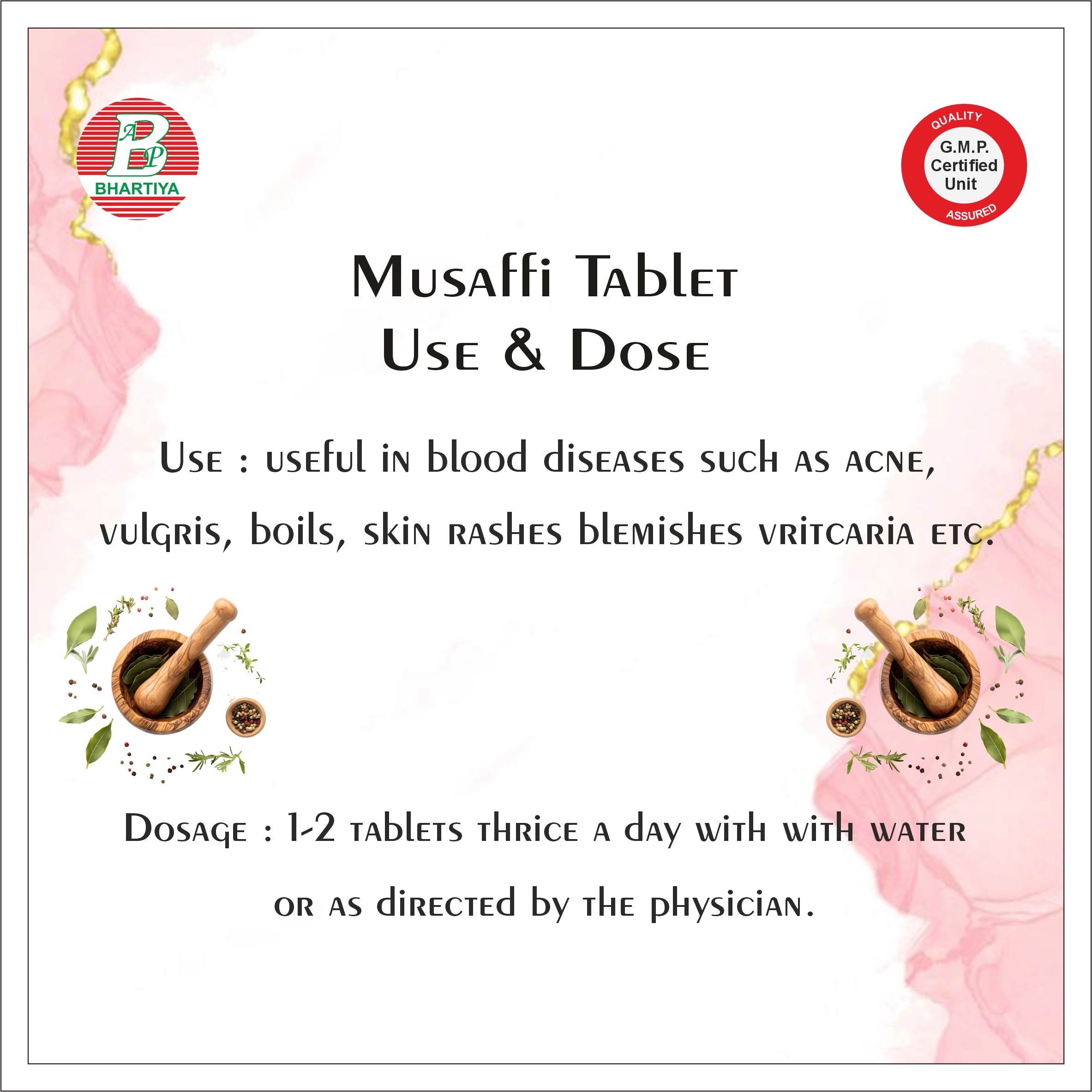
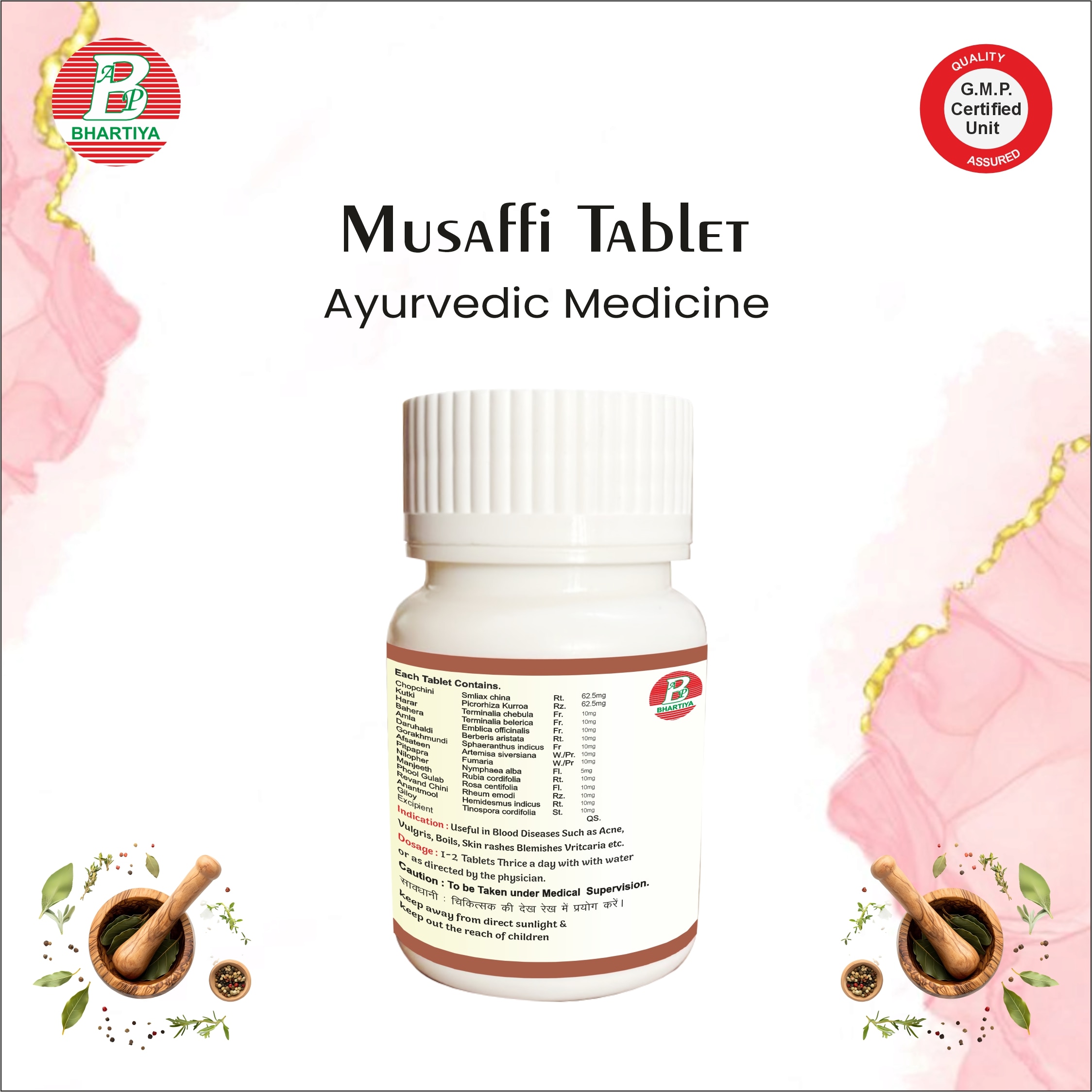
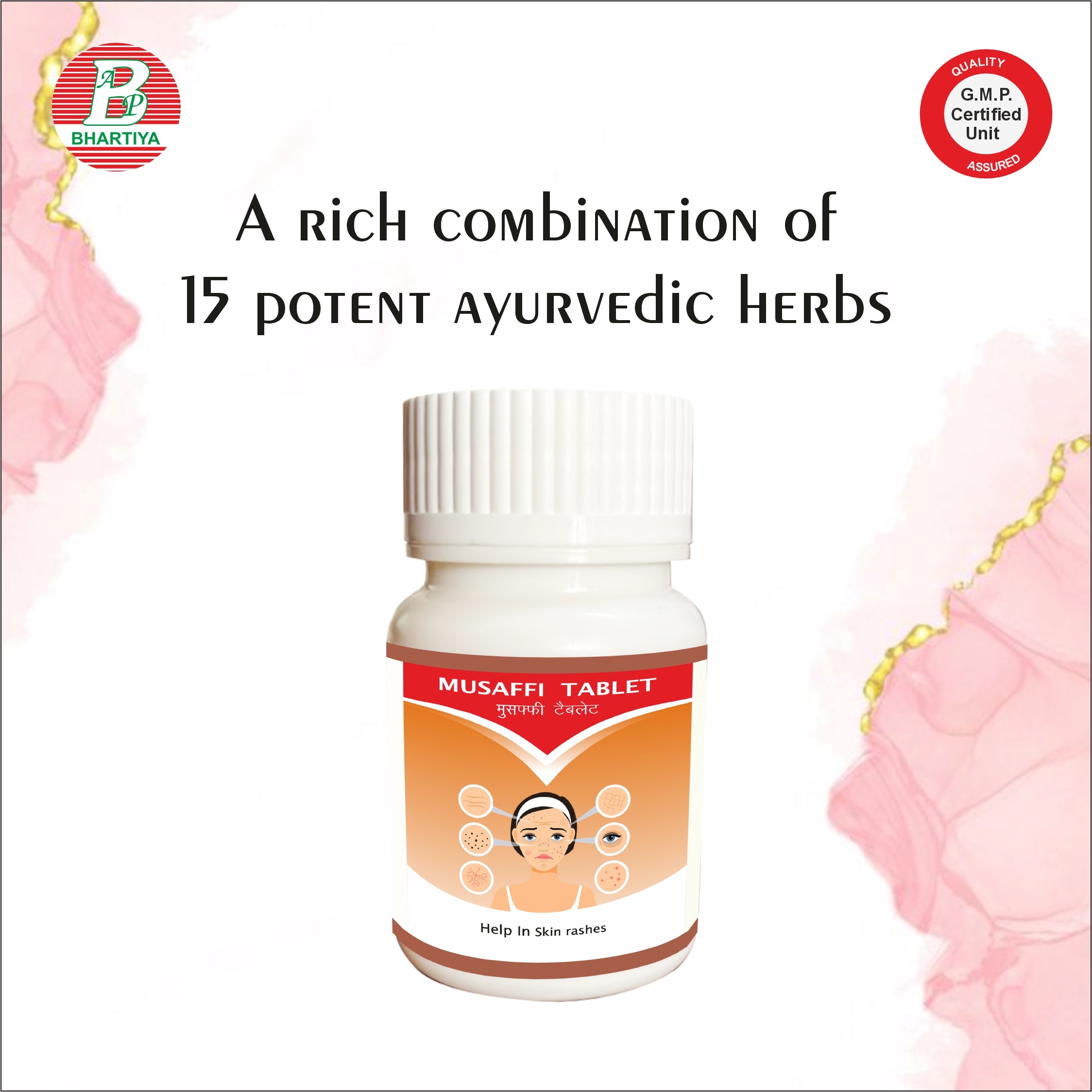
MUSAFFI TABLET Product Identification • Generic Name: Musaffi Tablet • Type: Ayurvedic Patent Medicine • Primary Indication Area: Blood purification, detoxification, and support in blood-related disorders (Rakt Vikar). Therapeutic Indications Musaffi Tablet is used to support blood health by purifying the blood, managing blood disorders (Rakt Vikar), and promoting overall vitality. Key Benefits: Primary Benefit: • Supports blood purification and helps in the management of blood-related disorders by improving the quality of blood. Other Benefits: • Enhances energy and overall vitality. • Supports skin health by improving blood quality. • Promotes general well-being and immunity. CHOBCHINI Botanical / Common Name: Gymnema sylvestre Key Phytoconstituents: • Gymnemic acids • Saponins • Flavonoids • Alkaloids Mechanism of Action in Rakt Vikar (Blood Disorders / Anaemia) – Biochemistry / Pharmacology: 1. Blood Purification & Detoxification o Gymnemic acids and flavonoids exhibit antioxidant properties, reducing oxidative stress on blood cells. o Helps in cleansing the blood by neutralizing free radicals, which supports overall blood health. 2. Hematopoietic Support o Saponins and flavonoids support haemoglobin synthesis and improve red blood cell (RBC) count. o Enhances the quality and quantity of blood, aiding in the management of anaemia and other blood disorders. KUTAKI Botanical / Common Name: Picrorhiza kurroa Key Phytoconstituents: • Picrosides (Picrosides I & II) • Kutkoside • Iridoid glycosides • Flavonoids Mechanism of Action in Rakt Vikar (Blood Disorders / Anaemia) – Biochemistry / Pharmacology: 1. Hepatoprotective & Blood Purification Effects o Picrosides and iridoid glycosides support liver function, enhancing detoxification. o Improved liver function aids in purifying the blood and removing metabolic toxins. 2. Hematopoietic Support o Flavonoids and kutakoside promote RBC production and haemoglobin synthesis. o Helps improve blood quality and manage anaemia associated with blood disorders. HARAD Botanical / Common Name: Terminalia chebula Key Phytoconstituents: • Tannins (chebulinic acid, chebulagic acid) • Flavonoids • Phenolic compounds • Glycosides Mechanism of Action in Rakt Vikar (Blood Disorders / Anaemia) – Biochemistry / Pharmacology: 1. Blood Purification & Detoxification o Tannins and phenolic compounds exhibit antioxidant activity, helping neutralize free radicals in blood. o Supports detoxification and improves overall blood quality. 2. Hematopoietic Support o Promotes RBC formation and haemoglobin synthesis. o Supports management of anaemia and other blood-related disorders. BAHEDA Botanical / Common Name: Terminalia belerica Key Phytoconstituents: • Tannins (gallic acid, ellagic acid) • Flavonoids • Glycosides • Phenolic compounds Mechanism of Action in Rakt Vikar (Blood Disorders / Anaemia) – Biochemistry / Pharmacology: 1. Blood Purification & Detoxification o Tannins and phenolic compounds act as antioxidants, reducing oxidative stress on blood cells. o Supports cleansing of blood and removal of toxins, improving blood quality. 2. Hematopoietic Support o Promotes red blood cell formation and haemoglobin synthesis. o Helps manage anaemia and strengthens overall blood health. AMLA Botanical / Common Name: Phyllanthus emblica Key Phytoconstituents: • Vitamin C (ascorbic acid) • Tannins (gallic acid, ellagic acid) • Flavonoids • Polyphenols Mechanism of Action in Rakt Vikar (Blood Disorders / Anaemia) – Biochemistry / Pharmacology: 1. Antioxidant & Blood Purification o Vitamin C, tannins, and polyphenols reduce oxidative stress on blood cells. o Supports detoxification and improves the quality of blood. 2. Hematopoietic Support o Enhances iron absorption and supports haemoglobin synthesis, aiding in anaemia management. o Improves red blood cell count and overall blood health. DARUHALDI Botanical / Common Name: Berberis aristata Key Phytoconstituents: • Berberine (alkaloid) • Tannins • Flavonoids • Phenolic compounds Mechanism of Action in Rakt Vikar (Blood Disorders / Anaemia) – Biochemistry / Pharmacology: 1. Blood Purification & Detoxification o Berberine and flavonoids act as antioxidants, reducing oxidative stress on blood cells. o Supports liver function and detoxification, indirectly improving blood quality. 2. Hematopoietic Support o Stimulates red blood cell formation and haemoglobin synthesis. o Aids in managing anaemia and other blood disorders. GORAKHMUNDI Botanical / Common Name: Sphaeranthus indicus Key Phytoconstituents: • Sesquiterpene lactones (sphaerantholide) • Flavonoids • Essential oils • Alkaloids Mechanism of Action in Rakt Vikar (Blood Disorders / Anaemia) – Biochemistry / Pharmacology: 1. Blood Purification & Detoxification o Flavonoids and sesquiterpene lactones reduce oxidative stress and help cleanse the blood. o Supports liver and metabolic function, indirectly improving blood quality. 2. Hematopoietic Support o Stimulates red blood cell production and improves haemoglobin levels. o Aids in managing anaemia and related blood disorders. AFSTEEN Botanical / Common Name: Clerodendrum serratum (or related species) Key Phytoconstituents: • Flavonoids • Alkaloids • Phenolic compounds • Triterpenoids Mechanism of Action in Rakt Vikar (Blood Disorders / Anaemia) – Biochemistry / Pharmacology: 1. Blood Purification & Detoxification o Flavonoids and phenolic compounds act as antioxidants, reducing oxidative stress in blood. o Supports liver function and detoxification, enhancing overall blood quality. 2. Hematopoietic Support o Alkaloids and triterpenoids aid in RBC formation and haemoglobin synthesis. o Helps improve blood quality and manage anaemia. PITPAPDA Botanical / Common Name: Fumaria indica Key Phytoconstituents: • Alkaloids (fumarin, protopine) • Flavonoids • Tannins • Phenolic compounds Mechanism of Action in Rakt Vikar (Blood Disorders / Anaemia) – Biochemistry / Pharmacology: 1. Blood Purification & Detoxification o Alkaloids and flavonoids exhibit antioxidant activity, helping to cleanse the blood and reduce oxidative stress on blood cells. o Supports liver function and metabolic detoxification, improving overall blood quality. 2. Hematopoietic Support o Promotes RBC formation and hemoglobin synthesis. o Supports management of anemia and enhances overall blood health. NILOPHER Botanical / Common Name: Nymphaea alba (White Water Lily) Key Phytoconstituents: • Flavonoids • Alkaloids • Tannins • Phenolic compounds Mechanism of Action in Rakt Vikar (Blood Disorders / Anaemia) – Biochemistry / Pharmacology: 1. Blood Purification & Detoxification o Flavonoids and tannins act as antioxidants, reducing oxidative stress on blood cells. o Supports detoxification pathways, enhancing blood quality and overall vitality. 2. Hematopoietic Support o Alkaloids and phenolic compounds promote RBC formation and hemoglobin synthesis. o Helps in managing anemia and improving overall blood health. MANJEETH Botanical / Common Name: Rubia cordifolia Key Phytoconstituents: • Anthraquinones (alizarin, purpurin) • Iridoid glycosides • Flavonoids • Tannins Mechanism of Action in Rakt Vikar (Blood Disorders / Anaemia) – Biochemistry / Pharmacology: 1. Blood Purification & Detoxification o Anthraquinones and flavonoids act as antioxidants, neutralizing free radicals and cleansing the blood. o Supports liver and kidney function, indirectly improving blood quality. 2. Hematopoietic Support o Promotes RBC formation and enhances hemoglobin synthesis. o Helps in managing anemia and other blood-related disorders. GULAB PHOOL Botanical / Common Name: Rosa indica Key Phytoconstituents: • Flavonoids (quercetin, kaempferol) • Tannins • Volatile oils (rose oil) • Phenolic compounds Mechanism of Action in Rakt Vikar (Blood Disorders / Anaemia) – Biochemistry / Pharmacology: 1. Blood Purification & Detoxification o Flavonoids and phenolic compounds act as antioxidants, reducing oxidative stress on blood cells. o Supports detoxification and improves blood quality. 2. Hematopoietic Support o Promotes RBC formation and supports hemoglobin synthesis. o Helps in managing anemia and enhancing overall blood health. REVAND CHINI Botanical / Common Name: Rheum emodi (Himalayan Rhubarb) Key Phytoconstituents: • Anthraquinones (emodin, chrysophanol) • Tannins • Flavonoids • Stilbenes Mechanism of Action in Rakt Vikar (Blood Disorders / Anaemia) – Biochemistry / Pharmacology: 1. Blood Purification & Detoxification o Anthraquinones and flavonoids exhibit antioxidant activity, reducing oxidative stress on blood cells. o Supports detoxification and cleansing of blood, improving overall blood quality. 2. Hematopoietic Support o Promotes RBC formation and hemoglobin synthesis. o Helps manage anemia and supports healthy blood composition. ANANTMOOL Botanical Name: Hemidesmus indicus Common Name: Indian Sarsaparilla Key Phytoconstituents • Saponins • Flavonoids • Tannins • Essential oils Mechanism of Action in Rakt Vikar (Blood Disorders / Anaemia) 1. Blood Purification & Detoxification • Saponins and flavonoids act as powerful antioxidants, reducing oxidative stress and supporting the removal of circulating toxins. • Enhances liver and kidney function, promoting efficient detoxification and improved blood quality. 2. Hematopoietic Support • Supports erythropoiesis (RBC formation) and hemoglobin synthesis. • Helps in managing anemia and contributes to improved overall blood composition. GILOY (Guduchi) Botanical Name: Tinospora cordifolia Family: Menispermaceae Key Phytoconstituents • Alkaloids (berberine, tinosporin, magnoflorine) • Diterpenoid lactones (tinosporide, cordifolide) • Glycosides • Polysaccharides • Phenolics & Flavonoids Mechanism of Action in Rakt Vikar (Blood Disorders / Anaemia) 1. Blood Purification & Detoxification • Potent antioxidant and free-radical scavenging action from phenolics and flavonoids. • Enhances hepatic detoxification enzymes, supporting liver-based blood purification. • Reduces circulating toxins (ama) and improves blood quality. 2. Hematopoietic Support • Stimulates bone marrow activity, increasing RBC and WBC production. • Improves hemoglobin synthesis and overall blood profile. • Beneficial in mild to moderate anemia due to its Rasayana (rejuvenative) effect. Dosage: Dose per Intake: 1–2 tablets Frequency: Twice a day (morning and evening) Total Daily Dose: 2–4 tablets per day Anupan (Vehicle / Medium): • Preferred: Take with water • Timing: Preferably after meals to reduce gastric irritation Precautions: • Do not exceed the prescribed dose • Monitor for any side effects Consult an Ayurvedic Practitioner Before Use in: • Children • Elderly • Individuals with chronic illnesses musaffi tablets, musaffi khoon tablet, musaffi khoon tablet uses musaffi tablet amazon, musaffi tablet amazon india musaffi tablet available in delhi, musaffi tablet available in india musaffi tablet ajeeb uses in hindi, musaffi tablet benefits musaffi tablet benefits in hindi, musaffi tablet buy online musaffi tablet buy, musaffi tablet composition, musaffi tablet company musaffi tablet content, musaffi tablet cost, musaffi tablet company name musaffi tablet download, musaffi tablet dosage, musaffi tablet dose musaffi tablet english, musaffi tablet expiry date, musaffi tablet export musaffi tablet flipkart, musaffi tablet free download, musaffi tablet fayde in hindi musaffi tablet gold, musaffi tablet good, musaffi tablet google, musaffi tablet in india musaffi tablet in hindi, musaffi tablet in english, musaffi tablet jiomart musaffi tablet login, musaffi tablet list pdf, musaffi tablet life science musaffi tablet manufacturer, musaffi tablet meaning, musaffi tablet manufacturers in india musaffi tablet manufacturing company, musaffi tablet medicine musaffi tablet name, musaffi tablet near me, musaffi tablet nutrition musaffi tablet name in india, musaffi tablet online, musaffi tablet online shopping musaffi tablet online order, musaffi tablet price, musaffi tablet price in india musaffi tablet qatar, musaffi tablet q10, musaffi tablet quality musaffi tablet review, musaffi tablet review in hindi, musaffi tablet rate musaffi tablet recipe, musaffi tablet tablet, musaffi tablet tab musaffi tablet weight loss, musaffi tablet zamzam, ayurvedic musaffi syrup