

Description
Product details
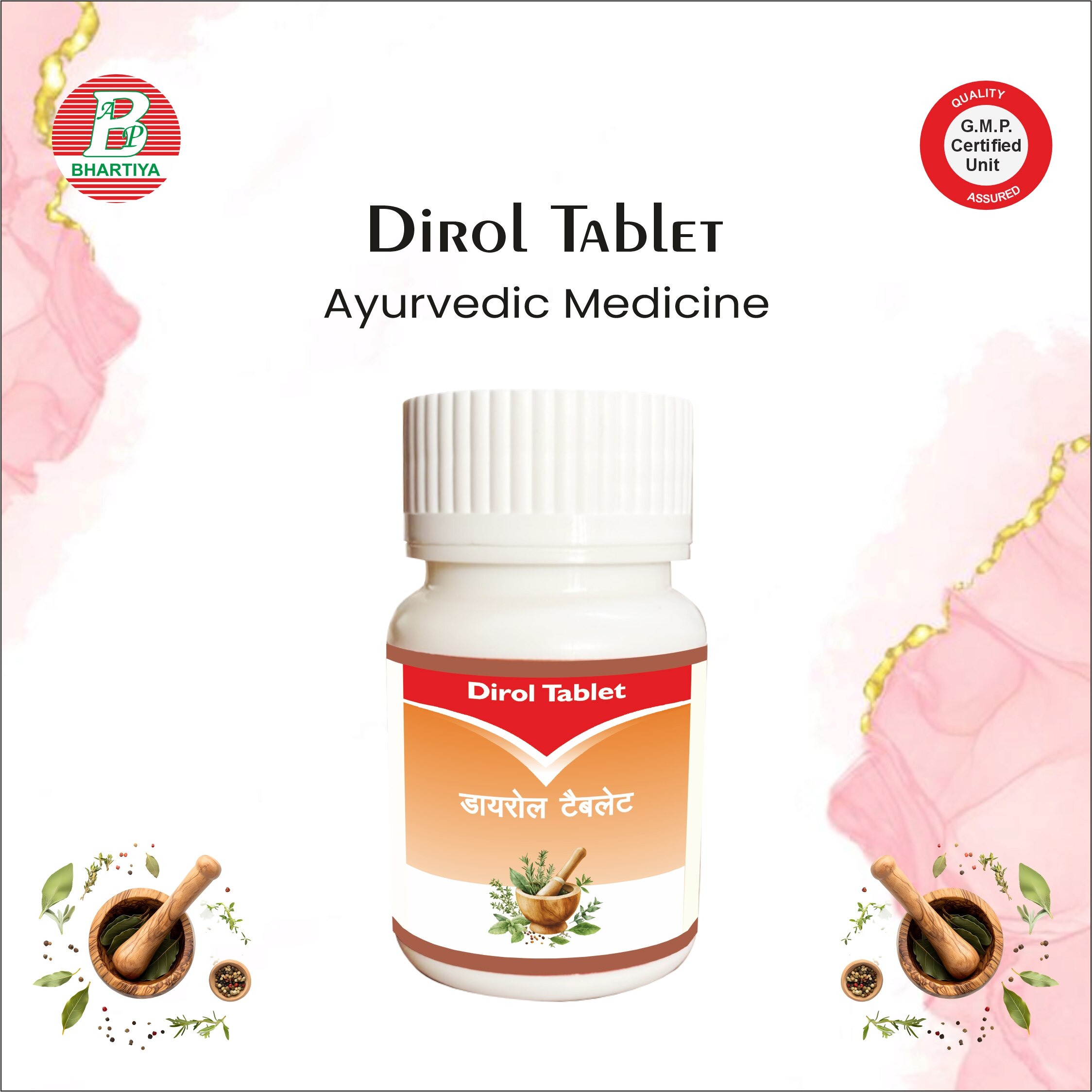
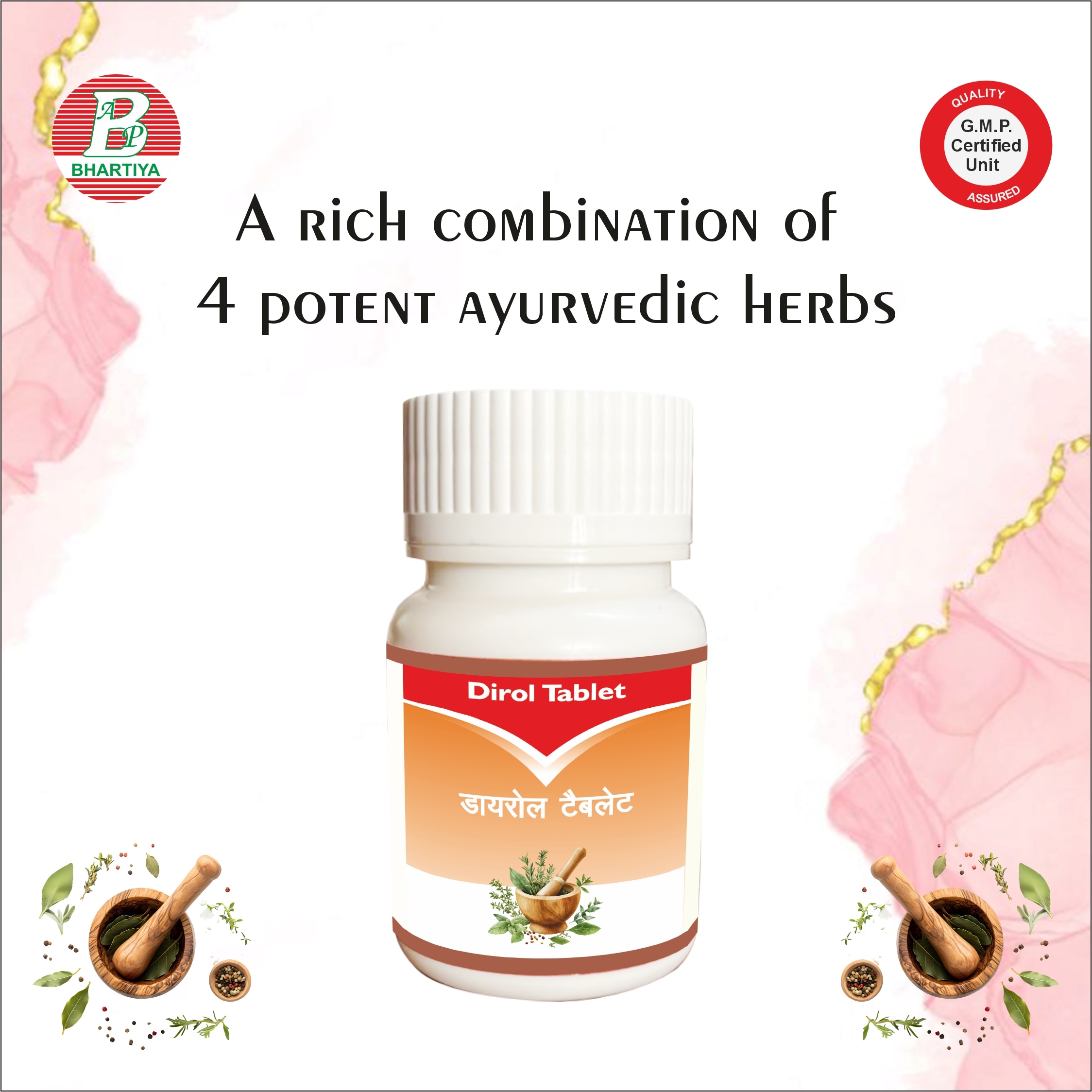
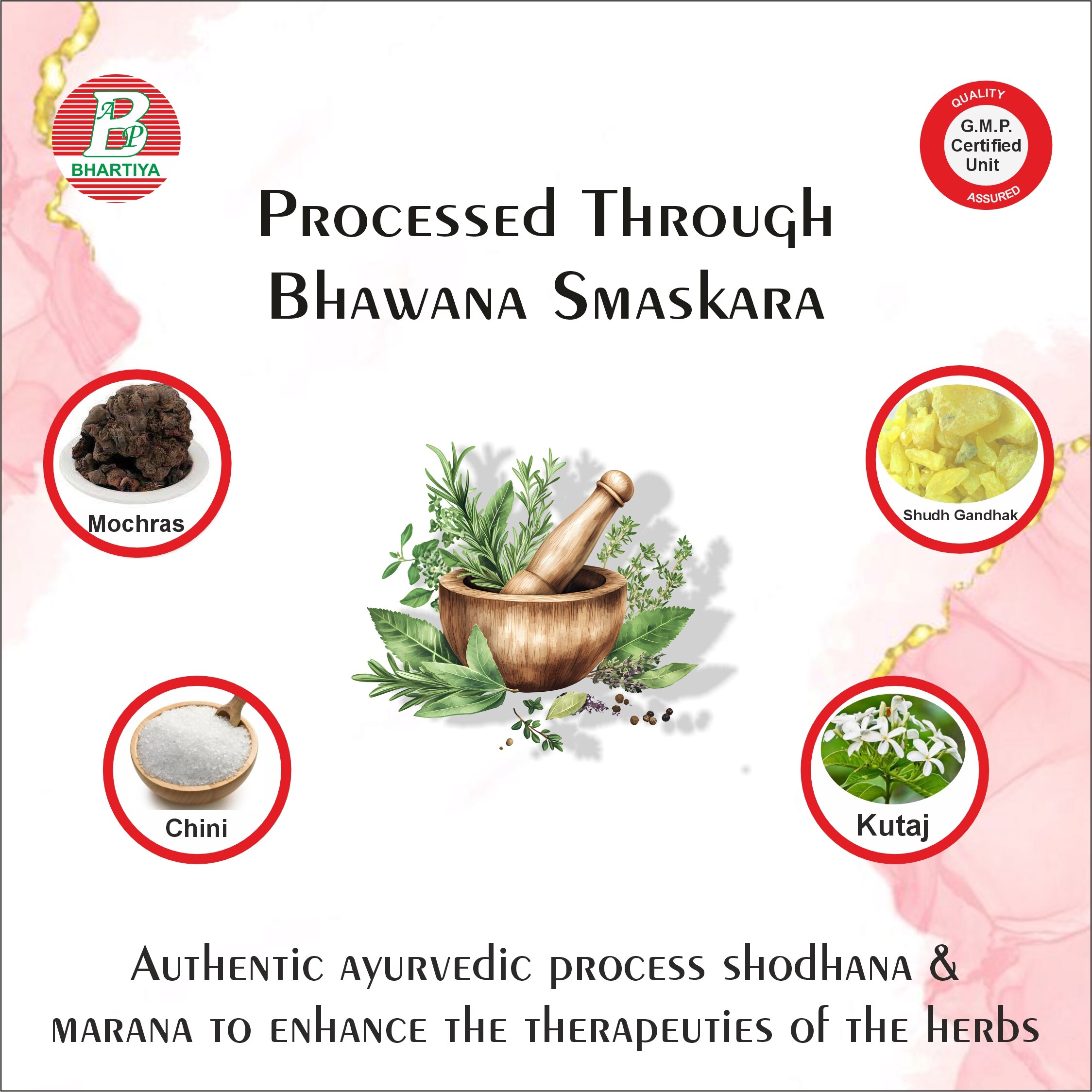
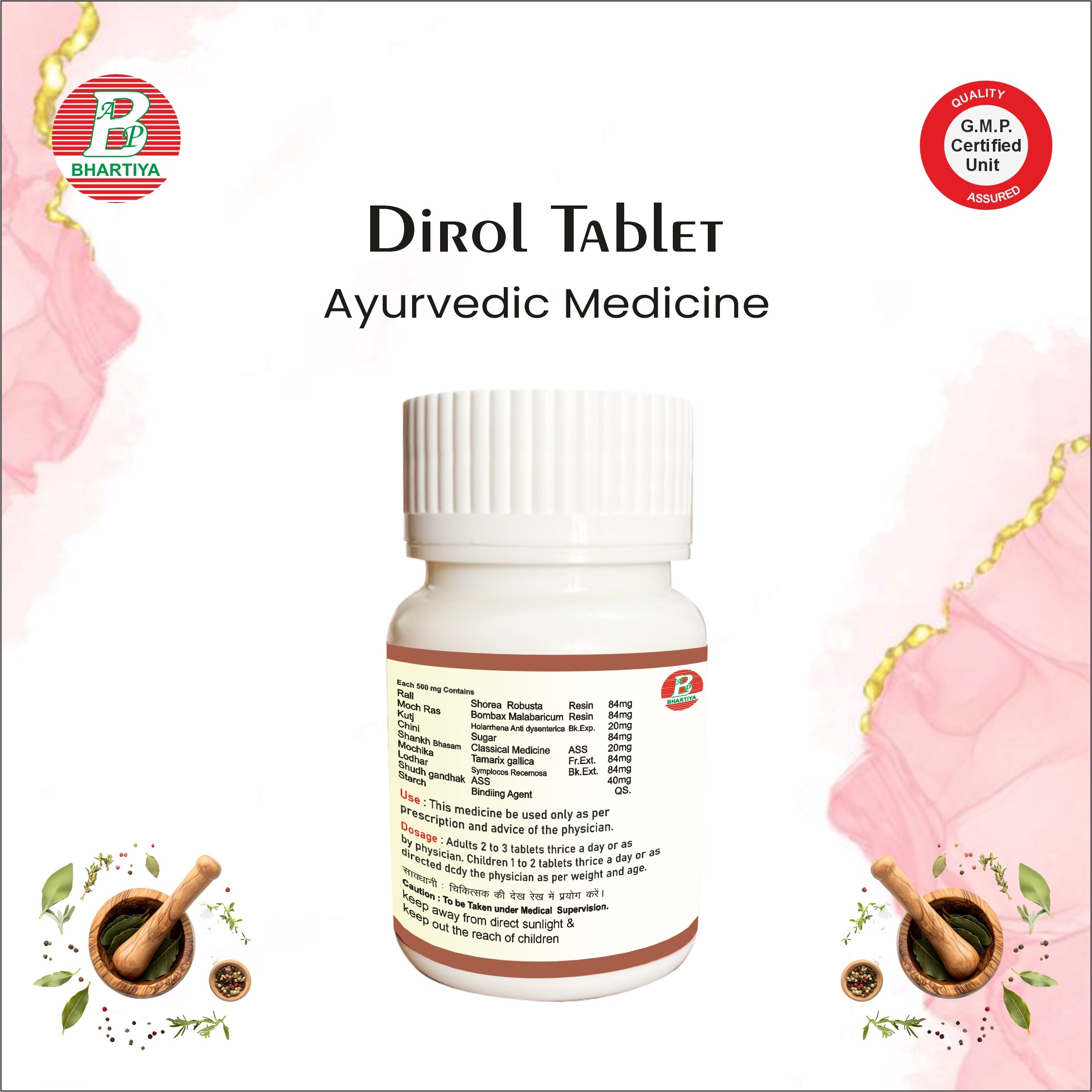
DIROL TABLET Product Identification • Generic Name: Dirol Tablet • Type: Ayurvedic Patent Medicine • Primary Indication Area: Treatment of diarrhoea and amoebic infections of the intestines. Therapeutic Indications: • Acute and chronic amoebiasis • Amoebic dysentery • Amoebic liver abscess • Diarrhoea of various causes . Primary Benefit: • The primary benefit of Dirol Tablet is relief from diarrhoea and intestinal amoebic infections, helping restore normal bowel function and reduce abdominal discomfort. Other Benefits: 1. Reduces abdominal cramps and pain o Diarrhoea and amoebic infections often cause cramping, bloating, and spasms in the gut. Diarrol helps relax the gut muscles and reduces irritation, easing pain. 2. Controls excessive bowel movements o Frequent, watery stools can lead to fatigue and weakness. By improving stool consistency, Diarrol reduces the number of bowel movements, making daily activities easier. 3. Supports recovery from dehydration o Diarrhoea causes loss of fluids and electrolytes. By reducing stool frequency and severity, Diarrol indirectly helps the body maintain hydration and prevents complications like weakness or dizziness. 4. Prevents complications of amoebic infections o Untreated amoebiasis can spread to the liver, causing abscesses, or worsen intestinal inflammation. Early use of Diarrol can help manage the infection and reduce the risk of these complications. 5. Improves overall digestive comfort o By controlling infection and reducing irritation in the gut, it helps improve appetite, digestion, and general well-being during recovery. SHOREA ROBUSTA (Sal Tree) Botanical / Common Name: Shorea robusta / Sal Tree Key Phytoconstituents: • Tannins • Resins • Flavonoids • Phenolic compounds • Sterols Mechanism of Action in GIT / Diarrhoea / Constipation – Biochemistry / Pharmacology: 1. Astringent / Anti-Diarrhoeal Effect o Tannins precipitate proteins in the intestinal mucosa. o Reduces intestinal secretions and controls watery stools. o Helps in acute and chronic diarrhoea. 2. Anti-inflammatory Effects on Gut Mucosa o Flavonoids and phenolic compounds reduce inflammation in intestinal lining. o Relieves irritation, bloating, and abdominal discomfort associated with diarrhoea. 3. Antimicrobial / Gut Protective Properties o Resins and phenolic compounds inhibit growth of pathogenic gut bacteria. o Helps restore healthy gut flora and prevents secondary infections. 4. Digestive Stimulant / Carminative Action o Some phytochemicals enhance digestive enzyme secretion. o Improves digestion and absorption, preventing accumulation of undigested food. 5. Antioxidant Protection o Phenolic compounds scavenge free radicals in gut tissues. o Maintains gut mucosa integrity and supports healing of minor lesions. MOCHRAS Botanical / Common Name: Bombax malabaricum / Silk Cotton Tree Key Phytoconstituents: • Flavonoids • Tannins • Saponins • Polysaccharides • Sterols Mechanism of Action in GIT / Constipation / Diarrhoea – Biochemistry / Pharmacology: 1. Mild Laxative Effect o Saponins and polysaccharides stimulate intestinal motility. o Increases water retention in stools, easing passage and reducing straining. 2. Digestive Stimulant / Carminative Action o Flavonoids enhance secretion of digestive enzymes. o Improves digestion and absorption, preventing accumulation of undigested food. 3. Anti-inflammatory Effects on Gut Mucosa o Tannins and flavonoids reduce intestinal inflammation. o Relieves abdominal discomfort, bloating, and irritation associated with constipation or mild diarrhoea. 4. Antioxidant Protection o Phenolic compounds scavenge free radicals in gut tissues. o Supports gut mucosa integrity and healing of minor irritation or lesions. 5. Gut Microbiota Modulation o Polyphenols may support growth of beneficial gut bacteria. o Helps maintain regular bowel habits and overall gastrointestinal health. KUTAJ (Holarrhena antidysenterica) Botanical / Common Name: Holarrhena antidysenterica / Kutaja Key Phytoconstituents: • Alkaloids (Conessine, Conessimine) • Tannins • Flavonoids • Sterols Mechanism of Action in GIT / Diarrhoea / Amoebiasis – Biochemistry / Pharmacology: 1. Anti-Diarrhoeal / Astringent Effect o Alkaloids and tannins reduce intestinal secretions. o Helps control loose stools and acute diarrhoea. 2. Anti-Amoebic / Antiprotozoal Action o Conessine exhibits activity against Entamoeba histolytica. o Interferes with protozoal metabolism, reducing infection load. 3. Anti-inflammatory Effects o Flavonoids and tannins reduce inflammation in the intestinal mucosa. o Alleviates abdominal pain, cramps, and irritation during diarrhoea. 4. Gut Protective / Mucosal Healing o Phenolic compounds and sterols support intestinal mucosa integrity. o Helps heal minor lesions caused by infection or inflammation. 5. Antimicrobial / Gut Flora Modulation o Alkaloids and phenolics inhibit growth of pathogenic gut bacteria. o Promotes balance of beneficial gut microbiota . HARITAKI Botanical / Common Name: Terminalia chebula Key Phytoconstituents: • Tannins • Anthraquinones • Glycosides • Flavonoids Mechanism of Action in GIT / Constipation – Biochemistry / Pharmacology: 1. Natural Laxative / Purgative Effect o Anthraquinones stimulate peristalsis in the colon. o Promotes regular bowel movements and eases passage of stools. 2. Stool Softening & Lubrication o Glycosides and tannins increase water retention in stools. o Reduces straining and prevents constipation-related discomfort. 3. Digestive Stimulant o Flavonoids enhance secretion of digestive enzymes. o Improves digestion and assimilation of nutrients. 4. Anti-inflammatory & Gut Soothing Effects o Tannins and flavonoids reduce irritation in the intestinal mucosa. o Relieves abdominal discomfort, bloating, and mild gut inflammation. 5. Antimicrobial & Gut Protective Effects o Tannins inhibit growth of pathogenic gut bacteria. o Maintains healthy gut microbiota, reducing risk of infections. 6. Antioxidant Action o Phenolic compounds and flavonoids scavenge free radicals. o Protects gut lining from oxidative damage and supports tissue repair. CHINI (Saccharum officinarum) Botanical / Common Name: Saccharum officinarum / Sugarcane Sugar Key Phytoconstituents: • Sucrose (main sugar) • Glucose and Fructose • Minor phenolic compounds • Minerals (Calcium, Potassium, Magnesium) Mechanism of Action in GIT / Digestion – Biochemistry / Pharmacology: 1. Mild Digestive Stimulant o Sugar acts as an energy source for gut cells. o Supports metabolic activity and may improve mild digestive sluggishness. 2. Soothing / Protective Action o Can provide a mild osmotic effect in the gut when used in herbal syrups. o Helps coat mucosa and reduce minor irritation in the stomach/intestines. 3. Gut Microbiota Modulation o Small amounts may provide substrate for beneficial gut bacteria. o Supports healthy gut flora balance (in moderation). 4. Mild Anti-inflammatory / Demulcent Effect o Used in combination with herbs in classical formulations to reduce gut irritation. 5. Symptomatic Relief Support o Helps improve taste, palatability, and acceptance of herbal preparations. o Indirectly supports compliance and consistent use of anti-diarrhoeal or digestive herbs. SANKH BHASMA Botanical / Common Name: Prepared calcined conch shell / Calcium carbonate (Ayurvedic formulation) Key Phytoconstituents / Chemical Composition: • Calcium carbonate (CaCO₃) – main component • Trace minerals depending on preparation (Magnesium, Iron, etc.) Mechanism of Action in GIT / Digestion / Constipation – Biochemistry / Pharmacology: 1. Antacid / Acid Neutralizer o Calcium carbonate reacts with gastric acid to form calcium chloride, carbon dioxide, and water. o Helps neutralize excess stomach acid and relieve acidity or heartburn. 2. Mild Constipation Relief / Digestive Support o Provides calcium ions that may mildly stimulate intestinal activity. o Helps soften stools in certain formulations when combined with other herbs. 3. Gut Protective / Mucosal Support o Forms a protective coating over the gut lining. o Reduces irritation from acidity or mild inflammation. 4. Alkalinizing Effect o Increases systemic and gut alkalinity, which can improve digestive enzyme activity. o Supports overall digestive function. 5. Symptomatic Relief in Dyspepsia / Gastric Disorders o Reduces bloating, acidity, and minor abdominal discomfort. o Often combined with herbal formulations for enhanced gut healing and comfort. TAMARIX GALICA Botanical / Common Name: Tamarix gallica / French Tamarisk Key Phytoconstituents: • Tannins • Flavonoids • Gallic acid • Saponins • Phenolic compounds Mechanism of Action in GIT / Diarrhoea / Constipation – Biochemistry / Pharmacology: 1. Astringent / Anti-Diarrhoeal Effect o Tannins and gallic acid precipitate proteins in the intestinal mucosa. o Reduces intestinal secretions, controlling loose stools. 2. Anti-inflammatory Effects on Gut Mucosa o Flavonoids and phenolic compounds reduce inflammation in intestinal lining. o Relieves abdominal discomfort, irritation, and bloating associated with diarrhoea. 3. Mild Laxative / Digestive Support (optional) o Saponins may slightly stimulate intestinal motility, supporting regular bowel habits if constipation is present after infection. 4. Antimicrobial / Gut Protective Properties o Tannins and phenolic compounds inhibit pathogenic gut bacteria. o Helps maintain healthy gut microbiota and prevents secondary infections. 5. Antioxidant Protection o Phenolic compounds scavenge free radicals in gut tissues. o Supports healing of intestinal mucosa and overall gut health. LODHRA (Symplocos racemosa) Botanical / Common Name: Symplocos racemosa / Lodhra Key Phytoconstituents: • Tannins (Symplocin, Racemosol) • Flavonoids • Glycosides • Sterols Mechanism of Action in GIT / Diarrhoea / Dysentery – Biochemistry / Pharmacology: 1. Anti-Diarrhoeal / Astringent Effect o Tannins precipitate proteins in the intestinal mucosa. o Reduces excess intestinal secretions, controlling loose stools. 2. Anti-inflammatory Effects on Gut Mucosa o Flavonoids and tannins reduce intestinal inflammation. o Relieves abdominal cramps, irritation, and bloating associated with diarrhoea. 3. Antimicrobial / Gut Protective Properties o Tannins and phenolic compounds inhibit growth of pathogenic gut bacteria. o Supports healthy gut microbiota and prevents secondary infections. 4. Digestive Stimulant / Carminative Effect o Glycosides and flavonoids enhance digestive enzyme activity. o Improves digestion, preventing accumulation of undigested food and gas formation. 5. Antioxidant Protection o Phenolic compounds scavenge free radicals in gut tissues. o Supports mucosal healing and maintains overall gastrointestinal health. SHUDH GANDHAK Botanical / Common Name: Purified Sulfur / Shuddha Gandhak Key Phytoconstituents / Chemical Composition: • Sulfur (S₈) – main component • Trace minerals depending on purification Mechanism of Action in GIT / Digestion / Anti-Microbial – Biochemistry / Pharmacology: 1. Anti-Microbial / Gut Protective Effect o Sulfur has bactericidal and fungicidal properties. o Helps reduce pathogenic gut bacteria, supporting intestinal health. 2. Detoxifying Action o Promotes metabolic detoxification, aiding in the removal of toxins from the gut and body. o Supports liver and gastrointestinal function indirectly. 3. Mild Anti-inflammatory Effects o Reduces gut inflammation caused by infection or irritation. o Helps relieve abdominal discomfort and bloating. 4. Gut Motility and Digestive Support o Stimulates digestive enzyme activity mildly, aiding digestion and nutrient absorption. o May support regular bowel movements when combined with other herbs. 5. Support of Gut Mucosa Healing o Helps maintain intestinal lining integrity. o Assists in healing minor lesions or irritation in the digestive tract. Dosage: • Adults: 2–3 tablets, thrice a day after meals • Children: 1–2 tablets, thrice a day after meals • With water: Swallow tablets with plain water. • Optional: Can be taken with warm milk if preferred or recommended by the physician. • Timing: After meals, preferably at night before bedtime for best effect on gut motility and digestion. Precautions • Do not exceed the prescribed dose. • Consult a doctor before use in: o Children o Elderly o Patients with chronic illnesses (liver, kidney, or heart conditions) • Maintain adequate hydration and a fibre-rich diet for optimal results. • Use as part of a comprehensive management plan for piles, hemorrhoids, diarrhoea, or other gut-related issues. • Report any adverse reactions (e.g., nausea, abdominal discomfort, allergy) to a doctor immediately. dirol tablet uses, diarol tablet, dirol tablet amazon dirol tablet ad, dirol tablet amazon india dirol tablet all, dirol tablet benefits dirol tablet buy, dirol tablet buy online dirol tablet composition, dirol tablet company dirol tablet content, dirol tablet dose dirol tablet extra, dirol tablet full form dirol tablet for, dirol tablet for sale dirol tablet for skin, dirol tablet gst rate dirol tablet gold, dirol tablet gst number dirol tablet gst, dirol tablet gum dirol tablet hindi, dirol tablet hsn code dirol tablet hd, dirol tablet how to use dirol tablet hs code, dirol tablet indiamart dirol tablet image, dirol tablet india dirol tablet in hindi, dirol tablet japan dirol tablet jiomart, dirol tablet joint dirol tablet jio, dirol tablet kis kaam aati hai dirol tablet kya kam karta hai, dirol tablet kya hai dirol tablet list, dirol tablet login dirol tablet logo, dirol tablet label dirol tablet manufacturer, dirol tablet manufacturers in india dirol tablet mrp, dirol tablet name, dirol tablet number dirol tablet new, dirol tablet nutrition dirol tablet online shopping, dirol tablet online dirol tablet online order, dirol tablet price dirol tablet price in india, dirol tablet qatar dirol tablet quality, dirol tablet quantity dirol tablet q10, dirol tablet review dirol tablet rate, dirol tablet tab diarol 500 tablet uses in hindi, dirol tablet vitamin dirol tablet wholesale, dirol tablet wholesale price dirol tablet xtra