

Description
Product details
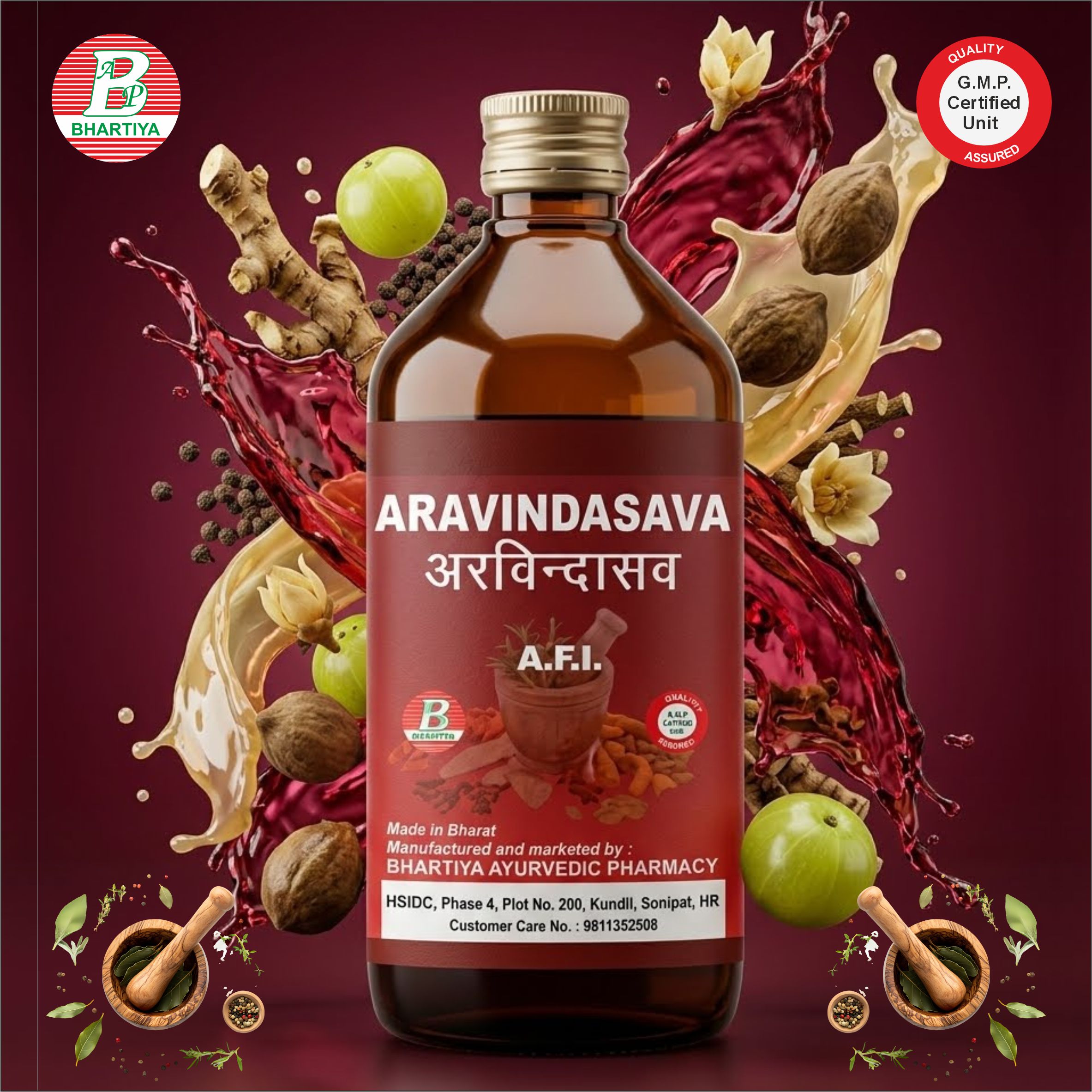
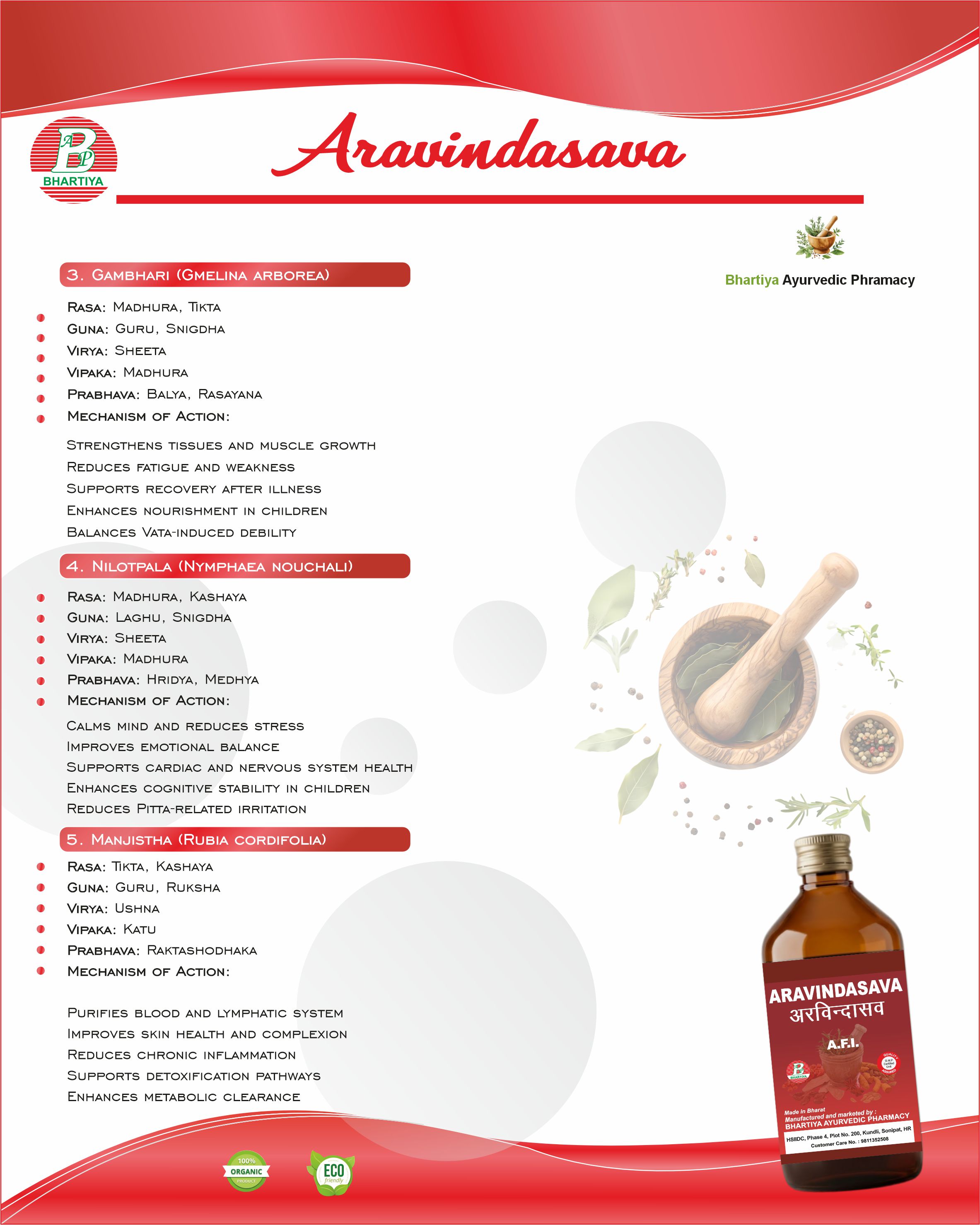
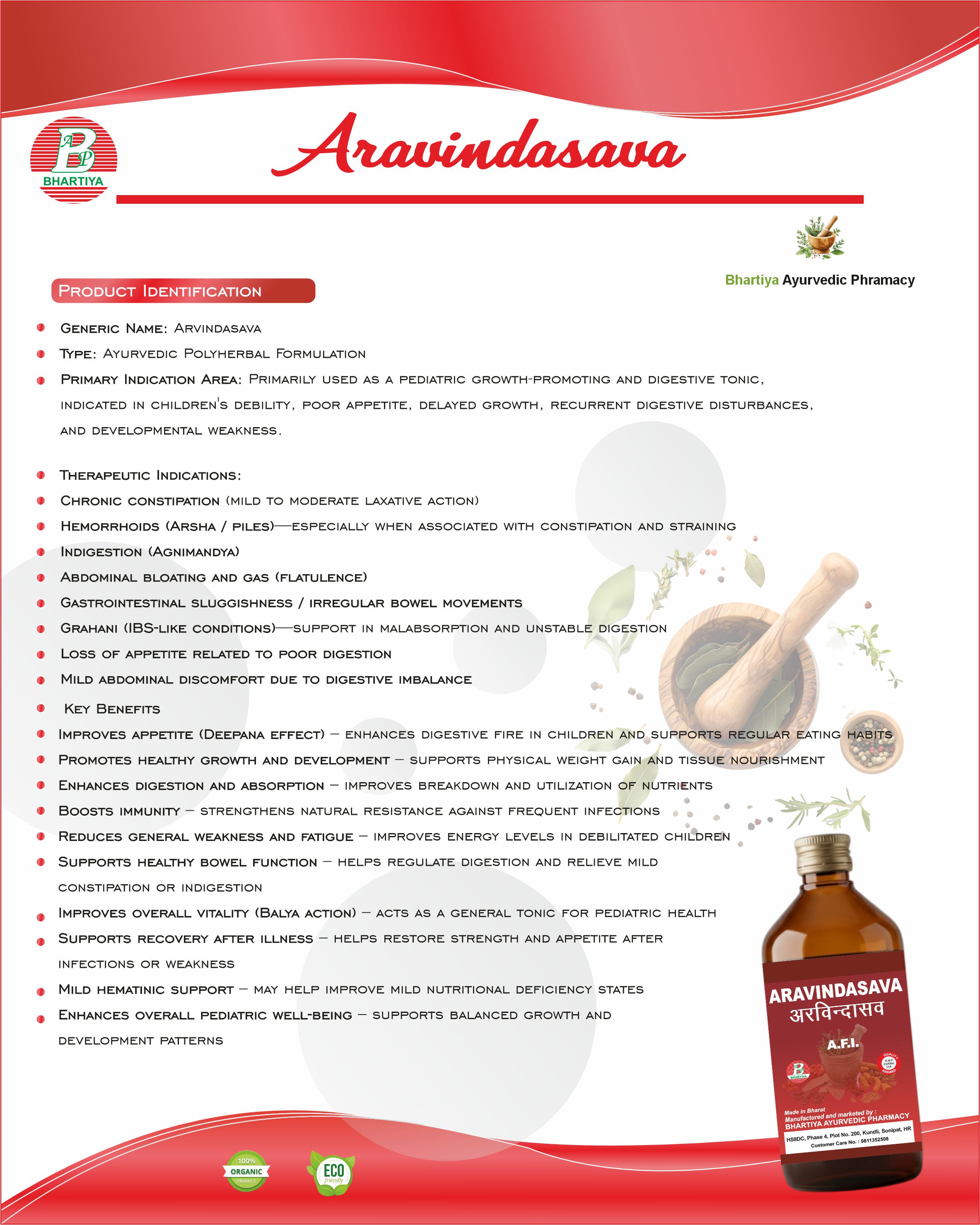
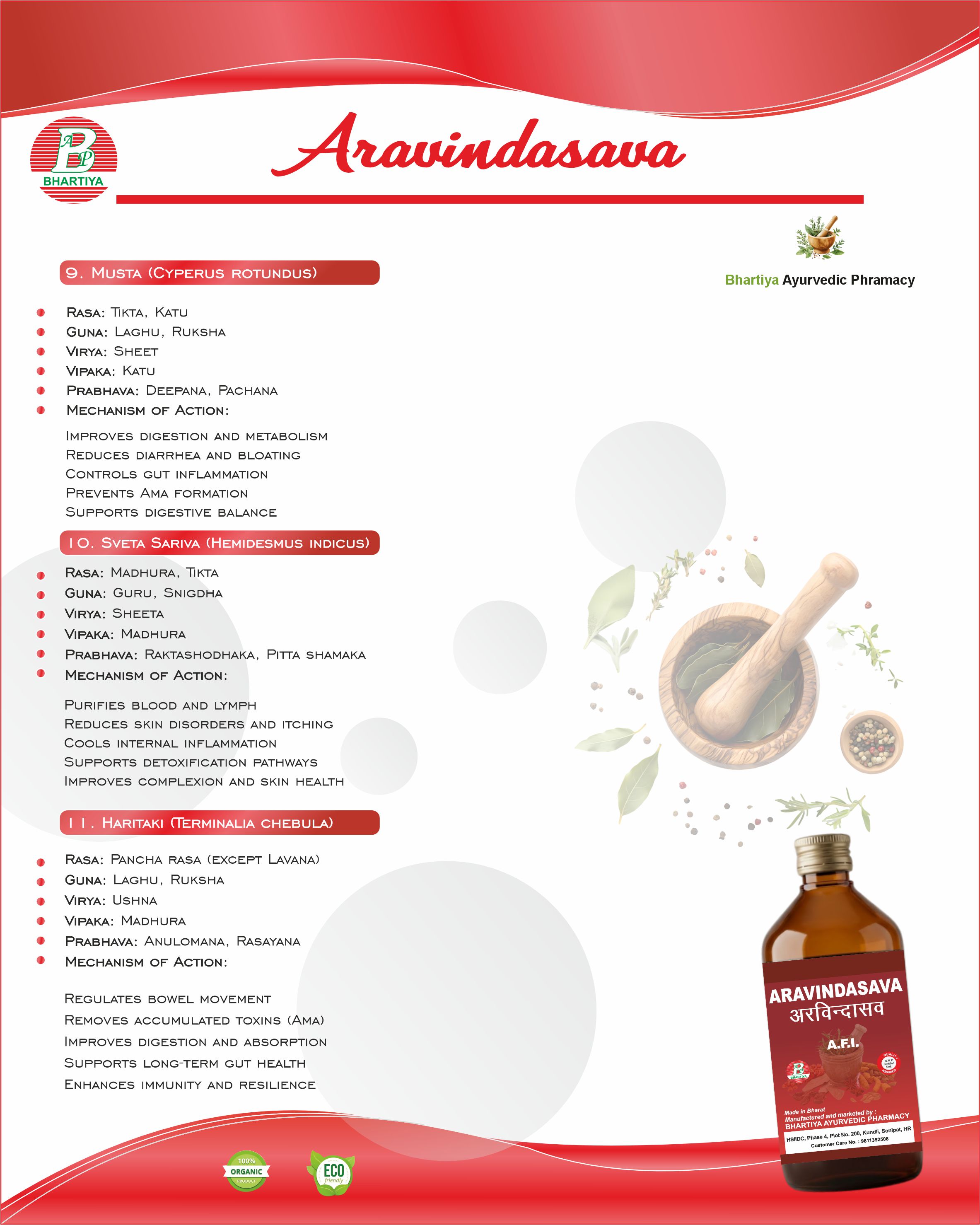
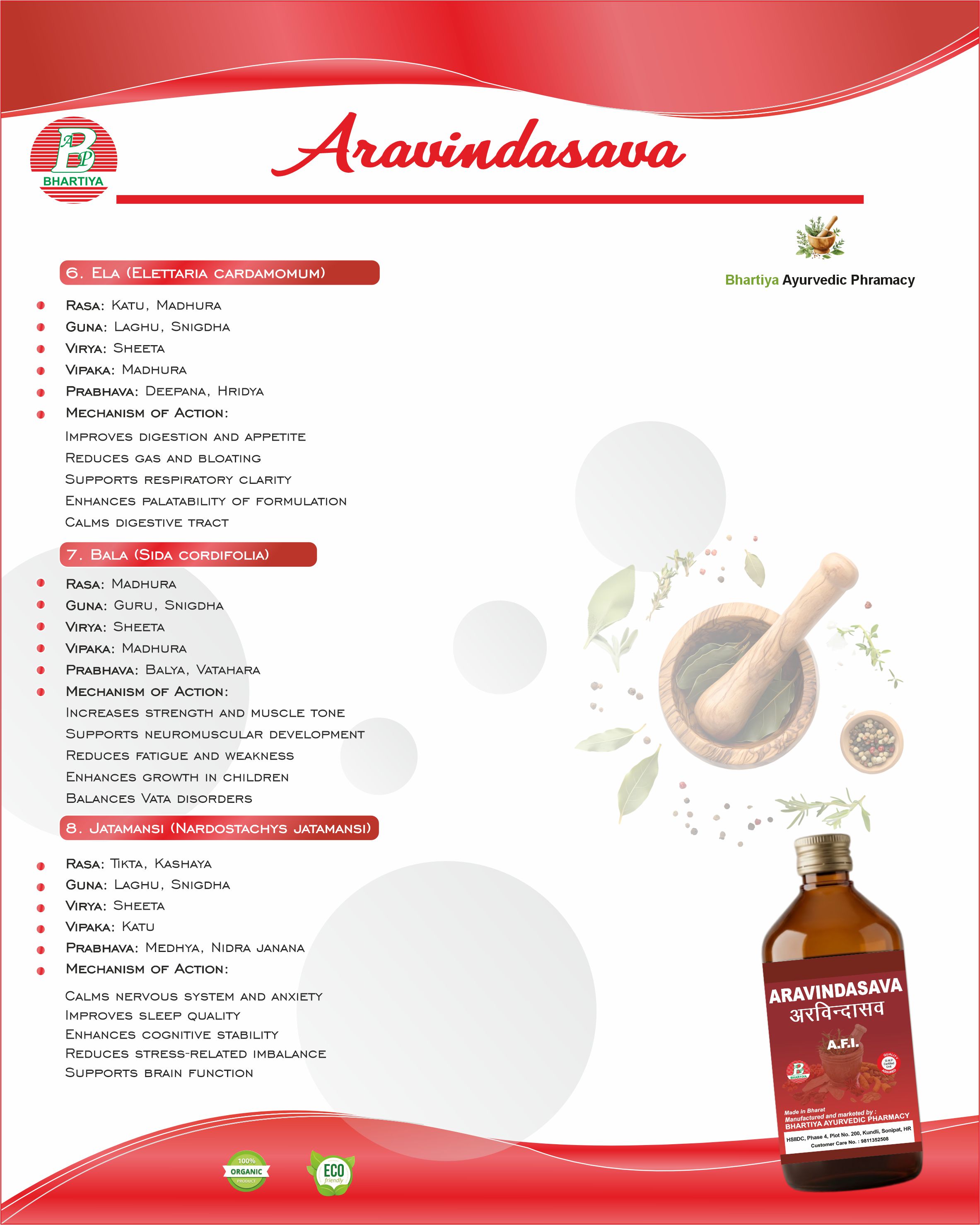
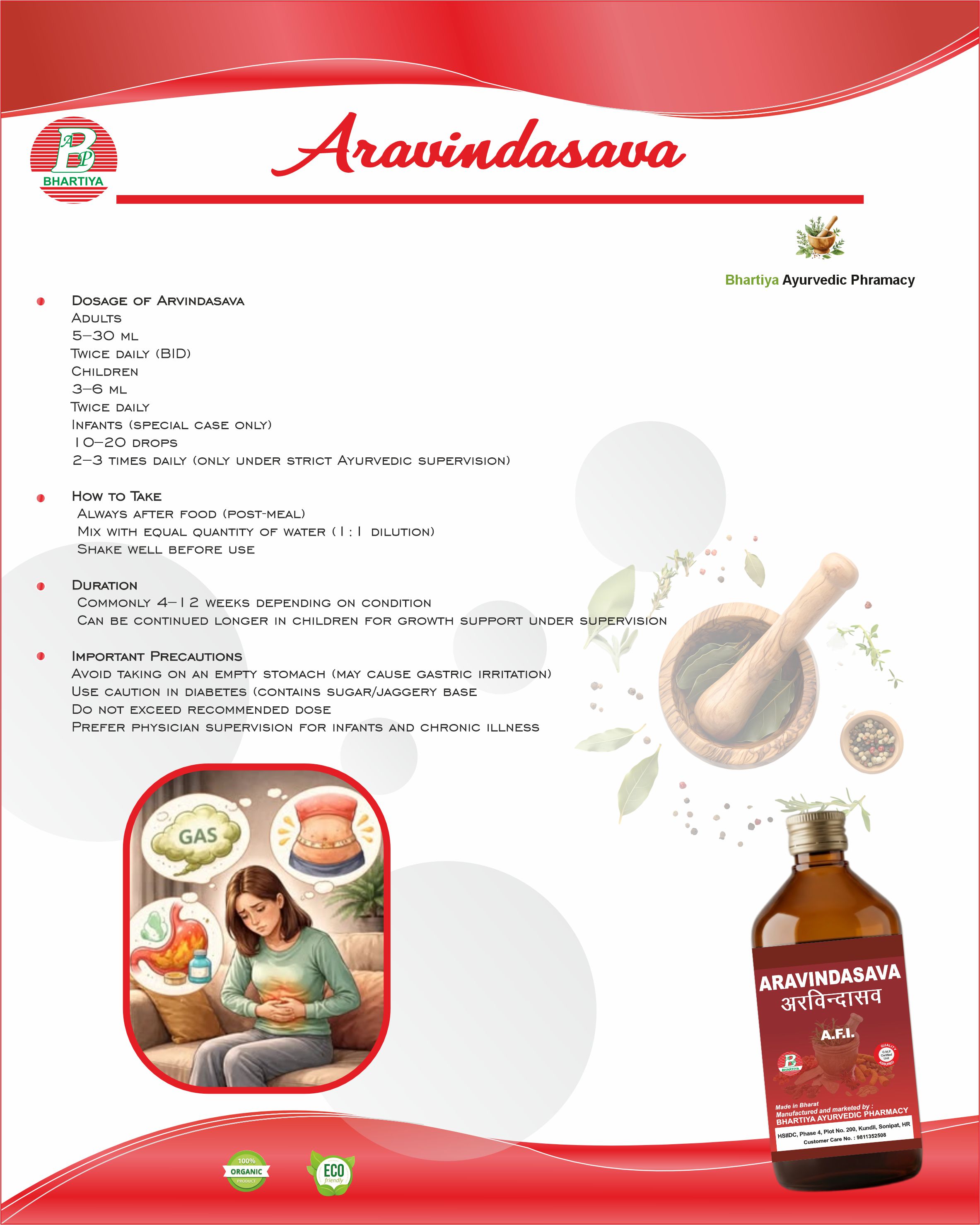
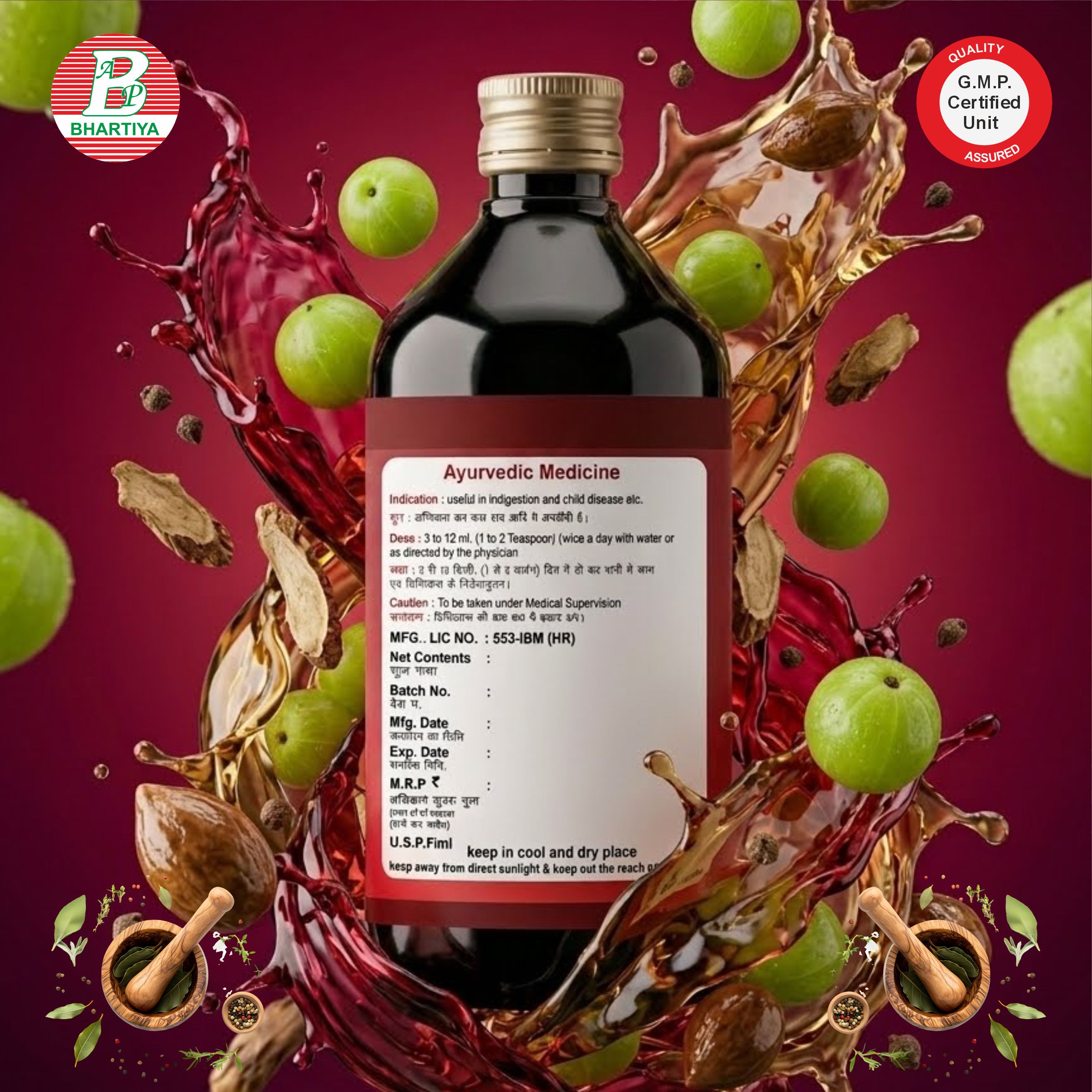
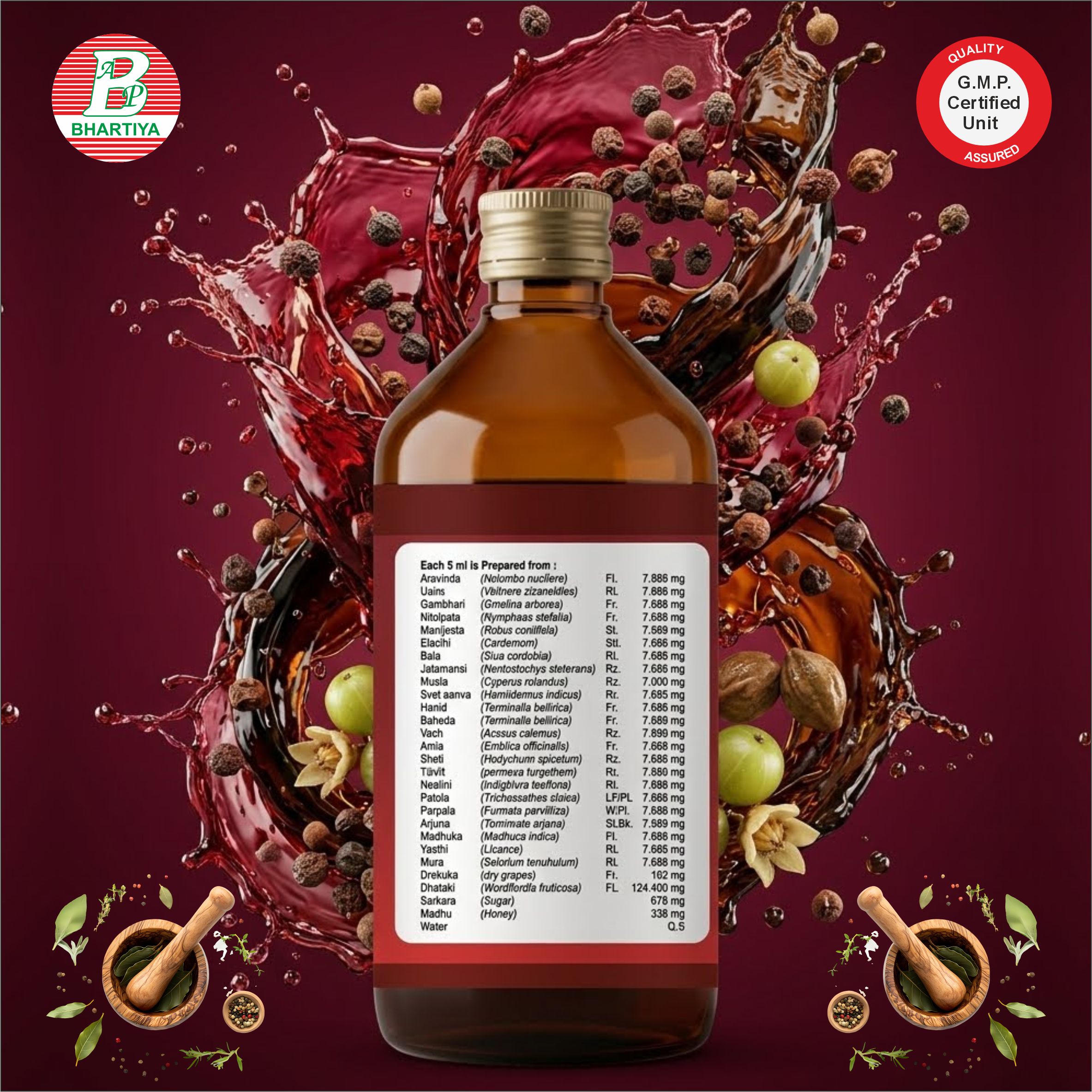
ARVINDASAVA Product Identification Generic Name: Arvindasava Type: Ayurvedic Polyherbal Formulation Primary Indication Area: Primarily used as a pediatric growth-promoting and digestive tonic, indicated in children’s debility, poor appetite, delayed growth, recurrent digestive disturbances, and developmental weakness. Therapeutic Indications: • Chronic constipation (mild to moderate laxative action) • Hemorrhoids (Arsha / piles)—especially when associated with constipation and straining • Indigestion (Agnimandya) • Abdominal bloating and gas (flatulence) • Gastrointestinal sluggishness / irregular bowel movements • Grahani (IBS-like conditions)—support in malabsorption and unstable digestion • Loss of appetite related to poor digestion • Mild abdominal discomfort due to digestive imbalance Key Benefits • Improves appetite (Deepana effect) – enhances digestive fire in children and supports regular eating habits • Promotes healthy growth and development – supports physical weight gain and tissue nourishment • Enhances digestion and absorption – improves breakdown and utilization of nutrients • Boosts immunity – strengthens natural resistance against frequent infections • Reduces general weakness and fatigue – improves energy levels in debilitated children • Supports healthy bowel function – helps regulate digestion and relieve mild constipation or indigestion • Improves overall vitality (Balya action) – acts as a general tonic for pediatric health • Supports recovery after illness – helps restore strength and appetite after infections or weakness • Mild hematinic support – may help improve mild nutritional deficiency states • Enhances overall pediatric well-being – supports balanced growth and development patterns FORMULA Each part contains: Arvinda (kamala) 48 g Usira 48 g Gambhari 48 g Nilotpala (Utpala) 48 g Manjistha 48 g Ela 48 g Bala 48 g Jatamansi 48 g Musta 48 g Sveta Sariva 48 g Haritaki 48 g Bibhitaki 48 g Vach 48 g Amalaki 48 g Sati 48 g Trivrit 48 g Nili 48 g Patala 48 g Parpata 48 g Arjuna 48 g Madhuka 48 g Yasti 48 g Murva 48 g Draksha 960 g Dhataki 768 g Water 24.576 L Sarkara 4.800 kg Madhu 2.400 kg Ingredients: 1. Arvinda (Nelumbo nucifera / Kamala) • Rasa: Madhura, Kashaya • Guna: Guru, Snigdha • Virya: Sheeta • Vipaka: Madhura • Prabhava: Balya, Rasayana Mechanism of Action: • Promotes growth and nourishment in children • Enhances tissue strength and vitality • Supports mental calmness and emotional balance • Acts as primary rejuvenative herb in formulation • Improves immunity and resistance 2. Usira (Vetiveria zizanioides) • Rasa: Tikta, Madhura • Guna: Laghu, Ruksha • Virya: Sheeta • Vipaka: Madhura • Prabhava: Pitta shamaka, Stambhana Mechanism of Action: • Cools excessive body heat and inflammation • Reduces irritability and Pitta disorders • Supports skin and blood purification • Calms nervous system and improves stability • Helps detoxification via sweat and urine 3. Gambhari (Gmelina arborea) • Rasa: Madhura, Tikta • Guna: Guru, Snigdha • Virya: Sheeta • Vipaka: Madhura • Prabhava: Balya, Rasayana Mechanism of Action: • Strengthens tissues and muscle growth • Reduces fatigue and weakness • Supports recovery after illness • Enhances nourishment in children • Balances Vata-induced debility 4. Nilotpala (Nymphaea nouchali) • Rasa: Madhura, Kashaya • Guna: Laghu, Snigdha • Virya: Sheeta • Vipaka: Madhura • Prabhava: Hridya, Medhya Mechanism of Action: • Calms mind and reduces stress • Improves emotional balance • Supports cardiac and nervous system health • Enhances cognitive stability in children • Reduces Pitta-related irritation 5. Manjistha (Rubia cordifolia) • Rasa: Tikta, Kashaya • Guna: Guru, Ruksha • Virya: Ushna • Vipaka: Katu • Prabhava: Raktashodhaka Mechanism of Action: • Purifies blood and lymphatic system • Improves skin health and complexion • Reduces chronic inflammation • Supports detoxification pathways • Enhances metabolic clearance 6. Ela (Elettaria cardamomum) • Rasa: Katu, Madhura • Guna: Laghu, Snigdha • Virya: Sheeta • Vipaka: Madhura • Prabhava: Deepana, Hridya Mechanism of Action: • Improves digestion and appetite • Reduces gas and bloating • Supports respiratory clarity • Enhances palatability of formulation • Calms digestive tract 7. Bala (Sida cordifolia) • Rasa: Madhura • Guna: Guru, Snigdha • Virya: Sheeta • Vipaka: Madhura • Prabhava: Balya, Vatahara Mechanism of Action: • Increases strength and muscle tone • Supports neuromuscular development • Reduces fatigue and weakness • Enhances growth in children • Balances Vata disorders 8. Jatamansi (Nardostachys jatamansi) • Rasa: Tikta, Kashaya • Guna: Laghu, Snigdha • Virya: Sheeta • Vipaka: Katu • Prabhava: Medhya, Nidra janana Mechanism of Action: • Calms nervous system and anxiety • Improves sleep quality • Enhances cognitive stability • Reduces stress-related imbalance • Supports brain function 9. Musta (Cyperus rotundus) • Rasa: Tikta, Katu • Guna: Laghu, Ruksha • Virya: Sheet • Vipaka: Katu • Prabhava: Deepana, Pachana Mechanism of Action: • Improves digestion and metabolism • Reduces diarrhea and bloating • Controls gut inflammation • Prevents Ama formation • Supports digestive balance 10. Sveta Sariva (Hemidesmus indicus) • Rasa: Madhura, Tikta • Guna: Guru, Snigdha • Virya: Sheeta • Vipaka: Madhura • Prabhava: Raktashodhaka, Pitta shamaka Mechanism of Action: • Purifies blood and lymph • Reduces skin disorders and itching • Cools internal inflammation • Supports detoxification pathways • Improves complexion and skin health 11. Haritaki (Terminalia chebula) • Rasa: Pancha rasa (except Lavana) • Guna: Laghu, Ruksha • Virya: Ushna • Vipaka: Madhura • Prabhava: Anulomana, Rasayana Mechanism of Action: • Regulates bowel movement • Removes accumulated toxins (Ama) • Improves digestion and absorption • Supports long-term gut health • Enhances immunity and resilience 12. Bibhitaki (Terminalia bellirica) • Rasa: Kashaya • Guna: Laghu, Ruksha • Virya: Ushna • Vipaka: Madhura • Prabhava: Kapha-Pitta shamaka Mechanism of Action: • Cleanses respiratory and digestive channels • Reduces mucus and congestion • Supports detoxification of body fluids • Improves metabolic clearance • Enhances gut and respiratory health 13. Vacha (Acorus calamus) • Rasa: Katu, Tikta • Guna: Laghu, Tikshna • Virya: Ushna • Vipaka: Katu • Prabhava: Medhya, Lekhana Mechanism of Action: • Enhances cognitive function and speech • Improves digestion and appetite • Clears mental dullness • Supports nervous system stimulation • Helps in toxin removal 14. Amalaki (Emblica officinalis) • Rasa: Amla pradhana • Guna: Laghu, Ruksha • Virya: Sheeta • Vipaka: Madhura • Prabhava: Rasayana Mechanism of Action: • Strong antioxidant and rejuvenator • Improves immunity and tissue repair • Supports digestion and metabolism • Enhances growth and vitality • Protects liver and systemic health 15. Sati (Hedychium spicatum) • Rasa: Katu, Tikta • Guna: Laghu, Ruksha • Virya: Ushna • Vipaka: Katu • Prabhava: Deepana, Shwasahara Mechanism of Action: • Improves digestion and metabolism • Supports respiratory clearance • Reduces congestion and mucus • Enhances appetite • Helps in toxin metabolism 16. Trivrit (Operculina turpethum) • Rasa: Katu, Tikta • Guna: Laghu, Ruksha • Virya: Ushna • Vipaka: Katu • Prabhava: Rechana (purgative) Mechanism of Action: • Supports bowel cleansing • Removes deep-seated toxins • Improves gut detoxification • Helps in metabolic clearance • Balances Pitta disorders 17. Nili (Indigofera tinctoria) • Rasa: Tikta • Guna: Laghu, Ruksha • Virya: Sheeta • Vipaka: Katu • Prabhava: Raktashodhaka Mechanism of Action: • Purifies blood and skin • Reduces inflammatory conditions • Supports liver detoxification • Improves complexion • Helps in chronic skin disorders 18. Patala (Stereospermum suaveolens) • Rasa: Tikta, Kashaya • Guna: Laghu • Virya: Ushna • Vipaka: Katu • Prabhava: Vata-Kapha shamaka Mechanism of Action: • Reduces body pain and stiffness • Supports anti-inflammatory activity • Improves circulation and tissue flow • Helps in detoxification of metabolic waste • Balances Vata-related discomfort 19. Parpata (Fumaria indica) • Rasa: Tikta • Guna: Laghu, Ruksha • Virya: Sheeta • Vipaka: Katu • Prabhava: Raktashodhaka Mechanism of Action: • Purifies blood and liver detox pathways • Reduces skin inflammation and eruptions • Supports bile regulation and metabolism • Helps in chronic fever-like conditions • Clears internal heat (Pitta balance) 20. Arjuna (Terminalia arjuna) • Rasa: Kashaya • Guna: Laghu, Ruksha • Virya: Sheeta • Vipaka: Katu • Prabhava: Hridya, Balya Mechanism of Action: • Strengthens heart and muscle tissue • Improves endurance and vitality • Supports circulation and oxygenation • Enhances recovery from weakness • Acts as systemic tonic 21. Madhuka (Glycyrrhiza glabra / Yashtimadhu variant in some texts) • Rasa: Madhura • Guna: Guru, Snigdha • Virya: Sheeta • Vipaka: Madhura • Prabhava: Varnya, Balya Mechanism of Action: • Soothes mucosal and digestive lining • Reduces inflammation and irritation • Supports respiratory and throat health • Enhances tissue nourishment • Improves immunity and vitality 22. Yashti (Glycyrrhiza glabra) • Rasa: Madhura • Guna: Guru, Snigdha • Virya: Sheeta • Vipaka: Madhura • Prabhava: Rasayana, Varnya Mechanism of Action: • Supports hormonal and metabolic balance • Improves digestion and gut healing • Reduces inflammation in tissues • Enhances immunity and strength • Promotes recovery and rejuvenation 23. Murva (Marsdenia tenacissima) • Rasa: Tikta, Kashaya • Guna: Laghu, Ruksha • Virya: Ushna • Vipaka: Katu • Prabhava: Krimighna, Raktashodhaka Mechanism of Action: • Supports detoxification of blood • Helps in microbial and parasitic balance • Improves liver and metabolic function • Reduces inflammatory load • Supports skin and tissue cleansing 24. Draksha (Vitis vinifera) • Rasa: Madhura • Guna: Snigdha, Guru • Virya: Sheeta • Vipaka: Madhura • Prabhava: Balya, Hridya Mechanism of Action: • Provides natural energy and nourishment • Improves digestion and strength • Supports blood formation • Enhances recovery from weakness • Acts as mild rejuvenator 25. Dhataki (Woodfordia fruticosa) • Rasa: Kashaya • Guna: Laghu, Ruksha • Virya: Ushna • Vipaka: Katu • Prabhava: Sandhana karaka Mechanism of Action: • Initiates fermentation process • Enhances extraction of herbal actives • Improves potency and stability • Acts as natural fermenting agent Supports formation of therapeutic alcohol base 26. Water (Jala) • Rasa: Madhura (natural quality) • Guna: Laghu, Snigdha • Virya: Sheeta • Vipaka: Madhura • Prabhava: Anupana, Yogavahi Mechanism of Action: • Acts as extraction medium • Supports decoction and fermentation • Enhances bioavailability of herbs • Maintains formulation consistency • Helps in proper herbal infusion 27. Sarkara (Sugar) • Rasa: Madhura • Guna: Guru • Virya: Sheeta • Vipaka: Madhura • Prabhava: Yogavahi, Sandhana karaka Mechanism of Action: • Provides fermentation substrate • Enhances palatability of formulation • Supports energy and nourishment • Improves extraction of herbal actives • Stabilizes fermentation process 28. Madhu (Honey) • Rasa: Madhura, Kashaya • Guna: Laghu, Ruksha • Virya: Sheeta • Vipaka: Madhura • Prabhava: Yogavahi, Lekhana Mechanism of Action: • Enhances delivery of herbal compounds • Supports immune modulation • Improves digestion and absorption • Acts as natural preservative • Aids detoxification and channel cleansing Dosage of Arvindasava Adults • 15–30 ml • Twice daily (BID) Children • 3–6 ml • Twice daily Infants (special case only) • 10–20 drops • 2–3 times daily (only under strict Ayurvedic supervision) How to Take • Always after food (post-meal) • Mix with equal quantity of water (1:1 dilution) • Shake well before use Duration • Commonly 4–12 weeks depending on condition • Can be continued longer in children for growth support under supervision Important Precautions • Avoid taking on an empty stomach (may cause gastric irritation) • Use caution in diabetes (contains sugar/jaggery base • Do not exceed recommended dose • Prefer physician supervision for infants and chronic illness