BHARTIYEAYURVEDICPHARMACY
Products
08048126861
919711305254
Chat with us


Chat with us on WhatsApp
×
This is your website preview.
Currently it only shows your basic business info. Start adding relevant business details such as description, images and products or services to gain your customers attention by using Boost 360 android app / iOS App / web portal.
Home
 traditional ayurvedic wisdom
 traditional ayurvedic wisdom
Items tagged with 'traditional ayurvedic wisdom'
{
"products": [
{
"_id": "698ee14cf76d02b22f47b077",
"fptag": "BHARTIYEAYURVEDICPHARMACY",
"merchantname": null,
"customwidgets": null,
"externalsourceid": null,
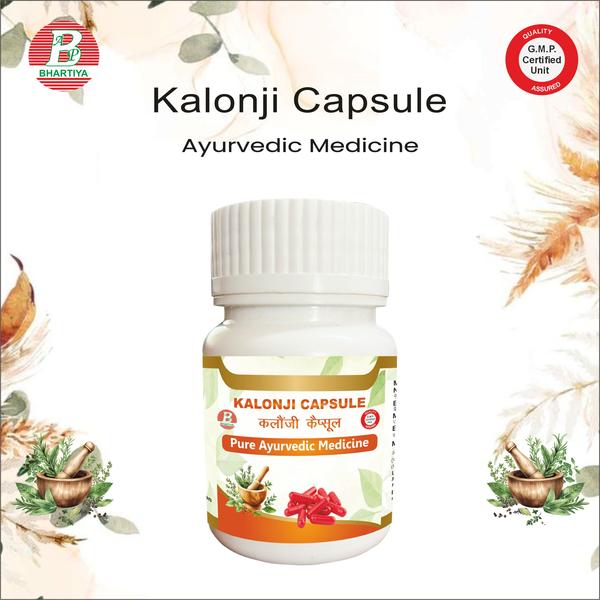
"name": "Kalonji Capsule",
"description": " KALONJI \n\n The Seed of Healing — “Kalonji / Nigella sativa”\n\nKalonji is a highly revered medicinal seed in Ayurveda, Unani, and traditional healing systems, renowned for its Deepana–Pachana (digestive stimulant), Krimighna (antiparasitic), Shothahara (anti-inflammatory), Rasayana (rejuvenative), and Balya (strength-promoting) properties.\nIts pungent–bitter nature is considered deeply therapeutic for correcting digestive, metabolic, respiratory, immune, and inflammatory disorders, purifying blood, removing Ama (toxins), and restoring systemic balance.\nTraditionally, Kalonji is regarded as a Sarva Roga Nashini (destroyer of many diseases), especially effective in Kapha–Vata disorders, metabolic sluggishness, skin diseases, respiratory ailments, and immune weakness.\n\n CLASSICAL AYURVEDIC REFERENCES\nCharaka Samhita\n• Described under Katu–Tikta Skandha and Deepaniya Dravyas\n• Indicated in Agnimandya, Krimi, Shwasa, Kasa, and Ama disorders\n• Enhances digestion, metabolism, and immune resistance\nSushruta Samhita\n• Recommended for Krimi, Shotha (inflammation), and Vata–Kapha disorders\n• Used in wound healing, respiratory ailments, and digestive cleansing\nBhavaprakasha Nighantu\n• Describes Kalonji as Deepana, Pachana, Krimighna, Shothahara, and Rasayana\n• Especially useful in skin diseases, respiratory disorders, and metabolic imbalance\nUnani & Folk Medicine\nHighly valued as Habbat-ul-Sauda, traditionally used for immunity strengthening, digestive correction, respiratory health, and chronic inflammatory conditions.\n\n CLASSICAL STORY / TRADITIONAL ANALOGY\nAncient wisdom narrates:\n“Kalonji is small in size but vast in power. As fire hidden in a spark ignites great transformation, so Kalonji ignites Agni and destroys disease from its root.”\nVaidyas prescribed Kalonji to:\n• Rekindle weakened digestive fire\n• Destroy worms and toxins\n• Purify blood and channels\n• Strengthen immunity and vitality\n• Restore balance in chronic diseases\n\n BOTANICAL INFORMATION OF KALONJI\nScientific Name: Nigella sativa Linn.\nFamily: Ranunculaceae\nOrder: Ranunculales\nGenus: Nigella\nSpecies: sativa\nCommon Names\nSanskrit: Upakunchika, Krishna Jiraka\nHindi: Kalonji\nEnglish: Black Seed, Black Cumin\nArabic: Habbat-ul-Sauda\nTamil: Karunjeeragam\nTelugu: నల్ల జీలకర్ర (Nalla Jeelakarra)\nUrdu: Kalonji\n\n SYNONYMS IN TRADITIONAL TEXTS\n• Krimighna – Destroyer of parasites\n• Deepaniya – Digestive stimulant\n• Shothahara – Anti-inflammatory\n• Rasayana – Rejuvenative\n• Balya – Strength promoter\n\n MORPHOLOGY OF KALONJI\nPlant Type: Annual herb\nStem: Erect, branched\nLeaves: Finely divided, linear\nFlowers: Pale blue or white\nFruit: Capsule with multiple compartments\nSeeds: Small, black, angular, aromatic\nRoots: Taproot system\n\n ECOLOGICAL PREFERENCES\nClimate: Temperate to subtropical\nSoil: Well-drained loamy soil\nSunlight: Full sun\nWater Requirement: Low to moderate\nAltitude: Up to 1,200 m\n\n GEOGRAPHICAL DISTRIBUTION\nIndia: Cultivated in Rajasthan, Uttar Pradesh, Madhya Pradesh, Punjab\nWorldwide: Middle East, Mediterranean region, Africa, Europe\n\n AYURVEDIC PROPERTIES (RASA–GUNA–VIRYA–VIPAKA)\n• Rasa: Katu (pungent), Tikta (bitter)\n• Guna: Laghu (light), Ruksha (dry), Tikshna (sharp)\n• Virya: Ushna (heating)\n• Vipaka: Katu (pungent)\nDosha Effect:\nKapha–Vata hara\nBalances Ama and Kleda\n\n THERAPEUTIC ACTIONS (KARMA)\n• Deepana–Pachana – Improves digestion\n• Krimighna – Antiparasitic\n• Shothahara – Reduces inflammation\n• Shwasahara – Supports respiratory health\n• Rasayana – Enhances immunity and vitality\n• Raktashodhaka – Blood purifier\n\n INDICATIONS\n• Digestive disorders (Agnimandya, Ama)\n• Worm infestations\n• Respiratory disorders (asthma, cough)\n• Skin diseases\n• Joint inflammation\n• Metabolic sluggishness\n• Immune weakness\n\n MODERN PHYTOCHEMISTRY & PHARMACOLOGY\nMajor Constituents:\n• Thymoquinone\n• Nigellone\n• Fixed oils\n• Volatile oils\n• Alkaloids\n• Flavonoids\nPharmacological Actions:\n• Anti-inflammatory\n• Immunomodulatory\n• Antioxidant\n• Antimicrobial\n• Hepatoprotective\n• Bronchodilatory\n\n CULTIVATION DETAILS\nPropagation: Seeds\nSowing Time: October–November\nHarvesting: When capsules dry\nIrrigation: Light irrigation\n\n CLASSICAL DOSAGE\nPowder (Churna): 1–3 g daily\nOil (Taila): 5–10 drops\nCapsule/Extract: As prescribed\n\n KALONJI CAPSULE \nBhartiya Ayurvedic Pharmacy Kalonji Capsules are prepared using standardized Nigella sativa seed extract, following classical Ayurvedic principles. These capsules preserve the Katu–Tikta Rasa essential for digestive activation, immune strengthening, and inflammatory balance.\n\n KEY BENEFITS\n• Supports digestion and metabolism\n• Enhances immunity\n• Reduces inflammation\n• Supports respiratory health\n• Purifies blood\n• Balances Kapha and Vata\n\n THERAPEUTIC ACTIONS (KARMA)\n• Deepana–Pachana – Digestive activation\n• Krimighna – Worm destruction\n• Shothahara – Anti-inflammatory\n• Rasayana – Rejuvenation\n\n INDICATIONS\n• Digestive weakness\n• Respiratory disorders\n• Chronic inflammation\n• Skin disorders\n• Immune deficiency\n• Kapha–Vata imbalance\n\n DOSAGE\n• Adults: 1–2 capsules twice daily\n• With lukewarm water\n• After meals or as directed\n\n SAFETY & PRECAUTIONS\n• Safe under medical supervision\n• Avoid excess in Pitta dominance\n• Use cautiously during pregnancy\n• Excess may cause gastric irritation\n\n FORMULATION HIGHLIGHTS\n• 100% pure Kalonji extract\n• Classical Ayurvedic processing\n• No preservatives or additives\n• Standardized potency\n\n\n CLASSICAL AYURVEDIC INSIGHT\n• Described in Charaka Samhita, Sushruta Samhita, and Bhavaprakasha Nighantu for:\n• Digestive correction\n• Immune strengthening\n• Inflammation control\n• Metabolic balance\n“Though small in form, Kalonji carries the strength to restore health from the root.”\n\n KALONJI POWDER \nBhartiya Ayurvedic Pharmacy Kalonji Powder is prepared from carefully cleaned, dried, and finely powdered Kalonji seeds, processed according to classical Ayurvedic methods to preserve its Katu–Tikta Rasa and full therapeutic potency.\n\n KEY BENEFITS\n• Improves digestion and appetite\n• Strengthens immunity\n• Acts as blood purifier\n• Reduces inflammation and Ama\n• Supports respiratory health\n\n THERAPEUTIC ACTIONS (KARMA)\n• Deepana–Pachana – Digestive stimulant\n• Krimighna – Antiparasitic\n• Shothahara – Anti-inflammatory\n• Rasayana – Rejuvenative\n\n INDICATIONS\n• Digestive disorders\n• Respiratory ailments\n• Skin diseases\n• Joint pain and inflammation\n• Kapha–Vata imbalance\n\n\n\n DOSAGE\n• 1–3 g once or twice daily\n• With lukewarm water or honey\n• Preferably after meals\n\n SAFETY & PRECAUTIONS\n• Safe in recommended dosage\n• Avoid excess use\n• Monitor in Pitta-prone individuals\n• Use under supervision during pregnancy\n\nbenefits of kalonji capsules, best kalonji seeds, best kalonji seeds in india\nblack kalonji benefits, can kalonji seeds be eaten, can we eat kalonji seeds at night\ncan we eat kalonji seeds daily, does kalonji cause constipation, does kalonji expire\ndoes kalonji help in weight loss, does kalonji reduce cholesterol, how much kalonji seeds per day\nhow much kalonji to take daily, kalonji capsule amazon, kalonji capsule amazon india\nkalonji capsule ayurveda, kalonji capsule ayurvedic, kalonji capsule effects, kalonji capsule expiry date\nkalonji capsule jiomart, kalonji capsule life, kalonji capsule life in hindi, kalonji capsule life pharmacy\nkalonji capsule list, kalonji capsule manufacturers, kalonji capsule manufacturers in india\nkalonji capsule meaning in hindi, kalonji capsule name in hindi, kalonji capsule near me\nkalonji capsule quality, kalonji capsule quantity in hindi, kalonji capsule ras, kalonji capsule rate\nkalonji capsule results, kalonji capsule review, kalonji capsule time period, kalonji capsule time to take\nkalonji capsule uses, kalonji capsule uses in hindi, kalonji capsules benefits, kalonji capsules benefits in hindi\nkalonji herbal, kalonji kaise use kare, kalonji ke capsule, kalonji ke capsule ke fayde, kalonji oil capsule\nkalonji oil capsules benefits, kalonji seeds buy, what is kalonji, when to eat kalonji",
"price": 330.0,
"discountamount": 165.0,
"currencycode": "INR",
"priority": 1000000,
"isfreeshipmentavailable": false,
"shipmentduration": 1,
"_keywords": null,
"isarchived": false,
"isavailable": true,
"applicationid": null,
"productindex": 62,
"imageuri": "https://productimages.withfloats.com/actual/698ee14e505ef7f8f5be988e.jpg",
"tileimageuri": "https://productimages.withfloats.com/tile/698ee14e505ef7f8f5be988e.jpg",
"images": null,
"totalqueries": 0,
"gpid": null,
"groupproductid": null,
"createdon": "2026-02-13T08:31:08.426Z",
"updatedon": "2026-02-17T09:54:01.929Z",
"buyonlinelink": null,
"producturl": "http://WWW.BHARTIYAAYURVEDICPHARMACY.COM/products/kalonji-capsule/62",
"availableunits": -1.0,
"iscodavailable": true,
"isprepaidonlineavailable": true,
"maxcodorders": -1,
"maxprepaidonlineorders": -1,
"uniquepaymenturl": null,
"brandname": "Bakula Fort",
"category": "Kalonji Capsule 60 cap X 24",
"tags": [],
"variants": false,
"keyspecification": null,
"otherspecifications": null,
"pickupaddressreferenceid": null,
"paymenttype": "AssuredPurchase",
"producttype": "products",
"hsncode": null,
"gstslab": 0.0,
"isnotforsale": false
},
{
"_id": "6aacf3df39025c05eda56271",
"fptag": "BHARTIYEAYURVEDICPHARMACY",
"merchantname": null,
"customwidgets": null,
"externalsourceid": null,
"name": "SARASVATARISHTA",
"description": " SARASVATARISHTA\n\nProduct Identification\nGeneric Name: Sarasvatarishta (Sarasvatarishtam)\nType: Ayurvedic Polyherbal Fermented Formulation (Arishta)\nPrimary Indication Area: Cognitive disorders, memory impairment, speech disorders, epilepsy support, anxiety, stress-related neurological weakness, and general brain tonic\n\nTherapeutic Indications\n• Memory loss (Smriti Mandya)\n• Impaired concentration and cognition\n• Speech disorders (Vakgraha / Vaksambandhi vikara)\n• Epilepsy (Apasmara – supportive management)\n• Anxiety and stress-related conditions\n• Insomnia and disturbed sleep\n• Intellectual fatigue and mental exhaustion\n• Neurodegenerative weakness (supportive)\n• Learning difficulties in children (traditional use)\n• General brain and nerve weakness\n\nKey Benefits\n• Enhances memory, learning ability, and retention\n• Supports healthy brain and nervous system function\n• Helps reduce anxiety, stress, and mental fatigue\n• Promotes better speech clarity and cognitive processing\n• Supports calming of the mind and improved sleep quality\n• Acts as a classical Medhya Rasayana (brain tonic)\n• Improves focus, intelligence, and mental stamina\n• Supports neurological balance and emotional stability\n\nFORMULA \nMAIN INGREDIENTS : \n1.Brahmi (Bacopa monnieri) \n2.Shatavari (Asparagus racemosus) \n3.Vidari (Pueraria tuberosa) \n4.Haritaki (Terminalia chebula) \n5.Ushira / Vetiver (Vetiveria zizanioides) \n6.Shunthi (Zingiber officinale) \n7.Mishreya / Saunf (Foeniculum vulgare) \n8.Renuka (Vitex agnus-castus) \n9.Trivrit (Operculina turpethum) \n10.Pippali (Piper longum) \n11.Lavanga (Syzygium aromaticum) \n12.Vacha (Acorus calamus) \n13.Kushtha (Saussurea lappa) \n14.Ashwagandha (Withania somnifera) \n15.Bibhitaki (Terminalia bellirica) \n16.Guduchi (Tinospora cordifolia) \n17.Ela (Elettaria cardamomum) \n18.Vidanga (Embelia ribes) \n19.Tvak (Cinnamomum verum) \n20.Swarna Patri (Cassia angustifolia / Senna) \n21.Dhataki (Woodfordia fruticosa) \n22.Madhu (Honey) \n23.Sharkara / Sita (Cane sugar) \n\n1. Brahmi\nBotanical Name: Bacopa monnieri\n• Rasa: Tikta, Kashaya\n• Guna: Laghu, Snigdha\n• Virya: Sheeta\n• Vipaka: Madhura\nMechanism of Action:\n• Enhances memory formation and recall\n• Supports neurotransmitter balance\n• Reduces anxiety and mental stress\n• Improves cognitive processing and learning ability\n\n2. Shatavari\nBotanical Name: Asparagus racemosus\n• Rasa: Madhura, Tikta\n• Guna: Guru, Snigdha\n• Virya: Sheeta\n• Vipaka: Madhura\nMechanism of Action:\n• Supports nervous system nourishment\n• Reduces stress and mental fatigue\n• Improves hormonal balance and vitality\n• Acts as a rejuvenative tonic\n\n3. Vidari\nBotanical Name: Pueraria tuberosa\n• Rasa: Madhura\n• Guna: Guru, Snigdha\n• Virya: Sheeta\n• Vipaka: Madhura\nMechanism of Action:\n• Improves strength and physical stamina\n• Supports brain nourishment\n• Reduces fatigue and weakness\n• Acts as a Rasayana (rejuvenator)\n\n4. Haritaki\nBotanical Name: Terminalia chebula\n• Rasa: Pancharasa (except Lavana)\n• Guna: Laghu, Ruksha\n• Virya: Ushna\n• Vipaka: Madhura\nMechanism of Action:\n• Supports detoxification of body and mind channels\n• Improves digestion and absorption\n• Enhances cognitive clarity indirectly\n• Acts as a mild rejuvenative\n\n5. Ushira\nBotanical Name: Vetiveria zizanioides\n• Rasa: Tikta, Madhura\n• Guna: Laghu, Ruksha\n• Virya: Sheeta\n• Vipaka: Madhura\nMechanism of Action:\n• Calms nervous system and reduces stress\n• Cools excessive mental agitation\n• Supports relaxation and sleep\n• Purifies blood and body channels\n\n6. Shunthi\nBotanical Name: Zingiber officinale\n• Rasa: Katu\n• Guna: Laghu, Ruksha\n• Virya: Ushna\n• Vipaka: Madhura\nMechanism of Action:\n• Improves digestion and metabolic activity\n• Enhances circulation to brain\n• Reduces Ama-related mental dullness\n• Supports cognitive alertness\n\n7. Mishreya (Saunf)\nBotanical Name: Foeniculum vulgare\n• Rasa: Madhura, Katu\n• Guna: Laghu\n• Virya: Sheeta\n• Vipaka: Madhura\nMechanism of Action:\n• Improves digestion and gut-brain balance\n• Reduces bloating and discomfort\n• Supports calmness of mind\n• Mild anxiolytic effect\n\n8. Renuka\nBotanical Name: Vitex agnus-castus\n• Rasa: Tikta, Katu\n• Guna: Laghu, Ruksha\n• Virya: Ushna\n• Vipaka: Katu\nMechanism of Action:\n• Supports hormonal regulation\n• Helps balance nervous system activity\n• Reduces stress-related irritability\n• Traditionally used in reproductive and neuro balance\n\n9. Trivrit\nBotanical Name: Operculina turpethum\n• Rasa: Katu, Tikta\n• Guna: Laghu, Ruksha\n• Virya: Ushna\n• Vipaka: Katu\nMechanism of Action:\n• Acts as a strong detoxifying herb\n• Removes accumulated toxins (Ama)\n• Supports gut and metabolic cleansing\n• Improves systemic clarity\n\n10. Pippali\nBotanical Name: Piper longum\n• Rasa: Katu\n• Guna: Laghu, Snigdha, Tikshna\n• Virya: Ushna\n• Vipaka: Madhura\nMechanism of Action:\n• Enhances bioavailability of herbs\n• Improves digestion and respiration\n• Supports brain circulation\n• Acts as rejuvenative stimulant\n\n11. Lavanga\nBotanical Name: Syzygium aromaticum\n• Rasa: Katu, Tikta\n• Guna: Laghu, Tikshna\n• Virya: Ushna\n• Vipaka: Katu\nMechanism of Action:\n• Improves digestion and metabolism\n• Provides antioxidant support\n• Enhances circulation\n• Supports mental alertness\n\n12. Vacha\nBotanical Name: Acorus calamus\n• Rasa: Katu, Tikta\n• Guna: Laghu, Tikshna\n• Virya: Ushna\n• Vipaka: Katu\nMechanism of Action:\n• Enhances speech and cognition\n• Stimulates nervous system\n• Improves memory and focus\n• Used in neurological disorders\n\n13. Kushtha\nBotanical Name: Saussurea lappa\n• Rasa: Tikta, Katu\n• Guna: Laghu, Ruksha\n• Virya: Ushna\n• Vipaka: Katu\nMechanism of Action:\n• Stimulates mental clarity\n• Improves circulation to brain\n• Reduces lethargy\n• Supports cognitive stimulation\n\n14. Ashwagandha\nBotanical Name: Withania somnifera\n• Rasa: Tikta, Kashaya, Madhura\n• Guna: Guru, Snigdha\n• Virya: Ushna\n• Vipaka: Madhura\nMechanism of Action:\n• Reduces stress and anxiety\n• Improves memory and cognition\n• Enhances nervous system strength\n• Acts as adaptogenic Rasayana\n\n15. Bibhitaki\nBotanical Name: Terminalia bellirica\n• Rasa: Kashaya\n• Guna: Laghu, Ruksha\n• Virya: Sheeta\n• Vipaka: Madhura\nMechanism of Action:\n• Detoxifies body channels\n• Supports respiratory and brain oxygenation\n• Improves systemic balance\n• Reduces metabolic toxins\n\n16. Guduchi\nBotanical Name: Tinospora cordifolia\n• Rasa: Tikta, Kashaya\n• Guna: Laghu, Snigdha\n• Virya: Ushna\n• Vipaka: Madhura\nMechanism of Action:\n• Immunomodulatory and neuroprotective\n• Reduces stress-induced inflammation\n• Enhances mental resilience\n• Supports detoxification\n\n17. Ela\nBotanical Name: Elettaria cardamomum\n• Rasa: Katu, Madhura\n• Guna: Laghu, Snigdha\n• Virya: Sheeta\n• Vipaka: Madhura\nMechanism of Action:\n• Improves digestion\n• Reduces mental stress\n• Supports circulation\n• Acts as mild aromatic nervine\n\n18. Vidanga\nBotanical Name: Embelia ribes\n• Rasa: Katu, Kashaya\n• Guna: Laghu, Ruksha\n• Virya: Ushna\n• Vipaka: Katu\nMechanism of Action:\n• Removes intestinal toxins\n• Supports metabolic clarity\n• Improves gut-brain axis health\n• Reduces Ama\n\n19. Tvak (Cinnamon)\nBotanical Name: Cinnamomum verum\n• Rasa: Katu, Tikta\n• Guna: Laghu, Ruksha, Tikshna\n• Virya: Ushna\n• Vipaka: Katu\nMechanism of Action:\n• Improves circulation\n• Enhances metabolism\n• Supports cognitive alertness\n• Reduces fatigue\n\n20. Swarna Patri (Senna leaf)\nBotanical Name: Cassia angustifolia\n• Rasa: Tikta, Katu\n• Guna: Laghu, Ruksha\n• Virya: Ushna\n• Vipaka: Katu\nMechanism of Action:\n• Supports bowel cleansing\n• Removes metabolic toxins\n• Improves systemic detoxification\n• Reduces Ama load\n\n21. Dhataki\nBotanical Name: Woodfordia fruticosa\n• Rasa: Kashaya\n• Guna: Laghu, Ruksha\n• Virya: Ushna\n• Vipaka: Katu\nMechanism of Action:\n• Natural fermentation catalyst\n• Enhances bioavailability\n• Supports preservation\n• Aids fermentation process\n\n22. Madhu\nBotanical Name: Honey (Apis species)\n• Rasa: Madhura, Kashaya\n• Guna: Laghu, Ruksha\n• Virya: Sheeta\n• Vipaka: Madhura\nMechanism of Action:\n• Enhances absorption of herbs\n• Supports preservation\n• Improves bioavailability\n• Provides mild neuro-nutritive support\n\n23. Sita (Sharkara)\nBotanical Name: Saccharum officinarum (Cane sugar)\n• Rasa: Madhura\n• Guna: Guru, Snigdha\n• Virya: Sheeta\n• Vipaka: Madhura\nMechanism of Action:\n• Acts as fermentation substrate\n• Enhances palatability\n• Supports energy formation\n• Aids preparation stability\n\nDOSAGE OF SARASVATARISHTA\nAdults:\n• 15–30 mL\n• Twice daily\nAdministration:\n• After meals\n• Diluted with equal quantity of water before use\n\nChildren (if prescribed by physician):\n• 5–10 mL\n• Twice daily\n• Only under strict Ayurvedic supervision\n\nCommon Duration of Use:\n• 4–8 weeks (or as directed by Ayurvedic physician)\n\nGeneral Guidance:\n• Best taken after food to improve digestion and absorption\n• Shake well before use\n• Do not exceed recommended dose without medical advice\n\n\n\n saraswatarishta\nsaraswatarishta benefits in hindi\nsaraswatarishta uses in hindi\nsaraswatarishta price\nsaraswatarishta syrup\nsaraswatarishta ke fayde\nsaraswatarishta syrup benefits in hindi\nsaraswatarishta ayurvedic medicine\nsaraswatarishta ayurvedic\nsaraswatarishta ayurveda\nsaraswatarishta ayurvedic medicine uses in hindi\nsaraswatarishta ayurvedic syrup\nsaraswatarishta ayurvedic medicine uses\nsaraswatarishta amazon\nsaraswatarishta benefits\nsaraswatarishta benefits and side effects\nsaraswatarishta best brand\nsaraswatarishta brain tonic\nsaraswatarishta composition\nsaraswatarishta contents\nsaraswatarishta churna\nsaraswatarishta contains alcohol\nsaraswatarishta dosage\nsaraswatarishta dose per day\nsaraswatarishta empty stomach\nsaraswatarishta effects\nsaraswatarishta easy\nsaraswatarishta hindi\nsaraswatarishta how to take\nsaraswatarishta how long does it take\nsaraswatarishta hindi use\nsaraswatarishta how to use\nsaraswatarishta health benefits\nsaraswatarishta how long does it take to work\nsaraswatarishta ingredients\nsaraswatarishta ingredients in hindi\nsaraswatarishta in hindi\nsaraswatarishta is used for\nsaraswatarishta indication\nsaraswatarishta in hindi use\nsaraswatarishta in kannada\nsaraswatarishta uses\nsaraswatarishta kerala ayurveda\nsaraswatarishta kya hai\nsaraswatarishta kaise use kare\nsaraswatarishta liquid\nsaraswatarishta lene ke fayde\nsaraswatarishta kaise le\nsaraswatarishta kis liye hota hai\nsaraswatarishta medicine uses\nsaraswatarishta meaning in hindi\nsaraswatarishta near me\nbest quality saraswatarishta\nsaraswatarishta syrup price\nsaraswatarishta reviews\nsaraswatarishta reference\nsaraswatarishta rate\nsaraswatarishta syrup benefits\nsaraswatarishta syrup uses in hindi\nsaraswatarishta syrup uses\nsaraswatarishta syrup ingredients\nsaraswatarishta syrup with gold\nsaraswatarishta tablet uses in hindi\nsaraswatarishta tablet uses\nsaraswatarishta tonic\nsaraswatarishta tonic uses\nsaraswatarishta tonic ke fayde\nsaraswatarishta taste",
"price": 170.0,
"discountamount": 85.0,
"currencycode": "INR",
"priority": 1000000,
"isfreeshipmentavailable": false,
"shipmentduration": 1,
"_keywords": null,
"isarchived": false,
"isavailable": true,
"applicationid": null,
"productindex": 179,
"imageuri": "https://productimages.withfloats.com/actual/6aacf3e1391bf699b872fc5d.jpg",
"tileimageuri": "https://productimages.withfloats.com/tile/6aacf3e1391bf699b872fc5d.jpg",
"images": null,
"totalqueries": 0,
"gpid": null,
"groupproductid": null,
"createdon": "2026-09-18T08:18:39.665Z",
"updatedon": "2026-09-18T08:18:39.665Z",
"buyonlinelink": null,
"producturl": "http://WWW.BHARTIYAAYURVEDICPHARMACY.COM//sarasvatarishta/179",
"availableunits": -1.0,
"iscodavailable": true,
"isprepaidonlineavailable": true,
"maxcodorders": -1,
"maxprepaidonlineorders": -1,
"uniquepaymenturl": null,
"brandname": "Bakula Fort",
"category": "SARASVATARISHTA 450 ML X 40",
"tags": [],
"variants": false,
"keyspecification": null,
"otherspecifications": null,
"pickupaddressreferenceid": null,
"paymenttype": "AssuredPurchase",
"producttype": "products",
"hsncode": null,
"gstslab": 0.0,
"isnotforsale": false
},
{
"_id": "6a54d89bb0195150594aa5d3",
"fptag": "BHARTIYEAYURVEDICPHARMACY",
"merchantname": null,
"customwidgets": null,
"externalsourceid": null,
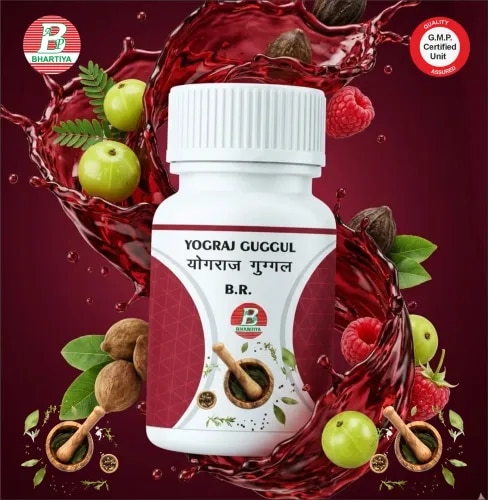
"name": "YOGRAJ GUGGUL",
"description": "\n YOGRAJ GUGGUL\n\nProduct Identification \n•\tGeneric Name: Yograj Guggul\n•\tType: Ayurvedic Polyherbal Formulation\n•\tPrimary Indication Area: Chronic joint pain and stiffness (Sandhivata / osteoarthritis-type conditions) \n•\t Especially when pain is caused by Vata imbalance (dryness, cracking, stiffness, movement restriction)\nTherapeutic Indications: Traditionally used for:\n•\tOsteoarthritis (Sandhivata) – joint pain, stiffness, restricted movement \n•\tRheumatoid arthritis-like conditions (Amavata) – inflammatory joint pain and swelling \n•\tSciatica (Gridhrasi) – radiating nerve pain from back to legs \n•\tCervical and lumbar spondylosis – chronic spine pain and stiffness \n•\tGout (Vatarakta) – uric acid–related inflammatory joint disorders \n•\tChronic back and neck pain (Kati & Greeva Shoola) \n•\tGeneral musculoskeletal weakness – bones, joints, ligaments, and muscles\n\nKey Benefits:\n Relieves joint pain and stiffness \n•\tHelps reduce chronic pain in knees, hips, shoulders, and spine \nImproves joint mobility \n•\tSupports better movement in osteoarthritis and spondylosis \nReduces inflammation (traditional action) \n•\tUseful in inflammatory joint conditions like Amavata and gout \n Eases nerve pain \n•\tHelps in sciatica and radiating neuropathic pain \n Supports spine health \n•\tBeneficial in cervical and lumbar spondylosis-related discomfort \n Aids detoxification (Ama reduction in Ayurveda) \n•\tHelps improve digestion and reduce toxin accumulation linked with joint issues \nStrengthens musculoskeletal system (long-term use) \n•\tSupports bones, ligaments, and overall Vata balance\nFORMULA\nEach Tablet contains: \nChitraka \t1 part \nPippalimula\t1 part \nYavani\t1 part \nKrishna Jiraka \t1 part \nVidanga\t1 part \nAjmoda\t1 part \nSveta Jiraka\t1 part \nDevdaru \t1 part \nChavya \t1 part \nEla\t1 part \nSaindhava Lavana \t1 part \nKushta\t1 part \nRasna \t1 part \nGokshura\t1 part \nDhanyka \t1 part \nHaritaki\t1 part \nBibhitaki\t1 part \nAmalaki\t1 part \nMusta \t1 part \nSunthi \t1 part \nMaricha \t1 part \nPippali\t1 part \nTvak\t1 part \nUsira\t1 part \nYava Kshar \t1 part \nTalisa Patra \t1 part \nTejpatra\t1 part \nShudh Guggul\t1 part \nGoghrita \t1 part \n\n \nIngredients:\n1. Chitraka\n Botanical/Scientific Name: Plumbago zeylanica\n Rasa–Guna–Vīrya–Vipāka:\no Rasa: Kaṭu (Pungent)\no Guna: Laghu (Light), Rūkṣa (Dry), Tikṣṇa (Sharp)\no Vīrya: Uṣṇa (Hot)\no Vipāka: Kaṭu (Pungent)\n• Prabhāva: Deepana–Pachana (Strong digestive stimulant)\nMechanism of Action (Karma):\n• Strongly digests Ama (toxins)\n• Reduces inflammatory swelling in joints\n• Improves Agni and metabolism\n• Clears obstructed Srotas (channels) in arthritis\n\n2. Pippalimula\nBotanical/Scientific Name: Piper longum (root)\nRasa–Guna–Vīrya–Vipāka:\no Rasa: Kaṭu (Pungent)\no Guna: Laghu, Rūkṣa\no Vīrya: Uṣṇa (Hot)\no Vipāka: Kaṭu\n• Prabhāva: Deepana–Vata-Kapha Shamaka\nMechanism of Action (Karma):\n• Improves digestion of Ama\n• Reduces stiffness and heaviness in joints\n• Pacifies Vata-Kapha in musculoskeletal system\n• Supports pain reduction in chronic arthritis\n\n3. Yavani\nBotanical/Scientific Name: Trachyspermum ammi\nRasa–Guna–Vīrya–Vipāka:\no Rasa: Kaṭu, Tikta\no Guna: Laghu, Rūkṣa, Tikṣṇa\no Vīrya: Uṣṇa\no Vipāka: Kaṭu\n• Prabhāva: Vata-Kapha Shamaka\nMechanism of Action (Karma):\n• Reduces joint stiffness\n• Improves digestion and Ama clearance\n• Relieves inflammatory pain\n• Enhances joint mobility\n\n4. Krishna Jiraka\n Botanical/Scientific Name: Nigella sativa\nRasa–Guna–Vīrya–Vipāka:\no Rasa: Kaṭu, Tikta\no Guna: Laghu, Rūkṣa\no Vīrya: Uṣṇa\no Vipāka: Kaṭu\n• Prabhāva: Shothahara (Anti-inflammatory)\nMechanism of Action (Karma):\n• Reduces joint inflammation\n• Modulates immune response in arthritis\n• Decreases swelling and pain\n• Supports tissue protection\n\n5. Vidanga\n Botanical/Scientific Name: Embelia ribes\n Rasa–Guna–Vīrya–Vipāka:\no Rasa: Kaṭu, Tikta\no Guna: Laghu, Rūkṣa, Tikṣṇa\no Vīrya: Uṣṇa\no Vipāka: Kaṭu\n• Prabhāva: Krimighna (Detoxifying action)\nMechanism of Action (Karma):\n• Removes deep-seated toxins (Ama)\n• Reduces chronic inflammatory load\n• Improves Srotas cleansing\n• Supports joint healing process\n\n6. Ajmoda\n Botanical/Scientific Name: Apium leptophyllum\n Rasa–Guna–Vīrya–Vipāka:\no Rasa: Kaṭu, Tikta\no Guna: Laghu, Rūkṣa\no Vīrya: Uṣṇa\no Vipāka: Kaṭu\n• Prabhāva: Vatahara\nMechanism of Action (Karma):\n• Reduces Vata-induced pain\n• Relieves stiffness in joints\n• Improves neuromuscular function\n• Enhances circulation in affected joints\n\n7. Sveta Jiraka\n Botanical/Scientific Name: Cuminum cyminum\n Rasa–Guna–Vīrya–Vipāka:\no Rasa: Kaṭu, Tikta\no Guna: Laghu, Rūkṣa\no Vīrya: Uṣṇa\no Vipāka: Kaṭu\n• Prabhāva: Deepana\nMechanism of Action (Karma):\n• Improves digestion of Ama\n• Reduces joint heaviness\n• Supports metabolic clearance\n• Helps reduce stiffness\n\n8. Devdaru\nBotanical/Scientific Name: Cedrus deodara\nRasa–Guna–Vīrya–Vipāka:\no Rasa: Tikta, Kaṭu\no Guna: Laghu, Rūkṣa\no Vīrya: Uṣṇa\no Vipāka: Kaṭu\n• Prabhāva: Vata-Kapha Shamaka\nMechanism of Action (Karma):\n• Reduces joint pain and inflammation\n• Improves blood circulation in joints\n• Relieves stiffness in spine disorders\n• Useful in sciatica-like pain\n\n9. Chavya\nBotanical/Scientific Name: Piper chaba\nRasa–Guna–Vīrya–Vipāka:\no Rasa: Kaṭu\no Guna: Laghu, Rūkṣa\no Vīrya: Uṣṇa\no Vipāka: Kaṭu\n• Prabhāva: Deepana\nMechanism of Action (Karma):\n• Enhances digestion of Ama\n• Reduces Kapha-related heaviness\n• Improves joint mobility\n• Reduces chronic inflammatory pain\n\n10. Ela\nBotanical/Scientific Name: Elettaria cardamomum\nRasa–Guna–Vīrya–Vipāka:\no Rasa: Madhura, Tikta, Kaṭu\no Guna: Laghu, Snigdha\no Vīrya: Śīta\no Vipāka: Madhura\n• Prabhāva: Hridya (cardio-protective, soothing)\nMechanism of Action (Karma):\n• Improves circulation\n• Reduces inflammatory stress\n• Supports mild analgesic effect\n• Enhances drug absorption\n\n11. Saindhava Lavana\nBotanical/Scientific Name: Rock salt\nRasa–Guna–Vīrya–Vipāka:\no Rasa: Lavaṇa (Salty)\no Guna: Snigdha, Sukshma\no Vīrya: Anuṣṇa-Śīta\no Vipāka: Madhura\n• Prabhāva: Yogavahi\nMechanism of Action (Karma):\n• Enhances penetration of medicines\n• Improves Srotas opening\n• Reduces stiffness\n• Supports pain relief\n12. Kushta\nBotanical/Scientific Name: Saussurea lappa\nRasa–Guna–Vīrya–Vipāka:\no Rasa: Tikta, Kaṭu\no Guna: Laghu, Rūkṣa, Tikṣṇa\no Vīrya: Uṣṇa\no Vipāka: Kaṭu\n• Prabhāva: Vata-Kapha Shamaka\nMechanism of Action (Karma):\n• Reduces deep-seated joint pain\n• Improves nerve-related pain (sciatica-like)\n• Reduces stiffness and inflammation\n• Enhances circulation in affected joints\n\n13. Rasna\nBotanical/Scientific Name: Pluchea lanceolata\nRasa–Guna–Vīrya–Vipāka:\no Rasa: Tikta, Kaṭu\no Guna: Laghu, Rūkṣa\no Vīrya: Uṣṇa\no Vipāka: Kaṭu\n• Prabhāva: Vata-Shamaka\nMechanism of Action (Karma):\n• Strong anti-arthritic action\n• Reduces joint swelling and stiffness\n• Relieves chronic musculoskeletal pain\n• Improves mobility in spondylosis\n\n14. Gokshura\n Botanical/Scientific Name: Tribulus terrestris\nRasa–Guna–Vīrya–Vipāka:\no Rasa: Madhura, Tikta\no Guna: Guru (Heavy), Snigdha\no Vīrya: Śīta\no Vipāka: Madhura\n• Prabhāva: Balya (strengthening)\nMechanism of Action (Karma):\n• Strengthens bones and joints\n• Improves ligament and tendon health\n• Reduces degenerative weakness\n• Supports long-term joint stability\n\n15. Dhanyaka\nBotanical/Scientific Name: Coriandrum sativum\nRasa–Guna–Vīrya–Vipāka:\no Rasa: Madhura, Tikta\no Guna: Laghu, Snigdha\no Vīrya: Śīta\no Vipāka: Madhura\n• Prabhāva: Deepana-Pachana (mild)\nMechanism of Action (Karma):\n• Reduces Ama formation\n• Soothes inflammatory conditions\n• Improves digestion in chronic arthritis\n• Supports detoxification\n\n16. Haritaki\nBotanical/Scientific Name: Terminalia chebula\nRasa–Guna–Vīrya–Vipāka:\no Rasa: Kaṣāya, Amla, Madhura, Tikta, Kaṭu\no Guna: Laghu, Rūkṣa\no Vīrya: Uṣṇa\no Vipāka: Madhura\n• Prabhāva: Anulomana\nMechanism of Action (Karma):\n• Regulates Vata movement\n• Reduces Ama accumulation\n• Supports detoxification in chronic disease\n• Reduces inflammatory swelling\n\n17. Bibhitaki\nBotanical/Scientific Name: Terminalia bellirica\nRasa–Guna–Vīrya–Vipāka:\no Rasa: Kaṣāya\no Guna: Laghu, Rūkṣa\no Vīrya: Uṣṇa\no Vipāka: Madhura\n• Prabhāva: Kapha-Pitta Shamaka \nMechanism of Action (Karma):\n• Reduces joint inflammation\n• Clears toxins from tissues\n• Improves metabolic balance\n• Supports chronic arthritis recovery\n\n18. Amalaki\nBotanical/Scientific Name: Emblica officinalis\nRasa–Guna–Vīrya–Vipāka:\no Rasa: Amla, Madhura, Tikta, Kaṣāya\no Guna: Laghu, Rūkṣa\no Vīrya: Śīta\no Vipāka: Madhura\n• Prabhāva: Rasayana\nMechanism of Action (Karma):\n• Protects cartilage from degeneration\n• Reduces oxidative stress in joints\n• Strengthens bones and connective tissue\n• Supports long-term joint health\n\n19. Musta\nBotanical/Scientific Name: Cyperus rotundus\nRasa–Guna–Vīrya–Vipāka:\no Rasa: Tikta, Kaṭu\no Guna: Laghu, Rūkṣa\no Vīrya: Śīta\no Vipāka: Kaṭu\n• Prabhāva: Pachana\nMechanism of Action (Karma):\n• Reduces Ama formation\n• Improves digestion and metabolism\n• Reduces inflammatory swelling\n• Supports detoxification in arthritis\n\n20. Sunthi\nBotanical/Scientific Name: Zingiber officinale\nRasa–Guna–Vīrya–Vipāka:\no Rasa: Kaṭu\no Guna: Laghu, Snigdha\no Vīrya: Uṣṇa\no Vipāka: Madhura\n• Prabhāva: Ama-Pachana\nMechanism of Action (Karma):\n• Reduces stiffness and pain\n• Improves circulation in joints\n• Digests Ama and toxins\n• Anti-inflammatory action\n\n21. Maricha\nBotanical/Scientific Name: Piper nigrum\nRasa–Guna–Vīrya–Vipāka:\no Rasa: Kaṭu\no Guna: Laghu, Rūkṣa, Tikṣṇa\no Vīrya: Uṣṇa\no Vipāka: Kaṭu\n• Prabhāva: Yogavahi\nMechanism of Action (Karma):\n• Enhances bioavailability of herbs\n• Reduces Kapha and Ama\n• Improves joint circulation\n• Reduces chronic inflammation\n\n22. Pippali\nBotanical/Scientific Name: Piper longum\nRasa–Guna–Vīrya–Vipāka:\no Rasa: Kaṭu\no Guna: Laghu, Snigdha\no Vīrya: Uṣṇa\no Vipāka: Madhura\n• Prabhāva: Rasayana\nMechanism of Action (Karma):\n• Rejuvenates joint tissues\n• Reduces Vata-Kapha imbalance\n• Improves Agni and metabolism\n• Supports chronic pain relief\n\n23. Tvak\nBotanical/Scientific Name: Cinnamomum zeylanicum\nRasa–Guna–Vīrya–Vipāka:\no Rasa: Kaṭu, Tikta, Madhura\no Guna: Laghu, Rūkṣa\no Vīrya: Uṣṇa\no Vipāka: Kaṭu\n• Prabhāva: Shothahara\nMechanism of Action (Karma):\n• Reduces inflammation in joints\n• Improves blood circulation\n• Relieves pain and stiffness\n• Supports metabolic balance\n\n24. Usira\nBotanical/Scientific Name: Vetiveria zizanioides\nRasa–Guna–Vīrya–Vipāka:\no Rasa: Tikta, Madhura\no Guna: Laghu, Snigdha\no Vīrya: Śīta\no Vipāka: Madhura\n• Prabhāva: Pitta Shamaka\nMechanism of Action (Karma):\n• Reduces burning and inflammation\n• Soothes joint tissues\n• Detoxifies blood\n• Supports cooling anti-inflammatory action\n25. Yava Kshara\nBotanical/Scientific Name: Alkali preparation from Hordeum vulgare (barley)\nRasa–Guna–Vīrya–Vipāka:\no Rasa: Katu, Lavana\no Guna: Tikshna, Sukshma, Laghu\no Vīrya: Ushna\no Vipāka: Katu\n• Prabhāva: Lekhana (scraping action)\nMechanism of Action (Karma):\n• Removes obstruction in Srotas (channels)\n• Reduces stiffness due to Ama accumulation\n• Improves mobility in joints\n• Helps in metabolic clearance of toxins\n\n26. Talisa Patra\nBotanical/Scientific Name: Abies webbiana (or related species)\nRasa–Guna–Vīrya–Vipāka:\no Rasa: Katu, Tikta\no Guna: Laghu, Rūkṣa\no Vīrya: Ushna\no Vipāka: Katu\n• Prabhāva: Kapha-Vata Shamaka\nMechanism of Action (Karma):\n• Reduces chronic pain and stiffness\n• Improves respiratory and metabolic function\n• Helps in Ama digestion\n• Supports anti-inflammatory activity\n\n27. Tejpatra\nBotanical/Scientific Name: Cinnamomum tamala\nRasa–Guna–Vīrya–Vipāka:\no Rasa: Katu, Tikta\no Guna: Laghu, Rūkṣa\no Vīrya: Ushna\no Vipāka: Katu\n• Prabhāva: Deepana\nMechanism of Action (Karma):\n• Improves Agni and digestion\n• Reduces Ama-related joint stiffness\n• Enhances circulation\n• Helps in pain reduction\n\n28. Shuddha Guggul\n• Botanical/Scientific Name: Commiphora mukul (purified resin)\n• Rasa–Guna–Vīrya–Vipāka:\no Rasa: Tikta, Katu\no Guna: Laghu, Rūkṣa, Sara\no Vīrya: Ushna\no Vipāka: Katu\n• Prabhāva: Yogavahi, Lekhana\nMechanism of Action (Karma):\n• Major anti-inflammatory action on joints\n• Reduces swelling and synovial inflammation\n• Clears lipid and toxin deposits in tissues\n• Improves joint mobility and lubrication\n\n29. Goghrita\nBotanical/Scientific Name: Cow ghee (Clarified butter from cow milk)\nRasa–Guna–Vīrya–Vipāka:\no Rasa: Madhura\no Guna: Snigdha, Guru, Mridu\no Vīrya: Shita\no Vipāka: Madhura\n• Prabhāva: Yogavahi, Rasayana\nMechanism of Action (Karma):\n• Acts as carrier for deep tissue delivery of herbs\n• Nourishes Asthi (bone) and Majja (marrow)\n• Reduces dryness and Vata aggravation\n• Enhances long-term tissue healing\n\nDosage of Triphala Guggul\n•\tForm: Tablet / Capsule \n•\tDose: 1–2 tablets (250–500 mg each) \n•\tFrequency: Twice daily (BID) \n•\tTiming: After food \n•\tAnupana: Lukewarm water.\n\n\nyograj guggulu, yograj guggulu benefits in hindi, yograj guggulu tablet uses in hindi\nyograj guggulu uses, yograj guggulu uses in hindi, yograj guggulu ke fayde\nyograj guggulu kis kaam aata hai, yograj guggulu benefits, yograj guggulu ingredients\nyograj guggulu ayurvedic medicine uses, yograj guggulu ayurvedic medicine\nyograj guggulu amazon, yograj guggul botanical name, yograj guggulu composition\nyograj guggulu dose per day, yograj guggulu dose, yograj guggul easy ayurveda\nwhat is yograj guggul, what is yograj guggulu, yograj guggul use, how to take yograj guggulu\nyograj guggulu easy ayurveda, yograj guggulu uses easy ayurveda\nyograj guggulu for joint pain, yograj guggulu for piles, yograj guggulu flipkart\nyograj guggulu for constipation, yograj guggulu how to use\nyograj guggulu hamdard, yograj guggulu how to take\nyograj guggul ingredients, yograj guggul in hindi, yograj guggul is used for\nyograj guggul image, yograj guggulu indications, yograj guggulu is used for\nyograj guggul ke fayde in hindi\nyograj guggul ke fayde\nyograj guggul kis kam aati hai\nyograj guggul khane ke fayde\nyograj guggul ke fayde aur nuksan\nyograj guggulu lene ke fayde\nyograj guggulu maha uses in hindi\nyograj guggulu maha tablet uses in hindi\nyograj guggulu medicine\nyograj guggulu maha uses\nyograj guggulu main ingredients\nyograj guggul netmeds\nyograj guggulu nagarjuna\nyograj guggulu online\nyograj guggul powder\nyograj guggul patanjali uses\nyograj guggul uses\nyograj guggul use in hindi\nyograj guggulu uses in hindi price\nyograj guggulu uses hindi\nyograj guggulu uses in english\nhow to consume yograj guggulu",
"price": 240.0,
"discountamount": 120.0,
"currencycode": "INR",
"priority": 1000000,
"isfreeshipmentavailable": false,
"shipmentduration": 1,
"_keywords": null,
"isarchived": false,
"isavailable": true,
"applicationid": null,
"productindex": 153,
"imageuri": "https://productimages.withfloats.com/actual/6a54d89de9337cfefeb42897.jpg",
"tileimageuri": "https://productimages.withfloats.com/tile/6a54d89de9337cfefeb42897.jpg",
"images": null,
"totalqueries": 0,
"gpid": null,
"groupproductid": null,
"createdon": "2026-07-13T12:22:51.679Z",
"updatedon": "2026-07-13T12:22:51.679Z",
"buyonlinelink": null,
"producturl": "http://WWW.BHARTIYAAYURVEDICPHARMACY.COM//yograj-guggul/153",
"availableunits": -1.0,
"iscodavailable": true,
"isprepaidonlineavailable": true,
"maxcodorders": -1,
"maxprepaidonlineorders": -1,
"uniquepaymenturl": null,
"brandname": "Bakula Fort",
"category": "YOGRAJ GUGGUL 100 gm X 40",
"tags": [],
"variants": false,
"keyspecification": null,
"otherspecifications": null,
"pickupaddressreferenceid": null,
"paymenttype": "AssuredPurchase",
"producttype": "products",
"hsncode": null,
"gstslab": 0.0,
"isnotforsale": false
},
{
"_id": "6a293330031f91c411b6d96f",
"fptag": "BHARTIYEAYURVEDICPHARMACY",
"merchantname": null,
"customwidgets": null,
"externalsourceid": null,
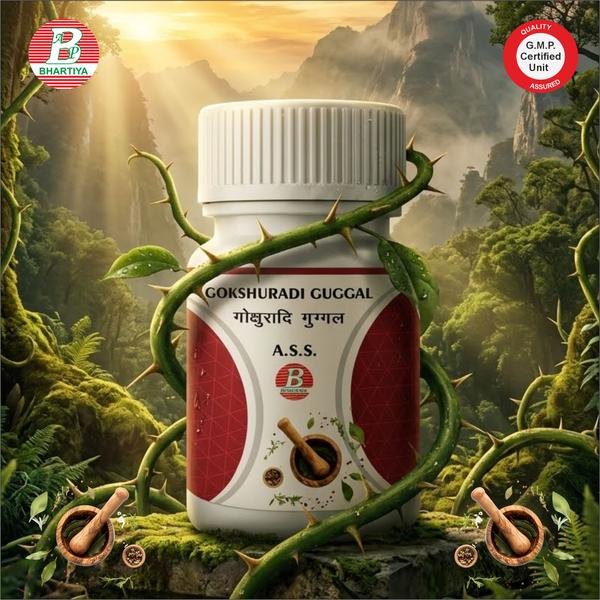
"name": "Gokshuradi Guggal",
"description": "\n GOKSHURADI GUGGUL\n\nProduct Identification \n•\tGeneric Name: Gokshuradi Guggul\n•\tType: Ayurvedic Polyherbal Formulation\n•\tPrimary Indication Area: Prameha (urinary disorders including diabetes mellitus support)\nTherapeutic Indications: Traditionally used for managing:\no\tPrameha (Madhumeha / diabetes-like conditions) – supports metabolic and urinary system balance \no\tMutravikara (urinary disorders) – helps in regulating urinary frequency and function \no\tMedo-dosha imbalance (lipid/metabolic disorders) – supports fat metabolism and weight-related metabolic issues \no\tKapha-vata disorders – helps in balancing doshas associated with metabolic syndrome \no\tGeneral metabolic weakness – used as a supportive formulation in chronic metabolic conditions\n\nKey Benefits:\n•\tSupports management of Prameha (diabetes-related metabolic imbalance)\nTraditionally used to help maintain balance in urinary and metabolic functions associated with Prameha.\nSrotas support)\nSupports healthy urinary frequency and flow, often affected in metabolic disorders.\n•\tPromotes healthy lipid and fat metabolism\nHelps manage “Medo-dosha” imbalance, which is linked with obesity and insulin resistance in Ayurveda.\n•\tSupports blood sugar balance (adjunct role)\nMay help in maintaining glucose metabolism as a supportive Ayurvedic formulation (not a standalone diabetes treatment).\n•\tReduces Kapha-related metabolic heaviness\nTraditionally used to address sluggish metabolism, heaviness, and water retention tendencies.\n•\tSupports detoxification and removal of metabolic wastes (Ama reduction)\nHelps improve digestion and metabolic processing, which is considered important in Prameha management.\n•\tSupports kidney and urinary tract health\nGokshura content traditionally supports renal and urinary system function\nFORMULA\nEach Tablet contains: \nGokshura \t1.344 kg\nShuddha Guggulu\t336g\nAmalaki \t48g\nHaritaki\t48g\nBibhitaki\t48g\nSunthi\t48g\nMarich\t48g\nPippali\t48g\nMusta\t48g\nWater\t8.0641 reduced to 4.0321\n\n 1. Gokshura (Tribulus terrestris)\n• Botanical/Scientific Name: Tribulus terrestris\n\nRasa–Guna–Vīrya–Vipāka:\n• Rasa: Madhura (Sweet), Kaṣāya (Astringent)\n• Guna: Guru (Heavy), Snigdha (Unctuous)\n• Vīrya: Śīta (Cooling)\n• Vipāka: Madhura (Sweet)\n\nPrabhāva:\n• Mutrala / Vrishya – Supports urinary system health and metabolic balance in Prameha\nMechanism of Action (Karma):\n• Mutravaha Srotas Shodhana Karma: Supports urinary tract function and regulates urinary frequency\n• Balya Karma: Improves strength and tissue nourishment\n• Kapha-Medo Hara Karma: Helps in reducing Kapha and fat-related metabolic imbalance\n\n2. Shuddha Guggulu (Commiphora mukul)\n• Botanical/Scientific Name: Commiphora mukul\n\nRasa–Guna–Vīrya–Vipāka:\n• Rasa: Tikta (Bitter), Kaṭu (Pungent)\n• Guna: Laghu (Light), Rūkṣa (Dry), Sara (Mobile)\n• Vīrya: Uṣṇa (Hot)\n• Vipāka: Kaṭu (Pungent)\n\nPrabhāva:\n• Yogavāhi / Lekhana – Enhances bioavailability and scrapes metabolic toxins (Medo-dosha)\n\nMechanism of Action (Karma):\n• Medo-Hara Karma: Reduces excess fat and supports lipid metabolism\n• Shothahara Karma: Reduces inflammation and swelling\n• Yogavāhi Karma: Enhances delivery and action of other herbs in the formulation\n\n3. Amalaki (Emblica officinalis)\n• Botanical/Scientific Name: Emblica officinalis\n\nRasa–Guna–Vīrya–Vipāka:\n• Rasa: Pancha Rasa (All tastes except Lavana), mainly Amla dominant\n• Guna: Laghu (Light), Ruksha (Dry)\n• Vīrya: Śīta (Cooling)\n• Vipāka: Madhura (Sweet)\n\nPrabhāva:\n• Rasayana – Potent rejuvenator and antioxidant support\n\nMechanism of Action (Karma):\n• Rasayana Karma: Supports tissue regeneration and immunity\n• Antioxidant Karma: Reduces oxidative stress in metabolic disorders\n• Pitta-Shamana Karma: Helps regulate heat and metabolic imbalance\n\n4. Haritaki (Terminalia chebula)\n• Botanical/Scientific Name: Terminalia chebula\n\nRasa–Guna–Vīrya–Vipāka:\n• Rasa: Pancha Rasa (all except Lavana)\n• Guna: Laghu (Light), Ruksha (Dry)\n• Vīrya: Uṣṇa (Hot)\n• Vipāka: Madhura (Sweet)\n\nPrabhāva:\n• Anulomana – Promotes proper bowel movement and detoxification\n\nMechanism of Action (Karma):\n• Deepana-Pachana Karma: Improves digestion and metabolic efficiency\n• Anulomana Karma: Supports proper elimination of waste\n• Ama-Pachana Karma: Reduces metabolic toxins linked with Prameha\n\n5. Bibhitaki (Terminalia bellirica)\n• Botanical/Scientific Name: Terminalia bellirica\n\nRasa–Guna–Vīrya–Vipāka:\n• Rasa: Kaṣāya (Astringent)\n• Guna: Laghu (Light), Ruksha (Dry)\n• Vīrya: Uṣṇa (Hot)\n• Vipāka: Madhura (Sweet)\n\nPrabhāva:\n• Kapha-Hara – Reduces excess mucus and metabolic congestion\n\nMechanism of Action (Karma):\n• Kapha-Medo Hara Karma: Helps in lipid and metabolic regulation\n• Detoxifying Karma: Supports removal of accumulated toxins\n• Metabolic Balancing Karma: Supports healthy digestion and metabolism\n\n6. Sunthi (Zingiber officinale)\n• Botanical/Scientific Name: Zingiber officinale\n\nRasa–Guna–Vīrya–Vipāka:\n• Rasa: Kaṭu (Pungent)\n• Guna: Laghu (Light), Snigdha (Slightly unctuous)\n• Vīrya: Uṣṇa (Hot)\n• Vipāka: Madhura (Sweet)\n\nPrabhāva:\n• Deepana-Pachana – Strong digestive and metabolic stimulant\n\nMechanism of Action (Karma):\n• Agni-Deepana Karma: Enhances digestive and metabolic fire\n• Shothahara Karma: Reduces inflammation\n• Bioavailability Enhancement Karma: Improves absorption of other herbs\n\n7. Marich (Piper nigrum)\n• Botanical/Scientific Name: Piper nigrum\n\nRasa–Guna–Vīrya–Vipāka:\n• Rasa: Kaṭu (Pungent)\n• Guna: Laghu (Light), Ruksha (Dry), Tikshna (Sharp)\n• Vīrya: Uṣṇa (Hot)\n• Vipāka: Kaṭu (Pungent)\n\nPrabhāva:\n• Yogavāhi – Enhances potency and absorption of other ingredients\n\nMechanism of Action (Karma):\n• Agni-Deepana Karma: Improves metabolism and digestion\n• Kapha-Hara Karma: Reduces excess Kapha and heaviness\n• Bioenhancer Karma: Increases bioavailability of active compounds\n\n8. Pippali (Piper longum)\n• Botanical/Scientific Name: Piper longum\n\nRasa–Guna–Vīrya–Vipāka:\n• Rasa: Kaṭu (Pungent)\n• Guna: Laghu (Light), Snigdha (Unctuous)\n• Vīrya: Uṣṇa (Hot)\n• Vipāka: Madhura (Sweet)\n\nPrabhāva:\n• Rasayana – Rejuvenative and bioenhancing herb\n\nMechanism of Action (Karma):\n• Agni-Deepana Karma: Enhances metabolic activity\n• Rasayana Karma: Supports tissue nourishment and strength\n• Vata-Kapha Shamana Karma: Balances doshas linked to metabolic disorders\n\n9. Musta (Cyperus rotundus)\n• Botanical/Scientific Name: Cyperus rotundus\n\nRasa–Guna–Vīrya–Vipāka:\n• Rasa: Tikta (Bitter), Kaṣāya (Astringent)\n• Guna: Laghu (Light), Ruksha (Dry)\n• Vīrya: Śīta (Cooling)\n• Vipāka: Kaṭu (Pungent)\n\nPrabhāva:\n• Tridosha Shamana – Balances all three doshas, especially Pitta and Kapha\n\nMechanism of Action (Karma):\n• Deepana-Pachana Karma: Improves digestion and metabolic regulation\n• Prameha Hara Karma: Supports management of urinary and metabolic disorders\n• Stambhana Karma: Helps regulate excessive secretions and fluid imbalance\n\nGeneral Ayurvedic dosage (adults):\nTablet/Capsule: 1–2 tablets (250–500 mg each)\n Frequency: 2 times a day\n Timing: After food (usually with lukewarm water)\n\n\n\ngokshuradi guggulu, gokshuradi guggulu benefits in hindi\ngokshuradi guggulu uses, gokshuradi guggulu uses in hindi\ngokshuradi guggulu ingredients, gokshuradi guggulu uses for male\ngokshuradi guggulu ingredients in hindi, gokshuradi guggulu benefits for male\ngokshuradi guggulu price, gokshuradi guggulu and chandraprabha vati\ngokshuradi guggulu ayurvedic medicine, gokshuradi guggulu amazon\ngokshuradi guggulu ayurvedic medicine uses, gokshuradi guggulu ayurvedic tablet\ngokshuradi guggulu benefits, gokshuradi guggulu benefits for female\ngokshuradi guggulu benefits for male in hindi, gokshuradi guggulu best brand\ngokshuradi guggulu before or after food, gokshuradi guggulu contents\ngokshuradi guggulu composition, gokshuradi guggulu dosage\ngokshuradi guggulu divya, gokshuradi guggulu ds tablet uses\ngokshuradi guggulu dose per day, gokshuradi guggulu easy ayurveda\ngokshuradi guggulu easy, gokshuradi guggulu uses easy ayurveda\ngokshuradi guggulu for weight loss, gokshuradi guggulu fayde in hindi\ngokshuradi guggulu goli, gokshuradi guggulu goli ke fayde\nwhat is gokshuradi guggulu good for, gokshuradi guggulu how to take\ngokshuradi guggulu hindi use, gokshuradi guggulu how long to take\ngokshuradi guggulu how to use, gokshuradi guggulu health benefits\ngokshuradi guggulu helps in weight loss, gokshuradi guggulu in hindi\ngokshuradi guggulu is used for, gokshuradi guggulu indication\nwhat is gokshuradi guggulu used for, what is gokshuradi guggulu\ngokshuradi guggulu ke fayde, gokshuradi guggulu ke fayde in hindi\ngokshuradi guggulu kis kaam aati hai, gokshuradi guggulu kaise khaye\ngokshuradi guggulu lene ka tarika, gokshuradi guggulu lene ke fayde\ngokshuradi guggulu kab lena chahiye, gokshuradi guggulu kis liye hota hai\ngokshuradi guggulu medicine, gokshuradi guggulu mrp, gokshuradi guggulu medicine uses\ngokshuradi guggulu near me, gokshuradi guggulu scientific name, gokshuradi guggulu botanical name\ngokshuradi guggulu online, benefits of gokshuradi guggulu, uses of gokshuradi guggulu\ningredients of gokshuradi guggulu, uses of gokshuradi guggulu in hindi, benefits of gokshuradi guggulu in hindi\ndosage of gokshuradi guggulu, gokshuradi guggulu plant, gokshuradi guggulu powder\ngokshuradi guggulu price in india, gokshuradi guggulu review, gokshuradi guggulu rate\ngokshuradi guggulu tablet, gokshuradi guggulu tablets benefits, gokshuradi guggulu tablet uses\ngokshuradi guggulu tablet uses in hindi, gokshuradi guggulu tablet ke fayde\ngokshuradi guggulu tablet price, gokshuradi guggulu tablets benefits in hindi\ngokshuradi guggulu tablet dosage, gokshuradi guggulu when to take\ngokshuradi guggul tablet, tablet gokshuradi guggulu, is gokshuradi guggulu good for kidney",
"price": 240.0,
"discountamount": 120.0,
"currencycode": "INR",
"priority": 1000000,
"isfreeshipmentavailable": false,
"shipmentduration": 1,
"_keywords": null,
"isarchived": false,
"isavailable": true,
"applicationid": null,
"productindex": 138,
"imageuri": "https://productimages.withfloats.com/actual/6a293335373107961f76938d.jpg",
"tileimageuri": "https://productimages.withfloats.com/tile/6a293335373107961f76938d.jpg",
"images": null,
"totalqueries": 0,
"gpid": null,
"groupproductid": null,
"createdon": "2026-06-10T09:49:36.351Z",
"updatedon": "2026-06-10T09:49:36.351Z",
"buyonlinelink": null,
"producturl": "http://WWW.BHARTIYAAYURVEDICPHARMACY.COM//gokshuradi-guggal/138",
"availableunits": -1.0,
"iscodavailable": true,
"isprepaidonlineavailable": true,
"maxcodorders": -1,
"maxprepaidonlineorders": -1,
"uniquepaymenturl": null,
"brandname": "Bakula Fort",
"category": "Gokshuradi Guggal 100 gm X 40",
"tags": [],
"variants": false,
"keyspecification": null,
"otherspecifications": null,
"pickupaddressreferenceid": null,
"paymenttype": "AssuredPurchase",
"producttype": "products",
"hsncode": null,
"gstslab": 0.0,
"isnotforsale": false
},
{
"_id": "6a28ff79cc5f347db82c1ba4",
"fptag": "BHARTIYEAYURVEDICPHARMACY",
"merchantname": null,
"customwidgets": null,
"externalsourceid": null,
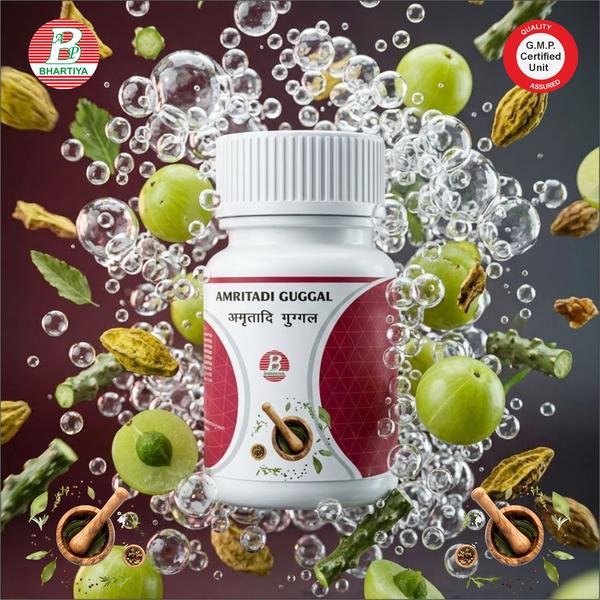
"name": "Amritadi Guggal",
"description": " AMRITADI GUGGUL\n\nProduct Identification\nGeneric Name: Amritadi Guggul\nType: Ayurvedic Polyherbal Formulation\nPrimary Indication Area: Gathiya (arthritis) – traditional Ayurvedic support for joint pain, stiffness, and inflammatory joint disorders.\nTherapeutic Indications: Traditionally used for managing gout (Vatarakta), skin diseases, chronic inflammation, ulcers, and metabolic toxin accumulation in the body.\nKey Benefits\n•\tHelps support joint health and mobility. \n•\tAssists in reducing joint pain and stiffness. \n•\tSupports management of arthritis-related symptoms. \n•\tHelps reduce Ama (metabolic toxins) according to Ayurvedic principles. \n•\tPromotes healthy digestion and metabolism. \n•\tSupports reduction of inflammation associated with joint disorders. \n•\tHelps maintain flexibility and comfort in joints. \n•\tSupports overall musculoskeletal health. Assists in maintaining healthy body weight and fat metabolism. \n•\tContributes to general wellness and physical comfort.\nFORMULA \nEach Tablet contains: \nGuduchi\t768 g\nShudha Guggul\t2.304 kg \nHaritaki\t768 g\nBibhitaki\t768 g\nAmalaki\t768 g\nVarsabhu\t768 g\nDanti\t24g \nChitraka mula\t24 g\nPippali\t24 g\nSunthi\t24 g\nHaritaki\t8 g\nBibhitaki\t8 g\nAmalaki \t8 g\nGuduchi\t24g\nDalchini\t24g\nVidanga\t24 g\nTrivrit \t12g\nWater\t12.288 l reduced 3.0721 L\n\nIngredients:\n1. Guduchi\nBotanical Name: Guduchi (Tinospora cordifolia)\n\n•\tRasa: Tikta, Kashaya \n•\tGuna: Laghu, Snigdha \n•\tVirya: Ushna \n•\tVipaka: Madhura \n•\tPrabhava: Rasayana, Tridosha Shamana \nMechanism in Arthritis (Gathiya):\n\n•\tReduces inflammatory mediators (Ayurvedic: Shothahara action) \n•\tHelps digest Ama (metabolic toxins linked to Amavata) \n•\tSupports immune modulation and joint tissue repair \n\n2. Shuddha Guggulu\nBotanical Name: Shuddha Guggulu (Commiphora mukul)\n\n•\tRasa: Tikta, Katu, Kashaya \n•\tGuna: Laghu, Ruksha, Tikshna \n•\tVirya: Ushna \n•\tVipaka: Katu \n•\tPrabhava: Lekhana, Yogavahi \nMechanism in Arthritis: \n\n•\tReduces joint swelling and stiffness (Shothahara) \n•\tHelps remove Ama from joints (Ama Pachana) \n•\tImproves mobility by clearing obstructed Srotas \n•\tSupports lipid and inflammatory balance in chronic arthritis \n\n3. Haritaki\nBotanical Name: Haritaki (Terminalia chebula)\n\n•\tRasa: Pancharasa (except Lavana) \n•\tGuna: Laghu, Ruksha \n•\tVirya: Ushna \n•\tVipaka: Madhura \n•\tPrabhava: Anulomana \nMechanism in Arthritis:\n\n•\tPromotes elimination of Ama via bowel cleansing \n•\tReduces systemic inflammatory load \n•\tSupports detoxification pathways linked to joint disease \n\n4. Bibhitaki\nBotanical Name: Bibhitaki (Terminalia bellirica)\n\n•\tRasa: Kashaya \n•\tGuna: Laghu, Ruksha \n•\tVirya: Ushna \n•\tVipaka: Madhura \n•\tPrabhava: Kapha-Pitta Shamaka \nMechanism in Arthritis:\n\n•\tReduces Kapha-related joint heaviness and stiffness \n•\tSupports reduction of inflammation and mucus-like accumulation in joints \n•\tHelps metabolic cleansing in chronic arthritis \n\n5. Amalaki\nBotanical Name: Amalaki (Emblica officinalis)\n\n•\tRasa: Pancharasa (dominant Amla) \n•\tGuna: Laghu, Ruksha \n•\tVirya: Shita \n•\tVipaka: Madhura \n•\tPrabhava: Rasayana \nMechanism in Arthritis:\n\n•\tAntioxidant support for joint tissues \n•\tReduces degenerative changes in joints \n•\tSupports tissue regeneration and immunity \n6.Varṣābhū\n Botanical Name: Trianthema portulacastrum\n\n• Rasa: Tikta, Kashaya\n• Guna: Laghu, Snigdha (sometimes described as Ruksha in some texts)\n• Virya: Ushna\n• Vipaka: Katu\n• Prabhava: Shothahara \nMechanism in Arthritis:\n\n•\tReduces swelling and fluid retention in joints\n•\tActs as anti-inflammatory and mild diuretic support\n•\tHelps in inflammatory and Kapha-Ama related joint stiffness\n•\t Improves joint comfort by reducing heaviness and edema\n\n7. Danti\n\nBotanical Name: Danti (Baliospermum montanum)\n\n•\tRasa: Tikta, Katu \n•\tGuna: Tikshna, Ruksha \n•\tVirya: Ushna \n•\tVipaka: Katu \n•\tPrabhava: Virechana (Purgative) \nMechanism in Arthritis:\n\n•\tEliminates deep-seated Ama through purgation \n•\tReduces chronic inflammatory load \n•\tUsed in cleansing therapy for Amavata \n\n8. Chitraka Mula\nBotanical Name: Chitraka Mula (Plumbago zeylanica)\n\n•\tRasa: Katu \n•\tGuna: Laghu, Ruksha, Tikshna \n•\tVirya: Ushna \n•\tVipaka: Katu \n•\tPrabhava: Deepana-Pachana \nMechanism in Arthritis:\n\n•\tImproves digestion of Ama (key in Amavata) \n•\tEnhances metabolic fire (Agni) \n•\tReduces stiffness by clearing metabolic toxins \n \n9. Pippali\nBotanical Name : Pippali (Piper longum)\n\n•\tRasa: Katu \n•\tGuna: Snigdha, Laghu \n•\tVirya: Ushna \n•\tVipaka: Madhura \n•\tPrabhava: Rasayana \nMechanism in Arthritis:\n\n•\tEnhances bioavailability of other herbs (Yogavahi support) \n•\tReduces inflammation and pain \n•\tSupports respiratory and systemic detox pathways \n\n10. Sunthi\nBotanical Name : Sunthi (Zingiber officinale)\n\n•\tRasa: Katu \n•\tGuna: Laghu, Ruksha \n•\tVirya: Ushna \n•\tVipaka: Madhura \n•\tPrabhava: Deepana, Shothahara \nMechanism in Arthritis :\n\n•\tStrong anti-inflammatory and analgesic support \n•\tImproves circulation in joints \n•\tReduces stiffness and Ama accumulation \n\n11. Dalchini\nBotanical Name : Dalchini (Cinnamomum verum)\n\n•\tRasa : Katu, Tikta, Madhura \n•\tGuna : Laghu, Tikshna \n•\tVirya : Ushna \n•\tVipaka : Katu \n•\tPrabhava : Shothahara \nMechanism in Arthritis :\n\n•\tReduces inflammation and oxidative stress \n•\tImproves blood circulation in joints \n•\tHelps reduce stiffness and pain \n\n12. Vidanga\nBotanical Name: Vidanga (Embelia ribes)\n\n•\tRasa: Katu, Kashaya \n•\tGuna: Ruksha, Tikshna \n•\tVirya: Ushna \n•\tVipaka: Katu \n•\tPrabhava: Krimighna \nMechanism in Arthritis:\n\n•\tRemoves Ama-related microbial/toxic burden \n•\tSupports detoxification in chronic joint disease \n•\tReduces inflammatory load indirectly \n\n13. Trivrit\nBotanical Name: Trivrit (Operculina turpethum)\n•\tRasa: Katu, Tikta \n•\tGuna: Laghu, Ruksha \n•\tVirya: Ushna \n•\tVipaka: Katu \n•\tPrabhava: Virechana \nMechanism in Arthritis:\n•\tEliminates deep Ama through purgation \n•\tUsed in classical Panchakarma support for Amavata \n•\tReduces chronic inflammatory accumulation \n \nStandard Adult Dosage\n•\t1–2 tablets (or 250–500 mg each) \n•\t2 times a day \n•\tBest taken after food \nAnupana (vehicle)\n\n•\tWarm water, or \n•\tDecoction like Nirgundi / Dashmool water (commonly used in joint disorders) \nDuration (general practice)\n\n•\tUsually 4–8 weeks, depending on condition severity \n•\tCan be continued longer under Ayurvedic supervision\n\namritadi guggulu, amritadi guggulu in hindi, amritadi guggulu uses\namritadi guggulu uses hindi, amritadi guggulu tablet uses in hindi\namritadi guggulu ingredients, amritadi guggulu ke fayde\namritadi guggulu benefits, amritadi guggulu price, amritadi guggulu tablet uses\namritadi guggulu ayurvedic medicine, amritadi guggulu benefits in hindi\namritadi guggulu contents, amritadi guggulu composition, amrita guggulu contents\namritadi guggulu dhootapapeshwar, amritadi guggulu dabur, amritadi guggulu dosage\namritadi guggulu dose, amrita guggulu easy ayurveda, amrutadi guggulu easy ayurveda\namritadi guggulu ke fayde in hindi, amritadi guggulu hindi, amritadi guggul hindi\namritadi guggulu indication, amritadi guggulu uses in hindi, amritadi guggulu kis kaam aati hai\namritadi guggal lucknow, amritadi guggal location, amritadi guggal lab, amritadi guggal last\namritadi guggulu medicine, uses of amritadi guggulu, use of amritadi guggulu in hindi\nbenefits of amritadi guggulu, ingredients of amritadi guggulu, amritadi guggulu preparation\namritadi guggal quality, amritadi guggal questions, amritadi guggulu reference\namritadi guggulu research paper, amritadi guggulu tablet, amrutadi guggul benefits\namrutadi guggul tablet, amrutadi guggul, tab amrita guggulu uses, tab amrutadi guggulu\ntab amrutadi guggulu uses, uses of amrutadi guggul, uses of amrutadi guggulu\namritadi guggulu use, uses of amrita guggulu, what is amrita in ayurveda\nwhat is the use of amritadi guggulu, amrita guggulu uses, amrita guggulu tablets\nwhere amritadi guggulu found, where amritadi guggulu, when amritadi guggulu\nwhen amritadi guggulu started, how amritadi guggulu works, how amritadi guggulu\nhow amritadi guggulu uses in hindi, how amritadi guggulu uses, why amritadi guggulu\nwhy amritadi guggulu is used, is amritadi guggulu, should amritadi guggulu increase, do amritadi guggulu",
"price": 240.0,
"discountamount": 120.0,
"currencycode": "INR",
"priority": 1000000,
"isfreeshipmentavailable": false,
"shipmentduration": 1,
"_keywords": null,
"isarchived": false,
"isavailable": true,
"applicationid": null,
"productindex": 137,
"imageuri": "https://productimages.withfloats.com/actual/6a28ff7b0966a060d35e4a26.jpg",
"tileimageuri": "https://productimages.withfloats.com/tile/6a28ff7b0966a060d35e4a26.jpg",
"images": null,
"totalqueries": 0,
"gpid": null,
"groupproductid": null,
"createdon": "2026-06-10T06:08:57.494Z",
"updatedon": "2026-06-10T12:22:21.21Z",
"buyonlinelink": null,
"producturl": "http://WWW.BHARTIYAAYURVEDICPHARMACY.COM//amritadi-guggal/137",
"availableunits": -1.0,
"iscodavailable": true,
"isprepaidonlineavailable": true,
"maxcodorders": -1,
"maxprepaidonlineorders": -1,
"uniquepaymenturl": null,
"brandname": "Bakula Fort",
"category": "Amritadi Guggal 100 GM X 40",
"tags": [],
"variants": false,
"keyspecification": null,
"otherspecifications": null,
"pickupaddressreferenceid": null,
"paymenttype": "AssuredPurchase",
"producttype": "products",
"hsncode": null,
"gstslab": 0.0,
"isnotforsale": false
},
{
"_id": "69ef38584005da95bb6b6559",
"fptag": "BHARTIYEAYURVEDICPHARMACY",
"merchantname": null,
"customwidgets": null,
"externalsourceid": null,
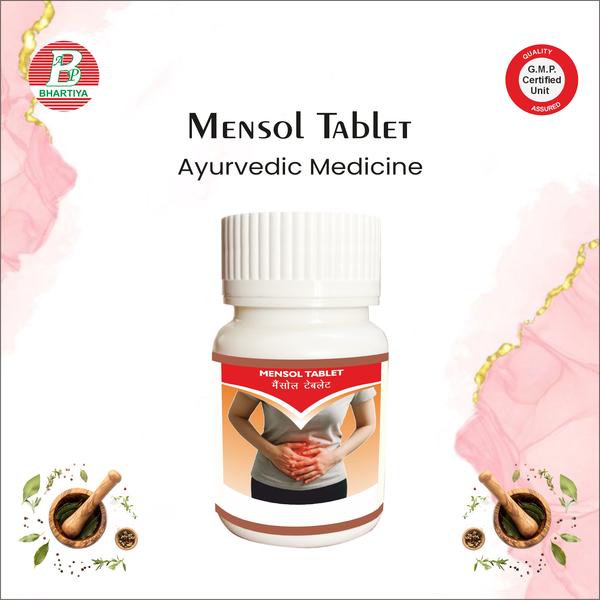
"name": "Mensol Tablet",
"description": " MENSOL TABLET \n\nProduct Identification\n•\tGeneric Name: Mensol Tablet\n•\tType: Ayurvedic Patent Medicine\n•\tPrimary Indication Area: Menstrual pain relief (dysmenorrhea)\nTherapeutic Indications:\n•\tRelief from menstrual cramps, helping reduce lower abdominal pain, uterine spasms, and the discomfort experienced during the menstrual cycle.\n Primary Benefit:\n•\tProvides relief from menstrual cramps and reduces lower abdominal pain during menstruation.\nOther Benefits:\n•\tSupports a smoother and more regulated menstrual flow by helping reduce clotting, easing heaviness, and promoting a more comfortable overall menstrual experience.\n\n ASHOK CHHAL \nBotanical / Scientific Name: Saraca asoca (Roxb.) De Wilde / Saraca indica (often used interchangeably) \nKey Phytoconstituents:\n•\tTannins\n•\tFlavonoids (catechin, quercetin, epicatechin)\n•\tGlycosides (crystalline uterine active glycosides)\n•\tSaponins\n•\tPhenolic compounds\n•\tSterols / Phytosterols (e.g., β sitosterol) \nMechanism of Action – Menstrual Problems\n1.\tUterine Tonification & Uterotonic Action\no\tActive glycosides and phytosterols stimulate healthy uterine muscle activity.\no\tHelps normalize menstrual flow and supports uterine contractions without strong tonic spasm, aiding in regular cycles and effective shedding. \n2.\tAnti menorrhagic / Astringent Action\no\tTannins and astringent constituents help reduce excessive bleeding.\no\tUseful in menorrhagia / dysfunctional uterine bleeding by tightening tissues and supporting hemostasis. \n3.\tAnti inflammatory & Analgesic Effects\no\tFlavonoids and phenolic compounds reduce local inflammation and pain mediators.\no\tHelps relieve dysmenorrhea (menstrual cramps) and pelvic discomfort. \n4.\tHormonal Modulation & Endometrial Support\no\tPhytosterols like β sitosterol may mimic/modulate estrogenic pathways, supporting endometrial repair and hormonal balance.\no\tSupports regular cycles and reproductive tissue health. \n5.\tAntioxidant & Tissue Protective Activity\no\tFlavonoids and phenolic antioxidants help scavenge free radicals, reducing oxidative stress in uterine tissues.\no\tSupports overall uterine and menstrual health. \n SHUDH HING (Asafoetida)\nBotanical Name: Ferula asafoetida\nKey Phytoconstituents:\n•\tResin (Ferulic acid derivatives)\n•\tVolatile oils (umbelliferone, α-pinene)\n•\tCoumarins\n•\tSesquiterpenes\n•\tSulphur compounds\nMechanism of Action – Menstrual Problems\n1. Antispasmodic / Uterine Spasm Relief\n•\tVolatile oils and coumarins relax uterine smooth muscles.\n•\tReduces cramping, spasms, and lower abdominal pain during menses.\n2. Blood Circulation Enhancer\n•\tSulphur compounds improve pelvic and uterine blood flow.\n•\tHelps relieve congestion, heaviness, and delayed/obstructed menses.\n3. Emmenagogue Action (Flow-Enhancing)\n•\tCoumarins stimulate mild uterine activity.\n•\tSupports smooth menstrual flow, useful in scanty or irregular periods.\n4. Anti-inflammatory Effect\n•\tFerulic acid derivatives decrease inflammatory mediators in pelvic tissues.\n•\tHelps reduce pelvic discomfort, bloating, and tenderness.\n5. Carminative / Digestive Support Linked to Menstrual Comfort\n•\tReduces gas, abdominal bloating, and digestive discomfort that often worsen cramps.\n•\tSupports overall menstrual comfort.\n HARA KASISA (Green Vitriol / Ferrous Sulphate)\nKey Phytoconstituents / Chemical Components:\n•\tFerrous sulphate (FeSO₄)\n•\tIron salts\n•\tSulphur compounds\n\nMechanism of Action – Menstrual Problems\n1. Hematinic / Iron-Supplementing Action\n•\tProvides readily absorbable iron.\n•\tHelps correct iron-deficiency anaemia, which is a major cause of fatigue and weakness during menstruation.\n•\tImproves haemoglobin levels, enhancing overall menstrual strength.\n2. Anti-menorrhagia Effect (Controls Excessive Bleeding)\n•\tIron salts support better blood clotting and stabilize vascular integrity.\n•\tHelps reduce heavy menstrual bleeding (menorrhagia) and associated dizziness or weakness.\n3. Uterine Tissue Support\n•\tAdequate iron promotes healthy endometrial regeneration.\n•\tSupports proper menstrual shedding and balanced uterine function.\n4. Energy & Vitality Enhancement\n•\tImproves oxygen delivery to tissues.\n•\tHelps reduce fatigue, lethargy, and weakness commonly associated with heavy menstrual blood loss.\n5. Restores Strength After Blood Loss\n•\tIron replenishment aids recovery after heavy or prolonged periods.\n•\tHelps build Rakta Dhatu (blood tissue) in traditional Ayurvedic view.\n\n ALUA (Aloe vera / Aloe barbadensis)\nKey Phytoconstituents:\n•\tAnthraquinones (aloin, emodin)\n•\tPolysaccharides (acemannan)\n•\tGlycoproteins\n•\tSaponins\n•\tFlavonoids\n•\tVitamins (A, C, E, B-complex)\n•\tMinerals (calcium, magnesium, zinc, iron)\nMechanism of Action – Menstrual & Reproductive Support\n1. Anti-inflammatory Effect\n•\tAnthraquinones and flavonoids reduce uterine inflammation.\n•\tHelps relieve pelvic discomfort and dysmenorrhea.\n2. Uterotonic / Emmenagogue Action\n•\tStimulates uterine tissue tone, promoting smoother menstrual flow.\n•\tUseful in cases of irregular or scanty menstruation.\n3. Hematinic / Blood-Building Action\n•\tMinerals and vitamins support blood regeneration.\n•\tHelps reduce weakness, fatigue, and anaemia associated with heavy menstrual bleeding.\n4. Analgesic / Spasm Relief\n•\tGlycoproteins and saponins help relax uterine spasms.\n•\tReduces cramps and lower abdominal pain during menstruation.\n5. Adaptogenic / General Wellness\n•\tPolysaccharides and vitamins support overall vitality.\n•\tEnhances systemic resilience during menstrual cycles.\n BEER BUTI \nBotanical / Scientific Name: Rivea hypocrateriformis\n(medicinal plant used traditionally in local Indian systems) \nKey Phytoconstituents:\n• Tannins\n• Alkaloids\n• Flavonoids\n• Carbohydrates (phytochemicals detected) \nMechanism of Action – Menstrual Problems / Uterine Support\n1.\tUterotonic / Emmenagogue Effect\no\tAlkaloids may promote healthy uterine muscle tone and activity.\no\tSupports proper menstrual flow and regulation.\n2.\tAnti inflammatory Action\no\tFlavonoids help reduce inflammation in pelvic and uterine tissues.\n3.\tAstringent / Hemostatic Action\no\tTannins provide astringent properties that may help modulate excessive bleeding or discharge.\n4.\tAnalgesic / Spasm Relief\no\tAlkaloids and flavonoids assist in reducing uterine spasms and menstrual pain.\n5.\tGeneral Wellness Support\no\tFlavonoids provide antioxidant support, aiding resilience during menstrual cycles.\nDosage \n 1–1 tablet twice a day for menstrual problems (dysmenorrhea, irregular/irritating flow) — preferably with warm milk or water, or as directed by your physician\nPrecautions – \nDo not exceed the prescribed dose.\n• Consult a doctor before use in children, elderly, pregnant or breastfeeding women, and patients with chronic illnesses.\n• Use as part of a comprehensive menstrual management plan (diet, hydration, rest).\n• Stop use and consult a physician if unusual symptoms occur (e.g., gastrointestinal upset, allergic reactions).\n• Follow the product label instructions specific to the formulation you are using\n\n\n\nmensol tablet uses, mensol tablet ayurvedic\nmensol tablet for periods, mensol tablet use in hindi\nmensol tablet price, mensol tablet in hindi\nmensol tablet benefits, mensol tablet uses in marathi\nimugest tablet benefits, mensol ayurvedic tablet uses\nmensol ayurvedic tablet uses in hindi, mensol tablet kis kaam aati hai\ncan we take multivitamin tablets during periods, mensol tablet uses in tamil\nmensol tablet uses in hindi, mensol tablet composition, mensol tablet uses in english\nmensol tablet gst rate, mensol tablet generic name, mensol tablet gst\nmensol tablet hindi, mensol tablet uses hindi, mensol tablet uses in\nnew mensol tablet uses in hindi, mensol tablet jiomart, mensol tablet login\nmensol tablet list, mensol tablet logo, mensol tablet list pdf, mensol tablet quantity\nmensol tablet quality, mensol tablet q10, mensol tablet review, mensol tablet rate\nmensol tablet review in hindi, mansol tablet uses in hindi, mansol tablet uses\nmensol tablet wholesale, mensol tablet wholesale price, mensol tablet weight\nmensol tablet which company, mensol tablet zepto, can mensol tablet kashmir\ncan mensol tablet uses in hindi, can mensol tablet benefits, will mensol tablet benefits\nwill mensol tablet ayurvedic, will mensol tablet kashmir, will mensol tablet uses in hindi\ndo mensol tablet work, do mensol tablet uses, do mensol tablet side effects\ndo mensol tablet uses in tamil, do mensol tablet uses in hindi, do mensol tablet ayurvedic\ndo mensol tablet curewell, do mensol tablet kashmir, do mensol tablet benefits\ndoes mensol tablet work, top mensol tablet uses, top mensol tablet kashmir\ntop mensol tablet uses in hindi, top mensol tablet uses in tamil\ntop mensol tablet curewell, top mensol tablet ayurvedic, top mensol tablet in hindi",
"price": 102.0,
"discountamount": 50.0,
"currencycode": "INR",
"priority": 1000000,
"isfreeshipmentavailable": false,
"shipmentduration": 1,
"_keywords": null,
"isarchived": false,
"isavailable": true,
"applicationid": null,
"productindex": 107,
"imageuri": "https://productimages.withfloats.com/actual/69ef385a3a6d113bfbff68fc.jpg",
"tileimageuri": "https://productimages.withfloats.com/tile/69ef385a3a6d113bfbff68fc.jpg",
"images": null,
"totalqueries": 0,
"gpid": null,
"groupproductid": null,
"createdon": "2026-04-27T10:20:08.582Z",
"updatedon": "2026-04-27T10:20:08.582Z",
"buyonlinelink": null,
"producturl": "http://WWW.BHARTIYAAYURVEDICPHARMACY.COM//mensol-tablet/107",
"availableunits": -1.0,
"iscodavailable": true,
"isprepaidonlineavailable": true,
"maxcodorders": -1,
"maxprepaidonlineorders": -1,
"uniquepaymenturl": null,
"brandname": "Bakula Fort",
"category": "Mensol Tablet 100 Tab X 50",
"tags": [],
"variants": false,
"keyspecification": null,
"otherspecifications": null,
"pickupaddressreferenceid": null,
"paymenttype": "AssuredPurchase",
"producttype": "products",
"hsncode": null,
"gstslab": 0.0,
"isnotforsale": false
},
{
"_id": "69ec9dae2f7ef40477916976",
"fptag": "BHARTIYEAYURVEDICPHARMACY",
"merchantname": null,
"customwidgets": null,
"externalsourceid": null,
"name": "Leucorin Tablet",
"description": " LEUCORIN TABLET \n\nProduct Identification\n•\tGeneric Name: Leucorin Tablet\n•\tType: Ayurvedic Patent Medicine\n•\tPrimary Indication Area: managing leucorrhoea (white discharge) and rakt-pradar (heavy menstrual bleeding).\nTherapeutic Indications:\nManagement of leucorrhoea and rakt-pradar in women (Ayurvedic use).\n Primary Benefit:\n•\tRestoration of dosha balance in the reproductive system, leading to normalization of vaginal discharge, strengthening of the uterus, and improvement in overall gynecological health.”\nOther Benefits:\n•\tStrengthening of uterine muscles / tone of uterus — helps in cases of “untoned uterus” or uterine weakness. \n•\tSupport for general female health / vitality — helps alleviate general debility, weakness, lack of energy. \n•\tRelief from backache, pelvic pain or menstrual related discomfort — in some formulations the tablets are said to reduce back pain, weakness, and headaches that often accompany gynecological problems. \n•\tHelping with unspecified uterine bleeding / irregularities — some versions are claimed to help manage “unspecified uterine haemorrhage” or irregular menstrual cycles. \n•\tHolistic reproductive system support — by acting as a tonic for reproductive organs, improving overall uterine health, possibly aiding hormonal balance and reproductive wellness in long term. \n SAFEED MUSLI \nBotanical / Common Name: Chlorophytum borivilianum\nKey Phytoconstituents:\n•\tSteroidal saponins\n•\tPolysaccharides\n•\tGlycosides\nMechanism of Action in Female Reproductive Health – Biochemistry / Pharmacology\n1. Uterine Tonic / Hormonal Support\n•\tSteroidal saponins help regulate estrogen and progesterone levels.\n•\tSupports uterine and ovarian tissue health, improving menstrual regularity.\n2. Vaginal & Leucorrhoea Support\n•\tPolysaccharides and glycosides enhance mucosal integrity.\n•\tHelps reduce excessive discharge and strengthens reproductive tract tissues.\n3. Adaptogenic & General Reproductive Tonic Effect\n•\tImproves overall vitality and energy, indirectly supporting reproductive function.\n•\tProvides mild anti-inflammatory effects, supporting reproductive organ health.\n\n SUPARI (Areca Nut) – Female Reproductive Health \nBotanical / Common Name: Areca catechu\nKey Phytoconstituents:\n•\tAlkaloids (Arecoline, Arecaidine)\n•\tTannins\n•\tFlavonoids\n•\tPolyphenols\nMechanism of Action in Female Reproductive Health – Biochemistry / Pharmacology\n1.\tUterine & Menstrual Effects\no\tArecoline may mildly stimulate smooth muscle activity in the uterus.\no\tTraditionally used in some herbal systems to support menstrual flow, though clinical evidence is limited.\n2.\tDigestive & Metabolic Support for Reproductive Health\no\tTannins and alkaloids enhance digestion and nutrient absorption.\no\tImproved nutrition indirectly supports ovarian function and general reproductive health.\n3.\tAnti-parasitic & Vaginal Health Support\no\tPolyphenols have mild antimicrobial activity.\no\tMay help reduce genitourinary infections, supporting overall reproductive tract health.\nCaution:\n•\tExcessive or chronic use can be harmful (oral fibrosis, toxicity), so use must be carefully controlled.\n\n LODHRĀ (Symplocos racemosa) \nBotanical / Common Name: Symplocos racemosa\nKey Phytoconstituents:\n•\tTannins\n•\tFlavonoids\n•\tAlkaloids\n•\tGlycosides\nMechanism of Action in Female Reproductive Health – Biochemistry / Pharmacology\n1.\tUterine Tonic / Menstrual Support\no\tTannins have astringent properties that help strengthen uterine tissue.\no\tSupports healthy menstrual flow and can reduce excessive bleeding (menorrhagia).\n2.\tVaginal & Leucorrhoea Support\no\tFlavonoids and tannins enhance mucosal integrity.\no\tHelps reduce excessive discharge and promotes vaginal health.\n3.\tAnti-inflammatory & Reproductive Organ Protection\no\tMild anti-inflammatory and antioxidant effects protect uterine and ovarian tissue.\no\tSupports overall reproductive organ health and vitality.\n\n SAMUNDER SOKH (Hawaiian Baby Woodrose / Elephant Creeper) \nBotanical / Common Name: Argyreia nervosa (Burm. f.) Bojer\nKey Phytoconstituents:\n•\tErgoline alkaloids (Lysergic acid amides: LSA)\n•\tFlavonoids\n•\tGlycosides\n•\tTriterpenes\nMechanism of Action in Female Reproductive Health – Biochemistry / Pharmacology\n1.\tUterine & Menstrual Support\no\tAlkaloids may influence smooth muscle activity, potentially supporting uterine tone.\no\tTraditionally used in some systems to aid menstrual regulation, though clinical evidence is limited.\n2.\tAdaptogenic & General Reproductive Tonic Effect\no\tFlavonoids and glycosides provide mild adaptogenic effects, improving overall vitality and stamina.\no\tSupports reproductive organ health indirectly through systemic well-being.\n3.\tCaution\no\tErgoline alkaloids are psychoactive, so internal use should be strictly guided by traditional or medical supervision.\no\tNot recommended for routine consumption without professional oversight due to potential toxicity and hallucinogenic effects.\n HALDI (Turmeric) \nBotanical / Common Name: Curcuma longa\nKey Phytoconstituents:\n•\tCurcuminoids (Curcumin, Demethoxycurcumin, Bisdemethoxycurcumin)\n•\tVolatile oils (Turmerone, Zingiberene)\n•\tPolysaccharides\n•\tProteins\nMechanism of Action in Female Reproductive Health – Biochemistry / Pharmacology\n1.\tAnti-inflammatory & Uterine Support\no\tCurcumin inhibits pro-inflammatory pathways (NF-κB, COX-2), reducing uterine inflammation.\no\tSupports conditions like dysmenorrhea and general uterine health.\n2.\tHormonal & Menstrual Regulation\no\tCurcuminoids may indirectly influence estrogen and progesterone metabolism.\no\tHelps in regulating menstrual cycles and maintaining ovarian health.\n3.\tAntioxidant & Reproductive Organ Protection\no\tStrong antioxidant properties protect ovarian and uterine tissues from oxidative stress.\no\tSupports overall reproductive vitality and reduces tissue damage.\n\n AMLA (Indian Gooseberry) \nBotanical / Common Name: Phyllanthus emblica / Emblica officinalis\nKey Phytoconstituents:\n•\tVitamin C (Ascorbic acid)\n•\tTannins (Emblicanin A & B)\n•\tFlavonoids (Quercetin, Kaempferol)\n•\tPolyphenols\n•\tGallic acid\nMechanism of Action in Female Reproductive Health – Biochemistry / Pharmacology\n1.\tHormonal & Ovarian Support\no\tVitamin C and flavonoids support steroid hormone synthesis, aiding estrogen and progesterone balance.\no\tHelps in maintaining healthy ovarian function and fertility.\n2.\tAntioxidant & Tissue Protection\no\tStrong antioxidant activity protects uterine and ovarian tissues from oxidative stress.\no\tReduces cellular damage, supporting overall reproductive health.\n3.\tImmune & Vaginal Health Support\no\tPolyphenols and tannins enhance mucosal integrity.\no\tSupports vaginal health and may help reduce susceptibility to infections.\n ASHOK CHAAL (Ashoka Bark) \nBotanical / Common Name: Saraca asoca\nKey Phytoconstituents:\n•\tFlavonoids (Quercetin, Kaempferol)\n•\tTannins\n•\tGlycosides\n•\tSterols\n•\tCatechins\nMechanism of Action in Female Reproductive Health – Biochemistry / Pharmacology\n1.\tUterine Tonic / Menstrual Support\no\tFlavonoids and glycosides help strengthen uterine tissue.\no\tSupports healthy menstrual flow and reduces excessive bleeding (menorrhagia).\n2.\tVaginal & Leucorrhoea Support\no\tTannins and flavonoids improve mucosal integrity.\no\tHelps reduce excessive discharge and maintain vaginal health.\n3.\tAnti-inflammatory & Reproductive Organ Protection\no\tMild anti-inflammatory and antioxidant effects protect uterine and ovarian tissue.\no\tSupports overall reproductive organ health and fertility.\n SHITAL CHINI (Stevia / Sweet Leaf) \nBotanical / Common Name: Stevia rebaudiana\nKey Phytoconstituents:\n•\tSteviol glycosides (Stevioside, Rebaudioside A)\n•\tFlavonoids\n•\tPhenolic compounds\n•\tVitamins (A, C, B-complex)\nMechanism of Action in Female Reproductive Health – Biochemistry / Pharmacology\n1.\tMetabolic & Hormonal Support\no\tSteviol glycosides help regulate blood sugar levels, which indirectly supports hormonal balance, especially in conditions like PCOS.\n2.\tAntioxidant & Tissue Protection\no\tFlavonoids and phenolic compounds reduce oxidative stress in reproductive tissues.\no\tSupports ovarian and uterine health.\n3.\tAnti-inflammatory & Vaginal Health Support\no\tMild anti-inflammatory activity protects reproductive organs.\no\tHelps maintain overall vaginal mucosal health.\n\n SHATAVARI (Asparagus racemosus) \nBotanical / Common Name: Asparagus racemosus\nKey Phytoconstituents:\n•\tSteroidal saponins (Shatavarins)\n•\tPolysaccharides\n•\tFlavonoids\n•\tGlycosides\nMechanism of Action in Female Reproductive Health – Biochemistry / Pharmacology\n1.\tUterine Tonic / Hormonal Support\no\tSteroidal saponins help regulate estrogen and progesterone levels.\no\tSupports uterine and ovarian tissue health, improving menstrual regularity and fertility.\n2.\tVaginal & Leucorrhoea Support\no\tPolysaccharides and glycosides strengthen vaginal mucosa.\no\tHelps reduce excessive leucorrhoea and maintain reproductive tract integrity.\n3.\tAdaptogenic & General Reproductive Tonic Effect\no\tImproves overall vitality, stamina, and immunity, indirectly supporting reproductive function.\no\tMild anti-inflammatory and antioxidant effects protect reproductive organs.\n KUKUTANDTWAK BHASMA (Coconut Shell Calcined Ash / Eggshell Calcined Ash) \nAyurvedic / Traditional Name: Kukkutandtwak Bhasma\nKey Phytoconstituents / Components:\n•\tCalcium (from calcined eggshell or bone)\n•\tTrace minerals (Magnesium, Phosphorus, Zinc)\nMechanism of Action in Female Reproductive Health – Biochemistry / Pharmacology\n1.\tUterine & Menstrual Support\no\tProvides bioavailable calcium, which supports uterine muscle function and may help regulate menstrual cramps.\no\tHelps maintain normal menstrual cycles and uterine tone.\n2.\tBone & Reproductive Tissue Support\no\tCalcium and trace minerals strengthen skeletal system, indirectly supporting pelvic and reproductive organ health.\no\tImportant for pregnancy and lactation to prevent mineral deficiencies.\n3.\tGeneral Reproductive Tonic Effect\no\tSupports overall vitality, endurance, and metabolic functions related to reproduction.\no\tMay enhance fertility indirectly by improving mineral balance and tissue health.\n\n LOH BHASMA (Iron Bhasma) \nAyurvedic / Traditional Name: Loh Bhasma\nKey Components:\n•\tElemental Iron (Fe) in bioavailable form\n•\tTrace minerals depending on preparation\nMechanism of Action in Female Reproductive Health – Biochemistry / Pharmacology\n1.\tHematinic / Menstrual Support\no\tProvides bioavailable iron, essential for hemoglobin synthesis.\no\tHelps prevent anemia, which is common in women with heavy menstrual bleeding.\n2.\tUterine & General Reproductive Support\no\tAdequate iron improves oxygen delivery to reproductive tissues, supporting uterine and ovarian health.\no\tMay improve overall vitality and energy, indirectly enhancing reproductive function.\n3.\tFertility & Pregnancy Support\no\tMaintains iron levels during preconception and pregnancy, supporting fetal development and maternal health.\no\tEnhances general reproductive efficiency by preventing nutritional deficiencies.\nCaution: Excessive use may cause iron overload; dosage should follow Ayurvedic guidance.\n\n ABHRAK BHASMA (Mica Calx) \nAyurvedic / Traditional Name: Abhrak Bhasma\nKey Components:\n•\tBioactive Silica (from calcined mica)\n•\tTrace minerals (Magnesium, Iron, Calcium, Potassium)\nMechanism of Action in Female Reproductive Health – Biochemistry / Pharmacology\n1.\tUterine & Hormonal Support\no\tTrace minerals help maintain uterine and ovarian tissue health.\no\tSupports menstrual regularity and alleviates uterine weakness.\n2.\tAdaptogenic & Reproductive Tonic Effect\no\tImproves vitality, stamina, and energy, indirectly supporting reproductive function.\no\tActs as a rejuvenator (Rasayana) for female reproductive organs.\n3.\tAnti-inflammatory & Tissue Protection\no\tMild anti-inflammatory effects protect reproductive tissues.\no\tEnhances tissue regeneration and overall reproductive organ resilience.\nCaution: Use only in Ayurvedic-prepared doses; improper use may lead to heavy metal accumulation.\n\n VANG BHASMA (Tin Bhasma) \nAyurvedic / Traditional Name: Vang Bhasma\nKey Components:\n•\tBioactive Tin (Sn)\n•\tTrace minerals depending on preparation\nMechanism of Action in Female Reproductive Health – Biochemistry / Pharmacology\n1.\tUterine & Menstrual Support\no\tSupports uterine tissue health and may help in regulating menstrual cycles.\no\tTraditionally used to reduce menstrual irregularities and uterine weakness.\n2.\tReproductive Tonic & Fertility Support\no\tActs as a rejuvenator (Rasayana) for the female reproductive system.\no\tEnhances overall vitality, energy, and reproductive efficiency.\n3.\tAnti-inflammatory & Tissue Protection\no\tMild anti-inflammatory and antioxidant effects protect ovarian and uterine tissues.\no\tHelps maintain the integrity of reproductive organs.\nCaution: Should be used only in Ayurvedic-prepared doses, as improper use may lead to heavy metal accumulation.\n\n MUKTASHUKTI PISHTI (Pearl Calcium / Pearl Bhasma) \nAyurvedic / Traditional Name: Muktashukti Pishti\nKey Components:\n•\tCalcium carbonate (from pearls)\n•\tTrace minerals (Magnesium, Zinc, Iron)\nMechanism of Action in Female Reproductive Health – Biochemistry / Pharmacology\n1.\tUterine & Menstrual Support\no\tProvides bioavailable calcium, supporting uterine muscle tone and reducing menstrual cramps.\no\tHelps maintain regular menstrual cycles and uterine strength.\n2.\tBone & Reproductive Tissue Support\no\tCalcium and trace minerals strengthen the skeletal system, indirectly supporting pelvic and reproductive organ health.\no\tSupports pregnancy and lactation by preventing mineral deficiencies.\n3.\tGeneral Reproductive Tonic & Vitality Support\no\tEnhances overall vitality, endurance, and energy, indirectly promoting reproductive function.\no\tActs as a rejuvenator (Rasayana), improving reproductive organ health.\nCaution: Should be used in Ayurvedic-recommended doses; excessive use may cause hypercalcemia.\n PRAVAL PISHTI (Coral Calcium / Coral Bhasma) \nAyurvedic / Traditional Name: Praval Pishti\nKey Components:\n•\tCalcium carbonate (from coral)\n•\tTrace minerals (Magnesium, Zinc, Iron, Phosphorus)\nMechanism of Action in Female Reproductive Health – Biochemistry / Pharmacology\n1.\tUterine & Menstrual Support\no\tProvides bioavailable calcium, supporting uterine muscle function.\no\tHelps reduce menstrual cramps and maintain regular menstrual cycles.\n2.\tBone & Reproductive Tissue Support\no\tStrengthens the skeletal system, indirectly supporting pelvic and reproductive organ health.\no\tImportant during pregnancy and lactation to prevent mineral deficiencies.\n3.\tGeneral Reproductive Tonic & Vitality Support\no\tEnhances energy, vitality, and endurance, indirectly supporting reproductive health.\no\tActs as a rejuvenator (Rasayana), promoting overall reproductive organ strength.\nCaution: Should be used in Ayurvedic-recommended doses; excessive intake may cause hypercalcemia.\n\nDosage\n•\t2-2 tablets\n•\tThrice a day\n•\tWith lukewarm water or milk\nPrecautions\n•\tDo not exceed the prescribed dose.\n•\tFollow the timing and duration as advised by your healthcare professional.\n•\tMonitor for any adverse effects.\n\n\nleucorin tablet uses, leucorin tablet uses in hindi\nleucorin tablet for kids, leucorin tablet 15mg\nleucorin tablet price, leucorin tablet 10, leucorin tablet in hindi\nleucorin tablet ayurvedic, leucorin tablet kis kaam aati hai\nleucorin tablet benefits, leucorin tablet content\nleucorin tablet dose, leucorin tablet in egypt, leucorin tablet use\nleucorin 15mg tablet 10's, leucovorin tablet hindi, leucorin tablet uses hindi\nleucorin tablet ingredients, leucorin tablet india, leucorin tablet jiomart\nleucorin tablet japan, leucorin tablet job, leucorin tablet 15 mg\nleucorin tablet quality, leucorin tablet quantity, leucorin tablet review\nleucorin tablet rate, leucorin tablet rate in india\nleucorin tablet rescue, leucorin tablet uses in marathi\nleucorin tablet veterinary, leucorine tablet, leucorin tablet substitute\nwhen leucorin tablet use, when leucorin tablet 10's\nwhen leucorin tablet uses in hindi, when leucorin tablets 1mg\nwhen leucorin tablet in hindi, when leucorin tablets in india\nwhen leucorin tablet brand name, how leucorin tablets works\nhow leucorin tablet use, how leucorin tablet uses in hindi\nhow leucorin tablets in india, how leucorin tablets 1mg\nhow leucorin tablet 10's, how leucorin tablets price\nwill leucorin tablet price, will leucorin tablet use\nwill leucorin tablet 10's, will leucorin tablets 1mg\nwill leucorin tablets in india, will leucorin tablet uses in hindi\nbest leucorin tablets, best leucorin tablet use\nbest leucorin tablet uses in hindi, best leucorin tablet 10's\nbest leucorin tablet in hindi, best leucorin tablet brand name\nbest leucorin tablets price, best leucorin tablets 1mg\ntop leucorin tablet price, top leucorin tablet use\ntop leucorin tablet uses in hindi, top leucorin tablet in hindi\ntop leucorin tablet brand name, top leucorin tablet 10's\ntop leucorin tablets in india, top leucorin tablets 1mg",
"price": 165.0,
"discountamount": 66.0,
"currencycode": "INR",
"priority": 1000000,
"isfreeshipmentavailable": false,
"shipmentduration": 1,
"_keywords": null,
"isarchived": false,
"isavailable": true,
"applicationid": null,
"productindex": 105,
"imageuri": "https://productimages.withfloats.com/actual/69ec9db23f48c9346ee6f9ba.jpg",
"tileimageuri": "https://productimages.withfloats.com/tile/69ec9db23f48c9346ee6f9ba.jpg",
"images": null,
"totalqueries": 0,
"gpid": null,
"groupproductid": null,
"createdon": "2026-04-25T10:55:42.753Z",
"updatedon": "2026-04-25T10:55:42.753Z",
"buyonlinelink": null,
"producturl": "http://WWW.BHARTIYAAYURVEDICPHARMACY.COM//leucorin-tablet/105",
"availableunits": -1.0,
"iscodavailable": true,
"isprepaidonlineavailable": true,
"maxcodorders": -1,
"maxprepaidonlineorders": -1,
"uniquepaymenturl": null,
"brandname": "Bakula Fort",
"category": "Leucorin Tablet 100 Tab X 30",
"tags": [],
"variants": false,
"keyspecification": null,
"otherspecifications": null,
"pickupaddressreferenceid": null,
"paymenttype": "AssuredPurchase",
"producttype": "products",
"hsncode": null,
"gstslab": 0.0,
"isnotforsale": false
},
{
"_id": "69e9bdf02c0925e46b696de0",
"fptag": "BHARTIYEAYURVEDICPHARMACY",
"merchantname": null,
"customwidgets": null,
"externalsourceid": null,
"name": "Krimihar Tabler",
"description": " KRIMIHAR TABLET \n\nProduct Identification\n•\tGeneric Name: KrimiharTablet\n•\tType: Ayurvedic Patent Medicine\n•\tPrimary Indication Area: Treatment and prevention of intestinal worm infestations (helminthiasis).\n\nTherapeutic Indications:\n•\tUsed for: Treatment of intestinal worm (helminth) infections\n•\tEffective against: Roundworms, threadworms, tapeworms, and hookworms\n•\tPurpose: Helps expel worms from the gastrointestinal tract and relieve symptoms like abdominal discomfort, weakness, and nutritional deficiency caused by worms.\n.\n Primary Benefit:\n•\tEliminates intestinal worms and relieves symptoms caused by worm infections, such as abdominal discomfort, weakness, and nutritional deficiencies.\nOther Benefits:\n1.Eliminates Intestinal Worms (Primary Benefit)\n•\tKrimihar tablet targets common gastrointestinal parasites such as roundworms, threadworms, tapeworms, and hookworms.\n•\tBy killing or expelling these worms, it directly addresses the root cause of infection.\n•\tThis reduces symptoms like abdominal pain, bloating, diarrhea, and itching around the anus (common in threadworm infections).\n2. Improves Digestion and Nutrient Absorption\n•\tWorm infestations often interfere with nutrient absorption, leading to deficiencies in proteins, vitamins, and minerals.\n•\tRemoving worms allows the digestive system to function normally, improving appetite, digestion, and overall nutrient uptake.\n3. Reduces Fatigue and Weakness\n•\tWorm infections can cause anemia or general weakness due to blood loss (hookworms) or malabsorption of nutrients.\n•\tBy eliminating the parasites, Krimihar helps restore energy levels, stamina, and vitality.\n4. Supports Overall Gut Health\n•\tA healthy intestine free of parasites can maintain a balanced gut microbiome, reducing the risk of recurring infections and gastrointestinal disturbances.\n5. Prevents Complications\n•\tUntreated worm infestations in children or adults can lead to stunted growth, delayed development, or chronic nutritional deficiencies.\n•\tRegular treatment with anthelmintics like Krimihar can prevent these long-term complications.\n\n Vaividang \nBotanical Name: (Embelia ribes) \nKey Phytoconstituents:\n•\tEmbelin (primary active compound)\n•\tTannins\n•\tFlavonoids\n•\tPhenolic compounds\nMechanism of Action Against Intestinal Worms – Biochemistry / Pharmacology:\n1.\tNeuromuscular Paralysis of Worms\no\tEmbelin interferes with neurotransmission in worm muscles.\no\tCauses paralysis → worms detach from intestinal wall and are expelled.\n2.\tDisruption of Worm Energy Metabolism\no\tInhibits mitochondrial respiratory enzymes in worms.\no\tReduces ATP production → energy depletion → worm death.\n3.\tTegument / Membrane Damage\no\tPhenolic compounds damage the worm’s outer surface (tegument).\no\tLoss of structural integrity makes worms vulnerable to digestive enzymes.\n4.\tOxidative Stress Induction\no\tEmbelin generates reactive oxygen species (ROS) in worm tissues.\no\tDamages proteins, lipids, and DNA → contributes to worm death.\n\n Pitpapda\nBotanical Name:(Fumaria indica / Fumaria parviflora)\nKey Phytoconstituents:\n•\tAlkaloids (Fumarine, Protopine)\n•\tFlavonoids\n•\tTannins\n•\tOrganic acids\nMechanism of Action in GIT / Constipation / Liver Support – Biochemistry / Pharmacology:\n1.\tMild Laxative / Stool Softening Effect\no\tAlkaloids stimulate bowel motility.\no\tHelps ease passage of stools and relieves constipation.\n2.\tDigestive Stimulant / Carminative\no\tFlavonoids and organic acids enhance digestive enzyme secretion.\no\tReduces bloating and improves digestion.\n3.\tHepatoprotective / Liver Support\no\tAlkaloids and flavonoids support liver function.\no\tPromotes bile secretion → improves fat digestion and prevents indigestion.\n4.\tAnti-inflammatory Effects\no\tReduces inflammation in gut lining.\no\tRelieves discomfort and irritation in gastrointestinal tract.\n5.\tAntioxidant Protection\no\tFlavonoids and phenolic compounds scavenge free radicals.\no\tProtects gut and liver tissues from oxidative damage.\n\n Kamala \n Botanical Name:(Mallotus philippensis / Red Kamala)\nKey Phytoconstituents:\n•\tRottlerin (primary active compound)\n•\tTannins\n•\tFlavonoids\n•\tPhenolic compounds\n•\tResin\nMechanism of Action in GIT / Anti-helminthic – Biochemistry / Pharmacology:\n1.\tAnti-helminthic / Vermifuge Effect\no\tRottlerin and tannins paralyze intestinal worms.\no\tParalyzed worms are expelled via bowel movements.\n2.\tMild Laxative Effect\no\tStimulates intestinal motility.\no\tSoftens stools and relieves mild constipation.\n3.\tDigestive Stimulant\no\tFlavonoids enhance secretion of digestive enzymes.\no\tImproves digestion and nutrient absorption.\n4.\tAnti-inflammatory Action\no\tPhenolic compounds reduce gut mucosal inflammation.\no\tRelieves abdominal discomfort, bloating, and irritation.\n5.\tAntioxidant Protection\no\tFlavonoids and phenolics scavenge free radicals.\no\tSupports gut mucosa health and healing of minor lesions.\n\n Shudh Kuchla \nBotanical Name: (Strychnos nux-vomica, Purified Nux Vomica Seeds) \nKey Phytoconstituents:\n•\tStrychnine (alkaloid, detoxified in Shudh form)\n•\tBrucine\n•\tOther minor alkaloids\nMechanism of Action in GIT / Constipation / Digestive Health – Biochemistry / Pharmacology:\n1.\tDigestive Stimulant / Carminative Effect\no\tDetoxified strychnine enhances secretion of digestive enzymes.\no\tImproves digestion and absorption, reducing accumulation of undigested food.\n2.\tMild Laxative Effect\no\tStimulates bowel motility in small doses.\no\tEases passage of stools and helps relieve mild constipation.\n3.\tAppetizer / Metabolic Stimulant\no\tEnhances appetite and gastrointestinal function.\no\tSupports overall digestive efficiency.\n4.\tAnti-flatulent / Carminative Action\no\tReduces bloating and gas formation in the gut.\n5.\tCaution / Safety\no\tRaw Kuchla seeds are highly toxic; only Shudh (purified) form is safe.\no\tUse under medical supervision to avoid toxicity.\n\n Afsanteen / Afsteen (Artemisia absinthium) \nBotanical Name / Common Name: Artemisia absinthium — commonly known as Wormwood in English and Afsanteen in Unani medicine. \nKey Phytoconstituents:\n•\tSesquiterpene lactones (e.g., absinthin, anabsin)\n•\tEssential oils\n•\tFlavonoids\n•\tBitter compounds\n•\tPhenolics \nMechanism of Action in GIT / Worms / Digestion – Biochemistry / Pharmacology:\n1.\tAnthelmintic / Anti parasite Action\no\tBitter sesquiterpene lactones have vermifuge properties, traditionally used to expel intestinal worms.\no\tImproves defence against parasites in the gut. \n2.\tDigestive Stimulant / Bitter Tonic Effect\no\tBitter compounds stimulate secretion of digestive juices (stomach acid and bile).\no\tEnhances digestion, appetite and nutrient absorption. \n3.\tCarminative & Mild Stomachic Effect\no\tEssential oils and flavonoids help reduce bloating, gas and indigestion.\no\tEases discomfort and supports regular bowel function. \n4.\tHepatoprotective / Liver Support\no\tTraditional use includes supporting liver and gallbladder function.\no\tMay aid detoxification and improve metabolic processing. \n5.\tAnti inflammatory & Antimicrobial Properties\no\tPhenolics and essential oils exhibit anti inflammatory and antimicrobial effects in the gut.\no\tHelps maintain gut mucosa health and reduce irritation. \n\n\n Khursani Ajwain (Trachyspermum ammi / Carom seeds) \n\nKey Phytoconstituents:\n•\tThymol (primary active compound)\n•\tTerpenes\n•\tFlavonoids\n•\tSaponins\n•\tVolatile oils\nMechanism of Action in GIT / Digestion / Anti-parasitic – Biochemistry / Pharmacology:\n1.\tCarminative / Anti-flatulence Effect\no\tThymol and volatile oils relax gut smooth muscles.\no\tReduces bloating, gas, and abdominal discomfort.\n2.\tDigestive Stimulant\no\tStimulates secretion of gastric juices and digestive enzymes.\no\tEnhances digestion and nutrient absorption.\n3.\tMild Laxative / Bowel Regulation\no\tTerpenes and saponins stimulate mild intestinal motility.\no\tAids smooth passage of stools, relieving mild constipation.\n4.\tAntimicrobial / Anti-parasitic Action\no\tThymol exhibits antimicrobial and vermifuge properties.\no\tHelps control intestinal pathogens and mild worm infestations.\n5.\tAnti-inflammatory & Spasmolytic Action\no\tFlavonoids and volatile oils reduce gut inflammation and smooth muscle spasm.\no\tRelieves abdominal cramps and gut irritation.\n\n\nDosage\nAdult:2–3 tablets thrice a day\nChildren: 1-2 tablets\nCommon Anupan for Krimihar:\n1.\tHoney (Madhu)\no\tSoothes GI tract.\no\tImproves palatability, especially for children.\n2.\tWarm Water / Lukewarm Water\no\tFacilitates swallowing and absorption.\no\tHelps expel worms through natural bowel movement.\n\n Precautions\n•\tChildren & Age: Use cautiously in young children; follow age-appropriate dose.\n•\tPregnancy/Lactation: Consult doctor before use.\n•\tGI Sensitivity: Take with warm water, milk, or honey to avoid stomach upset.\n•\tAllergies: Avoid if allergic to any ingredient.\n•\tChronic Illness: Caution in liver, kidney, or gut disorders.\n•\tDrug Interactions: Maintain 1–2-hour gap with other medicines.\n•\tOverdose: Stick to recommended dose; avoid self-increasing.\n\nkrimihar tablet uses, krimi tablet name, krimihar tablet amazon\nkrimihar tablet ayurvedic, krimihar tablet amazon india\nkrimihar tablet brands in india, krimihar tablet benefits\nkrimihar tablet brand name, krimihar tablet benefits in hindi\nkrimihar tablet buy online, krimihar tablet capsule\nkrimihar tablet company, krimihar tablet composition\nkrimihar tablet content, krimihar tablet cost\nkrimihar tablet download, krimihar tablet english\nkrimihar tablet english name, krimihar tablet flipkart\nkrimihar tablet free download, krimihar tablet gst rate\nkrimihar tablet google, krimihar tablet government of india\nkrimihar tablet hindi, krimihar tablet hd images\nkrimihar tablet in hindi, krimihar tablet image\nkrimihar tablet jain, krimihar tablet ke fayde\nkrimihar tablet ke fayde in hindi, krimihar tablet list\nkrimihar tablet manufacturer, krimihar tablet manufacturers in india\nkrimihar tablet mrp, krimihar tablet name, krimihar tablet name in hindi\nkrimihar tablet news in hindi, krimihar tablet name list\nkrimihar tablet online shopping, krimihar tablet online\nkrimihar tablet online order, krimihar tablet price\nkrimihar tablet price in india, krimihar tablet quality\nkrimihar tablet question, krimihar tablet review\nkrimihar tablet rate, krimihar tablet review in hindi\nkrimihar tablet time",
"price": 96.0,
"discountamount": 40.0,
"currencycode": "INR",
"priority": 1000000,
"isfreeshipmentavailable": false,
"shipmentduration": 1,
"_keywords": null,
"isarchived": false,
"isavailable": true,
"applicationid": null,
"productindex": 104,
"imageuri": "https://productimages.withfloats.com/actual/69e9bdf36b4fa44895043fca.jpg",
"tileimageuri": "https://productimages.withfloats.com/tile/69e9bdf36b4fa44895043fca.jpg",
"images": null,
"totalqueries": 0,
"gpid": null,
"groupproductid": null,
"createdon": "2026-04-23T06:36:32.114Z",
"updatedon": "2026-04-23T07:29:03.263Z",
"buyonlinelink": null,
"producturl": "http://WWW.BHARTIYAAYURVEDICPHARMACY.COM//krimihar-tabler/104",
"availableunits": -1.0,
"iscodavailable": true,
"isprepaidonlineavailable": true,
"maxcodorders": -1,
"maxprepaidonlineorders": -1,
"uniquepaymenturl": null,
"brandname": "Bakula Fort",
"category": "Krimihar Tabler 100 Tab X 40",
"tags": [],
"variants": false,
"keyspecification": null,
"otherspecifications": null,
"pickupaddressreferenceid": null,
"paymenttype": "AssuredPurchase",
"producttype": "products",
"hsncode": null,
"gstslab": 0.0,
"isnotforsale": false
},
{
"_id": "69e08903ef2bb462c498463f",
"fptag": "BHARTIYEAYURVEDICPHARMACY",
"merchantname": null,
"customwidgets": null,
"externalsourceid": null,
"name": "SURYAPRABHA PILLS",
"description": " SURYAPRABHA PILLS (SILVER COATED) \n\nProduct Identification\n•\tGeneric Name: Suryaprabha Pills\n•\tType: Ayurvedic Patent Medicine\n•\tPrimary Indication Area: Diabetes (Prameha / Blood Sugar Imbalance)\nTherapeutic Indications: The management of diabetes (Prameha / high blood sugar) and to support metabolic health, digestive strength, and overall vitality.\n\nKey benefits include:\n•\tBlood Sugar Support: Helps maintain healthy glucose levels.\n•\tDigestive & Metabolic Support: Enhances digestion, nutrient absorption, and metabolism.\n•\tPancreatic & Liver Health: Supports proper insulin function and detoxification.\n•\tStamina & Vitality: Helps combat fatigue and weakness associated with diabetes.\n•\tRasayana (Rejuvenation): Supports overall tissue nourishment and long-term health.\n\nIngredients:\n Giloy (Tinospora cordifolia) \nAyurvedic Name: Giloy / Guduchi\nPrimary Uses in Diabetes: Helps regulate blood glucose, improves insulin sensitivity, and protects organs from diabetic complications.\nKey Phytoconstituents\n•\tAlkaloids (e.g., berberine, magnoflorine)\n•\tDiterpenoid lactones (e.g., Tinosporide)\n•\tGlycosides\n•\tFlavonoids\n•\tSteroids\n•\tPolysaccharides\nThese compounds contribute to its antidiabetic, antioxidant, and immunomodulatory effects.\nMechanism of Action in Diabetes\n1. Insulin Sensitization & Secretion\n•\tGiloy stimulates pancreatic beta cells → increases insulin secretion.\n•\tImproves insulin receptor sensitivity on target tissues (muscle and adipose), enhancing glucose uptake.\n•\tAlkaloids like berberine mimic insulin action by activating AMPK pathway, which helps lower blood glucose.\n2. Carbohydrate Metabolism Regulation\n•\tModulates key enzymes:\no\tIncreases glucokinase activity → promotes glucose utilization in the liver.\no\tInhibits glucose-6-phosphatase & fructose-1,6-bisphosphatase → reduces hepatic gluconeogenesis.\n•\tThis leads to lower fasting and postprandial blood glucose.\n\nHaldi / Turmeric (Curcuma longa) \nAyurvedic Name: Haridra / Haldi\nPrimary Uses: Anti-inflammatory, antioxidant, digestive support, liver protection, and metabolic health (including blood sugar support).\nKey Phytoconstituents\n•\tCurcuminoids: Curcumin (major active compound), desmethoxycurcumin, bisdemethoxycurcumin\n•\tVolatile oils: Turmerone, zingiberene, atlantone\n•\tProteins & sugars\n•\tMinerals: Iron, calcium\nBiochemical & Pharmacological Actions\n1. Anti-inflammatory\n•\tCurcumin inhibits NF-κB pathway, reducing pro-inflammatory cytokines: TNF-α, IL-1β, IL-6.\n•\tSuppresses COX-2 and LOX enzymes, reducing prostaglandin and leukotriene production.\n•\tHelps in arthritis, inflammation, and chronic metabolic inflammation.\n2. Antioxidant\n•\tCurcumin neutralizes free radicals (ROS and RNS).\n•\tUpregulates endogenous antioxidant enzymes: SOD, catalase, glutathione peroxidase.\n•\tProtects tissues (liver, pancreas, kidneys, and heart) from oxidative stress.\n\nAtis (Aconitum heterophyllum) \nPrimary Role in Diabetes (Ayurvedic / Biochemical Basis):\nAtis is considered a mild hypoglycaemic and metabolism-supportive herb in traditional use, mainly through digestive and metabolic regulation. Modern research is limited, but biochemical mechanisms can be inferred.\nKey Phytochemicals Relevant to Diabetes\n•\tNon-toxic alkaloids (stimulatory to metabolism)\n•\tPhenolic compounds (antioxidant effects)\n•\tCarbohydrates and starch (support energy metabolism)\n•\tTannins (reduce oxidative gut stress)\nMechanisms of Action – Biochemical Basis\n1. Digestive & Metabolic Support\n•\tEnhances Agni (digestive fire) → indirectly supports carbohydrate digestion and absorption.\n•\tBetter digestion → improved glucose homeostasis because nutrients are metabolized efficiently.\n2. Antioxidant Action\n•\tPhenolic compounds neutralize free radicals generated by high blood sugar.\n•\tProtects pancreatic β-cells from oxidative damage → maintains insulin production.\n\nDaru Haldi (Berberis aristata) \nAyurvedic Name: Daruharidra / Daruhaldi\nPrimary Uses: Diabetes (Madhumeha), metabolic disorders, liver protection, antioxidant support\nKey Phytochemicals\n•\tAlkaloids: Berberine (major active compound), palmatine, jatrorrhizine\n•\tPolyphenols and flavonoids\n•\tTannins\n•\tOrganic acids\nBerberine is the primary active compound responsible for most antidiabetic effects.\nBiochemical Mechanisms in Diabetes\n1. Insulin Sensitization\n•\tBerberine activates AMPK (AMP-activated protein kinase) → acts like an “energy sensor” in cells.\n•\tIncreases glucose uptake in muscle and adipose tissue → lowers blood sugar.\n•\tImproves insulin receptor expression and sensitivity.\n2. Inhibition of Gluconeogenesis\n•\tReduces hepatic glucose production by inhibiting gluconeogenic enzymes:\no\tGlucose-6-phosphatase\no\tPhosphoenolpyruvate carboxykinase (PEPCK)\n•\tLeads to lower fasting blood glucose.\n\nPippali (Piper longum) \nAyurvedic Name: Pippali\nPrimary Uses: Diabetes (Madhumeha), digestive support, respiratory support, metabolism booster\nKey Phytochemicals\n•\tAlkaloids: Piperine (main active compound)\n•\tEssential oils: Caryophyllene, Pinene\n•\tFlavonoids, phenolic compounds\n•\tLignans\nPiperine is the primary bioactive compound responsible for most pharmacological effects.\nBiochemical Mechanisms in Diabetes\n1. Improves Insulin Sensitivity\n•\tPiperine enhances insulin receptor activity → increases glucose uptake in muscles and adipose tissue.\n•\tActs as a cellular sensitizer, making tissues respond better to insulin.\n2. Enhances Glucose Metabolism\n•\tStimulates glycolytic enzymes → promotes breakdown of glucose for energy.\n•\tReduces hepatic gluconeogenesis → less glucose is released into blood by the liver.\n\nChitrak (Plumbago zeylanica) \nAyurvedic Name: Chitraka\nPrimary Uses in Diabetes (Madhumeha): Digestive and metabolic support, improving glucose utilization, stimulating pancreatic function, and enhancing fat metabolism.\nKey Phytochemicals\n•\tPlumbagin (primary bioactive naphthoquinone)\n•\tAlkaloids\n•\tFlavonoids and phenolic compounds\n•\tEssential oils\nPlumbagin is the main compound responsible for antidiabetic effects.\nBiochemical Mechanisms in Diabetes\n1. Enhances Glucose Uptake\n•\tPlumbagin stimulates glucose transporter (GLUT4) translocation in muscle and adipose tissue.\n•\tImproves peripheral glucose utilization, lowering blood sugar.\n2. Stimulates Pancreatic Function\n•\tMildly supports pancreatic β-cell activity → helps maintain insulin secretion.\n•\tProtects β-cells from oxidative stress-induced damage.\n\nHarad (Terminalia chebula) \nAyurvedic Name: Haritaki / Harad\nPrimary Uses in Diabetes (Madhumeha): Blood sugar regulation, antioxidant support, lipid metabolism improvement, and digestive/metabolic balance.\nKey Phytochemicals\n•\tTannins: Chebulinic acid, chebulagic acid, gallic acid\n•\tFlavonoids and phenolic compounds\n•\tOrganic acids\n•\tPolysaccharides\nMost antidiabetic effects are attributed to tannins and polyphenols.\nBiochemical Mechanisms in Diabetes\n1. Improves Insulin Sensitivity\n•\tPolyphenols and tannins enhance insulin receptor activity on muscle and adipose tissues.\n•\tPromotes glucose uptake by cells → lowers blood sugar.\n2. Reduces Hepatic Glucose Production\n•\tInhibits gluconeogenic enzymes (glucose-6-phosphatase, PEPCK) → reduces fasting blood glucose.\n•\tHelps regulate hepatic glucose output.\n\nAmla (Phyllanthus emblica) \nAyurvedic Name: Amla / Amalaki\nPrimary Uses in Diabetes (Madhumeha): Blood sugar regulation, antioxidant protection, lipid metabolism improvement, and pancreatic β-cell protection.\nKey Phytochemicals\n•\tVitamin C (Ascorbic acid) – very high content\n•\tTannins: Emblicanin A & B, punigluconin, pedunculagin\n•\tFlavonoids and polyphenols\n•\tGallic acid and ellagic acid\nThe antioxidant compounds and tannins are responsible for most antidiabetic effects.\nBiochemical Mechanisms in Diabetes\n1. Enhances Insulin Secretion & β-Cell Protection\n•\tAntioxidants in Amla protect pancreatic β-cells from oxidative stress.\n•\tSupports insulin secretion in mild diabetes.\n2. Improves Insulin Sensitivity\n•\tPolyphenols improve insulin receptor activity on muscle and adipose tissues.\n•\tEnhances peripheral glucose uptake → lowers blood sugar.\n\nChavya (Piper chaba) \nAyurvedic Name: Chavya\nPrimary Uses in Diabetes (Madhumeha): Blood sugar regulation, digestive/metabolic support, and insulin sensitization.\nKey Phytochemicals\n•\tAlkaloids: Piperine (main active compound)\n•\tEssential oils: Caryophyllene, pinene\n•\tFlavonoids and polyphenols\n•\tLignans\nPiperine is the main bioactive compound responsible for most antidiabetic effects\nBiochemical Mechanisms in Diabetes\n1. Enhances Insulin Sensitivity\n•\tPiperine improves insulin receptor activity in muscle and adipose tissue.\n•\tIncreases glucose uptake → lowers blood sugar.\n2. Stimulates Glucose Metabolism\n•\tEnhances glycolytic enzyme activity → better glucose utilization by cells.\n•\tReduces hepatic gluconeogenesis → less glucose released into blood.\n\nVaividang (Embelia ribes) \nAyurvedic Name: Vaividang / Vidanga\nPrimary Uses in Diabetes (Madhumeha): Blood sugar regulation, antioxidant protection, lipid metabolism improvement, and digestive/metabolic support.\nKey Phytochemicals\n•\tAlkaloids: Embelin (main active compound)\n•\tFlavonoids and phenolic compounds\n•\tTannins and glycosides\n•\tEssential oils\nEmbelin is the major bioactive molecule responsible for antidiabetic effects.\nBiochemical Mechanisms in Diabetes\n1. Enhances Insulin Sensitivity\n•\tEmbelin improves insulin receptor activity in peripheral tissues (muscle and adipose).\n•\tIncreases glucose uptake, lowering blood sugar.\n2. Stimulates Glucose Metabolism\n•\tPromotes glycolytic enzyme activity → better glucose utilization in tissues.\n•\tReduces hepatic gluconeogenesis → decreases blood glucose release from liver.\n\nSaunth / Shunthi (Zingiber officinale, dry ginger) \nAyurvedic Name: Saunth / Shunthi\nPrimary Uses in Diabetes (Madhumeha): Blood sugar regulation, insulin sensitization, antioxidant protection, and metabolic support.\nKey Phytochemicals\n•\tGingerols and Shogaols (major bioactive compounds)\n•\tPolyphenols and flavonoids\n•\tEssential oils (zingiberene, bisabolene)\n•\tDiarylheptanoids\nGingerols and Shogaols are mainly responsible for antidiabetic effects.\nBiochemical Mechanisms in Diabetes\n1. Enhances Insulin Sensitivity\n•\tGingerol and shogaol improve insulin receptor signaling in muscle and adipose tissue.\n•\tEnhances glucose uptake by cells, reducing blood sugar.\n2. Reduces Hepatic Glucose Production\n•\tInhibits gluconeogenic enzymes like glucose-6-phosphatase and PEPCK.\n•\tLeads to lower fasting blood glucose.\n\nSajji kshar (Alkaline Salt / Kshara) \nAyurvedic Name: Sajji kshar / Kshara\nPrimary Uses in Diabetes (Madhumeha):\n•\tDigestive support and enhancing metabolism\n•\tBlood sugar balance\n•\tAcid-base regulation in the body\nKey Biochemical Properties\n•\tAlkaline nature (basic pH)\n•\tSodium ions and carbonate ions\n•\tNo direct organic phytochemicals (inorganic compound)\nSajji kshar is not a herb but an alkaline mineral-based therapeutic agent used in Ayurveda to correct metabolic imbalances.\nBiochemical Mechanisms Relevant to Diabetes\n1. Supports Digestive Enzymes & Metabolism\n•\tAlkaline environment improves digestive enzyme activity → better breakdown and absorption of nutrients.\n•\tHelps regulate glucose metabolism indirectly by improving digestion (Agni).\n2. Neutralizes Excess Acidity\n•\tIn diabetes, acid-base imbalance and metabolic acidosis may occur in uncontrolled cases.\n•\tSajji kshar helps maintain systemic pH balance, which supports enzymatic reactions for carbohydrate metabolism.\n\nSaindha Namak (Rock Salt / Himalayan Salt) \nAyurvedic Name: Saindha Namak / Lavana\nPrimary Uses in Diabetes (Madhumeha):\n•\tSupports digestion and metabolism\n•\tEnhances nutrient absorption\n•\tElectrolyte and mineral balance\nKey Biochemical Properties\n•\tSodium chloride – primary component\n•\tTrace minerals: potassium, magnesium, calcium, iron\n•\tAlkaline-forming salts (helps balance pH in tissues)\nSaindha Namak is not an organic herb, but a mineral salt used in Ayurveda to improve digestion and metabolic balance, which is important in diabetes management.\n\nBiochemical Mechanisms Relevant to Diabetes\n1. Digestive & Metabolic Support\n•\tEnhances Agni (digestive fire) → improves enzymatic breakdown of carbohydrates.\n•\tBetter digestion → improved glucose absorption and utilization.\n2. Electrolyte & Mineral Balance\n•\tProvides sodium, potassium, and trace minerals → helps maintain cellular osmolarity and enzyme function.\n•\tProper electrolyte balance supports insulin signaling and glucose transport in tissues.\n\nKala Namak (Black Salt) \nAyurvedic Name: Kala Namak / Black Salt\nPrimary Uses in Diabetes (Madhumeha):\n•\tDigestive and metabolic support\n•\tElectrolyte and mineral balance\n•\tMild alkalizing effect → helps in metabolic homeostasis\nKey Biochemical Properties\n•\tMain components: Sodium chloride, sodium sulphate, trace minerals (iron, magnesium, potassium)\n•\tContains sulfur compounds → gives characteristic taste and mild therapeutic action\n•\tMildly alkaline → supports acid-base balance\nKala Namak is a mineral-based adjunct in Ayurveda, not a direct herb, but plays an important role in metabolic regulation and diabetes support.\n\nBiochemical Mechanisms Relevant to Diabetes\n1. Digestive & Metabolic Support\n•\tImproves Agni (digestive fire) → enhances carbohydrate breakdown and absorption.\n•\tProper digestion → more stable blood glucose levels.\n2. Electrolyte & Mineral Balance\n•\tProvides sodium, potassium, and magnesium → supports cellular osmolarity, insulin signaling, and enzyme activity.\n\nDantimool (Baliospermum montanum) \nAyurvedic Name: Dantimool / Danti\nPrimary Uses in Diabetes (Madhumeha):\n•\tBlood sugar regulation\n•\tDigestive and metabolic support\n•\tLipid metabolism improvement\n•\tMild detoxification of blood\nKey Phytochemicals\n•\tAlkaloids: Baliospermin, solanifolamine\n•\tFlavonoids and phenolic compounds\n•\tGlycosides\n•\tFatty acids\nThe alkaloids and flavonoids are mainly responsible for metabolic and antidiabetic effects.\nBiochemical Mechanisms in Diabetes\n1. Digestive & Metabolic Support\n•\tImproves Agni (digestive fire) → enhances carbohydrate breakdown and nutrient absorption.\n•\tBetter digestion → improves glucose metabolism and stabilizes blood sugar levels.\n2. Enhances Glucose Utilization\n•\tStimulates glycolytic enzymes → promotes cellular glucose utilization.\n•\tReduces hepatic gluconeogenesis, lowering fasting blood sugar.\n\nTejpatra (Cinnamomum tamala) \nAyurvedic Name: Tejpatra / Indian Bay Leaf\nPrimary Uses in Diabetes (Madhumeha):\n•\tBlood sugar regulation\n•\tInsulin sensitization\n•\tAntioxidant protection\n•\tLipid metabolism support\nKey Phytochemicals\n•\tEssential oils: Eugenol, cinnamaldehyde, linalool\n•\tPolyphenols\n•\tFlavonoids\n•\tTannins\nThe cinnamaldehyde and polyphenols are mainly responsible for antidiabetic effects.\nBiochemical Mechanisms in Diabetes\n1. Enhances Insulin Sensitivity\n•\tPolyphenols and cinnamaldehyde improve insulin receptor activity in muscle and adipose tissue.\n•\tEnhances glucose uptake by cells, reducing postprandial blood sugar.\n2. Reduces Hepatic Glucose Production\n•\tInhibits gluconeogenic enzymes (glucose-6-phosphatase, PEPCK) → lowers fasting blood glucose.\n\nNagarmotha (Cyperus rotundus) \nAyurvedic Name: Nagarmotha / Musta-moola\nPrimary Uses in Diabetes (Madhumeha):\n•\tBlood sugar regulation\n•\tInsulin sensitization\n•\tDigestive and metabolic support\n•\tLipid metabolism improvement\nKey Phytochemicals\n•\tEssential oils: Cyperene, α-cyperone, β-selinene\n•\tFlavonoids and phenolic compounds\n•\tTannins\n•\tAlkaloids and glycosides\nThe α-cyperone, flavonoids, and phenolic compounds are mainly responsible for antidiabetic effects.\nBiochemical Mechanisms in Diabetes\n1. Enhances Insulin Sensitivity\n•\tFlavonoids and α-cyperone improve insulin receptor activity in muscle and adipose tissue.\n•\tEnhances glucose uptake by peripheral tissues, reducing postprandial blood sugar.\n2. Reduces Hepatic Glucose Production\n•\tInhibits gluconeogenic enzymes (glucose-6-phosphatase, PEPCK) → lowers fasting blood glucose.\n\nShudh Guggul (Commiphora mukul) \nAyurvedic Name: Guggul / Shudh Guggul\nPrimary Uses in Diabetes (Madhumeha):\n•\tBlood sugar regulation\n•\tLipid metabolism improvement\n•\tInsulin sensitization\n•\tAnti-inflammatory and antioxidant effects\n\nKey Phytochemicals\n•\tGuggulsterones (E & Z) – primary active compounds\n•\tFlavonoids and polyphenols\n•\tTerpenoids and volatile oils\n•\tResin compounds\nGuggulsterones are mainly responsible for antidiabetic and lipid-lowering effects.\nBiochemical Mechanisms in Diabetes\n1. Enhances Insulin Sensitivity\n•\tGuggulsterones improve insulin receptor signaling in peripheral tissues (muscle and adipose).\n•\tEnhances glucose uptake, lowering postprandial blood sugar.\n2. Regulates Hepatic Glucose Metabolism\n•\tModulates gluconeogenic enzymes in the liver → reduces fasting blood glucose.\n•\tSupports glycolysis, promoting cellular glucose utilization.\n\nShudh Shilajeet (Purified Shilajit) \nAyurvedic Name: Shilajeet / Shilajit\nPrimary Uses in Diabetes (Madhumeha):\n•\tBlood sugar regulation\n•\tInsulin sensitization\n•\tAntioxidant and anti-inflammatory support\n•\tEnergy metabolism enhancement\nKey Biochemical Constituents\n•\tFulvic acid – major bioactive compound\n•\tHumic acids\n•\tTrace minerals: zinc, iron, magnesium, copper\n•\tDibenzo-α-pyrones (antioxidant compounds)\n•\tAmino acids and phenolic compounds\nFulvic acid and dibenzo-α-pyrones are mainly responsible for antidiabetic effects.\nBiochemical Mechanisms in Diabetes\n1. Enhances Insulin Sensitivity\n•\tFulvic acid improves insulin receptor activity in muscle and adipose tissue.\n•\tEnhances glucose uptake, lowering blood sugar.\n2. Regulates Hepatic Glucose Metabolism\n•\tInhibits gluconeogenic enzymes (glucose-6-phosphatase, PEPCK) → reduces fasting blood glucose.\n•\tStimulates glycolysis → improves cellular glucose utilization.\n\nLoh Bhasma (Iron Ash) \nAyurvedic Name: Loh Bhasma\nPrimary Uses in Diabetes (Madhumeha):\n•\tSupports Hemoglobin and iron metabolism\n•\tEnhances energy and stamina\n•\tImproves glucose metabolism indirectly\n•\tAntioxidant and tissue-protective effects\n\nKey Biochemical Properties\n•\tInorganic Iron (Fe³⁺/Fe²⁺) – main active component\n•\tTrace minerals retained during preparation\n•\tHighly bioavailable form after Ayurvedic calcination (Bhasmikarana)\nLoh Bhasma is a mineral-based Ayurvedic preparation that primarily improves haematological and metabolic functions, indirectly supporting glucose homeostasis.\nBiochemical Mechanisms Relevant to Diabetes\n1. Supports Red Blood Cells & Oxygen Transport\n•\tIncreases Hemoglobin synthesis → better oxygen delivery to tissues.\n•\tEnhanced tissue oxygenation improves glucose utilization in muscles and organs.\n2. Energy & Metabolic Support\n•\tIron is a cofactor for enzymes in the electron transport chain and oxidative phosphorylation.\n•\tImproves ATP production, which enhances glucose metabolism and cellular energy.\n\nDosage & Administration\n•\tDose per intake: 1–2 pills\n•\tFrequency: 2–3 times daily\n•\tTotal daily dose: 2–6 pills (as per physician advice)\n•\tHow to take: With warm water, preferably after meals\n\nPrecautions\n•\tDo not exceed prescribed dose\n•\tConsult Ayurvedic practitioner before use in:\no\tChildren\no\tElderly\no\tChronic illness patients\n•\tMonitor for digestive discomfort\n•\tMaintain proper diet, hydration, and lifestyle for diabetes management\n\n\nsuryaprabha tablet, suryaprabha tablet uses, suryaprabha pills amazon\nsuryaprabha pills buy, suryaprabha pills buy online, suryaprabha pills benefits\nsuryaprabha pills brand, suryaprabha pills benefits in hindi\nsuryaprabha pills bibwewadi pune, suryaprabha pills company\nsuryaprabha pills contact number, suryaprabha pills content\nsuryaprabha pills chemist, suryaprabha pills contact details\nsuryaprabha pills contact no, suryaprabha pills channel\nsuryaprabha pills delhi, suryaprabha pills details\nsuryaprabha pills distributor, suryaprabha pills email id\nsuryaprabha pills energy, suryaprabha pills enterprises\nsuryaprabha pills education, suryaprabha pills energy private limited\nsuryaprabha pills effects, suryaprabha pills edit\nsuryaprabha pills for hair, suryaprabha pills for skin\nsuryaprabha pills for weight loss, suryaprabha pills group\nsuryaprabha pills gst number, suryaprabha pills granules\nsuryaprabha pills gulika uses, suryaprabha pills gulika\nsuryaprabha pills gulika benefits, suryaprabha pills gulika side effects\nsuryaprabha pills hyderabad, suryaprabha pills hindi\nsuryaprabha pills himachal pradesh, suryaprabha pills hospital\nsuryaprabha pills holidays, suryaprabha pills home\nsuryaprabha pills hospital pune, suryaprabha pills hot latest\nsuryaprabha pills in hindi, suryaprabha pills industries\nsuryaprabha pills indiamart, suryaprabha pills ingredients\nsuryaprabha pills in malayalam, suryaprabha pills instagram\nsuryaprabha pills in tamil, suryaprabha pills in perambalur\nsuryaprabha pills jee advanced, suryaprabha pills ke fayde\nsuryaprabha pills ke fayde in hindi, suryaprabha pills khanna\nsuryaprabha pills limited, suryaprabha pills linkedin\nsuryaprabha pills login, suryaprabha pills latest\nsuryaprabha pills manufacturer, suryaprabha pills manufacturing company\nsuryaprabha pills malayalam, suryaprabha pills matrimony\nsuryaprabha pills model, suryaprabha pills news\nsuryaprabha pills name, suryaprabha pills net worth\nsuryaprabha pills network, suryaprabha pills new delhi\nsuryaprabha pills nursing home, suryaprabha pills owner\nsuryaprabha pills online, suryaprabha pills online shopping\nsuryaprabha pills owner name, suryaprabha pills online order\nsuryaprabha pills oil, suryaprabha pills official\nsuryaprabha pills photography, suryaprabha pills photoshoot\nsuryaprabha pills pune, suryaprabha pills review\nsuryaprabha pills research, suryaprabha pills reels\nsuryaprabha pills supplier, suryaprabha pills share price\nsuryaprabha pills today, suryaprabha vati uses\nsuryaprabha pills veterinary, suryaprabha pills vs\nsuryaprabha pills vati uses, suryaprabha pills vati\nsuryaprabha pills vlogs, suryaprabha pills vahanam\nsuryaprabha pills vahanam images, suryaprabha pills website\nsuryaprabha pills wholesale, suryaprabha pills zepto\nayurvedic medicine suryaprabha, sooryaprabha tablet\ndoes suryaprabha pills work, does suryaprabha pills uses\nwas suryaprabha pills good, was suryaprabha pills uses\nwas suryaprabha pills uses in malayalam\nbest suryaprabha pills in india, best suryaprabha pills uses\nbest suryaprabha pills uses in malayalam",
"price": 450.0,
"discountamount": 225.0,
"currencycode": "INR",
"priority": 1000000,
"isfreeshipmentavailable": false,
"shipmentduration": 1,
"_keywords": null,
"isarchived": false,
"isavailable": true,
"applicationid": null,
"productindex": 87,
"imageuri": "https://productimages.withfloats.com/actual/69e08924c32735ec39db6c8e.jpg",
"tileimageuri": "https://productimages.withfloats.com/tile/69e08924c32735ec39db6c8e.jpg",
"images": null,
"totalqueries": 0,
"gpid": null,
"groupproductid": null,
"createdon": "2026-04-16T07:00:19.771Z",
"updatedon": "2026-04-16T07:00:19.771Z",
"buyonlinelink": null,
"producturl": "http://WWW.BHARTIYAAYURVEDICPHARMACY.COM//suryaprabha-pills/87",
"availableunits": -1.0,
"iscodavailable": true,
"isprepaidonlineavailable": true,
"maxcodorders": -1,
"maxprepaidonlineorders": -1,
"uniquepaymenturl": null,
"brandname": "Bakula Fort",
"category": "SURYAPRABHA PILLS 100gm X 30",
"tags": [],
"variants": false,
"keyspecification": null,
"otherspecifications": null,
"pickupaddressreferenceid": null,
"paymenttype": "AssuredPurchase",
"producttype": "products",
"hsncode": null,
"gstslab": 0.0,
"isnotforsale": false
}
],
"hasmoreitems": false,
"isapirequest": false,
"totalresults": 27,
"query": null,
"floatingpoint": null
}