Preview

This is your website preview.

Currently it only shows your basic business info. Start adding relevant business details such as description, images and products or services to gain your customers attention by using Boost 360 android app / iOS App / web portal.

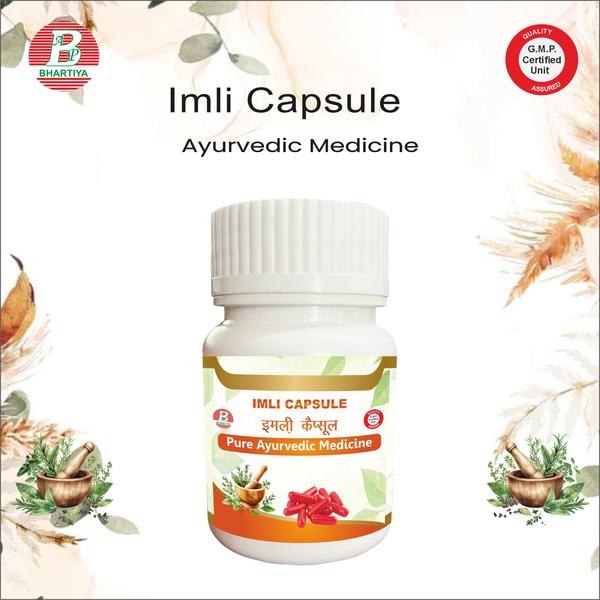
BHARTIYEAYURVEDICPHARMACY 67810fc344772a6a78a797b9 Products https://www.bhartiyaayurvedicpharmacy.com
{ "products": [ { "_id": "698c1ba5301c5faebac8e6fe", "fptag": "BHARTIYEAYURVEDICPHARMACY", "merchantname": null, "customwidgets": null, "externalsourceid": null, "name": "Arjuna Capsule", "description": " ARJUNA (Terminalia arjuna Wight & Arn.)\n The Supreme Hṛdya — “Kṣata-Śodhana,” the Divine Protector of the Heart\nArjuna, known as Arjuna, Arjunah, Dhanvi, Veeravruksha, is the most celebrated Hṛdya (cardiac protective) drug in Ayurveda. Revered for its ability to strengthen the heart, purify blood, heal wounds, and restore vitality, Arjuna is mentioned extensively by Charaka, Sushruta, Vagbhata, and Nighantukars.\nIts bark is rich in co-enzyme Q-like compounds, triterpenoids, flavonoids, and tannins, responsible for its cardioprotective and antioxidant effects. Traditionally used for Hṛdroga, Raktapitta, Urahshoola, Kshaya, Prameha, and Shotha, it remains one of Ayurveda’s most important rejuvenative herbs for cardiovascular wellness.\n BOTANICAL INFORMATION\nScientific Name: Terminalia arjuna (Roxb. ex-DC.) Wight & Arn.\nFamily: Combretaceae\nOrder: Myrtales\nGenus: Terminalia\nSpecies: arjuna\nCommon Names\n•\tSanskrit: Arjuna, Dhanvi, Indradruma, Ksheerashleshma, Partha\n•\tHindi: Arjun\n•\tTamil: Marudha Maram\n•\tTelugu: Tellamaddi\n•\tMalayalam: Neer Maruthu\n•\tKannada: Matti\n•\tBengali: Arjun\n•\tMarathi/Gujarati: Arjun\n SYNONYMS FROM CLASSICAL AYURVEDIC NIGHANTUS\nCharaka Saṃhitā\n•\tListed under Kashaya Skandha (astringent group)\n•\tActions indicated: Hṛdya, Kṛmighna, Vrana-ropana\nSushruta Saṃhitā\n•\tMentioned in Pittaghna and Kasaya Varga\n•\tDescribed as Rakta-stambhana, Vrana-shodhana, Vedanasthapana\nBhavaprakasha Nighantu\n•\tSynonyms: Arjuna, Kukubha, Dhavala, Veeravriksha, Nadisarjaka\n•\tActions: Hṛdya, Raktaprasadana, Sthambhana, Vrana-ropana\nDhanvantari Nighantu\n•\tSynonyms: Indradruma, Partha, Ksheerashleshma, Arjunah\n•\tAttributes: Kaphapittashamaka, Shoshahara, Hṛdya\nAll classical texts glorify Arjuna primarily for cardiac protection, blood purification, wound healing, and strength building.\n SHORT STORY OF ARJUNA — AS PER ĀCHĀRYA TRADITION\nIn the ancient riverbank forests where great sages lived, the Arjuna tree stood tall and white-barked like a vigilant warrior. The Āchāryas observed that wounded animals resting near the Arjuna tree would heal more quickly, and those who drank decoction from its bark recovered from blood loss and weakness with remarkable speed.\nSeeing this, the sages proclaimed:\n“Arijayati iti Arjunaḥ — that which conquers the enemies of the body is Arjuna.”\n(Bhavaprakāśa Nighaṇṭu, Arjuna Varga)\nRecognizing its Hṛdya (heart-protecting) power, they declared:\n“Arjuna strengthens the heart just as the warrior Arjuna protected the Pāṇḍavas.”\n(Traditional commentary based on Dhanvantari Nighaṇṭu)\nThus, inspired by both its healing nature and the valour of the Mahābhārata hero, the sages named the tree Arjuna —\nthe protector, the healer, the conqueror of disease.\n THE HISTORICAL & PURĀNIC STORY OF ARJUNA —\n“The Warrior Tree of Courage and the Heart” **\nAmong all the trees described in Ayurveda, Arjuna carries one of the most inspiring and sacred stories. The ancient Vaidyas say that Arjuna is not merely a medicinal tree; it is a symbol of courage, strength, and unshakeable heart power. Its origin is tied to the valor of Arjuna, the Pandava warrior, and to the compassion of divine beings.\n THE LEGEND OF ARJUNA:\nWhy the Tree Was Named After the Mahabharata Warrior\nAccording to Ayurvedic tradition and Pauranic lore, during the time of the Mahabharata:\n Arjuna, the mighty Pandava prince, was known for:\n•\tHis immovable courage,\n•\tHis unbreakable will,\n•\tHis sharp focus,\n•\tAnd his compassionate heart.\nBut during the exile, Arjuna once felt deep weakness and exhaustion of heart, both physically and mentally. Seeing his fatigue, Sage Chyavana and Sage Dhaumya took him to the banks of a sacred river.\nThere, stood a tall, shimmering white-barked tree.\nSage Dhaumya said:\n “Partha, this tree shall bear your name, for it holds the same virtues you do —\nCourage, strength, purity, and a heart that protects all.”\nHe instructed Arjuna:\n•\tTo rest under its shade,\n•\tTo consume a decoction from its reddish inner bark,\n•\tAnd to meditate facing the river.\nAfter days of consuming the bark decoction, Arjuna regained astounding strength, clarity, and vitality.\nAnd thus, the tree came to be known as “ARJUNA” —\nthe tree that strengthens the heart just as the warrior inspired hearts.\n THE STORY OF ARJUNA AND LORD INDRA\n(Said in some regional Ayurvedic oral traditions)\nAnother folklore says:\nArjuna performed severe penance to receive divine weapons. Pleased by his devotion, Lord Indra appeared before him. When Arjuna asked:\n“O Deva! Grant me something that will protect and strengthen the hearts of future generations.”\nIndra touched a nearby tree and said:\n “This tree shall become a guardian of hearts. Its bark will protect, its strength will heal.\nAs you guard dharma, this tree will guard life.”\nHence, the tree was blessed with:\n•\tUnmatched heart-protective power\n•\tStrength-giving qualities\n•\tWound-healing\n MORPHOLOGY OF ARJUNA\nTree\nLarge, deciduous, 20–30 m tall, with a wide crown.\nBark-Smooth, greyish-white to pinkish, Peels in thin, papery flakes, Medicinal bark is thick, reddish-brown inside\nLeaves-Simple, opposite, oblong, Shiny dark green above, pale beneath\nFlowers-Small, white to yellowish, In terminal panicles, Mild fragrance\nFruit-2.5–5 cm, fibrous, 5-winged drupe\nSeeds-Single seed in hard woody pericarp\n ECOLOGICAL REQUIREMENTS\n•\tClimate: Tropical, subtropical\n•\tSoil: Prefers moist alluvial soil; thrives along riverbanks\n•\tHabitat: Riverbanks, forests, moderately dry regions\n•\tAltitude: 200–1200 m\n•\tNative to: Indian subcontinent\n GEOGRAPHICAL DISTRIBUTION\nIndia:\nCentral and Southern India — UP, Bihar, Bengal, Odisha, MP, Maharashtra, Karnataka, Andhra Pradesh, Tamil Nadu, Kerala.\nOutside India:\nSri Lanka, Bangladesh, Myanmar, Nepal, Thailand, Malaysia.\n CLASSICAL AYURVEDIC PROPERTIES (RASA–GUNA–VIRYA–VIPAKA)\nRasa (Taste): Kashaya (astringent) dominant\nGuna (Qualities): Laghu (light), Ruksha (dry), Sara (flowing)\nVirya (Potency): Sheeta (cooling)\nVipaka (Post-digestive): Katu\nDoshic Action:\n•\tKaphapittashamaka\n•\tStrengthens Vata when combined with milk or ghee\n THERAPEUTIC ACTIONS ACCORDING TO AYURVEDA (KARMA)\n1.\tHṛdya – Strengthens heart muscles, improves cardiac tone\n2.\tRakta-stambhana – Stops internal bleeding\n3.\tVrana-ropana – Excellent wound healer\n4.\tKshaya-nashana – Useful in emaciation & debility\n5.\tKaphashamaka – Reduces Kapha accumulation\n6.\tShothahara – Anti-inflammatory\n7.\tPramehaghna – Supports urinary and metabolic disorders\n8.\tUrah-shoolahara – Relieves chest discomfort\n INDICATIONS\nCardiac System-Hṛdroga (cardiac weakness), Hṛdaya sthambhana (palpitation), Hypertension (traditionally interpreted as Raktapitta/Kapha vitiation), post-cardiac recovery tonic\nBlood & Circulatory System-Raktapitta, Excessive bleeding, Varicosities & weak vessels\nRespiratory-Kasa, Shwasa, Urahshoola (chest pain)\nSkin & Wounds-Non-healing wounds, Ulcers, Inflammatory conditions\nUrinary & Metabolic-Prameha, Kshaya, Excessive urination\n MODERN PHYTOCHEMISTRY & PHARMACOLOGY\nMajor Constituents\n•\tTriterpenoids: Arjunolic acid, Arjungenin, Arjunone\n•\tFlavonoids: Quercetin, Kaempferol\n•\tGlycosides: Arjunetin\n•\tMinerals: Calcium, magnesium\n•\tCoQ10-like compounds\n•\tTannins: Ellagic acid, Gallic acid\nPharmacological Actions: Cardioprotective, Antioxidant, Anti-ischemic, Antihypertensive, Anti-inflammatory, Lipid-lowering, Wound-healing, Antimicrobial.\n CULTIVATION DETAILS\n•\tPropagation: Seeds, stem cuttings\n•\tPlanting season: June–August\n•\tSpacing: 6–8 m\n•\tIrrigation: Needs moisture, but tolerates drought after maturity\n•\tHarvesting: Bark: Collected during winter, eaves/flowers: Seasonal\n CLASSICAL DOSAGE (as per Ayurvedic Granthas)\n(For educational/classical reference only)\n•\tChurna: 3–6 g/day\n•\tKwatha: 40–80 ml/day\n•\tSwarasa: 10–20 ml\n•\tArjuna Ksheer Paka: 50–100 ml\n•\tArishta: 15–25 ml\n•\tGhrita: 5–10 g\n CLASSICAL AYURVEDIC FORMULATIONS CONTAINING ARJUNA\n1.\tArjuna Ksheer Paka – Primary cardiac tonic\n2.\tArjunarishta – Cardiac strength, digestion, vitality\n3.\tArjuna Ghrita – Hṛdya, Rasayana\n4.\tKsheerabala Taila (variant) – Nervine & strengthening\n5.\tSarivadyasava – In Raktapitta & inflammation\n6.\tHridya Vati (classical)\n7.\tDashamoola Arjuna Kwatha – Respiratory & cardiac support\n Arjuna (Terminalia arjuna) Formulations – Bhartiya Ayurvedic Pharmacy\nBhartiya Ayurvedic Pharmacy prepares a range of Arjuna-based formulations following the classical Ayurvedic system described in Charaka Saṁhitā, Suśruta Saṁhitā, Aṣṭāṅga Hṛdaya, Bhavaprakāśa Nighaṇṭu and other authoritative granthas. Each preparation is designed to retain Arjuna’s full Hṛdya (cardio-protective), Raktaprasādaka, Shothahara, Vrana-ropana, and strength-promoting properties.\nThese formulations support heart health, stamina, circulation, wound healing, metabolism, and overall vitality.\n 1. ARJUNA CAPSULE\nDescription:\nA convenient, easy-to-absorb capsule containing standardized extract of Arjuna bark (Terminalia arjuna). Designed for daily cardiovascular strengthening.\nKey Benefits:\n•\tStrengthens cardiac muscles (Hṛdya Rasayana)\n•\tSupports healthy cholesterol & lipid profile\n•\tIncreases stamina and reduces fatigue\n•\tPromotes healthy blood circulation\n•\tAntioxidant and anti-inflammatory\nDosage:1–2 capsules twice daily after meals with warm water\n(or as directed by a physician)\nPrecautions: Use cautiously in low BP conditions\nMonitor dosage in pregnancy or chronic heart conditions\n 2. ARJUNARISHTA\nDescription:\nA classical fermented formulation prepared from Arjuna bark decoction, jaggery (guda), and Dhataki pushpa. Ideal for digestion, circulation, and heart health.\nKey Benefits:\n•\tNatural cardio-strengthening tonic\n•\tUseful in palpitations, mild chest discomfort, and weakness\n•\tImproves digestion, appetite, and metabolism\n•\tEnhances stamina and vitality\n•\tSupports post-illness recovery\nDosage:15–25 ml twice daily with equal water after meals\nPrecautions: Contains natural sugars — use carefully in diabetes\nStore away from sunlight\n 3. ARJUN CHHAL POWDER (Arjuna Bark Powder / Arjuna Churna)\nDescription:\nPure, finely powdered Arjuna bark, prepared through classical purification (Shodhana) for maximum potency and therapeutic effect.\nKey Benefits:\n•\tStrengthens heart and blood vessels\n•\tStops bleeding (Rakta-stambhana)\n•\tPromotes wound healing (Vrana-ropana)\n•\tReduces Pitta and inflammation\n•\tSupports urinary health and metabolism\nDosage: 2–4 g once or twice daily with warm water or milk\n•\tFor best Hṛdya Rasayana effect: Use with warm milk (Arjuna Ksheer Paka)\nPrecautions: May cause dryness in Vata prakriti — combine with ghee or milk\n•\tAvoid overdose in constipation\n Short Classical Reference (Āchāryas / Granthas)\nBhavaprakāśa Nighaṇṭu:\n“कषायो हृद्यः शीतवीर्यः पित्तकफापहः ।\nव्रणरोपणकृत् श्रेष्ठो रक्तपित्तनिवारकः ॥”\nMeaning:\nArjuna is cooling, astringent, heart-protecting, Pitta-Kapha balancing, excellent wound-healer, and stops bleeding.\n SAFETY & PRECAUTIONS\n•\tSafe in classical doses\n•\tAvoid excessive use in: Severe constipation, Dryness (Vata aggravation)\n•\tMonitor in: Low blood pressure\n•\tPregnancy/lactation: Use under guidance\n•\tLong-term bark consumption should be cycled to protect gut dryness", "price": 180.0, "discountamount": 90.0, "currencycode": "INR", "priority": 1000000, "isfreeshipmentavailable": false, "shipmentduration": 1, "_keywords": null, "isarchived": false, "isavailable": true, "applicationid": null, "productindex": 51, "imageuri": "https://productimages.withfloats.com/actual/698c1ba891061ac934d15d3b.jpg", "tileimageuri": "https://productimages.withfloats.com/tile/698c1ba891061ac934d15d3b.jpg", "images": null, "totalqueries": 0, "gpid": null, "groupproductid": null, "createdon": "2026-02-11T06:03:17.39Z", "updatedon": "2026-02-11T06:05:57.432Z", "buyonlinelink": null, "producturl": "http://WWW.BHARTIYAAYURVEDICPHARMACY.COM/products/arjuna-capsule/51", "availableunits": -1.0, "iscodavailable": true, "isprepaidonlineavailable": true, "maxcodorders": -1, "maxprepaidonlineorders": -1, "uniquepaymenturl": null, "brandname": "Bakula Fort", "category": "Arjuna Capsule 60 Cap X 60", "tags": [], "variants": false, "keyspecification": null, "otherspecifications": null, "pickupaddressreferenceid": null, "paymenttype": "AssuredPurchase", "producttype": "products", "hsncode": null, "gstslab": 0.0, "isnotforsale": false }, { "_id": "698705b4927481ba212bd210", "fptag": "BHARTIYEAYURVEDICPHARMACY", "merchantname": null, "customwidgets": null, "externalsourceid": null, "name": "Asthonil Granules", "description": " ASTHONIL GRANULES \n\nProduct Identification\n•\tGeneric Name: Asthonil Granule \n•\tType: Ayurvedic Patent Medicine\n•\tPrimary Indication Area: Supports respiratory health, particularly useful in bronchitis, cough, and asthma\n•\tTherapeutic Indications: support respiratory function, help in relieving cough, reducing congestion, and promoting lung health naturally\nKey benefits include:\n•\tRespiratory Support: Helps maintain healthy lung function and eases breathing.\n•\tBronchitis & Asthma Relief: Reduces symptoms like cough, congestion, and respiratory discomfort.\n•\tCough Management: Soothes the throat and reduces persistent coughing.\n•\tImmune Support: Strengthens the body’s natural defenses against infections.\n•\tAnti-inflammatory Action: Helps reduce mild inflammation in the respiratory tract.\n•\tOverall Vitality: Supports energy levels and general wellness.\n.\nIngredients:\n Gajwan (Onosma bracteatum) \nBotanical Name: Onosma bracteatum\nAyurvedic Name: Gojihva / Gaozaban\nKey Phytoconstituents:\n• Flavonoids & Phenolics – antioxidant, anti-inflammatory\n• Naphthoquinones (shikonins) – antimicrobial, anti-inflammatory\n• Coumarins & Glycosides – support fluid balance\n• Tannins & Mucilage – demulcent, soothe mucous membranes\n• Minerals & Alkaloids – tonic, diuretic\nMechanism / Actions:\n1.\tAnti-inflammatory & antioxidant → reduce airway inflammation\n2.\tDemulcent & expectorant → soothe throat, clear mucus\n3.\tSpasmolytic → relax airway smooth muscles → easier breathing\n\n Arjun Chhal (Terminalia arjuna Bark) \nBotanical Name: Terminalia arjuna\nAyurvedic Name: Arjuna Chhal / Arjuna Bark\nKey Phytoconstituents:\n• Triterpenoid saponins (Arjunic acid, Arjunolic acid) – mild anti-inflammatory\n• Flavonoids & Polyphenols – antioxidant, anti-inflammatory\n• Tannins – protect airway and lung tissue\n• Minerals (Calcium, Magnesium) – support tissue function\n• Glycosides – improve circulation\nMechanism / Actions:\n•\tAnti-inflammatory & antioxidant → reduce airway inflammation and oxidative damage\n•\tTissue protective → prevent chronic airway remodelling\n•\tMild bronchodilator support → relax airway smooth muscles\n•\tCirculation booster → support oxygen delivery to tissues\n•\tRespiratory support → may aid chronic bronchitis and cough\n Haldi (Curcuma longa Rhizome) \nBotanical Name: Curcuma longa\nAyurvedic Name: Haldi / Haridra\nKey Phytoconstituents:\n• Curcuminoids (Curcumin, Desmethoxycurcumin) – anti-inflammatory, antioxidant\n• Volatile oils (Turmerone, Zingiberene) – antimicrobial, anti-inflammatory\n• Polysaccharides – immune-modulatory\n• Minerals (Iron, Manganese) – support tissue repair\nMechanism / Actions:\n•\tAnti-inflammatory & antioxidant → reduces airway and tissue inflammation\n•\tImmunomodulatory → balances immune response in allergic conditions\n•\tAntimicrobial → protects against respiratory infections\n•\tTissue protective → prevents oxidative damage in lungs and other organs\n•\tMild bronchodilator → supports easier breathing\n Amla (Phyllanthus emblica Fruit) \nBotanical Name: Phyllanthus emblica\nAyurvedic Name: Amla / Amalaki\nKey Phytoconstituents:\n• Vitamin C (Ascorbic acid) – antioxidant, immune booster\n• Flavonoids & Polyphenols – anti-inflammatory, antioxidant\n• Tannins – astringent, protect tissues\n• Minerals (Calcium, Phosphorus) – support tissue function\n• Gallic acid & Ellagic acid – anti-inflammatory, antimicrobial\nMechanism / Actions:\n•\tAntioxidant → reduces oxidative stress in airways\n•\tAnti-inflammatory → decreases cytokine-driven airway inflammation\n•\tImmunomodulatory → strengthens immune response to infections\n•\tMucosa protective → soothes airway and respiratory tract\n•\tSupports tissue repair → aids recovery in bronchitis and cough\n Mulethi (Glycyrrhiza glabra Root) \nBotanical Name: Glycyrrhiza glabra\nAyurvedic Name: Mulethi / Yashtimadhu\nKey Phytoconstituents:\n• Glycyrrhizin – anti-inflammatory, demulcent\n• Flavonoids & Isoflavonoids – antioxidant, anti-inflammatory\n• Saponins – expectorant, mild bronchodilator\n• Polysaccharides – soothe mucous membranes\n• Minerals (Calcium, Potassium) – support tissue function\nMechanism / Actions:\n•\tDemulcent & expectorant → soothes throat, reduces mucus irritation\n•\tAnti-inflammatory → decreases airway inflammation in asthma/bronchitis\n•\tMild bronchodilator → relaxes smooth muscles of airways\n•\tAntioxidant → protects lung tissue from oxidative stress\n•\tTissue protective → supports recovery of irritated respiratory mucosa\n Bhringraj (Eclipta alba Whole Plant / Leaves) \nBotanical Name: Eclipta alba\nAyurvedic Name: Bhringraj / Bhringraja\nKey Phytoconstituents:\n• Coumestans (Wedelolactone) – anti-inflammatory, antioxidant\n• Flavonoids & Phenolics – antioxidant, tissue protective\n• Alkaloids & Glycosides – liver and tissue support\n• Essential oils – antimicrobial\n• Minerals (Iron, Calcium) – support tissue repair\nMechanism / Actions:\n•\tAnti-inflammatory & antioxidant → reduces airway and tissue inflammation\n•\tImmunomodulatory → supports body’s defense in respiratory infections\n•\tTissue protective → supports recovery of airway mucosa\n•\tMild antimicrobial → protects against secondary infections\n•\tDetoxifying → supports liver function and systemic wellness\n Sonth (Zingiber officinale Rhizome – Dry Ginger) \nBotanical Name: Zingiber officinale\nAyurvedic Name: Sonth / Sukshma Shunti\nKey Phytoconstituents:\n• Gingerols & Shogaols – anti-inflammatory, antioxidant, bronchodilator\n• Essential oils (Zingiberene, Bisabolene) – antimicrobial, spasmolytic\n• Polysaccharides – demulcent, soothe mucous membranes\n• Minerals (Magnesium, Potassium) – support tissue function\nMechanism / Actions:\n•\tAnti-inflammatory & antioxidant → reduces airway inflammation and oxidative stress\n•\tBronchodilator → relaxes smooth muscles of airways → easier breathing\n•\tExpectorant & demulcent → soothes throat, clears mucus\n•\tAntimicrobial → protects against respiratory infections\n•\tDigestive support → improves metabolism and systemic immunity\n Kali Mirch (Piper nigrum Fruit) \nBotanical Name: Piper nigrum\nAyurvedic Name: Kali Mirch / Maricha\nKey Phytoconstituents:\n• Piperine – bronchodilator, anti-inflammatory, bioavailability enhancer\n• Essential oils (Caryophyllene, Pinene) – antimicrobial, spasmolytic\n• Alkaloids – stimulate digestion and circulation\n• Minerals (Iron, Manganese) – support tissue and metabolic function\nMechanism / Actions:\n•\tBronchodilator → relaxes airway smooth muscles → easier breathing\n•\tAnti-inflammatory & antioxidant → reduces airway inflammation\n•\tExpectorant → clears mucus from respiratory tract\n•\tBioavailability enhancer → improves absorption of other herbs and nutrients\n•\tAntimicrobial → protects against respiratory infections\n Pippali (Piper longum Fruit) \nBotanical Name: Piper longum\nAyurvedic Name: Pippali / Pippalimula\nKey Phytoconstituents:\n• Piperine – bronchodilator, anti-inflammatory, enhances bioavailability\n• Essential oils (Caryophyllene, Pinene) – antimicrobial, spasmolytic\n• Alkaloids & Resins – support respiratory and digestive health\n• Minerals (Iron, Zinc) – tissue repair and immune support\nMechanism / Actions:\n•\tBronchodilator → relaxes airway smooth muscles → easier breathing\n•\tAnti-inflammatory & antioxidant → reduces airway inflammation\n•\tExpectorant → loosens and clears mucus from respiratory tract\n•\tBioavailability enhancer → improves absorption and efficacy of other herbs\n•\tAntimicrobial → protects against respiratory infections\n Myristica malabarica \nBotanical Name: Myrstica malabarica\nAyurvedic Name: Malabar Kaiphal\nKey Phytoconstituents:\n• Essential oils (Myristicin, Elemicin) – anti-inflammatory, spasmolytic\n• Lignans & Phenolics – antioxidant, antimicrobial\n• Alkaloids – support respiratory and digestive health\n• Minerals (Calcium, Iron) – tissue and metabolic suppor t\nMechanism / Actions:\n•\tBronchodilator → relaxes airway smooth muscles → easier breathing\n•\tAnti-inflammatory & antioxidant → reduces airway inflammation\n•\tExpectorant → clears mucus from respiratory tract\n•\tAntimicrobial → protects against respiratory infections\n•\tDigestive & systemic support → improves metabolism and wellness\n Vasa (Adhatoda vasica Leaves / Whole Plant) \nBotanical Name: Adhatoda vasica\nAyurvedic Name: Vasa / Vasaka\nKey Phytoconstituents:\n• Vasicine & Vasicinone – bronchodilator, expectorant, antitussive\n• Alkaloids – anti-inflammatory, antimicrobial\n• Flavonoids & Phenolics – antioxidant, reduce oxidative stress\n• Essential oils – antimicrobial\n• Minerals (Iron, Calcium) – tissue support\nMechanism / Actions:\n•\tBronchodilator → relaxes airway smooth muscles → eases breathing\n•\tExpectorant → loosens and clears mucus from respiratory tract\n•\tAnti-inflammatory & antioxidant → reduces airway inflammation and oxidative damage\n•\tAntitussive → suppresses excessive coughing\n•\tAntimicrobial → protects against respiratory infections\n Apamarg (Achyranthes aspera Whole Plant / Leaves) \nBotanical Name: Achyranthes aspera\nAyurvedic Name: Apamarg / Apamarg\nKey Phytoconstituents:\n• Saponins – anti-inflammatory, expectorant\n• Alkaloids – bronchodilator, antimicrobial\n• Flavonoids & Phenolics – antioxidant, reduce oxidative stress\n• Minerals (Calcium, Iron) – tissue support\nMechanism / Actions:\n•\tExpectorant → helps clear mucus from airways\n•\tAnti-inflammatory & antioxidant → reduces airway inflammation\n•\tMild bronchodilator → relaxes airway smooth muscles\n•\tAntimicrobial → protects against respiratory infections\n•\tTissue supportive → aids recovery of irritated respiratory mucosa\n Illicium verum (Star Anise Fruit) \nBotanical Name: Illicium verum\nAyurvedic / Common Name: Star Anise / Illicium\nKey Phytoconstituents:\n• Anethole – antimicrobial, spasmolytic, bronchodilator\n• Flavonoids & Phenolics – antioxidant, anti-inflammatory\n• Essential oils – digestive and respiratory support\n• Minerals (Calcium, Iron) – tissue and metabolic support\nMechanism / Actions:\n•\tBronchodilator → relaxes airway smooth muscles → easier breathing\n•\tExpectorant → helps clear mucus from respiratory tract\n•\tAnti-inflammatory & antioxidant → reduces airway inflammation and oxidative stress\n•\tAntimicrobial → protects against respiratory infections\n•\tDigestive & systemic support → improves metabolism and immunity\n Dalchini (Cinnamomum verum / Cinnamon Bark) \nBotanical Name: Cinnamomum verum\nAyurvedic Name: Dalchini / Twak\nKey Phytoconstituents:\n• Cinnamaldehyde – bronchodilator, anti-inflammatory, antimicrobial\n• Essential oils – spasmolytic, digestive support\n• Polyphenols – antioxidant, tissue protective\n• Minerals (Calcium, Manganese) – support tissue and metabolism\nMechanism / Actions:\n•\tBronchodilator → relaxes airway smooth muscles → easier breathing\n•\tAnti-inflammatory & antioxidant → reduces airway inflammation and oxidative stress\n•\tExpectorant → helps clear mucus from respiratory tract\n•\tAntimicrobial → protects against respiratory infections\n•\tDigestive support → improves metabolism and systemic immunity\n", "price": 300.0, "discountamount": 150.0, "currencycode": "INR", "priority": 1000000, "isfreeshipmentavailable": false, "shipmentduration": 1, "_keywords": null, "isarchived": false, "isavailable": true, "applicationid": null, "productindex": 42, "imageuri": "https://productimages.withfloats.com/actual/698705c0662d97438cc44a6c.jpg", "tileimageuri": "https://productimages.withfloats.com/tile/698705c0662d97438cc44a6c.jpg", "images": null, "totalqueries": 0, "gpid": null, "groupproductid": null, "createdon": "2026-02-07T09:28:20.814Z", "updatedon": "2026-02-07T09:28:20.814Z", "buyonlinelink": null, "producturl": "http://WWW.BHARTIYAAYURVEDICPHARMACY.COM/products/asthonil-granules/42", "availableunits": -1.0, "iscodavailable": true, "isprepaidonlineavailable": true, "maxcodorders": -1, "maxprepaidonlineorders": -1, "uniquepaymenturl": null, "brandname": "Bakula Fort", "category": "Asthonil Granules 100 gm X 24", "tags": [], "variants": false, "keyspecification": null, "otherspecifications": null, "pickupaddressreferenceid": null, "paymenttype": "AssuredPurchase", "producttype": "products", "hsncode": null, "gstslab": 0.0, "isnotforsale": false }, { "_id": "6985de16061c70432685704f", "fptag": "BHARTIYEAYURVEDICPHARMACY", "merchantname": null, "customwidgets": null, "externalsourceid": null, "name": "Sharbat Faulad", "description": " SARBAT - FAULAD\n\nProduct Identification\n•\tGeneric Name: Sarbat Faulad \n•\tType: Ayurvedic Patent Medicine\n•\tPrimary Indication Area: An Ayurvedic medicine used for blood disorders (Rakt Nunta) and liver disorders (Yakrit Vikar).\nTherapeutic Indications\nUsed to treat blood disorders (anaemia, blood purification) and liver disorders (hepatitis, jaundice, liver dysfunction).\nKey benefits:\n•\tSupports Blood Health – Helps in improving haemoglobin levels, purifying blood, and managing conditions like anaemia or general weakness.\n•\tPromotes Liver Function – Assists in detoxifying the liver, supporting its normal metabolic and regenerative functions, and managing liver disorders like jaundice or hepatitis. Enhances Vitality & Energy – By improving blood and liver health, it contributes to better stamina, reduced fatigue, and overall vitality.\n•\tDetoxification & Body Rejuvenation – Helps eliminate toxins from the body, supporting overall wellness and rejuvenation.\n•\tHolistic Ayurvedic Support – Combines herbal and mineral ingredients that work synergistically to strengthen the body’s natural healing mechanisms.\n\n\nIngredient: \n Safed Chandan (White Sandalwood)\nBotanical Name: Santalum album\nKey Phytoconstituents:\n•\tSantalols (α-santalol, β-santalol)\n•\tFlavonoids\n•\tPhenolic compounds\n•\tEssential oils\nTherapeutic Action for Blood & Liver Health:\n1.\tLiver Support (Yakrit Vikar):\no\tActs as a mild hepatoprotective agent.\no\tSupports liver detoxification and healthy metabolic function.\n2.\tBlood Purification (Rakt Nunta):\no\tHelps in purifying blood and reducing inflammatory conditions.\no\tSupports overall vitality and detoxification.\n3.\tAnti-inflammatory & Antioxidant Effects:\no\tReduces oxidative stress in the liver and blood.\no\tHelps protect cells from damage caused by toxins.\n\n Kashni (Chicory)\nBotanical Name: Cichorium intybus\nKey Phytoconstituents:\n•\tInulin\n•\tPhenolic compounds\n•\tFlavonoids\n•\tTannins\n•\tCoumarins\nMechanism of Action and Benefits for Blood & Liver:\n1.\tLiver Health (Yakrit Vikar)\no\tHepatoprotective: Supports liver detoxification and regeneration.\no\tPromotes Bile Flow: Improves digestion and metabolism of fats.\no\tReduces Liver Inflammation: Helps in conditions like fatty liver or hepatitis.\n2.\tBlood Purification (Rakt Nunta)\no\tDetoxifies Blood: Removes toxins and supports healthy circulation.\no\tAnti-inflammatory & Antioxidant: Protects blood cells from oxidative stress.\n\nGajwan\nBotanical Name: Cissus quadrangularis (commonly called Gajwan in some Ayurvedic texts)\nKey Phytoconstituents:\n•\tFlavonoids\n•\tTriterpenoids\n•\tStilbenes\n•\tAscorbic acid (Vitamin C)\n•\tCalcium and other minerals\nMechanism of Action and Benefits for Blood & Liver:\n1.\tLiver Health (Yakrit Vikar)\no\tHepatoprotective: Supports liver detoxification and regeneration.\no\tReduces Inflammation: Protects liver cells from oxidative stress and toxins.\n2.\tBlood Purification (Rakt Nunta)\no\tDetoxifying Effect: Helps purify blood and maintain healthy circulation.\no\tSupports Haematopoiesis: May aid in improving blood quality.\n\n Saunf (Fennel Seeds)\nBotanical Name: Foeniculum vulgare\nKey Phytoconstituents:\n•\tVolatile oils (Anethole, Fenchone, Estragole)\n•\tFlavonoids\n•\tPhenolic compounds\n•\tFiber\n•\tVitamins (A, C) and minerals (Calcium, Iron)\nMechanism of Action and Benefits for Blood & Liver:\n1.\tLiver Health (Yakrit Vikar)\no\tHepatoprotective: Supports liver detoxification and regeneration.\no\tDigestive Support: Improves bile flow, aiding metabolism and fat digestion.\no\tReduces Liver Inflammation: Antioxidant properties protect liver cells.\n2.\tBlood Purification (Rakt Nunta)\no\tDetoxifying Effect: Helps eliminate toxins from the blood.\no\tSupports Circulation: Mildly enhances blood quality and vitality.\n\nNilotpala (Blue Lotus / Water Lily)\nBotanical Name: Nymphaea nouchali (also Nymphaea caerulea in some references)\nKey Phytoconstituents:\n•\tAlkaloids\n•\tFlavonoids\n•\tTannins\n•\tGlycosides\n•\tPhenolic compounds\nMechanism of Action and Benefits (General & Related to Blood & Liver):\n1.\tLiver Support (Yakrit Vikar)\no\tHepatoprotective: Traditionally valued for supporting liver health and assisting detoxification.\no\tAntioxidant Properties: Helps protect liver cells from oxidative stress.\n2.\tBlood Purification (Rakt Nunta)\no\tDetoxifying & Cooling: Aids in cleansing the bloodstream and reducing inflammatory conditions.\no\tSupports overall circulation and vitality.\n\nArjun Chhal (Arjuna Bark)\nBotanical Name: Terminalia arjuna\nKey Phytoconstituents:\n•\tTannins (Arjunic acid, Arjungenin)\n•\tFlavonoids\n•\tGlycosides\n•\tSaponins\n•\tMinerals (Calcium, Magnesium, Potassium)\nMechanism of Action and Benefits for Blood & Liver:\n1.\tLiver Health (Yakrit Vikar)\no\tHepatoprotective: Supports liver detoxification and protects liver cells from oxidative stress.\no\tReduces Inflammation: Helps manage liver inflammation and improves metabolic function.\n2.\tBlood & Circulatory Support (Rakt Nunta)\no\tBlood Purification: Promotes healthy circulation and detoxification of the blood.\no\tCardioprotective Effects: Supports heart and vascular health, indirectly benefiting overall blood health.\n\nLoh Bhasma (Ash of Iron)\nType: Ayurvedic Mineral Preparation (Bhasma)\nComposition:\n•\tCalcined Iron (Fe₂O₃, Fe₃O₄ depending on preparation)\n•\tTrace minerals from the Ayurvedic preparation process\nMechanism of Action and Benefits for Blood & Liver:\n1.\tBlood Health (Rakt Nunta / Anemia)\no\tHematopoietic Activity: Provides bioavailable iron to support hemoglobin formation and red blood cell production.\no\tBlood Purification: Traditionally used to improve overall blood quality and vitality.\n2.\tLiver Support (Yakrit Vikar)\no\tDetoxification: Helps in rejuvenation and metabolic support of the liver.\no\tSupports Enzyme Function: Improves nutrient assimilation and liver-related metabolic processes.\n\nFitkari (Alum / Potash Alum)\nBotanical / Mineral Name: Potash Alum – KAl (SO₄) ₂·12H₂O\nType: Ayurvedic Mineral Preparation\nMechanism of Action and Benefits for Blood & Liver:\n1.\tBlood Purification (Rakt Nunta)\no\tAstringent & Antiseptic: Helps purify blood and reduce minor bleeding or inflammation.\no\tDetoxifying Effect: Traditionally used to cleanse blood and maintain healthy circulation.\n2.\tLiver Support (Yakrit Vikar)\no\tMild Hepatoprotective Action: Supports liver detoxification indirectly by reducing toxins in the bloodstream.\n3.\tAdditional Benefits\no\tDigestive Support: Aids in controlling excessive acidity and gut inflammation.\no\tAnti-inflammatory: Reduces mild internal inflammation, indirectly supporting metabolic organs.\n\n Sugar Base (Mishri / Sucrose / Sugar Syrup)\nComposition:\n•\tSucrose (Refined or Unrefined Sugar)\n•\tSometimes combined with water or honey to make a syrup (Sarbat)\nMechanism of Action and Benefits:\n1.\tPalatability & Acceptability\no\tMakes the formulation easy to consume, especially for children and elderly patients.\n2.\tVehicle for Drug Delivery\no\tActs as a medium to carry herbal/mineral ingredients effectively into the body.\no\tHelps in stabilizing the active ingredients in syrup form.\n3.\tEnergy Source\no\tProvides instant energy due to simple carbohydrates.\no\tCan help improve general vitality, especially in weak or anaemic patients.\n\nDose: \n•\tDosage: 10–25 ml per dose.\n•\tFrequency: Twice a day.\n•\tHow to take: Mix the syrup with a little water or fruit juice to make it easier to take.\n•\tTiming: Usually, morning and evening or as prescribed by a doctor.\n•\tImportant: Make sure to follow the exact dose recommended by a doctor or on the label; do not exceed it.\n\nFitkari (Alum / Potash Alum)\nBotanical / Mineral Name: Potash Alum – KAl (SO₄) ₂·12H₂O\nType: Ayurvedic Mineral Preparation\nMechanism of Action and Benefits for Blood & Liver:\n1.\tBlood Purification (Rakt Nunta)\no\tAstringent & Antiseptic: Helps purify blood and reduce minor bleeding or inflammation.\no\tDetoxifying Effect: Traditionally used to cleanse blood and maintain healthy circulation.\n2.\tLiver Support (Yakrit Vikar)\no\tMild Hepatoprotective Action: Supports liver detoxification indirectly by reducing toxins in the bloodstream.\n3.\tAdditional Benefits\no\tDigestive Support: Aids in controlling excessive acidity and gut inflammation.\no\tAnti-inflammatory: Reduces mild internal inflammation, indirectly supporting metabolic organs.\n\n Sugar Base (Mishri / Sucrose / Sugar Syrup)\nComposition:\n•\tSucrose (Refined or Unrefined Sugar)\n•\tSometimes combined with water or honey to make a syrup (Sarbat)\nMechanism of Action and Benefits:\n1.\tPalatability & Acceptability\no\tMakes the formulation easy to consume, especially for children and elderly patients.\n2.\tVehicle for Drug Delivery\no\tActs as a medium to carry herbal/mineral ingredients effectively into the body.\no\tHelps in stabilizing the active ingredients in syrup form.\n3.\tEnergy Source\no\tProvides instant energy due to simple carbohydrates.\no\tCan help improve general vitality, especially in weak or anaemic patients.\n\nDose: \n•\tDosage: 10–25 ml per dose.\n•\tFrequency: Twice a day.\n•\tHow to take: Mix the syrup with a little water or fruit juice to make it easier to take.\n•\tTiming: Usually, morning and evening or as prescribed by a doctor.\n•\tImportant: Make sure to follow the exact dose recommended by a doctor or on the label; do not exceed it.\n\n", "price": 180.0, "discountamount": 90.0, "currencycode": "INR", "priority": 1000000, "isfreeshipmentavailable": false, "shipmentduration": 1, "_keywords": null, "isarchived": false, "isavailable": true, "applicationid": null, "productindex": 40, "imageuri": "https://productimages.withfloats.com/actual/6985de1cc124fdbd89543866.jpg", "tileimageuri": "https://productimages.withfloats.com/tile/6985de1cc124fdbd89543866.jpg", "images": null, "totalqueries": 0, "gpid": null, "groupproductid": null, "createdon": "2026-02-06T12:27:02.043Z", "updatedon": "2026-02-06T12:27:02.043Z", "buyonlinelink": null, "producturl": "http://WWW.BHARTIYAAYURVEDICPHARMACY.COM/products/sharbat-faulad/40", "availableunits": -1.0, "iscodavailable": true, "isprepaidonlineavailable": true, "maxcodorders": -1, "maxprepaidonlineorders": -1, "uniquepaymenturl": null, "brandname": "Bakula Fort", "category": "Sharbat Faulad 200 ML X 24", "tags": [], "variants": false, "keyspecification": null, "otherspecifications": null, "pickupaddressreferenceid": null, "paymenttype": "AssuredPurchase", "producttype": "products", "hsncode": null, "gstslab": 0.0, "isnotforsale": false }, { "_id": "6982fd57fa5708ebdc6e87eb", "fptag": "BHARTIYEAYURVEDICPHARMACY", "merchantname": null, "customwidgets": null, "externalsourceid": null, "name": "Ashoka Tone Syrup", "description": " ASHOKATONE SYRUP \n\nProduct Identification\n•\tGeneric Name: Ashokatone Syrup\n•\tType: Ayurvedic Patent Medicine\n•\tPrimary Indication Area: Female reproductive health, menstrual disorders, uterine health\n Therapeutic Indications\nFor relief from menstrual disorders, uterine health support, and general female reproductive wellness.\nKey benefits:\n•\tRegulates menstrual cycle and reduces menstrual discomfort\n•\tControls excessive menstrual bleeding\n•\tSupports uterine health and reproductive wellness\n•\tHelps balance female hormones naturally\n•\tPromotes overall gynecological well-being\n \nIngredient: \n Ashok chhal \nBotanical Name: Terminalia arjuna \nKey Phytoconstituents: \n\n1.\tTriterpenoids / Triterpenoid Glycosides\no\tArjunolic acid\no\tArjunic acid\no\tArjunetin\n2.\tFlavonoids\no\tLuteolin\no\tQuercetin\no\tKaempferol\n3.\tTannins / Polyphenols\no\tPyrogallol-type tannins\no\tEllagic acid\n4.\tSaponins\n5.\tMinerals\no\tCalcium, magnesium, potassium\n\nMechanism of Action in Female Reproductive health\n•\tUterotonic / Menstrual Regulation\no\tHelps normalize menstrual cycles and reduce heavy menstrual bleeding (menorrhagia).\no\tMechanism: Tannins and flavonoids act on the uterine muscles, promoting tonicity and regulating contractions.\n•\tAnti-inflammatory / Antioxidant\no\tReduces inflammation in the endometrium, which helps with dysmenorrhea (painful menstruation).\no\tAntioxidants protect reproductive tissues from oxidative stress.\n•\tEndometrial Health\no\tPromotes healthy endometrial lining, supporting fertility and implantation.\n•\tHormonal Modulation (Indirect)\no\tHelps regulate estrogen and progesterone balance indirectly via uterine tissue support.\no\tMay support follicular maturation and ovarian function in traditional use.\n•\tManagement of Menorrhagia and Fibroids (Ayurvedic use)\no\tTraditionally used to control excessive bleeding due to its mild astringent (tannic) properties.\no\tHelps strengthen uterine walls and reduce bleeding.\n\n Babul Chhal\nBotanical Name: Acacia nilotica\n1. Key Phytoconstituents\n1.\tTannins / Polyphenols\no\tGallotannins\no\tCatechins\n2.\tFlavonoids\no\tKaempferol\no\tQuercetin\n3.\tAlkaloids\n4.\tSaponins\n5.\tVolatile oils\n6.\tMinerals\no\tCalcium, magnesium, potassium\n\nMechanism of Action in Female Reproductive Health\n•\tAstringent / Hemostatic\no\tReduces excessive uterine bleeding (menorrhagia) due to high tannin content.\no\tStrengthens uterine walls.\n•\tUterotonic / Menstrual Regulation\no\tSupports normalization of menstrual cycles by improving uterine tone.\n•\tAnti-inflammatory / Antioxidant\no\tReduces inflammation in reproductive tissues.\no\tProtects against oxidative stress.\n•\tManagement of Dysmenorrhea\no\tRelieves menstrual pain due to mild uterine muscle support and anti-inflammatory effects.\n•\tFertility Support (Traditional Use)\no\tPromotes reproductive tissue health and may support endometrial lining.\n\n Lodhra Chhal \nBotanical Name: Symplocos racemosa\n Key Phytoconstituents\n1.\tTannins / Polyphenols\no\tLodhretannin\no\tGallic acid\n2.\tFlavonoids\no\tQuercetin\no\tKaempferol\n3.\tAlkaloids\n4.\tSaponins\n5.\tGlycosides\n6.\tMinerals\no\tCalcium, magnesium, potassium\n\nMechanism of Action in Female Reproductive Health\n•\tAstringent / Hemostatic\no\tControls excessive uterine bleeding (menorrhagia) due to high tannin content.\no\tStrengthens uterine walls.\n•\tUterotonic / Menstrual Regulation\no\tHelps normalize menstrual cycles and regulate uterine contractions.\n•\tAnti-inflammatory / Antioxidant\no\tReduces inflammation in the endometrium.\no\tProtects reproductive tissues from oxidative stress.\n•\tManagement of Dysmenorrhea\no\tRelieves menstrual pain through uterine muscle support and anti-inflammatory effects.\n•\tEndometrial Health / Fertility Support\no\tPromotes healthy endometrial lining, supporting fertility and implantation.\n\n Marodphali Chhal \nBotanical Name: Helicteres isora\nKey Phytoconstituents\n•\tPolyphenols & Tannins: High levels of ellagitannins and condensed tannins (15–20% in fruit) provide astringent and antidiarrheal effects.\n•\tPhenolic Acids: Contains gallic acid, ellagic acid, caffeic acid, and p-coumaric acid, which act as powerful antioxidants.\n•\tFlavonoids: Primarily quercetin, kaempferol glycosides, and specialized compounds like isoscutellarein derivatives.\n•\tTriterpenoids & Sterols: Includes betulinic acid, oleanolic acid, and βbeta 𝛽-sitosterol, which support anti-inflammatory and liver health.\n•\tCucurbitacins: Notable compounds Cucurbitacin B and isocucurbitacin B are found in the roots, linked to potential anticancer activities.\n•\tGlycosides: Contains anthraquinone, cardiac, and rosmarinic acid glycosides.\n•\tNutrients: Rich in minerals (calcium, phosphorus, iron) and mucilage in seeds, which soothes the digestive tract. \nMechanism of Action in Female Reproductive Health\n•\tUterotonic / Menstrual Regulation\no\tSupports normalization of menstrual cycles and regulates uterine contractions.\n•\tAstringent / Hemostatic\no\tReduces excessive uterine bleeding (menorrhagia) due to tannins.\no\tStrengthens uterine walls.\n•\tAnti-inflammatory / Antioxidant\no\tProtects endometrial tissue and reduces inflammation in reproductive organs.\n•\tManagement of Dysmenorrhea\no\tRelieves menstrual pain through uterine muscle support and anti-inflammatory action.\n•\tEndometrial Health / Fertility Support\no\tPromotes healthy endometrial lining, supporting fertility and implantation.\n\n Shatavari Chhal \nBotanical Name: Asparagus racemosus\n Key Phytoconstituents\n1.\tSteroidal saponins (Shatavarins)\no\tShatavarin I, II, III\n2.\tFlavonoids\no\tQuercetin\no\tKaempferol\n3.\tAlkaloids\n4.\tTannins / Polyphenols\n5.\tGlycosides\n6.\tPolysaccharides\n7.\tMinerals\no\tCalcium, magnesium, potassium\n\nMechanism of Action in Female Reproductive Health\n•\tGalactagogue / Uterine Tonic\no\tSupports lactation and strengthens uterine tissues postpartum.\n•\tHormonal Modulation / Adaptogenic\no\tBalances estrogen and progesterone, supporting menstrual regularity and fertility.\n•\tUterotonic / Menstrual Regulation\no\tHelps normalize menstrual cycles and uterine contractions.\n•\tAnti-inflammatory / Antioxidant\no\tProtects reproductive tissues from oxidative stress and reduces endometrial inflammation.\n•\tEndometrial Health / Fertility Support\no\tPromotes healthy endometrial lining, follicular development, and implantation.\n•\tManagement of Dysmenorrhea & Menorrhagia\no\tReduces pain and controls excessive bleeding through saponins and uterine support.\n\n Nagkesar Chhal \nBotanical Name: Mesua ferrea\nKey Phytoconstituents\n1.\tXanthones\no\tMesuaxanthone\n2.\tCoumarins\no\tMesuol\no\tMesuagin\n3.\tFlavonoids\no\tQuercetin\no\tKaempferol\n4.\tTannins / Polyphenols\n5.\tEssential oils\n6.\tFatty acids\n7.\tMinerals\no\tCalcium, magnesium, potassium\n\nMechanism of Action in Female Reproductive Health\n•\tAstringent / Hemostatic\no\tControls excessive uterine bleeding (menorrhagia) due to tannins and polyphenols.\no\tStrengthens uterine walls.\n•\tUterotonic / Menstrual Regulation\no\tSupports normalization of menstrual cycles and regulates uterine contractions.\n•\tAnti-inflammatory / Antioxidant\no\tReduces endometrial inflammation and oxidative stress in reproductive tissues.\n•\tManagement of Dysmenorrhea\no\tRelieves menstrual pain via uterine support and anti-inflammatory action.\n•\tEndometrial Health / Fertility Support\no\tPromotes healthy endometrial lining, supporting implantation and fertility\n\n Chandan Chhal \nBotanical Name: Santalum album\n Key Phytoconstituents\n1.\tEssential oils / Volatile oils\no\tα-santalol\no\tβ-santalol\n2.\tFlavonoids\no\tQuercetin\no\tKaempferol\n3.\tTannins / Polyphenols\n4.\tSesquiterpenes\n5.\tResins\n6.\tMinerals\no\tCalcium, magnesium, potassium\n\nMechanism of Action in Female Reproductive Health\n•\tAnti-inflammatory / Cooling Effect\no\tReduces endometrial inflammation and soothes reproductive tissues.\n•\tAstringent / Mild Hemostatic\no\tHelps control mild excessive bleeding (menorrhagia).\n•\tUterine Tonic\no\tSupports uterine health and tonicity.\n•\tManagement of Dysmenorrhea\no\tRelieves menstrual pain through anti-inflammatory and smooth muscle calming effects.\n•\tEndometrial Health / Fertility Support\no\tPromotes healthy uterine lining, indirectly supporting fertility.\n\n Semal Chhal \nBotanical Name: Bombax ceiba\n1. Key Phytoconstituents\n1.\tFlavonoids\no\tQuercetin\no\tKaempferol\n2.\tTannins / Polyphenols\no\tGallic acid\no\tEllagic acid\n3.\tSaponins\n4.\tAlkaloids\n5.\tGum / Mucilage\n6.\tMinerals\no\tCalcium, magnesium, potassium\n\nMechanism of Action in Female Reproductive Health\n•\tAstringent / Hemostatic\no\tControls excessive uterine bleeding (menorrhagia) due to tannins.\no\tStrengthens uterine walls.\n•\tUterotonic / Menstrual Regulation\no\tHelps normalize menstrual cycles and regulates uterine contractions.\n•\tAnti-inflammatory / Antioxidant\no\tReduces inflammation in the endometrium and protects reproductive tissues from oxidative stress.\n•\tManagement of Dysmenorrhea\no\tRelieves menstrual pain through uterine support and anti-inflammatory action.\n•\tEndometrial Health / Fertility Support\no\tPromotes healthy endometrial lining, supporting implantation and fertility.\n\n Ashwagandha Chhal \nBotanical Name: Withania somnifera\n1. Key Phytoconstituents\n1.\tWithanolides (steroidal lactones)\no\tWithaferin A\no\tWithanolide D, E, and F\n2.\tAlkaloids\no\tSomniferine\no\tAnaferine\n3.\tSaponins\n4.\tFlavonoids\no\tQuercetin\no\tKaempferol\n5.\tTannins / Polyphenols\n6.\tIron, Calcium, Magnesium\n\nMechanism of Action in Female Reproductive Health\n•\tAdaptogenic / Hormonal Modulator\no\tHelps balance estrogen and progesterone, supporting menstrual regularity and ovarian function.\n•\tUterotonic / Reproductive Tonic\no\tSupports uterine health and promotes healthy uterine tone.\n•\tAnti-inflammatory / Antioxidant\no\tReduces endometrial inflammation and oxidative stress in reproductive tissues.\n•\tManagement of Dysmenorrhea\no\tAlleviates menstrual pain via anti-inflammatory and smooth muscle relaxant effects.\n•\tFertility Support\no\tPromotes healthy endometrial lining, supports follicular development, and improves reproductive tissue health.\n•\tStress & Ovulatory Support\no\tReduces stress-induced reproductive dysfunction due to adaptogenic effects.\n\n Sugar Base (Guda / Sugar Syrup)\n Key Phytoconstituents\n1.\tSucrose / Glucose / Fructose – main carbohydrate content\n2.\tMinerals\no\tCalcium, magnesium, potassium\no\tIron (in jaggery-based preparations)\n3.\tTrace Vitamins\no\tB-complex vitamins (in jaggery)\n4.\tPolyphenols\no\tAntioxidants (especially in unrefined jaggery)\nMechanism of Action in Female Reproductive Health\n•\tCarrier / Base for Herbal Formulations\no\tHelps deliver active phytoconstituents of herbal medicines effectively.\no\tImproves palatability and stability of formulations like Lehyas, Avalehas, and Churnas.\n•\tEnergy & Nutritional Support\no\tProvides immediate energy, important in postpartum care and anemia associated with menorrhagia.\n•\tMild Uterine Support (Indirect)\no\tWhen combined with herbs like Ashok, Shatavari, or Lodhra in Lehyas, it enhances absorption and supports reproductive tissue health.\n•\tHematopoietic Support\no\tJaggery-based sugar aids iron absorption, helpful in menstrual blood loss recovery.\nDose:\nDosage Instructions\n•\tAmount: 15–30 ml per dose\n•\tDilution: Mix with an equal amount of water (so if you take 15 ml of syrup, mix with 15 ml water)\n•\tFrequency: 3 times a day\n•\tTiming: After meals\nNotes / Precautions\n1.\tConsistency: Take it at the same times each day for best results.\n2.\tMonitor effects: If you experience any digestive discomfort, nausea, or allergic reactions, stop and consult a healthcare professional.\n3.\tMedical conditions: If you have chronic illnesses, are pregnant, or breastfeeding, check with a doctor before use.\n4.\tStorage: Keep in a cool, dry place and shake well before use.", "price": 180.0, "discountamount": 90.0, "currencycode": "INR", "priority": 1000000, "isfreeshipmentavailable": false, "shipmentduration": 1, "_keywords": null, "isarchived": false, "isavailable": true, "applicationid": null, "productindex": 33, "imageuri": "https://productimages.withfloats.com/actual/6982fd59626b016e5e3a46a7.jpg", "tileimageuri": "https://productimages.withfloats.com/tile/6982fd59626b016e5e3a46a7.jpg", "images": null, "totalqueries": 0, "gpid": null, "groupproductid": null, "createdon": "2026-02-04T08:03:35.977Z", "updatedon": "2026-02-04T08:47:02.471Z", "buyonlinelink": null, "producturl": "http://WWW.BHARTIYAAYURVEDICPHARMACY.COM/products/ashoka-tone-syrup/33", "availableunits": -1.0, "iscodavailable": true, "isprepaidonlineavailable": true, "maxcodorders": -1, "maxprepaidonlineorders": -1, "uniquepaymenturl": null, "brandname": "Bakula Fort ", "category": "Ashoka Tone Syrup 200 ML X 24", "tags": [], "variants": false, "keyspecification": null, "otherspecifications": null, "pickupaddressreferenceid": null, "paymenttype": "AssuredPurchase", "producttype": "products", "hsncode": null, "gstslab": 0.0, "isnotforsale": false }, { "_id": "69902628ae41895d8787c4ff", "fptag": "BHARTIYEAYURVEDICPHARMACY", "merchantname": null, "customwidgets": null, "externalsourceid": null, "name": "Mandokparni Capsule", "description": " MANDUKPARNI \n\n MANDUKPARNI (Centella asiatica L.) \nThe Rejuvenative “Memory Herb” — Leaves and Whole Plant\nMandukparni, also known as Brahmi in Ayurveda, is a highly valued herb for its brain-boosting, rejuvenative, and adaptogenic properties. Rich in triterpenoids, flavonoids, and essential nutrients, Mandukparni is considered beneficial for cognitive function, nervous system health, skin health, wound healing, and overall vitality.\n\n CLASSICAL AYURVEDIC REFERENCES\n1.\tCharaka Samhita\no\tMentioned in Kalpa Sthana as a Medhya (intellect-promoting) and Rasayana (rejuvenative) herb.\no\tLeaves are used to strengthen memory, intellect, and Ojas.\n2.\tSushruta Samhita\no\tRecommended for Vata and Pitta disorders, nervous system weakness, and mental fatigue.\no\tDescribed as Snigdha (unctuous), Sheeta (cooling), and Balya (strength-giving).\n3.\tBhavaprakasha Nighantu\no\tCalled Mandukparni / Brahmi.\no\tPromotes longevity, memory, and cognitive function.\no\tUsed in Medhya, Hridya, and Rasayana formulations.\n\n CLASSICAL STORY / ANECDOTE\n\nMandukparni is often referred to as the “herb of intellect” in classical texts. It was traditionally consumed by scholars, students, and warriors to enhance memory, focus, and mental stamina. Ayurvedic legends describe it as a herb that balances the mind, improves clarity of thought, and nurtures longevity.\n\n BOTANICAL INFORMATION OF MANDUKPARNI\n•\tScientific Name: Centella asiatica L.\n•\tFamily: Apiaceae\n•\tOrder: Apiales\n•\tGenus: Centella\n•\tSpecies: asiatica\nCommon Names:\n•\tSanskrit: Mandukparni, Brahmi\n•\tHindi: Brahmi, Mandukparni\n•\tEnglish: Gotu Kola, Indian Pennywort\n•\tTamil: Vallarai\n•\tTelugu: Brahmi\n•\tMalayalam: Thankuni\n•\tKannada: Brahmi\n•\tBengali: Bhringraj (sometimes confused with Bacopa)\n\n SYNONYMS IN CLASSICAL AYURVEDIC NIGHANTUS\n•\tCharaka Samhita: Mandukparni – Medhya, Rasayana, Balya\n•\tSushruta Samhita: Mandukparni – Medhya, Sheeta, Balya\n•\tBhavaprakasha Nighantu: Mandukparni / Brahmi – Enhances memory, longevity, and vitality\n\n MORPHOLOGY OF MANDUKPARNI\n•\tPlant Type: Creeping perennial herb\n•\tHeight: 10–30 cm\n•\tLeaves: Small, fan-shaped, kidney-shaped, green\n•\tFlowers: Tiny, white to light purple, inconspicuous\n•\tRoots: Thin, fibrous, spreading\n•\tStem: Creeping, rooting at nodes\n\n ECOLOGICAL PREFERENCES\n•\tClimate: Tropical to subtropical; tolerates wet and humid conditions\n•\tSoil: Moist, loamy, or sandy soil, pH 6–7\n•\tHabitat: Marshy fields, near water bodies, gardens\n•\tAltitude: Sea level to 1,500 m\n\n GEOGRAPHICAL DISTRIBUTION\n•\tIndia: Kerala, Tamil Nadu, West Bengal, Maharashtra, Assam\n•\tOutside India: Sri Lanka, Southeast Asia, Africa, Australia, South America\n\n CLASSICAL AYURVEDIC PROPERTIES (RASA–GUNA–VIRYA–VIPAKA)\n•\tRasa (Taste): Tikta (bitter), Madhura (sweet), Katu (pungent)\n•\tGuna (Qualities): Laghu (light), Snigdha (unctuous)\n•\tVirya (Potency): Sheeta (cooling)\n•\tVipaka (post-digestive effect): Madhura (sweet)\n•\tDosha Effects: Vata-Pitta hara, Kapha samana in moderation\n\n THERAPEUTIC ACTIONS (KARMA)\n1.\tMedhya: Improves memory, concentration, and intellect\n2.\tHridya: Supports cardiovascular and nervous system health\n3.\tBalya: Enhances strength and immunity\n4.\tRasayana: Rejuvenates, promotes longevity, and vitality\n5.\tKeshya & Twachya: Nourishes hair and skin\n6.\tVatahara & Pittahara: Balances Vata and Pitta doshas\n7.\tVranaropana: Supports wound healing\n\n INDICATIONS\n•\tNervous System: Memory loss, mental fatigue, anxiety, stress\n•\tDigestive System: Poor digestion, liver disorders\n•\tSkin & Hair: Dry skin, eczema, premature greying, hair fall\n•\tCardiovascular System: Mild hypertension\n•\tGeneral Health: Fatigue, weakness, slow recovery\n\n MODERN PHARMACOLOGY & PHYTOCHEMISTRY\n•\tMajor Constituents:\no\tTriterpenoids: Asiaticoside, Madecassoside\no\tFlavonoids, Phenolics\no\tVitamins (A, C), Minerals (Ca, Mg, Fe)\no\tAlkaloids, Saponins\n•\tPharmacological Actions:\no\tNeuroprotective, Cognitive enhancer\no\tAntioxidant, Anti-inflammatory\no\tAdaptogenic, Anti-anxiety\no\tWound healing, Hepatoprotective\no\tCardioprotective\n\n CULTIVATION DETAILS\n•\tPropagation: Seeds, cuttings, or runners\n•\tSowing Time: Pre-monsoon or early monsoon\n•\tSpacing: 30–50 cm between plants\n•\tIrrigation: Regular, requires moist soil\n•\tFertilization: Organic manure preferred\n•\tHarvesting: Leaves – 3–4 times/year; Whole plant for formulations\n\n CLASSICAL DOSAGE (According to Ayurvedic Granthas)\n•\tLeaves / Whole Plant: 3–6 g/day (powdered or fresh juice)\n•\tDecoction / Juice: 30–60 ml/day\n•\tOil (Brahmi Taila): 5–10 ml/day for hair and scalp\n•\tPaste / Topical: As per therapeutic requirement for wounds, skin disorders\n\n MANDUKPARNI FORMULATIONS – BHARTIYA AYURVEDIC PHARMACY\nBhartiya Ayurvedic Pharmacy offers a range of Mandukparni-based products preserving its full rejuvenative and cognitive-supportive properties.\nKey Uses of Mandukparni Formulations:\n•\tEnhances memory, concentration, and mental clarity\n•\tReduces stress and nervous system fatigue\n•\tSupports skin and hair health\n•\tActs as Rasayana for overall vitality and longevity\n\n MANDUKPARNI CAPSULE\n•\tContains premium Mandukparni powder or extract\n•\tKey Benefits:\no\tImproves memory, intellect, and mental stamina\no\tSupports nervous system and cognitive function\no\tEnhances immunity and overall vitality\n•\tDosage: 1–2 capsules twice daily with warm water or as directed\n•\tSafety & Precautions:\no\tSafe for long-term use\no\tMay lower blood sugar or blood pressure; monitor if on medications\n•\tFormulation Highlights: 100% natural, no artificial additives\n\n MANDUKPARNI POWDER\n•\tMade from premium dried Mandukparni leaves and whole plant\n•\tKey Benefits:\no\tSupports memory, cognition, and mental alertness\no\tPromotes stress relief and nervous system health\no\tNourishes skin and hair\n•\tDosage: 3–6 g/day with warm water, milk, or ghee\n•\tSafety & Precautions:\no\tSafe for long-term use\no\tMild laxative effect may occur in sensitive individuals\n•\tSuggested Use: Ideal for daily Rasayana and cognitive support\n\n", "price": 300.0, "discountamount": 150.0, "currencycode": "INR", "priority": 1000000, "isfreeshipmentavailable": false, "shipmentduration": 1, "_keywords": null, "isarchived": false, "isavailable": true, "applicationid": null, "productindex": 64, "imageuri": "https://productimages.withfloats.com/actual/6990262b7c77ed81bc469e18.jpg", "tileimageuri": "https://productimages.withfloats.com/tile/6990262b7c77ed81bc469e18.jpg", "images": null, "totalqueries": 0, "gpid": null, "groupproductid": null, "createdon": "2026-02-14T07:37:12.886Z", "updatedon": "2026-02-14T07:37:12.886Z", "buyonlinelink": null, "producturl": "http://WWW.BHARTIYAAYURVEDICPHARMACY.COM/products/mandokparni-capsule/64", "availableunits": -1.0, "iscodavailable": true, "isprepaidonlineavailable": true, "maxcodorders": -1, "maxprepaidonlineorders": -1, "uniquepaymenturl": null, "brandname": "Bakula Fort", "category": "Mandokparni Capsule 60 Cap X 24", "tags": [], "variants": false, "keyspecification": null, "otherspecifications": null, "pickupaddressreferenceid": null, "paymenttype": "AssuredPurchase", "producttype": "products", "hsncode": null, "gstslab": 0.0, "isnotforsale": false }, { "_id": "698f0f2661796b22a0856371", "fptag": "BHARTIYEAYURVEDICPHARMACY", "merchantname": null, "customwidgets": null, "externalsourceid": null, "name": "Lassan Capsule", "description": " LAHSUN \n\n LASSAN / LAHSUN (Allium sativum Linn.) \nThe Supreme Heart & Immunity Herb — “Lahsun / Garlic”\nLahsun is a highly esteemed herb in Ayurveda, celebrated for its Hrudya (heart-supporting), Balya (strength-promoting), Rasayana (rejuvenative), Jwaraghna (febrifuge), and Krimighna (antimicrobial) properties. It is traditionally used to enhance cardiovascular health, immunity, digestive strength, and overall vitality. Lahsun is particularly effective in Kapha–Vata disorders, hypertension, respiratory congestion, digestive weakness, and fatigue.\n \n BOTANICAL INFORMATION OF LASSAN\n•\tScientific Name: Allium sativum Linn.\n•\tFamily: Amaryllidaceae\n•\tOrder: Asparagales\n•\tGenus: Allium\n•\tSpecies: sativum\nCommon Names\n•\tSanskrit: Rasuna\n•\tHindi: Lahsun / Lassan\n•\tEnglish: Garlic\n•\tTamil: Vellulli\n•\tTelugu: Vellulli\n•\tKannada: Bellulli\n•\tMalayalam: Poondu\n•\tBengali: Rosun\n\n SYNONYMS IN CLASSICAL AYURVEDIC NIGHANTUS\nCharaka Samhita\n•\tRasuna – Cardio-protective, immune-boosting\nSushruta Samhita\n•\tLassan – Digestive stimulant, rejuvenative\nBhavaprakasha Nighantu\n•\tHrudya, Balya, Rasayana – Supports heart, strength, and rejuvenation\nDhanvantari Nighantu\n•\tKrimighna – Anti-parasitic, antimicrobial\n\n MORPHOLOGY OF LASSAN\n•\tPlant Type: Herbaceous perennial\n•\tHeight: 30–60 cm\n•\tLeaves: Strap-like, green\n•\tFlowers: Umbellate clusters, white or pink\n•\tBulb: Underground, composed of multiple cloves\n•\tRoots: Fibrous\n\n ECOLOGICAL PREFERENCES\n•\tClimate: Temperate to subtropical\n•\tSoil: Well-drained, fertile, loamy soil\n•\tSunlight: Full sun\n•\tWater Requirement: Moderate\n•\tAltitude: Up to 2,000 m\n\n GEOGRAPHICAL DISTRIBUTION\n•\tIndia: Punjab, Uttar Pradesh, Madhya Pradesh, Rajasthan\n•\tOutside India: China, Mediterranean, USA, Europe\n\n CLASSICAL AYURVEDIC PROPERTIES (RASA–GUNA–VIRYA–VIPAKA)\n•\tRasa (Taste): Katu (pungent), Tikta (bitter)\n•\tGuna (Qualities): Laghu (light), Ruksha (dry)\n•\tVirya (Potency): Ushna (hot)\n•\tVipaka (post-digestive effect): Katu (pungent)\n•\tDosha Effects: Kapha–Vata hara; increases Pitta\n\n THERAPEUTIC ACTIONS (KARMA)\n1.\tHrudya – Supports cardiovascular health\n2.\tBalya – Strengthens body and immunity\n3.\tRasayana – Rejuvenative, anti-aging, restores vitality\n4.\tPachana – Digestive stimulant\n5.\tKrimighna – Antimicrobial, antiparasitic\n6.\tShleshma-Kapha Hara – Reduces congestion and mucus\n7.\tVajikarana – Enhances sexual vitality\n\n INDICATIONS\n•\tHypertension, high cholesterol, heart disorders\n•\tWeak immunity and frequent infections\n•\tRespiratory congestion, cough, cold\n•\tDigestive weakness, bloating, and gas\n•\tMale sexual weakness or low libido\n•\tGeneral fatigue and low vitality\n\n MODERN PHYTOCHEMISTRY & PHARMACOLOGY\nMajor Constituents:\n•\tAllicin (sulphur compound)\n•\tSaponins\n•\tFlavonoids\n•\tVitamins (C, B6) and minerals (selenium, manganese)\nPharmacological Actions:\n•\tCardioprotective, antihypertensive, lipid-lowering\n•\tAnti-microbial, anti-inflammatory, antioxidant\n•\tImmune-modulatory\n•\tRejuvenative and anabolic\n•\tNeuroprotective\n\n CULTIVATION DETAILS\n•\tPropagation: Cloves / Bulbs\n•\tSowing Time: October–November\n•\tSpacing: 10–15 cm between plants\n•\tIrrigation: Moderate\n•\tHarvesting: 6–8 months after planting\n•\tFertilization: Organic manure preferred\n\n CLASSICAL DOSAGE (According to Ayurvedic Granthas)\n•\tFresh Cloves: 2–4 g daily\n•\tPowder (Churna): 1–2 g twice daily\n•\tJuice / Decoction: 5–10 ml with honey or warm water\n\n CLASSICAL AYURVEDIC FORMULATIONS CONTAINING LASSAN\n1.\tLahsun Churna – Digestive and immune support\n2.\tLahsun Kashaya (Decoction) – Respiratory congestion, cough, and cold\n3.\tMedicated Garlic Oil (Lahsun Taila) – For massage, nerve, and hair health\n4.\tRasayana with Lahsun – Rejuvenative and vitality-promoting\n\n SAFETY & PRECAUTIONS\n•\tSafe under classical doses\n•\tAvoid excessive intake in Pitta disorders (can cause acidity)\n•\tCaution in bleeding disorders or if on anticoagulants\n•\tMay irritate stomach in raw form\n\n “Lahsun, the pungent bulb, nurtures heart, immunity, digestion, and vitality — a humble yet potent gift of nature for rejuvenation and strength.” \n\n LASSAN / LAHSUN FORMULATIONS – BHARTIYA AYURVEDIC PHARMACY \nBhartiya Ayurvedic Pharmacy prepares a range of Lahsun (Allium sativum) formulations following classical Ayurvedic principles, retaining full Hrudya, Balya, Rasayana, Krimighna, and immune-supporting properties. Each product is designed to support cardiovascular health, immunity, digestive strength, vitality, and overall rejuvenation.\n\n 1. Lahsun Capsule\nDescription:\nLahsun Capsule is a convenient, modern dosage form containing standardized Lahsun extract. Ideal for those who prefer capsules over powders, it preserves all rejuvenative, immune-boosting, and cardio-protective properties of the bulb.\nKey Actions:\n•\tSupports heart and circulatory system health (Hrudya)\n•\tEnhances immunity and overall vitality (Rasayana)\n•\tPromotes digestive strength and energy (Balya Pachana)\n•\tAnti-aging and rejuvenative effects\nDosage:\n•\t1–2 capsules twice daily with warm water after meals\nPrecautions:\n•\tAvoid overdose\n•\tUse under supervision in bleeding disorders, hypertension, or pregnancy\n\n 2. Lahsun Powder (Churna)\nDescription:\nPure, finely powdered Lahsun for traditional use. Can be consumed with honey, ghee, warm water, or milk.\nKey Actions:\n•\tSupports cardiovascular health and lowers cholesterol\n•\tBoosts immunity and fights infections\n•\tEnhances digestive strength and metabolism\n•\tRejuvenative and anti-aging effects\nDosage:\n•\t1–2 g daily, mixed with honey, ghee, or warm water, or as advised by physician\nPrecautions:\n•\tAvoid excess intake in Pitta-prone individuals\n•\tUse with caution in bleeding disorders\n", "price": 270.0, "discountamount": 135.0, "currencycode": "INR", "priority": 1000000, "isfreeshipmentavailable": false, "shipmentduration": 1, "_keywords": null, "isarchived": false, "isavailable": true, "applicationid": null, "productindex": 63, "imageuri": "https://productimages.withfloats.com/actual/698f0f28ce45eacfd2649794.jpg", "tileimageuri": "https://productimages.withfloats.com/tile/698f0f28ce45eacfd2649794.jpg", "images": null, "totalqueries": 0, "gpid": null, "groupproductid": null, "createdon": "2026-02-13T11:46:46.666Z", "updatedon": "2026-02-13T11:46:46.666Z", "buyonlinelink": null, "producturl": "http://WWW.BHARTIYAAYURVEDICPHARMACY.COM/products/lassan-capsule/63", "availableunits": -1.0, "iscodavailable": true, "isprepaidonlineavailable": true, "maxcodorders": -1, "maxprepaidonlineorders": -1, "uniquepaymenturl": null, "brandname": "Bakula Fort", "category": "Lassan Capsule 60 Cap X 24", "tags": [], "variants": false, "keyspecification": null, "otherspecifications": null, "pickupaddressreferenceid": null, "paymenttype": "AssuredPurchase", "producttype": "products", "hsncode": null, "gstslab": 0.0, "isnotforsale": false }, { "_id": "698ee14cf76d02b22f47b077", "fptag": "BHARTIYEAYURVEDICPHARMACY", "merchantname": null, "customwidgets": null, "externalsourceid": null, "name": "Kalonji Capsule", "description": " KALONJI \n\n The Seed of Healing — “Kalonji / Nigella sativa”\n\nKalonji is a highly revered medicinal seed in Ayurveda, Unani, and traditional healing systems, renowned for its Deepana–Pachana (digestive stimulant), Krimighna (antiparasitic), Shothahara (anti-inflammatory), Rasayana (rejuvenative), and Balya (strength-promoting) properties.\nIts pungent–bitter nature is considered deeply therapeutic for correcting digestive, metabolic, respiratory, immune, and inflammatory disorders, purifying blood, removing Ama (toxins), and restoring systemic balance.\nTraditionally, Kalonji is regarded as a Sarva Roga Nashini (destroyer of many diseases), especially effective in Kapha–Vata disorders, metabolic sluggishness, skin diseases, respiratory ailments, and immune weakness.\n\n CLASSICAL AYURVEDIC REFERENCES\nCharaka Samhita\n• Described under Katu–Tikta Skandha and Deepaniya Dravyas\n• Indicated in Agnimandya, Krimi, Shwasa, Kasa, and Ama disorders\n• Enhances digestion, metabolism, and immune resistance\nSushruta Samhita\n• Recommended for Krimi, Shotha (inflammation), and Vata–Kapha disorders\n• Used in wound healing, respiratory ailments, and digestive cleansing\nBhavaprakasha Nighantu\n• Describes Kalonji as Deepana, Pachana, Krimighna, Shothahara, and Rasayana\n• Especially useful in skin diseases, respiratory disorders, and metabolic imbalance\nUnani & Folk Medicine\nHighly valued as Habbat-ul-Sauda, traditionally used for immunity strengthening, digestive correction, respiratory health, and chronic inflammatory conditions.\n\n CLASSICAL STORY / TRADITIONAL ANALOGY\nAncient wisdom narrates:\n“Kalonji is small in size but vast in power. As fire hidden in a spark ignites great transformation, so Kalonji ignites Agni and destroys disease from its root.”\nVaidyas prescribed Kalonji to:\n• Rekindle weakened digestive fire\n• Destroy worms and toxins\n• Purify blood and channels\n• Strengthen immunity and vitality\n• Restore balance in chronic diseases\n\n BOTANICAL INFORMATION OF KALONJI\nScientific Name: Nigella sativa Linn.\nFamily: Ranunculaceae\nOrder: Ranunculales\nGenus: Nigella\nSpecies: sativa\nCommon Names\nSanskrit: Upakunchika, Krishna Jiraka\nHindi: Kalonji\nEnglish: Black Seed, Black Cumin\nArabic: Habbat-ul-Sauda\nTamil: Karunjeeragam\nTelugu: నల్ల జీలకర్ర (Nalla Jeelakarra)\nUrdu: Kalonji\n\n SYNONYMS IN TRADITIONAL TEXTS\n• Krimighna – Destroyer of parasites\n• Deepaniya – Digestive stimulant\n• Shothahara – Anti-inflammatory\n• Rasayana – Rejuvenative\n• Balya – Strength promoter\n\n MORPHOLOGY OF KALONJI\nPlant Type: Annual herb\nStem: Erect, branched\nLeaves: Finely divided, linear\nFlowers: Pale blue or white\nFruit: Capsule with multiple compartments\nSeeds: Small, black, angular, aromatic\nRoots: Taproot system\n\n ECOLOGICAL PREFERENCES\nClimate: Temperate to subtropical\nSoil: Well-drained loamy soil\nSunlight: Full sun\nWater Requirement: Low to moderate\nAltitude: Up to 1,200 m\n\n GEOGRAPHICAL DISTRIBUTION\nIndia: Cultivated in Rajasthan, Uttar Pradesh, Madhya Pradesh, Punjab\nWorldwide: Middle East, Mediterranean region, Africa, Europe\n\n AYURVEDIC PROPERTIES (RASA–GUNA–VIRYA–VIPAKA)\n• Rasa: Katu (pungent), Tikta (bitter)\n• Guna: Laghu (light), Ruksha (dry), Tikshna (sharp)\n• Virya: Ushna (heating)\n• Vipaka: Katu (pungent)\nDosha Effect:\nKapha–Vata hara\nBalances Ama and Kleda\n\n THERAPEUTIC ACTIONS (KARMA)\n• Deepana–Pachana – Improves digestion\n• Krimighna – Antiparasitic\n• Shothahara – Reduces inflammation\n• Shwasahara – Supports respiratory health\n• Rasayana – Enhances immunity and vitality\n• Raktashodhaka – Blood purifier\n\n INDICATIONS\n• Digestive disorders (Agnimandya, Ama)\n• Worm infestations\n• Respiratory disorders (asthma, cough)\n• Skin diseases\n• Joint inflammation\n• Metabolic sluggishness\n• Immune weakness\n\n MODERN PHYTOCHEMISTRY & PHARMACOLOGY\nMajor Constituents:\n• Thymoquinone\n• Nigellone\n• Fixed oils\n• Volatile oils\n• Alkaloids\n• Flavonoids\nPharmacological Actions:\n• Anti-inflammatory\n• Immunomodulatory\n• Antioxidant\n• Antimicrobial\n• Hepatoprotective\n• Bronchodilatory\n\n CULTIVATION DETAILS\nPropagation: Seeds\nSowing Time: October–November\nHarvesting: When capsules dry\nIrrigation: Light irrigation\n\n CLASSICAL DOSAGE\nPowder (Churna): 1–3 g daily\nOil (Taila): 5–10 drops\nCapsule/Extract: As prescribed\n\n KALONJI CAPSULE \nBhartiya Ayurvedic Pharmacy Kalonji Capsules are prepared using standardized Nigella sativa seed extract, following classical Ayurvedic principles. These capsules preserve the Katu–Tikta Rasa essential for digestive activation, immune strengthening, and inflammatory balance.\n\n KEY BENEFITS\n• Supports digestion and metabolism\n• Enhances immunity\n• Reduces inflammation\n• Supports respiratory health\n• Purifies blood\n• Balances Kapha and Vata\n\n THERAPEUTIC ACTIONS (KARMA)\n• Deepana–Pachana – Digestive activation\n• Krimighna – Worm destruction\n• Shothahara – Anti-inflammatory\n• Rasayana – Rejuvenation\n\n INDICATIONS\n• Digestive weakness\n• Respiratory disorders\n• Chronic inflammation\n• Skin disorders\n• Immune deficiency\n• Kapha–Vata imbalance\n\n DOSAGE\n• Adults: 1–2 capsules twice daily\n• With lukewarm water\n• After meals or as directed\n\n SAFETY & PRECAUTIONS\n• Safe under medical supervision\n• Avoid excess in Pitta dominance\n• Use cautiously during pregnancy\n• Excess may cause gastric irritation\n\n FORMULATION HIGHLIGHTS\n• 100% pure Kalonji extract\n• Classical Ayurvedic processing\n• No preservatives or additives\n• Standardized potency\n\n\n CLASSICAL AYURVEDIC INSIGHT\n• Described in Charaka Samhita, Sushruta Samhita, and Bhavaprakasha Nighantu for:\n• Digestive correction\n• Immune strengthening\n• Inflammation control\n• Metabolic balance\n“Though small in form, Kalonji carries the strength to restore health from the root.”\n\n KALONJI POWDER \nBhartiya Ayurvedic Pharmacy Kalonji Powder is prepared from carefully cleaned, dried, and finely powdered Kalonji seeds, processed according to classical Ayurvedic methods to preserve its Katu–Tikta Rasa and full therapeutic potency.\n\n KEY BENEFITS\n• Improves digestion and appetite\n• Strengthens immunity\n• Acts as blood purifier\n• Reduces inflammation and Ama\n• Supports respiratory health\n\n THERAPEUTIC ACTIONS (KARMA)\n• Deepana–Pachana – Digestive stimulant\n• Krimighna – Antiparasitic\n• Shothahara – Anti-inflammatory\n• Rasayana – Rejuvenative\n\n INDICATIONS\n• Digestive disorders\n• Respiratory ailments\n• Skin diseases\n• Joint pain and inflammation\n• Kapha–Vata imbalance\n\n\n\n DOSAGE\n• 1–3 g once or twice daily\n• With lukewarm water or honey\n• Preferably after meals\n\n SAFETY & PRECAUTIONS\n• Safe in recommended dosage\n• Avoid excess use\n• Monitor in Pitta-prone individuals\n• Use under supervision during pregnancy", "price": 330.0, "discountamount": 165.0, "currencycode": "INR", "priority": 1000000, "isfreeshipmentavailable": false, "shipmentduration": 1, "_keywords": null, "isarchived": false, "isavailable": true, "applicationid": null, "productindex": 62, "imageuri": "https://productimages.withfloats.com/actual/698ee14e505ef7f8f5be988e.jpg", "tileimageuri": "https://productimages.withfloats.com/tile/698ee14e505ef7f8f5be988e.jpg", "images": null, "totalqueries": 0, "gpid": null, "groupproductid": null, "createdon": "2026-02-13T08:31:08.426Z", "updatedon": "2026-02-13T08:31:08.426Z", "buyonlinelink": null, "producturl": "http://WWW.BHARTIYAAYURVEDICPHARMACY.COM/products/kalonji-capsule/62", "availableunits": -1.0, "iscodavailable": true, "isprepaidonlineavailable": true, "maxcodorders": -1, "maxprepaidonlineorders": -1, "uniquepaymenturl": null, "brandname": "Bakula Fort", "category": "Kalonji Capsule 60 cap X 24", "tags": [], "variants": false, "keyspecification": null, "otherspecifications": null, "pickupaddressreferenceid": null, "paymenttype": "AssuredPurchase", "producttype": "products", "hsncode": null, "gstslab": 0.0, "isnotforsale": false }, { "_id": "698ec4911456f45dc237c744", "fptag": "BHARTIYEAYURVEDICPHARMACY", "merchantname": null, "customwidgets": null, "externalsourceid": null, "name": "Jamun capsule", "description": " JAMUN \n\n The Dark Jewel of Ayurveda — “Jamun / Syzygium cumini”\n\nJamun is a revered fruit in Ayurveda, known for its Raktashodhaka (blood-purifying), Madhumehahara (anti-diabetic), Deepana–Pachana (digestive), Rasayana (rejuvenative), and Vata-Kapha balancing properties. It is highly valued for maintaining healthy blood sugar, supporting digestion, improving immunity, and revitalizing the body. Traditionally, Jamun is considered especially effective in Madhumeha (diabetes), Pitta disorders, and digestive imbalances.\n\n CLASSICAL AYURVEDIC REFERENCES\nCharaka Samhita\n•\tRecommended in Madhumeha, Pitta disorders, and digestive disturbances\n•\tActs as a Rasayana to improve overall vitality\n•\tSupports blood purification and metabolic balance\nSushruta Samhita\n•\tUsed for digestive disorders, Pitta imbalances, and urinary issues\n•\tPromotes tissue rejuvenation and detoxification\nBhavaprakasha Nighantu\n•\tHighlights Jamun for Raktashodhaka, Madhumehahara, Rasayana, and Vata-Kapha balancing\n•\tParticularly emphasized for blood sugar management, anaemia, and general debility\nUnani & Folk Medicine\n•\tKnown as “Indian Blackberry”\n•\tTraditionally used to control diabetes, reduce inflammation, improve digestion, and detoxify the body\n\n CLASSICAL STORY / TRADITIONAL ANALOGY\nAncient Ayurvedic texts narrate:\n“Jamun is the dark-hued gem of the forest, whose seeds, fruit, and bark hold the power to sweeten the imbalance of blood, calm the fire of Pitta, and strengthen the weakened tissues. As the fruit ripens under the summer sun, so does the body regain strength and metabolic balance when nourished by Jamun.”\nRishis and Acharyas prescribed Jamun to:\n•\tControl Madhumeha (diabetes) and high blood sugar\n•\tSupport digestion and liver function\n•\tPurify blood and enhance tissue metabolism\n•\tRejuvenate the body and support immunity\n\n BOTANICAL INFORMATION OF JAMUN\nScientific Name: Syzygium cumini (L.) Skeels\nFamily: Myrtaceae\nOrder: Myrtales\nGenus: Syzygium\nSpecies: cumini\nCommon Names:\n•\tSanskrit: Jambū, Jambu, Krishnaphala\n•\tHindi: Jamun\n•\tEnglish: Indian Blackberry\n•\tTamil: Neredu\n•\tTelugu: Jambhulamu\n•\tKannada: Neredu\n•\tBengali: Jam\n•\tMalayalam: Neredu\nSynonyms in Traditional Texts:\n•\tMadhumehahara – Anti-diabetic\n•\tRaktashodhaka – Blood-purifying\n•\tRasayana – Rejuvenative\n•\tDeepana–Pachana – Improves digestion\n\n MORPHOLOGY OF JAMUN\nPlant Type: Large evergreen tree\nHeight: 10–30 m\nLeaves: Simple, opposite, oblong-elliptic, dark green\nFlowers: Small, white to pinkish, fragrant\nFruit: Dark purple to black berry, fleshy, sweet-sour taste\nSeeds: Oval, hard, light brown\nBark: Thick, dark brown, astringent taste\n\n ECOLOGICAL PREFERENCES\n•\tClimate: Tropical and subtropical\n•\tSoil: Well-drained loamy, alluvial soil\n•\tSunlight: Full sun to partial shade\n•\tWater Requirement: Moderate; tolerates drought once established\n•\tAltitude: 0–1500 m\n•\tDistribution: India (all over, especially Madhya Pradesh, Maharashtra, Tamil Nadu, West Bengal), Pakistan, Sri Lanka, Southeast Asia\n\n AYURVEDIC PROPERTIES (RASA–GUNA–VIRYA–VIPAKA)\n•\tRasa: Tikta (bitter), Madhura (sweet), Kashaya (astringent)\n•\tGuna: Laghu (light), Ruksha (dry)\n•\tVirya: Sheeta (cooling)\n•\tVipaka: Madhura (sweet)\n•\tDosha Effect: Pitta-Vata pacifying, Kapha balancing\n\n THERAPEUTIC ACTIONS (KARMA)\n•\tMadhumehahara: Helps control blood sugar levels\n•\tRaktashodhaka: Purifies blood and detoxifies\n•\tRasayana: Rejuvenative, strengthens immunity\n•\tDeepana–Pachana: Improves digestion and nutrient assimilation\n•\tVata-Kapha balancing: Reduces inflammation and metabolic disorders\n\n INDICATIONS\n•\tDiabetes / high blood sugar\n•\tDigestive disorders and Pitta imbalances\n•\tUrinary and kidney issues\n•\tBlood impurities / anaemia\n•\tChronic inflammation\n•\tGeneral debility and weakness\n\n MODERN PHYTOCHEMISTRY & PHARMACOLOGY\nMajor Constituents:\n•\tAnthocyanins (jamunins) – responsible for hypoglycemic effect\n•\tEllagic acid, Gallic acid – antioxidant\n•\tFlavonoids and Tannins – digestive, anti-inflammatory\n•\tEssential oils and resins\nPharmacological Actions:\n•\tAnti-diabetic / hypoglycemic\n•\tAntioxidant and anti-inflammatory\n•\tHepatoprotective\n•\tAntimicrobial\n•\tDigestive support\n•\tImmunomodulatory\n\n CULTIVATION DETAILS\n•\tPropagation: Seeds, grafting, and air-layering\n•\tSowing Time: Early monsoon\n•\tHarvesting: Fruits harvested in summer; seeds and bark processed for medicinal use\n•\tIrrigation: Moderate; drought-tolerant once established\n•\tSoil Preference: Well-drained loamy soil\n\n CLASSICAL DOSAGE\n•\tPowder (Churna): 3–6 grams/day\n•\tSeed Powder: 1–2 grams/day\n•\tDecoction / Extract: As prescribed by Ayurvedic practitioner\n•\tFruit: 10–20 berries/day for mild metabolic support\n\n\n JAMUN FORMULATIONS BY BHARTIYA AYURVEDIC PHARMACY\nAt Bhartiya Ayurvedic Pharmacy, we prepare a range of Jamun (Syzygium cumini) formulations following classical Ayurvedic methods as described in Charaka Samhita, Sushruta Samhita, Bhavaprakasha Nighantu, and other Ayurvedic Granthas. Each product is crafted to retain the therapeutic potency, purity, and efficacy of Jamun for blood sugar management, digestive support, detoxification, and rejuvenation.\n\n 1. Jamun Capsule\nDescription:\nBhartiya Ayurvedic Pharmacy Jamun Capsules are prepared using standardized Jamun seed and pulp extract, ensuring convenient daily use while preserving the full therapeutic potential of the herb.\nKey Actions:\n•\tSupports healthy blood sugar levels\n•\tPromotes digestion and liver function\n•\tActs as a blood purifier and rejuvenative\n•\tReduces inflammation and metabolic imbalances\n•\tEnhances immunity and general vitality\nDosage:\n•\t1–2 capsules twice daily with warm water after meals, or as advised by an Ayurvedic practitioner\nPrecautions:\n•\tMonitor blood sugar if taking antidiabetic medications\n•\tAvoid overdose\n•\tUse under supervision in pregnancy and lactation\n\n 2. Jamun Powder (Churna)\nDescription:\nPowdered form of dried Jamun seeds, suitable for internal use or preparation of decoctions. Maintains blood sugar balance, digestive health, and tissue rejuvenation.\nKey Actions:\n•\tHelps control blood sugar levels (Madhumehahara)\n•\tPurifies blood (Raktashodhaka)\n•\tSupports digestion and metabolic balance\n•\tActs as a general rejuvenative (Rasayana)\n•\tBalances Pitta and Vata doshas\nDosage:\n•\t2–4 grams once or twice daily with warm water, honey, or ghee\n•\tCan be taken before or after meals depending on constitution\nPrecautions:\n•\tAvoid in cases of low blood sugar without monitoring\n•\tNot recommended for individuals with known hypersensitivity to Jamun\n\n CLASSICAL INSIGHT\n•\tPrescribed in Charaka Samhita, Sushruta Samhita, and Bhavaprakasha Nighantu for:\no\tDiabetes / high blood sugar\no\tBlood purification and anaemia\no\tDigestive disorders\no\tRejuvenation (Rasayana)\nTraditional Analogy:\n“As the dark-hued Jamun ripens under the sun and nourishes all, so does the body regain strength, balance, and vitality when nourished by Jamun.”", "price": 270.0, "discountamount": 135.0, "currencycode": "INR", "priority": 1000000, "isfreeshipmentavailable": false, "shipmentduration": 1, "_keywords": null, "isarchived": false, "isavailable": true, "applicationid": null, "productindex": 61, "imageuri": "https://productimages.withfloats.com/actual/698ec49b3d2f9770ce0bdc4e.jpg", "tileimageuri": "https://productimages.withfloats.com/tile/698ec49b3d2f9770ce0bdc4e.jpg", "images": null, "totalqueries": 0, "gpid": null, "groupproductid": null, "createdon": "2026-02-13T06:28:33.524Z", "updatedon": "2026-02-13T06:28:33.524Z", "buyonlinelink": null, "producturl": "http://WWW.BHARTIYAAYURVEDICPHARMACY.COM/products/jamun-capsule/61", "availableunits": -1.0, "iscodavailable": true, "isprepaidonlineavailable": true, "maxcodorders": -1, "maxprepaidonlineorders": -1, "uniquepaymenturl": null, "brandname": "Bakula Fort", "category": "Jamun capsule 60 Cap X 24", "tags": [], "variants": false, "keyspecification": null, "otherspecifications": null, "pickupaddressreferenceid": null, "paymenttype": "AssuredPurchase", "producttype": "products", "hsncode": null, "gstslab": 0.0, "isnotforsale": false }, { "_id": "698ea823ae21e6001288f3ef", "fptag": "BHARTIYEAYURVEDICPHARMACY", "merchantname": null, "customwidgets": null, "externalsourceid": null, "name": "Imali Capsule", "description": " IMLI \n\n\n IMLI (Tamarindus indica L.) \nThe Digestive & Metabolic Fruit — “Tamarind”\nImli, commonly known as Tamarind, is a widely used fruit in Ayurveda and traditional medicine. It is valued for its digestive, cooling, detoxifying, and rejuvenative properties. Rich in organic acids, polyphenols, and dietary fiber, Imli supports digestion, metabolism, liver function, cardiovascular health, and overall vitality.\n\n CLASSICAL AYURVEDIC REFERENCES\n1.\tCharaka Samhita\n•\tMentioned in Sutra Sthana and Kalpa Sthana as a digestive and metabolism-supporting fruit.\n•\tDescribed as Madhura-Amla-Kashaya in taste, pacifying Vata and Pitta.\n2.\tSushruta Samhita\n•\tEmphasized in Kalpa Sthana as a natural laxative and liver-supporting herb.\n•\tUsed in formulations for Vata-Pitta disorders, constipation, and digestive sluggishness.\n3.\tBhavaprakasha Nighantu\n•\tReferred to as Imli / Tamarind, supporting Agni (digestive fire), Medha (intellect), and Ojas (vitality).\n•\tRecommended in Rasayana and Hrudya formulations, often combined with honey or ghee.\n\n CLASSICAL STORY / ANECDOTE\nImli is often praised in Ayurvedic texts as the “King of Digestive Fruits” for its ability to restore Agni (digestive fire) and eliminate Ama (toxins).\nTraditionally, sages recommended Imli to strengthen digestion and metabolism, particularly during hot seasons, by consuming the pulp with water or in churna form to rejuvenate the body and maintain vitality.\n\n BOTANICAL INFORMATION OF IMLI\n•\tScientific Name: Tamarindus indica L.\n•\tFamily: Fabaceae\n•\tOrder: Fabales\n•\tGenus: Tamarindus\n•\tSpecies: indica\n•\tCommon Names:\no\tSanskrit: Imli, Amli, Chinta\no\tHindi: Imli\no\tEnglish: Tamarind\no\tTamil: Puli\no\tTelugu: Chintapandu\no\tMalayalam: Puliyam\no\tKannada: Hunase Hannu\no\tBengali: Tentul\n\n SYNONYMS IN CLASSICAL AYURVEDIC NIGHANTUS\n•\tCharaka Samhita: Imli – Digestive, Vata-Pitta pacifying\n•\tSushruta Samhita: Imli – Hrudya, Medhya, Vata-Pitta balancing\n•\tBhavaprakasha Nighantu: Imli, Chinta – Rasayana, Agni vardhaka, Detoxifier\n\n MORPHOLOGY OF IMLI\n•\tPlant Type: Large evergreen tree\n•\tHeight: 12–18 m\n•\tLeaves: Pinnate, 6–12 pairs of leaflets, small and oblong\n•\tFlowers: Small, yellowish-brown, clustered, fragrant\n•\tFruit: Leguminous pod, brown, elongated, pulpy, tangy-sweet\n•\tSeeds: Hard, shiny brown, 1–2 cm, embedded in pulp\n\n ECOLOGICAL PREFERENCES\n•\tClimate: Tropical and subtropical; tolerates heat and drought\n•\tSoil: Well-drained sandy, loamy, or red soils\n•\tHabitat: Fields, gardens, village premises; native to Indian subcontinent\n•\tAltitude: Sea level to 1,200 m\n\n GEOGRAPHICAL DISTRIBUTION\n•\tIndia: Tamil Nadu, Kerala, Karnataka, Maharashtra, Andhra Pradesh\n•\tOutside India: Sri Lanka, Africa, Southeast Asia, Caribbean, Latin America\n\n CLASSICAL AYURVEDIC PROPERTIES (RASA–GUNA–VIRYA–VIPAKA)\n•\tRasa (Taste): Madhura (sweet), Amla (sour), Kashaya (astringent)\n•\tGuna (Qualities): Snigdha (unctuous), Laghu (light)\n•\tVirya (Potency): Śīta (cooling)\n•\tVipaka (post-digestive effect): Madhura (sweet)\n•\tDosha Effects: Vata-Pitta hara, Kapha samana in moderation\n\n THERAPEUTIC ACTIONS (KARMA)\n1.\tDipana & Pachana: Enhances digestive fire, prevents constipation\n2.\tMedhya: Supports memory and intellect\n3.\tHrudya: Strengthens heart and circulation\n4.\tRasayana: Promotes overall vitality and rejuvenation\n5.\tVata-Pittahara: Balances Vata and Pitta disorders\n6.\tKeshya: Supports hair health\n7.\tLekhana & Raktaprasadana: Detoxifies blood, reduces toxins\n\n INDICATIONS\nWITH AACHARYA AND GRANTHS\nHere’s a detailed Imli (Tamarindus indica) monograph in the same format as Alsi, including classical Ayurvedic references and acharya/granth citations:\n IMLI (Tamarindus indica L.) \nThe Digestive and Metabolic Fruit — “Tamarind”\nImli, commonly known as Tamarind, is a widely used fruit in Ayurveda and traditional medicine. It is valued for its digestive, metabolism-supporting, cooling, and rejuvenative properties. Rich in organic acids, vitamins (A, C, B), minerals, and antioxidants, Imli supports digestion, liver function, heart health, metabolism, and overall vitality.\n\n CLASSICAL AYURVEDIC REFERENCES\n1.\tCharaka Samhita\no\tMentioned in Kalpa Sthana (Charaka Kalpa 6/28–30) as a sweet, sour, and nourishing fruit beneficial for digestive fire (Agni) and metabolism.\no\tUsed in formulations for Medhya (intellect) and Rasayana (rejuvenation).\n2.\tSushruta Samhita\no\tListed in Kalpa Sthana (Sushruta 52/18–20) for constipation, digestive sluggishness, and liver support.\no\tEmphasized as Snigdha (unctuous), Madhura (sweet), and Tikta (bitter) — suitable for Rasayana and mild laxative therapies.\n3.\tBhavaprakasha Nighantu\no\tReferred to as Imli / Amli, promoting Ojas, digestion, and rejuvenation.\no\tMentioned in Hrudya, Medhya, and Virechana formulations — often used with ghee, honey, or warm water.\n4.\tOther Classical Anecdotes\no\tAyurvedic texts describe Imli as a “pachana phala” — the fruit that digests and metabolizes food efficiently.\no\tTraditionally, sages recommended Imli to warriors and kings as a digestive and metabolism-supporting Rasayana, often combined with other herbs for enhanced rejuvenation.\n\n BOTANICAL INFORMATION OF IMLI\n•\tScientific Name: Tamarindus indica L.\n•\tFamily: Fabaceae (Leguminosae)\n•\tOrder: Fabales\n•\tGenus: Tamarindus\n•\tSpecies: indica\n•\tCommon Names:\no\tSanskrit: Imli, Amli, Chinta Phala\no\tHindi: Imli\no\tEnglish: Tamarind\no\tTamil: Puli\no\tTelugu: Chintapandu\no\tMalayalam: Puli\no\tKannada: Hunase Hannu\no\tBengali: Tentul\n\n SYNONYMS IN CLASSICAL AYURVEDIC NIGHANTUS\n•\tCharaka Samhita: Imli – Pachana, Medhya\n•\tSushruta Samhita: Imli – Virechana, Hrudya, Medhya\n•\tBhavaprakasha Nighantu: Amli, Imli – Rasayana, Pachana, Ojasvardhaka\n\n MORPHOLOGY OF IMLI\n•\tTree Type: Medium to large deciduous tree, 12–18 m height\n•\tBark: Brown, rough, fibrous\n•\tLeaves: Pinnate, alternate, leaflets small and oblong\n•\tFlowers: Yellowish, small, in clusters\n•\tFruit: Long, curved pods containing sticky, brown pulp\n•\tSeeds: Hard, glossy, dark brown\n\n ECOLOGICAL PREFERENCES\n•\tClimate: Tropical and subtropical, tolerates dry conditions\n•\tSoil: Well-drained loamy, clay, or sandy soils\n•\tHabitat: Fields, gardens, village premises; native to Indian subcontinent\n•\tAltitude: Sea level to 1,200 m\n\n GEOGRAPHICAL DISTRIBUTION\n•\tIndia: Maharashtra, Tamil Nadu, Karnataka, Andhra Pradesh, Gujarat\n•\tOutside India: Sri Lanka, Africa, Southeast Asia, Caribbean\n\n CLASSICAL AYURVEDIC PROPERTIES (RASA–GUNA–VIRYA–VIPAKA)\n•\tRasa (Taste): Madhura (sweet), Amla (sour), Tikta (bitter)\n•\tGuna (Qualities): Snigdha (unctuous), Laghu (light)\n•\tVirya (Potency): Śīta (cooling)\n•\tVipaka (post-digestive effect): Madhura (sweet)\n•\tDosha Effects: Tridoshaghna (balances all three); especially Vata-Pitta hara\n\n THERAPEUTIC ACTIONS (KARMA)\n1.\tPachana & Dipana: Enhances digestive fire, prevents acidity\n2.\tMedhya: Supports memory, intellect, and brain tissue\n3.\tHrudya: Supports heart and circulation\n4.\tRasayana: Promotes rejuvenation, Ojas, and vitality\n5.\tVatahara: Relieves constipation, joint stiffness\n6.\tLekhana: Mild lipid-lowering effect\n7.\tVrishya: Supports reproductive health and Shukra dhatu\n\n INDICATIONS\n•\tDigestive System: Constipation, sluggish digestion, hyperacidity\n•\tMetabolism: Obesity, mild dyslipidemia\n•\tNervous System: Fatigue, stress\n•\tReproductive & Urinary System: Supports fertility\n•\tSkin & Hair: Nourishes skin, mild detoxification\n MODERN PHARMACOLOGY & PHYTOCHEMISTRY\n•\tMajor Constituents:\no\tOrganic acids: tartaric, citric, malic\no\tPolyphenols: flavonoids, phenolic acids\no\tVitamins: A, C, B-complex\no\tMinerals: K, Mg, Ca, Fe\n•\tPharmacological Actions:\no\tDigestive tonic, mild laxative\no\tAntioxidant\no\tHepatoprotective\no\tAnti-inflammatory\no\tAnti-obesity and metabolic modulator\n\n CULTIVATION DETAILS\n•\tPropagation: Seeds (most common), grafting\n•\tSowing Time: May–June (monsoon)\n•\tSpacing: 10–12 m between plants\n•\tIrrigation: Moderate, drought-tolerant once mature\n•\tFertilization: Organic manure preferred\n•\tHarvesting: Fruits harvested November–March\n\n CLASSICAL DOSAGE (According to Ayurvedic Granthas)\n•\tPulp / Fresh Fruit: 10–20 g/day, chewed or in decoction\n•\tPowdered Fruit / Churna: 3–6 g/day\n•\tJuice / Paste: As per therapeutic need, especially for digestive support\n•\tSeed / Oil: 1–5 g/day, used in formulations for digestion and skin\n\n IMLI FORMULATIONS – BHARTIYA AYURVEDIC PHARMACY\nBhartiya Ayurvedic Pharmacy prepares Imli formulations following classical Ayurvedic principles described in Charaka Samhita, Sushruta Samhita, Bhavaprakasha Nighantu, and other texts. Each product retains digestive, metabolism-supporting, and rejuvenative properties, promoting overall vitality.\nKey Uses of Imli Formulations:\n•\tDigestive support: Relieves constipation, enhances Agni\n•\tMetabolic balance: Supports healthy weight and lipid profile\n•\tLiver support: Detoxification and mild hepatoprotection\n•\tRasayana: Promotes vitality and rejuvenation\n•\tSkin & Hair: Mild detoxification and nourishment\n\n IMLI CAPSULE\nBhartiya Ayurvedic Pharmacy offers Imli Capsules prepared according to classical Ayurvedic principles. Each capsule contains premium quality Tamarind pulp or extract, retaining full digestive, metabolism-supporting, and rejuvenative properties.\nKey Benefits:\n•\tSupports digestion and bowel regularity\n•\tPromotes metabolic balance and weight management\n•\tMild liver support and detoxification\n•\tActs as a Rasayana, enhancing vitality\n•\tSupports healthy skin and hair\nDosage:\n•\tAdults: 1–2 capsules twice daily with warm water\n•\tCan be combined with warm water or milk for enhanced effect\nSafety & Precautions:\n•\tSafe for long-term use when taken as per dosage\n•\tMay cause mild laxative effect in sensitive individuals\n•\tMonitor if taking antidiabetic or laxative medications\nFormulation Highlights:\n•\t100% natural Imli (Tamarindus indica) pulp/extract\n•\tFree from artificial colors, preservatives, and additives\n•\tPrepared using Ayurvedic-inspired processing methods\nSuggested Use:\n•\tIdeal for adults seeking digestive, metabolic, and Rasayana support\n•\tConvenient capsule form for daily use\n\n", "price": 300.0, "discountamount": 150.0, "currencycode": "INR", "priority": 1000000, "isfreeshipmentavailable": false, "shipmentduration": 1, "_keywords": null, "isarchived": false, "isavailable": true, "applicationid": null, "productindex": 60, "imageuri": "https://productimages.withfloats.com/actual/698ea825e8395ed6920a532a.jpg", "tileimageuri": "https://productimages.withfloats.com/tile/698ea825e8395ed6920a532a.jpg", "images": null, "totalqueries": 0, "gpid": null, "groupproductid": null, "createdon": "2026-02-13T04:27:15.232Z", "updatedon": "2026-02-13T04:27:15.232Z", "buyonlinelink": null, "producturl": "http://WWW.BHARTIYAAYURVEDICPHARMACY.COM/products/imali-capsule/60", "availableunits": -1.0, "iscodavailable": true, "isprepaidonlineavailable": true, "maxcodorders": -1, "maxprepaidonlineorders": -1, "uniquepaymenturl": null, "brandname": "Bakula Fort", "category": "Imali Capsule 60 Cap X 24", "tags": [], "variants": false, "keyspecification": null, "otherspecifications": null, "pickupaddressreferenceid": null, "paymenttype": "AssuredPurchase", "producttype": "products", "hsncode": null, "gstslab": 0.0, "isnotforsale": false } ], "hasmoreitems": false, "isapirequest": false, "totalresults": 27, "query": null, "floatingpoint": null }

Still searching for
strength protects?

Still searching for
strength protects?

Chat with us