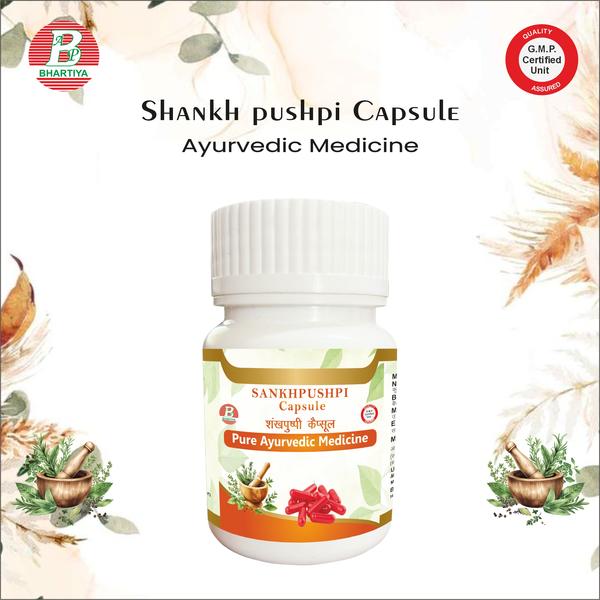
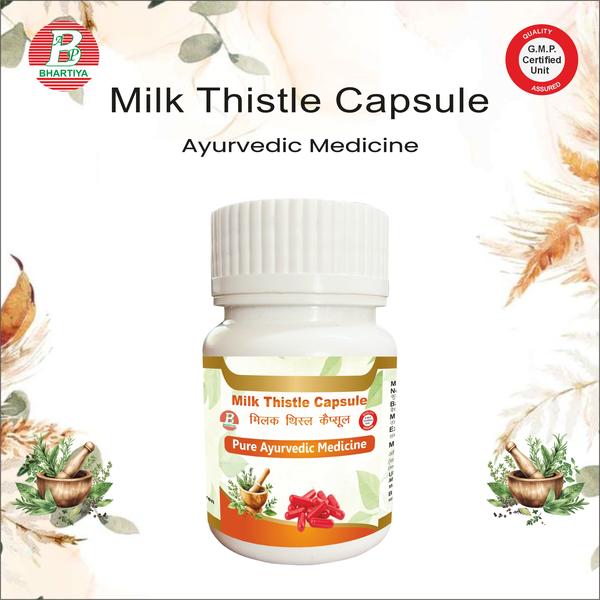
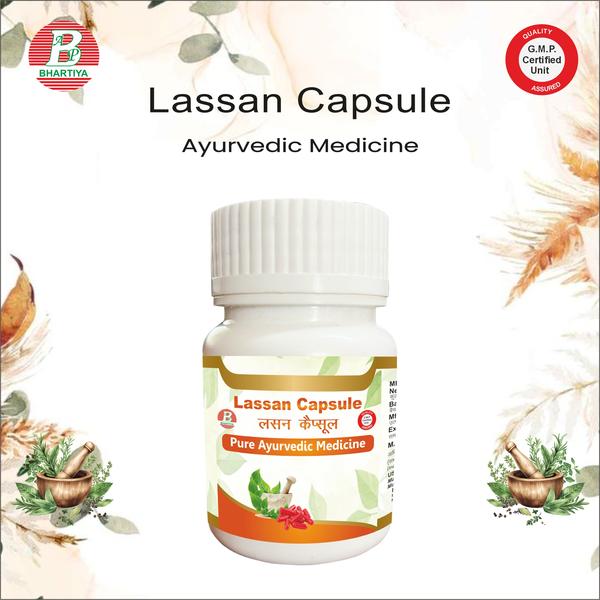
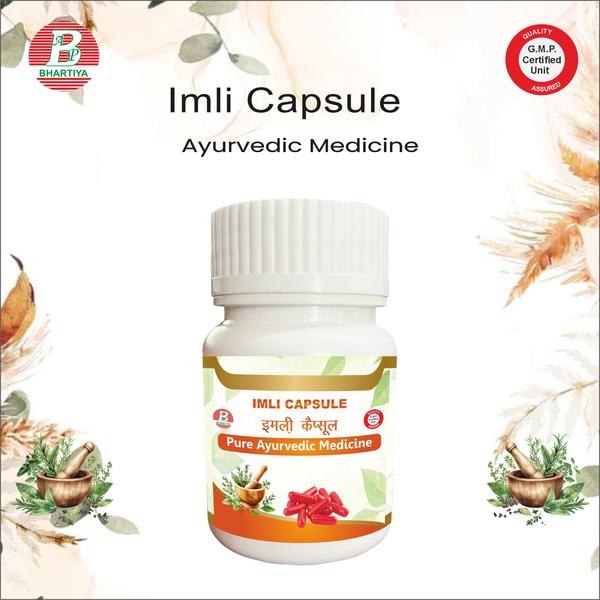
BHARTIYEAYURVEDICPHARMACY
Products
08048126861
919711305254
Chat with us


Chat with us on WhatsApp
×
This is your website preview.
Currently it only shows your basic business info. Start adding relevant business details such as description, images and products or services to gain your customers attention by using Boost 360 android app / iOS App / web portal.
Home
 arteries lowering
 arteries lowering
Items tagged with 'arteries lowering'
{
"products": [
{
"_id": "69f5d9379a765792e5a55ff8",
"fptag": "BHARTIYEAYURVEDICPHARMACY",
"merchantname": null,
"customwidgets": null,
"externalsourceid": null,
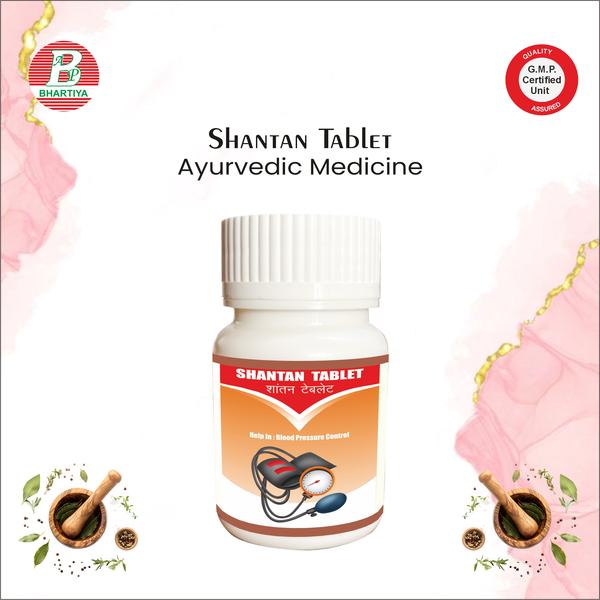
"name": "SHANTAN TABLET",
"description": " SHANTAN TABLET \n\nProduct Identification\n•\tGeneric Name: Shantan Tablet\n•\tType: Ayurvedic Patent Medicine\n•\tPrimary Indication Area: Hypertension (BP control), Insomnia.\nTherapeutic Indications\nShantan Tablet’s primary indication in sleep is to promote natural, restful sleep by reducing stress, calming the mind, and easing nervous tension.\nKey benefits include:\nPrimary Benefit:\nShantan Tablet is not a primary antihypertensive medicine, but it is traditionally used as a supportive remedy because it helps the body manage factors that commonly cause blood pressure to rise.\nOther Benefits:\n1.Stress & Anxiety Reduction\nStress is one of the major contributors to temporary or sustained increases in blood pressure. Shantan Tablet contains calming herbs that promote relaxation, reduce tension, and soothe the nervous system, which can indirectly help prevent stress-induced spikes in BP.\n2. Improves Sleep Quality\nPoor sleep or disturbed sleep can aggravate hypertension. By improving sleep quality and mental rest, the tablet helps maintain a stable autonomic (nervous system) balance, which is important for BP control.\n3. Supports Mental Calmness\nIt helps in reducing irritability, restlessness, and mental fatigue. A calm psychological state is associated with better BP regulation.\n4. Works as a Supportive Therapy\nWhile it may provide relief from stress-related hypertension symptoms, it cannot replace prescribed BP medications. It is best used as an adjunct (supportive) therapy along with lifestyle changes like diet control, exercise, and proper medical treatment.\n\nIngredients:\n SHANKHPUSHPI \nBotanical / Common Name: Convolvulus pluricaulis\nKey Phytoconstituents:\n•\tAlkaloids (e.g., Convolamine, Convolidine)\n•\tFlavonoids\n•\tCoumarins\n•\tGlycosides\n•\tStarch\nMechanism of Action in Sleep & Blood Pressure (Biochemistry / Pharmacology):\n1.\tCNS Calming & Anxiolytic Effect\no\tEnhances GABAergic activity, which inhibits excessive neuronal firing.\no\tReduces anxiety and mental stress, indirectly helping to maintain stable blood pressure.\n2.\tSleep-Promoting Action\no\tIncreases serotonin levels and lowers cortisol, supporting natural, restful sleep.\no\tImproves sleep latency and quality by calming the mind and nervous system.\n3.\tNeuroprotective & Antioxidant Activity\no\tFlavonoids and alkaloids reduce oxidative stress in the brain, protecting neurons and promoting relaxation.\n4.\tIndirect Support for Blood Pressure\no\tBy reducing stress and sympathetic nervous system overactivity, it can help manage stress-induced elevations of BP.\no\tMild vasodilatory effects of flavonoids may also support healthy circulation.\n\n BRAHMI \nBotanical / Common Name: Bacopa monnieri\nKey Phytoconstituents:\n•\tBacosides (A & B, primary active compounds)\n•\tAlkaloids (brahmine, herpestine)\n•\tFlavonoids\n•\tSaponins\n•\tSteroids\nMechanism of Action in Sleep & Blood Pressure (Biochemistry / Pharmacology):\n1.\tCognitive & Neuroprotective Effect\no\tBacosides enhance neurotransmission and synaptic plasticity, supporting memory, learning, and mental clarity.\no\tAntioxidant properties protect neurons from oxidative stress, promoting a calm CNS.\n2.\tStress & Anxiety Reduction\no\tReduces cortisol levels and modulates GABA activity, lowering anxiety and nervous tension.\no\tSupports a calm mental state conducive to restful sleep.\n3.\tSleep-Promoting Action\no\tBy calming the nervous system and reducing hyperarousal, Brahmi indirectly improves sleep latency and quality.\n4.\tSupportive Effect on Blood Pressure\no\tReduces stress-induced sympathetic activation, which may help in maintaining healthy BP levels.\no\tMild vasodilatory and cardioprotective effects from flavonoids contribute to circulation support.\n JATAMANSI \nBotanical / Common Name: Nardostachys jatamansi\nKey Phytoconstituents:\n•\tValeranone\n•\tJatamansone\n•\tSesquiterpenes\n•\tAlkaloids\n•\tFlavonoids\nMechanism of Action in Sleep & Blood Pressure (Biochemistry / Pharmacology):\n1.\tCNS Calming & Sedative Effect\no\tEnhances GABAergic activity, producing a calming effect on the nervous system.\no\tReduces mental hyperactivity, promoting relaxation and stress relief.\n2.\tSleep-Promoting Action\no\tActs as a natural sedative, improving sleep quality and helping with insomnia.\no\tLowers cortisol levels, supporting deeper and more restful sleep.\n3.\tAnxiolytic & Mood-Stabilizing Effect\no\tReduces anxiety, irritability, and restlessness, contributing to overall mental calmness.\n4.\tSupportive Effect on Blood Pressure\no\tBy reducing stress and sympathetic overactivity, it may help moderate stress-related BP elevations.\no\tMild vasodilatory and cardioprotective effects may indirectly support healthy circulation.\n\n SARPAGANDHA \nBotanical / Common Name: Rauwolfia serpentina\nKey Phytoconstituents:\n•\tReserpine (primary active compound)\n•\tAjmaline\n•\tSerpentine\n•\tFlavonoids\n•\tTannins\nMechanism of Action in Sleep & Blood Pressure (Biochemistry / Pharmacology):\n1.\tAntihypertensive Effect\no\tReserpine depletes catecholamines (dopamine, norepinephrine) from sympathetic nerve endings.\no\tReduces sympathetic nervous system activity, leading to lower blood pressure.\n2.\tCNS Calming & Sedative Effect\no\tExhibits mild sedative and tranquilizing properties, reducing anxiety and mental stress.\no\tPromotes relaxation, which can indirectly improve sleep quality.\n3.\tSleep-Promoting Action\no\tBy calming overactive neuronal circuits, it supports restful sleep in stressed or anxious individuals.\n4.\tAdditional Cardiovascular Support\no\tHelps stabilize heart rate and reduce stress-induced BP fluctuations.\no\tMay provide mild anti-arrhythmic effects due to modulation of autonomic tone.\nDosage of Shantan Tablet\n1.\tDose per intake: 1–3 tablets\n2.\tFrequency: Three times a day (morning, afternoon, evening)\n3.\tTotal daily dose: 3–9 tablets per day\no\t(For 500 mg tablets, this equals 1.5–4.5 g/day)\nAnupan for Shantan Tablet:\n•\tPreferred: Take with water\n•\tOptional: Can be taken with milk for enhanced absorption and better calming effect on the nervous system\n•\tTiming: Preferably after meals to reduce gastric irritation\nPrecautions\n•\tDo not exceed the prescribed dose\n•\tMonitor for any side effects\nConsult an Ayurvedic Practitioner for:\n•\tChildren\n•\tElderly\n•\tIndividuals with chronic illnesses\n\n\nshantan tablet benefits, shantan tablet benefits in hindi\nshantan tablet buy online, shantan tablet buy\nshantan tablet gurgaon, shantan tablet gst rate\nshantan tablet jiomart, shantan tablet jain\nshantan tablet jio, shantan tablet ji, shantan tablet login\nshantan tablet list, shantan tablet manufacturer\nshantan tablet mrp, shantan tablet manufacturers in india\nshantan tablet name, shantan tablet nutrition\nshantan tablet news, shantan tablet news in hindi\nshantan tablet q10, shantan tablet quality\nshantan tablet tata 1mg, shantan tablet tablet\nshantan tablet which company brand\nshaant tablet uses in hindi",
"price": 135.0,
"discountamount": 65.0,
"currencycode": "INR",
"priority": 1000000,
"isfreeshipmentavailable": false,
"shipmentduration": 1,
"_keywords": null,
"isarchived": false,
"isavailable": true,
"applicationid": null,
"productindex": 112,
"imageuri": "https://productimages.withfloats.com/actual/69f5d93a054a374f709a079b.jpg",
"tileimageuri": "https://productimages.withfloats.com/tile/69f5d93a054a374f709a079b.jpg",
"images": null,
"totalqueries": 0,
"gpid": null,
"groupproductid": null,
"createdon": "2026-05-02T11:00:07.115Z",
"updatedon": "2026-05-02T11:00:07.115Z",
"buyonlinelink": null,
"producturl": "http://WWW.BHARTIYAAYURVEDICPHARMACY.COM/products/shantan-tablet/112",
"availableunits": -1.0,
"iscodavailable": true,
"isprepaidonlineavailable": true,
"maxcodorders": -1,
"maxprepaidonlineorders": -1,
"uniquepaymenturl": null,
"brandname": "Bakula Fort",
"category": "SHANTAN TABLET 100 TAB X 40`",
"tags": [],
"variants": false,
"keyspecification": null,
"otherspecifications": null,
"pickupaddressreferenceid": null,
"paymenttype": "AssuredPurchase",
"producttype": "products",
"hsncode": null,
"gstslab": 0.0,
"isnotforsale": false
},
{
"_id": "69e3691eaf1c5db67a004288",
"fptag": "BHARTIYEAYURVEDICPHARMACY",
"merchantname": null,
"customwidgets": null,
"externalsourceid": null,
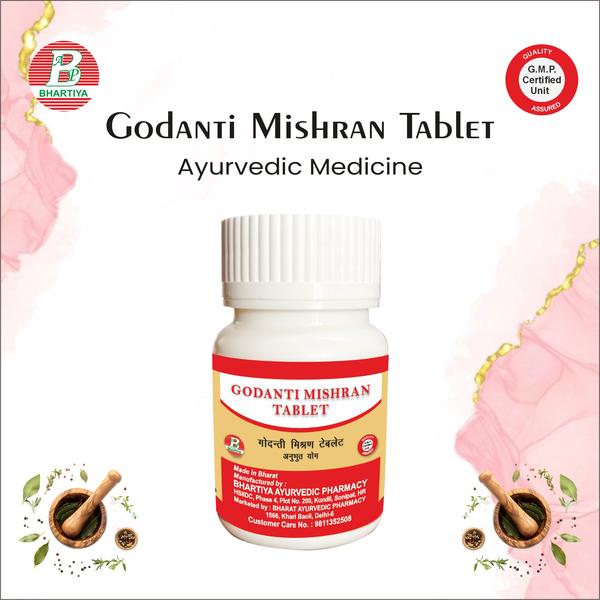
"name": "Godanti Mishran Tablet",
"description": " GODANTI MISHRAN TABLET \n\nProduct Identification\n•\tGeneric Name: Godanti Mishran Tablet\n•\tType: Ayurvedic Patent Medicine\n•\tPrimary Indication Area: Pitta-dominant fever and related symptoms, not all types of fever.\n\nTherapeutic Indications:\nIts use as an antipyretic (fever-reducing) and cooling agent, primarily for Pitta-dominant disorders. \nPrimary Benefit:\n•\tReducing fever (Jwara), especially low-grade or Pitta-dominant fevers\n•\tRelieving heat-related symptoms such as headache, body pain, nausea, and weakness\n\nOther Benefits:\n•\tHeadache relief – Especially headaches caused by heat, fever, or Pitta imbalance.\n•\tDigestive support – Helps reduce nausea, vomiting, and acidity that sometimes accompany fever.\n•\tFatigue reduction – Alleviates weakness and lethargy during or after fever.\n•\tAnti-inflammatory effect – Its cooling properties can help mild inflammation or swelling.\n•\tHydration & rejuvenation – Often used in formulations with water or milk to support body recovery during illness.\n\n PIPALI MOOL (Piper longum root) \nClassical Ayurvedic Name: Pipali Mool\nBotanical Name: Piper longum Linn.\nType: Single herb, Rasayana and antipyretic agent\nPrimary Indication Area\n•\tAntipyretic (Jwara relief) – suitable for all types of fever\n•\tDigestive stimulant (Deepana-Pachana)\n•\tRespiratory support (bronchodilator)\n•\tImmunomodulatory and Rasayana action\nKey Constituents / Phytochemicals\n1.\tPiperine (Alkaloid) – bioavailability enhancer, anti-inflammatory, antipyretic\n2.\tVolatile Oils (Terpenes, Cineole, Limonene) – bronchodilator, antimicrobial, circulation support\n3.\tResins & Essential Oils – stimulate digestion, reduce nausea and vomiting\n4.\tTrace Minerals – support enzymatic reactions and cellular metabolism\n\nBiochemistry / Mechanism of Action in Fever (Jwara)\n1. Antipyretic / Fever-Modulating Effects\n•\tCytokine modulation: Inhibits pro-inflammatory cytokines (IL-1, IL-6, TNF-α)\n•\tProstaglandin reduction: Reduces PGE₂ synthesis in hypothalamus → lowers body temperature\n•\tLiver detoxification: Enhances hepatic metabolism of toxic metabolites (Ama), which contribute to fever\n2. Vata-type Fever\n•\tSupports cellular metabolism and mitochondrial ATP production → reduces fatigue and body ache\n•\tEnhances microcirculation → alleviates muscular pain\n3. Pitta-type Fever\n•\tAnti-inflammatory and cooling effect on tissues → reduces heat symptoms such as headache, thirst, and irritability\n•\tAntioxidant action → prevents oxidative stress in high metabolic fever states\n4. Kapha-type Fever\n•\tStimulates Agni (digestive fire) → clears accumulated Ama (toxins)\n•\tReduces congestion, heaviness, and lethargy associated with Kapha fevers\n5. Chronic / Recurrent Fevers\n•\tImmunomodulatory → improves resistance against repeated infections\n•\tRasayana action → supports post-fever recovery, reduces weakness, enhances stamina\n6. Respiratory Support During Fever\n•\tBronchodilation and improved oxygen exchange → supports tissue perfusion and reduces hypoxia-induced stress\n•\tReduces chest congestion and enhances pulmonary clearance\n7. Bioavailability / Yogavahi Effect\n•\tPiperine enhances absorption and potency of other herbs/mineral formulations used in fever management\n•\tSynergistically boosts antipyretic and anti-inflammatory actions\n\n\n KAPOOR (Camphor) \nClassical Ayurvedic Name: Karpura\nBotanical Name: Cinnamomum camphora (L.) J. Presl\nType: Single herb / resin-derived monoterpene, Rasayana and antipyretic agent\n\nPrimary Indication Area\n•\tAntipyretic (Jwara relief) – useful in all types of fever\n•\tAnti-inflammatory and analgesic\n•\tRespiratory support (decongestant, bronchodilator)\n•\tNervine and cardioprotective Rasayana\n\nKey Components / Phytoconstituents\n1.\tCamphor (C₁₀H₁₆O) – monoterpene ketone, major active principle\n2.\tBorneol – monoterpenoid alcohol, synergistic cooling and analgesic effects\n3.\tOther volatile oils – cineole, limonene, safrole (trace), contributing to bronchodilation and antimicrobial activity\n\nBiochemistry / Mechanism of Action in Fever (Jwara)\n1. Antipyretic / Fever Modulation\n•\tHypothalamic action: Camphor penetrates CNS → modulates hypothalamic thermoregulatory center → reduces body temperature\n•\tProstaglandin inhibition: Suppresses PGE₂ synthesis in hypothalamus, lowering fever set-point\n•\tPeripheral anti-inflammatory effect: Reduces inflammatory mediators at tissue level\n2. Vata-type Fever\n•\tAnalgesic and anti-spasmodic → relieves body pain, headache, and muscular stiffness\n•\tEnhances microcirculation → reduces Vata-associated fatigue\n3. Pitta-type Fever\n•\tCooling effect → reduces heat sensations (burning, thirst, irritability)\n•\tAnti-inflammatory and antioxidant → protects tissues from oxidative stress during high metabolic fever\n4. Kapha-type Fever\n•\tExpectorant and bronchodilator → clears congestion, sinus and chest blockage\n•\tReduces lethargy and heaviness associated with Kapha fevers\n5. Chronic / Recurrent Fevers\n•\tImmunomodulatory → supports resistance against repeated infections\n•\tNervine tonic → alleviates stress-related triggers that worsen recurrent fevers\n6. Respiratory Support\n•\tVolatile oils → bronchodilation, mucolytic, improved oxygenation\n•\tUseful in fevers with cough, chest congestion, or dyspnea\n7. Topical / Aromatic Effects\n•\tVapors from camphor stimulate thermoregulatory reflexes → mild cooling sensation, improved circulation\n•\tNervous system modulation → reduces stress-induced fever symptoms\n\n SFUTIKA BHASMA (Sphatika Bhasma / Crystalline Alum) \nClassical Ayurvedic Name: Sphatika Bhasma\nType: Mineral (Rasashastra preparation), Antipyretic and cooling agent\n\nPrimary Indication Area\n•\tAntipyretic (Jwara relief) – suitable for all types of fever\n•\tPitta-pacifying and cooling effect\n•\tDigestive support (Deepana-Pachana)\n•\tRasayana (rejuvenating) and immunomodulatory action\nKey Components / Phytoconstituents\n1.\tAluminium potassium sulfate (KAl(SO₄)₂·12H₂O) – primary crystalline component\n2.\tTrace mineral content – contributes to enzymatic and metabolic regulation\n3.\tMicro-nano crystalline structure – enhances absorption and bioavailability of co-administered herbs\n\nBiochemistry / Mechanism of Action in Fever (Jwara)\n1. Antipyretic / Cooling Action\n•\tPitta pacifying: Direct cooling effect on body tissues\n•\tThermoregulation: Modulates hypothalamic set-point via ionic effects\n•\tAnti-inflammatory: Reduces local and systemic inflammation associated with fever\n2. Vata-type Fever\n•\tEnhances metabolic stability → reduces fatigue, body ache, and nervous system stress\n3. Pitta-type Fever\n•\tStrong cooling effect → alleviates heat, thirst, irritability, and headache\n•\tReduces oxidative stress associated with high metabolic fevers\n4. Kapha-type Fever\n•\tSupports digestion and toxin (Ama) clearance\n•\tReduces heaviness, lethargy, and congestion\n5. Chronic / Recurrent Fevers\n•\tRasayana effect: Rejuvenates tissues, strengthens immunity, and improves recovery\n•\tMaintains electrolyte balance, reducing fever recurrence\n6. Digestive and Metabolic Support\n•\tActs as Deepana-Pachana → stimulates Agni and improves metabolism\n•\tEnhances absorption of co-administered herbs\n\n SHOBHAGYA BHASMA \nClassical Ayurvedic Name: Shobhagya Bhasma\nType: Mineral Rasashastra formulation, Rasayana and antipyretic agent\n\nPrimary Indication Area\n•\tGeneral rejuvenator (Rasayana) – improves vitality, strength, and immunity\n•\tAntipyretic (Jwara relief) – useful in all types of fever\n•\tDigestive support – improves metabolism and Agni\n•\tNervine tonic – supports nervous system and reduces fatigue\n\nKey Components / Phytoconstituents\nShobhagya Bhasma is primarily a herbo-mineral preparation, typically containing:\n1.\tSwarn (Gold) / Rajat (Silver) / Loha (Iron) Bhasmas – bioavailable mineral forms supporting tissue rejuvenation\n2.\tHerbal adjuncts (as per classical preparation) – improve digestion, bioavailability, and Rasayana effect\n3.\tTrace minerals – enhance enzymatic and metabolic reactions\n\nBiochemistry / Mechanism of Action in Fever (Jwara)\n1. Antipyretic / Cooling Action\n•\tPitta pacifying: Provides cooling and anti-inflammatory effects on tissues\n•\tReduces oxidative stress and tissue damage during high metabolic fevers\n•\tSupports thermoregulation via ionic and mineral-mediated effects\n2. Vata-type Fever\n•\tStrengthens metabolism, reduces fatigue, body ache, and nervous system strain\n3. Pitta-type Fever\n•\tCooling, antioxidant, and anti-inflammatory → reduces heat sensations, thirst, irritability, and headache\n4. Kapha-type Fever\n•\tSupports digestion (Agni) and Ama clearance\n•\tReduces lethargy, heaviness, and respiratory congestion\n5. Chronic / Recurrent Fevers\n•\tRasayana / rejuvenating effect → improves immunity, resistance to infection, and post-fever recovery\n•\tSupports haematopoiesis via mineral content (iron, gold, silver)\n6. Digestive & Metabolic Support\n•\tEnhances nutrient absorption and bioavailability of co-administered herbs\n•\tStimulates metabolic efficiency → reduces toxin accumulation\n\n GODANTI BHASMA \nClassical Ayurvedic Name: Godanti Bhasma\nType: Mineral Rasashastra formulation (Calcium-based), Antipyretic and cooling agent\n\nPrimary Indication Area\n•\tAntipyretic (Jwara relief) – effective in all types of fever\n•\tPitta-pacifying and cooling effect – reduces heat sensations and inflammation\n•\tDigestive support (Deepana-Pachana) – improves Agni and metabolism\n•\tRasayana / rejuvenator – supports recovery and vitality\n\nKey Components / Phytoconstituents\n1.\tCalcium Sulfate (CaSO₄) – main component\n2.\tTrace minerals – support enzymatic reactions and cellular metabolism\n3.\tMicrocrystalline structure – enhances bioavailability and absorption of co-administered herbs\n\nBiochemistry / Mechanism of Action in Fever (Jwara)\n1. Antipyretic / Cooling Action\n•\tPitta pacifying: Direct cooling effect on tissues, reduces body heat\n•\tHypothalamic thermoregulation: Modulates fever set-point via ionic effects\n•\tAnti-inflammatory: Reduces local and systemic inflammation associated with fever\n2. Vata-type Fever\n•\tStabilizes metabolism and reduces fatigue, body ache, and nervous system strain\n3. Pitta-type Fever\n•\tStrong cooling and anti-inflammatory effect → relieve heat, headache, irritability, and thirst\n•\tAntioxidant effect reduces oxidative stress during high metabolic fevers\n4. Kapha-type Fever\n•\tSupports digestion and toxin (Ama) clearance\n•\tReduces heaviness, lethargy, and congestion\n5. Chronic / Recurrent Fevers\n•\tRasayana / rejuvenating effect → strengthens immunity, improves resistance, and supports post-fever recovery\n•\tMaintains electrolyte balance, preventing recurrence of fever\n6. Digestive and Metabolic Support\n•\tActs as Deepana-Pachana → enhances Agni, metabolism, and nutrient absorption\n•\tPotentiates the effect of co-administered herbs in polyherbal formulations\n\n\nDosage\n•\t2 tablets, 4 times daily\n•\tWith lukewarm water or milk\nPrecautions\n•\tUse under professional supervision\n•\tMonitor BP if on antihypertensives\n•\tPregnancy / breastfeeding: consult doctor\n•\tMay cause mild gastric discomfort; take with food\n•\tCaution in peptic ulcer, liver/kidney issues\n•\tPossible drug interactions (blood thinners, sedatives)\n\n\n\ngodanti mishran tablet uses\ngodanti mishran uses\ngodanti mishran\ngodanti mishran benefits\ngodanti mishran tablet amazon\ngodanti mishran tablet ayurvedic\ngodanti mishran tablet amazon india\ngodanti mishran tablet buy\ngodanti mishran tablet buy online\ngodanti mishran tablet benefits\ngodanti mishran tablet benefits in hindi\ngodanti mishran tablet brand name\ngodanti mishran tablet composition\ngodanti mishran tablet content\ngodanti mishran tablet composition pdf\ngodanti mishran tablet company\ngodanti mishran tablet company name\ngodanti mishran tablet dose\ngodanti mishran tablet dose per day\ngodanti mishran tablet dosage\ngodanti mishran tablet easy ayurveda\ngodanti mishran tablet flipkart\ngodanti mishran tablet gmp\ngodanti mishran tablet google\ngodanti mishran tablet hindi\ngodanti mishran tablet in hindi\ngodanti mishran tablet ingredients\ngodanti mishran tablet jiomart\ngodanti mishran tablet ke fayde\ngodanti mishran tablet khane ke fayde\ngodanti mishran tablet kis kaam aati hai\ngodanti mishran tablet ke fayde in hindi\ngodanti mishran tablet list\ngodanti mishran tablet manufacturer\ngodanti mishran tablet manufacturers in india\ngodanti mishran tablet mrp\ngodanti mishran tablet name\ngodanti mishran tablet new\ngodanti mishran tablet online\ngodanti mishran tablet online shopping\ngodanti mishran tablet online purchase\ngodanti mishran tablet original\ngodanti mishran tablet price\ngodanti mishran tablet price in india\ngodanti mishran tablet quantity\ngodanti mishran tablet quality\ngodanti mishran tablet review\ngodanti mishran tablet rate\ngodanti mishran tablet review in hindi\ngodanti mishran tablet tata 1mg\ngodanti mishran tablet tablet\nbaidyanath godanti mishran\ngodanti mishran ingredients\nwhat godanti mishran tablet uses in hindi\nwhat godanti mishran tablets used for\nwhat godanti mishran tablets\nwhere godanti mishran tablets available\nwhere godanti mishran tablets manufactured\nwhere godanti mishran tablet uses\nwhen godanti mishran tablet uses in hindi\nwhen godanti mishran tablet uses\nhow godanti mishran tablets works\nhow godanti mishran tablets are used\nhow godanti mishran tablets are made\nwhy godanti mishran tablets banned\nwhy godanti mishran tablets is used\nwhy godanti mishran tablets is banned in india\nwho godanti mishran tablets\nwho godanti mishran tablet uses in hindi\nwho godanti mishran tablet uses\nis godanti mishran tablet good\nis godanti mishran tablets\nis godanti mishran tablet available in india\nis godanti mishran tablet uses\ncan godanti mishran tablet uses\nwill godanti mishran tablets work\nwill godanti mishran tablet uses\ndo godanti mishran tablets\ndo godanti mishran tablet uses in hindi\ndo godanti mishran tablet uses\ndoes godanti mishran tablets work\ndoes godanti mishran tablet uses\nwas godanti mishran tablets\nwas godanti mishran tablet uses\nbest godanti mishran tablets\nbest godanti mishran tablet uses\ntop godanti mishran tablets\ntop godanti mishran tablet uses in hindi\ntop godanti mishran tablet uses",
"price": 108.0,
"discountamount": 50.0,
"currencycode": "INR",
"priority": 1000000,
"isfreeshipmentavailable": false,
"shipmentduration": 1,
"_keywords": null,
"isarchived": false,
"isavailable": true,
"applicationid": null,
"productindex": 97,
"imageuri": "https://productimages.withfloats.com/actual/69e36921905bfe787a29b67d.jpg",
"tileimageuri": "https://productimages.withfloats.com/tile/69e36921905bfe787a29b67d.jpg",
"images": null,
"totalqueries": 0,
"gpid": null,
"groupproductid": null,
"createdon": "2026-04-18T11:21:02.975Z",
"updatedon": "2026-04-18T11:34:38.71Z",
"buyonlinelink": null,
"producturl": "http://WWW.BHARTIYAAYURVEDICPHARMACY.COM//godanti-mishran-tablet/97",
"availableunits": -1.0,
"iscodavailable": true,
"isprepaidonlineavailable": true,
"maxcodorders": -1,
"maxprepaidonlineorders": -1,
"uniquepaymenturl": null,
"brandname": "Bakula Fort",
"category": "Godanti Mishran Tablet 100 Tab X 40",
"tags": [],
"variants": false,
"keyspecification": null,
"otherspecifications": null,
"pickupaddressreferenceid": null,
"paymenttype": "AssuredPurchase",
"producttype": "products",
"hsncode": null,
"gstslab": 0.0,
"isnotforsale": false
},
{
"_id": "69e08903ef2bb462c498463f",
"fptag": "BHARTIYEAYURVEDICPHARMACY",
"merchantname": null,
"customwidgets": null,
"externalsourceid": null,
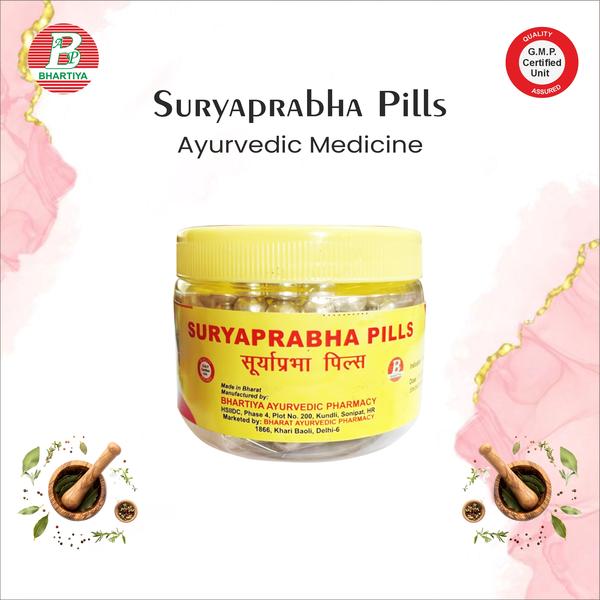
"name": "SURYAPRABHA PILLS",
"description": " SURYAPRABHA PILLS (SILVER COATED) \n\nProduct Identification\n•\tGeneric Name: Suryaprabha Pills\n•\tType: Ayurvedic Patent Medicine\n•\tPrimary Indication Area: Diabetes (Prameha / Blood Sugar Imbalance)\nTherapeutic Indications: The management of diabetes (Prameha / high blood sugar) and to support metabolic health, digestive strength, and overall vitality.\n\nKey benefits include:\n•\tBlood Sugar Support: Helps maintain healthy glucose levels.\n•\tDigestive & Metabolic Support: Enhances digestion, nutrient absorption, and metabolism.\n•\tPancreatic & Liver Health: Supports proper insulin function and detoxification.\n•\tStamina & Vitality: Helps combat fatigue and weakness associated with diabetes.\n•\tRasayana (Rejuvenation): Supports overall tissue nourishment and long-term health.\n\nIngredients:\n Giloy (Tinospora cordifolia) \nAyurvedic Name: Giloy / Guduchi\nPrimary Uses in Diabetes: Helps regulate blood glucose, improves insulin sensitivity, and protects organs from diabetic complications.\nKey Phytoconstituents\n•\tAlkaloids (e.g., berberine, magnoflorine)\n•\tDiterpenoid lactones (e.g., Tinosporide)\n•\tGlycosides\n•\tFlavonoids\n•\tSteroids\n•\tPolysaccharides\nThese compounds contribute to its antidiabetic, antioxidant, and immunomodulatory effects.\nMechanism of Action in Diabetes\n1. Insulin Sensitization & Secretion\n•\tGiloy stimulates pancreatic beta cells → increases insulin secretion.\n•\tImproves insulin receptor sensitivity on target tissues (muscle and adipose), enhancing glucose uptake.\n•\tAlkaloids like berberine mimic insulin action by activating AMPK pathway, which helps lower blood glucose.\n2. Carbohydrate Metabolism Regulation\n•\tModulates key enzymes:\no\tIncreases glucokinase activity → promotes glucose utilization in the liver.\no\tInhibits glucose-6-phosphatase & fructose-1,6-bisphosphatase → reduces hepatic gluconeogenesis.\n•\tThis leads to lower fasting and postprandial blood glucose.\n\nHaldi / Turmeric (Curcuma longa) \nAyurvedic Name: Haridra / Haldi\nPrimary Uses: Anti-inflammatory, antioxidant, digestive support, liver protection, and metabolic health (including blood sugar support).\nKey Phytoconstituents\n•\tCurcuminoids: Curcumin (major active compound), desmethoxycurcumin, bisdemethoxycurcumin\n•\tVolatile oils: Turmerone, zingiberene, atlantone\n•\tProteins & sugars\n•\tMinerals: Iron, calcium\nBiochemical & Pharmacological Actions\n1. Anti-inflammatory\n•\tCurcumin inhibits NF-κB pathway, reducing pro-inflammatory cytokines: TNF-α, IL-1β, IL-6.\n•\tSuppresses COX-2 and LOX enzymes, reducing prostaglandin and leukotriene production.\n•\tHelps in arthritis, inflammation, and chronic metabolic inflammation.\n2. Antioxidant\n•\tCurcumin neutralizes free radicals (ROS and RNS).\n•\tUpregulates endogenous antioxidant enzymes: SOD, catalase, glutathione peroxidase.\n•\tProtects tissues (liver, pancreas, kidneys, and heart) from oxidative stress.\n\nAtis (Aconitum heterophyllum) \nPrimary Role in Diabetes (Ayurvedic / Biochemical Basis):\nAtis is considered a mild hypoglycaemic and metabolism-supportive herb in traditional use, mainly through digestive and metabolic regulation. Modern research is limited, but biochemical mechanisms can be inferred.\nKey Phytochemicals Relevant to Diabetes\n•\tNon-toxic alkaloids (stimulatory to metabolism)\n•\tPhenolic compounds (antioxidant effects)\n•\tCarbohydrates and starch (support energy metabolism)\n•\tTannins (reduce oxidative gut stress)\nMechanisms of Action – Biochemical Basis\n1. Digestive & Metabolic Support\n•\tEnhances Agni (digestive fire) → indirectly supports carbohydrate digestion and absorption.\n•\tBetter digestion → improved glucose homeostasis because nutrients are metabolized efficiently.\n2. Antioxidant Action\n•\tPhenolic compounds neutralize free radicals generated by high blood sugar.\n•\tProtects pancreatic β-cells from oxidative damage → maintains insulin production.\n\nDaru Haldi (Berberis aristata) \nAyurvedic Name: Daruharidra / Daruhaldi\nPrimary Uses: Diabetes (Madhumeha), metabolic disorders, liver protection, antioxidant support\nKey Phytochemicals\n•\tAlkaloids: Berberine (major active compound), palmatine, jatrorrhizine\n•\tPolyphenols and flavonoids\n•\tTannins\n•\tOrganic acids\nBerberine is the primary active compound responsible for most antidiabetic effects.\nBiochemical Mechanisms in Diabetes\n1. Insulin Sensitization\n•\tBerberine activates AMPK (AMP-activated protein kinase) → acts like an “energy sensor” in cells.\n•\tIncreases glucose uptake in muscle and adipose tissue → lowers blood sugar.\n•\tImproves insulin receptor expression and sensitivity.\n2. Inhibition of Gluconeogenesis\n•\tReduces hepatic glucose production by inhibiting gluconeogenic enzymes:\no\tGlucose-6-phosphatase\no\tPhosphoenolpyruvate carboxykinase (PEPCK)\n•\tLeads to lower fasting blood glucose.\n\nPippali (Piper longum) \nAyurvedic Name: Pippali\nPrimary Uses: Diabetes (Madhumeha), digestive support, respiratory support, metabolism booster\nKey Phytochemicals\n•\tAlkaloids: Piperine (main active compound)\n•\tEssential oils: Caryophyllene, Pinene\n•\tFlavonoids, phenolic compounds\n•\tLignans\nPiperine is the primary bioactive compound responsible for most pharmacological effects.\nBiochemical Mechanisms in Diabetes\n1. Improves Insulin Sensitivity\n•\tPiperine enhances insulin receptor activity → increases glucose uptake in muscles and adipose tissue.\n•\tActs as a cellular sensitizer, making tissues respond better to insulin.\n2. Enhances Glucose Metabolism\n•\tStimulates glycolytic enzymes → promotes breakdown of glucose for energy.\n•\tReduces hepatic gluconeogenesis → less glucose is released into blood by the liver.\n\nChitrak (Plumbago zeylanica) \nAyurvedic Name: Chitraka\nPrimary Uses in Diabetes (Madhumeha): Digestive and metabolic support, improving glucose utilization, stimulating pancreatic function, and enhancing fat metabolism.\nKey Phytochemicals\n•\tPlumbagin (primary bioactive naphthoquinone)\n•\tAlkaloids\n•\tFlavonoids and phenolic compounds\n•\tEssential oils\nPlumbagin is the main compound responsible for antidiabetic effects.\nBiochemical Mechanisms in Diabetes\n1. Enhances Glucose Uptake\n•\tPlumbagin stimulates glucose transporter (GLUT4) translocation in muscle and adipose tissue.\n•\tImproves peripheral glucose utilization, lowering blood sugar.\n2. Stimulates Pancreatic Function\n•\tMildly supports pancreatic β-cell activity → helps maintain insulin secretion.\n•\tProtects β-cells from oxidative stress-induced damage.\n\nHarad (Terminalia chebula) \nAyurvedic Name: Haritaki / Harad\nPrimary Uses in Diabetes (Madhumeha): Blood sugar regulation, antioxidant support, lipid metabolism improvement, and digestive/metabolic balance.\nKey Phytochemicals\n•\tTannins: Chebulinic acid, chebulagic acid, gallic acid\n•\tFlavonoids and phenolic compounds\n•\tOrganic acids\n•\tPolysaccharides\nMost antidiabetic effects are attributed to tannins and polyphenols.\nBiochemical Mechanisms in Diabetes\n1. Improves Insulin Sensitivity\n•\tPolyphenols and tannins enhance insulin receptor activity on muscle and adipose tissues.\n•\tPromotes glucose uptake by cells → lowers blood sugar.\n2. Reduces Hepatic Glucose Production\n•\tInhibits gluconeogenic enzymes (glucose-6-phosphatase, PEPCK) → reduces fasting blood glucose.\n•\tHelps regulate hepatic glucose output.\n\nAmla (Phyllanthus emblica) \nAyurvedic Name: Amla / Amalaki\nPrimary Uses in Diabetes (Madhumeha): Blood sugar regulation, antioxidant protection, lipid metabolism improvement, and pancreatic β-cell protection.\nKey Phytochemicals\n•\tVitamin C (Ascorbic acid) – very high content\n•\tTannins: Emblicanin A & B, punigluconin, pedunculagin\n•\tFlavonoids and polyphenols\n•\tGallic acid and ellagic acid\nThe antioxidant compounds and tannins are responsible for most antidiabetic effects.\nBiochemical Mechanisms in Diabetes\n1. Enhances Insulin Secretion & β-Cell Protection\n•\tAntioxidants in Amla protect pancreatic β-cells from oxidative stress.\n•\tSupports insulin secretion in mild diabetes.\n2. Improves Insulin Sensitivity\n•\tPolyphenols improve insulin receptor activity on muscle and adipose tissues.\n•\tEnhances peripheral glucose uptake → lowers blood sugar.\n\nChavya (Piper chaba) \nAyurvedic Name: Chavya\nPrimary Uses in Diabetes (Madhumeha): Blood sugar regulation, digestive/metabolic support, and insulin sensitization.\nKey Phytochemicals\n•\tAlkaloids: Piperine (main active compound)\n•\tEssential oils: Caryophyllene, pinene\n•\tFlavonoids and polyphenols\n•\tLignans\nPiperine is the main bioactive compound responsible for most antidiabetic effects\nBiochemical Mechanisms in Diabetes\n1. Enhances Insulin Sensitivity\n•\tPiperine improves insulin receptor activity in muscle and adipose tissue.\n•\tIncreases glucose uptake → lowers blood sugar.\n2. Stimulates Glucose Metabolism\n•\tEnhances glycolytic enzyme activity → better glucose utilization by cells.\n•\tReduces hepatic gluconeogenesis → less glucose released into blood.\n\nVaividang (Embelia ribes) \nAyurvedic Name: Vaividang / Vidanga\nPrimary Uses in Diabetes (Madhumeha): Blood sugar regulation, antioxidant protection, lipid metabolism improvement, and digestive/metabolic support.\nKey Phytochemicals\n•\tAlkaloids: Embelin (main active compound)\n•\tFlavonoids and phenolic compounds\n•\tTannins and glycosides\n•\tEssential oils\nEmbelin is the major bioactive molecule responsible for antidiabetic effects.\nBiochemical Mechanisms in Diabetes\n1. Enhances Insulin Sensitivity\n•\tEmbelin improves insulin receptor activity in peripheral tissues (muscle and adipose).\n•\tIncreases glucose uptake, lowering blood sugar.\n2. Stimulates Glucose Metabolism\n•\tPromotes glycolytic enzyme activity → better glucose utilization in tissues.\n•\tReduces hepatic gluconeogenesis → decreases blood glucose release from liver.\n\nSaunth / Shunthi (Zingiber officinale, dry ginger) \nAyurvedic Name: Saunth / Shunthi\nPrimary Uses in Diabetes (Madhumeha): Blood sugar regulation, insulin sensitization, antioxidant protection, and metabolic support.\nKey Phytochemicals\n•\tGingerols and Shogaols (major bioactive compounds)\n•\tPolyphenols and flavonoids\n•\tEssential oils (zingiberene, bisabolene)\n•\tDiarylheptanoids\nGingerols and Shogaols are mainly responsible for antidiabetic effects.\nBiochemical Mechanisms in Diabetes\n1. Enhances Insulin Sensitivity\n•\tGingerol and shogaol improve insulin receptor signaling in muscle and adipose tissue.\n•\tEnhances glucose uptake by cells, reducing blood sugar.\n2. Reduces Hepatic Glucose Production\n•\tInhibits gluconeogenic enzymes like glucose-6-phosphatase and PEPCK.\n•\tLeads to lower fasting blood glucose.\n\nSajji kshar (Alkaline Salt / Kshara) \nAyurvedic Name: Sajji kshar / Kshara\nPrimary Uses in Diabetes (Madhumeha):\n•\tDigestive support and enhancing metabolism\n•\tBlood sugar balance\n•\tAcid-base regulation in the body\nKey Biochemical Properties\n•\tAlkaline nature (basic pH)\n•\tSodium ions and carbonate ions\n•\tNo direct organic phytochemicals (inorganic compound)\nSajji kshar is not a herb but an alkaline mineral-based therapeutic agent used in Ayurveda to correct metabolic imbalances.\nBiochemical Mechanisms Relevant to Diabetes\n1. Supports Digestive Enzymes & Metabolism\n•\tAlkaline environment improves digestive enzyme activity → better breakdown and absorption of nutrients.\n•\tHelps regulate glucose metabolism indirectly by improving digestion (Agni).\n2. Neutralizes Excess Acidity\n•\tIn diabetes, acid-base imbalance and metabolic acidosis may occur in uncontrolled cases.\n•\tSajji kshar helps maintain systemic pH balance, which supports enzymatic reactions for carbohydrate metabolism.\n\nSaindha Namak (Rock Salt / Himalayan Salt) \nAyurvedic Name: Saindha Namak / Lavana\nPrimary Uses in Diabetes (Madhumeha):\n•\tSupports digestion and metabolism\n•\tEnhances nutrient absorption\n•\tElectrolyte and mineral balance\nKey Biochemical Properties\n•\tSodium chloride – primary component\n•\tTrace minerals: potassium, magnesium, calcium, iron\n•\tAlkaline-forming salts (helps balance pH in tissues)\nSaindha Namak is not an organic herb, but a mineral salt used in Ayurveda to improve digestion and metabolic balance, which is important in diabetes management.\n\nBiochemical Mechanisms Relevant to Diabetes\n1. Digestive & Metabolic Support\n•\tEnhances Agni (digestive fire) → improves enzymatic breakdown of carbohydrates.\n•\tBetter digestion → improved glucose absorption and utilization.\n2. Electrolyte & Mineral Balance\n•\tProvides sodium, potassium, and trace minerals → helps maintain cellular osmolarity and enzyme function.\n•\tProper electrolyte balance supports insulin signaling and glucose transport in tissues.\n\nKala Namak (Black Salt) \nAyurvedic Name: Kala Namak / Black Salt\nPrimary Uses in Diabetes (Madhumeha):\n•\tDigestive and metabolic support\n•\tElectrolyte and mineral balance\n•\tMild alkalizing effect → helps in metabolic homeostasis\nKey Biochemical Properties\n•\tMain components: Sodium chloride, sodium sulphate, trace minerals (iron, magnesium, potassium)\n•\tContains sulfur compounds → gives characteristic taste and mild therapeutic action\n•\tMildly alkaline → supports acid-base balance\nKala Namak is a mineral-based adjunct in Ayurveda, not a direct herb, but plays an important role in metabolic regulation and diabetes support.\n\nBiochemical Mechanisms Relevant to Diabetes\n1. Digestive & Metabolic Support\n•\tImproves Agni (digestive fire) → enhances carbohydrate breakdown and absorption.\n•\tProper digestion → more stable blood glucose levels.\n2. Electrolyte & Mineral Balance\n•\tProvides sodium, potassium, and magnesium → supports cellular osmolarity, insulin signaling, and enzyme activity.\n\nDantimool (Baliospermum montanum) \nAyurvedic Name: Dantimool / Danti\nPrimary Uses in Diabetes (Madhumeha):\n•\tBlood sugar regulation\n•\tDigestive and metabolic support\n•\tLipid metabolism improvement\n•\tMild detoxification of blood\nKey Phytochemicals\n•\tAlkaloids: Baliospermin, solanifolamine\n•\tFlavonoids and phenolic compounds\n•\tGlycosides\n•\tFatty acids\nThe alkaloids and flavonoids are mainly responsible for metabolic and antidiabetic effects.\nBiochemical Mechanisms in Diabetes\n1. Digestive & Metabolic Support\n•\tImproves Agni (digestive fire) → enhances carbohydrate breakdown and nutrient absorption.\n•\tBetter digestion → improves glucose metabolism and stabilizes blood sugar levels.\n2. Enhances Glucose Utilization\n•\tStimulates glycolytic enzymes → promotes cellular glucose utilization.\n•\tReduces hepatic gluconeogenesis, lowering fasting blood sugar.\n\nTejpatra (Cinnamomum tamala) \nAyurvedic Name: Tejpatra / Indian Bay Leaf\nPrimary Uses in Diabetes (Madhumeha):\n•\tBlood sugar regulation\n•\tInsulin sensitization\n•\tAntioxidant protection\n•\tLipid metabolism support\nKey Phytochemicals\n•\tEssential oils: Eugenol, cinnamaldehyde, linalool\n•\tPolyphenols\n•\tFlavonoids\n•\tTannins\nThe cinnamaldehyde and polyphenols are mainly responsible for antidiabetic effects.\nBiochemical Mechanisms in Diabetes\n1. Enhances Insulin Sensitivity\n•\tPolyphenols and cinnamaldehyde improve insulin receptor activity in muscle and adipose tissue.\n•\tEnhances glucose uptake by cells, reducing postprandial blood sugar.\n2. Reduces Hepatic Glucose Production\n•\tInhibits gluconeogenic enzymes (glucose-6-phosphatase, PEPCK) → lowers fasting blood glucose.\n\nNagarmotha (Cyperus rotundus) \nAyurvedic Name: Nagarmotha / Musta-moola\nPrimary Uses in Diabetes (Madhumeha):\n•\tBlood sugar regulation\n•\tInsulin sensitization\n•\tDigestive and metabolic support\n•\tLipid metabolism improvement\nKey Phytochemicals\n•\tEssential oils: Cyperene, α-cyperone, β-selinene\n•\tFlavonoids and phenolic compounds\n•\tTannins\n•\tAlkaloids and glycosides\nThe α-cyperone, flavonoids, and phenolic compounds are mainly responsible for antidiabetic effects.\nBiochemical Mechanisms in Diabetes\n1. Enhances Insulin Sensitivity\n•\tFlavonoids and α-cyperone improve insulin receptor activity in muscle and adipose tissue.\n•\tEnhances glucose uptake by peripheral tissues, reducing postprandial blood sugar.\n2. Reduces Hepatic Glucose Production\n•\tInhibits gluconeogenic enzymes (glucose-6-phosphatase, PEPCK) → lowers fasting blood glucose.\n\nShudh Guggul (Commiphora mukul) \nAyurvedic Name: Guggul / Shudh Guggul\nPrimary Uses in Diabetes (Madhumeha):\n•\tBlood sugar regulation\n•\tLipid metabolism improvement\n•\tInsulin sensitization\n•\tAnti-inflammatory and antioxidant effects\n\nKey Phytochemicals\n•\tGuggulsterones (E & Z) – primary active compounds\n•\tFlavonoids and polyphenols\n•\tTerpenoids and volatile oils\n•\tResin compounds\nGuggulsterones are mainly responsible for antidiabetic and lipid-lowering effects.\nBiochemical Mechanisms in Diabetes\n1. Enhances Insulin Sensitivity\n•\tGuggulsterones improve insulin receptor signaling in peripheral tissues (muscle and adipose).\n•\tEnhances glucose uptake, lowering postprandial blood sugar.\n2. Regulates Hepatic Glucose Metabolism\n•\tModulates gluconeogenic enzymes in the liver → reduces fasting blood glucose.\n•\tSupports glycolysis, promoting cellular glucose utilization.\n\nShudh Shilajeet (Purified Shilajit) \nAyurvedic Name: Shilajeet / Shilajit\nPrimary Uses in Diabetes (Madhumeha):\n•\tBlood sugar regulation\n•\tInsulin sensitization\n•\tAntioxidant and anti-inflammatory support\n•\tEnergy metabolism enhancement\nKey Biochemical Constituents\n•\tFulvic acid – major bioactive compound\n•\tHumic acids\n•\tTrace minerals: zinc, iron, magnesium, copper\n•\tDibenzo-α-pyrones (antioxidant compounds)\n•\tAmino acids and phenolic compounds\nFulvic acid and dibenzo-α-pyrones are mainly responsible for antidiabetic effects.\nBiochemical Mechanisms in Diabetes\n1. Enhances Insulin Sensitivity\n•\tFulvic acid improves insulin receptor activity in muscle and adipose tissue.\n•\tEnhances glucose uptake, lowering blood sugar.\n2. Regulates Hepatic Glucose Metabolism\n•\tInhibits gluconeogenic enzymes (glucose-6-phosphatase, PEPCK) → reduces fasting blood glucose.\n•\tStimulates glycolysis → improves cellular glucose utilization.\n\nLoh Bhasma (Iron Ash) \nAyurvedic Name: Loh Bhasma\nPrimary Uses in Diabetes (Madhumeha):\n•\tSupports Hemoglobin and iron metabolism\n•\tEnhances energy and stamina\n•\tImproves glucose metabolism indirectly\n•\tAntioxidant and tissue-protective effects\n\nKey Biochemical Properties\n•\tInorganic Iron (Fe³⁺/Fe²⁺) – main active component\n•\tTrace minerals retained during preparation\n•\tHighly bioavailable form after Ayurvedic calcination (Bhasmikarana)\nLoh Bhasma is a mineral-based Ayurvedic preparation that primarily improves haematological and metabolic functions, indirectly supporting glucose homeostasis.\nBiochemical Mechanisms Relevant to Diabetes\n1. Supports Red Blood Cells & Oxygen Transport\n•\tIncreases Hemoglobin synthesis → better oxygen delivery to tissues.\n•\tEnhanced tissue oxygenation improves glucose utilization in muscles and organs.\n2. Energy & Metabolic Support\n•\tIron is a cofactor for enzymes in the electron transport chain and oxidative phosphorylation.\n•\tImproves ATP production, which enhances glucose metabolism and cellular energy.\n\nDosage & Administration\n•\tDose per intake: 1–2 pills\n•\tFrequency: 2–3 times daily\n•\tTotal daily dose: 2–6 pills (as per physician advice)\n•\tHow to take: With warm water, preferably after meals\n\nPrecautions\n•\tDo not exceed prescribed dose\n•\tConsult Ayurvedic practitioner before use in:\no\tChildren\no\tElderly\no\tChronic illness patients\n•\tMonitor for digestive discomfort\n•\tMaintain proper diet, hydration, and lifestyle for diabetes management\n\n\nsuryaprabha tablet, suryaprabha tablet uses, suryaprabha pills amazon\nsuryaprabha pills buy, suryaprabha pills buy online, suryaprabha pills benefits\nsuryaprabha pills brand, suryaprabha pills benefits in hindi\nsuryaprabha pills bibwewadi pune, suryaprabha pills company\nsuryaprabha pills contact number, suryaprabha pills content\nsuryaprabha pills chemist, suryaprabha pills contact details\nsuryaprabha pills contact no, suryaprabha pills channel\nsuryaprabha pills delhi, suryaprabha pills details\nsuryaprabha pills distributor, suryaprabha pills email id\nsuryaprabha pills energy, suryaprabha pills enterprises\nsuryaprabha pills education, suryaprabha pills energy private limited\nsuryaprabha pills effects, suryaprabha pills edit\nsuryaprabha pills for hair, suryaprabha pills for skin\nsuryaprabha pills for weight loss, suryaprabha pills group\nsuryaprabha pills gst number, suryaprabha pills granules\nsuryaprabha pills gulika uses, suryaprabha pills gulika\nsuryaprabha pills gulika benefits, suryaprabha pills gulika side effects\nsuryaprabha pills hyderabad, suryaprabha pills hindi\nsuryaprabha pills himachal pradesh, suryaprabha pills hospital\nsuryaprabha pills holidays, suryaprabha pills home\nsuryaprabha pills hospital pune, suryaprabha pills hot latest\nsuryaprabha pills in hindi, suryaprabha pills industries\nsuryaprabha pills indiamart, suryaprabha pills ingredients\nsuryaprabha pills in malayalam, suryaprabha pills instagram\nsuryaprabha pills in tamil, suryaprabha pills in perambalur\nsuryaprabha pills jee advanced, suryaprabha pills ke fayde\nsuryaprabha pills ke fayde in hindi, suryaprabha pills khanna\nsuryaprabha pills limited, suryaprabha pills linkedin\nsuryaprabha pills login, suryaprabha pills latest\nsuryaprabha pills manufacturer, suryaprabha pills manufacturing company\nsuryaprabha pills malayalam, suryaprabha pills matrimony\nsuryaprabha pills model, suryaprabha pills news\nsuryaprabha pills name, suryaprabha pills net worth\nsuryaprabha pills network, suryaprabha pills new delhi\nsuryaprabha pills nursing home, suryaprabha pills owner\nsuryaprabha pills online, suryaprabha pills online shopping\nsuryaprabha pills owner name, suryaprabha pills online order\nsuryaprabha pills oil, suryaprabha pills official\nsuryaprabha pills photography, suryaprabha pills photoshoot\nsuryaprabha pills pune, suryaprabha pills review\nsuryaprabha pills research, suryaprabha pills reels\nsuryaprabha pills supplier, suryaprabha pills share price\nsuryaprabha pills today, suryaprabha vati uses\nsuryaprabha pills veterinary, suryaprabha pills vs\nsuryaprabha pills vati uses, suryaprabha pills vati\nsuryaprabha pills vlogs, suryaprabha pills vahanam\nsuryaprabha pills vahanam images, suryaprabha pills website\nsuryaprabha pills wholesale, suryaprabha pills zepto\nayurvedic medicine suryaprabha, sooryaprabha tablet\ndoes suryaprabha pills work, does suryaprabha pills uses\nwas suryaprabha pills good, was suryaprabha pills uses\nwas suryaprabha pills uses in malayalam\nbest suryaprabha pills in india, best suryaprabha pills uses\nbest suryaprabha pills uses in malayalam",
"price": 450.0,
"discountamount": 225.0,
"currencycode": "INR",
"priority": 1000000,
"isfreeshipmentavailable": false,
"shipmentduration": 1,
"_keywords": null,
"isarchived": false,
"isavailable": true,
"applicationid": null,
"productindex": 87,
"imageuri": "https://productimages.withfloats.com/actual/69e08924c32735ec39db6c8e.jpg",
"tileimageuri": "https://productimages.withfloats.com/tile/69e08924c32735ec39db6c8e.jpg",
"images": null,
"totalqueries": 0,
"gpid": null,
"groupproductid": null,
"createdon": "2026-04-16T07:00:19.771Z",
"updatedon": "2026-04-16T07:00:19.771Z",
"buyonlinelink": null,
"producturl": "http://WWW.BHARTIYAAYURVEDICPHARMACY.COM//suryaprabha-pills/87",
"availableunits": -1.0,
"iscodavailable": true,
"isprepaidonlineavailable": true,
"maxcodorders": -1,
"maxprepaidonlineorders": -1,
"uniquepaymenturl": null,
"brandname": "Bakula Fort",
"category": "SURYAPRABHA PILLS 100gm X 30",
"tags": [],
"variants": false,
"keyspecification": null,
"otherspecifications": null,
"pickupaddressreferenceid": null,
"paymenttype": "AssuredPurchase",
"producttype": "products",
"hsncode": null,
"gstslab": 0.0,
"isnotforsale": false
},
{
"_id": "69e0790ab269050c64d3dd77",
"fptag": "BHARTIYEAYURVEDICPHARMACY",
"merchantname": null,
"customwidgets": null,
"externalsourceid": null,
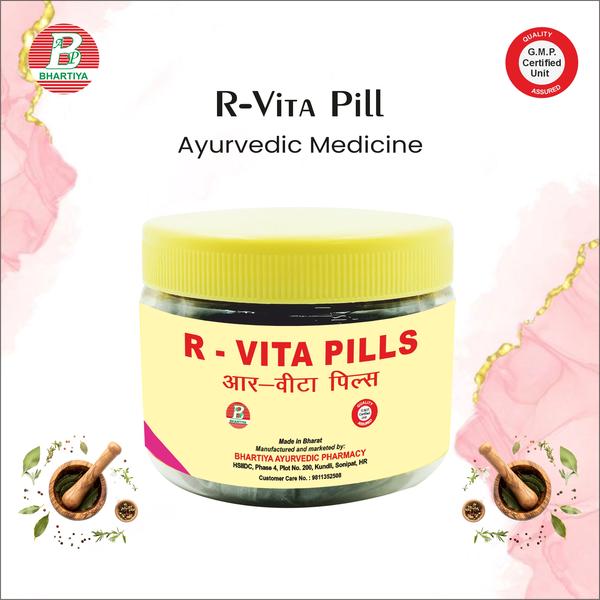
"name": "R-Vita Pills",
"description": " R-VITA PILLS (GOLD COATED) \n\nProduct Identification\n•\tGeneric Name: R-Vita Pills\n•\tType: Ayurvedic Patent Medicine\n•\tPrimary Indication Area: Supportive management of blood sugar in diabetes\n•\tTherapeutic Indications: Helps in general wellness, vitality, and may support metabolic balance in individuals with diabetes\nKey benefits include:\n•\tSupports general health and vitality\n•\tMay help in metabolic balance and energy levels\n•\tProvides nutritional and herbal support (Ayurvedic formulation)\n•\tCan act as a supplementary aid in diabetes management (not a replacement for prescribed medication)\n\nIngredients:\n GILOY (Guduchi) \nBotanical Name: Tinospora cordifolia\nAyurvedic Name: Guduchi / Amrita\nPrimary Use: Blood Sugar (Diabetes) Support & Metabolic Health\nKey Phytoconstituents\n•\tAlkaloids (e.g., berberine, magnoflorine)\n•\tTannins & Glycosides\n•\tFlavonoids & Polyphenols\n•\tTerpenoids (e.g., diterpenoid lactones)\n•\tPolysaccharides\nMechanism of Action\n(Biochemistry / Pharmacological Basis for Blood Sugar Support)\n1. Blood Sugar Regulation\n•\tEnhances insulin secretion from pancreatic beta cells.\n•\tImproves insulin sensitivity, helping glucose enter cells efficiently.\n•\tReduces hepatic glucose production, preventing high blood sugar spikes.\n2.Antioxidant & Tissue Protection\n•\tProtects pancreatic cells from oxidative stress caused by high glucose.\n•\tReduces inflammation in tissues and blood vessels, lowering complications of diabetes.\n3.Metabolic & Vitality Support\n•\tSupports carbohydrate metabolism for steady energy release.\n•\tActs as a Rasayana, improving overall vitality and resilience under metabolic stress.\n\n HALDI (Turmeric) \nBotanical Name: Curcuma longa\nAyurvedic Name: Haridra\nPrimary Use: Blood Sugar (Diabetes) Support & Anti-Inflammatory Health\n\nKey Phytoconstituents\n• Curcuminoids (Curcumin, Desmethoxycurcumin, Bisdemethoxycurcumin)\n• Volatile oils (Turmerone, Zingiberene)\n• Polyphenols\n• Tannins\n• Minerals\nMechanism of Action\n(Biochemistry / Pharmacological Basis for Blood Sugar Support\n\n1. Blood Sugar Regulation\n•\tImproves insulin sensitivity, helping cells utilize glucose efficiently.\n•\tHelps reduce insulin resistance, a key factor in type-2 diabetes.\n•\tSupports balanced glucose metabolism, preventing sudden sugar spikes.\n2. Anti-Inflammatory Action\n•\tCurcumin reduces chronic inflammation, which contributes to insulin resistance.\n•\tInhibits inflammatory mediators, supporting metabolic health.\nATIS (Ativisha) \nBotanical Name: Aconitum heterophyllum\nAyurvedic Name: Ativisha\nPrimary Use: Blood Sugar (Diabetes) Support & Digestive Balance\n\nKey Phytoconstituents\n• Alkaloids (Atisine, Heterophylline)\n• Glycosides\n• Flavonoids\n• Bitter principles\n• Trace minerals\n\nMechanism of Action\n(Biochemistry / Pharmacological Basis for Blood Sugar Support)\n1. Blood Sugar Regulation\n•\tHelps improve glucose metabolism, supporting balanced blood sugar levels.\n•\tReduces post-meal glucose spikes by improving metabolic efficiency.\n2. Digestive & Agni Support\n•\tStimulates digestive fire (Agni), improving digestion and absorption.\n•\tHelps correct Ama (metabolic toxins), which Ayurveda links to diabetes (Prameha).\n\nDARUHALDI (Daruharidra) \nBotanical Name: Berberis aristata\nAyurvedic Name: Daruharidra\nPrimary Use: Blood Sugar (Diabetes) Support & Liver–Metabolic Health\nKey Phytoconstituents\n• Alkaloids (Berberine – major active compound)\n• Tannins\n• Flavonoids\n• Phenolic compounds\n• Bitter principles\nMechanism of Action\n(Biochemistry / Pharmacological Basis for Blood Sugar Support)\n1. Blood Sugar Regulation\n•\tBerberine helps improve insulin sensitivity, allowing better glucose uptake by cells.\n•\t Reduces hepatic glucose production, helping control fasting blood sugar levels.\n•\tSupports regulation of carbohydrate metabolism.\n2. Liver & Metabolic Support\n•\tImproves liver function, which plays a key role in glucose storage and release.\n•\t Helps correct metabolic imbalance associated with diabetes (Prameha).\n\n\nPIPPALI (Long Pepper) \nBotanical Name: Piper longum\nAyurvedic Name: Pippali\nPrimary Use: Blood Sugar (Diabetes) Support & Metabolic Enhancement\n\nKey Phytoconstituents\n• Alkaloids (Piperine – major active compound)\n• Volatile oils\n• Lignans\n• Flavonoids\n• Resinous compounds\n\nMechanism of Action\n(Biochemistry / Pharmacological Basis for Blood Sugar Support)\n1. Insulin Sensitivity & Glucose Utilization\n•\tEnhances insulin sensitivity, improving cellular glucose uptake.\n•\tHelps regulate glucose metabolism, supporting stable blood sugar levels.\n2. Digestive & Agni Enhancement\n•\tStrongly stimulates Agni (digestive fire), improving digestion and metabolism.\n•\tHelps reduce Ama (metabolic toxins), which Ayurveda associates with diabetes (Prameha).\n\n CHITRAK (Chitraka) \nBotanical Name: Plumbago zeylanica\nAyurvedic Name: Chitraka\nPrimary Use: Blood Sugar (Diabetes) Support & Digestive–Metabolic Balance\n\nKey Phytoconstituents\n• Naphthoquinones (Plumbagin – major active compound)\n• Alkaloids\n• Glycosides\n• Tannins\n• Bitter principles\n\nMechanism of Action\n(Biochemistry / Pharmacological Basis for Blood Sugar Support)\n1. Metabolic Activation & Glucose Regulation\n•\tEnhances glucose metabolism by improving metabolic efficiency.\n•\tHelps reduce insulin resistance through improved cellular energy utilization.\n2. Agni Deepana & Ama Pachana\n•\tStrongly stimulates digestive fire (Agni), correcting metabolic sluggishness.\n•\tHelps eliminate Ama (metabolic toxins), a key pathological factor in Prameha (diabetes).\n\nHARAD (Haritaki) \nBotanical Name: Terminalia chebula\nAyurvedic Name: Haritaki\nPrimary Use: Blood Sugar (Diabetes) Support & Digestive Detoxification\n\nKey Phytoconstituents\n• Tannins (Chebulinic acid, Chebulagic acid)\n• Gallic acid & Ellagic acid\n• Flavonoids\n• Polyphenols\n• Glycosides\n\nMechanism of Action\n(Biochemistry / Pharmacological Basis for Blood Sugar Support)\n1. Blood Sugar Regulation\n•\tHelps regulate glucose absorption from the intestine.\n•\t Supports balanced blood sugar levels by improving metabolic control.\n2. Digestive Cleansing & Ama Removal\n•\tPromotes elimination of Ama (metabolic toxins), a major factor in Prameha (diabetes).\n•\t Improves digestion and bowel regulation, supporting metabolic health.\n\n AMLA (Amalaki) \nBotanical Name: Emblica officinalis\nAyurvedic Name: Amalaki\nPrimary Use: Blood Sugar (Diabetes) Support, Antioxidant & Metabolic Balance\n\nKey Phytoconstituents\n• Ascorbic acid (Natural Vitamin C)\n• Tannins (Emblicanin A & B)\n• Flavonoids\n• Polyphenols\n• Gallic acid & Ellagic acid\n• Minerals & amino acids\n\nMechanism of Action\n(Biochemistry / Pharmacological Basis for Blood Sugar Support)\n1. Blood Sugar Regulation\n•\tImproves insulin sensitivity, helping better glucose utilization by cells.\n•\t Helps reduce post-meal blood sugar spikes.\n•\t Supports balanced carbohydrate metabolism.\n2. Antioxidant & Pancreatic Protection\n•\tStrong antioxidant activity protects pancreatic beta cells from oxidative stress.\n•\t Reduces cellular damage caused by chronic hyperglycaemia.\n\nCHAVYA \nBotanical Name: Piper chaba (syn. Piper retrofractum)\nAyurvedic Name: Chavya\nPrimary Use: Blood Sugar (Diabetes) Support & Digestive–Metabolic Activation\n\nKey Phytoconstituents\n• Alkaloids (Piperine and related compounds)\n• Volatile oils\n• Lignans\n• Resinous compounds\n• Bitter principles\n\nMechanism of Action\n(Biochemistry / Pharmacological Basis for Blood Sugar Support)\n1. Metabolic Activation & Glucose Utilization\n•\tImproves glucose metabolism by enhancing metabolic efficiency.\n•\t Helps reduce insulin resistance through better cellular energy use.\n2. Agni Deepana & Ama Pachana\n•\tStrongly stimulates digestive fire (Agni), correcting metabolic sluggishness.\n•\tHelps digest and eliminate Ama (metabolic toxins), a key factor in Prameha (diabetes).\n\nVAIVIDANG (Vidanga) \nBotanical Name: Embelia ribes\nAyurvedic Name: Vidanga / Vaividang\nPrimary Use: Blood Sugar (Diabetes) Support & Metabolic Detoxification\n\nKey Phytoconstituents\n• Quinones (Embelin – major active compound)\n• Alkaloids\n• Flavonoids\n• Tannins\n• Volatile oils\n\nMechanism of Action\n(Biochemistry / Pharmacological Basis for Blood Sugar Support)\n1. Blood Sugar Regulation\n•\tHelps improve glucose metabolism, supporting balanced blood sugar levels.\n•\t Assists in reducing insulin resistance through metabolic correction.\n2. Ama Pachana & Metabolic Cleansing\n•\tStrong Ama-pachana action helps remove metabolic toxins associated with Prameha (diabetes)\n•\t Supports proper digestion and nutrient assimilation.\n\nSAUNTH (Dry Ginger) \nBotanical Name: Zingiber officinale (Dried rhizome)\nAyurvedic Name: Shunthi / Saunth\nPrimary Use: Blood Sugar (Diabetes) Support & Digestive–Metabolic Health\n\nKey Phytoconstituents\n• Gingerols & Shogaols (major bioactive compounds)\n• Volatile oils (Zingiberene, Camphene)\n• Polyphenols\n• Flavonoids\n• Starch & carbohydrates\n\nMechanism of Action\n(Biochemistry / Pharmacological Basis for Blood Sugar Support)\n1. Blood Sugar Regulation\n•\tImproves insulin sensitivity, supporting better glucose uptake by cells.\n•\t Helps reduce postprandial blood sugar spikes.\n•\t Supports overall carbohydrate metabolism.\n2. Digestive & Agni Support\n•\tStrong Agni Deepana (digestive fire stimulant), improving digestion and nutrient absorption. \n•\tHelps reduce Ama (metabolic toxins), which are associated with Prameha (diabetes).\n\nSAJJIKSHAR (Sodium Kshara / Shuddha Kshar) \nAyurvedic Name: Sajji kshar / Kshara\nPrimary Use: Blood Sugar (Diabetes) Support & Digestive–Metabolic Balance\n\nKey Phytoconstituents / Composition\n• Alkali salts (mainly Sodium Bicarbonate)\n• Mineral base (from plant ash processing in Ayurveda)\n• Trace minerals (depending on source)\n\nMechanism of Action\n(Biochemistry / Pharmacological Basis for Blood Sugar Support)\n1. Digestive & Metabolic Support\n•\tActs as a mild alkaline agent, improving digestion and metabolic fire (Agni).\n•\t Helps reduce Ama (metabolic toxins) that accumulate due to weak digestion in Prameha (diabetes).\n2. Blood Sugar Modulation\n•\tBy improving digestion and reducing acidic overload, it supports better carbohydrate metabolism\n•\t Helps in maintaining steady glucose levels indirectly through digestive regulation.\n\nSAINDHAV NAMAK (Sendha Namak / Rock Salt) \nAyurvedic Name: Saindhav Namak\nPrimary Use: Blood Sugar (Diabetes) Support & Digestive–Metabolic Health\n\nKey Phytoconstituents / Composition\n• Sodium chloride (NaCl) – major component\n• Trace minerals (Potassium, Calcium, Magnesium, Iron, Zinc, etc.)\n• Electrolytes for metabolic balance\n\nMechanism of Action\n(Biochemistry / Pharmacological Basis for Blood Sugar Support)\n1. Digestive & Agni Support\n•\tStimulates digestive fire (Agni), improving nutrient absorption and metabolism.\n•\tHelps reduce Ama (metabolic toxins) that contribute to Prameha (diabetes).\n2. Electrolyte & Metabolic Balance\n•\tProvides essential trace minerals and electrolytes that support metabolic reactions.\n•\tHelps maintain acid-base balance, indirectly supporting carbohydrate metabolism.\n\nKALA NAMAK (Black Salt / Himalayan Black Salt) \nAyurvedic Name: Kala Namak / Saindhava Kala\nPrimary Use: Blood Sugar (Diabetes) Support & Digestive–Metabolic Health\n\nKey Phytoconstituents / Composition\n• Sodium chloride (NaCl) – major component\n• Iron sulfide & trace minerals (Iron, Potassium, Magnesium, Calcium, Sulfates)\n• Electrolytes for metabolic balance\n\nMechanism of Action\n(Biochemistry / Pharmacological Basis for Blood Sugar Support)\n1. Digestive & Agni Support\n•\tStimulates digestive fire (Agni), aiding digestion and nutrient absorption.\n•\tHelps reduce Ama (metabolic toxins), a key contributor in Prameha (diabetes).\n2. Electrolyte & Metabolic Balance\n•\tProvides essential trace minerals and electrolytes, supporting metabolic reactions and energy balance.\n•\t Improves acid-base balance, which indirectly helps carbohydrate metabolism.\n\nDANTIMOOL (Indian Toothroot) \nBotanical Name: Baliospermum montanum\nAyurvedic Name: Dantimool / Danti Mool\nPrimary Use: Blood Sugar (Diabetes) Support & Digestive–Metabolic Health\n\nKey Phytoconstituents\n• Alkaloids\n• Flavonoids\n• Glycosides\n• Starch & carbohydrates\n• Bitter principles\n\nMechanism of Action\n(Biochemistry / Pharmacological Basis for Blood Sugar Support)\n1. Blood Sugar Regulation\n•\tSupports glucose metabolism, helping maintain steady blood sugar levels.\n Improves insulin sensitivity and helps in better glucose utilization by cells.\n2. Digestive & Agni Support\n•\tStimulates digestive fire (Agni), improving nutrient assimilation.\n•\tHelps reduce Ama (metabolic toxins) associated with Prameha (diabetes).\n\nTEJPATRA (Indian Bay Leaf) \nBotanical Name: Cinnamomum tamala\nAyurvedic Name: Tejpatra\nPrimary Use: Blood Sugar (Diabetes) Support & Digestive–Metabolic Health\n\nKey Phytoconstituents\n• Essential oils (Cinnamaldehyde, Eugenol, Linalool)\n• Tannins\n• Flavonoids\n• Polyphenols\n• Trace minerals\n\nMechanism of Action\n(Biochemistry / Pharmacological Basis for Blood Sugar Support)\n1. Blood Sugar Regulation\n•\tEnhances insulin sensitivity, improving glucose uptake by cells.\n•\t Helps reduce postprandial blood sugar spikes.\n•\t Supports balanced carbohydrate metabolism.\n2. Digestive & Agni Support\n•\tStimulates digestive fire (Agni), improving digestion and nutrient absorption.\n•\tHelps reduce Ama (metabolic toxins) associated with Prameha (diabetes).\n\nNAGARMOTHA (Cyperus rotundus) \nBotanical Name: Cyperus rotundus\nAyurvedic Name: Nagarmotha / Musta\nPrimary Use: Blood Sugar (Diabetes) Support & Digestive–Metabolic Health\n\nKey Phytoconstituents\n• Essential oils (Cyperene, Rotundene)\n• Flavonoids\n• Alkaloids\n• Tannins\n• Starch & carbohydrates\n\nMechanism of Action\n(Biochemistry / Pharmacological Basis for Blood Sugar Support)\n1. Blood Sugar Regulation\n•\tEnhances glucose metabolism, supporting steady blood sugar levels.\n•\t Improves insulin sensitivity for better glucose uptake by cells.\n2. Digestive & Agni Support\n•\tStrong Agni Deepana (digestive fire stimulant), improving digestion and nutrient absorption.\n•\t Helps eliminate Ama (metabolic toxins) associated with Prameha (diabetes).\n\nKESAR (Saffron) \nBotanical Name: Crocus sativus\nAyurvedic Name: Kesar / Kumkuma\nPrimary Use: Blood Sugar (Diabetes) Support, Antioxidant & Metabolic Health\n\nKey Phytoconstituents\n• Crocin (major antioxidant compound)\n• Safranal (aromatic volatile oil)\n• Picrocrocin\n• Flavonoids & Polyphenols\n• Trace minerals\n\nMechanism of Action\n(Biochemistry / Pharmacological Basis for Blood Sugar Support)\n1. Blood Sugar Regulation\n•\tHelps improve insulin sensitivity, supporting better glucose uptake by cells.\n•\t Assists in reducing postprandial blood sugar spikes.\n•\t Supports balanced carbohydrate metabolism and energy release.\n2. Antioxidant & Tissue Protection\n•\tCrocin and safranal provide strong antioxidant protection to pancreatic and vascular tissues.\n•\tReduces oxidative stress, lowering the risk of diabetes-related tissue damage.\n\n JAIPHAL (Nutmeg) \nBotanical Name: Myristica fragrans\nAyurvedic Name: Jaiphal\nPrimary Use: Blood Sugar (Diabetes) Support & Digestive–Metabolic Health\n\nKey Phytoconstituents\n• Essential oils (Myristicin, Safrole, Eugenol)\n• Lignans\n• Flavonoids & Polyphenols\n• Starch & carbohydrates\n• Resinous compounds\n\nMechanism of Action\n(Biochemistry / Pharmacological Basis for Blood Sugar Support)\n1. Blood Sugar Regulation\n•\tSupports glucose metabolism, helping maintain steady blood sugar levels.\n•\tMay improve insulin sensitivity, aiding glucose uptake by cells.\n•\t Helps modulate carbohydrate digestion, reducing postprandial sugar spikes.\n2. Digestive & Agni Support\n•\tStimulates digestive fire (Agni), enhancing digestion and nutrient absorption.\n•\t Reduces accumulation of Ama (metabolic toxins) linked to Prameha (diabetes).\n\nJAVITRI (Mace) \nBotanical Name: Myristica fragrans\nAyurvedic Name: Javitri\nPrimary Use: Blood Sugar (Diabetes) Support & Digestive–Metabolic Health\n\nKey Phytoconstituents\n• Essential oils (Myristicin, Elemicin, Safrole)\n• Flavonoids & Polyphenols\n• Lignans\n• Starch & carbohydrates\n• Resinous compounds\n\nMechanism of Action\n(Biochemistry / Pharmacological Basis for Blood Sugar Support)\n1. Blood Sugar Regulation\n•\tSupports glucose metabolism, helping maintain stable blood sugar levels.\n•\t Improves insulin sensitivity, aiding cellular glucose uptake.\n•\t Helps regulate carbohydrate digestion, reducing postprandial sugar spikes.\n2. Digestive & Agni Support\n•\tStimulates digestive fire (Agni), improving digestion and nutrient assimilation.\n•\tHelps eliminate Ama (metabolic toxins) that contribute to Prameha (diabetes).\n\n LAVANG (Clove) \nBotanical Name: Syzygium aromaticum\nAyurvedic Name: Lavang\nPrimary Use: Blood Sugar (Diabetes) Support & Digestive–Metabolic Health\n\nKey Phytoconstituents\n• Essential oils (Eugenol – major bioactive compound)\n• Tannins\n• Flavonoids & Polyphenols\n• Glycosides\n• Volatile oils\n\nMechanism of Action\n(Biochemistry / Pharmacological Basis for Blood Sugar Support)\n1. Blood Sugar Regulation\n•\tImproves insulin sensitivity, supporting glucose uptake by cells.\n•\tHelps modulate carbohydrate metabolism, reducing postprandial sugar spikes.\n•\tSupports balanced glucose levels in the bloodstream.\n2. Digestive & Agni Support\n•\tStimulates digestive fire (Agni), improving digestion and nutrient absorption.\n•\tHelps reduce Ama (metabolic toxins) linked to Prameha (diabetes).\n\nAKARKARA \nBotanical Name: Anacyclus pyrethrum\nAyurvedic Name: Akarkara / Mushkaksha\nPrimary Use: Blood Sugar (Diabetes) Support & Digestive–Metabolic Health\n\nKey Phytoconstituents\n• Alkylamides (Pyrethrins)\n• Flavonoids\n• Tannins\n• Essential oils\n• Resinous compounds\n\nMechanism of Action\n(Biochemistry / Pharmacological Basis for Blood Sugar Support)\n1. Blood Sugar Regulation\n•\tSupports glucose metabolism, aiding steady blood sugar levels.\n•\tMay improve insulin sensitivity, promoting better cellular glucose uptake.\n•\t Helps regulate carbohydrate digestion, reducing post-meal sugar spikes.\n2. Digestive & Agni Support\n•\tStimulates digestive fire (Agni), improving nutrient absorption.\n•\tHelps eliminate Ama (metabolic toxins) associated with Prameha (diabetes).\n\nSHUDH GUGGUL (Purified Guggul) \nBotanical Name: Commiphora mukul\nAyurvedic Name: Shuddha Guggul\nPrimary Use: Blood Sugar (Diabetes) Support & Lipid–Metabolic Health\n\nKey Phytoconstituents\n• Guggulsterones (E & Z) – major bioactive compounds\n• Resins & Gum compounds\n• Flavonoids & Polyphenols\n• Tannins\n• Essential oils\n\nMechanism of Action\n(Biochemistry / Pharmacological Basis for Blood Sugar Support)\n1. Blood Sugar Regulation\n•\tImproves insulin sensitivity, aiding glucose uptake by cells.\n•\t Supports carbohydrate and lipid metabolism, reducing postprandial sugar spikes.\n Helps modulate hepatic glucose production.\n2. Metabolic & Lipid Support\n•\tReduces cholesterol and triglycerides, supporting metabolic health in diabetic conditions.\n•\t Enhances fat and carbohydrate metabolism, improving overall energy balance.\n\nSHUDH SHILAJIT (Purified Shilajit) \nAyurvedic Name: Shudh Shilajit / Asphaltum\nPrimary Use: Blood Sugar (Diabetes) Support, Energy & Metabolic Health\n\nKey Phytoconstituents\n• Fulvic acid & Humic acid – major bioactive compounds\n• Trace minerals (Iron, Magnesium, Zinc, Copper)\n• Dibenzo-alpha-pyrones\n• Amino acids & Vitamins\n• Polyphenols\n\nMechanism of Action\n(Biochemistry / Pharmacological Basis for Blood Sugar Support)\n1. Blood Sugar Regulation\n•\tEnhances insulin sensitivity, supporting better glucose uptake by cells.\n•\t Modulates hepatic glucose metabolism, helping maintain steady blood sugar levels.\n•\t Supports carbohydrate and energy metabolism.\n2. Antioxidant & Tissue Protection\n•\tFulvic acid and polyphenols provide strong antioxidant protection to pancreatic and vascular tissues.\n Reduces oxidative stress and inflammation linked to chronic hyperglycaemia.\n\nLOH BHASMA (Iron Bhasma) \nAyurvedic Name: Loh Bhasma / Lauha Bhasma\nPrimary Use: Blood Sugar (Diabetes) Support, Hematopoietic & Metabolic Health\n\nKey Phytoconstituents / Composition\n• Iron oxide (Fe₂O₃) – main active mineral\n• Trace minerals (depending on preparation method)\n• Ayurvedic processed constituents for enhanced bioavailability\n\nMechanism of Action\n(Biochemistry / Pharmacological Basis for Blood Sugar Support)\n1. Blood Sugar & Metabolic Support\n•\tSupports haemoglobin synthesis and overall blood quality, indirectly aiding glucose utilization\n•\tEnhances cellular energy metabolism, improving tissue function in diabetic conditions.\n•\t Helps maintain steady glucose levels through better oxygen delivery and nutrient utilization.\n2. Digestive & Agni Support\n•\tMildly stimulates digestive fire (Agni), improving nutrient absorption and metabolism.\n•\tHelps reduce Ama (metabolic toxins) that accumulate in Prameha (diabetes).\n\n SWARN BANG (Gold Bhasma) \nAyurvedic Name: Swarn Bhasma / Suvarna Bhasma\nPrimary Use: Blood Sugar (Diabetes) Support, Metabolic & Rasayana Health\n\nKey Phytoconstituents / Composition\n•\tPure gold particles (processed to Bhasma form)\n•\t Trace minerals depending on processing\n•\t Ayurvedic processed constituents to enhance bioavailability\n\nMechanism of Action\n(Biochemistry / Pharmacological Basis for Blood Sugar Support)\n1. Blood Sugar & Metabolic Support\n•\tSupports cellular energy metabolism and glucose utilization.\n•\t Helps maintain steady blood sugar levels by improving tissue nourishment.\n•\t Enhances overall metabolic efficiency.\n2. Digestive & Agni Support\n•\tMildly stimulates digestive fire (Agni), improving nutrient absorption.\n•\tHelps reduce Ama (metabolic toxins) linked to Prameha (diabetes).\n\nDosage:\n1.\tDose per intake: 2–3 tablets\n2.\tFrequency: 2–3 times daily\n3.\tTotal daily dose: 4–6 tablets (depending on physician advice)\n4.\tHow to take: With plain water, preferably after meals\n\nPrecautions\n•\tDo not exceed the prescribed dose\n•\tConsult an Ayurvedic practitioner before use in:\no\tChildren\no\tElderly\no\tPatients with chronic illness\n•\tMonitor for any side effects (e.g., digestive discomfort)\n•\tMaintain proper diet and hydration to support bowel health\n\n\n\nr vita pills, r vital tablet\nr-vit tablet, r-vita pills amazon\nr-vita pills benefits, r-vita pills benefits in hindi\nr-vita pills buy online, r-vita pills composition\nr-vita pills content, r-vita pills company\nr-vita pills details, r-vita pills dose\nr-vita pills dosage, r-vita pills dose per day\nr-vita pills dosage per day\nr-vita pills easy ayurveda\nr-vita pills generic name\nr-vita pills good or bad\nr-vita pills hindi\nr-vita pills how to use\nr-vita pills healthcare\nr-vita pills herbal\nr-vita pills how to use in hindi\nr-vita pills ingredients\nr-vita pills in hindi\nr-vita pills indiamart\nr-vita pills jan aushadhi\nr-vita pills kya kam karta hai\nr-vita pills ke fayde in hindi\nr-vita pills lab\nr-vita pills lab report\nr-vita pills manufacturer\nr-vita pills manufacturing company\nr-vita pills manufacturers in india\nr-vita pills mrp\nr-vita pills near me\nr-vita pills name\nr-vita pills nutrition\nr-vita pills nutrition facts\nr-vita pills online\nr-vita pills online shopping\nr-vita pills original\nr-vita pills online order\nr-vita pills price\nr-vita pills price in india\nr-vita pills quantity\nr-vita pills quality\nr-vita pills review\nr-vita pills review in hindi\nr-vita pills side effects\nr-vita pills substitute\nr-vita pills side effects in hindi\nr-vita pills tablet\nr-vita pills tab\nr-vita pills uses in hindi\nr-vita pills uses\nr-vita pills uk\nr-vita pills vs",
"price": 180.0,
"discountamount": 90.0,
"currencycode": "INR",
"priority": 1000000,
"isfreeshipmentavailable": false,
"shipmentduration": 1,
"_keywords": null,
"isarchived": false,
"isavailable": true,
"applicationid": null,
"productindex": 86,
"imageuri": "https://productimages.withfloats.com/actual/69e0790f2f1012ba8d1da4b6.jpg",
"tileimageuri": "https://productimages.withfloats.com/tile/69e0790f2f1012ba8d1da4b6.jpg",
"images": null,
"totalqueries": 0,
"gpid": null,
"groupproductid": null,
"createdon": "2026-04-16T05:52:10.702Z",
"updatedon": "2026-04-16T05:55:01.461Z",
"buyonlinelink": null,
"producturl": "http://WWW.BHARTIYAAYURVEDICPHARMACY.COM//r-vita-pills/86",
"availableunits": -1.0,
"iscodavailable": true,
"isprepaidonlineavailable": true,
"maxcodorders": -1,
"maxprepaidonlineorders": -1,
"uniquepaymenturl": null,
"brandname": "Bakula Fort",
"category": "R-Vita Pills 100gm X 30",
"tags": [],
"variants": false,
"keyspecification": null,
"otherspecifications": null,
"pickupaddressreferenceid": null,
"paymenttype": "AssuredPurchase",
"producttype": "products",
"hsncode": null,
"gstslab": 0.0,
"isnotforsale": false
},
{
"_id": "69a91c672e7f81807148337b",
"fptag": "BHARTIYEAYURVEDICPHARMACY",
"merchantname": null,
"customwidgets": null,
"externalsourceid": null,
"name": "Shankh pushpi capsule",
"description": " ŚAṄKHAPUṢPI (Convolvulus pluricaulis Choisy)\n The Supreme Medhya Rasayana — Herb of Divine Wisdom, Memory & Mental Peace\n\n AN ANCIENT STORY OF ŚAṄKHAPUṢPĪ — THE HERB OF SARASWATI\nIn ancient times, during the era of the Rishis, it is said that Sage Medhavi, son of the great Rishi Chyavana, undertook intense penance to attain supreme knowledge, clarity of mind, and divine memory (Dhi, Dhriti, Smriti).\nDespite his efforts, the young sage struggled with distraction and mental exhaustion. Seeing his difficulty, Goddess Saraswati appeared before him holding a white conch (Śaṅkha) glowing with celestial light.\nShe touched the earth with the conch, and from that spot emerged a delicate blue-white flower shaped like a tiny conch shell — Sankhpushpi.\nThe Goddess said:\n“This is the herb of my blessing.\nIt calms the mind, sharpens intellect, lengthens memory,\nremoves fear, and fills the heart with peace.\nWhoever consumes Sankhpushpi with sincerity shall attain\nsteady Mind (Manas), deep Memory (Smriti), and pure Knowledge (Medha).”\nSage Medhavi consumed the herb daily, preparing its juice and ghee, and soon became renowned as one of the wisest sages, with unparalleled memory and intellect.\nThus, Sankhpushpi became celebrated in Ayurveda as the Medhya Rasayana gifted by Saraswati herself.\n BOTANICAL INFORMATION OF ŚAṄKHAPUṢPĪ\nScientific Name: Convolvulus pluricaulis \nSynonyms: Convolvulus microphyllus, Evolvulus alsinoides (commonly confused but traditionally distinct)\nFamily: Convolvulaceae\nOrder: Solanales\nGenus: Convolvulus\nSpecies: pluricaulis\n COMMON NAMES\n•\tSanskrit: Sankhpushpi, Saraswati, Mangalyakusuma, Medhya, Sumedha, Shankhini\n•\tHindi: Sankhpushpi\n•\tEnglish: Convolvulus / Aloe Weed\n•\tTamil: Vishnukranthi\n•\tTelugu: Sankhpushpi\n•\tMalayalam: Sankhupushpam\n•\tKannada: Shankhini\n•\tGujarati/Marathi: Sankhpushpi\n•\tBengali: Shankhapuli\n CLASSICAL AYURVEDIC SYNONYMS (FROM NIGHANTUS)\nCharaka Samhita\n•\tMedhya Rasayana (Superb brain tonic)\n•\tSmritivardhini (enhances memory)\nSushruta Samhita\n•\tBalya, Nidrajanaka, Mano-Anulomana\nBhavaprakasha Nighantu\n•\tSaraswati, Mangalyakusuma, Pragya-Vardhini\nDhanvantari Nighantu\n•\tŚaṅkhinī, Sumedha, Medhya\nAll synonyms emphasize intellect, calmness, happiness, purity of mind, and memory.\n MORPHOLOGY OF ŚAṄKHAPUṢPĪ\nHabit:\nSmall, perennial herb growing close to the ground, spreading extensively.\nStem:\nSlender, soft, hairy, branching, often forming mats.\nLeaves:\nSmall, narrow, linear-lanceolate, 1–2 cm long; green-grey.\nFlowers:\n•\tFunnel-shaped\n•\tBluish-violet or white\n•\tResemble a conch shell (Shankha), hence the name\nFruit:\nTiny ovoid capsule containing 2–4 seeds.\nRoot:\nThin, woody; used medicinally with the whole plant.\n ECOLOGICAL PREFERENCES\nClimate: Tropical & subtropical; thrives in heat\nSoil: Sandy, loamy, slightly alkaline soil\nIrrigation: Moderate; drought-tolerant\nHabitat: Dry open grasslands, Rocky plains, Roadsides, Cultivated areas\nAltitude: Sea level to 1,500 m\n\n GEOGRAPHICAL DISTRIBUTION\nIndia\nWidely distributed throughout: Uttar Pradesh, Rajasthan, Madhya Pradesh, Gujarat, Maharashtra, Tamil Nadu, Karnataka, Kerala.\nOutside India: -Nepal, Bangladesh, Sri Lanka, Myanmar, Thailand, Pakistan.\n CLASSICAL AYURVEDIC PROPERTIES\n(Rasa–Guna–Virya–Vipaka–Dosha Karma)\nRasa (Taste): Tikta (bitter), Kashaya (astringent)\nGuna (Quality): Laghu (light), Snigdha (unctuous)\nVirya (Potency): Śīta (cooling)\nVipaka (post-digestive effect): Madhura (sweet)\nEffect on Doshas:\n•\tPittashamaka\n•\tVata balancing\n•\tMildly reduces Kapha\n THERAPEUTIC ACTIONS (KARMA)\n1.\tMedhya Rasayana – Rejuvenates brain, enhances memory\n2.\tSmriti Vardhini – Improves retention & recall\n3.\tNidrajanana – Promotes healthy sleep\n4.\tManasa-Anulomana – Calms the nervous system\n5.\tAnxiolytic – Relieves anxiety, stress\n6.\tBalya – Strengthens mind & nerves\n7.\tHridaya – Calming cardiac tonic\n8.\tDipana-Pachana – Enhances digestion\n9.\tVedana Sthapana – Mild analgesic\n10.\tMedhya Rasayana – Anti-aging for the mind\n INDICATIONS\nNervous System: -Memory loss, Poor concentration, Learning disabilities, ADHD, Alzheimer’s support therapy, Epilepsy (adjunct), Anxiety, panic, stress, Mental fatigue, Depression (mild), Chronic insomnia, Irritability, anger.\nDigestive System: -Loss of appetite, Hyperacidity, IBS (stress-related)\nCardiac: -Stress-induced hypertension, Palpitations\nChildren’s Health: -Low grasping power, Exam stress, Forgetfulness\nReproductive: -System Enhances Shukra Dhatu, Supports hormonal balance in stress-induced menstrual issues\n MODERN PHYTOCHEMISTRY & PHARMACOLOGY\nMajor Constituents: -Flavonoids, Alkaloids: Convolvine, Convolamine, Convolidine, Ceryl alcohol, Scopoletin, β-sitosterol, Glycosides, Glucose, sucrose.\nPharmacological Actions\n•\tNootropic (brain-protective)\n•\tNeurodegenerative\n•\tAnxiolytic (anti-anxiety)\n•\tAntidepressant (mild)\n•\tSedative (natural, non-habit forming)\n•\tAnticonvulsant\n•\tAntioxidant\n•\tAnti-stress (adaptogenic)\n•\tImmunomodulatory\n CULTIVATION DETAILS\nPropagation: Seeds or cuttings\nSowing Time: February–April or June–August\nSoil: Well-drained sandy loam\nIrrigation: Light but regular\nFertilization: Organic manures preferred\nHarvesting:\n•\tWhole plant harvested during flowering\n•\tRoots collected separately\n CLASSICAL DOSAGE (According to Ayurvedic Granthas)\n•\tChurna (Powder): 2–6 g twice daily\n•\tSwarasa (Fresh juice): 10–20 ml\n•\tKwatha (Decoction): 40–60 ml\n•\tGhrita (Medicated ghee): 5–10 g\n•\tSyrup: 10–20 ml\n CLASSICAL AYURVEDIC FORMULATIONS CONTAINING ŚAṄKHAPUṢPĪ\n1.\tSaraswata Churna – For intellect & speech\n2.\tSankhpushpi Ghrita – Supreme brain tonic\n3.\tMedhya Rasayana – Memory rejuvenator\n4.\tBrahmi Sankhpushpi Syrup – Mental nourishment\n5.\tSmriti Sagar Ras – Chronic memory disorders\n6.\tPrashnashankhadi Yoga – Mental calmness\n7.\tBrahma Rasayana – Nerve rejuvenator\n Sankhpushpi (Convolvulus pluricaulis) Formulations – Bhartiya Ayurvedic Pharmacy \nBhartiya Ayurvedic Pharmacy prepares authentic Sankhpushpi-based formulations following classical Ayurvedic principles from Charaka Samhita, Sushruta Samhita, Bhavaprakasha, and Dhanvantari Nighantu. These products preserve Sankhpushpi full potency as a Medhya Rasayana, supporting memory, cognition, calmness, sleep, and nervous system strength.\n 1. SHANKHPUSHPI TABLET\nDescription\nSankhpushpi Tablet is a convenient and standardized formulation containing pure extract/powder of Sankhpushpi (Convolvulus pluricaulis).\nIt is specially designed for daily use to support memory, concentration, focus, stress relief, and restful sleep.\nKey Actions\n•\tMedhya Rasayana: Enhances intelligence, memory & learning\n•\tReduces stress, anxiety & restlessness\n•\tSupports healthy sleep\n•\tPromotes calmness of mind and mental clarity\n•\tStrengthens the nervous system\n•\tBeneficial for students, professionals & elderly\n•\tSupports cardiovascular calmness (reduces palpitation due to stress)\nDosage\n•\t1–2 tablets twice daily\n•\tBest taken after meals with warm water or milk\n•\tFor children (above 7 years): 1 tablet daily under supervision\n•\tFor insomnia/anxiety: 1 tablet at bedtime is beneficial\nPrecautions\n•\tAvoid overdose (may cause excess drowsiness)\n•\tMonitor if taking sedatives or BP-lowering medicines\n•\tPregnant & lactating women should use under guidance\n\n 2. SHANKHPUSHPI CAPSULE\nDescription\nSankhpushpi Capsule contains high-quality extract of Sankhpushpi in an easy-to-swallow form.\nIdeal for individuals seeking a standardized potency and improved absorption for brain health.\nKey Actions\n•\tPowerful nootropic: Boosts learning ability & concentration\n•\tSmritivardhini – Improves memory retention\n•\tReduces mental fatigue, brain fog & overthinking\n•\tCalms the mind and supports balanced emotional health\n•\tHelps maintain healthy blood pressure during stress\n•\tGood for students during exams and adults with high mental workload\n•\tSupports healthy sleep-wake cycles\nDosage\n•\t1 capsule twice daily with warm water\n•\tFor high stress or exam periods: 2 capsules daily\n•\tCan be taken for long-term rejuvenation\nPrecautions\n•\tDo not exceed recommended dose\n•\tMay enhance sedation if used with sleeping medicines\n•\tUse carefully in low blood pressure\n•\tConsult during pregnancy or chronic neurological illness\n 3. SHANKHPUSHPI POWDER (Sankhpushpi Churna)\nDescription\nPure, finely powdered whole plant of Sankhpushpi prepared traditionally.\nThis is the most classical way of consuming Sankhpushpi.\nKey Actions\n•\tSuperior Medhya Rasayana – rejuvenates brain cells\n•\tImproves memory, concentration & decision-making\n•\tPromotes deep relaxation & mental peace\n•\tBeneficial for insomnia, anxiety, excessive thinking\n•\tStrengthens nerves and mind\n•\tUseful in hyperacidity & stress-induced digestive issues\n•\tCalms Pitta & Vata doshas\nDosage: -1–3 g (½–1 teaspoon) twice daily\n•\tTake with:\no\tWarm milk for memory & brain health\no\tWarm water for stress/anxiety\no\tGhee for students and elderly\no\tHoney for speech & learning enhancement\nPrecautions\n•\tDo not take more than prescribed (may cause drowsiness)\n•\tAvoid during very low blood pressure\n•\tChildren should take under guidance\n•\tAvoid mixing with alcohol or sedative drugs\n4. Sankhpushpi Tail\nDescription\nSankhpushpi Tail is a traditional Ayurvedic herbal oil prepared using Sankhpushpi (Convolvulus pluricaulis) as the primary ingredient.\nIt is valued for its mind-calming, memory-enhancing, and nervine-strengthening properties.\nApplied externally, it supports relaxation, scalp nourishment, and mental clarity.\n Key Actions\n•\tMedhya Rasayana – promotes intelligence, memory & retention\n•\tHelps reduce stress, anxiety, and mental fatigue\n•\tCalms the mind and supports a balanced nervous system\n•\tNourishes the scalp and strengthens hair roots\n•\tHelps reduce scalp heat, restlessness, and disturbed sleep\n•\tSupports mental freshness and emotional well-being\n•\tUseful during high mental workload and long study hours\n Directions for Use\n•\tApply 2–3 teaspoonfuls of the oil to the scalp\n•\tMassage gently for 5–10 minutes\n•\tLeave for 1–2 hours or overnight; wash if needed\n•\tCan be used daily or 3–4 times per week\n Precautions\n•\tFor external use only unless otherwise advised by an Ayurvedic practitioner\n•\tAvoid use on infected or wounded scalp areas\n•\tStore in a cool, dry place away from direct sunlight\n•\tConsult a physician if you have chronic neurological illness or are pregnant\n\n BENEFITS OF BHARTIYA AYURVEDIC SANKHPUSHPĪ PRODUCTS\n•\t100% pure, authentic, and traditionally processed\n•\tFree from artificial flavors or preservatives\n•\tStandardized for potency\n•\tSuitable for long-term use\n•\tSafe for students, adults & elderly\n•\tNon-habit-forming natural brain tonic\t\n\n\nbest shankhpushpi, best shankhpushpi syrup, brahmi and shankhpushpi capsules\ndosage of shankhpushpi, health benefits of shankhpushpi\nhow does shankhpushpi work, how shankhpushpi works\nhow to take shankhpushpi powder, shankh pushpi capsule amazon\nshankh pushpi capsule ayurvedic, shankh pushpi capsule company name\nshankh pushpi capsule composition, shankh pushpi capsule contains\nshankh pushpi capsule cost, shankh pushpi capsule easy ayurveda\nshankh pushpi capsule effect, shankh pushpi capsule english\nshankh pushpi capsule english name, shankh pushpi capsule extract\nshankh pushpi capsule generic name, shankh pushpi capsule image\nshankh pushpi capsule in hindi, shankh pushpi capsule ingredients\nshankh pushpi capsule jankari, shankh pushpi capsule jankari in hindi\nshankh pushpi capsule manufacturer, shankh pushpi capsule manufacturers in india\nshankh pushpi capsule name, shankh pushpi capsule near me\nshankh pushpi capsule online, shankh pushpi capsule online order\nshankh pushpi capsule online purchase, shankh pushpi capsule online shopping\nshankh pushpi capsule original, shankh pushpi capsule qualification\nshankh pushpi capsule quantity, shankh pushpi capsule recipe\nshankh pushpi capsule recipe in hindi, shankh pushpi capsule review\nshankh pushpi capsule use, shankh pushpi capsule uses in hindi\nshankh pushpi capsule which company, shankh pushpi capsule which company is best\nshankhpushpi capsules",
"price": 300.0,
"discountamount": 150.0,
"currencycode": "INR",
"priority": 1000000,
"isfreeshipmentavailable": false,
"shipmentduration": 1,
"_keywords": null,
"isarchived": false,
"isavailable": true,
"applicationid": null,
"productindex": 71,
"imageuri": "https://productimages.withfloats.com/actual/69a91c696a06377ef522c4dd.jpg",
"tileimageuri": "https://productimages.withfloats.com/tile/69a91c696a06377ef522c4dd.jpg",
"images": null,
"totalqueries": 0,
"gpid": null,
"groupproductid": null,
"createdon": "2026-03-05T06:02:15.179Z",
"updatedon": "2026-03-05T06:02:15.179Z",
"buyonlinelink": null,
"producturl": "http://WWW.BHARTIYAAYURVEDICPHARMACY.COM//shankh-pushpi-capsule/71",
"availableunits": -1.0,
"iscodavailable": true,
"isprepaidonlineavailable": true,
"maxcodorders": -1,
"maxprepaidonlineorders": -1,
"uniquepaymenturl": null,
"brandname": "Bakula fort",
"category": "Shankh pushpi capsule 60 - cap X 24",
"tags": [],
"variants": false,
"keyspecification": null,
"otherspecifications": null,
"pickupaddressreferenceid": null,
"paymenttype": "AssuredPurchase",
"producttype": "products",
"hsncode": null,
"gstslab": 0.0,
"isnotforsale": false
},
{
"_id": "6993fdc30e3bcc31e5947ffe",
"fptag": "BHARTIYEAYURVEDICPHARMACY",
"merchantname": null,
"customwidgets": null,
"externalsourceid": null,
"name": "Milk Thistel Capsule",
"description": " MILK THISTLE \n\n MILK THISTLE (Silybum marianum L.) \nThe Liver-Protective Herb — “Marian Thistle”\nMilk Thistle, known scientifically as Silybum marianum, is a medicinal herb traditionally used for liver protection, detoxification, and rejuvenation. Rich in flavonolignans (silymarin), antioxidants, and phytonutrients, it is considered beneficial for liver health, digestion, metabolism, and overall vitality.\n\n CLASSICAL AYURVEDIC REFERENCES\nWhile Milk Thistle is not mentioned in classical Indian Ayurvedic granthas directly, modern Ayurvedic scholars equate its properties with “Yogavahi, Hridya, Yakrutya” (liver-protective, circulatory supportive, and rejuvenative herbs). Its actions are aligned with Rasayana therapy and digestive tonics described in:\n1.\tCharaka Samhita (Kalpa Sthana) – Herbs with Hepatoprotective and Pitta-hara properties are recommended for liver disorders, digestion, and detoxification.\n2.\tSushruta Samhita (Chikitsa Sthana) – Herbs with Tikta-Rasa (bitter taste) and Sheeta Virya (cooling potency) are advised to purify the blood and support liver function.\n3.\tBhavaprakasha Nighantu – Mentions Tikta-Medhya-Virechana herbs, comparable in modern research to Milk Thistle for detoxification, antioxidant, and rejuvenative effects.\nClassical Story / Analogy:\nAyurvedic scholars often compare Milk Thistle to a “guardian herb of the liver”, like a protector of vital channels. Its scientific name “marianum” comes from the legend of the Virgin Mary: the white veins on the leaves were said to represent milk spilled from her breast, symbolizing nourishment and protection. In Ayurveda, it is considered a Rasayana for the Yakrut (liver), Medhya (intellect), and Ojas (vitality).\n\n BOTANICAL INFORMATION OF MILK THISTLE\n•\tScientific Name: Silybum marianum (L.) Gaertn.\n•\tFamily: Asteraceae\n•\tOrder: Asterales\n•\tGenus: Silybum\n•\tSpecies: marianum\n•\tCommon Names:\no\tSanskrit: Kshirakakoli (in modern Ayurvedic texts)\no\tEnglish: Milk Thistle, Marian Thistle\no\tHindi: Kshirakakoli\no\tTamil: Pappal Thistle\no\tTelugu: Kshirakakoli\no\tMalayalam: Ksheerakakoli\no\tKannada: Ksheera Thistle\no\tBengali: Kshirakakoli\n\n SYNONYMS IN MODERN AYURVEDIC NIGHANTUS\n•\tBhavaprakasha Nighantu (modern Ayurvedic adaptations): Silybum marianum – Yakrutya, Rasayana, Medhya\n•\tCharaka & Sushruta adaptations: Herbs with Tikta Rasa, Sheeta Virya, and Yakrutya karma\n\n MORPHOLOGY OF MILK THISTLE\n•\tPlant Type: Biennial or annual herb\n•\tHeight: 1–2 m\n•\tLeaves: Large, spiny, green with white veins\n•\tFlowers: Purple, thistle-like, solitary or clustered\n•\tFruit / Seeds: Oval, brown to black, contain oil-rich seeds\n•\tSeeds: Rich in silymarin flavonolignans, hepatoprotective compounds\n\n ECOLOGICAL PREFERENCES\n•\tClimate: Temperate to Mediterranean\n•\tSoil: Well-drained, fertile, loamy soil\n•\tHabitat: Dry, sunny areas, wastelands, grasslands\n•\tAltitude: Sea level to 1,800 m\n\n GEOGRAPHICAL DISTRIBUTION\n•\tIndia: Himachal Pradesh, Uttarakhand, Jammu & Kashmir\n•\tOutside India: Mediterranean region, Europe, North America\n\n CLASSICAL AYURVEDIC PROPERTIES (RASA–GUNA–VIRYA–VIPAKA)\n•\tRasa (Taste): Tikta (bitter), Katu (pungent)\n•\tGuna (Qualities): Laghu (light), Ruksha (dry)\n•\tVirya (Potency): Sheeta (cooling)\n•\tVipaka (post-digestive effect): Katu (pungent)\n•\tDosha Effects: Pitta-Vata hara, supports Kapha balance in moderation\n\n THERAPEUTIC ACTIONS (KARMA)\n1.\tYakrutya / Hepatoprotective: Protects liver cells, supports detoxification\n2.\tRasayana / Rejuvenative: Supports vitality, Ojas, and metabolic health\n3.\tMedhya: Enhances memory and cognitive function\n4.\tHridya: Mild circulatory and heart support\n5.\tVirechana / Detoxifying: Promotes gentle bowel movement and purification\n6.\tKapha-Vata Samana: Reduces digestive sluggishness, supports metabolism\n\n INDICATIONS\n•\tLiver disorders, hepatitis, fatty liver, detoxification\n•\tDigestive sluggishness, mild constipation\n•\tMetabolic syndrome, obesity\n•\tCardiovascular support\n•\tFatigue, cognitive support\n\n MODERN PHARMACOLOGY & PHYTOCHEMISTRY\n•\tMajor Constituents: Silymarin (silybin, silychristin, silydianin), flavonoids, polyphenols, fatty acids, vitamins E & C\n•\tPharmacological Actions: Hepatoprotective, antioxidant, anti-inflammatory, mild hypoglycemic, lipid-lowering, neuroprotective\n\n CULTIVATION DETAILS\n•\tPropagation: Seeds\n•\tSowing Time: Spring (Feb–April)\n•\tSpacing: 30–50 cm between plants\n•\tIrrigation: Moderate; drought-tolerant once mature\n•\tFertilization: Organic manure preferred\n•\tHarvesting: Seeds harvested when brown and dry\n\n CLASSICAL DOSAGE (According to Ayurvedic Adaptation & Modern Herbal Use)\n•\tPowdered Seeds (Churna): 2–5 g/day\n•\tCapsule / Extract: 150–300 mg twice daily\n•\tDecoction / Tea: 1–2 cups/day for liver support\n\n MILK THISTLE FORMULATIONS – BHARTIYA AYURVEDIC PHARMACY\nBhartiya Ayurvedic Pharmacy prepares Milk Thistle Capsules and extracts following Ayurvedic principles adapted for modern use. Each product retains hepatoprotective, antioxidant, and rejuvenative properties, promoting liver health, metabolic balance, and overall vitality.\nKey Uses of Milk Thistle Formulations:\n•\tLiver support and detoxification\n•\tDigestive health and mild bowel regulation\n•\tMetabolic and cardiovascular support\n•\tRasayana for vitality, endurance, and rejuvenation\n\n MILK THISTLE CAPSULE\nBhartiya Ayurvedic Pharmacy offers Milk Thistle Capsules prepared from premium quality Silybum marianum seeds or extract, preserving full therapeutic properties.\nKey Benefits:\n•\tSupports liver detoxification and hepatoprotection\n•\tEnhances metabolism and digestive health\n•\tProvides antioxidant and rejuvenative effects\n•\tSupports cardiovascular and metabolic function\n•\tActs as a Rasayana for overall vitality\nDosage:\n•\tAdults: 1–2 capsules twice daily with warm water\n•\tCan be combined with warm water or milk for enhanced effect\nSafety & Precautions:\n•\tSafe for long-term use when taken as per dosage\n•\tMild laxative effect may occur in sensitive individuals\n•\tAvoid in cases of severe bile duct obstruction without consulting a physician\nFormulation Highlights:\n•\t100% natural Milk Thistle seed powder/extract\n•\tFree from artificial colours, preservatives, and additives\n•\tPrepared using modern Ayurvedic processing methods to preserve therapeutic qualities\nSuggested Use:\n•\tIdeal for adults seeking liver support, detoxification, and Rasayana effects\n•\tConvenient capsule form for daily Ayurvedic supplementation\n\nare milk thistle capsules good for you, are milk thistle capsules safe\nasthalin capsule\nasthalin capsule dose\nbest milk thistle capsule\nbest milk thistle capsules\nbest milk thistle capsules in india\nbest milk thistle supplement in india\nbest organic milk thistle capsules\ncan i open milk thistle capsules\ncan i take milk thistle with milk\ncan i take milk thistle with other supplements\ncan milk thistle capsules be opened\ncan we take milk thistle every day\ncan you open milk thistle capsules\ndo milk thistle capsules go bad\ndo milk thistle tablets go out of date\ndoes milk thistle capsules expire\ndoes milk thistle capsules work\ndoes milk thistle come in capsules\ndoes milk thistle help in weight loss\nhow long do milk thistle capsules last\nhow many milk thistle capsules per day\nhow much milk thistle capsules per day\nhow to take milk thistle capsules\nhow to take milk thistle seed powder\nhow to take milk thistle seeds\nhow to use milk thistle seeds for liver\nis milk thistle capsule good\nis milk thistle capsules good for you\nis milk thistle capsules good for your liver\nis milk thistle found in india\nkapiva milk thistle capsule review\nmilk thistle 500 mg capsule\nmilk thistle capsule\nmilk thistle capsule amazon\nmilk thistle capsule benefits\nmilk thistle capsule benefits for men\nmilk thistle capsule benefits in hindi\nmilk thistle capsule dosage\nmilk thistle capsule for liver\nmilk thistle capsule high strength\nmilk thistle capsule image\nmilk thistle capsule jan aushadhi kendra\nmilk thistle capsule jiomart\nmilk thistle capsule kab khana chahiye\nmilk thistle capsule ke fayde\nmilk thistle capsule or liquid\nmilk thistle capsule price\nmilk thistle capsule review\nmilk thistle capsule side effects\nmilk thistle capsule uses\nmilk thistle capsule uses in hindi\nmilk thistle capsule youtube\nmilk thistle capsule youtube video\nmilk thistle capsules\nmilk thistle capsules australia\nmilk thistle capsules benefits\nmilk thistle capsules best brand\nmilk thistle capsules boots\nmilk thistle capsules for sale\nmilk thistle capsules good for\nmilk thistle capsules how to use\nmilk thistle capsules in india\nmilk thistle capsules near me\nmilk thistle capsules now\nmilk thistle capsules organic\nmilk thistle capsules side effects\nmilk thistle capsules uk\nmilk thistle capsules usa\nmilk thistle capsules uses\nmilk thistle extract capsules benefits\nmilk thistle powder vs capsule\nmilk thistle tablets benefits for skin\nmilk thistle tablets benefits in hindi",
"price": 480.0,
"discountamount": 240.0,
"currencycode": "INR",
"priority": 1000000,
"isfreeshipmentavailable": false,
"shipmentduration": 1,
"_keywords": null,
"isarchived": false,
"isavailable": true,
"applicationid": null,
"productindex": 65,
"imageuri": "https://productimages.withfloats.com/actual/6993fdc6334724dfd78e0fbc.jpg",
"tileimageuri": "https://productimages.withfloats.com/tile/6993fdc6334724dfd78e0fbc.jpg",
"images": null,
"totalqueries": 0,
"gpid": null,
"groupproductid": null,
"createdon": "2026-02-17T05:33:55.94Z",
"updatedon": "2026-02-17T08:35:08.865Z",
"buyonlinelink": null,
"producturl": "http://WWW.BHARTIYAAYURVEDICPHARMACY.COM//milk-thistel-capsule/65",
"availableunits": -1.0,
"iscodavailable": true,
"isprepaidonlineavailable": true,
"maxcodorders": -1,
"maxprepaidonlineorders": -1,
"uniquepaymenturl": null,
"brandname": "Bakula Fort",
"category": "Milk Thistel Capsule 60 Cap X 12",
"tags": [],
"variants": false,
"keyspecification": null,
"otherspecifications": null,
"pickupaddressreferenceid": null,
"paymenttype": "AssuredPurchase",
"producttype": "products",
"hsncode": null,
"gstslab": 0.0,
"isnotforsale": false
},
{
"_id": "698f0f2661796b22a0856371",
"fptag": "BHARTIYEAYURVEDICPHARMACY",
"merchantname": null,
"customwidgets": null,
"externalsourceid": null,
"name": "Lassan Capsule",
"description": " LAHSUN \n\n LASSAN / LAHSUN (Allium sativum Linn.) \nThe Supreme Heart & Immunity Herb — “Lahsun / Garlic”\nLahsun is a highly esteemed herb in Ayurveda, celebrated for its Hrudya (heart-supporting), Balya (strength-promoting), Rasayana (rejuvenative), Jwaraghna (febrifuge), and Krimighna (antimicrobial) properties. It is traditionally used to enhance cardiovascular health, immunity, digestive strength, and overall vitality. Lahsun is particularly effective in Kapha–Vata disorders, hypertension, respiratory congestion, digestive weakness, and fatigue.\n \n BOTANICAL INFORMATION OF LASSAN\n•\tScientific Name: Allium sativum Linn.\n•\tFamily: Amaryllidaceae\n•\tOrder: Asparagales\n•\tGenus: Allium\n•\tSpecies: sativum\nCommon Names\n•\tSanskrit: Rasuna\n•\tHindi: Lahsun / Lassan\n•\tEnglish: Garlic\n•\tTamil: Vellulli\n•\tTelugu: Vellulli\n•\tKannada: Bellulli\n•\tMalayalam: Poondu\n•\tBengali: Rosun\n\n SYNONYMS IN CLASSICAL AYURVEDIC NIGHANTUS\nCharaka Samhita\n•\tRasuna – Cardio-protective, immune-boosting\nSushruta Samhita\n•\tLassan – Digestive stimulant, rejuvenative\nBhavaprakasha Nighantu\n•\tHrudya, Balya, Rasayana – Supports heart, strength, and rejuvenation\nDhanvantari Nighantu\n•\tKrimighna – Anti-parasitic, antimicrobial\n\n MORPHOLOGY OF LASSAN\n•\tPlant Type: Herbaceous perennial\n•\tHeight: 30–60 cm\n•\tLeaves: Strap-like, green\n•\tFlowers: Umbellate clusters, white or pink\n•\tBulb: Underground, composed of multiple cloves\n•\tRoots: Fibrous\n\n ECOLOGICAL PREFERENCES\n•\tClimate: Temperate to subtropical\n•\tSoil: Well-drained, fertile, loamy soil\n•\tSunlight: Full sun\n•\tWater Requirement: Moderate\n•\tAltitude: Up to 2,000 m\n\n GEOGRAPHICAL DISTRIBUTION\n•\tIndia: Punjab, Uttar Pradesh, Madhya Pradesh, Rajasthan\n•\tOutside India: China, Mediterranean, USA, Europe\n\n CLASSICAL AYURVEDIC PROPERTIES (RASA–GUNA–VIRYA–VIPAKA)\n•\tRasa (Taste): Katu (pungent), Tikta (bitter)\n•\tGuna (Qualities): Laghu (light), Ruksha (dry)\n•\tVirya (Potency): Ushna (hot)\n•\tVipaka (post-digestive effect): Katu (pungent)\n•\tDosha Effects: Kapha–Vata hara; increases Pitta\n\n THERAPEUTIC ACTIONS (KARMA)\n1.\tHrudya – Supports cardiovascular health\n2.\tBalya – Strengthens body and immunity\n3.\tRasayana – Rejuvenative, anti-aging, restores vitality\n4.\tPachana – Digestive stimulant\n5.\tKrimighna – Antimicrobial, antiparasitic\n6.\tShleshma-Kapha Hara – Reduces congestion and mucus\n7.\tVajikarana – Enhances sexual vitality\n\n INDICATIONS\n•\tHypertension, high cholesterol, heart disorders\n•\tWeak immunity and frequent infections\n•\tRespiratory congestion, cough, cold\n•\tDigestive weakness, bloating, and gas\n•\tMale sexual weakness or low libido\n•\tGeneral fatigue and low vitality\n\n MODERN PHYTOCHEMISTRY & PHARMACOLOGY\nMajor Constituents:\n•\tAllicin (sulphur compound)\n•\tSaponins\n•\tFlavonoids\n•\tVitamins (C, B6) and minerals (selenium, manganese)\nPharmacological Actions:\n•\tCardioprotective, antihypertensive, lipid-lowering\n•\tAnti-microbial, anti-inflammatory, antioxidant\n•\tImmune-modulatory\n•\tRejuvenative and anabolic\n•\tNeuroprotective\n\n CULTIVATION DETAILS\n•\tPropagation: Cloves / Bulbs\n•\tSowing Time: October–November\n•\tSpacing: 10–15 cm between plants\n•\tIrrigation: Moderate\n•\tHarvesting: 6–8 months after planting\n•\tFertilization: Organic manure preferred\n\n CLASSICAL DOSAGE (According to Ayurvedic Granthas)\n•\tFresh Cloves: 2–4 g daily\n•\tPowder (Churna): 1–2 g twice daily\n•\tJuice / Decoction: 5–10 ml with honey or warm water\n\n CLASSICAL AYURVEDIC FORMULATIONS CONTAINING LASSAN\n1.\tLahsun Churna – Digestive and immune support\n2.\tLahsun Kashaya (Decoction) – Respiratory congestion, cough, and cold\n3.\tMedicated Garlic Oil (Lahsun Taila) – For massage, nerve, and hair health\n4.\tRasayana with Lahsun – Rejuvenative and vitality-promoting\n\n SAFETY & PRECAUTIONS\n•\tSafe under classical doses\n•\tAvoid excessive intake in Pitta disorders (can cause acidity)\n•\tCaution in bleeding disorders or if on anticoagulants\n•\tMay irritate stomach in raw form\n\n “Lahsun, the pungent bulb, nurtures heart, immunity, digestion, and vitality — a humble yet potent gift of nature for rejuvenation and strength.” \n\n LASSAN / LAHSUN FORMULATIONS – BHARTIYA AYURVEDIC PHARMACY \nBhartiya Ayurvedic Pharmacy prepares a range of Lahsun (Allium sativum) formulations following classical Ayurvedic principles, retaining full Hrudya, Balya, Rasayana, Krimighna, and immune-supporting properties. Each product is designed to support cardiovascular health, immunity, digestive strength, vitality, and overall rejuvenation.\n\n 1. Lahsun Capsule\nDescription:\nLahsun Capsule is a convenient, modern dosage form containing standardized Lahsun extract. Ideal for those who prefer capsules over powders, it preserves all rejuvenative, immune-boosting, and cardio-protective properties of the bulb.\nKey Actions:\n•\tSupports heart and circulatory system health (Hrudya)\n•\tEnhances immunity and overall vitality (Rasayana)\n•\tPromotes digestive strength and energy (Balya Pachana)\n•\tAnti-aging and rejuvenative effects\nDosage:\n•\t1–2 capsules twice daily with warm water after meals\nPrecautions:\n•\tAvoid overdose\n•\tUse under supervision in bleeding disorders, hypertension, or pregnancy\n\n 2. Lahsun Powder (Churna)\nDescription:\nPure, finely powdered Lahsun for traditional use. Can be consumed with honey, ghee, warm water, or milk.\nKey Actions:\n•\tSupports cardiovascular health and lowers cholesterol\n•\tBoosts immunity and fights infections\n•\tEnhances digestive strength and metabolism\n•\tRejuvenative and anti-aging effects\nDosage:\n•\t1–2 g daily, mixed with honey, ghee, or warm water, or as advised by physician\nPrecautions:\n•\tAvoid excess intake in Pitta-prone individuals\n•\tUse with caution in bleeding disorders\n\n\nbest kashmiri lahsun, lahsun capsule ke fayde , lahsun capsule khane ke fayde, lahsun contains\nlahsun for skin, lahsun ka beej, lahsun ka capsule, lahsun ka doctor, lahsun ka upyog, lahsun ka use\nlahsun kaise hataye, lahsun kaise hoga, lahsun kaise rupaye, lahsun kaise wala, lahsun ke capsule\nlahsun ke capsule ke fayde, lahsun medicine, lahsun uses, lahsun vitamin, lahsun wala, lahsun wale capsule,\nlashun capsule amazon, lashun capsule ayurvedic, lashun capsule benefits, lashun capsule benefits in hindi,\n lashun capsule company, lashun capsule company name, lashun capsule composition, lashun capsule content,\nlashun capsule cost, lashun capsule english, lashun capsule english name, lashun capsule expiry date\nlashun capsule extract, lashun capsule gst rate, lashun capsule image, lashun capsule in english\nlashun capsule in hindi, lashun capsule indiamart, lashun capsule machine, lashun capsule manufacturer\nlashun capsule manufacturers in india, lashun capsule name, lashun capsule near me, lashun capsule online\nlashun capsule online order, lashun capsule online shopping, lashun capsule price, lashun capsule quality\nlashun capsule quantity per day, lashun capsule question, lashun capsule se kya hota hai, lashun capsule side effects\nlashun capsule side effects in hindi, lashun capsule supplier, lashun capsule time to consume\nlashun capsule today price, lashun capsule today rate, lashun capsule uses, lashun capsule uses in hindi\nlasun capsules, lasun side effects, side effects of lahsun, uses of lahsun",
"price": 270.0,
"discountamount": 135.0,
"currencycode": "INR",
"priority": 1000000,
"isfreeshipmentavailable": false,
"shipmentduration": 1,
"_keywords": null,
"isarchived": false,
"isavailable": true,
"applicationid": null,
"productindex": 63,
"imageuri": "https://productimages.withfloats.com/actual/698f0f28ce45eacfd2649794.jpg",
"tileimageuri": "https://productimages.withfloats.com/tile/698f0f28ce45eacfd2649794.jpg",
"images": null,
"totalqueries": 0,
"gpid": null,
"groupproductid": null,
"createdon": "2026-02-13T11:46:46.666Z",
"updatedon": "2026-02-17T09:27:13.421Z",
"buyonlinelink": null,
"producturl": "http://WWW.BHARTIYAAYURVEDICPHARMACY.COM//lassan-capsule/63",
"availableunits": -1.0,
"iscodavailable": true,
"isprepaidonlineavailable": true,
"maxcodorders": -1,
"maxprepaidonlineorders": -1,
"uniquepaymenturl": null,
"brandname": "Bakula Fort",
"category": "Lassan Capsule 60 Cap X 24",
"tags": [],
"variants": false,
"keyspecification": null,
"otherspecifications": null,
"pickupaddressreferenceid": null,
"paymenttype": "AssuredPurchase",
"producttype": "products",
"hsncode": null,
"gstslab": 0.0,
"isnotforsale": false
},
{
"_id": "698ea823ae21e6001288f3ef",
"fptag": "BHARTIYEAYURVEDICPHARMACY",
"merchantname": null,
"customwidgets": null,
"externalsourceid": null,
"name": "Imali Capsule",
"description": " IMLI \n\n\n IMLI (Tamarindus indica L.) \nThe Digestive & Metabolic Fruit — “Tamarind”\nImli, commonly known as Tamarind, is a widely used fruit in Ayurveda and traditional medicine. It is valued for its digestive, cooling, detoxifying, and rejuvenative properties. Rich in organic acids, polyphenols, and dietary fiber, Imli supports digestion, metabolism, liver function, cardiovascular health, and overall vitality.\n\n CLASSICAL AYURVEDIC REFERENCES\n1.\tCharaka Samhita\n•\tMentioned in Sutra Sthana and Kalpa Sthana as a digestive and metabolism-supporting fruit.\n•\tDescribed as Madhura-Amla-Kashaya in taste, pacifying Vata and Pitta.\n2.\tSushruta Samhita\n•\tEmphasized in Kalpa Sthana as a natural laxative and liver-supporting herb.\n•\tUsed in formulations for Vata-Pitta disorders, constipation, and digestive sluggishness.\n3.\tBhavaprakasha Nighantu\n•\tReferred to as Imli / Tamarind, supporting Agni (digestive fire), Medha (intellect), and Ojas (vitality).\n•\tRecommended in Rasayana and Hrudya formulations, often combined with honey or ghee.\n\n CLASSICAL STORY / ANECDOTE\nImli is often praised in Ayurvedic texts as the “King of Digestive Fruits” for its ability to restore Agni (digestive fire) and eliminate Ama (toxins).\nTraditionally, sages recommended Imli to strengthen digestion and metabolism, particularly during hot seasons, by consuming the pulp with water or in churna form to rejuvenate the body and maintain vitality.\n\n BOTANICAL INFORMATION OF IMLI\n•\tScientific Name: Tamarindus indica L.\n•\tFamily: Fabaceae\n•\tOrder: Fabales\n•\tGenus: Tamarindus\n•\tSpecies: indica\n•\tCommon Names:\no\tSanskrit: Imli, Amli, Chinta\no\tHindi: Imli\no\tEnglish: Tamarind\no\tTamil: Puli\no\tTelugu: Chintapandu\no\tMalayalam: Puliyam\no\tKannada: Hunase Hannu\no\tBengali: Tentul\n\n SYNONYMS IN CLASSICAL AYURVEDIC NIGHANTUS\n•\tCharaka Samhita: Imli – Digestive, Vata-Pitta pacifying\n•\tSushruta Samhita: Imli – Hrudya, Medhya, Vata-Pitta balancing\n•\tBhavaprakasha Nighantu: Imli, Chinta – Rasayana, Agni vardhaka, Detoxifier\n\n MORPHOLOGY OF IMLI\n•\tPlant Type: Large evergreen tree\n•\tHeight: 12–18 m\n•\tLeaves: Pinnate, 6–12 pairs of leaflets, small and oblong\n•\tFlowers: Small, yellowish-brown, clustered, fragrant\n•\tFruit: Leguminous pod, brown, elongated, pulpy, tangy-sweet\n•\tSeeds: Hard, shiny brown, 1–2 cm, embedded in pulp\n\n ECOLOGICAL PREFERENCES\n•\tClimate: Tropical and subtropical; tolerates heat and drought\n•\tSoil: Well-drained sandy, loamy, or red soils\n•\tHabitat: Fields, gardens, village premises; native to Indian subcontinent\n•\tAltitude: Sea level to 1,200 m\n\n GEOGRAPHICAL DISTRIBUTION\n•\tIndia: Tamil Nadu, Kerala, Karnataka, Maharashtra, Andhra Pradesh\n•\tOutside India: Sri Lanka, Africa, Southeast Asia, Caribbean, Latin America\n\n CLASSICAL AYURVEDIC PROPERTIES (RASA–GUNA–VIRYA–VIPAKA)\n•\tRasa (Taste): Madhura (sweet), Amla (sour), Kashaya (astringent)\n•\tGuna (Qualities): Snigdha (unctuous), Laghu (light)\n•\tVirya (Potency): Śīta (cooling)\n•\tVipaka (post-digestive effect): Madhura (sweet)\n•\tDosha Effects: Vata-Pitta hara, Kapha samana in moderation\n\n THERAPEUTIC ACTIONS (KARMA)\n1.\tDipana & Pachana: Enhances digestive fire, prevents constipation\n2.\tMedhya: Supports memory and intellect\n3.\tHrudya: Strengthens heart and circulation\n4.\tRasayana: Promotes overall vitality and rejuvenation\n5.\tVata-Pittahara: Balances Vata and Pitta disorders\n6.\tKeshya: Supports hair health\n7.\tLekhana & Raktaprasadana: Detoxifies blood, reduces toxins\n\n INDICATIONS\nWITH AACHARYA AND GRANTHS\nHere’s a detailed Imli (Tamarindus indica) monograph in the same format as Alsi, including classical Ayurvedic references and acharya/granth citations:\n IMLI (Tamarindus indica L.) \nThe Digestive and Metabolic Fruit — “Tamarind”\nImli, commonly known as Tamarind, is a widely used fruit in Ayurveda and traditional medicine. It is valued for its digestive, metabolism-supporting, cooling, and rejuvenative properties. Rich in organic acids, vitamins (A, C, B), minerals, and antioxidants, Imli supports digestion, liver function, heart health, metabolism, and overall vitality.\n\n CLASSICAL AYURVEDIC REFERENCES\n1.\tCharaka Samhita\no\tMentioned in Kalpa Sthana (Charaka Kalpa 6/28–30) as a sweet, sour, and nourishing fruit beneficial for digestive fire (Agni) and metabolism.\no\tUsed in formulations for Medhya (intellect) and Rasayana (rejuvenation).\n2.\tSushruta Samhita\no\tListed in Kalpa Sthana (Sushruta 52/18–20) for constipation, digestive sluggishness, and liver support.\no\tEmphasized as Snigdha (unctuous), Madhura (sweet), and Tikta (bitter) — suitable for Rasayana and mild laxative therapies.\n3.\tBhavaprakasha Nighantu\no\tReferred to as Imli / Amli, promoting Ojas, digestion, and rejuvenation.\no\tMentioned in Hrudya, Medhya, and Virechana formulations — often used with ghee, honey, or warm water.\n4.\tOther Classical Anecdotes\no\tAyurvedic texts describe Imli as a “pachana phala” — the fruit that digests and metabolizes food efficiently.\no\tTraditionally, sages recommended Imli to warriors and kings as a digestive and metabolism-supporting Rasayana, often combined with other herbs for enhanced rejuvenation.\n\n BOTANICAL INFORMATION OF IMLI\n•\tScientific Name: Tamarindus indica L.\n•\tFamily: Fabaceae (Leguminosae)\n•\tOrder: Fabales\n•\tGenus: Tamarindus\n•\tSpecies: indica\n•\tCommon Names:\no\tSanskrit: Imli, Amli, Chinta Phala\no\tHindi: Imli\no\tEnglish: Tamarind\no\tTamil: Puli\no\tTelugu: Chintapandu\no\tMalayalam: Puli\no\tKannada: Hunase Hannu\no\tBengali: Tentul\n\n SYNONYMS IN CLASSICAL AYURVEDIC NIGHANTUS\n•\tCharaka Samhita: Imli – Pachana, Medhya\n•\tSushruta Samhita: Imli – Virechana, Hrudya, Medhya\n•\tBhavaprakasha Nighantu: Amli, Imli – Rasayana, Pachana, Ojasvardhaka\n\n MORPHOLOGY OF IMLI\n•\tTree Type: Medium to large deciduous tree, 12–18 m height\n•\tBark: Brown, rough, fibrous\n•\tLeaves: Pinnate, alternate, leaflets small and oblong\n•\tFlowers: Yellowish, small, in clusters\n•\tFruit: Long, curved pods containing sticky, brown pulp\n•\tSeeds: Hard, glossy, dark brown\n\n ECOLOGICAL PREFERENCES\n•\tClimate: Tropical and subtropical, tolerates dry conditions\n•\tSoil: Well-drained loamy, clay, or sandy soils\n•\tHabitat: Fields, gardens, village premises; native to Indian subcontinent\n•\tAltitude: Sea level to 1,200 m\n\n GEOGRAPHICAL DISTRIBUTION\n•\tIndia: Maharashtra, Tamil Nadu, Karnataka, Andhra Pradesh, Gujarat\n•\tOutside India: Sri Lanka, Africa, Southeast Asia, Caribbean\n\n CLASSICAL AYURVEDIC PROPERTIES (RASA–GUNA–VIRYA–VIPAKA)\n•\tRasa (Taste): Madhura (sweet), Amla (sour), Tikta (bitter)\n•\tGuna (Qualities): Snigdha (unctuous), Laghu (light)\n•\tVirya (Potency): Śīta (cooling)\n•\tVipaka (post-digestive effect): Madhura (sweet)\n•\tDosha Effects: Tridoshaghna (balances all three); especially Vata-Pitta hara\n\n THERAPEUTIC ACTIONS (KARMA)\n1.\tPachana & Dipana: Enhances digestive fire, prevents acidity\n2.\tMedhya: Supports memory, intellect, and brain tissue\n3.\tHrudya: Supports heart and circulation\n4.\tRasayana: Promotes rejuvenation, Ojas, and vitality\n5.\tVatahara: Relieves constipation, joint stiffness\n6.\tLekhana: Mild lipid-lowering effect\n7.\tVrishya: Supports reproductive health and Shukra dhatu\n\n INDICATIONS\n•\tDigestive System: Constipation, sluggish digestion, hyperacidity\n•\tMetabolism: Obesity, mild dyslipidemia\n•\tNervous System: Fatigue, stress\n•\tReproductive & Urinary System: Supports fertility\n•\tSkin & Hair: Nourishes skin, mild detoxification\n MODERN PHARMACOLOGY & PHYTOCHEMISTRY\n•\tMajor Constituents:\no\tOrganic acids: tartaric, citric, malic\no\tPolyphenols: flavonoids, phenolic acids\no\tVitamins: A, C, B-complex\no\tMinerals: K, Mg, Ca, Fe\n•\tPharmacological Actions:\no\tDigestive tonic, mild laxative\no\tAntioxidant\no\tHepatoprotective\no\tAnti-inflammatory\no\tAnti-obesity and metabolic modulator\n\n CULTIVATION DETAILS\n•\tPropagation: Seeds (most common), grafting\n•\tSowing Time: May–June (monsoon)\n•\tSpacing: 10–12 m between plants\n•\tIrrigation: Moderate, drought-tolerant once mature\n•\tFertilization: Organic manure preferred\n•\tHarvesting: Fruits harvested November–March\n\n CLASSICAL DOSAGE (According to Ayurvedic Granthas)\n•\tPulp / Fresh Fruit: 10–20 g/day, chewed or in decoction\n•\tPowdered Fruit / Churna: 3–6 g/day\n•\tJuice / Paste: As per therapeutic need, especially for digestive support\n•\tSeed / Oil: 1–5 g/day, used in formulations for digestion and skin\n\n IMLI FORMULATIONS – BHARTIYA AYURVEDIC PHARMACY\nBhartiya Ayurvedic Pharmacy prepares Imli formulations following classical Ayurvedic principles described in Charaka Samhita, Sushruta Samhita, Bhavaprakasha Nighantu, and other texts. Each product retains digestive, metabolism-supporting, and rejuvenative properties, promoting overall vitality.\nKey Uses of Imli Formulations:\n•\tDigestive support: Relieves constipation, enhances Agni\n•\tMetabolic balance: Supports healthy weight and lipid profile\n•\tLiver support: Detoxification and mild hepatoprotection\n•\tRasayana: Promotes vitality and rejuvenation\n•\tSkin & Hair: Mild detoxification and nourishment\n\n IMLI CAPSULE\nBhartiya Ayurvedic Pharmacy offers Imli Capsules prepared according to classical Ayurvedic principles. Each capsule contains premium quality Tamarind pulp or extract, retaining full digestive, metabolism-supporting, and rejuvenative properties.\nKey Benefits:\n•\tSupports digestion and bowel regularity\n•\tPromotes metabolic balance and weight management\n•\tMild liver support and detoxification\n•\tActs as a Rasayana, enhancing vitality\n•\tSupports healthy skin and hair\nDosage:\n•\tAdults: 1–2 capsules twice daily with warm water\n•\tCan be combined with warm water or milk for enhanced effect\nSafety & Precautions:\n•\tSafe for long-term use when taken as per dosage\n•\tMay cause mild laxative effect in sensitive individuals\n•\tMonitor if taking antidiabetic or laxative medications\nFormulation Highlights:\n•\t100% natural Imli (Tamarindus indica) pulp/extract\n•\tFree from artificial colors, preservatives, and additives\n•\tPrepared using Ayurvedic-inspired processing methods\nSuggested Use:\n•\tIdeal for adults seeking digestive, metabolic, and Rasayana support\n•\tConvenient capsule form for daily use\n\n\nbest imli, best imli candy, best imli in india, capsule c care, capsule image\ndoes imli cause acidity, does imli cause gas, does imli expire, does imli have vitamin c\ndoes imli help in digestion, does imli help lose weight, does imli increase weight, e imli\nhow imli is made, i am capsule, i imli, imali capsule at home, imali capsule ayurvedic\nimali capsule company name, imali capsule contains, imali capsule daily use\nimali capsule daily use in hindi, imali capsule dainik bhaskar, imali capsule delhi\nimali capsule english name, imali capsule expiry date, imali capsule hindi\nimali capsule how to use, imali capsule in english, imali capsule in hindi\nimali capsule jiomart, imali capsule ke fayde, imali capsule ke fayde in hindi\nimali capsule khane ke fayde, imali capsule manufacturer, imali capsule manufacturers in india\nimali capsule meesho, imali capsule name, imali capsule near me, imali capsule online\nimali capsule online order, imali capsule online shopping, imali capsule online shopping india\nimali capsule price, imali capsule rate, imali capsule recipe, imali capsule se kya hota hai\nimali capsule side effects, imali capsule side effects in hindi, imali capsule uses\nimali capsule uses in hindi\nimli capsule\nimli capsules\nimli cause cough\nwhat is imli",
"price": 300.0,
"discountamount": 150.0,
"currencycode": "INR",
"priority": 1000000,
"isfreeshipmentavailable": false,
"shipmentduration": 1,
"_keywords": null,
"isarchived": false,
"isavailable": true,
"applicationid": null,
"productindex": 60,
"imageuri": "https://productimages.withfloats.com/actual/698ea825e8395ed6920a532a.jpg",
"tileimageuri": "https://productimages.withfloats.com/tile/698ea825e8395ed6920a532a.jpg",
"images": null,
"totalqueries": 0,
"gpid": null,
"groupproductid": null,
"createdon": "2026-02-13T04:27:15.232Z",
"updatedon": "2026-02-17T10:23:47.696Z",
"buyonlinelink": null,
"producturl": "http://WWW.BHARTIYAAYURVEDICPHARMACY.COM//imali-capsule/60",
"availableunits": -1.0,
"iscodavailable": true,
"isprepaidonlineavailable": true,
"maxcodorders": -1,
"maxprepaidonlineorders": -1,
"uniquepaymenturl": null,
"brandname": "Bakula Fort",
"category": "Imali Capsule 60 Cap X 24",
"tags": [],
"variants": false,
"keyspecification": null,
"otherspecifications": null,
"pickupaddressreferenceid": null,
"paymenttype": "AssuredPurchase",
"producttype": "products",
"hsncode": null,
"gstslab": 0.0,
"isnotforsale": false
},
{
"_id": "698d97f5814d89cb6a299bc4",
"fptag": "BHARTIYEAYURVEDICPHARMACY",
"merchantname": null,
"customwidgets": null,
"externalsourceid": null,
"name": "Guggal capsule",
"description": " GUGGUL \n\n The Golden Resin — “Guggul / Commiphora mukul”\nGuggul is a revered resin in Ayurveda known for its Shothahara (anti-inflammatory), Medohara (fat-reducing), Deepana–Pachana (digestive), Rasayana (rejuvenative), and Rakta-shodhaka (blood-purifying) properties. It is highly valued for promoting joint health, balancing lipid metabolism, supporting detoxification, and enhancing vitality. Traditionally, it is considered especially effective in Kapha–Vata disorders and metabolic imbalance.\n\n CLASSICAL AYURVEDIC REFERENCES\n\nCharaka Samhita\n•\tDescribed under Shothahara (anti-inflammatory) and Rasayana dravyas.\n•\tIndicated for Medoroga (obesity), Asthi-Majja Kshaya, Sandhigata Vata (arthritis), and Kaphaja disorders.\n•\tSupports digestion and metabolism without aggravating Pitta.\nSushruta Samhita\n•\tRecommended in Kshaya (tissue depletion), Vrana (wound healing), and Medoroga.\n•\tUsed for deep tissue purification and detoxification.\nBhavaprakasha Nighantu\n•\tHighlights Guggul’s use in Balya, Brimhana, and Rasayana therapy.\n•\tConsidered Kaphahara and Vatahara, especially for joint and lipid disorders.\n\nUnani & Folk Medicine\nCalled “Indian Myrrh” or “Mirra Indica.”\nTraditionally used to improve vitality, cleanse toxins, reduce swelling, and support weight management.\n\n CLASSICAL STORY / TRADITIONAL ANALOGY\nAncient Ayurvedic texts narrate:\n“Guggul is the sweat of the sacred Kalpavriksha of the desert; as the tree yields resin under harsh conditions, so Guggul strengthens and purifies the human body in the face of chronic imbalances.”\n\nRishis and Acharyas prescribed Guggul to:\n•\tReduce joint stiffness and Vata disorders\n•\tNormalize lipid metabolism and obesity\n•\tDetoxify and rejuvenate tissues\n•\tSupport overall longevity and vitality\n\n BOTANICAL INFORMATION OF GUGGUL\nScientific Name: Commiphora wightii (Arn.) Bhandari\nFamily: Burseraceae\nOrder: Sapindales\nGenus: Commiphora\nSpecies: wightii\n\nCommon Names\nSanskrit: Guggulu\nHindi: Guggul\nEnglish: Indian Myrrh\nTamil: Seethaphal Guggul\nTelugu: Guggula\nKannada: Guggula\nBengali: Guggal\n\n SYNONYMS IN TRADITIONAL TEXTS\n•\tAsthipushtika – Bone-nourishing\n•\tMedohara – Reduces excess fat\n•\tShothahara – Anti-inflammatory\n•\tRasayana – Rejuvenative\n\n MORPHOLOGY OF GUGGUL\nPlant Type: Thorny, deciduous shrub \nHeight: 1–3 m\nLeaves: Small, ovate, light green\nFlowers: Greenish-yellow, inconspicuous\nResin: Golden-yellow, aromatic\nRoots: Deep taproot system\nSeeds: Small, oblong\n\n ECOLOGICAL PREFERENCES\nClimate: Arid to semi-arid\nSoil: Sandy, well-drained\nSunlight: Full sun\nWater Requirement: Low\nAltitude: Up to 1,500 m\n\n GEOGRAPHICAL DISTRIBUTION\nIndia: Rajasthan, Gujarat, Madhya Pradesh, Maharashtra\nWorldwide: Pakistan, Middle East, Africa\n\n AYURVEDIC PROPERTIES (RASA–GUNA–VIRYA–VIPAKA)\n•\tRasa: Tikta (bitter), Katu (pungent)\n•\tGuna: Laghu (light), Ruksha (dry)\n•\tVirya: Ushna (heating)\n•\tVipaka: Katu (pungent)\nDosha Effect:\nVata-Pitta hara\nKapha reducing\n\n THERAPEUTIC ACTIONS (KARMA)\nMedohara – Reduces excess fat, supports lipid metabolism\nShothahara – Anti-inflammatory, relieves joint swelling\nAsthipushtika – Strengthens bones and muscles\nRasayana – Rejuvenative, anti-aging\nDeepana–Pachana – Improves digestion and metabolism\nKaphahara – Reduces Kapha-related disorders\n\n INDICATIONS\n•\tObesity and lipid disorders\n•\tArthritis, joint stiffness, gout\n•\tTissue depletion and weakness\n•\tChronic inflammation\n•\tMetabolic disorders\n•\tDetoxification therapy \n\n MODERN PHYTOCHEMISTRY & PHARMACOLOGY\nMajor Constituents:\n•\tGuggulsterones (E & Z)\n•\tFlavonoids, Tannins, Terpenoids\n•\tEssential oils\n•\tResinous compounds\nPharmacological Actions:\n•\tLipid-lowering (hypolipidemic)\n•\tAnti-inflammatory & analgesic\n•\tAntioxidant\n•\tBone-protective\n•\tImmunomodulatory\n•\tDetoxifying \n\n CULTIVATION DETAILS\nPropagation: Seeds and stem cuttings\nSowing Time: March–May\nHarvesting: Resin tapped from 4–5-year-old shrubs\nIrrigation: Minimal; drought-tolerant\n\n CLASSICAL DOSAGE\nPowder (Churna): 500 mg – 1 g twice daily\nResin (Shuddha Guggul): 250–500 mg twice daily\nDecoction/Extract: As prescribed\n\n GUGGUL CAPSULE \nBhartiya Ayurvedic Pharmacy Guggul Capsules are prepared using purified, standardized Guggul resin (Shuddha Guggulu) according to classical Ayurvedic principles. These capsules preserve the full therapeutic potential of Guggul for metabolism, joint health, tissue nourishment, and rejuvenation.\n\n KEY BENEFITS\n\n•\tSupports healthy lipid metabolism and weight management\n\n•\tReduces joint stiffness, inflammation, and Vata-Kapha imbalances\n•\tPromotes bone and tissue strength\n\n•\tActs as a Rasayana for rejuvenation and vitality\n\n•\tEnhances digestion and metabolism naturally\n\n•\tBalances Kapha and Vata doshas\n\n THERAPEUTIC ACTIONS (KARMA\nMedohara – Supports healthy fat metabolism\n\nShothahara – Anti-inflammatory for joints and muscles\n\nAsthipushtika – Strengthens bones and connective tissue\n\nRasayana – Rejuvenation and longevity support\n\nDeepana–Pachana – Improves digestion and nutrient absorption\n\n INDICATIONS\n•\tHigh cholesterol and lipid imbalance\n\n•\tObesity and metabolic disorders\n\n•\tOsteoarthritis, gout, joint inflammation \n\n•\tChronic Vata-Kapha imbalances\n\n•\tTissue depletion and general weakness\n\n•\tDetoxification and rejuvenation therapy\n\n DOSAGE\n•\tAdults: 1–2 capsules twice daily\n\n•\tRecommended with lukewarm water or milk\n\n•\tBest taken after meals or as advised by physician\n\n SAFETY & PRECAUTIONS\n•\tSafe for long-term use under medical guidance\n\n•\tAvoid in pregnancy and lactation unless prescribed\n\n•\tCaution in Pitta-dominant individuals if taken in high doses\n\n•\tNot for use in individuals with known hypersensitivity to Guggul\n\n FORMULATION HIGHLIGHTS\n•\t100% pure Shuddha Guggul resin\n\n•\tClassical Ayurvedic purification and processing\n\n•\tNo preservatives, additives, or artificial fillers\n\n•\tStandardized for consistent therapeutic efficacy\n\n MODERN PHARMACOLOGICAL SUPPORT\n•\tHypolipidemic – Supports healthy cholesterol and triglyceride levels\n\n•\tAnti-inflammatory & Analgesic – Reduces joint pain and swelling\n\n•\tAntioxidant – Protects tissues from oxidative stress\n\n•\tImmunomodulatory – Enhances overall immunity\n\n•\tBone & Tissue Protective – Strengthens musculoskeletal system \n\n CLASSICAL AYURVEDIC INSIGHT\n•\tGuggul has been prescribed in Charaka Samhita, Sushruta Samhita, and Bhavaprakasha Nighantu for:\n\n•\tMetabolic disorders (Medoroga)\n\n•\tJoint and bone disorders (Sandhigata Vata, Asthi Kshaya)\n\n•\tDetoxification and rejuvenation (Rasayana & Shothahara therapies) \n\n•\t“As the golden resin strengthens the tree against desert harshness, Shuddha Guggul strengthens the body against chronic imbalances.”\n\n\nayurvedic guggul, ayurvedic guggul uses, ayurvedic medicine guggul\nbenefits of guggul capsules, best guggal, best quality guggul\ncan guggul cause constipation, can guggul reduce weight\nguggal capsule ayurvedic, guggal capsule benefits\nguggal capsule benefits in hindi, guggal capsule buy online\nguggal capsule capsule, guggal capsule company\nguggal capsule composition, guggal capsule content\nguggal capsule cost, guggal capsule dose\nguggal capsule dose per day, guggal capsule download\nguggal capsule english, guggal capsule english name\nguggal capsule expiry date, guggal capsule extract\nguggal capsule jan aushadhi, guggal capsule jan aushadhi kendra\nguggal capsule lene ke fayde, guggal capsule life\nguggal capsule life in hindi, guggal capsule life pharmacy\nguggal capsule name, guggal capsule name in hindi\nguggal capsule near me, guggal capsule online\nguggal capsule online buy, guggal capsule online order\nguggal capsule online purchase, guggal capsule online shopping\nguggal capsule q lena chahiye, guggal capsule quantity\nguggal capsule rate, guggal capsule review, guggal capsule vati\nguggal capsule veterinary, guggul capsule uses, guggul capsule uses in hindi\nguggul capsules, guggul capsules benefits, guggul dose, guggul guggul\nguggul hindi, guggul in hindi, guggul ka use, guggul ka use in hindi\nguggul kaise banta hai, guggul kaise khaye, guggul medicine\nguggul medicine name, guggul medicine uses, guggul online\nguggul patanjali, guggul patanjali in hindi, guggul patanjali price\nguggul price per kg, guggul shuddha, guggul shudh, guggul use\nguggul use in hindi, guggulu capsules",
"price": 600.0,
"discountamount": 300.0,
"currencycode": "INR",
"priority": 1000000,
"isfreeshipmentavailable": false,
"shipmentduration": 1,
"_keywords": null,
"isarchived": false,
"isavailable": true,
"applicationid": null,
"productindex": 57,
"imageuri": "https://productimages.withfloats.com/actual/698da467de2355c59a2f79e5.jpg",
"tileimageuri": "https://productimages.withfloats.com/tile/698da467de2355c59a2f79e5.jpg",
"images": null,
"totalqueries": 0,
"gpid": null,
"groupproductid": null,
"createdon": "2026-02-12T09:05:57.872Z",
"updatedon": "2026-02-17T11:29:57.498Z",
"buyonlinelink": null,
"producturl": "http://WWW.BHARTIYAAYURVEDICPHARMACY.COM//guggal-capsule/57",
"availableunits": -1.0,
"iscodavailable": true,
"isprepaidonlineavailable": true,
"maxcodorders": -1,
"maxprepaidonlineorders": -1,
"uniquepaymenturl": null,
"brandname": "Bakula Fort",
"category": "Guggal capsule 60 Cap X 12",
"tags": [],
"variants": false,
"keyspecification": null,
"otherspecifications": null,
"pickupaddressreferenceid": null,
"paymenttype": "AssuredPurchase",
"producttype": "products",
"hsncode": null,
"gstslab": 0.0,
"isnotforsale": false
}
],
"hasmoreitems": false,
"isapirequest": false,
"totalresults": 27,
"query": null,
"floatingpoint": null
}