

Description
Product details
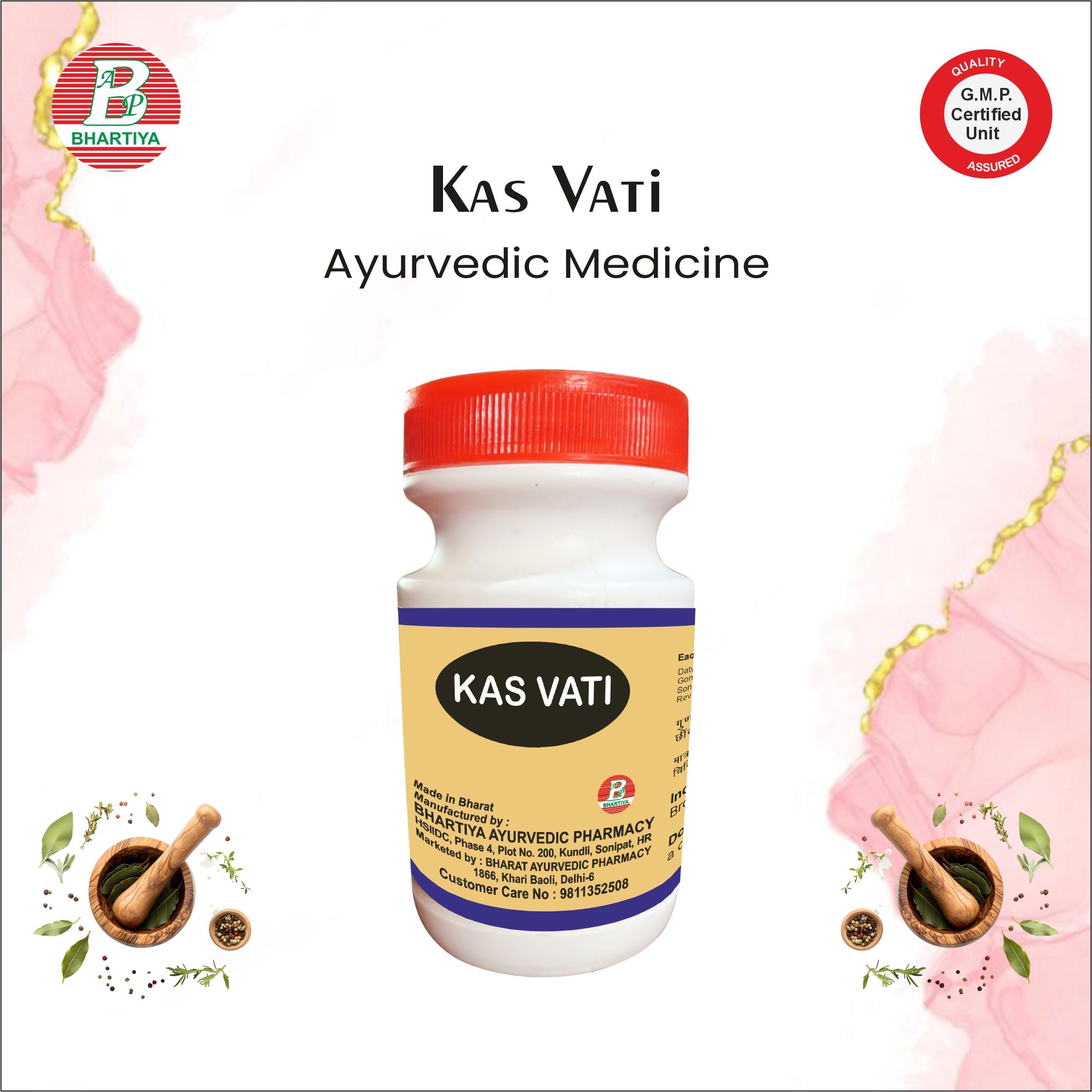
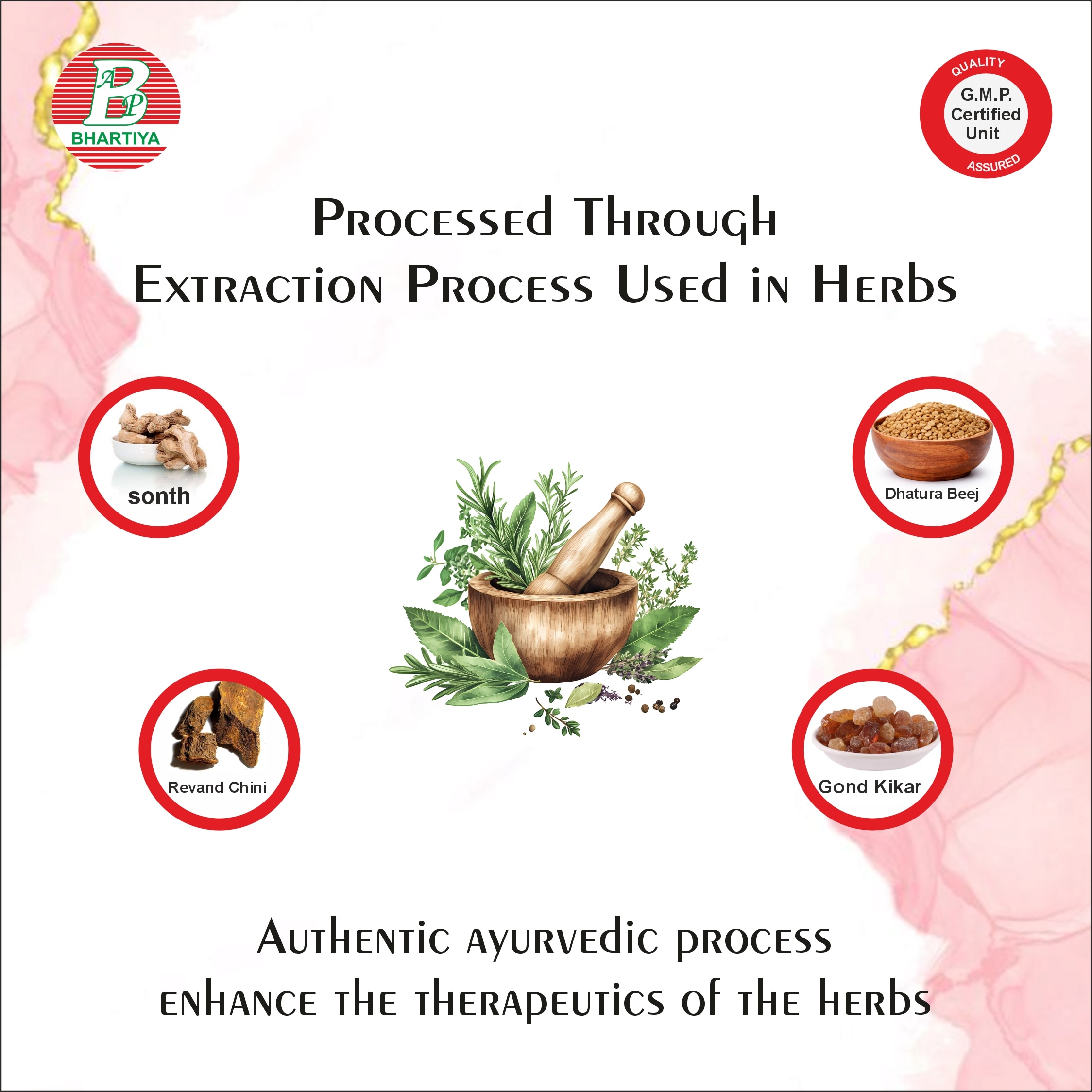
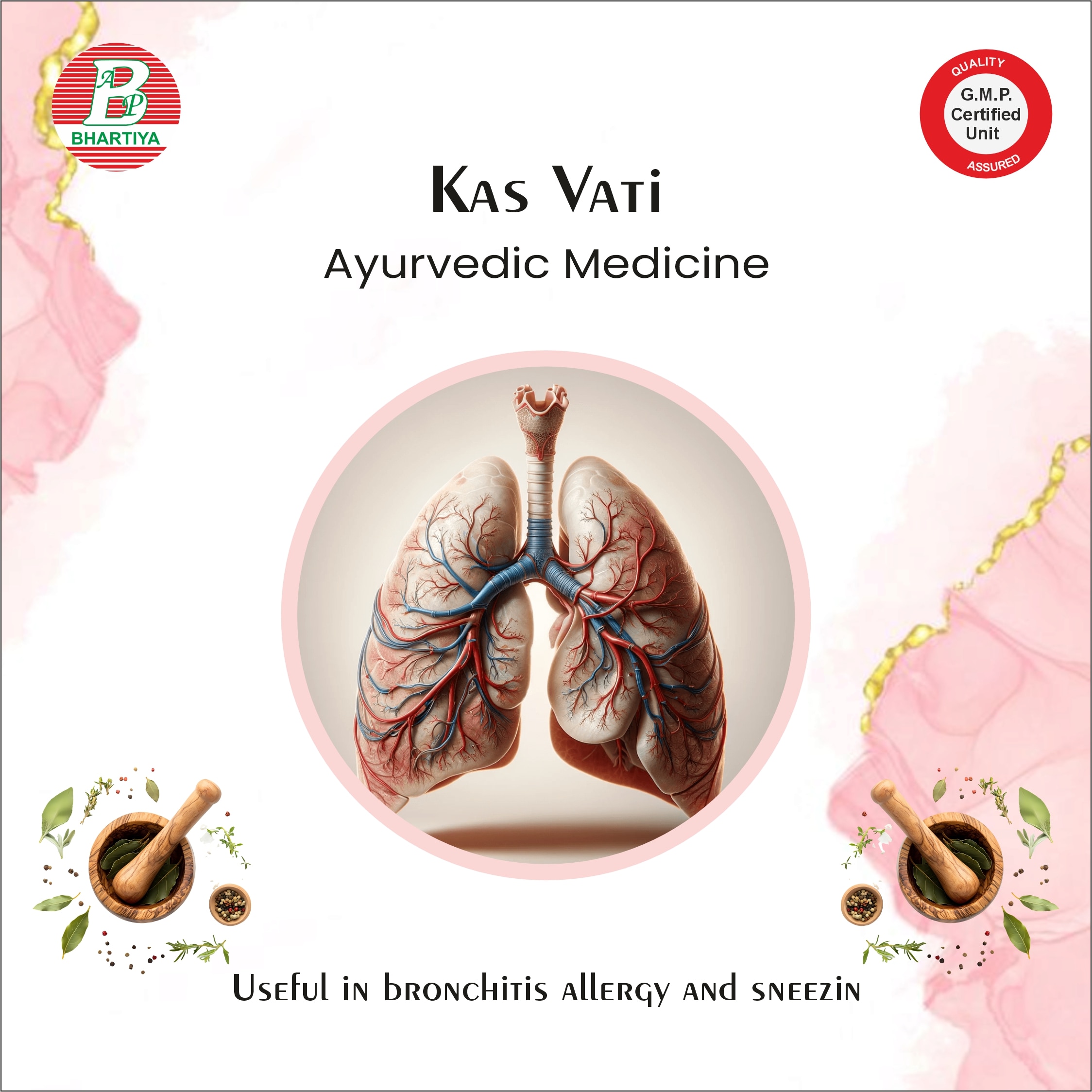
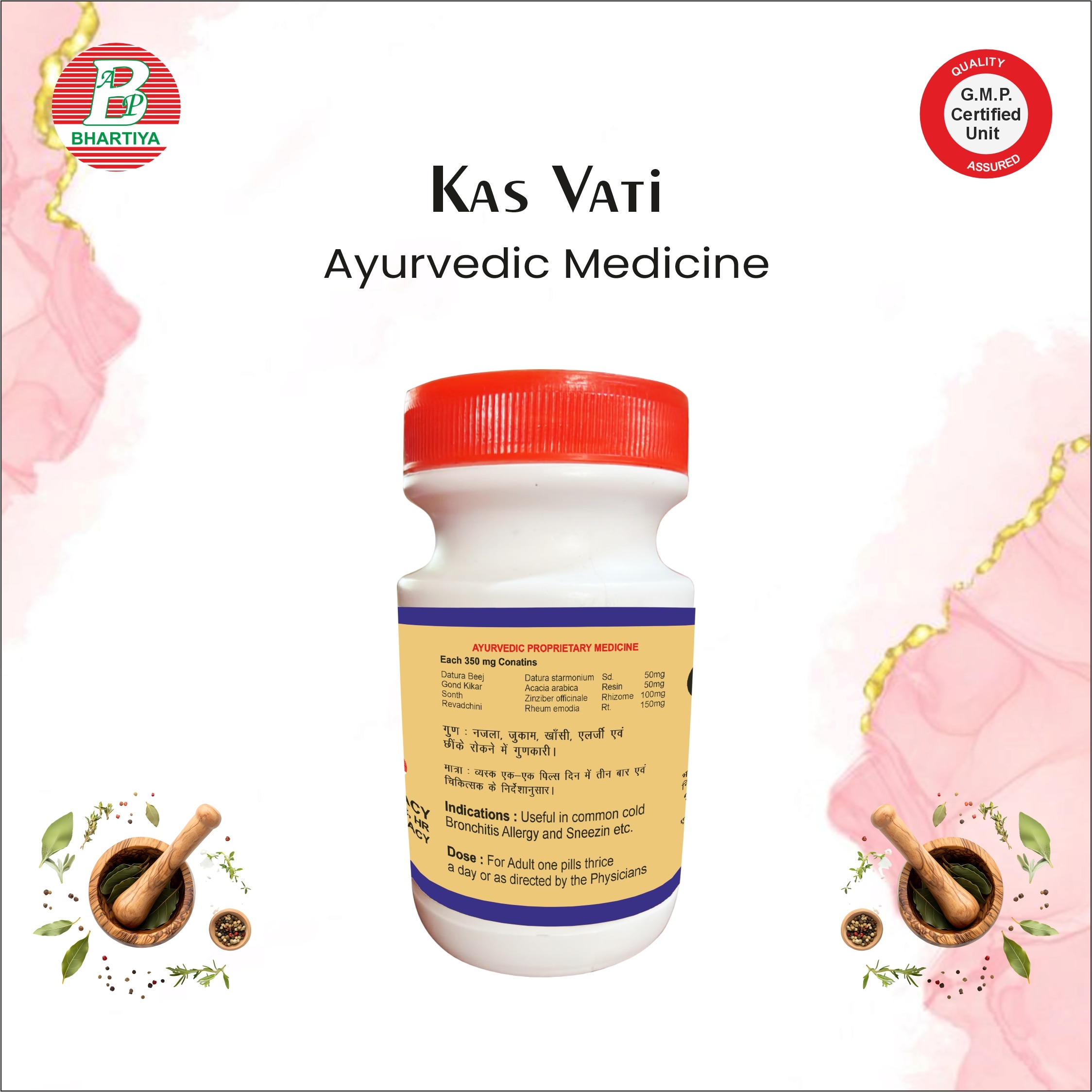
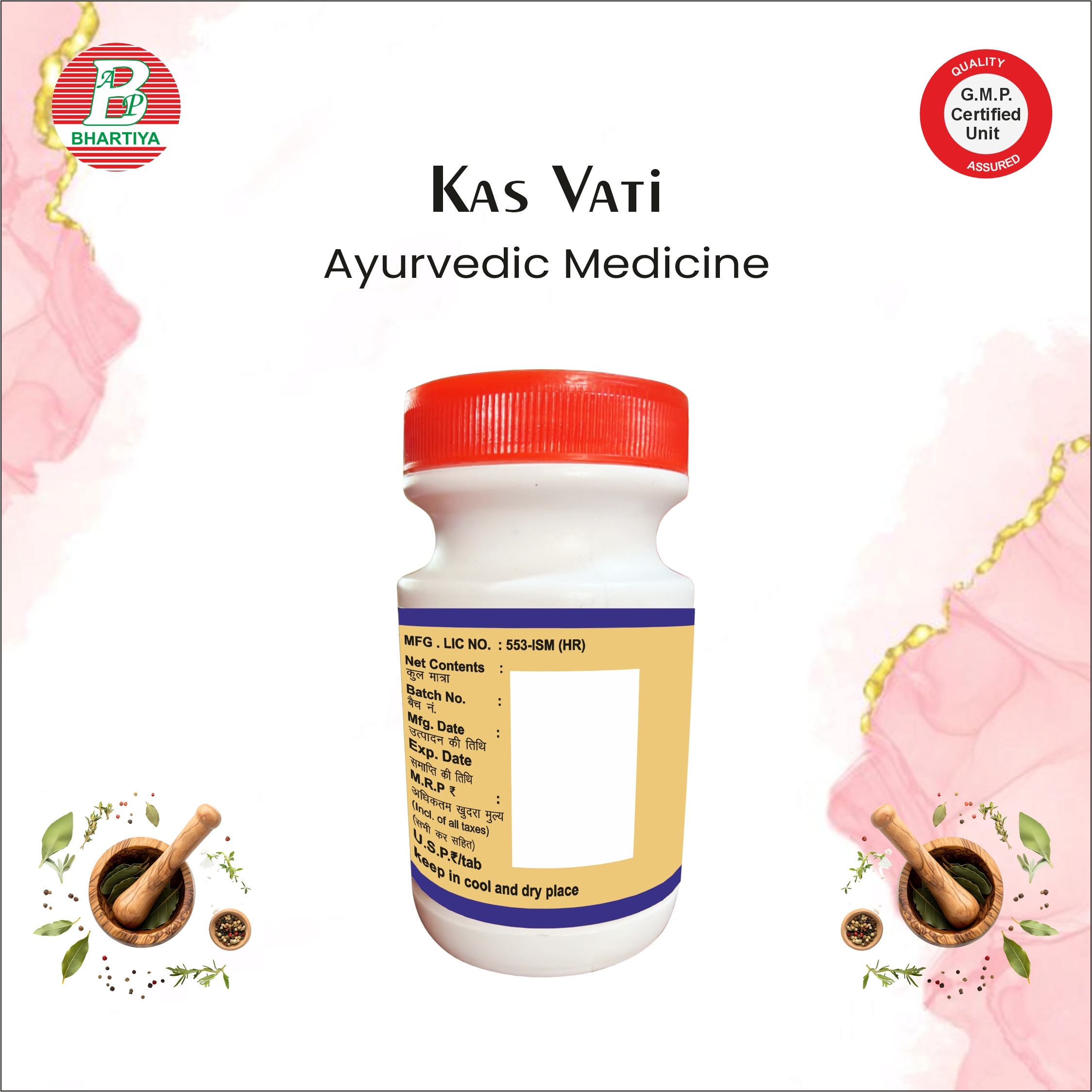
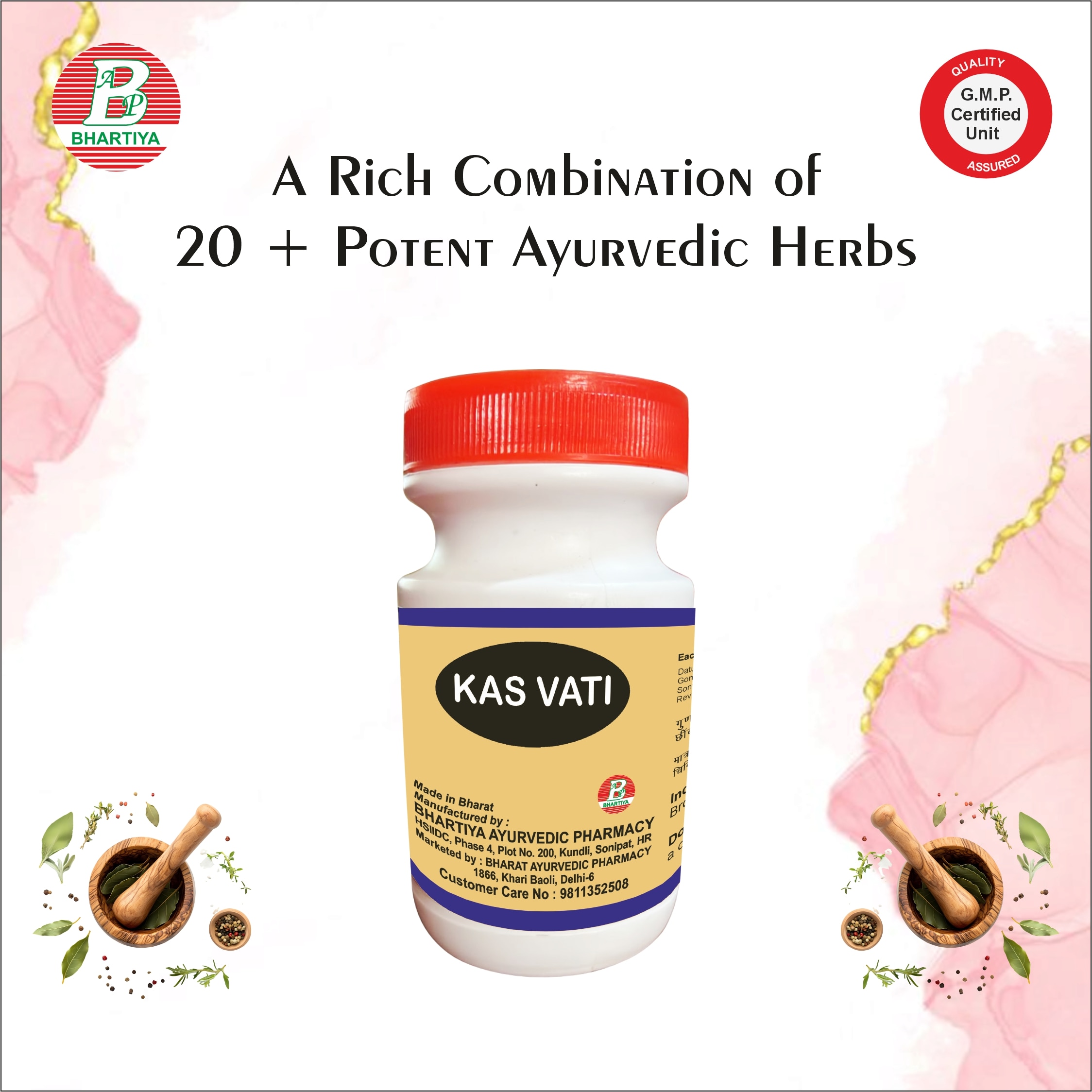
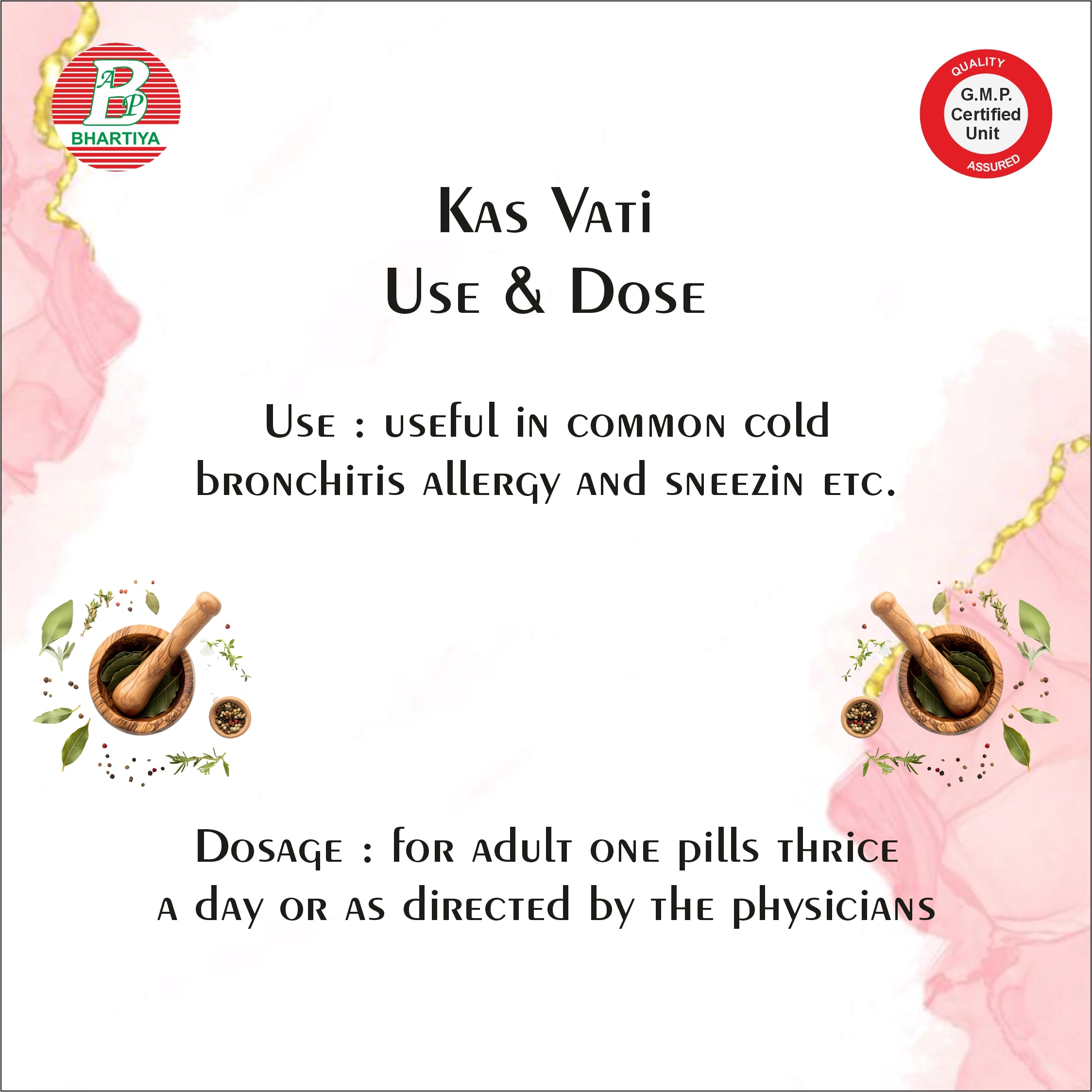
KAS VATI Product Identification • Generic Name: Kas Vati • Type: Ayurvedic Patent Medicine • Primary Indication Area: Treatment of cough (Kasa), the common cold, and various throat problems. • Therapeutic Indications: treatment of various respiratory ailments, particularly cough and the common cold Key benefits include: 1. Cough Relief: Effective in managing various types of coughs, including dry cough, allergic cough, and productive cough. 2. Soothes Throat Irritation: Helps in calming a scratchy throat, reducing soreness, and alleviating hoarseness of voice. 3. Respiratory Support: Aids in clearing mucus and phlegm, relieving chest and respiratory congestion, and improving breathing comfort. 4. Expectorant Properties: Works as an expectorant to help expel accumulated phlegm and mucus from the lungs and respiratory tract. 5. Reduces Inflammation: Helps in reducing inflammation in the lungs and bronchial passages. 6. Immunity Boosting: Supports the immune system against seasonal infections and helps maintain overall respiratory health. Ingredients: DATURA BEEJ (Datura Seeds) Ayurvedic Name: Dhatura Beej Primary Use: Respiratory support, especially for Kaphaja disorders (excess mucus, congestion), asthma, bronchitis, and coughs. Key Phytoconstituents 1. Alkaloids (Atropine, Hyoscyamine, Scopolamine) o Major active compounds in seeds. o Responsible for bronchodilation and anticholinergic effects. 2. Flavonoids & Phenolic Compounds o Mild anti-inflammatory and antioxidant effects. 3. Other trace nutrients o Minor minerals and compounds may support general tissue health. Mechanism of Action (Respiratory Health) 1. Bronchodilation o Alkaloids like atropine and hyoscyamine block muscarinic receptors in bronchial smooth muscles. o This relaxes airway muscles, reducing bronchospasm and easing airflow in conditions like asthma. 2. Anticholinergic Action → Reduced Secretions o Blocks parasympathetic stimulation → reduces mucus secretion in lungs and nasal passages. o Helps in cough, congestion, and excess phlegm. 3. Anti-inflammatory & Antioxidant Effects o Flavonoids and phenolics reduce oxidative stress and mild airway inflammation. o In Ayurveda, this is interpreted as Kapha pacification and clearing Srotas (channels). 4. Immune Support / Modulation o Some evidence suggests alkaloids can modulate immune response, helping reduce inflammatory reactions in chronic respiratory conditions. ACACIA ARABICA (Babool) for Kasa & Swasa Ayurvedic Name: Babool (Acacia arabica) Primary Use: Respiratory support for Kaphaja cough (Kasa) and Swasa (asthma/bronchospasm) Plant Parts Used: Bark, gum, leaves Key Phytoconstituents 1. Tannins – astringent, anti-inflammatory, antimicrobial 2. Flavonoids & Polyphenols – antioxidant, mild anti-inflammatory 3. Mucilage / Polysaccharides (from gum) – demulcent, soothing for throat 4. Essential oils & alkaloids (minor) – mild bronchodilator and antimicrobial Mechanism of Action 1. Soothes Respiratory Mucosa (Demulcent Action) • Mucilage / gum polysaccharides coat the throat and airways → reduces irritation and tickling cough reflex • Helps ease dry coughs and inflammation 2. Anti-inflammatory Effect • Tannins and flavonoids → reduce airway inflammation • Helps in Swasa (asthma) and Kaphaja cough, where inflammation and mucus accumulation worsen breathing 3. Antimicrobial Action • Tannins and flavonoids can inhibit growth of microbes in respiratory tract • Reduces secondary infections that trigger cough 4. Kapha Pacification • Cooling and astringent properties → balances Kapha dosha • Reduces excess mucus, congestion, and heaviness in chest 5. Bronchodilator / Respiratory Relief (Minor Effect) • Some essential oils/alkaloids may mildly relax bronchial muscles → eases airflow in Swasa SONTH (Dry Ginger) Botanical Name: Zingiber officinale (dry rhizome) Common Names: Sonth (Hindi), Shunti (Sanskrit), Dried Ginger Plant Part Used: Rhizome (dry) Primary Uses: • Respiratory support (cough, cold, asthma) • Digestive aid • Anti-inflammatory, joint support Key Phytoconstituents 1. Gingerols and Shogaols – pungent compounds, responsible for warming and digestive effect 2. Volatile oils – mild bronchodilator, expectorant 3. Flavonoids & Phenolics – antioxidant, anti-inflammatory 4. Starch and minerals – nutritive support Mechanism of Action (Respiratory Health / Kasa & Swasa) 1. Bronchodilation • Pungent compounds in Sonth may relax bronchial smooth muscles • Helps in Swasa (asthma) and bronchial constriction 2. Expectorant Action • Stimulates mucus clearance → helps in productive cough • Reduces Kapha congestion in chest 3. Anti-inflammatory • Gingerols and shogaols → reduce airway inflammation • Useful in Kaphaja and Vataja coughs, wheezing, and mild bronchitis 4. Digestive & Metabolic Support • Ushna (heating) potency → improves Agni (digestive fire) • Helps reduce Ama (toxins/metabolic waste) that can worsen cough and congestion 5. Kapha Pacification • Dry ginger → drying, warming effect reduces Kapha accumulation in respiratory channels REVANDCHINI FOR RESPIRATORY HEALTH Ayurvedic Name: Revand chini Botanical Name: Rheum emodi Plant Part Used: Root (dried rhizome) Primary Use: • Kaphaja Kasa (cough with mucus) • Swasa (asthma / bronchial constriction) • Chest congestion Key Phytoconstituents for Respiratory Action 1. Tannins – astringent, antimicrobial, anti-inflammatory 2. Anthraquinones (Emodin, Rhein) – mild stimulant for metabolism, clears Ama 3. Flavonoids & Polyphenols – antioxidant, anti-inflammatory 4. Resins & Starch – demulcent, soothing for tissues Mechanism of Action in Respiratory Health 1. Kapha Pacification & Mucus Reduction • Astringent tannins → reduce excess mucus secretion • Helps clear thick phlegm in chest → eases Kaphaja cough 2. Anti-inflammatory Action • Flavonoids and tannins → reduce airway inflammation • Supports Swasa (asthma) management by reducing bronchial irritation 3. Ama Clearance & Metabolic Support • Anthraquinones stimulate digestion → reduce Ama accumulation • In Ayurveda, Ama in chest and Srotas worsens cough and congestion, so clearing it supports respiratory health 4. Tissue Soothing / Demulcent Action • Resins and starch → coat respiratory mucosa → reduce throat irritation and tickling cough 5. Indirect Immune & Tissue Support • Antioxidant polyphenols → protect respiratory tissues from oxidative stress • Supports overall resilience of bronchial mucosa Dosage: 1. Dose per intake: 1 pill 2. Frequency: 3 times daily 3. Total daily dose: 1–2 pills (depending on physician advice) 4. How to take: With water, preferably after meals Precautions • Do not exceed the prescribed dose • Consult an Ayurvedic practitioner before use in: o Children o Elderly o Patients with chronic illness • Monitor for any side effects (e.g., digestive discomfort) • Maintain proper diet and hydration to support bowel health kas vati price kas vati uses in hindi kas vati machine kas vati massage kas vati advance kas vati ayurveda kas vati ayurvedic kaas vati kas vati dose kas vati design kas vati dose per day kas vati full form kas vati formula kas vati goli kas vati gold price kati vasti in ayurveda kas vati ji kas vati ke fayde kas vati ke fayde in hindi kas vati khane ke fayde kas vati logo kas vati live price kas vati quality kas vati questions kas vati questions and answers kas vati rate kas vati review kas vati raw material kas vati tablet price kasturi vati uses kas vati vati kas vati website kas vati weight kas vati wholesale kas vati works kas vati zinc