

Description
Product details
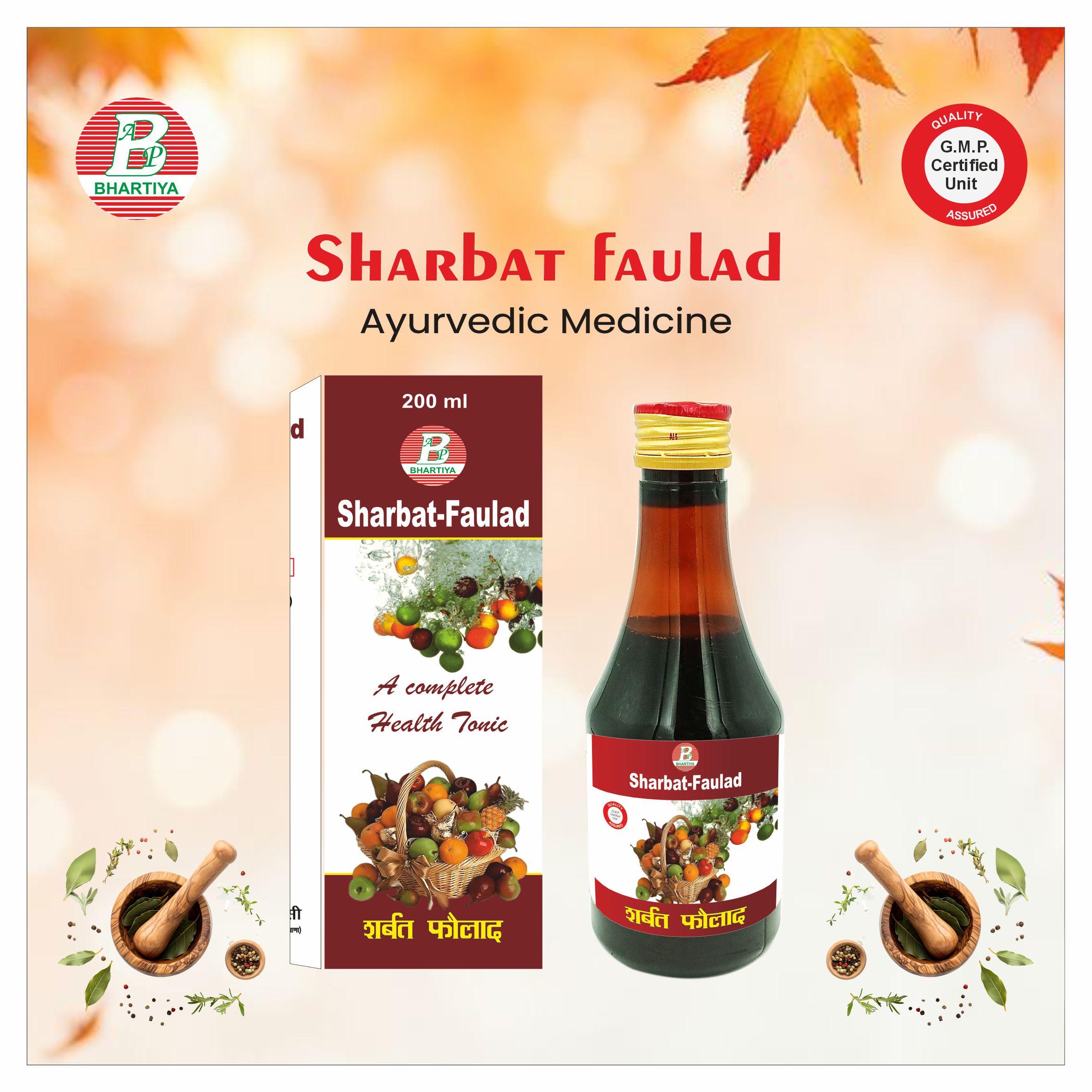
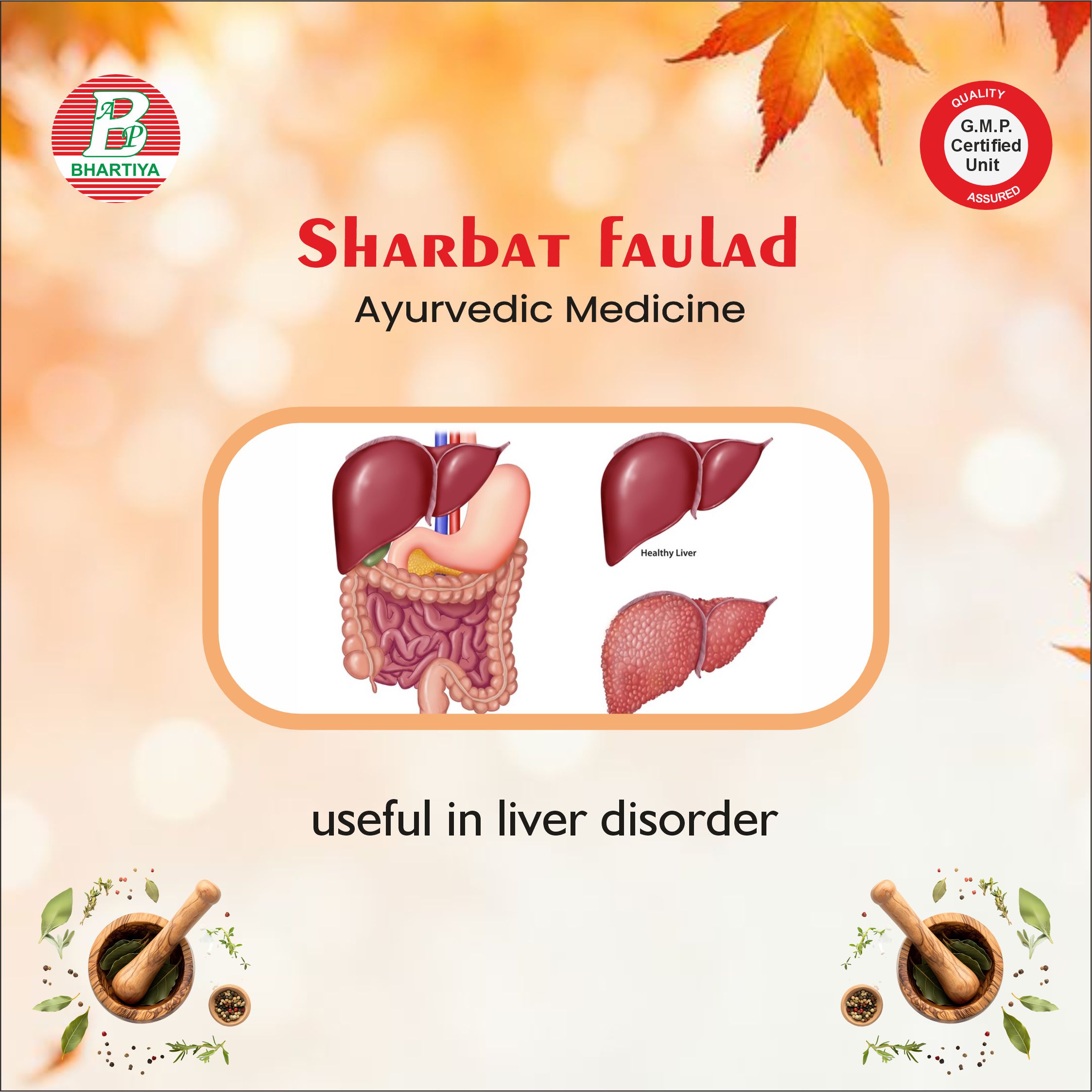
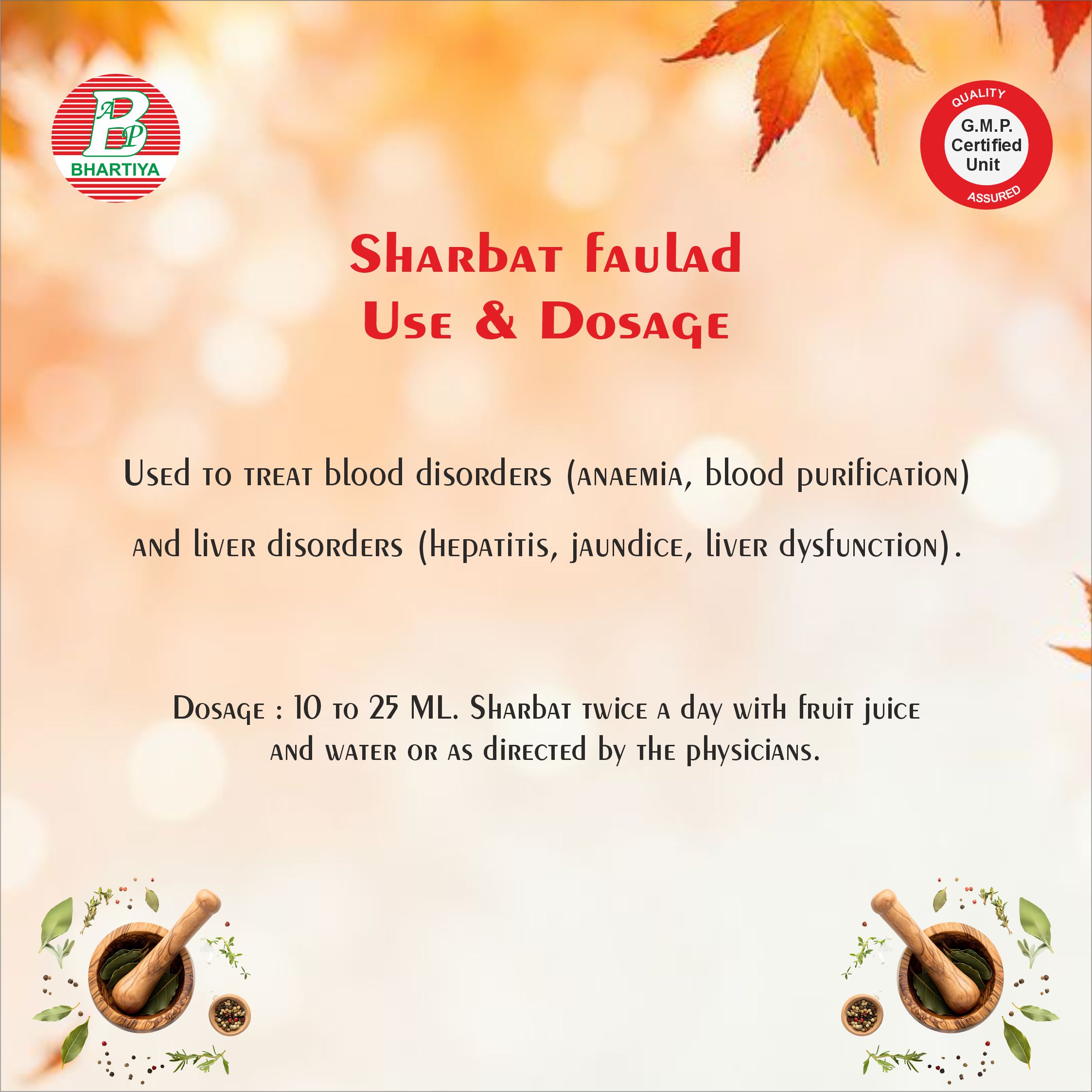
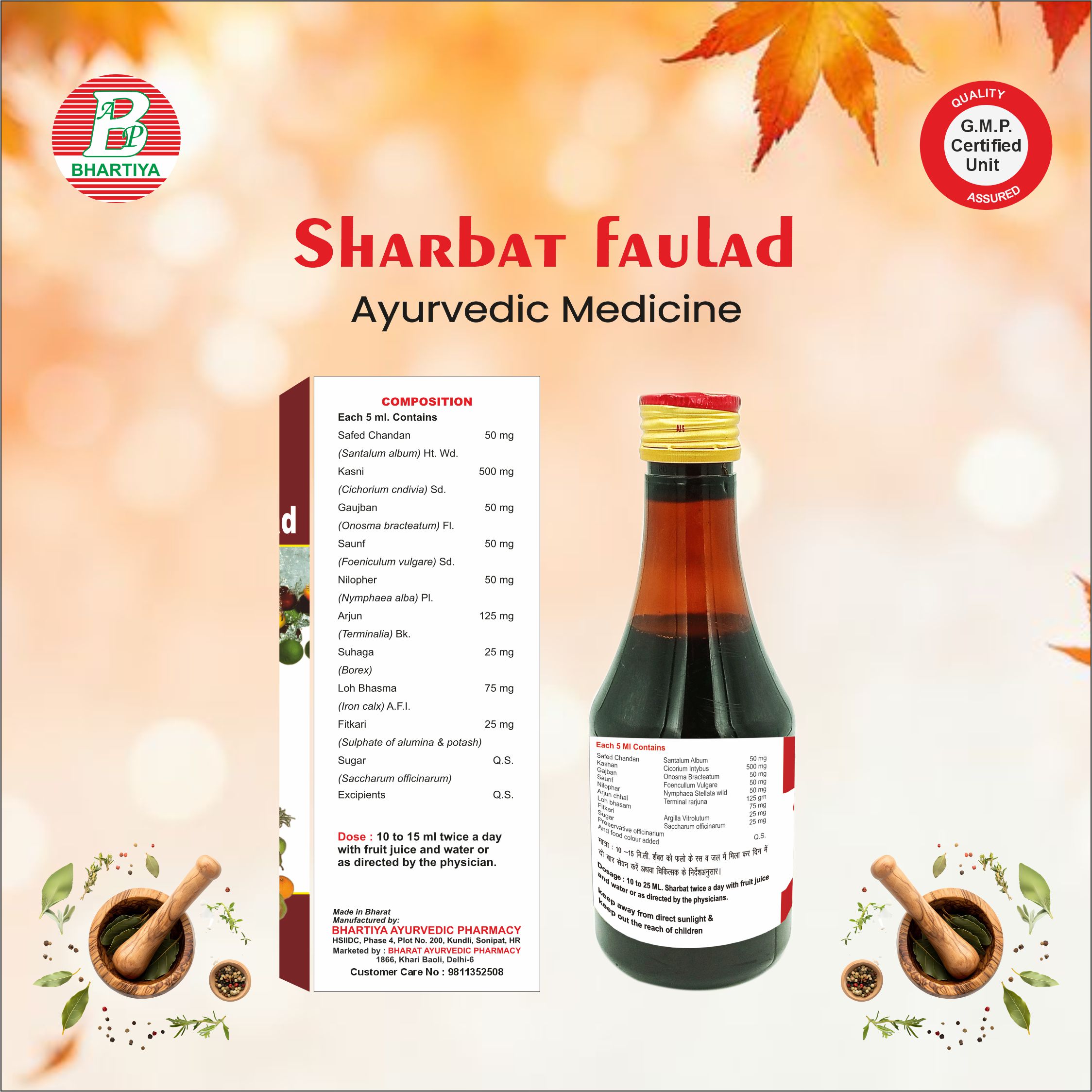
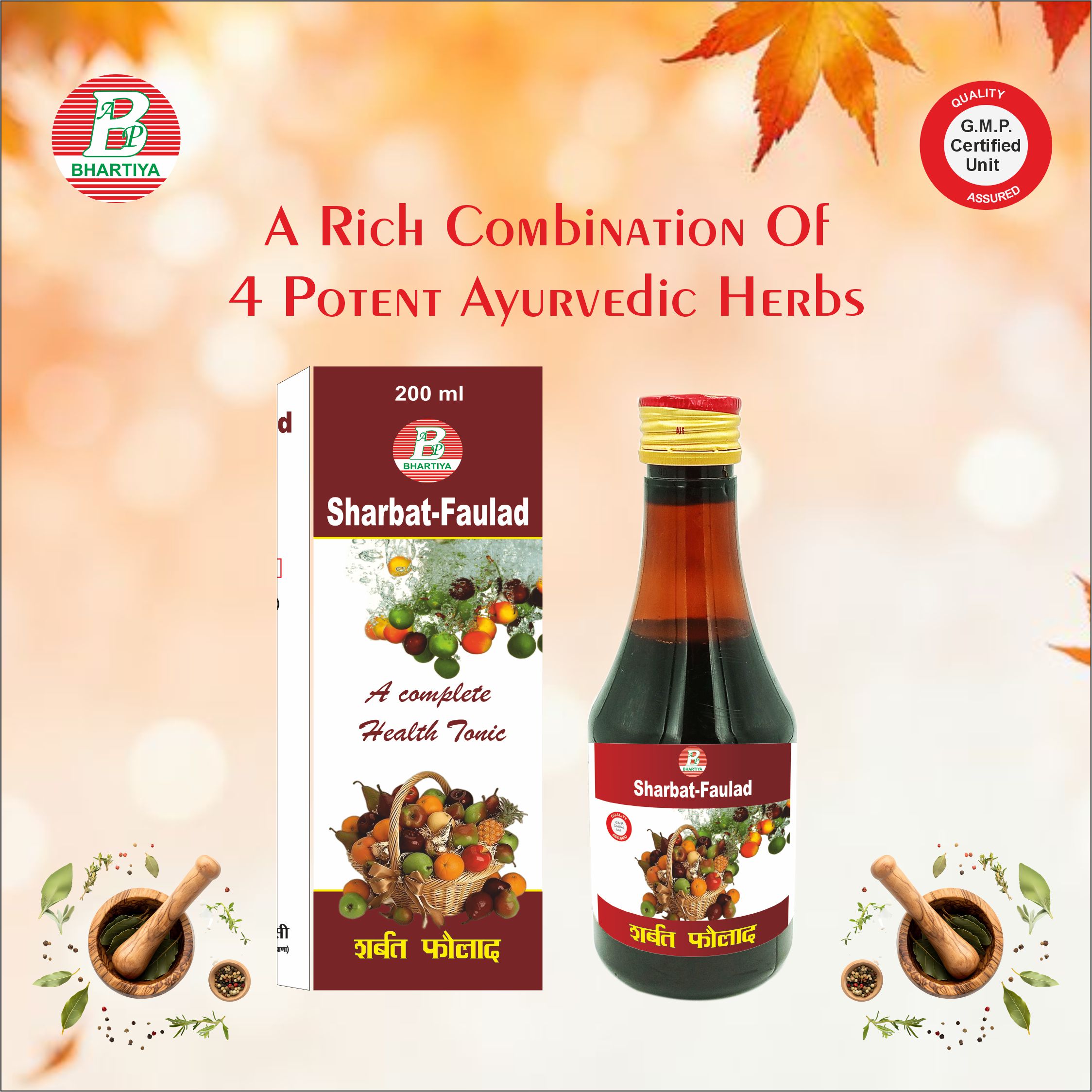
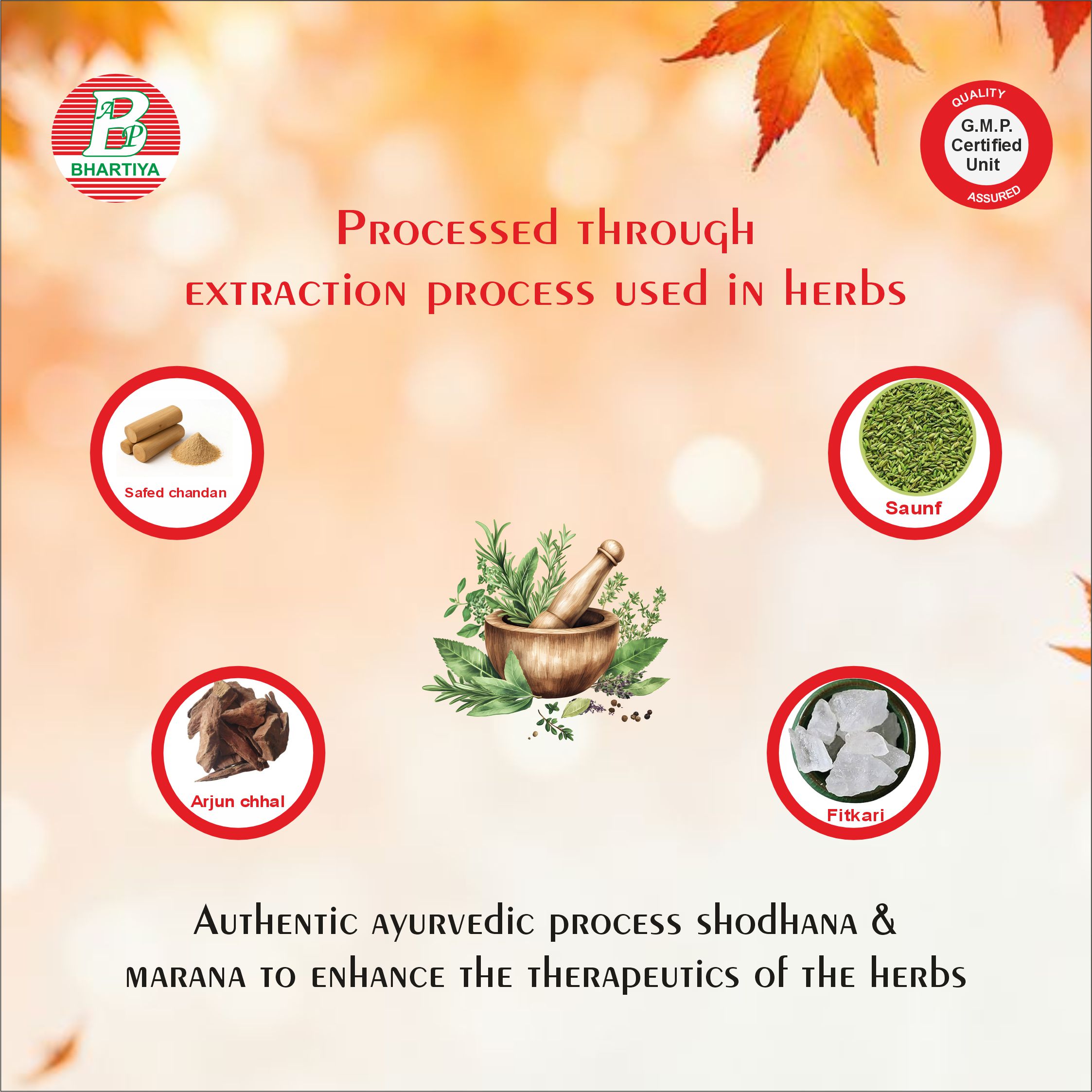
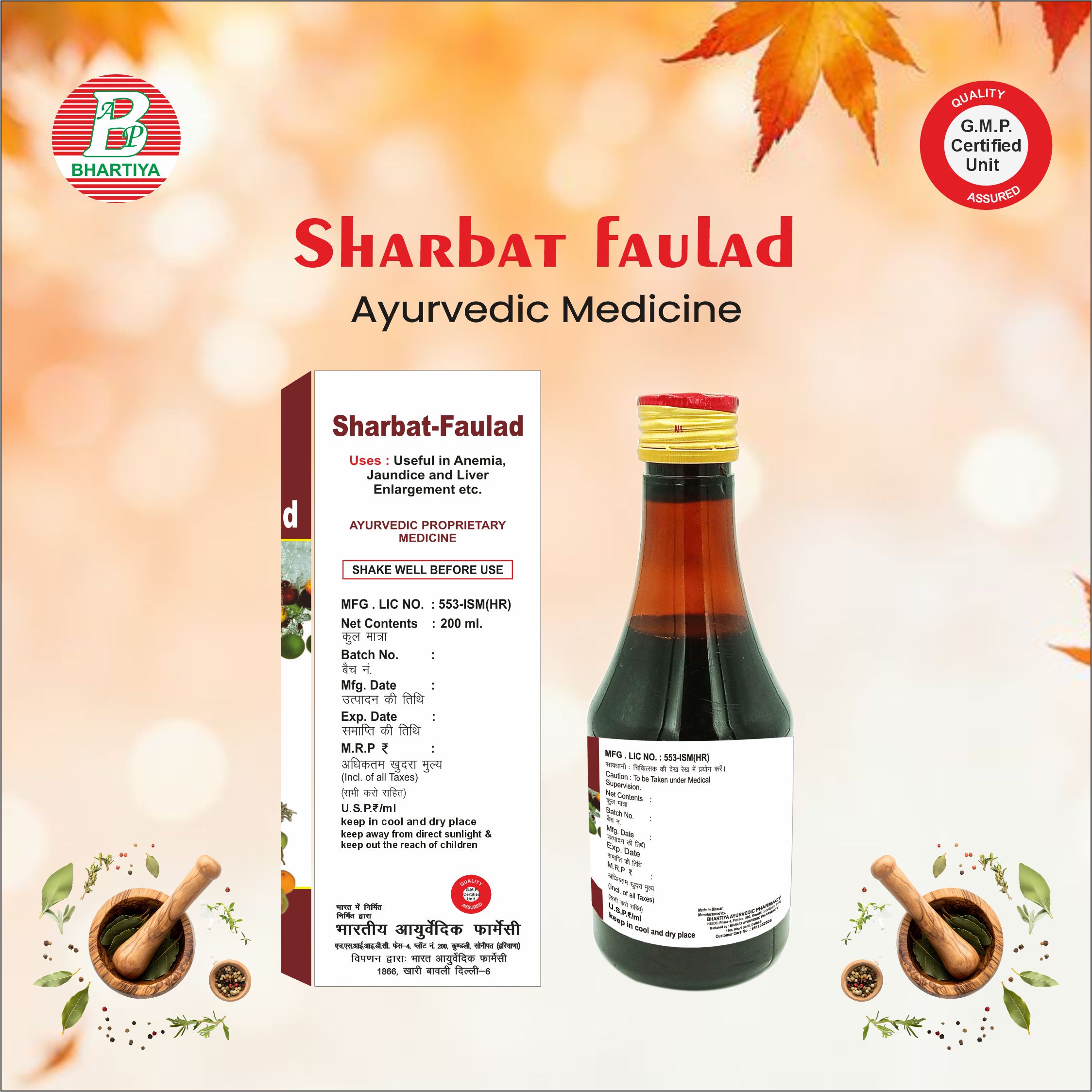
SARBAT - FAULAD Product Identification • Generic Name: Sarbat Faulad • Type: Ayurvedic Patent Medicine • Primary Indication Area: An Ayurvedic medicine used for blood disorders (Rakt Nunta) and liver disorders (Yakrit Vikar). Therapeutic Indications Used to treat blood disorders (anaemia, blood purification) and liver disorders (hepatitis, jaundice, liver dysfunction). Key benefits: • Supports Blood Health – Helps in improving haemoglobin levels, purifying blood, and managing conditions like anaemia or general weakness. • Promotes Liver Function – Assists in detoxifying the liver, supporting its normal metabolic and regenerative functions, and managing liver disorders like jaundice or hepatitis. Enhances Vitality & Energy – By improving blood and liver health, it contributes to better stamina, reduced fatigue, and overall vitality. • Detoxification & Body Rejuvenation – Helps eliminate toxins from the body, supporting overall wellness and rejuvenation. • Holistic Ayurvedic Support – Combines herbal and mineral ingredients that work synergistically to strengthen the body’s natural healing mechanisms. Ingredient: Safed Chandan (White Sandalwood) Botanical Name: Santalum album Key Phytoconstituents: • Santalols (α-santalol, β-santalol) • Flavonoids • Phenolic compounds • Essential oils Therapeutic Action for Blood & Liver Health: 1. Liver Support (Yakrit Vikar): o Acts as a mild hepatoprotective agent. o Supports liver detoxification and healthy metabolic function. 2. Blood Purification (Rakt Nunta): o Helps in purifying blood and reducing inflammatory conditions. o Supports overall vitality and detoxification. 3. Anti-inflammatory & Antioxidant Effects: o Reduces oxidative stress in the liver and blood. o Helps protect cells from damage caused by toxins. Kashni (Chicory) Botanical Name: Cichorium intybus Key Phytoconstituents: • Inulin • Phenolic compounds • Flavonoids • Tannins • Coumarins Mechanism of Action and Benefits for Blood & Liver: 1. Liver Health (Yakrit Vikar) o Hepatoprotective: Supports liver detoxification and regeneration. o Promotes Bile Flow: Improves digestion and metabolism of fats. o Reduces Liver Inflammation: Helps in conditions like fatty liver or hepatitis. 2. Blood Purification (Rakt Nunta) o Detoxifies Blood: Removes toxins and supports healthy circulation. o Anti-inflammatory & Antioxidant: Protects blood cells from oxidative stress. Gajwan Botanical Name: Cissus quadrangularis (commonly called Gajwan in some Ayurvedic texts) Key Phytoconstituents: • Flavonoids • Triterpenoids • Stilbenes • Ascorbic acid (Vitamin C) • Calcium and other minerals Mechanism of Action and Benefits for Blood & Liver: 1. Liver Health (Yakrit Vikar) o Hepatoprotective: Supports liver detoxification and regeneration. o Reduces Inflammation: Protects liver cells from oxidative stress and toxins. 2. Blood Purification (Rakt Nunta) o Detoxifying Effect: Helps purify blood and maintain healthy circulation. o Supports Haematopoiesis: May aid in improving blood quality. Saunf (Fennel Seeds) Botanical Name: Foeniculum vulgare Key Phytoconstituents: • Volatile oils (Anethole, Fenchone, Estragole) • Flavonoids • Phenolic compounds • Fiber • Vitamins (A, C) and minerals (Calcium, Iron) Mechanism of Action and Benefits for Blood & Liver: 1. Liver Health (Yakrit Vikar) o Hepatoprotective: Supports liver detoxification and regeneration. o Digestive Support: Improves bile flow, aiding metabolism and fat digestion. o Reduces Liver Inflammation: Antioxidant properties protect liver cells. 2. Blood Purification (Rakt Nunta) o Detoxifying Effect: Helps eliminate toxins from the blood. o Supports Circulation: Mildly enhances blood quality and vitality. Nilotpala (Blue Lotus / Water Lily) Botanical Name: Nymphaea nouchali (also Nymphaea caerulea in some references) Key Phytoconstituents: • Alkaloids • Flavonoids • Tannins • Glycosides • Phenolic compounds Mechanism of Action and Benefits (General & Related to Blood & Liver): 1. Liver Support (Yakrit Vikar) o Hepatoprotective: Traditionally valued for supporting liver health and assisting detoxification. o Antioxidant Properties: Helps protect liver cells from oxidative stress. 2. Blood Purification (Rakt Nunta) o Detoxifying & Cooling: Aids in cleansing the bloodstream and reducing inflammatory conditions. o Supports overall circulation and vitality. Arjun Chhal (Arjuna Bark) Botanical Name: Terminalia arjuna Key Phytoconstituents: • Tannins (Arjunic acid, Arjungenin) • Flavonoids • Glycosides • Saponins • Minerals (Calcium, Magnesium, Potassium) Mechanism of Action and Benefits for Blood & Liver: 1. Liver Health (Yakrit Vikar) o Hepatoprotective: Supports liver detoxification and protects liver cells from oxidative stress. o Reduces Inflammation: Helps manage liver inflammation and improves metabolic function. 2. Blood & Circulatory Support (Rakt Nunta) o Blood Purification: Promotes healthy circulation and detoxification of the blood. o Cardioprotective Effects: Supports heart and vascular health, indirectly benefiting overall blood health. Loh Bhasma (Ash of Iron) Type: Ayurvedic Mineral Preparation (Bhasma) Composition: • Calcined Iron (Fe₂O₃, Fe₃O₄ depending on preparation) • Trace minerals from the Ayurvedic preparation process Mechanism of Action and Benefits for Blood & Liver: 1. Blood Health (Rakt Nunta / Anemia) o Hematopoietic Activity: Provides bioavailable iron to support hemoglobin formation and red blood cell production. o Blood Purification: Traditionally used to improve overall blood quality and vitality. 2. Liver Support (Yakrit Vikar) o Detoxification: Helps in rejuvenation and metabolic support of the liver. o Supports Enzyme Function: Improves nutrient assimilation and liver-related metabolic processes. Fitkari (Alum / Potash Alum) Botanical / Mineral Name: Potash Alum – KAl (SO₄) ₂·12H₂O Type: Ayurvedic Mineral Preparation Mechanism of Action and Benefits for Blood & Liver: 1. Blood Purification (Rakt Nunta) o Astringent & Antiseptic: Helps purify blood and reduce minor bleeding or inflammation. o Detoxifying Effect: Traditionally used to cleanse blood and maintain healthy circulation. 2. Liver Support (Yakrit Vikar) o Mild Hepatoprotective Action: Supports liver detoxification indirectly by reducing toxins in the bloodstream. 3. Additional Benefits o Digestive Support: Aids in controlling excessive acidity and gut inflammation. o Anti-inflammatory: Reduces mild internal inflammation, indirectly supporting metabolic organs. Sugar Base (Mishri / Sucrose / Sugar Syrup) Composition: • Sucrose (Refined or Unrefined Sugar) • Sometimes combined with water or honey to make a syrup (Sarbat) Mechanism of Action and Benefits: 1. Palatability & Acceptability o Makes the formulation easy to consume, especially for children and elderly patients. 2. Vehicle for Drug Delivery o Acts as a medium to carry herbal/mineral ingredients effectively into the body. o Helps in stabilizing the active ingredients in syrup form. 3. Energy Source o Provides instant energy due to simple carbohydrates. o Can help improve general vitality, especially in weak or anaemic patients. Dose: • Dosage: 10–25 ml per dose. • Frequency: Twice a day. • How to take: Mix the syrup with a little water or fruit juice to make it easier to take. • Timing: Usually, morning and evening or as prescribed by a doctor. • Important: Make sure to follow the exact dose recommended by a doctor or on the label; do not exceed it. Fitkari (Alum / Potash Alum) Botanical / Mineral Name: Potash Alum – KAl (SO₄) ₂·12H₂O Type: Ayurvedic Mineral Preparation Mechanism of Action and Benefits for Blood & Liver: 1. Blood Purification (Rakt Nunta) o Astringent & Antiseptic: Helps purify blood and reduce minor bleeding or inflammation. o Detoxifying Effect: Traditionally used to cleanse blood and maintain healthy circulation. 2. Liver Support (Yakrit Vikar) o Mild Hepatoprotective Action: Supports liver detoxification indirectly by reducing toxins in the bloodstream. 3. Additional Benefits o Digestive Support: Aids in controlling excessive acidity and gut inflammation. o Anti-inflammatory: Reduces mild internal inflammation, indirectly supporting metabolic organs. Sugar Base (Mishri / Sucrose / Sugar Syrup) Composition: • Sucrose (Refined or Unrefined Sugar) • Sometimes combined with water or honey to make a syrup (Sarbat) Mechanism of Action and Benefits: 1. Palatability & Acceptability o Makes the formulation easy to consume, especially for children and elderly patients. 2. Vehicle for Drug Delivery o Acts as a medium to carry herbal/mineral ingredients effectively into the body. o Helps in stabilizing the active ingredients in syrup form. 3. Energy Source o Provides instant energy due to simple carbohydrates. o Can help improve general vitality, especially in weak or anaemic patients. Dose: • Dosage: 10–25 ml per dose. • Frequency: Twice a day. • How to take: Mix the syrup with a little water or fruit juice to make it easier to take. • Timing: Usually, morning and evening or as prescribed by a doctor. • Important: Make sure to follow the exact dose recommended by a doctor or on the label; do not exceed it.