

Description
Product details
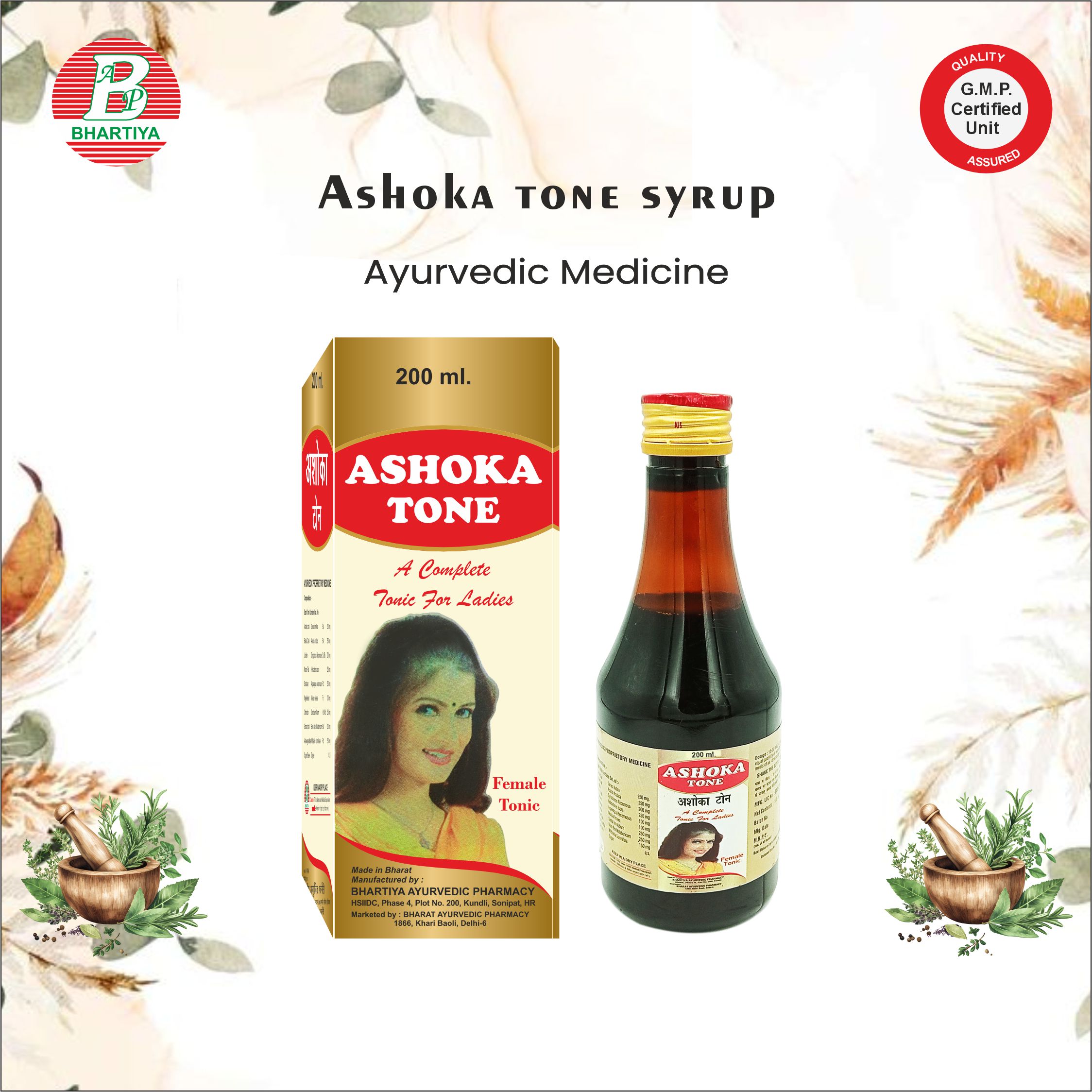
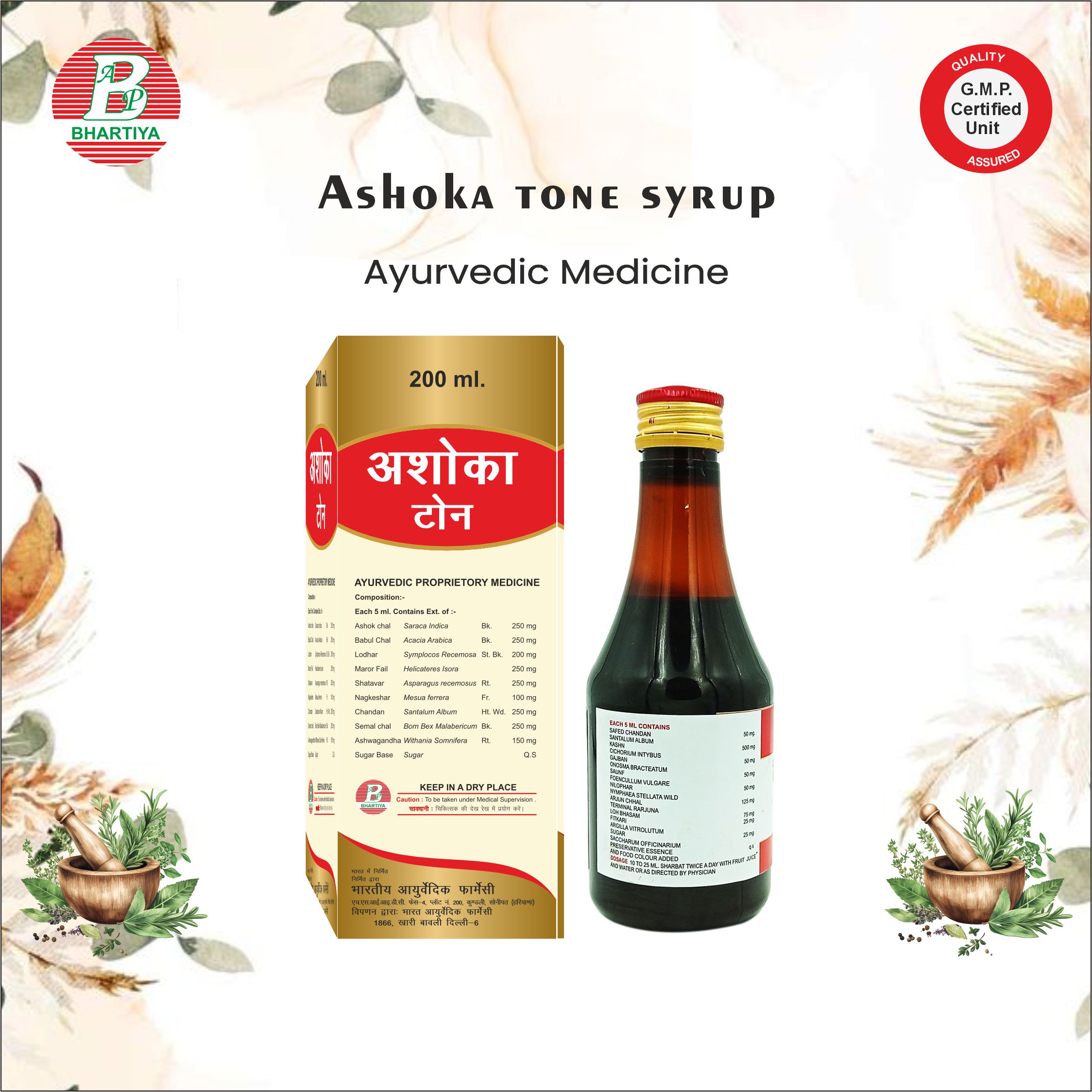
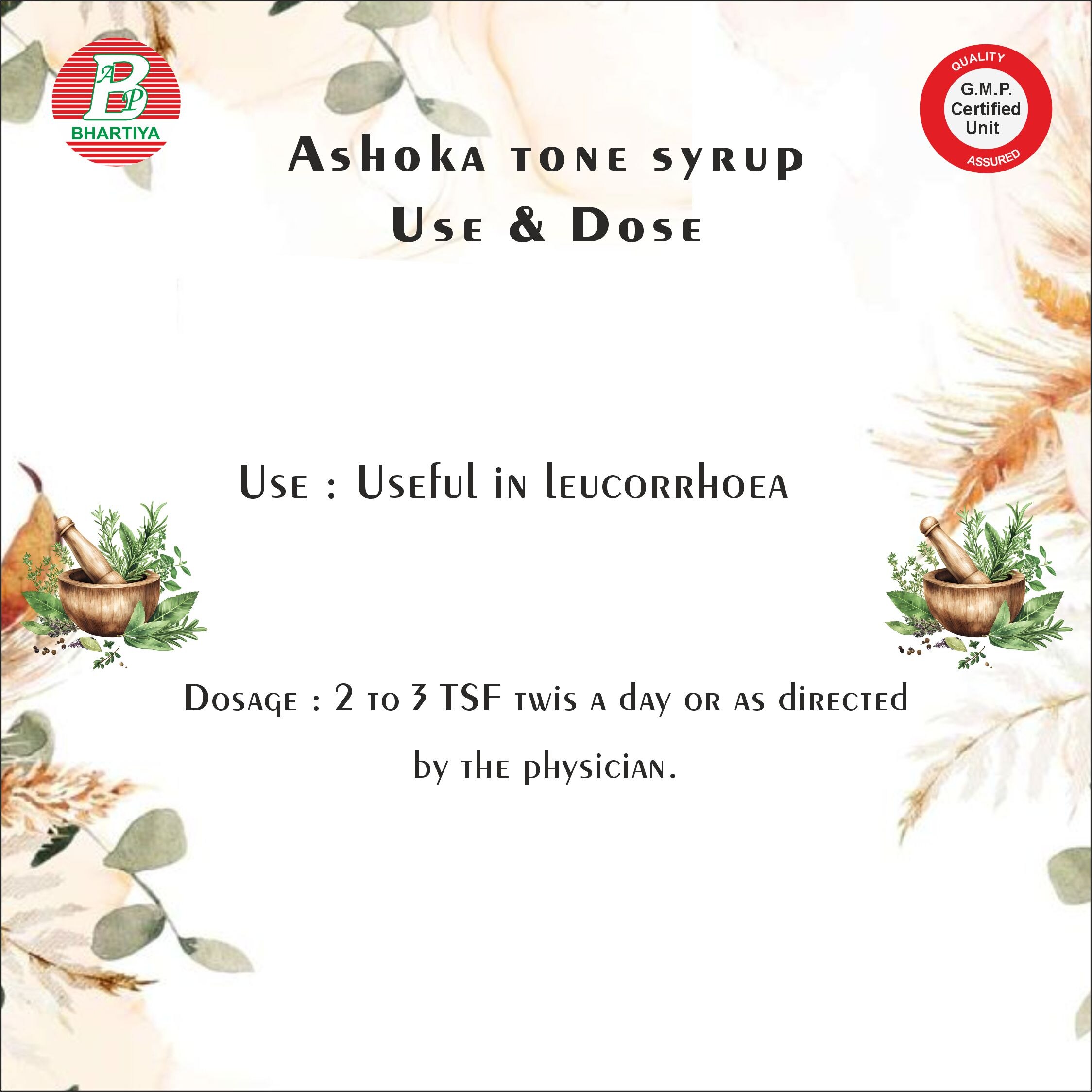
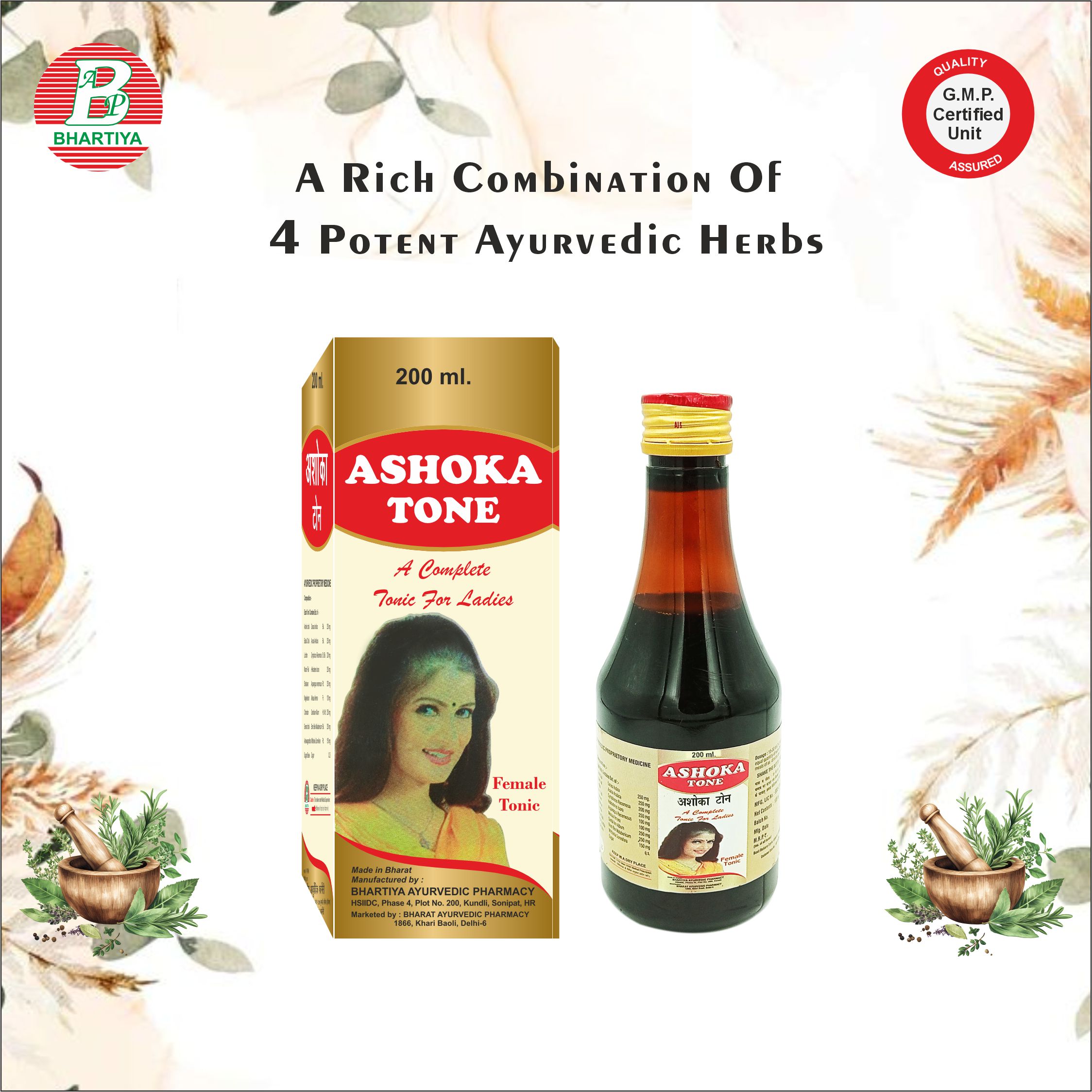
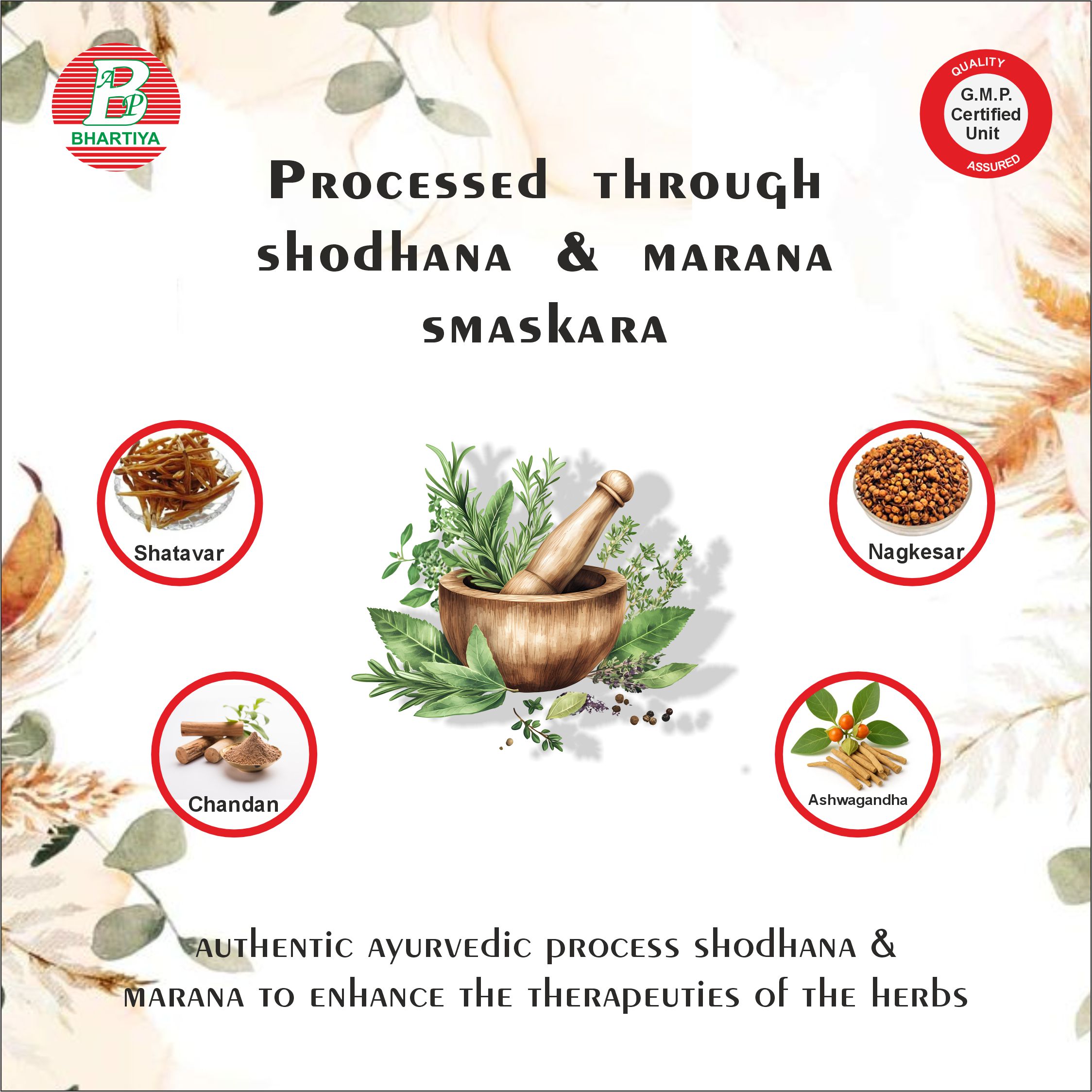
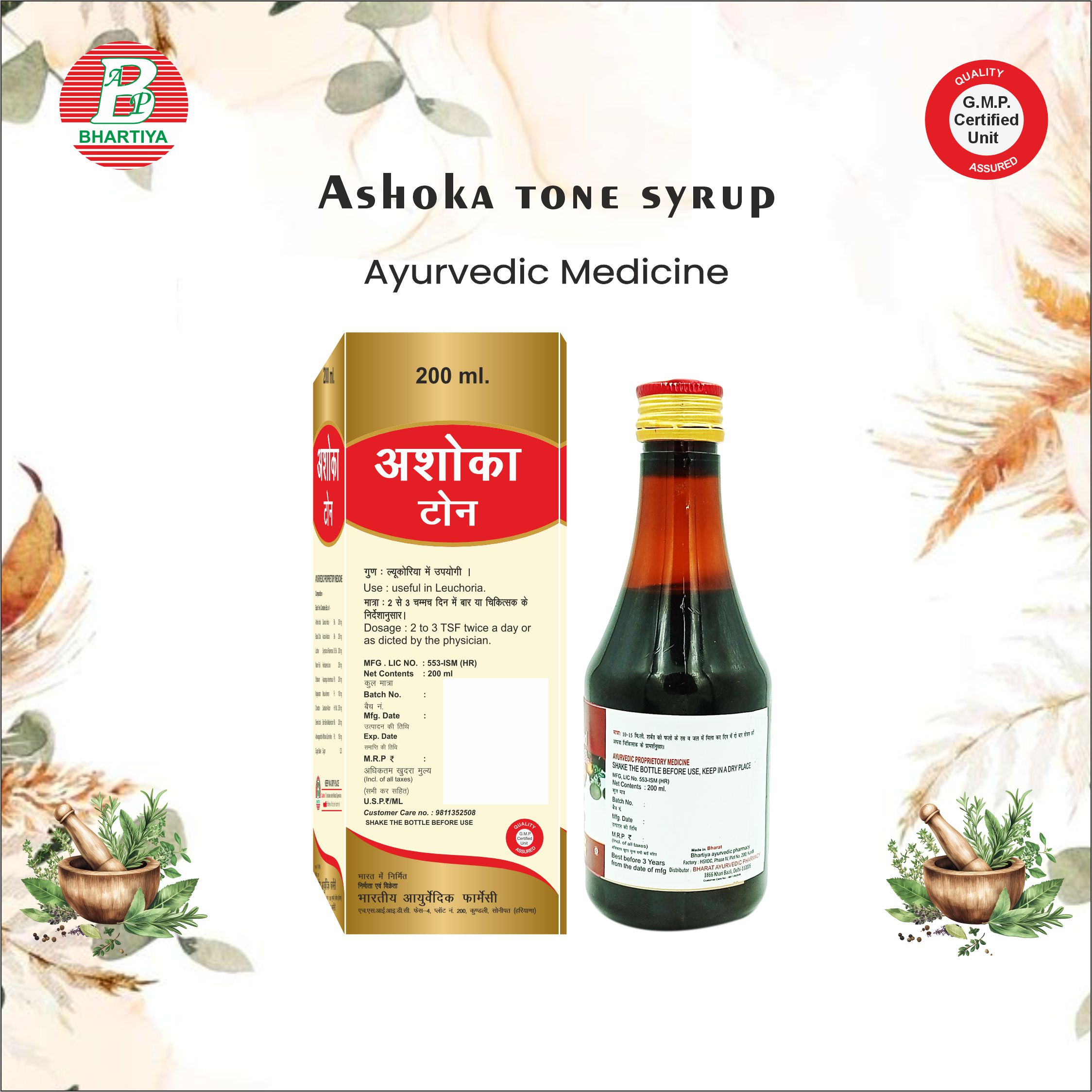
ASHOKATONE SYRUP Product Identification • Generic Name: Ashokatone Syrup • Type: Ayurvedic Patent Medicine • Primary Indication Area: Female reproductive health, menstrual disorders, uterine health Therapeutic Indications For relief from menstrual disorders, uterine health support, and general female reproductive wellness. Key benefits: • Regulates menstrual cycle and reduces menstrual discomfort • Controls excessive menstrual bleeding • Supports uterine health and reproductive wellness • Helps balance female hormones naturally • Promotes overall gynecological well-being Ingredient: Ashok chhal Botanical Name: Terminalia arjuna Key Phytoconstituents: 1. Triterpenoids / Triterpenoid Glycosides o Arjunolic acid o Arjunic acid o Arjunetin 2. Flavonoids o Luteolin o Quercetin o Kaempferol 3. Tannins / Polyphenols o Pyrogallol-type tannins o Ellagic acid 4. Saponins 5. Minerals o Calcium, magnesium, potassium Mechanism of Action in Female Reproductive health • Uterotonic / Menstrual Regulation o Helps normalize menstrual cycles and reduce heavy menstrual bleeding (menorrhagia). o Mechanism: Tannins and flavonoids act on the uterine muscles, promoting tonicity and regulating contractions. • Anti-inflammatory / Antioxidant o Reduces inflammation in the endometrium, which helps with dysmenorrhea (painful menstruation). o Antioxidants protect reproductive tissues from oxidative stress. • Endometrial Health o Promotes healthy endometrial lining, supporting fertility and implantation. • Hormonal Modulation (Indirect) o Helps regulate estrogen and progesterone balance indirectly via uterine tissue support. o May support follicular maturation and ovarian function in traditional use. • Management of Menorrhagia and Fibroids (Ayurvedic use) o Traditionally used to control excessive bleeding due to its mild astringent (tannic) properties. o Helps strengthen uterine walls and reduce bleeding. Babul Chhal Botanical Name: Acacia nilotica 1. Key Phytoconstituents 1. Tannins / Polyphenols o Gallotannins o Catechins 2. Flavonoids o Kaempferol o Quercetin 3. Alkaloids 4. Saponins 5. Volatile oils 6. Minerals o Calcium, magnesium, potassium Mechanism of Action in Female Reproductive Health • Astringent / Hemostatic o Reduces excessive uterine bleeding (menorrhagia) due to high tannin content. o Strengthens uterine walls. • Uterotonic / Menstrual Regulation o Supports normalization of menstrual cycles by improving uterine tone. • Anti-inflammatory / Antioxidant o Reduces inflammation in reproductive tissues. o Protects against oxidative stress. • Management of Dysmenorrhea o Relieves menstrual pain due to mild uterine muscle support and anti-inflammatory effects. • Fertility Support (Traditional Use) o Promotes reproductive tissue health and may support endometrial lining. Lodhra Chhal Botanical Name: Symplocos racemosa Key Phytoconstituents 1. Tannins / Polyphenols o Lodhretannin o Gallic acid 2. Flavonoids o Quercetin o Kaempferol 3. Alkaloids 4. Saponins 5. Glycosides 6. Minerals o Calcium, magnesium, potassium Mechanism of Action in Female Reproductive Health • Astringent / Hemostatic o Controls excessive uterine bleeding (menorrhagia) due to high tannin content. o Strengthens uterine walls. • Uterotonic / Menstrual Regulation o Helps normalize menstrual cycles and regulate uterine contractions. • Anti-inflammatory / Antioxidant o Reduces inflammation in the endometrium. o Protects reproductive tissues from oxidative stress. • Management of Dysmenorrhea o Relieves menstrual pain through uterine muscle support and anti-inflammatory effects. • Endometrial Health / Fertility Support o Promotes healthy endometrial lining, supporting fertility and implantation. Marodphali Chhal Botanical Name: Helicteres isora Key Phytoconstituents • Polyphenols & Tannins: High levels of ellagitannins and condensed tannins (15–20% in fruit) provide astringent and antidiarrheal effects. • Phenolic Acids: Contains gallic acid, ellagic acid, caffeic acid, and p-coumaric acid, which act as powerful antioxidants. • Flavonoids: Primarily quercetin, kaempferol glycosides, and specialized compounds like isoscutellarein derivatives. • Triterpenoids & Sterols: Includes betulinic acid, oleanolic acid, and βbeta 𝛽-sitosterol, which support anti-inflammatory and liver health. • Cucurbitacins: Notable compounds Cucurbitacin B and isocucurbitacin B are found in the roots, linked to potential anticancer activities. • Glycosides: Contains anthraquinone, cardiac, and rosmarinic acid glycosides. • Nutrients: Rich in minerals (calcium, phosphorus, iron) and mucilage in seeds, which soothes the digestive tract. Mechanism of Action in Female Reproductive Health • Uterotonic / Menstrual Regulation o Supports normalization of menstrual cycles and regulates uterine contractions. • Astringent / Hemostatic o Reduces excessive uterine bleeding (menorrhagia) due to tannins. o Strengthens uterine walls. • Anti-inflammatory / Antioxidant o Protects endometrial tissue and reduces inflammation in reproductive organs. • Management of Dysmenorrhea o Relieves menstrual pain through uterine muscle support and anti-inflammatory action. • Endometrial Health / Fertility Support o Promotes healthy endometrial lining, supporting fertility and implantation. Shatavari Chhal Botanical Name: Asparagus racemosus Key Phytoconstituents 1. Steroidal saponins (Shatavarins) o Shatavarin I, II, III 2. Flavonoids o Quercetin o Kaempferol 3. Alkaloids 4. Tannins / Polyphenols 5. Glycosides 6. Polysaccharides 7. Minerals o Calcium, magnesium, potassium Mechanism of Action in Female Reproductive Health • Galactagogue / Uterine Tonic o Supports lactation and strengthens uterine tissues postpartum. • Hormonal Modulation / Adaptogenic o Balances estrogen and progesterone, supporting menstrual regularity and fertility. • Uterotonic / Menstrual Regulation o Helps normalize menstrual cycles and uterine contractions. • Anti-inflammatory / Antioxidant o Protects reproductive tissues from oxidative stress and reduces endometrial inflammation. • Endometrial Health / Fertility Support o Promotes healthy endometrial lining, follicular development, and implantation. • Management of Dysmenorrhea & Menorrhagia o Reduces pain and controls excessive bleeding through saponins and uterine support. Nagkesar Chhal Botanical Name: Mesua ferrea Key Phytoconstituents 1. Xanthones o Mesuaxanthone 2. Coumarins o Mesuol o Mesuagin 3. Flavonoids o Quercetin o Kaempferol 4. Tannins / Polyphenols 5. Essential oils 6. Fatty acids 7. Minerals o Calcium, magnesium, potassium Mechanism of Action in Female Reproductive Health • Astringent / Hemostatic o Controls excessive uterine bleeding (menorrhagia) due to tannins and polyphenols. o Strengthens uterine walls. • Uterotonic / Menstrual Regulation o Supports normalization of menstrual cycles and regulates uterine contractions. • Anti-inflammatory / Antioxidant o Reduces endometrial inflammation and oxidative stress in reproductive tissues. • Management of Dysmenorrhea o Relieves menstrual pain via uterine support and anti-inflammatory action. • Endometrial Health / Fertility Support o Promotes healthy endometrial lining, supporting implantation and fertility Chandan Chhal Botanical Name: Santalum album Key Phytoconstituents 1. Essential oils / Volatile oils o α-santalol o β-santalol 2. Flavonoids o Quercetin o Kaempferol 3. Tannins / Polyphenols 4. Sesquiterpenes 5. Resins 6. Minerals o Calcium, magnesium, potassium Mechanism of Action in Female Reproductive Health • Anti-inflammatory / Cooling Effect o Reduces endometrial inflammation and soothes reproductive tissues. • Astringent / Mild Hemostatic o Helps control mild excessive bleeding (menorrhagia). • Uterine Tonic o Supports uterine health and tonicity. • Management of Dysmenorrhea o Relieves menstrual pain through anti-inflammatory and smooth muscle calming effects. • Endometrial Health / Fertility Support o Promotes healthy uterine lining, indirectly supporting fertility. Semal Chhal Botanical Name: Bombax ceiba 1. Key Phytoconstituents 1. Flavonoids o Quercetin o Kaempferol 2. Tannins / Polyphenols o Gallic acid o Ellagic acid 3. Saponins 4. Alkaloids 5. Gum / Mucilage 6. Minerals o Calcium, magnesium, potassium Mechanism of Action in Female Reproductive Health • Astringent / Hemostatic o Controls excessive uterine bleeding (menorrhagia) due to tannins. o Strengthens uterine walls. • Uterotonic / Menstrual Regulation o Helps normalize menstrual cycles and regulates uterine contractions. • Anti-inflammatory / Antioxidant o Reduces inflammation in the endometrium and protects reproductive tissues from oxidative stress. • Management of Dysmenorrhea o Relieves menstrual pain through uterine support and anti-inflammatory action. • Endometrial Health / Fertility Support o Promotes healthy endometrial lining, supporting implantation and fertility. Ashwagandha Chhal Botanical Name: Withania somnifera 1. Key Phytoconstituents 1. Withanolides (steroidal lactones) o Withaferin A o Withanolide D, E, and F 2. Alkaloids o Somniferine o Anaferine 3. Saponins 4. Flavonoids o Quercetin o Kaempferol 5. Tannins / Polyphenols 6. Iron, Calcium, Magnesium Mechanism of Action in Female Reproductive Health • Adaptogenic / Hormonal Modulator o Helps balance estrogen and progesterone, supporting menstrual regularity and ovarian function. • Uterotonic / Reproductive Tonic o Supports uterine health and promotes healthy uterine tone. • Anti-inflammatory / Antioxidant o Reduces endometrial inflammation and oxidative stress in reproductive tissues. • Management of Dysmenorrhea o Alleviates menstrual pain via anti-inflammatory and smooth muscle relaxant effects. • Fertility Support o Promotes healthy endometrial lining, supports follicular development, and improves reproductive tissue health. • Stress & Ovulatory Support o Reduces stress-induced reproductive dysfunction due to adaptogenic effects. Sugar Base (Guda / Sugar Syrup) Key Phytoconstituents 1. Sucrose / Glucose / Fructose – main carbohydrate content 2. Minerals o Calcium, magnesium, potassium o Iron (in jaggery-based preparations) 3. Trace Vitamins o B-complex vitamins (in jaggery) 4. Polyphenols o Antioxidants (especially in unrefined jaggery) Mechanism of Action in Female Reproductive Health • Carrier / Base for Herbal Formulations o Helps deliver active phytoconstituents of herbal medicines effectively. o Improves palatability and stability of formulations like Lehyas, Avalehas, and Churnas. • Energy & Nutritional Support o Provides immediate energy, important in postpartum care and anemia associated with menorrhagia. • Mild Uterine Support (Indirect) o When combined with herbs like Ashok, Shatavari, or Lodhra in Lehyas, it enhances absorption and supports reproductive tissue health. • Hematopoietic Support o Jaggery-based sugar aids iron absorption, helpful in menstrual blood loss recovery. Dose: Dosage Instructions • Amount: 15–30 ml per dose • Dilution: Mix with an equal amount of water (so if you take 15 ml of syrup, mix with 15 ml water) • Frequency: 3 times a day • Timing: After meals Notes / Precautions 1. Consistency: Take it at the same times each day for best results. 2. Monitor effects: If you experience any digestive discomfort, nausea, or allergic reactions, stop and consult a healthcare professional. 3. Medical conditions: If you have chronic illnesses, are pregnant, or breastfeeding, check with a doctor before use. 4. Storage: Keep in a cool, dry place and shake well before use.